|
|
Program Newsletter | 1st Quarter, 2024
| |
|
|
Hello Amani,
Welcome to HHI Resilient Communities’ 1st newsletter of 2024!
As we step into this new and exciting year, we are brimming with energy and passion in generating more impactful research for humanitarian actors and governments, and ultimately, for communities impacted by disasters and climate-related hazards.
This edition features our Program’s recent op-ed that calls attention to intersecting climate change and conflict issues, an update on our household disaster preparedness study, our new initiative to support women-led groups, an exciting opportunity for researchers, and much more!
| |
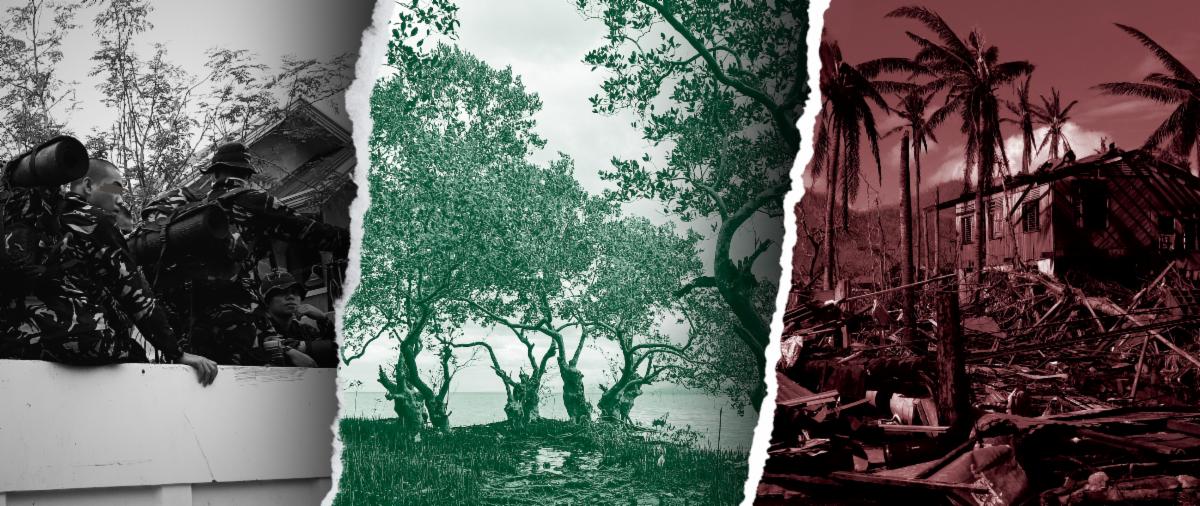
The BARMM Must Address Intersecting Climate and Conflict Risks Now | |
|
As humanitarian researchers exposed to different crises globally, we have seen how climate change exacerbates social, political, and environmental vulnerabilities — especially in fragile contexts already prone to conflict. This is becoming more evident in the Bangsamoro Autonomous Region in Muslim Mindanao (BARMM), the region with the highest poverty incidence in the Philippines, which faces immense challenges from climate change, conflict, and environmental degradation that threaten stability and development.
BARMM communities have long struggled with armed groups, clan tensions, natural resource depletion, and poverty. Climate hazards like typhoons, flooding, and drought threaten livelihoods and contribute to resource scarcity. These overlapping stressors occur while a fragile peace process occurs in hopes of stabilizing the region.
Limited resources constrain the ability of the BARMM’s transitional government, the BTA, to respond to climate impacts. The transition period will end in 2025 with elections that could shape the region’s future stability. So, the BTA must consider climate change now…
Read More in this piece by Dr. Vincenzo Bollettino and Graduate Research Assistant, Kendra Sterneck.
| |
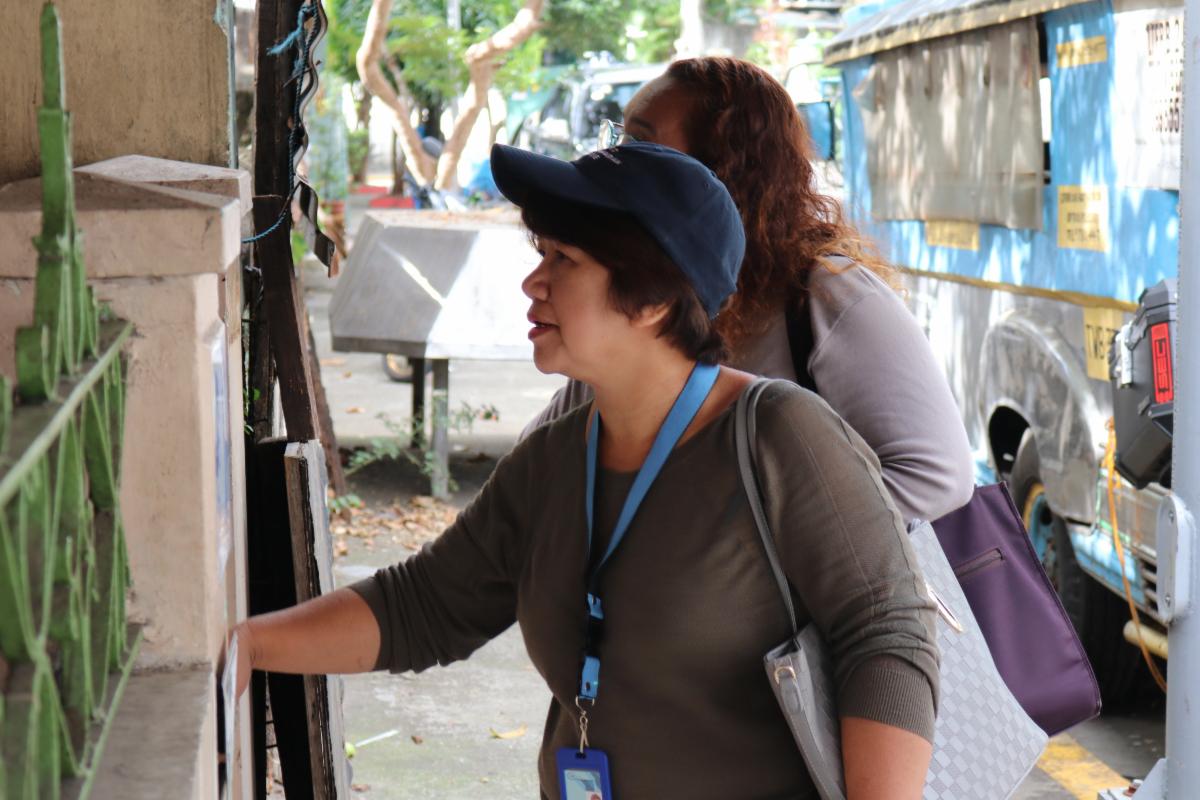
2nd Nationwide Survey on Disaster Preparedness Underway in the Philippines | Field team composed of local enumerators visits households in a community in Metro Manila in February 2024. | Photo by Keanu Costales | |
We have started the data collection for our 2nd nationwide survey in the Philippines which assesses factors affecting preparedness and resilience to disasters and climate change among Filipino households. This project builds on our previous survey conducted in 2017 and seeks to understand how Filipinos’ levels of preparedness and resilience have changed since. It also explores other critical elements of resilience, including mental health.
We are excited to share our findings soon!
| | |
Supporting Women-led Climate Action in Nepal | |
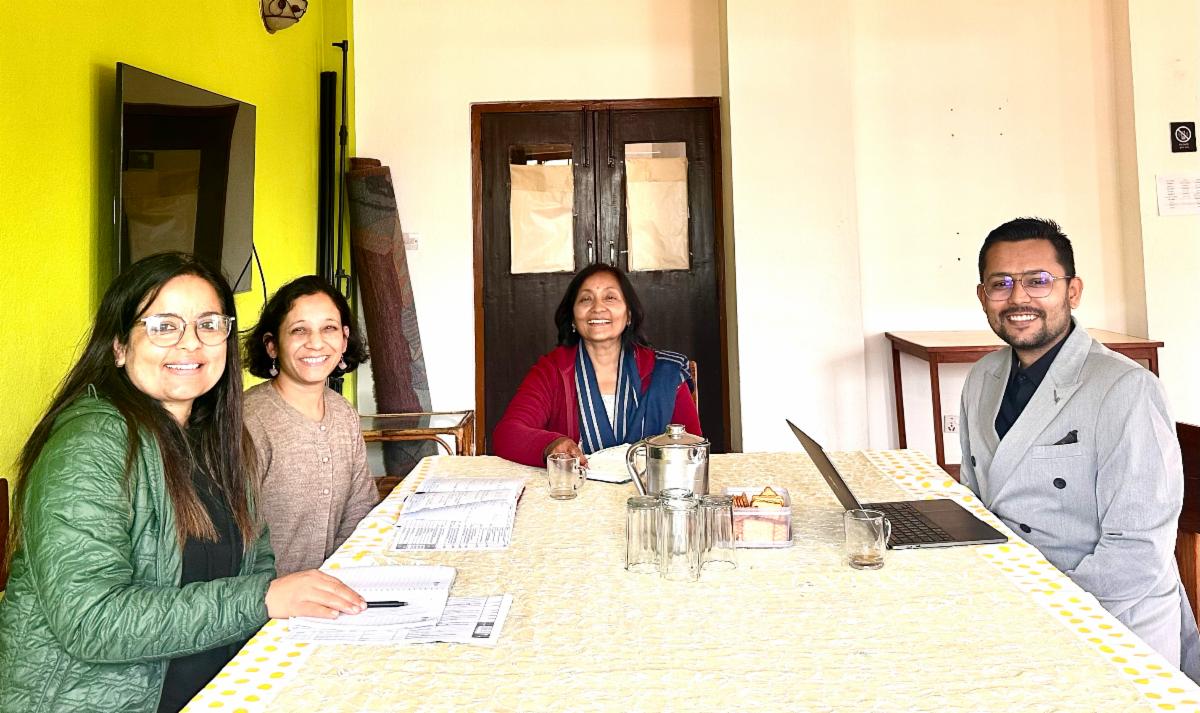
Ganesh Dhungana meets with Tewa’s Urmila Shrestha (Executive Director), Anuja Shrestha (Grant-making Manager), and Muna Pokhrel (Monitoring & Evaluation Officer) on March 26, 2024 to discuss next steps. | Photo by Ganesh Dhungana | |
|
This Women’s History Month, we are thrilled to highlight the work of Tewa Nepal, a community philanthropy organization that supports women’s groups across the country through grantmaking. Ultimately, Tewa’s goal is to strengthen women’s rights, amplify their voices, and end injustices against them.
We are excited to collaborate with Tewa on a new participatory research project that aims to support locally-led climate action. Women are at the forefront of grassroots efforts to build climate resilience and adapt livelihood strategies. Through meaningful engagement with Tewa grantee partners and their communities, the project will document the work of women’s groups addressing climate threats at the community level and explore the role women’s leadership can play in advancing inclusive climate change adaptation strategies and policies.
We look forward to sharing more on this work soon!
| |
We are happy to introduce “Spark Resilience,” a new section in our newsletter where we’ll feature positive news and developments on local disaster risk reduction and climate change adaptation to boost awareness of local action and spread inspiration to our valued stakeholders like you. | | |
|
"Go bag" for Every Household | |
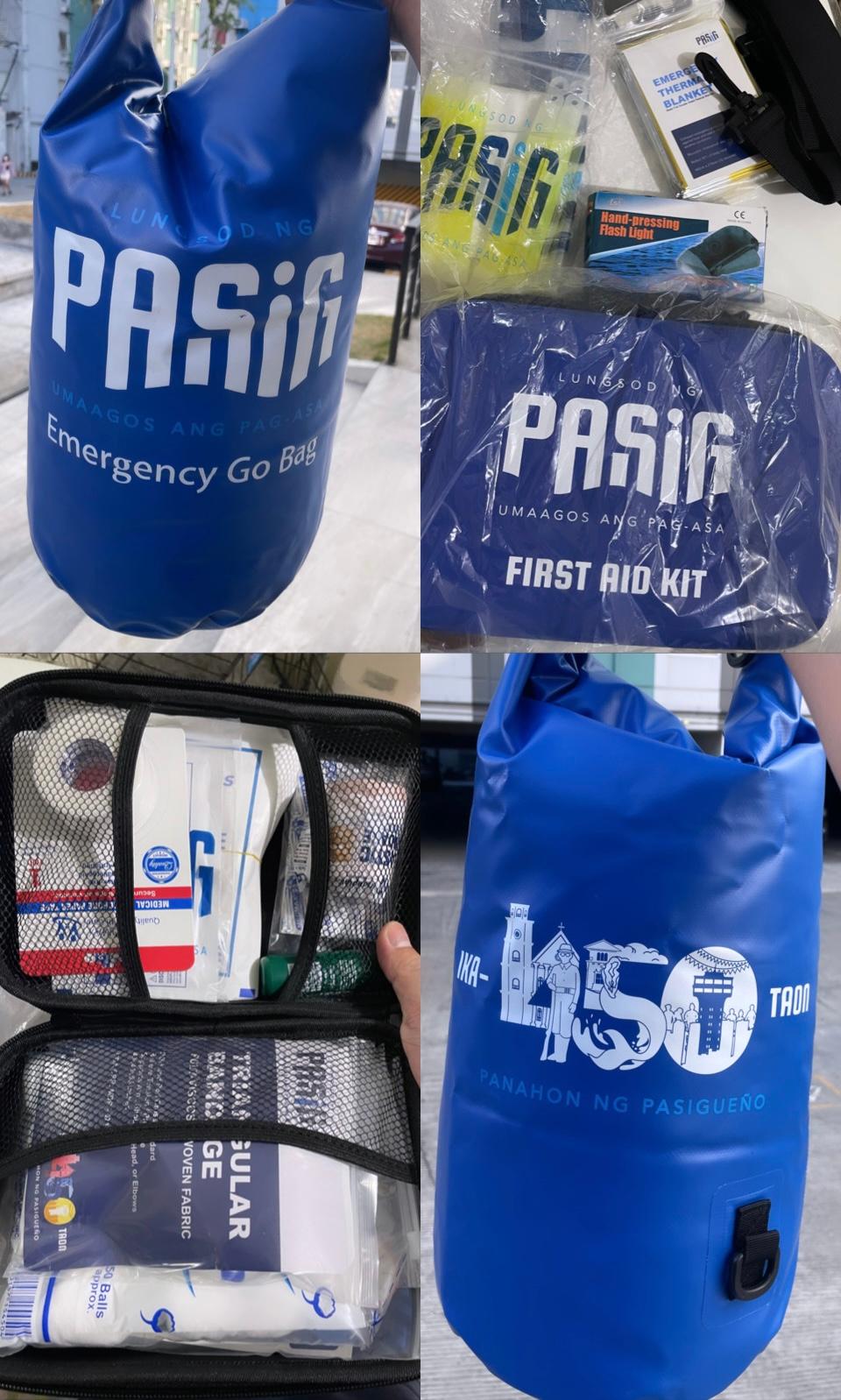
The local government of Pasig City in Metro Manila, Philippines has beefed up its efforts to support household disaster preparedness in the city that is highly vulnerable to the impacts of climate change and disasters such as flooding and earthquakes.
The local government distributed some 430,000 “emergency go bags” in the 1st quarter of this year to ensure that its over 800,000 citizens are equipped with essential tools in times of emergencies.
According to our 2017 survey, the majority (66%) of households in Metro Manila did not have a go bag. We commend Pasig City for addressing this issue and strengthening disaster preparedness in communities!
| | |
|
|
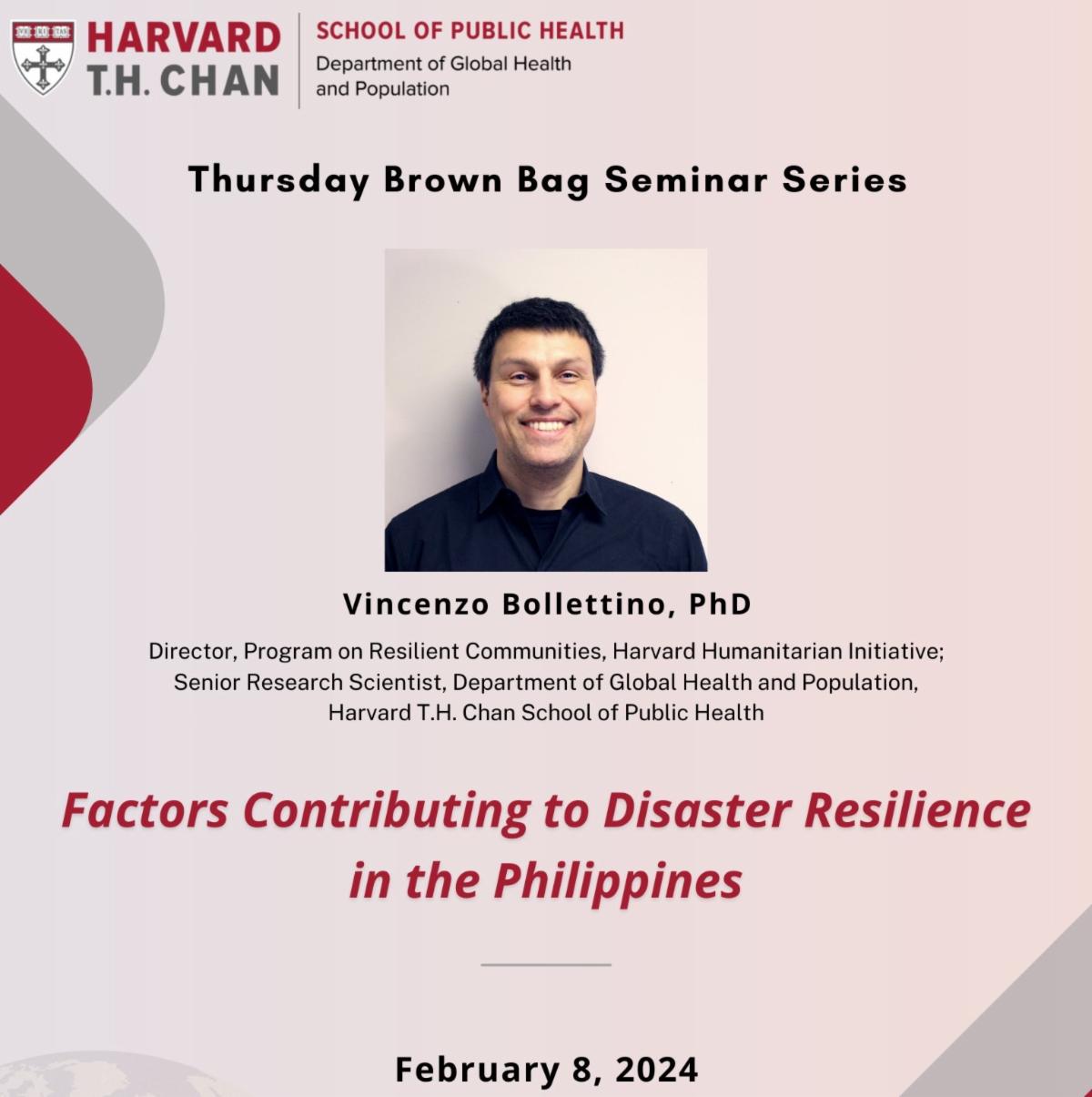
Dr. Bollettino, HHI Resilient Communities Program Director, joined the Harvard School of Public Health’s Thursday Brown Bag Series in February to discuss the factors contributing to disaster resilience in the Philippines.
Watch his lecture here.
| | |
|
We are grateful to organizations across the government, and private and development sectors for inviting us to exchange learning and strengthen our networks in Nepal through participation in multidisciplinary dialogue.
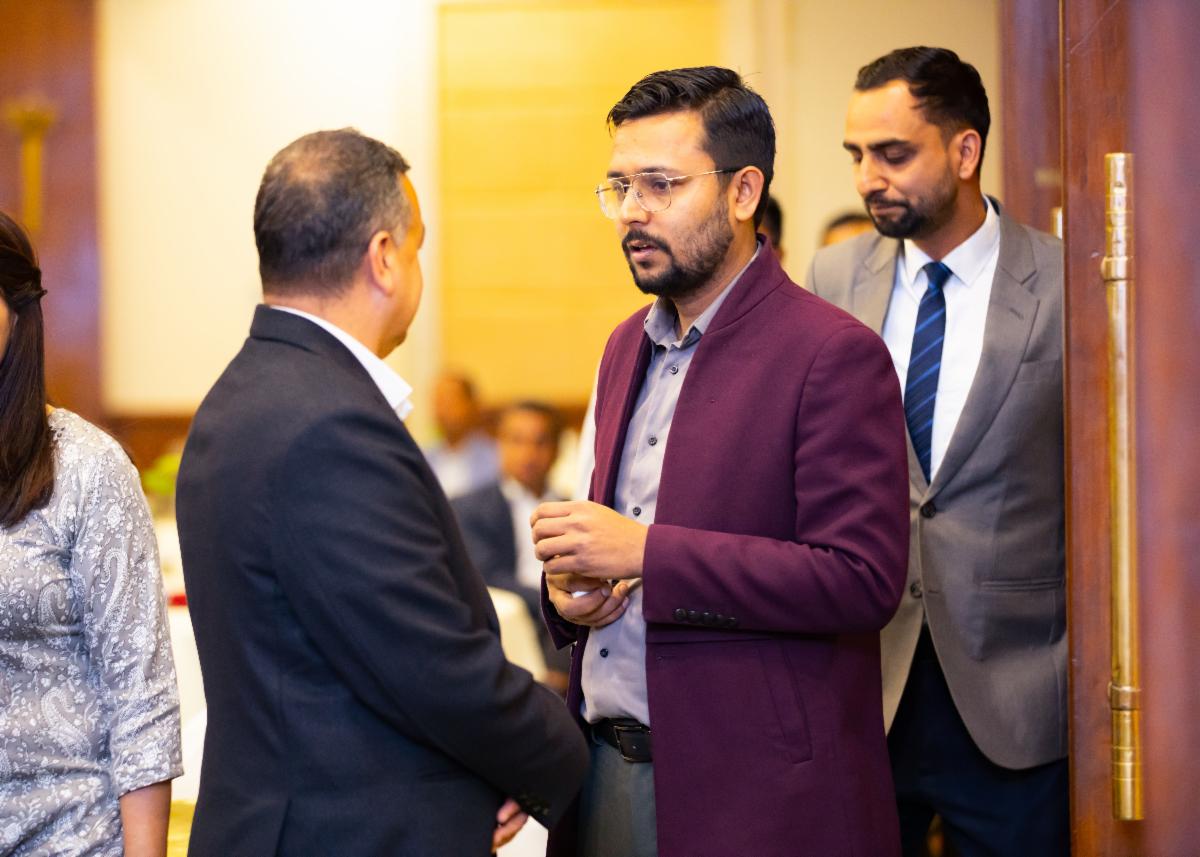
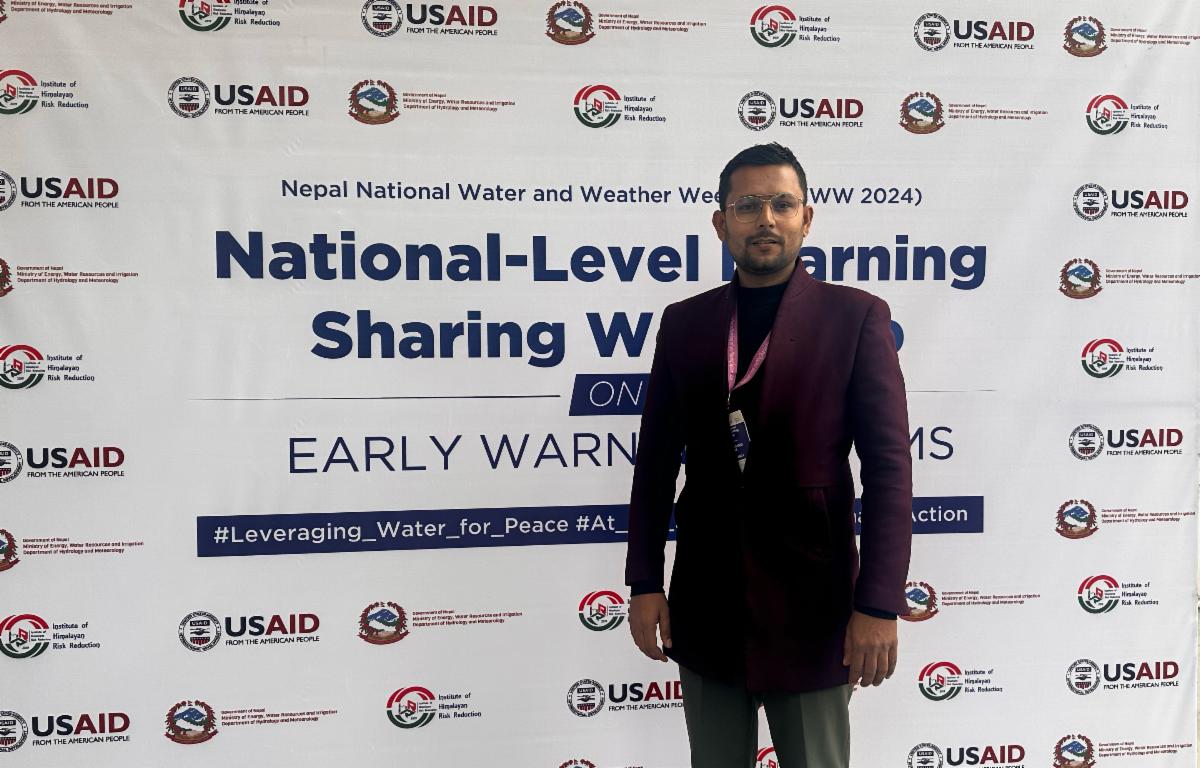
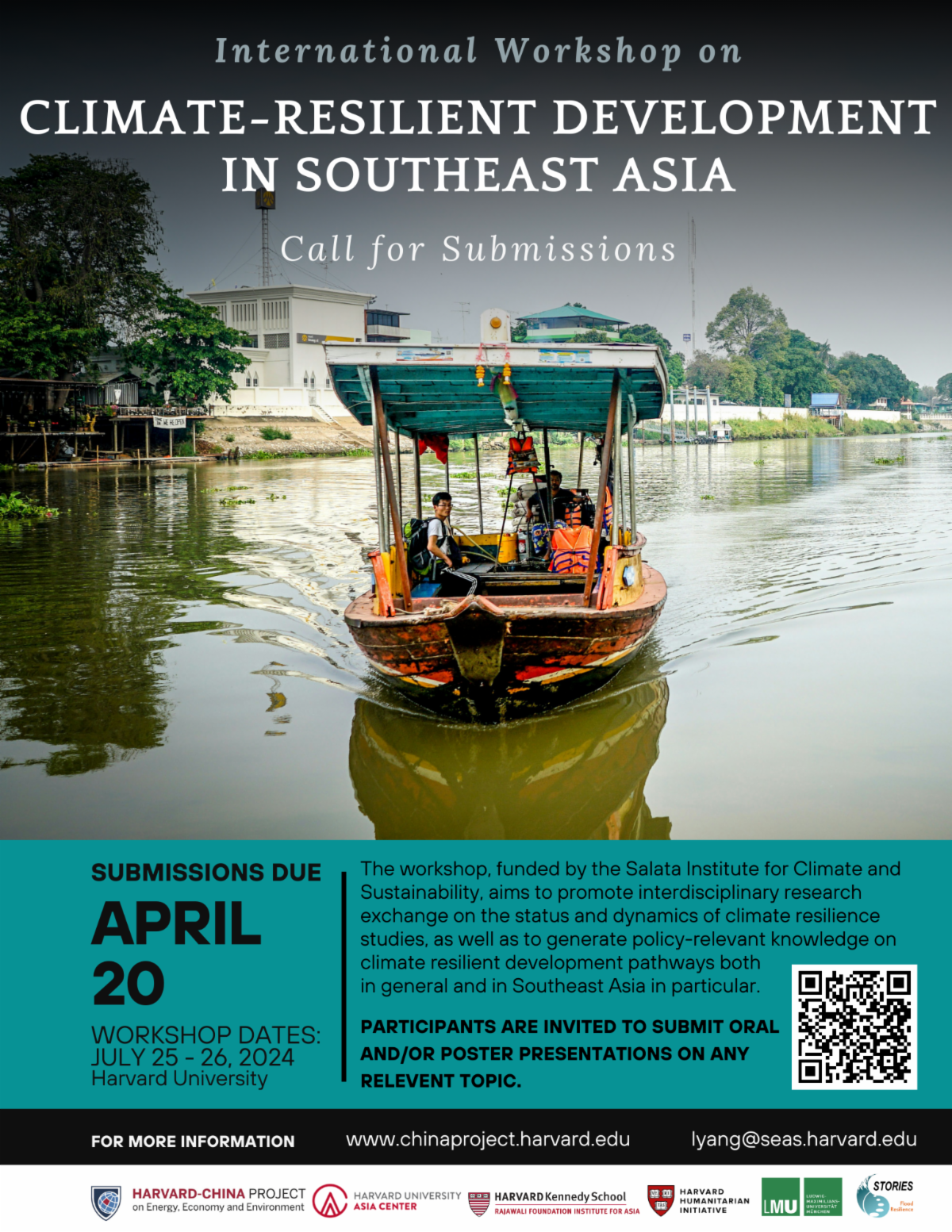
Ganesh Dhungana, HHI Resilient Communities Project Lead, Nepal, recently attended the National Dialogue on Climate Change and National-Level Learning Sharing Workshop on Early Warning System hosted by the Municipal Association of Nepal (MuAN) and Nepal’s Department of Hydrology and Meteorology, respectively.
Interested in inviting HHI Resilient Communities to your events?
| |
Ganesh Dhungana interacts with a local government official at the National Dialogue on Climate Change event held in Kathmandu on March 12, 2024. | Photo by MuAN | Ganesh Dhungana at the National-Level Learning Sharing Workshop on Early Warning System held in Kathmandu on March 21, 2024. | Photo by Ganesh Dhungana | |
Opportunity for Researchers | |
|
As we celebrate the power and contributions of women in our society this month, we also extend our warmest welcome to two brilliant women who recently joined the Harvard Humanitarian Initiative (HHI): Matilda and Amani!
We look forward to working with them and supporting their valuable contributions to the growth of our organization.
| |
|
Meet HHI’s Manager of Administration:
Matilda Matovu, MA
| Matilda is a dedicated community builder with a rich background in program management and administration. Prior to joining HHI, Matilda served as the Program Manager at Harvard Law School's Office of Community Engagement, Equity & Belonging, where she oversaw a diverse portfolio, supervising over 100 official HLS student organizations. Outside of her institutional roles, Matilda demonstrates a deep commitment to community empowerment and social justice. | | |
|
Meet HHI’s Administrative & Program Coordinator:
Amani Altell, MPH
| |
|
Amani is looking forward to fostering collaboration among team members from diverse backgrounds and disciplines to drive impactful change aligned with HHI's mission and vision. She is particularly excited about embracing varied global perspectives, recognizing their essential role in shaping evidence-based strategies aimed at reducing health disparities and tackling humanitarian challenges.
Amani brings a wealth of experience in managing international educational events and driving impactful capacity-building programs. A dedicated public health leader, Amani is passionate about reducing health disparities globally, as demonstrated through her previous work on projects in Jordan and Indonesia. Her expertise lies in program planning, monitoring & evaluation, and health education, showcasing a strong commitment to shaping the future of healthcare.
| |
|
Thank you for reading, Amani!
Let's stay connected! Follow us on social media:
| |
Share this newsletter via: | | | | |