|
As the growing season ends in the Hudson Highlands, let's resist the urge to tidy up our gardens. Beds that look "messy" to us actually provide essential overwintering habitats for pollinators and other wildlife. For example, instead of migrating like monarchs, most of our butterflies spend the winter as caterpillars, chrysalises, or adults hidden under leaves. When we rake leaves and cut plants to the ground, we eliminate those vital pollinators. Standing plant stems also provide nesting sites for solitary bees and cavity-nesting bee larvae, while leaf litter offers nutrients, insulation, and critical cover for overwintering eggs and caterpillars. Our region's native plants, from purple coneflowers to milkweed, evolved alongside our local pollinators over millions of years, creating relationships that suburban lawns simply cannot support.
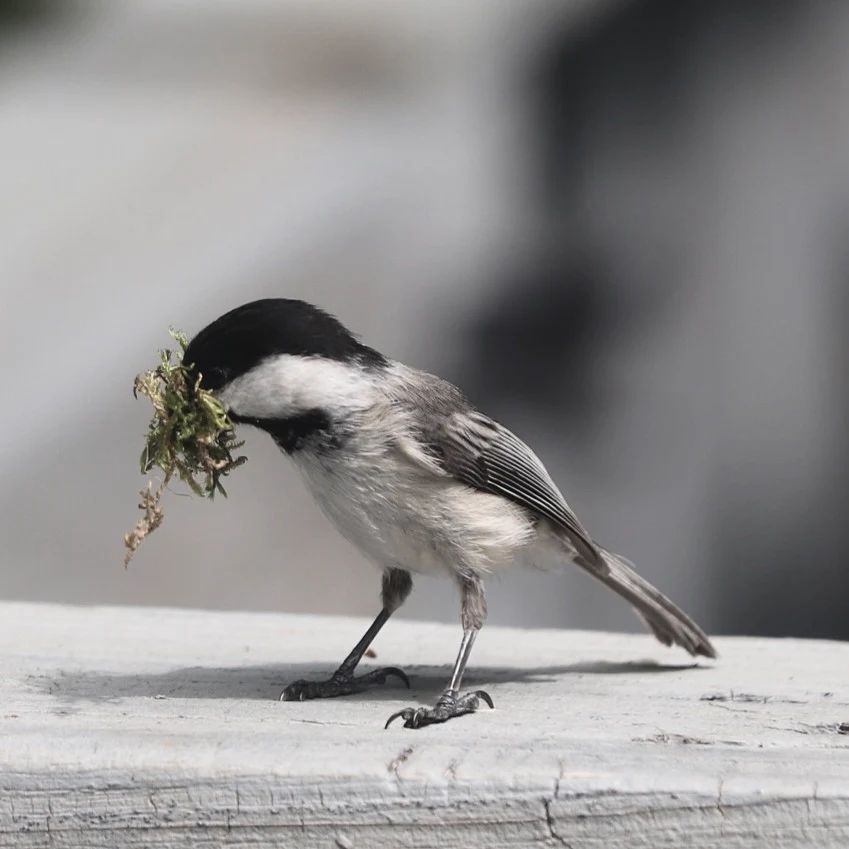
The pollinator movement has taken root throughout the Hudson Valley, with municipalities across Putnam, Dutchess, Orange, Ulster, and Columbia counties joining the effort to create pesticide-free native plant corridors. By leaving leaves where they fall, keeping plant stems standing through winter, and allowing some bare soil to remain exposed for ground-nesting bees, you are creating critical habitat that helps reverse alarming pollinator declines. As a bonus, dried flower heads provide important fall and winter seeds for goldfinches, chickadees, and juncos, turning your winter garden into a natural bird feeder.
|