|
Q&A with Intern Labibah Hassan
Rising Junior at Rochester Institute of
Technology
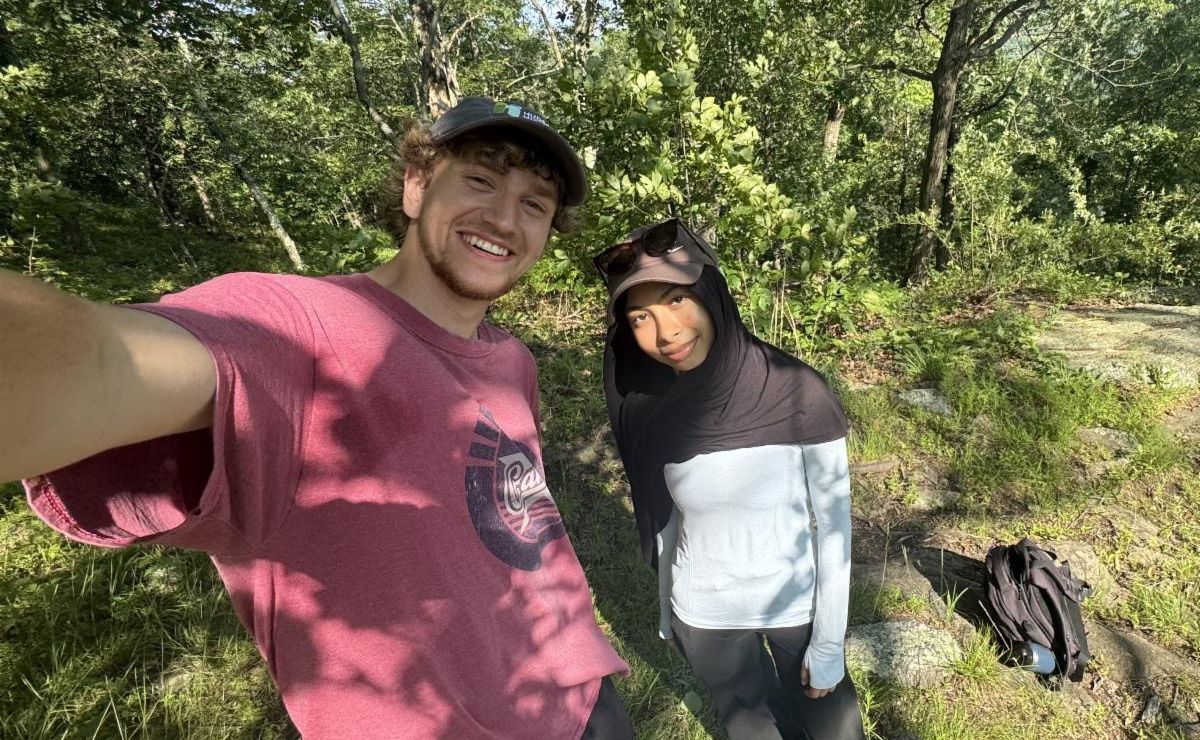
What initially sparked your interest in environmental work? I’m actually not an environmental science student, I am a rising junior at RIT, studying Management Information Systems (MIS), which focuses on using technology, people, and data to improve how businesses operate. Yet, I’ve always felt drawn to nature. As a kid, I
loved being outside... whether it was exploring trails, sitting in the grass, picking wildflowers, chasing sunsets, or just watching the way the light shifted in the trees. It was the one place I truly felt present and at home. As I’ve gotten older, I’ve started thinking more seriously about the kind of work that feels meaningful. I
wouldn’t call myself a hardcore environmentalist, but I do care deeply about the planet and the way we live with it. Even if I’m not studying environmental science, I believe this field needs people with all kinds of skills, including project management, data analysis, and systems thinking. That’s what drew me to this internship. It’s a space where I can explore how my MIS background fits into
environmental work, whether through organizing projects, managing data, or communicating impact. It’s helping me figure out where I can make a real difference by combining what I’m good at with what I care about. And for me, that balance of purpose and impact is what I hope to build my career around.
How important do you think it is to connect people with nature? Why?
I think it’s incredibly important, especially now, when so much of our time is spent indoors or in front of screens. Nature has this way of grounding you, slowing things down, and giving you space to just be. That’s something I personally value a lot. Mental and physical health are both really important to me. I have found that time outside, whether I’m walking a trail, sitting by water, or just breathing fresh air,
always helps me reset and feel more balanced. When people feel that connection to nature, they start to notice more and care more. It doesn’t take much, just a quiet moment outside that can shift your mindset. And I think that’s where long-term environmental care begins: with people who feel like they are part of something bigger, and who feel healthier and more whole because of it.
What emerging technology or innovation in the environmental field excites you the most? I’m especially interested in how data collection and mapping technologies are being used in conservation work. Tools like remote sensing, GIS, and real-time sensors give us incredibly useful insights, whether it’s
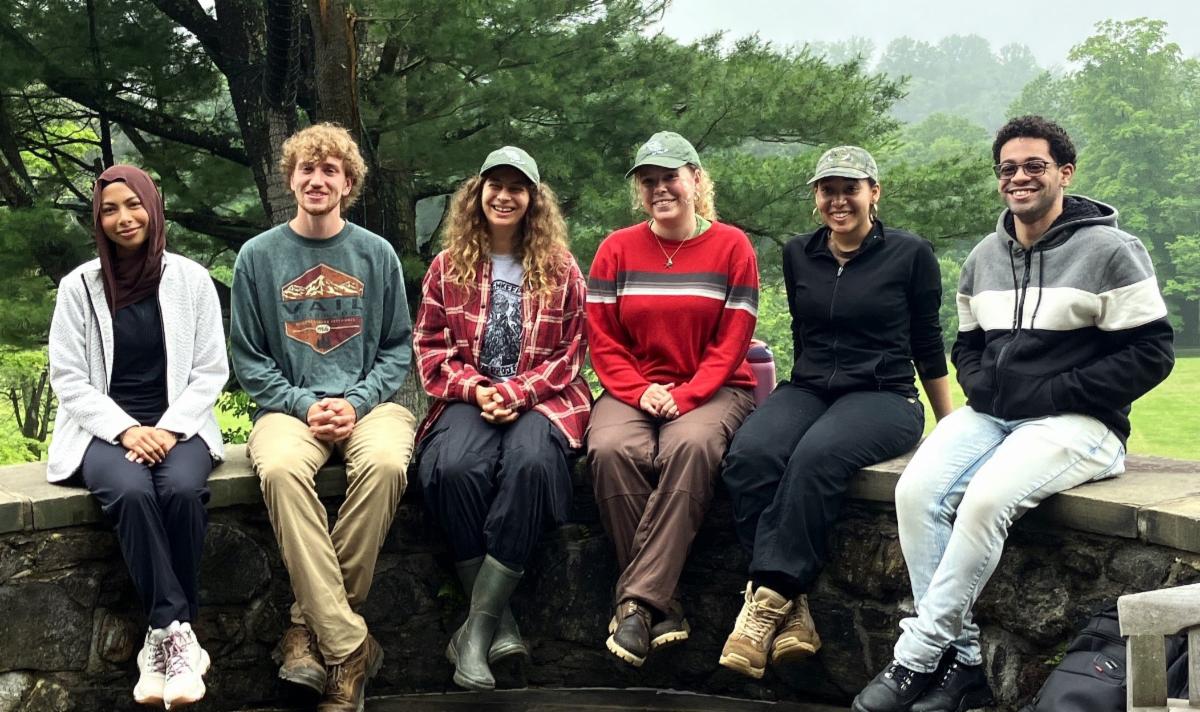
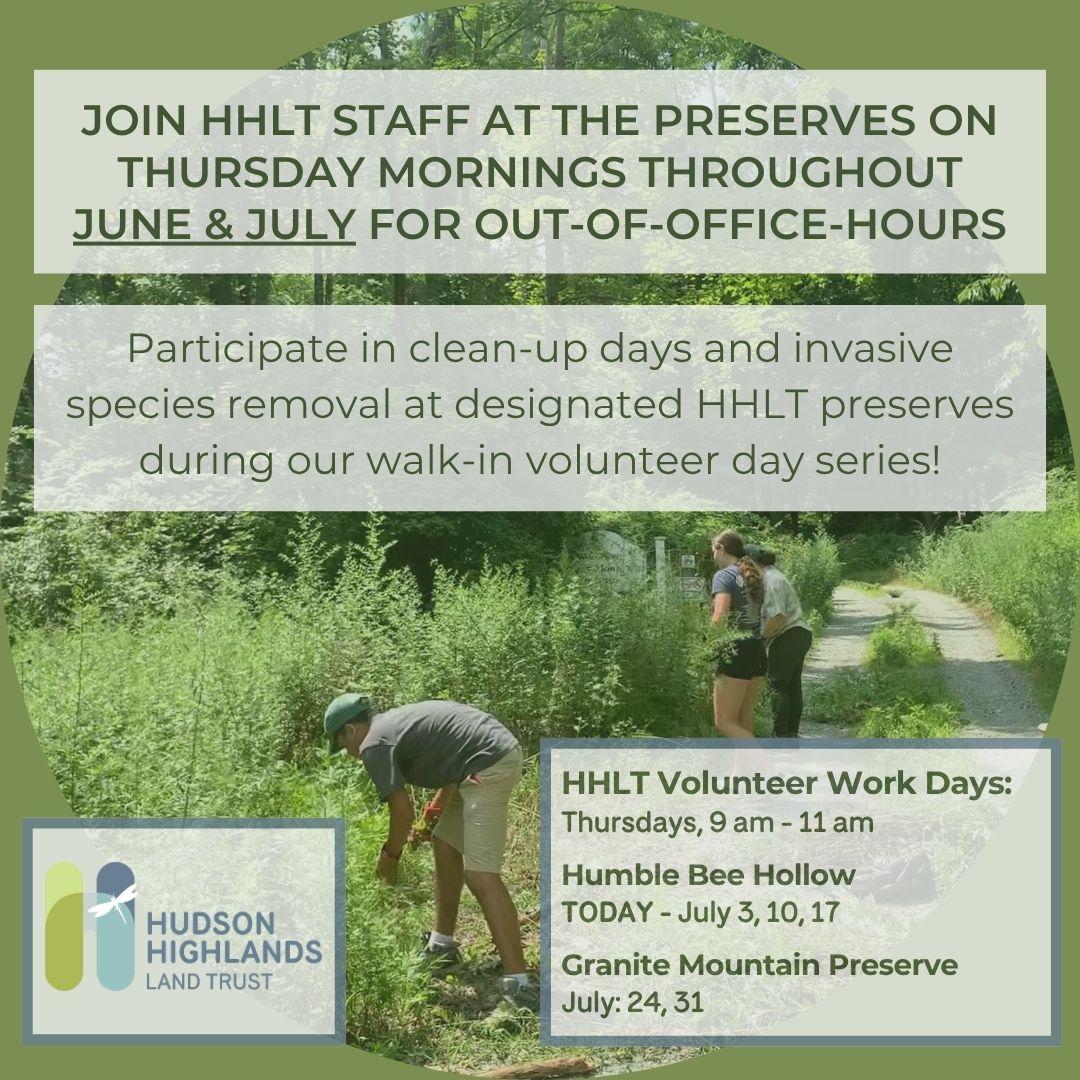
tracking biodiversity, monitoring air and water quality, or identifying shifts in land use. But what I find most remarkable is how accessible some of these tools have become! During my internship with the Hudson Highlands Land Trust and The Fresh Air Fund, we’ve been using platforms like Avenza Maps and iMapInvasives to record invasive species data in the field, and Seek and iNaturalist, which use AI to help identify plants and animals. These tools not only support land managers and interns like me, but they also make it possible for everyday people to contribute. There are so many gaps in environmental data simply because there aren’t enough eyes on the ground. If more people downloaded these apps and got involved, we could fill in those holes and build a much richer understanding of our local ecosystems. As someone studying MIS, that combination of community
engagement and data systems is something I’m really passionate about. Tech becomes especially powerful when it’s used to connect people and create shared responsibility.
|