News from HHLT: July 2025

Dear friends,

On behalf of HHLT's board and staff, I wish you a safe and joyous holiday! We hope you can spend some time outdoors with friends and family over the holiday weekend.


This month, we’re excited to introduce three young conservationists who are contributing their time and talents to help us care for the Hudson Highlands through HHLT's summer internship program. Among various projects, the interns will lead restoration projects that help maintain healthy and biodiverse fields and forests.


Along with our partners and dedicated volunteers, HHLT’s interns have been carefully removing invasive plants from forest understories and preparing sites for native plantings this fall. This hands-on approach—often done manually to protect surrounding native species—strengthens the forest's ability to provide clean air, filter water, and support diverse wildlife.


Our thanks to the next generation of young environmental leaders who are stepping up to protect and care for the many unique habitats of the Hudson Highlands.


Best wishes,

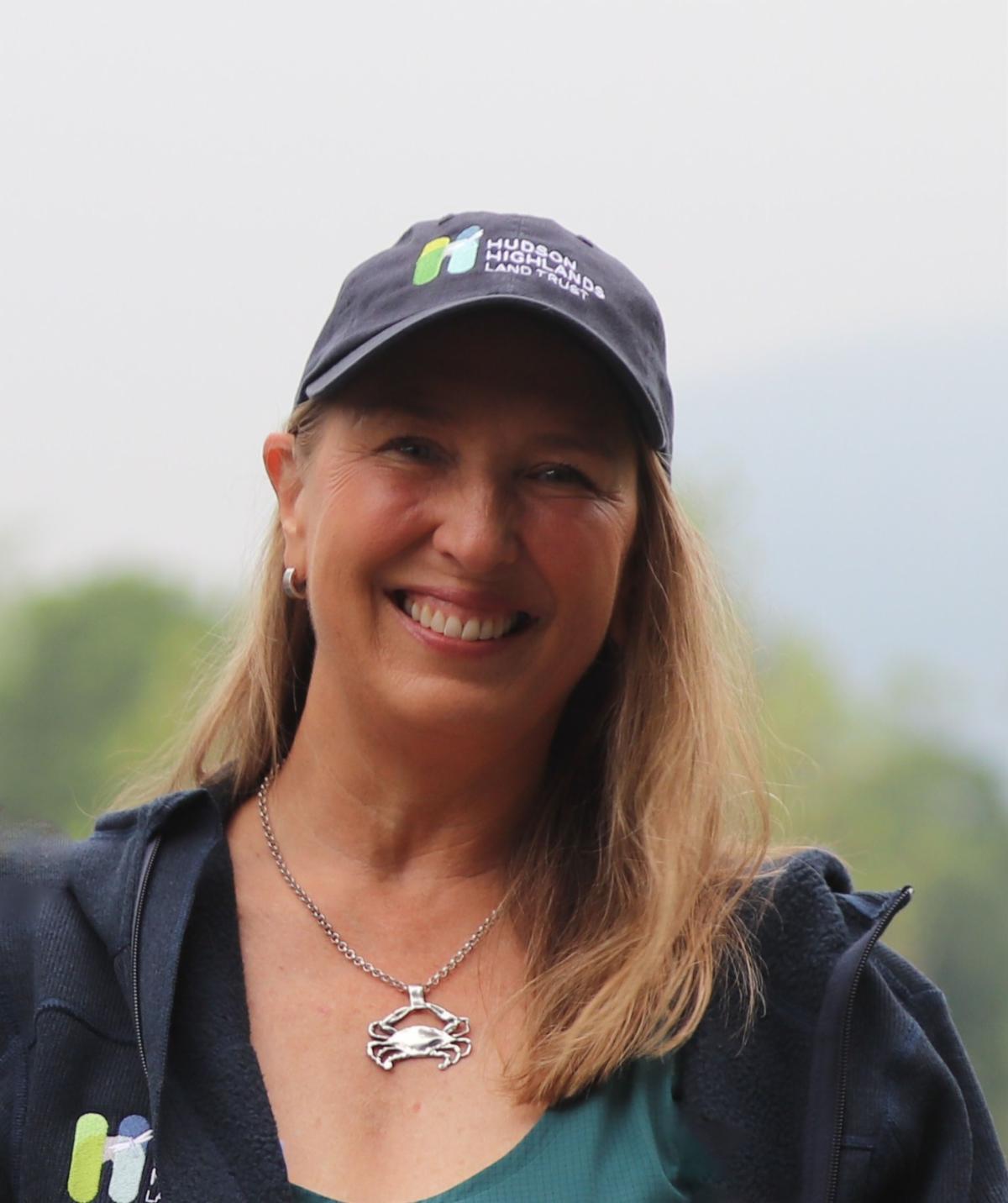
Katrina Shindledecker, Executive Director

Hudson Highlands Land Trust


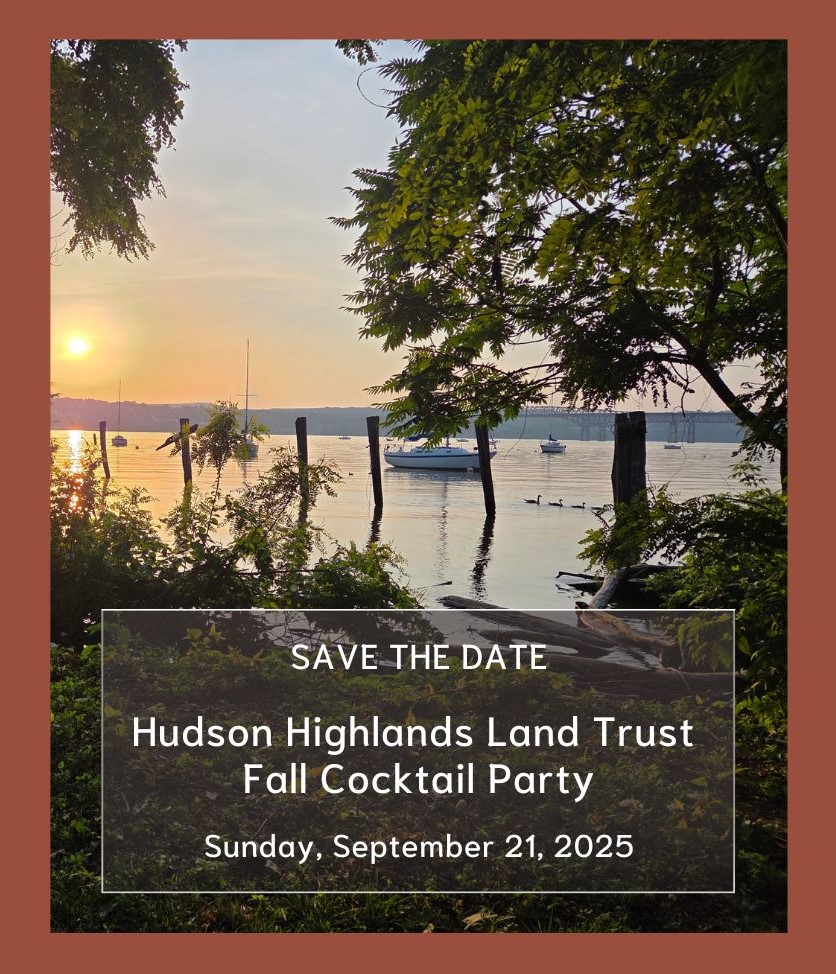
Don't forget to save the date for HHLT's Annual Fall Cocktail Party on September 21! More details coming soon.

Learning on the Land:

Meet the HHLT Summer Interns

Labibah Hassan, Tim Woodward, and Fionnoula O'Reilly

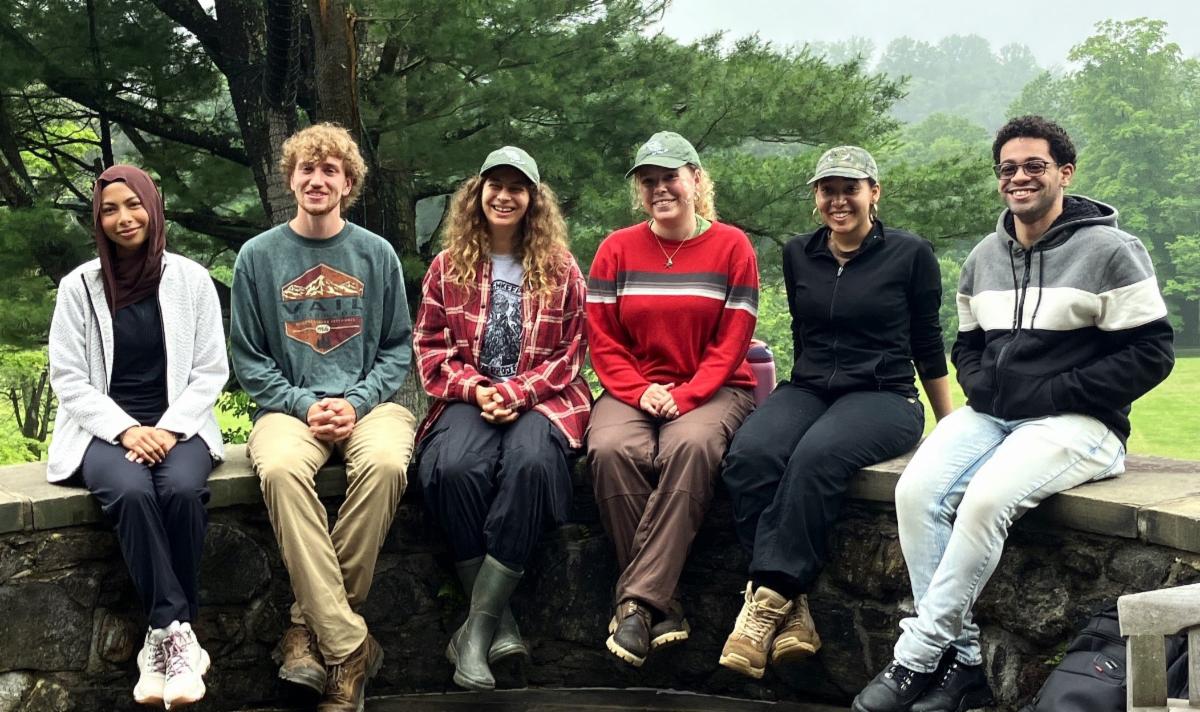
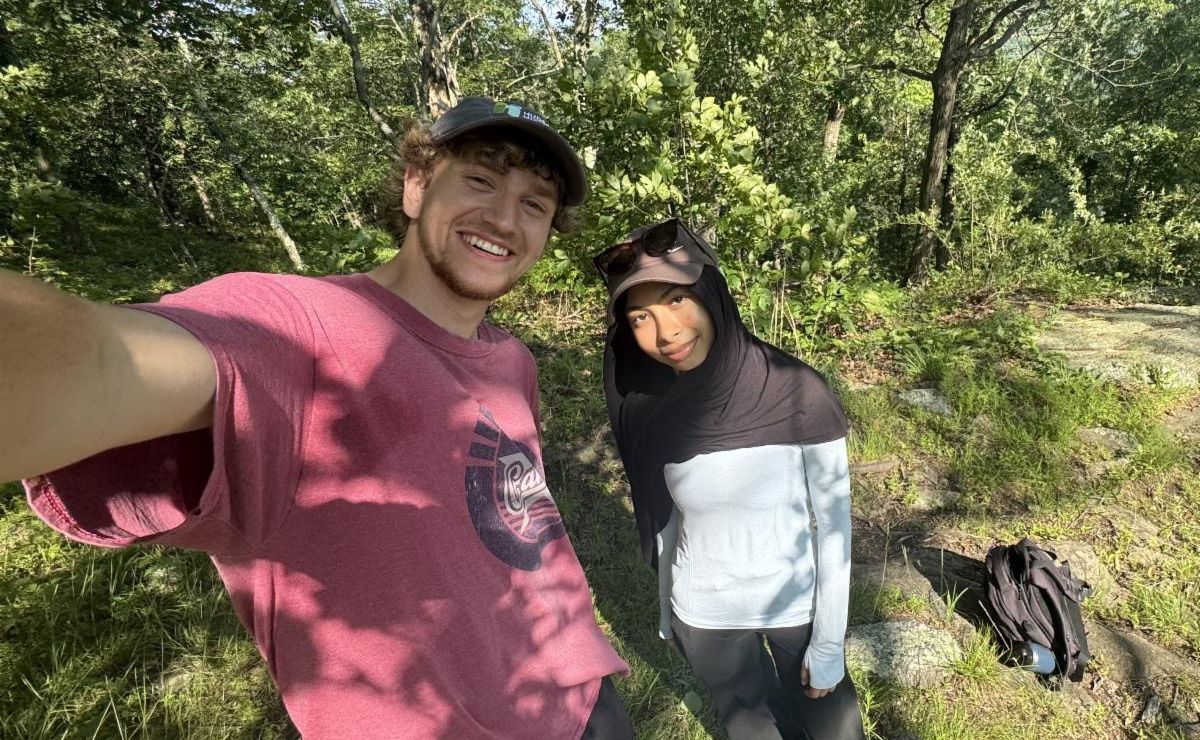
HHLT's summer interns Labibah and Tim, with their fellow 2025 Land Management Interns

HHLT is delighted to continue our collaborative Land Management Internship program with Fresh Air Fund's Sharpe Reservation, working alongside the Preserve at Vassar College and The Louis Calder Center - Biological Field Station at Fordham University. This partnership allows us to mentor a total of six interns throughout the summer season. Thank you to the New York-New Jersey Trail Conference's Lower Hudson Partnership for Regional Invasive Species Management (LHPRISM) for their continued support of this summer internship program.


Labibah and Tim will lead important fieldwork, focusing on invasive species monitoring and control efforts across HHLT's preserves. In addition, we're pleased to welcome Fionnoula ("Noula"), a finance student at Boston College with a passion for conservation work, who is helping HHLT staff in the field and office.


HHLT staff member Nadia Azizi interviewed these dedicated young environmental stewards to learn about their conservation goals, summer experiences, and thoughts on fostering connections between communities and the natural world. You can read our conversations with them below. If you're exploring HHLT preserves this summer and encounter Labibah, Tim, or Noula in the field, please take a moment to greet them!

Q&A with Intern Tim Woodward

Recent SUNY Binghamton graduate


Which environmental issues are you most passionate about addressing?

Two current environmental issues I am most passionate about addressing are, bridging the gap between conservation and recreation, and environmental education at the youth level. Conservationists and those that participate in outdoor recreation often butt heads but ultimately end up having very similar goals and interests. As someone that actively fishes the many beautiful water bodies of New York, I can see first hand the value in protecting spaces that are being used for recreation so that future generations can experience the pristine waterways as they are meant to look. Secondly, strong and robust environmental education for the youth is what will guide future generations towards the solutions for environmental and climate crisis that cannot be solved in a single generation. Already a lot is being done by groups such as Hudson Highland Land Trust and Sharpe Reservation to educate the youth of New York and surrounding states but on the national and worldwide level there is still much to be done.


What are you most looking forward to during your internship?

The aspects of the internship that I am looking forward to the most are building foundational fieldwork skills and sharpening my education and outreach abilities. Coming from a background more geared towards environmental education, I am lacking in the area of fieldwork skills such as GIS data collection and plant identification, which we will be doing a significant amount of in the coming weeks. Also, although I come from an education background, working collaboratively on outreach and public education is a ever present goal that can be challenging in the environmental space. Therefore, being able to consistently sharpen those skills throughout the course of the internship will be very beneficial to my future endeavors.


How important do you think it is to connect people with nature? Why?

From my perspective, and also based on my knowledge of current research, I believe it is essential to connect people with nature. There are different ways that someone can connect with nature, which will vary greatly depending on many factors such as location and socio-economic status. However, connecting with nature in a positive way can lead to many physical and mental health benefits, especially for the youth. The Fresh Air Fund has done extensive research on this subject, specifically in regards to the youth development and systemic inequality. Based on their research there is an urgent need for all people to be connecting with nature on a regular basis in accessible spaces that encourage learning and engagement with the natural world. The disconnect from nature that many people experience, especially those that live in inner cities with limited access to green spaces, is continuing to grow as society becomes more technologically dependent and isolated from the environment. The reversal of this disconnect may be the key to moving into a future in which people and the environment can coexist in a way that is mutually beneficial.

Q&A with Intern Labibah Hassan

Rising Junior at Rochester Institute of

Technology


What initially sparked your interest in environmental work? I’m actually not an environmental science student, I am a rising junior at RIT, studying Management Information Systems (MIS), which focuses on using technology, people, and data to improve how businesses operate. Yet, I’ve always felt drawn to nature. As a kid, I

loved being outside... whether it was exploring trails, sitting in the grass, picking wildflowers, chasing sunsets, or just watching the way the light shifted in the trees. It was the one place I truly felt present and at home. As I’ve gotten older, I’ve started thinking more seriously about the kind of work that feels meaningful. I

wouldn’t call myself a hardcore environmentalist, but I do care deeply about the planet and the way we live with it. Even if I’m not studying environmental science, I believe this field needs people with all kinds of skills, including project management, data analysis, and systems thinking. That’s what drew me to this internship. It’s a space where I can explore how my MIS background fits into

environmental work, whether through organizing projects, managing data, or communicating impact. It’s helping me figure out where I can make a real difference by combining what I’m good at with what I care about. And for me, that balance of purpose and impact is what I hope to build my career around.


How important do you think it is to connect people with nature? Why?

I think it’s incredibly important, especially now, when so much of our time is spent indoors or in front of screens. Nature has this way of grounding you, slowing things down, and giving you space to just be. That’s something I personally value a lot. Mental and physical health are both really important to me. I have found that time outside, whether I’m walking a trail, sitting by water, or just breathing fresh air,

always helps me reset and feel more balanced. When people feel that connection to nature, they start to notice more and care more. It doesn’t take much, just a quiet moment outside that can shift your mindset. And I think that’s where long-term environmental care begins: with people who feel like they are part of something bigger, and who feel healthier and more whole because of it.


What emerging technology or innovation in the environmental field excites you the most? I’m especially interested in how data collection and mapping technologies are being used in conservation work. Tools like remote sensing, GIS, and real-time sensors give us incredibly useful insights, whether it’s

tracking biodiversity, monitoring air and water quality, or identifying shifts in land use. But what I find most remarkable is how accessible some of these tools have become! During my internship with the Hudson Highlands Land Trust and The Fresh Air Fund, we’ve been using platforms like Avenza Maps and iMapInvasives to record invasive species data in the field, and Seek and iNaturalist, which use AI to help identify plants and animals. These tools not only support land managers and interns like me, but they also make it possible for everyday people to contribute. There are so many gaps in environmental data simply because there aren’t enough eyes on the ground. If more people downloaded these apps and got involved, we could fill in those holes and build a much richer understanding of our local ecosystems. As someone studying MIS, that combination of community

engagement and data systems is something I’m really passionate about. Tech becomes especially powerful when it’s used to connect people and create shared responsibility.

Q&A with HHLT Intern Fionnoula O'Reilly

Rising Junior at Boston College


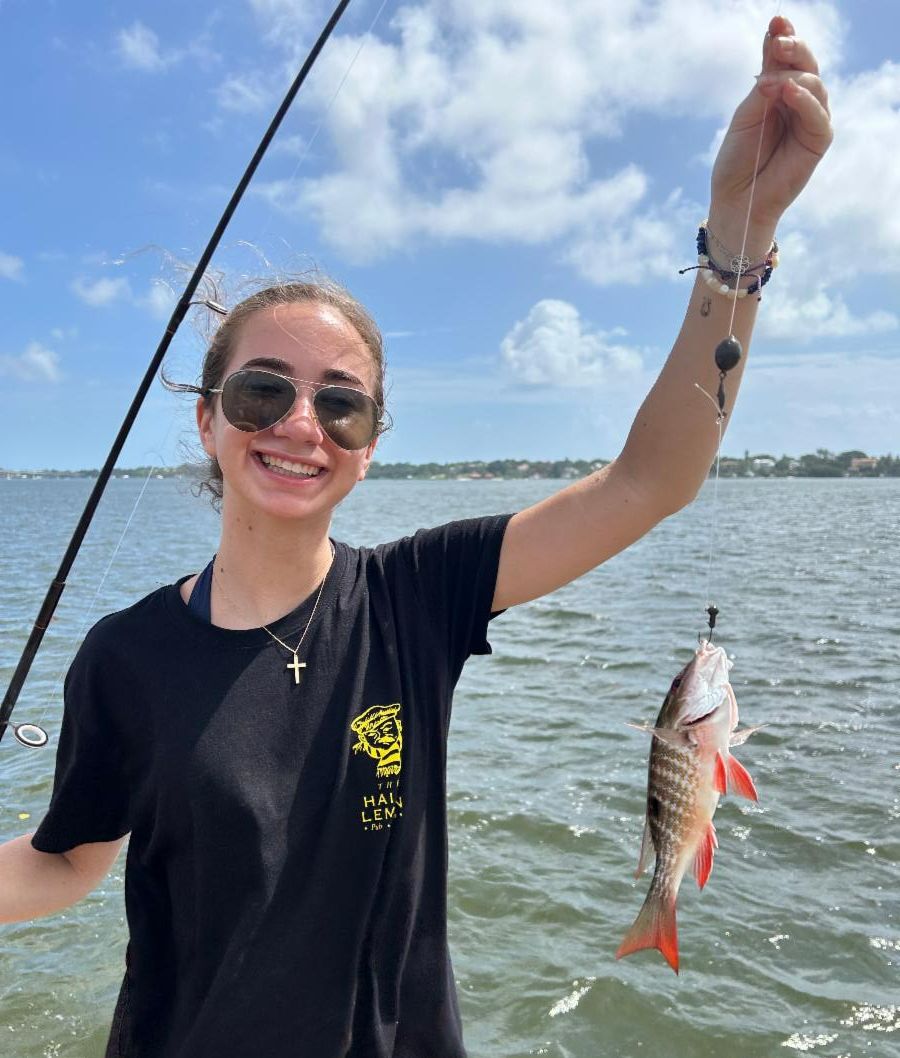
What initially sparked your interest in environmental work? My initial interest in environmental work was sparked by my love for hiking and the outdoors. Since I grew up in Garrison, I was always hiking or enjoying the scenic nature all around the area. I have known these trails and views my whole life, so being able to help protect them is very rewarding. There's something special about walking the same paths I explored as a child and now working to ensure future generations can have those same experiences. Growing up in the Hudson Highlands gave me a deep appreciation for these natural spaces and made me realize how important it is to protect them for our community.


What has been your favorite project or task during your internship so far? My favorite project so far has been taking photos of some of the land and trails owned by HHLT. Being able to share photos of such lush green spaces is such a great way to show people how beautiful this area is and why it should be protected. It was so cool to capture shots of the preserved land that is open for the public to enjoy! What I love most about this project is that it combines my passion for the outdoors with storytelling. I've discovered hidden gems even in areas I thought I knew well, and the photography work has taught me to slow down and really observe the details of these landscapes. It's incredibly fulfilling to know that these images might inspire someone to visit these trails or get involved in conservation efforts.


How important do you think it is to connect people with nature? Why? I believe it is very important to connect people with nature because they can see all the ways nature benefits us and how we can protect it in return. Getting outside is a great way to see how important nature is to our lives! When people spend time in natural spaces, they experience the mental and physical health benefits firsthand—like the stress relief of a quiet forest walk or the energy boost from fresh air. These personal connections create a foundation for caring about environmental issues. I've noticed that people who regularly spend time outdoors become natural advocates for conservation because they understand what we stand to lose. The more people understand this connection through direct experience, the more likely they are to support conservation efforts.

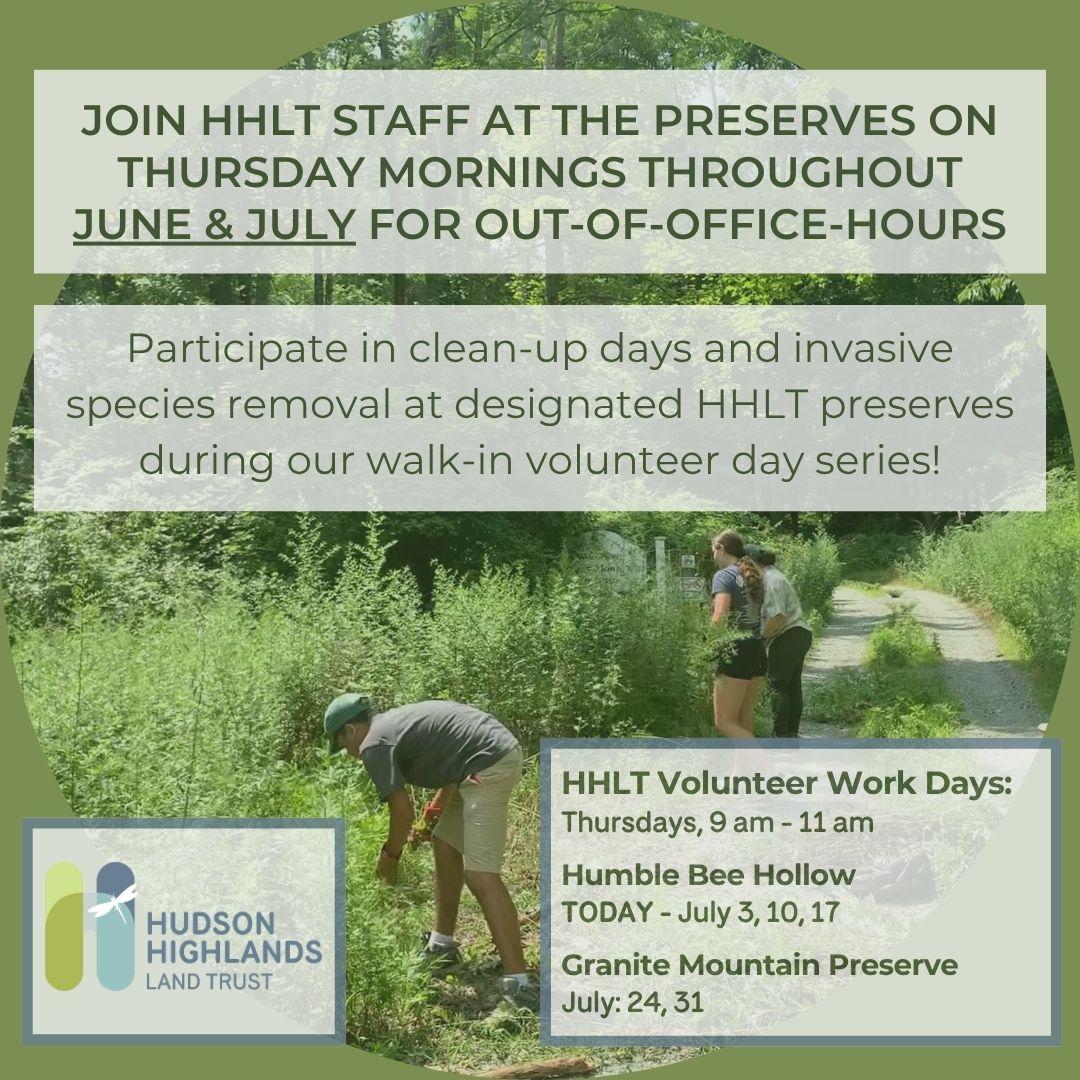
Come Meet the Interns at an

Out-of-Office-Hours Volunteer Event!

Forest Therapy Workshop at HHLT Preserves:


Join the Hudson Highlands Land Trust and certified forest therapy guide Valerie Smith from Sugar Maple Counseling for two FREE wellness workshops at HHLT preserves on Friday, July 11 & Saturday, August 16. Click here to register & learn more!

UPCOMING PARTNER EVENTS

Click on the links below for more information about these upcoming events.

Note: A double asterisk (**) indicates pre-registration or tickets are required.


July 8: HV Alliance for Housing & Conservation: Summer Lunch n' Learn**

July 10: Black Rock Forest: Volunteer Day Series**

July 12: Newburgh Wants a Park Celebration!: All ages**

July 12: Redhawk Native American Arts Council: Bear Mountain Celebration: All ages

July 12 & 13: Putnam History Museum: Stories in Stone Weekend**

July 19: Cornell Cooperative Extension Putnam Valley: Guided Hike: All ages**

July 19: Desmond-Fish Library: Ice Age Show with Field Paleontologists**

July 22: Dutchess Land Conservancy: 3rd Annual Moth Night**

July 26: OutdoorPromise: Peach Hill Preserve Exploration: All ages**

July 26: Fjord Trail: Invasives Strike Force Volunteer Days**

July 26 & 27: 4-H Showcase at the Putnam County Country Fair: All ages

HHLT conserves and cares for the lands and waters of the Hudson Highlands,

so that people and nature can flourish together for generations to come.


You make our work possible. Thank you for your support!

Photo credits, top to bottom: Banner & Photo of Katrina (Davis Connelly);

Photo of Land Management Interns (HHLT Staff & Interns); Photo of Noula O'Reilly (Family); Volunteer Day Graphic (HHLT Staff); Milkweed Photo (Cory Tiger)


Hudson Highlands Land Trust

20 Nazareth Way, P.O. Box 226, Garrison, NY 10524

(845) 424-3358

info@hhlt.org

www.hhlt.org


Facebook  Twitter  Instagram