News from HHLT: March 2025 | |
|
Dear friends,
March is Women's History Month, a perfect time to recognize female conservationists whose vision and dedication have helped protect the natural world.
Here in the Hudson Valley, women continue to lead vital conservation efforts. I'm delighted to share that our esteemed Board member, Dr. Angelica Patterson, plant ecophysiologist and science communicator from Mount Holyoke College, will be presenting two fascinating lectures hosted by the Cary Institute this month. Her research, expertise, and passion for local ecosystems exemplify the powerful impact women are making in environmental stewardship today (see below for more detail).
As spring approaches, I encourage you to take advantage of the many programs available throughout the Hudson Valley – from guided nature walks to volunteer days. These activities connect us to the land and illustrate ways we can all better care for the natural world.
The legacy of women in conservation reminds us that protecting the lands and waters of the Hudson Highlands requires both vision and action. I hope you'll join us in carrying this important work forward
In gratitude,
| |
Katrina Shindledecker, Executive Director
Hudson Highlands Land Trust
| |
|
Learn more about trailblazing women in conservation: The National Park Service has created
an online resource celebrating the achievements of women who continue to shape the fields of science and conservation.
Click here for more info.
| |
How the Wood Frog Crossed the Road: With Your Help! | |
|
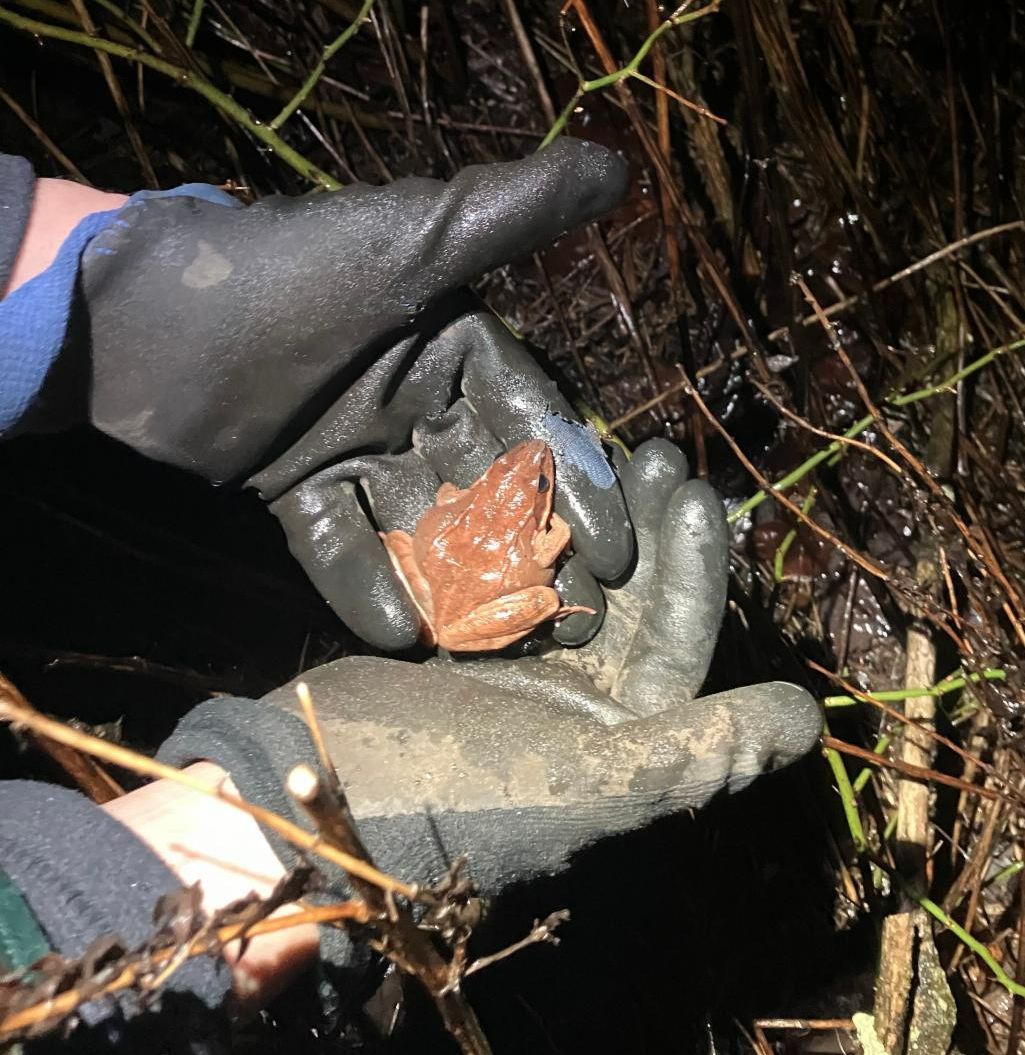
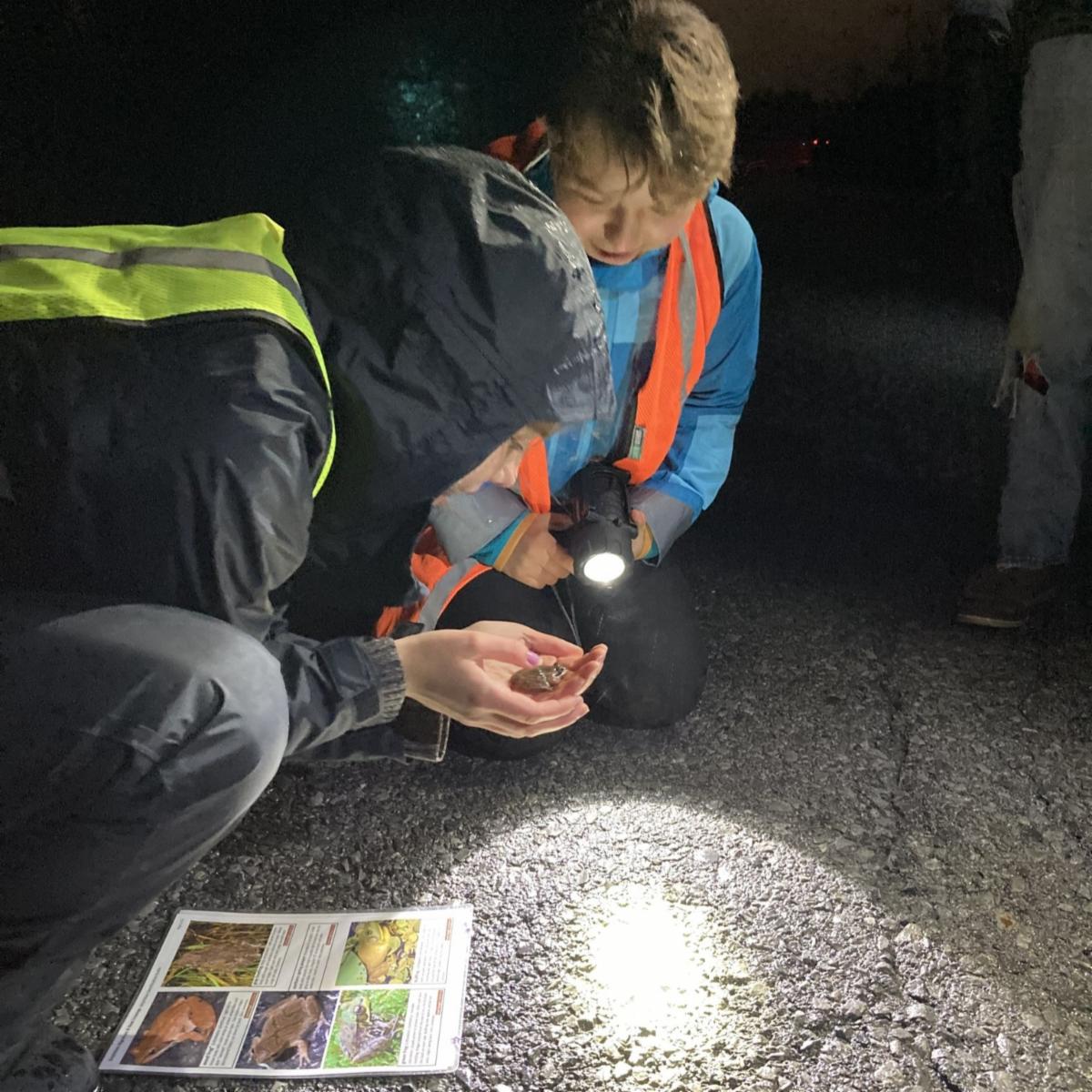
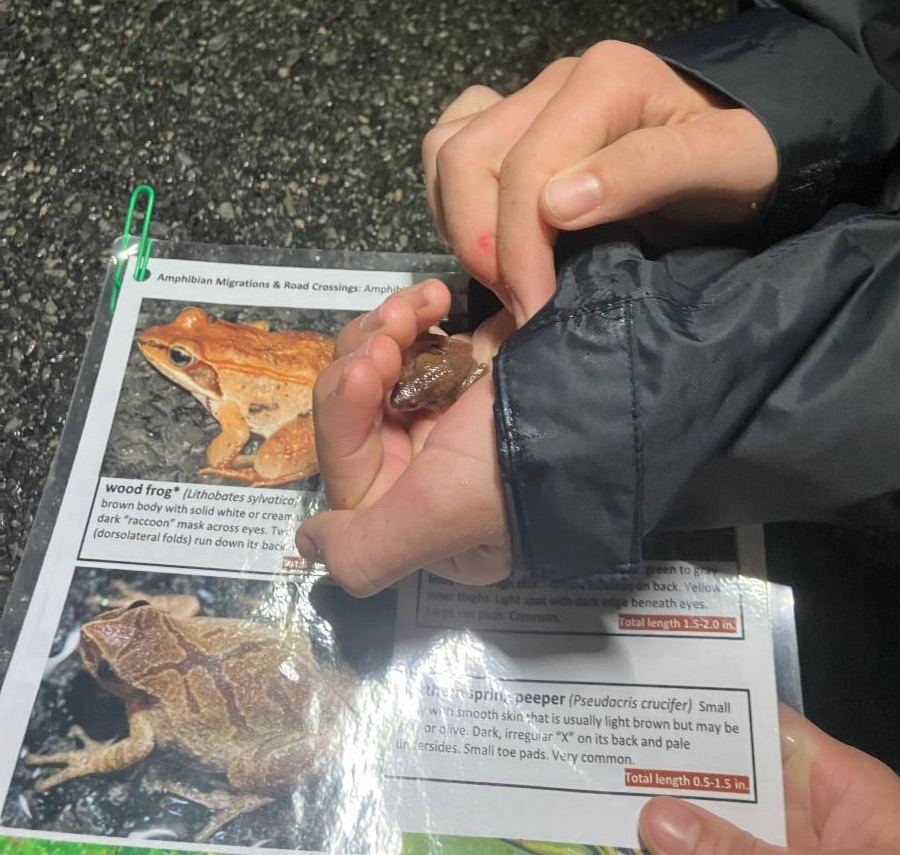
Each spring, amphibians travel from their winter habitats to their spring breeding grounds. Over several nights, thousands of amphibians cross roadways to complete this journey, and mortality can be high, even in light traffic. HHLT supports the state's Amphibian Migration & Road Crossing Project (AM&RC), enlisting local volunteers to help amphibians at key crossings.
We are looking forward to this year's "big" night(s)! The timing depends on the weather. Here in the Hudson Highlands, we often see a burst of amphibian activity on the first warm, rainy nights in March when the ground has thawed and night temperatures stay above 40 degrees. Hundreds of amphibians can be on the move between their forest habitats and breeding pools. When HHLT anticipates a "Big Night", we alert local AM&RC volunteers via email. The volunteers then spring into action to cover known crossings to help amphibians safely navigate roadways.
Want to get involved? You can learn how to help migrating amphibians get safely across roadways! The DEC offers an array of online resources and recorded training videos. Visit DEC's Amphibian Migrations & Road Crossings Resource Page to learn more. If you are interested in working with HHLT to help amphibians cross our local roads this spring, click here to contact our Volunteer Coordinator Nadia Azizi.
Thanks to all HHLT volunteers and partners who help us protect local wildlife!
| |
Tackle Invasive Species Now: Early Spring is Ideal
As trees remain bare and before spring growth explodes, now is the perfect time to spot and remove invasive species threatening native habitats.
Why Early Spring Works Best?
Early spring offers ideal conditions for identifying multiple invasive species. Woody invaders like invasive barberry and multiflora rose are visible before the native understory leafs out. Invasive vines on trees, field garlic patches, and new shoots of invasive knotweed can all be spotted and treated effectively now. There's less wildlife disturbance, and early removal prevents seed production while giving native plants a competitive advantage. These invasives alter soil chemistry, create monocultures, and outcompete native vegetation that wildlife depends on, damaging both tree canopy and understory plant communities throughout New York.
Quick Action Steps
- Identify properly - Learn to distinguish invasives from beneficial native species.
- When cutting invasive vine species - cut twice. Make cuts at ground level and eye level, removing the middle section.
- Leave hanging portions - They'll deteriorate naturally without harming trees.
- Monitor and repeat - New sprouts may emerge, requiring follow-up.
Remember to wear protective clothing, use appropriate tools, and stay alert for poison ivy. Your early spring efforts will support healthier fields and forests, increasing biodiversity and allowing native trees, wildflowers, and shrubs to thrive. For identification help and managing invasive species, click here for information from our partners at Lower Hudson PRISM.
| |
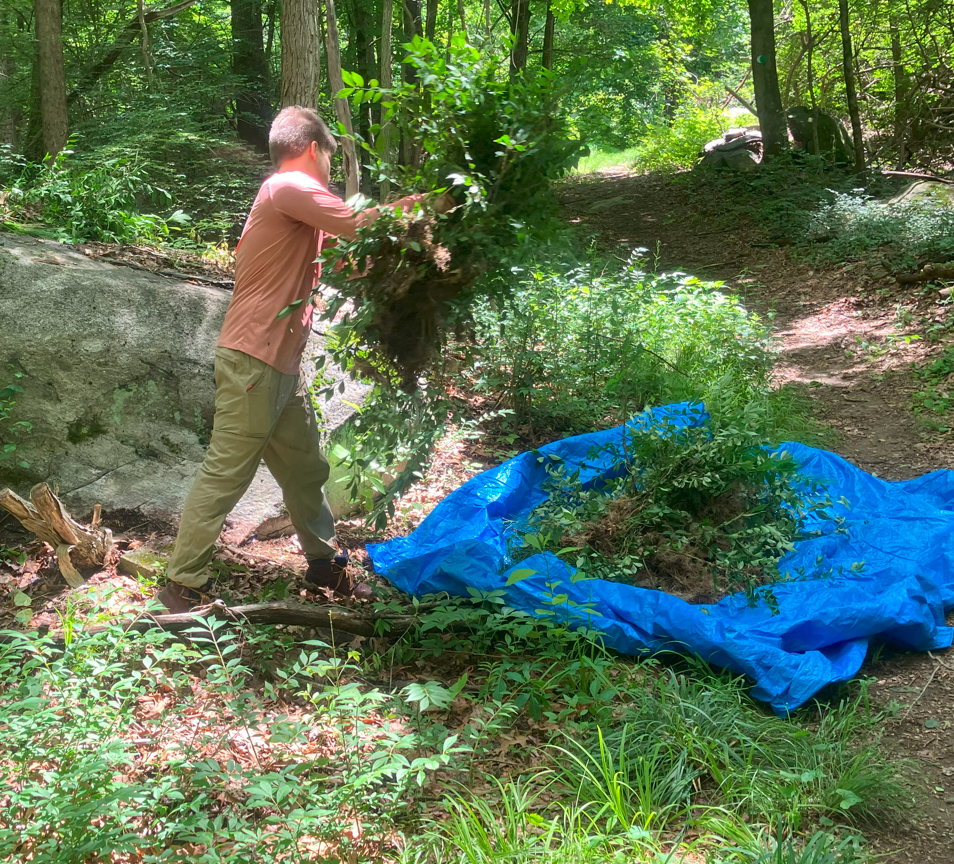
Haldane Intern, Colin Hopkins removing burning bush and garlic mustard from an HHLT preserve. | |
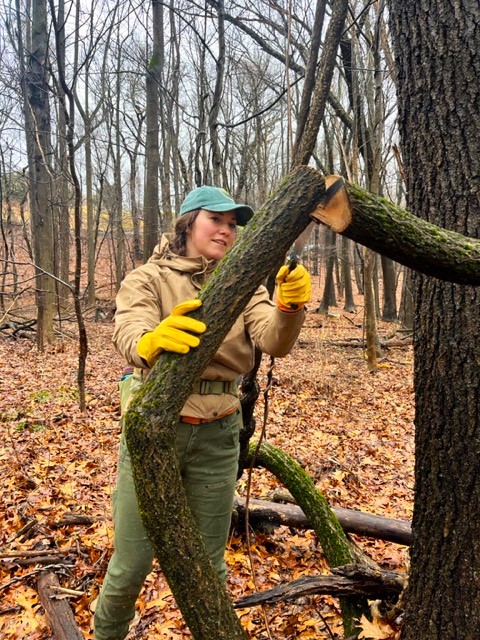
HHLT's Preserve Manager,
Cory Tiger, removing invasive
vines in Cortland, NY.
| | |
Late Winter Tick Prevention Measures
Before spring arrives in full force, prepare your property and family for tick season. Climate change has led to milder winters and earlier tick activity throughout the Hudson Valley and Northeastern U.S., making late winter prevention crucial for reducing tick-borne illness risks.
Why Start Prevention Now?
Ticks become active when temperatures consistently reach above 40°F, which can happen during late winter warm spells. With climate change creating ideal conditions for tick survival in our region, populations of the deer tick (black-legged tick or Ixodes scapularis) are expanding. These ticks, extensively monitored by the NYS Health Department, are primary carriers of Lyme disease—an illness that has increased so dramatically since the 1990s that the EPA tracks it as a climate change health indicator.
Late Winter Prevention Strategies
The CDC recommends these pre-season measures to reduce tick habitats before they become active:
- Clear winter debris from your yard now, before spring growth begins.
- Trim back overgrown areas and create 3-foot barriers of wood chips or gravel between lawns and wooded areas while the ground is still workable.
- Reorganize stored firewood to keep it neatly stacked in dry areas, deterring the rodents that ticks feed on during early spring.
- Schedule regular tick checks for pets who venture outdoors, even during cooler weather.
Prepare Your Tick Removal Kit
Assemble a tick prevention kit now, before you need it. According to the Putnam County Health Department, proper removal involves grasping the tick with tweezers as close to the skin as possible and pulling upward with steady pressure.
- Fine-tipped tweezers
- Small container of alcohol
- Antiseptic wipes
- Small sealable bags for tick storage if identification is needed
For comprehensive property planning, consult the Tick Management Handbook and bookmark the CDC Tick Bite Assessment Tool for quick reference when outdoor activities increase. Taking preventative action now means more worry-free enjoyment of the outdoors later!
| | | |
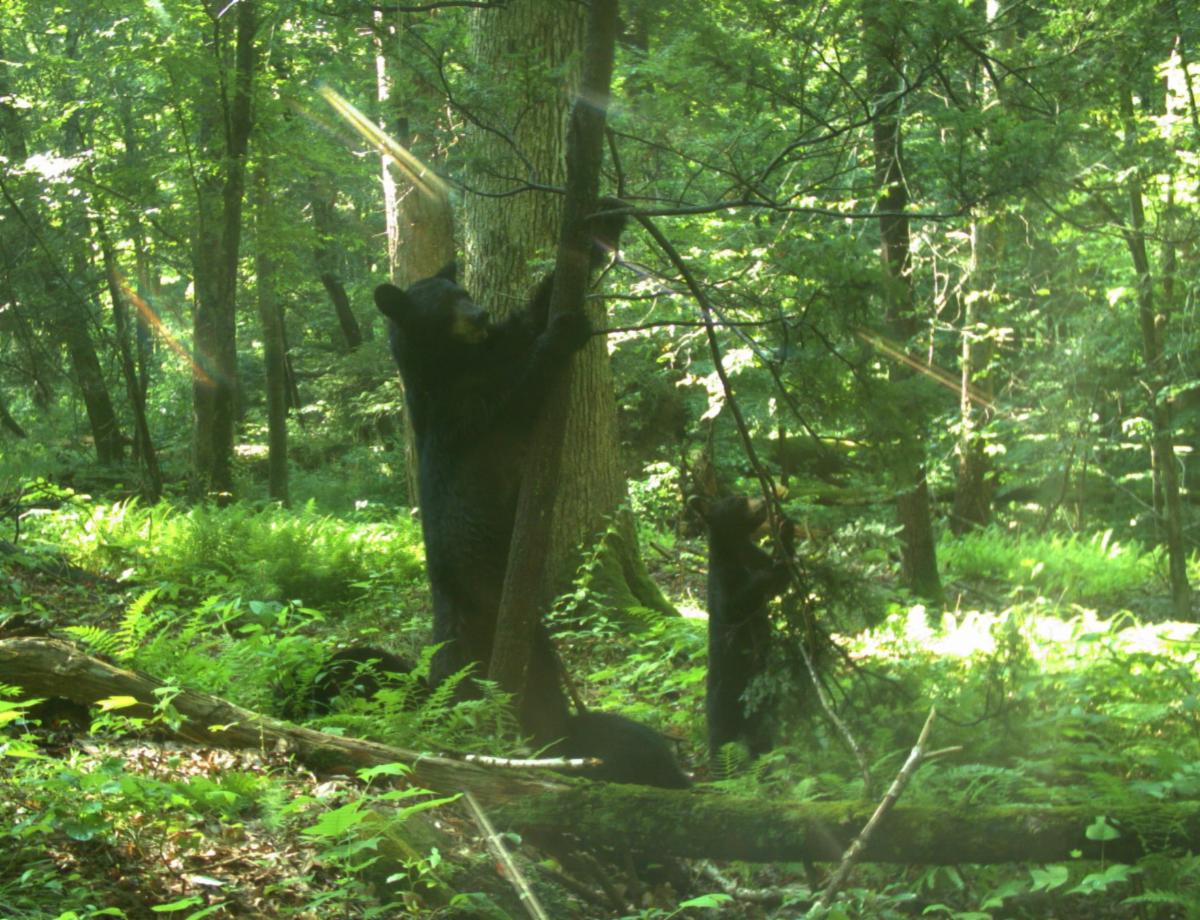
Living with Black Bears: Understanding Behavior to Reduce Conflict & Negative Interactions - Wednesday, March 12, 6pm to 7:45pm at the Julia L. Butterfield Library
Join us for a FREE education program focused on black bears. Gain a better understanding of black bear biology and why they’re increasingly venturing into residential areas. Led by Certified Wildlife Biologist Budd Veverka, Director of Land Management at Mianus River Gorge. Click here to register & learn more!
| |
|
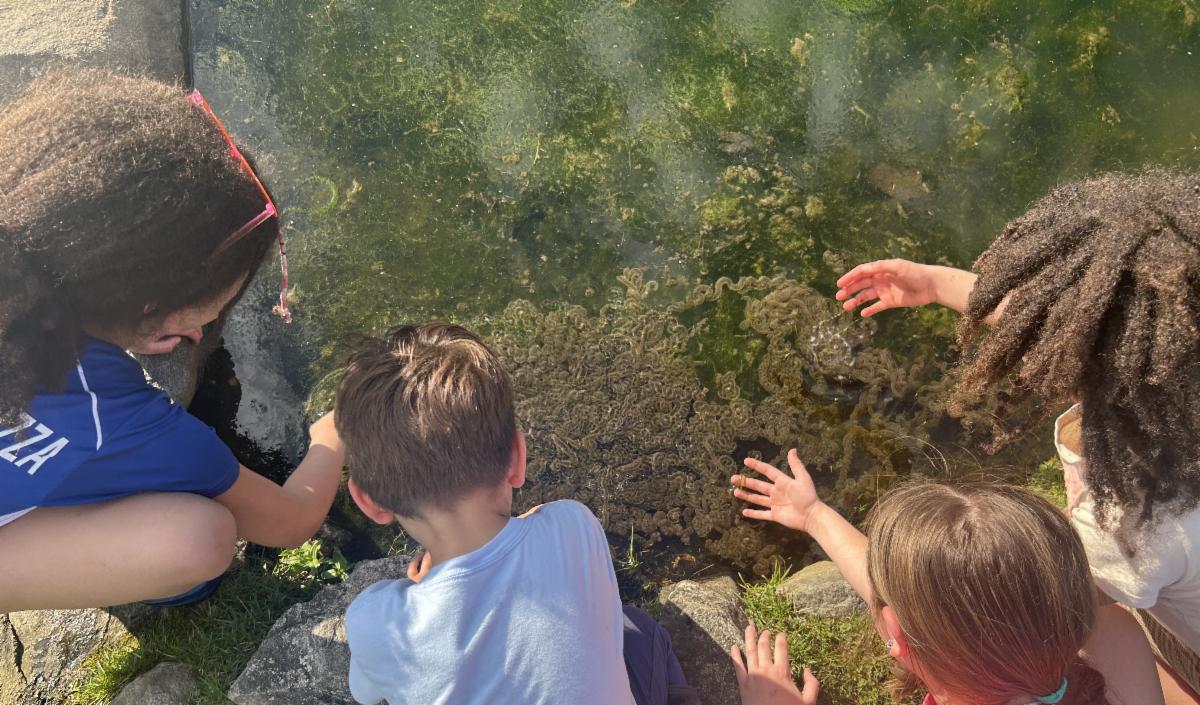
Vernal Pool Hike!
- Saturday, March 15, 10am to 12pm
Join us on for a FREE family-friendly nature hike exploring the importance of vernal pools and their significance to our region. Registration is required. Click here to reserve your spot today!
| |
|
|
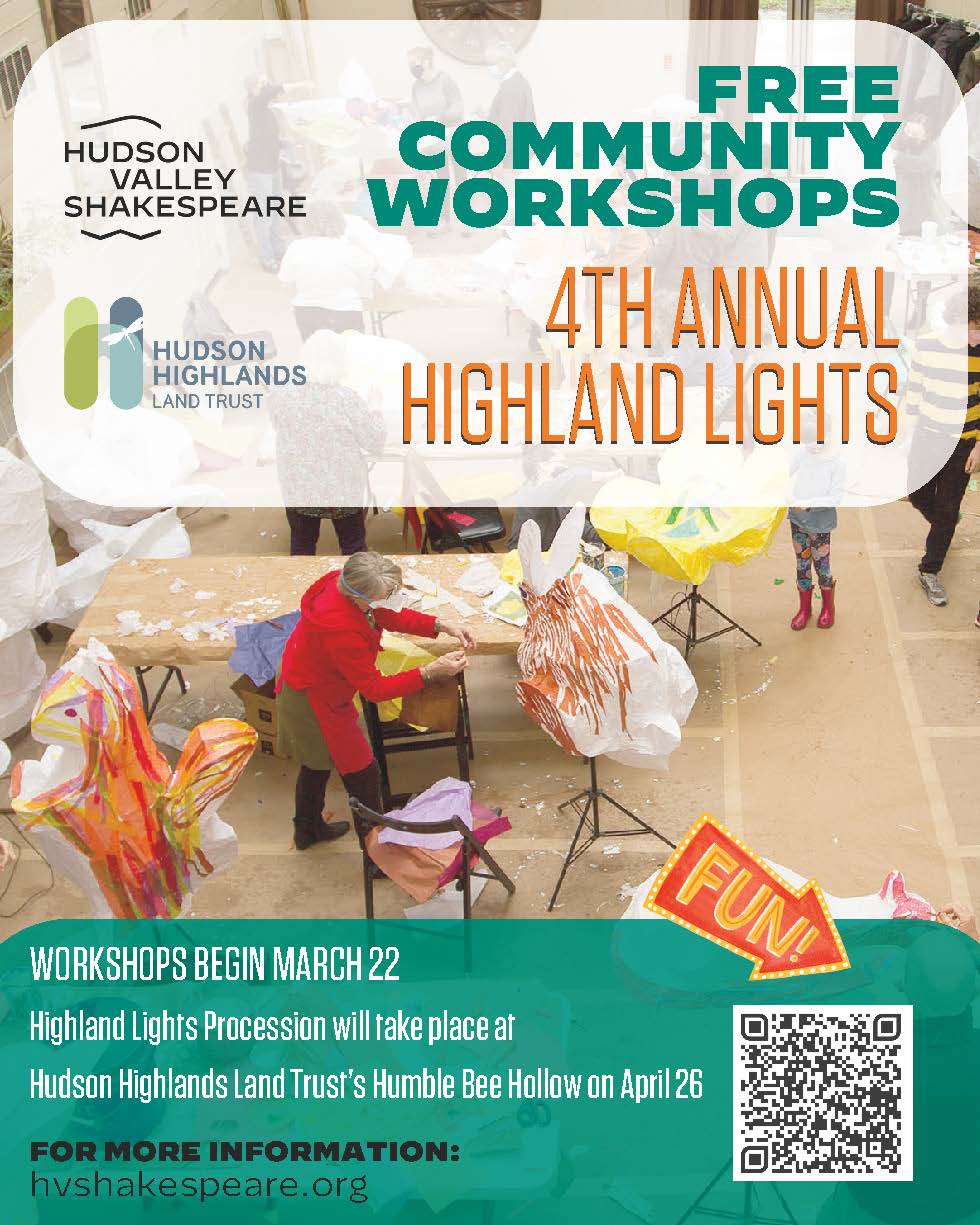
Join us alongside our partners at the Hudson Valley Shakespeare Festival, and the Processional Arts Workshop, for the
4th Annual Highland Lights Procession on April 26
| |
|
This year's theme, "Microcosmos," draws attention to the tiny insects that are vital yet often unnoticed guardians of our planet's ecosystems. These small creatures constitute roughly 80% of all animal species and fulfill essential functions—decomposing organic material, enriching soil, and enabling plant pollination. Despite their importance, more than a third of insect populations are experiencing a devastating decline, jeopardizing the intricate web of our natural environments.
Starting March 22, community members can join weekend workshops to create oversized illuminated lanterns depicting these crucial beings, with designs informed by recent biodiversity surveys from HHLT Preserves. The project culminates on April 26, when luminous representations of bees, ants, mayflies, beetles, butterflies, and other insects will illuminate HHLT's Humble Bee Hollow in a magical evening parade. Join us for this enchanting celebration of light and nature. Workshops welcome participants of all skill levels, ages 8 and up. To participate, CLICK HERE.
| |
|
HHLT conserves and cares for the lands and waters of the Hudson Highlands,
so that people and nature can flourish together for generations to come.
You make our work possible. Thank you for your support!
| |
|
Photo credits, top to bottom: Skunk Cabbage (HHLT Staff); Photo of Katrina Shindledecker (HHLT Supporter); Photo of Angie Patterson (Mt. Holyoke College Staff); HHLT Intern Removing Invasives (HHLT Staff); Cory Tiger Vine Removal (Jessica Alba, Watershed Agricultural Council); Vernal Pool Photo (Carrie Hilpert); Highland Lights Graphic
(Hudson Valley Shakespeare Festival); All Other Photos by HHLT Staff.
Hudson Highlands Land Trust
20 Nazareth Way, P.O. Box 226, Garrison, NY 10524
(845) 424-3358
info@hhlt.org
www.hhlt.org
| | | | |