|
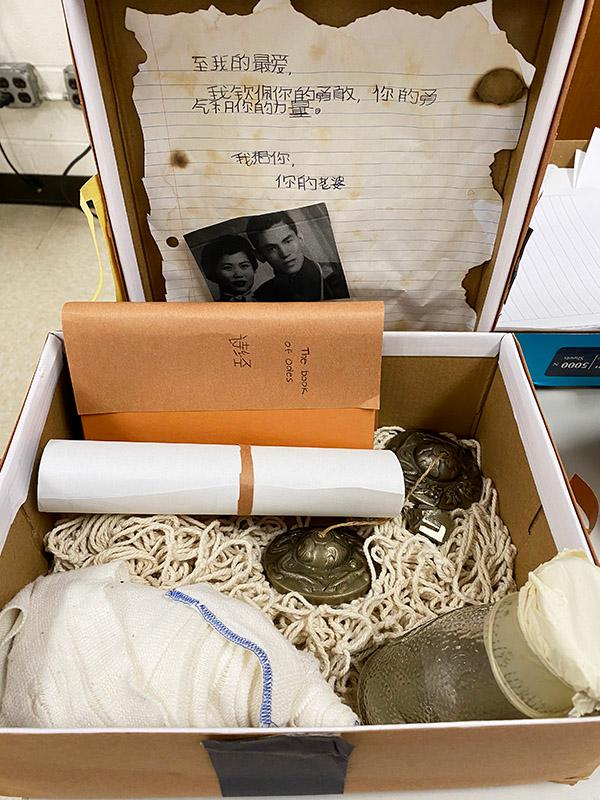
When tenth grader Camilla Zabikhodjaeva packed a trunk that an indentured servant might take from her home in India to a new life in Guyana, she included cinchona bark, an antidote to malaria, a poppy flower to remind her of home and Vishnu’s Mace, which promised spiritual protection to migrants.
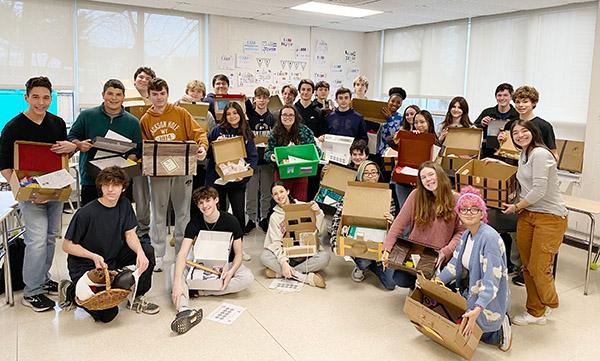
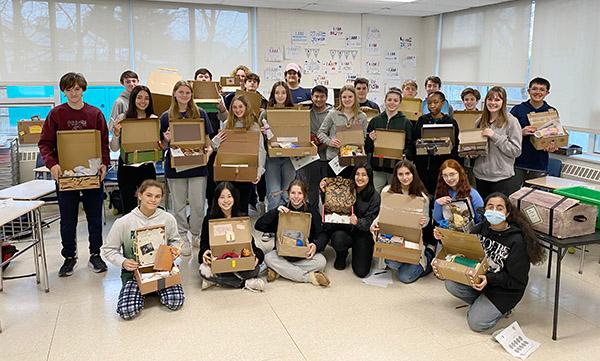
Camilla was just one of many students in Rikki Saperstein’s Advanced Placement World History classes at Pleasantville High School who researched 19th Century migration patterns and created trunks full of objects migrants might carry.
“We were given a lot of freedom to do individual research and use primary sources before deciding what to put in our trunks,” Camilla said. “When it came time to share with others, it was really interesting to see how everyone else did it, what they thought was important about the migrations.”
Students studied migrations of those seeking a better life, as well as the forced migration of Indian indentured servants to Africa and the Caribbean.
“The students did a phenomenal job creating and filling these trunks,” Saperstein said. “In the process they learned that many voluntary migrations occurred because of job opportunities in new places and that many migrants, whether voluntary or not, faced discrimination in the new cities that they now called 'home.'”
After researching and creating their trunks, students practiced their communication skills as they all met at different “ports of call,” to share their experiences.
Zach Neilson-Papish took the role of a British murder convict who emigrated to Australia rather than face the death penalty. His trunk included hardtack, a biscuit that would not spoil during the long voyage, some Earl Grey Tea to reflect his British roots and opals, which are mined in Australia.
“I think we went more in depth on this project because each of us had to explore what it was like for an individual person to migrate,” Zach said. “Plus, the items were so personal it felt like you really got to know something about their lives.”
|