October 18, 2024

In This Issue:

From Paddi's Desk

CT Agency Corner

Municipal Roundup

Inside Scoop

This Day in CT History

This Week's News:


Despite challenges, New England states top Forbes’ health accessibility rankings


CT utility unions fight proposed rate cut. They say it threatens service ‘safety, reliability’


State Bond Commission to consider $1.3B for statewide projects

Connecticut’s No-Excuse Absentee Voting: Will it deliver on increased voter turnout?


Just imagine – what if the headline in The Hartford Courant the day after Election Day 2024 read – Historic numbers of Connecticut voters (95%) cast their ballots by using the newly adopted no-excuse absentee ballots as well as the traditional Election Day in-person voting.

I'm sorry to say - don’t count on it, though; history isn’t on our side. In the 2020 presidential election, voter turnout in Connecticut reached only about 76%—a notable figure, but still far from “bragging rights” participation.


The push for no-excuse absentee voting will appear on the ballot in the form of a change to Connecticut’s Constitution. It comes with familiar promises of increased voter participation. However, a look at historical data suggests that expanding access in CT has not necessarily led to higher turnout. Across the United States, and even in Connecticut, election reforms touted as ways to boost turnout—like early voting and easier absentee access—often show minimal long-term impact on participation rates.


Despite multiple efforts to encourage voter turnout, Connecticut’s participation rates have remained relatively flat for decades. For example, voter turnout in presidential elections typically hovers around 65-75%, while midterm elections see turnout drop to the 50% range. Local elections, where the impact hits resident pockets even harder, have seen increased memorable results in attracting voters. Less than a 30% average of eligible voters voted across the state at the last municipal election.


Governor Ned Lamont acknowledged the potential disconnect between expectations and reality, saying, “We can make voting easier, but the truth is it won’t matter unless people engage and care about the issues." Data from states that have implemented no-excuse absentee voting and early voting show a slight initial bump in turnout, but the effect tends to plateau over time.​


Supporters of the 2024 amendment, like House Speaker Matt Ritter, remain optimistic. "The more ways we can give people access to the ballot, the better our democracy becomes,” Ritter said. However, skeptics point out that Connecticut’s voter turnout has changed little despite recent reforms. Early voting was implemented in 2023, and although initial enthusiasm was high, it did not result in significant turnout increases during municipal elections, suggesting that convenience alone is not a cure-all for low voter participation.


With the debate surrounding this new amendment, concerns about election integrity have grown. Secretary of the State, Stephanie Thomas emphasized that security measures will remain robust, including tracking absentee ballots and verifying signatures. “The data shows no-excuse absentee voting doesn’t lead to widespread fraud,” Thomas said. "But we need to restore public trust given recent controversies.”


Opponents, however, argue that the focus should be on voter engagement and education rather than structural changes. “It’s not just about more access,” said Vincent Candelora, House Minority Leader. “The real challenge is getting people to care enough to vote, no matter how easy it is.”


While the promise of increased turnout sounds appealing, history suggests that expanding voting methods might not be enough to inspire more participation. Connecticut’s experience reflects a broader pattern: structural reforms can remove barriers, but they don’t address the deeper issue of voter apathy. Whether no-excuse absentee voting will be the exception remains to be seen, but voters will have the final say on this amendment in November.


Many are counting on this amendment to reshape the election landscape in Connecticut, but it also serves as a reminder that reforms alone aren’t enough to boost turnout—meaningful civic engagement must follow.


As Connecticut voters prepare to weigh in on the no-excuse absentee voting amendment, it’s clear that reforms can pave the way but "you can lead a horse to water, but you can't make it drink." Expanding access is only part of the challenge—motivating citizens to use it is another. And, as history has shown, "the road to hell is paved with good intentions" when reforms don’t account for unintended consequences, such as voter disengagement or administrative pitfalls. It’s a reminder that "actions speak louder than words."

Simply passing the amendment won’t solve the deeper issue of voter apathy—real change demands follow-through and active civic engagement.


As with any shift in longstanding practices, "old habits die hard," and time will tell whether Connecticut voters embrace this new opportunity or continue with old patterns of inactive participation.


American writer and political activist who became an early leader of the Black Panther Party Eldridge Cleaver once said, “There is no more neutrality in the world. You either have to be part of the solution, or you're going to be part of the problem.” Nowadays translated to, “If you are not part of the solution, you must be part of the problem,” a misquotation of Eldridge Cleaver.


GO VOTE – absentee or in person, just vote.


2024 Election Logo Awards


Occupational Award

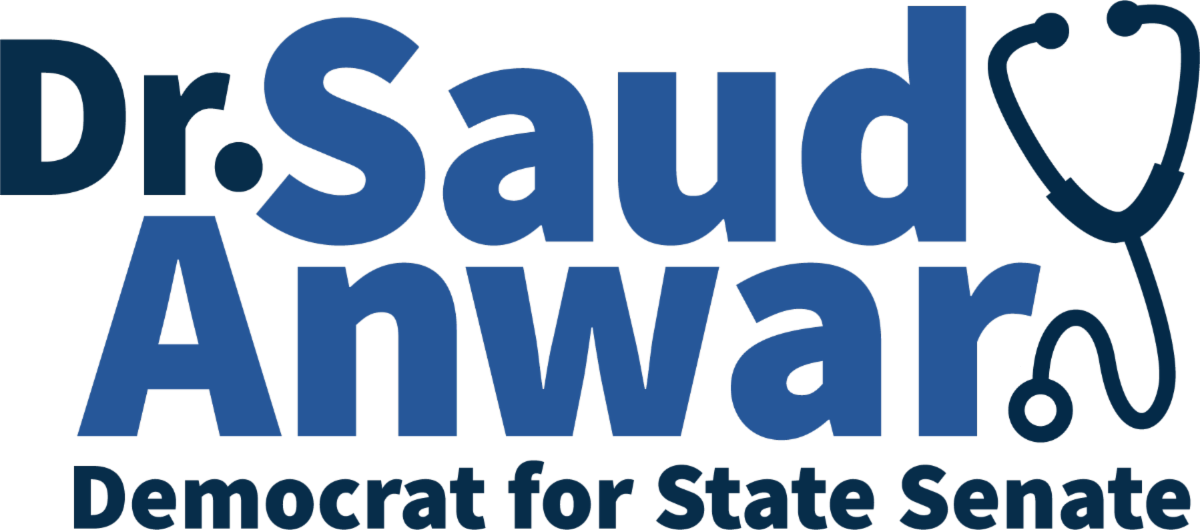
Saud Anwar – (D-South Windsor) 


Those who spend time in Hartford with Senator Anwar long enough know that he first goes by Dr. Anwar before his senate title. His very appropriate campaign logo seen here ensures it’s loud and clear what his job is outside of the LOB!


Who Wore It Better Award

Rachel Chaleski (R-Danbury)


Rep. Chaleski has been a rising star in the state legislature as a first-term state representative from Danbury but the star seen in her logo may look familiar to some who followed the presidential contest from 2008. It’s hard to make campaign logos that are unique since the same symbols can be found in many campaign logos and these two logos caught our eye as the most familiar to each other.

Most Gen-Z Friendly

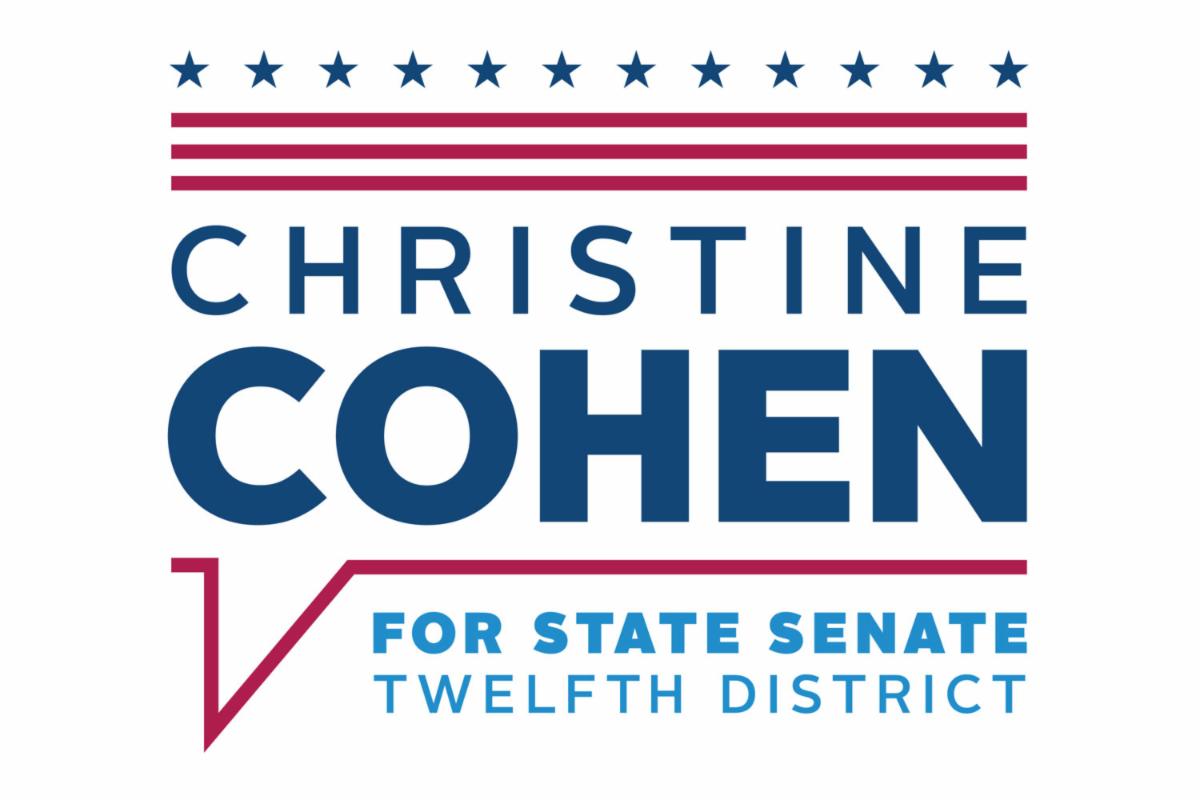
Christine Cohen (D-Branford)


Christine Cohen, who is the state senator from Branford, does a nice job of foreshadowing a conversation to promote on her sign. Instead of the normal symbols found in logos, Senator Cohen mimics a text bubble that can be found on your phone to be incorporated into her signs. Kudos for a creative way to bridge new lines of communication directly on her logo.

Techie Award

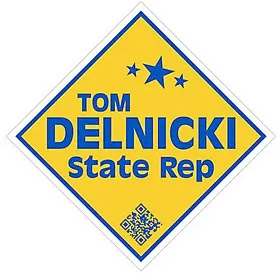
Tom Delnicki (D-South Windsor)


QR Codes are appearing in more places than ever and Representative Delnicki does a creative job of tying his QR code to be a direct link to his campaign website to promote his positions on important topics. This will likely be a trend that we’ll see in more lawn signs in the next election cycle.

Tell Me Your District Without Telling Me Your District

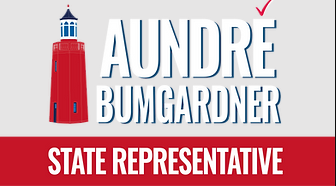
Andre Bumgarner (D-Groton)


In a very familiar looking logo of his district, anyone looking at this distinction clearly sees the shoreline sticking out. Representative Bumgarner does a nice job of making a well-known landmark of his town stick out in a great logo.


Connecticut Symbol Award

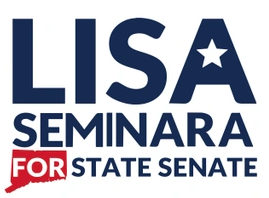
Lisa Seminara (R-Avon)


Great job by Senator Seminara of taking a classic Connecticut logo and gadding a very nice twist! 


The State of Connecticut has allocated $28 million in grants to improve broadband internet access across 88 municipalities as part of the ConneCTed Communities Grant Program. This funding, announced by Governor Ned Lamont and DEEP Commissioner Katie Dykes, aims to expand broadband infrastructure, enhancing connectivity in both urban and rural areas. The program is designed to address disparities in internet access, especially in areas identified as economically distressed. By providing these grants, Connecticut seeks to create a more resilient and digitally connected environment, which is crucial for economic growth and adapting to the evolving digital economy.


The grant funds come from the American Rescue Plan Act Capital Project Fund, which supports projects ensuring broadband access for critical services. Of the awarded $28 million, Comcast received the largest share, with $21.3 million for projects spanning 75 municipalities. Other recipients include Verizon with $1.8 million, GoNetSpeed with $1 million, and Frontier with $3.9 million for various regional projects. This initial round of funding is part of a broader strategy to enhance internet infrastructure across the state, with a second round of $12.8 million expected to be awarded before the end of 2026. The investment reflects Connecticut's commitment to bridging the digital divide and supporting communities in need of robust internet access.


As Connecticut prepares for early voting next week, Democratic mayors are urging support for a ballot measure that would permit no-excuse absentee voting in future elections. The proposal, which requires a constitutional amendment, seeks to expand voting accessibility by allowing voters to cast absentee ballots without needing to provide a reason. Proponents, like Mayor Lauren Garret of Hamden, emphasize that this change would benefit students, service members, and others temporarily away from home, making the process more inclusive. Although some Republican lawmakers have raised concerns about the measure's language potentially confusing voters, supporters stress its broad appeal beyond party lines. Currently, Connecticut is among the 15 states that require an excuse to vote by mail.


Early Voting Set to Begin


The election is just a few weeks away and as is tradition, the focus is on swing states and turnout. We received our first view of the voter turnout that may come our way this presidential cycle when Georgia reported record turnout with over 200,000 residents casting their votes on opening day! Forty five states offer some sort of “early voting method,” and just this week, 10 states opened their polls early with significant turnout results. On Monday, registered Connecticut voters can hit the polls and cast their votes for the 2024 elections. Polls in Connecticut will be open daily from 10am-6pm from October 21st to November 3rd. With advanced registration ending today and early voting beginning Monday, election season in Connecticut is well underway. Here’s what early voting might mean for turnout.


Sure, early voting in a small town might not mean much given the number of residents and registered voters. But in cities and high turnout municipalities, early voting is a game changer when it comes to turnout. Think about some of the most important cities this cycle, in Congressional District 5, Representative Hayes will look to run up the numbers in New Britain, Waterbury, and Torrington. In Congressional District 3, Representative DeLauro will look for New Haven to deliver their always impressive turnout. With a presidential race at the top of the ticket, a U.S. Senate race that will draw even more turnout, and various contested local races, look for early voting numbers to be a significant focus these next few days and weeks. The sprint to the finish line in Connecticut is different this year, and it is all due to early voting.   


JohnBrownAugustusWashington image

October 18: They Stopped The Man, But His Truth Went Marching On


Connecticut-born radical abolitionist John Brown was already a nationally polarizing figure by the time he staged his infamous raid on the federal arsenal at Harper’s Ferry, Virginia in 1859. Born in Torrington in 1800, Brown’s adult life was characterized by failed business ventures, repeated moves across the country, and an increasingly fanatical devotion to fighting the spread of slavery.


As tensions between the North and South increased over the spread of slavery in western territories, Brown became convinced that the “evil” spread of slavery could be stopped only by violent means. In 1856, near Pottawatomie, Kansas, Brown gained national infamy when he led a party of armed abolitionists on a raid that resulted in the killing of five pro-slavery settlers in cold blood. Brown’s actions triggered several months of bloody retaliations between pro- and anti-slavery settlers known as “Bleeding Kansas,” which historians cite as one of the major conflicts of the 1850s that accelerated the onset of the Civil War.


John Brown’s most extreme plan of action, however, was yet to come. In 1859, Brown planned an elaborate raid on the federal arsenal at Harper’s Ferry, hoping to use the stolen munitions to start a massive armed slave rebellion that would consume the entire South and deal a fatal blow to the institution of American slavery. On the night of October 16, Brown and a small force of men (including five black men and two of Brown’s sons) cut the telegraph wires outside of Harper’s Ferry and successfully captured the armory. The next day, local militia surrounded the armory and the two sides exchanged intermittent gunfire for nearly a full day before a company of U.S. Marines — ordered to the scene by President James Buchanan and led by then-Colonel Robert E. Lee — arrived and demanded Brown’s complete surrender. Brown refused to comply, and on the morning of October 18, 1859, Lee’s Marines advanced on the occupied armory, overtaking Brown’s small group of raiders in only three minutes’ time.


Overall, 10 of Brown’s men, including both his sons, were killed in the raid, along with a single Marine and six civilians. Brown was taken to nearby Charles Town to await trial, where he was quickly found guilty of conspiracy to incite a slave insurrection, first-degree murder, and treason against the state of Virginia, and was executed by hanging on December 2nd. That day, Brown penned his last testament, defiantly declaring:

I John Brown am now quite certain that the crimes of this guilty land will never be purged away; but with Blood. I had as I now think: vainly flattered myself that without very much bloodshed; it might be done.

Brown’s ominous, foreboding words proved to be a self-fulfilling prophecy: Just over one year later, South Carolina’s declaration of secession would precipitate the bloodiest conflict the United States had ever seen, and put an end to the institution of American slavery.


To view the full story on the CT Historian's website, click here.

 
Sullivan & LeShane, Inc.
www.ctlobby.com | (860) 560-0000