Archbishop Sarah - Matthew Parker - Pilgrimage News
Dear Friends,
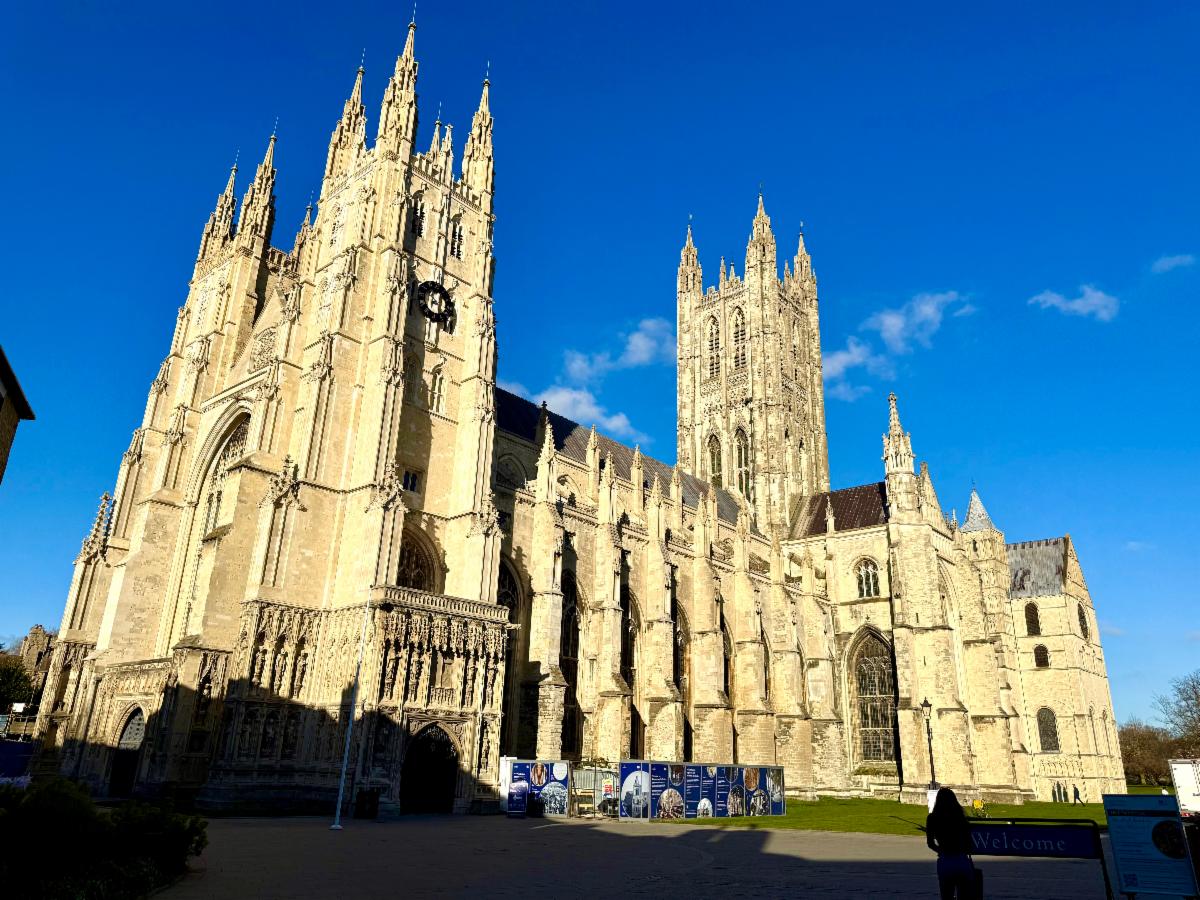
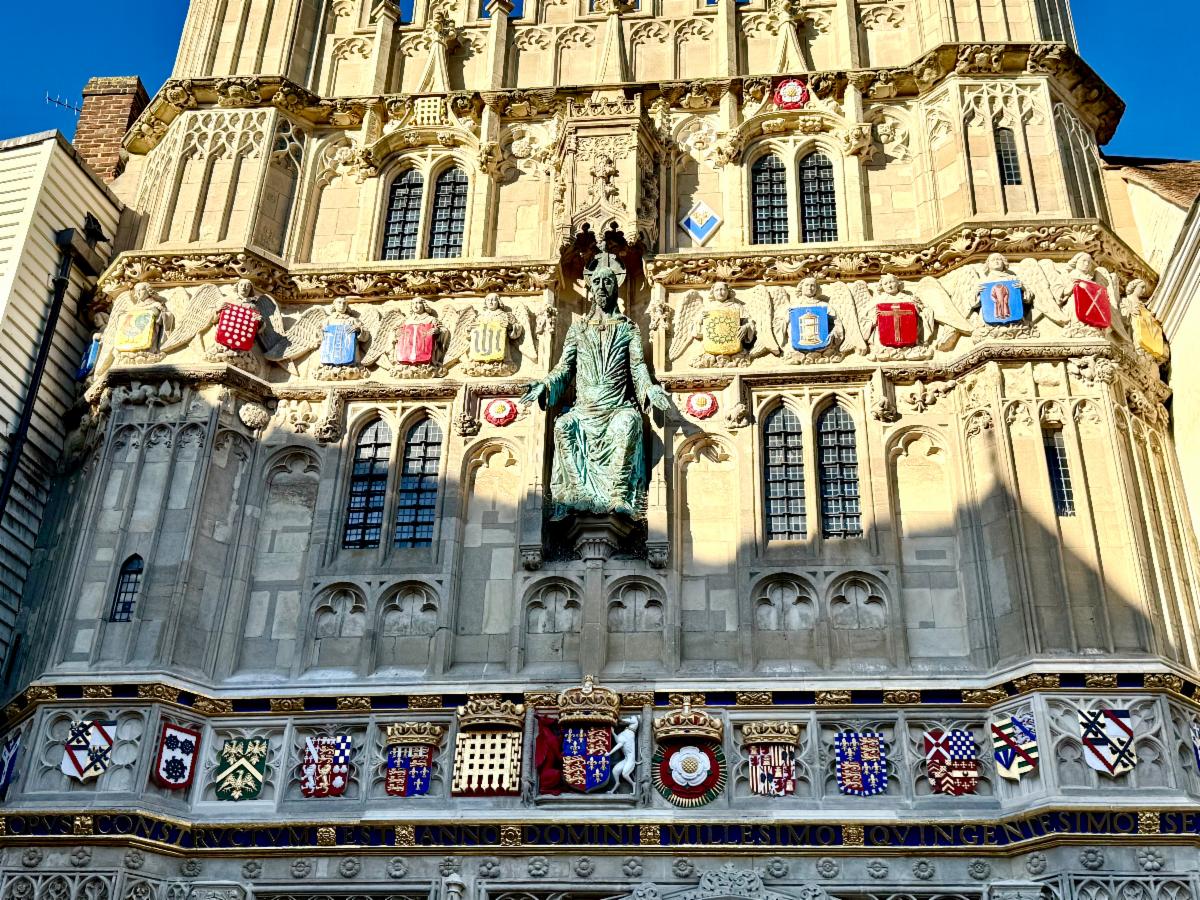
I send you all greetings from Canterbury Cathedral. For the last few days, it has been so Spring-like here, with wall-to-wall sunshine, beautiful blue skies, Spring flowers and blossom all over, and incredible starry nights over the Cathedral.
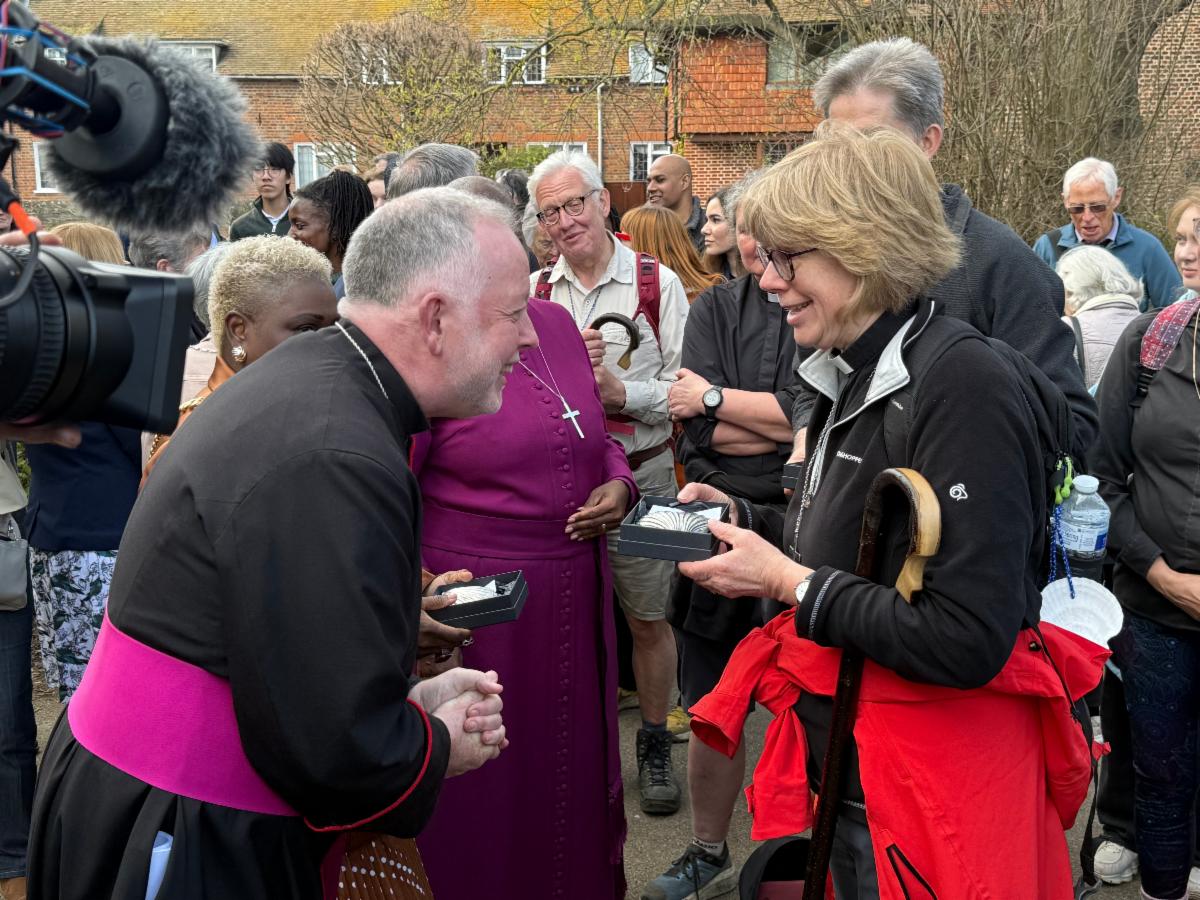
Archbishop Sarah, her husband Eamonn, and several of her staff walked the ancient pilgrimage route from London to Canterbury – a total of 87 miles. It was such a joyful afternoon when she arrived in Canterbury, walking very briskly! She was received by the Lord Mayor of Canterbury, the Bishop of Dover, the Rt. Rev. Rose Hudson-Wilkin, and Dean David Monteith. She presented each of them with a pewter scallop shell – a symbol of pilgrimage.
At 5:30pm, Archbishop Sarah attended Choral Evensong sung by the girls and men of the Cathedral Choir. The service was very understated and quite appropriate for the Fifth Sunday of Lent with its reflective nature. At the end of the service, Archbishop Sarah, Eamonn, her Domestic Chaplain, and the Cathedral’s Pilgrimage Officer were blessed, sprinkled with Holy Water, and given pilgrim badges as of old, and then Archbishop Sarah blessed the congregation.
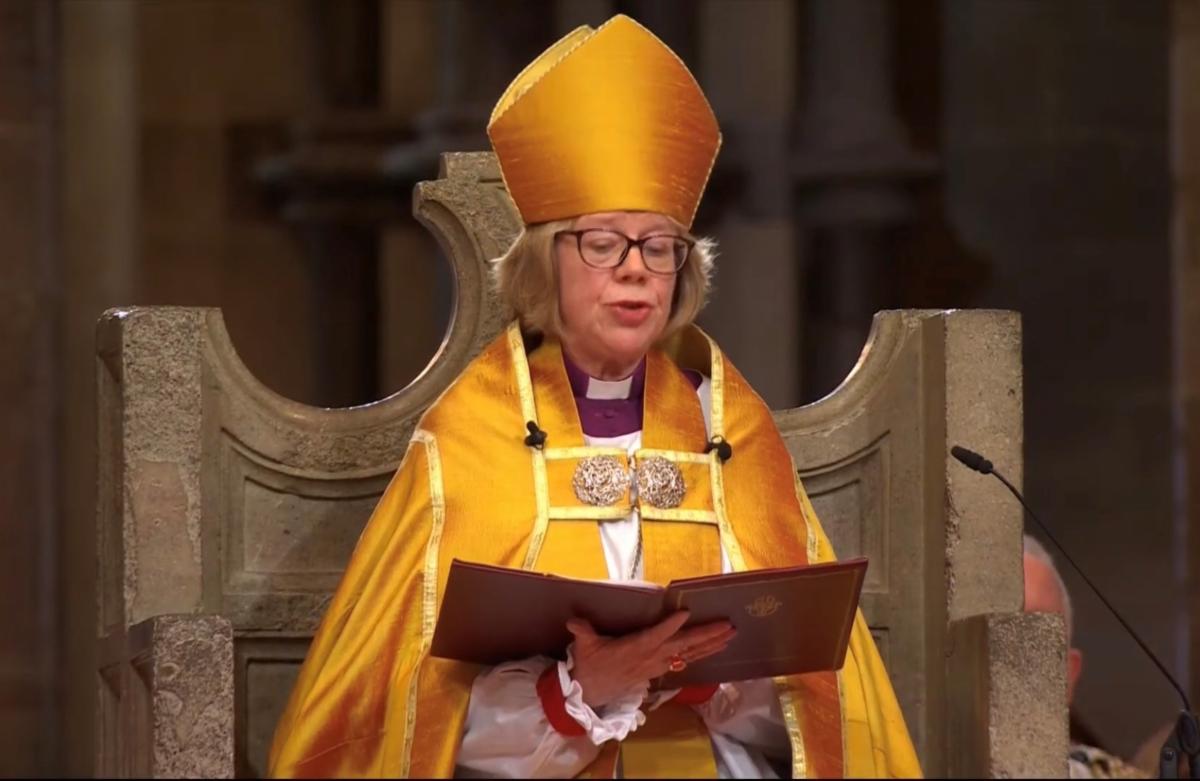
The installation service was extraordinarily beautiful and quite understated. For the first time since 597, a woman sat in the Chair of Saint Augustine. Three Cardinals were present, and Pope Leo sent a beautiful message of encouragement to Archbishop Sarah. The Feast of the Annunciation was chosen for the day of the Installation, and Archbishop Sarah and Pope Leo both reflected on the role of Mary.
We hope to send more regular newsletters from now on; please do share our newsletters with your friends and encourage them to sign up to receive them. This newsletter contains a fascinating article about Archbishop Matthew Parker, and details of a pilgrimage to Canterbury next year.
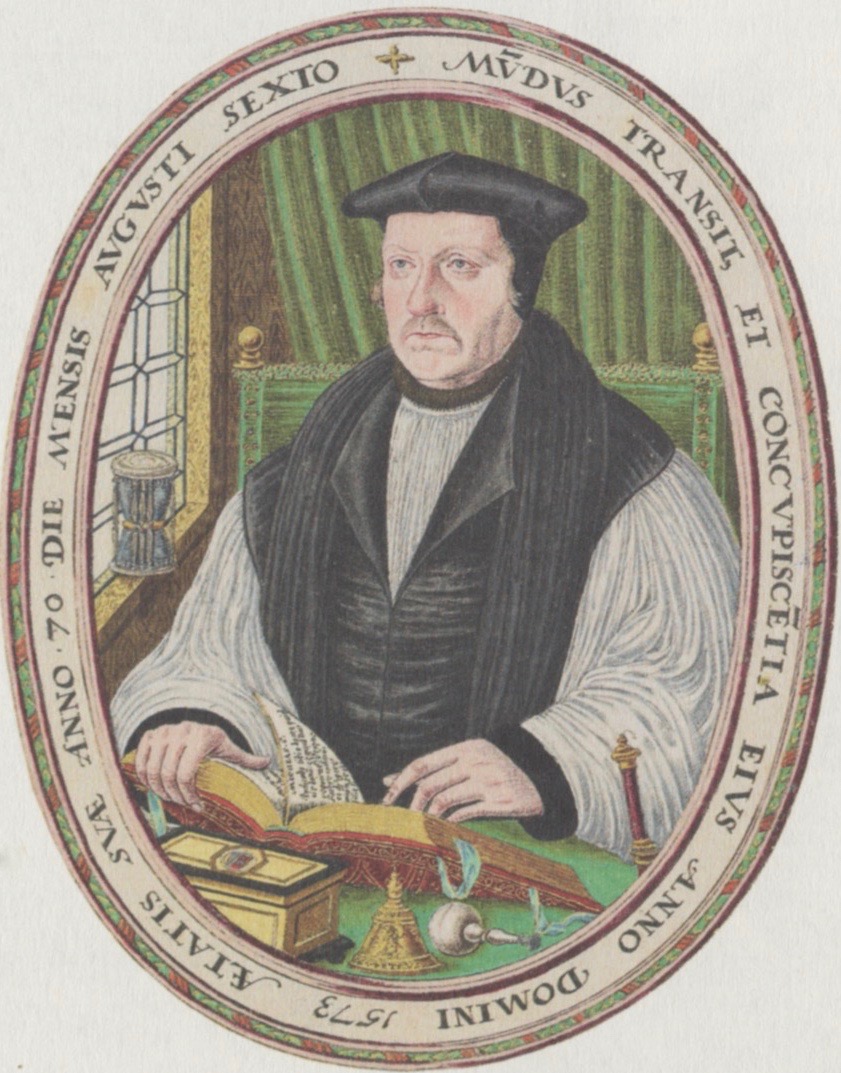
Matthew Parker (1504-1575), Archbishop of Canterbury (1559-1575)
by Powell Hutton
Matthew Parker was an influential theologian during the English Reformation, spanning the reigns of Henry VIII, Edward VI, Mary I, and Elizabeth I. He was simultaneously a survivor and a reformer during the extraordinary religious turbulence of the era.
Born in Norfolk, he studied at Cambridge University, where he read Martin Luther's works, as well as those by European theologians advocating clerical marriage, a major issue at the time. This became very personal -- he waited for seven years to marry the woman he loved until clerical marriage was no longer deemed a felony.
His career advanced rapidly. He was selected a Fellow, then Master of Corpus Christi College, and finally Vice-Chancellor of the University, gaining acclaim during this formative period, as King
Henry was embarking on his fundamental split with the Church of Rome. It was also a time when charges of heresy wracked the religious establishment. One of Parker's colleagues, Thomas Bilney, was so charged, and although he later recanted, he was nevertheless burnt at the stake, an execution Parker was present to witness.
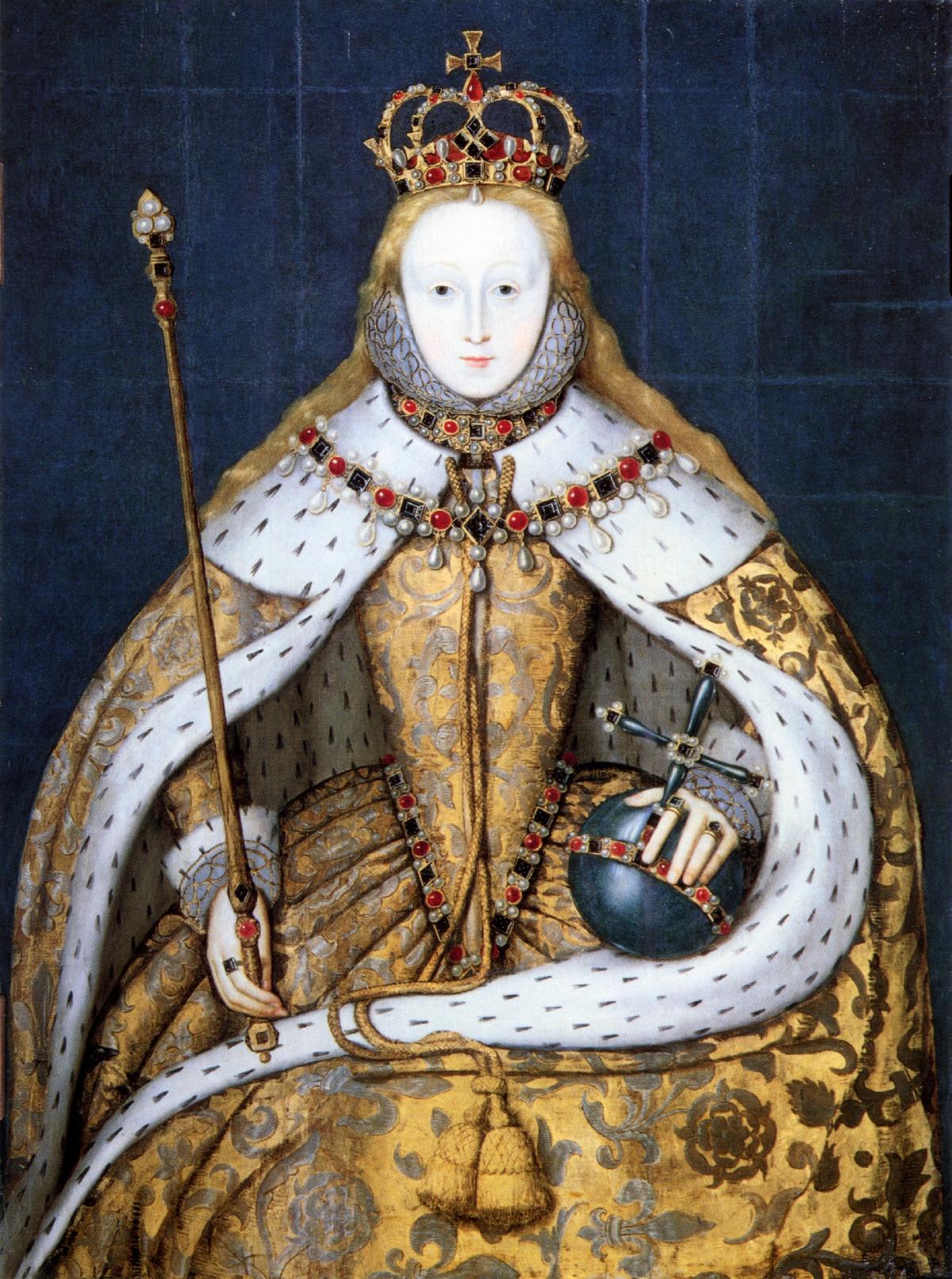
In 1535, Parker was appointed Chaplain to Anne Boleyn. Two years on, he became Chaplain to Henry as well. Of more importance for him, however, was that just before she was arrested, Anne Boleyn gave Parker spiritual charge of her young daughter, Elizabeth, a responsibility he accepted and wholeheartedly carried for the rest of his life. When Mary I ascended the throne, Parker was stripped of his mastership at Corpus Christi, but he kept his head, and he stayed in England during the entire time of Mary's reign, unlike other clergy who had fled to the continent.
When in 1558, Elizabeth became queen, she knew and trusted him, so, in spite of his reluctance, Parker was elected Archbishop of Canterbury in 1559. Consecrating him, however, proved knotty. Because of the executions and unrest during Mary's reign, it was difficult to find four bishops who were both willing and able to consecrate Parker in the office. Yet once installed, Parker moved swiftly, consecrating eleven new bishops in just his first year.
For much of the rest of his tenure, he faced opponents on two fronts, those who hoped to rekindle ties with Rome, and those who wanted to further secularize and distance the Church. Against the former, Parker gathered an extraordinary collection of medieval Anglo-Saxon manuscripts to argue that the English Church had always been historically and categorically different from that in the rest of Europe.
On the second front, Parker faced fractious elements, Puritans especially, who sought to give more power to the people, to undermine the hierarchical establishment (which to them smacked too much of popery), and to free clergy from many of the requirements for donning clerical vestments. Parker was adamant in his opposition, and along with his better-known colleagues, Thomas Cranmer and Richard Hooker, worked to establish the discipline, foundations and practices of the Anglican Church. He is perhaps best remembered as a primary architect of the Thirty-Nine Articles, which can be found today in the Book of Common Prayer and that still guide the Anglican tradition.
Pilgrimage and Retreat to Canterbury Cathedral
March 7-12, 2027
Connecting to our ancient roots and drawing nearer to God.
Stay at the Lodge in the Canterbury Cathedral Precincts.
Reserve your spot today by clicking on this button