|
PRUNING WITH A PURPOSE:
Tending to Roses is
NOT a Random Practice
by Charlie Neumeyer/Victoria County Master Gardener
February 28, 2026
According to The Society of American Florist, roses, especially red roses, are the most requested flower order for Valentine’s Day. But for gardeners, there is another association between roses and Valentine’s Day and that is maintenance.
Why February?
February can be one of our coldest and dreariest months and that generally makes for an unpleasant gardening experience. However, shrub roses at this time of the year, while not dormant, are unlikely to be actively growing making it the best time to prune. Gardeners need to remove old growth before the plant expends energy on new growth.
Shrub Roses vs Climbers
These two types of roses have different pruning needs, so let’s look at the shrub/bush roses first.
What are the Main Reasons to Prune Shrub Roses?
Basically, there are four reasons to prune roses (or any other plants for that matter):
- To stimulate new growth. Roses bloom on new growth and pruning will encourage buds/nodes on the stems to produce this growth.
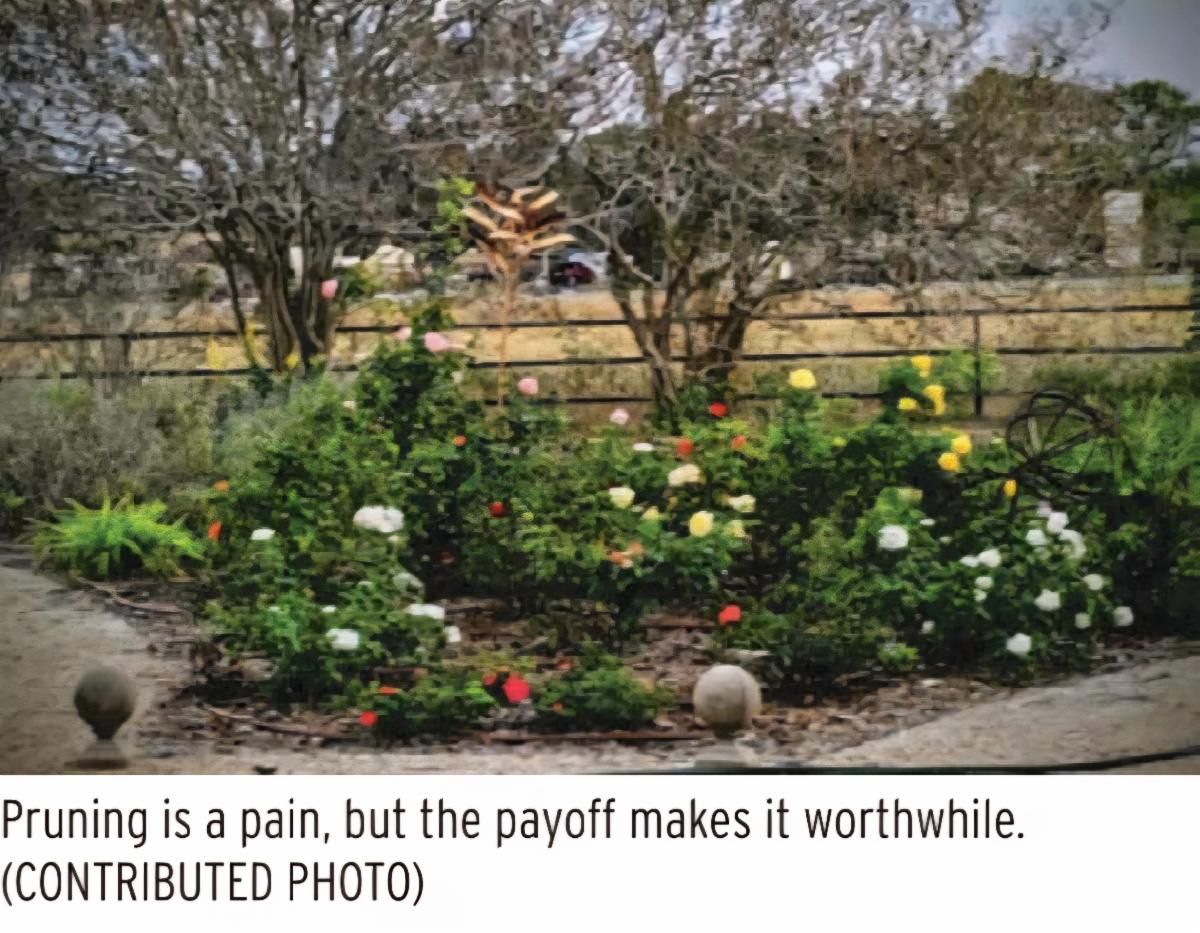
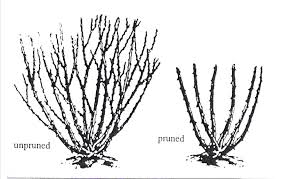
- To control the size and shape of the bush. Remove a third to a half of the length of the stems. Depending on the size, you should end up with an18-to- 24-inch shrub. A vase shape is preferable with an open center which will encourage air circulation to help prevent black mildew.
Because of their compact size, Drift Roses should be cut back to a 6-to-8-inch plant.
- To remove any dead or diseased wood. In addition to the dead wood, Joseph Johnson, Program Manager of The Gardens at Texas A&M University, also suggests removing the old growth that has a dark brown bark on it in favor of keeping the bright green stems.
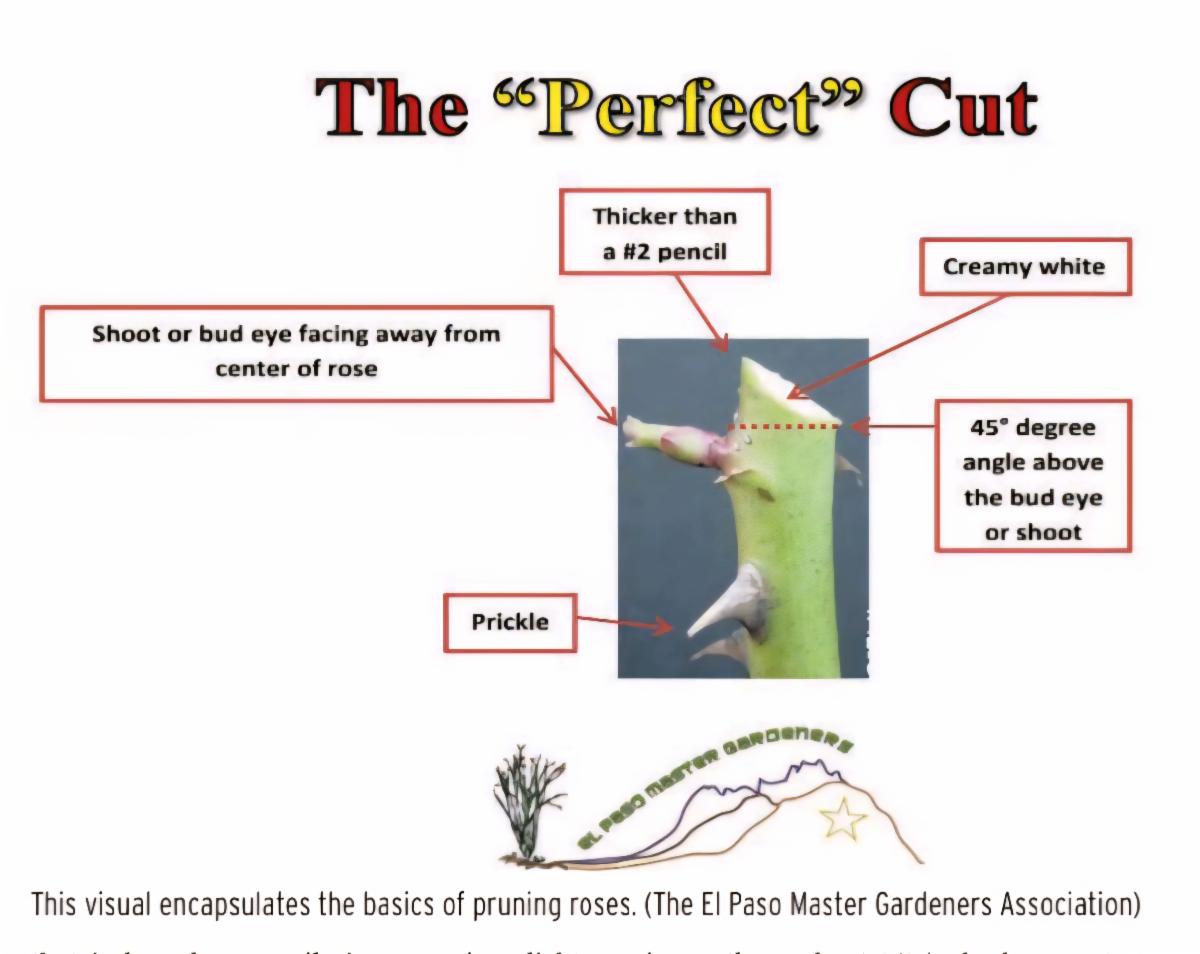
- To remove crossing limbs and spindly limbs. Generally, if the limbs are rubbing against each other you have to choose one, preferably one that is growing to the outside of the plant over the one growing inward. Any stem that is less than pencil size should also be removed.
Aggie Horticulture recommends that each bush should have only three to eight main, healthy stems left after the pruning. I personally rarely succeed at this task.
Climbing Roses
- Timing. Climbing roses that only bloom once should be pruned after the main blooming period, so early summer or June would be the best time. The repeat bloomers should be pruned at the same time as the bush roses.
- Focus. Concentrate on the side shoots, not the main structural canes. The New York Botanical Gardens notes that climbing roses generally receive a light pruning on the lateral stems but try to leave three to four nodes on each. The plant will bloom on these new shoots that come from these nodes. As to the structural branches, the goal is to train them by tying or weaving them along the fence or other support.
- Structure: If the plant is sprouting new stems from the base, you should start training them to become part of the plant’s structural skeleton.
Commonalities
No matter what type of rose you are pruning, there are several common practices that apply to all.
- Make the cut at an angle about 3/8 inch above a stem node. Generally, choose a node facing outward and one that will not produce a shoot that will cross over another stem.
- Use bypass pruning shears or loppers that are sharp so that you don’t mangle the stem.
- Sterilize your equipment prior to and periodically during the pruning session.
There is an excellent video by Joseph Johnson, Texas A&M AgriLife, entitled “Rose Pruning in Texas: Maximizing Bloom Production.” It was very helpful and helped me to do a better pruning job this year. But it still wasn’t fun.
|