|
It has been another impactful session and semester at CCJR!
In the face of ongoing and unprecedented challenges, we are deeply grateful for the opportunity to connect with our invaluable partners across the state and nation, and to share updates on hard-fought wins and progress that provide cause for hope.
Onward.
| | CCJR and Partners Make Significant Progress in the 2025 Maryland Legislative Session in Annapolis | | |
Building on the policy agenda developed during our annual Advocates’ Retreat, which brought together over 300 registrants at multiple events at the law school this fall, CCJR was highly active in Annapolis throughout the legislative session.
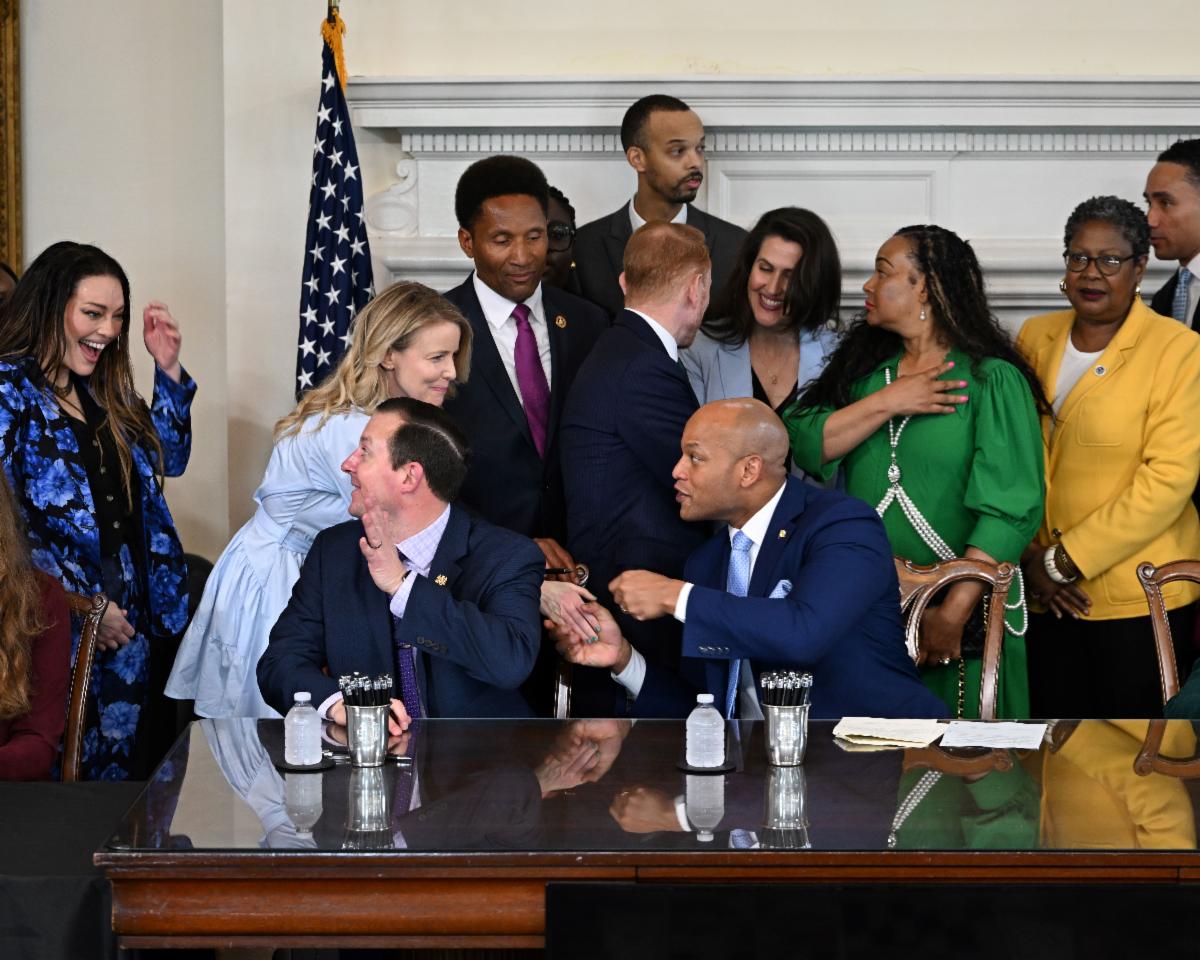
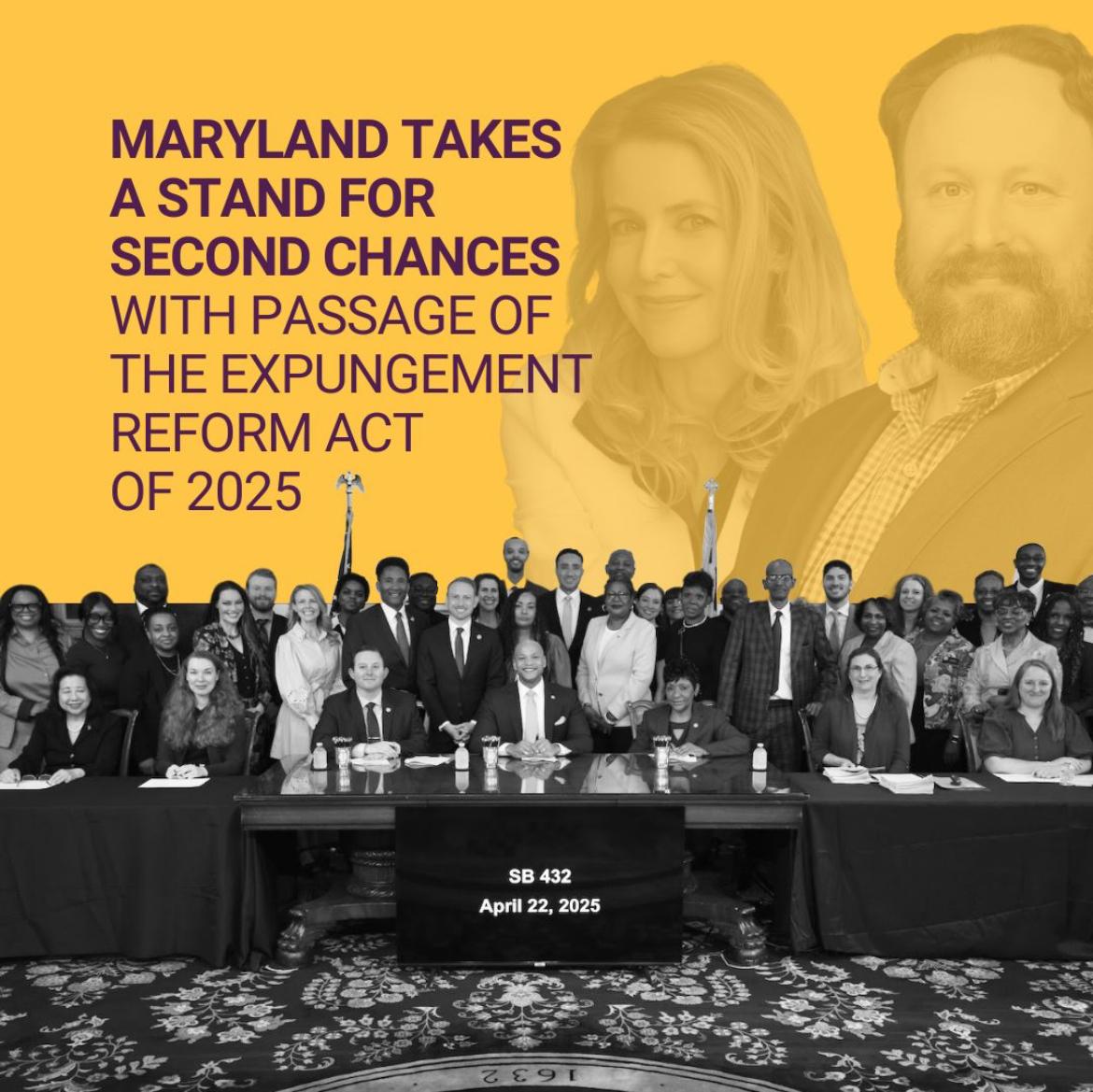
CCJR provided written and/or oral testimony on 29 different bills across a range of criminal legal reform issues. Though there were some stiff headwinds to reform in Maryland as in many parts of the country, CCJR was proud to work alongside partners to both defeat numerous harmful bills, and advance multiple bills across the finish line, including the landmark Expungement Reform Act, championed in partnership with Gov. Wes Moore.
A key facet of the bill was removing a significant barrier to second chances in Maryland: clarifying that a probation violation should not automatically disqualify an individual from having their arrest or conviction record cleared. Listen to Executive Director Heather Warnken’s testimony and read more to learn more about the significance of this victory (and more below on where we go from here).
CCJR was also proud to work alongside the Maryland Second Look Coalition on its historic win. As amended, the Second Look Act will expand the opportunity for judicial review of sentences after 20 years of incarceration for those who were under 25 at the time of the offense. While the eligibility criteria in HB853 as passed is far more limited than the 'Second Look for All' framework as originally introduced, this hard-fought victory is a powerful and meaningful step forward, creating a new mechanism for redemption, hope and freedom for hundreds of eligible individuals behind the walls.
Read more about this and other legislative updates and reflections from CCJR and partners, including a critical victory expanding Geriatric and Medical Parole, "Maryland Policymakers Promote Public Safety and Second Chances," via Arnold Ventures.
| | |
Making History in the Work to Address Mass Incarceration:
MEJC Issues its Inaugural Report
CCJR is proud to serve on the executive committee of the Maryland Equitable Justice Collaborative, convened by Maryland Office of the Public Defender and Office of the Attorney General alongside numerous partners throughout the state. This historic initiative to shape a comprehensive plan for addressing mass incarceration in Maryland hit an important milestone with the release of its inaugural report, "Breaking the 71%: A Path Toward Racial Equity in the Criminal Legal System.”
The report examines the systemic factors and offers 18 concrete recommendations for reform that MEJC will continue to pursue. CCJR Executive Director Heather Warnken serves as co-chair of the Law Enforcement Policies and Practices Working Group, and other working groups, including those devoted to Promoting Successful Reentry, Criminal Law and Sentencing and Prison and Jail Detention Reform. Read the inaugural report.
| | |
Protecting the Rights and Dignity of Trans and Nonbinary Incarcerated Marylanders
Unconscionable attacks on the rights, safety and humanity of trans people continue on numerous fronts; and among the most troubling have been those directed toward incarcerated trans people. Transgender and gender-nonconforming people are incredibly vulnerable to violence nearly everywhere, but this is especially pronounced in confinement settings, where they are nearly 10 times more likely to be sexually assaulted than other incarcerated people, routinely placed in solitary confinement often for their own “protection,” along with a host of other risk factors when placed in housing assignments not aligned with their gender identity.
Recent changes at the federal level have created ripple effects for members of the LGBTQ+ community behind the walls, particularly in states where we’ve successfully used federal law, including the Prison Rape Elimination Act, to hold DOCs accountable. CCJR is honored to continue working alongside the Trans Rights Advocacy Coalition (TRAC), Trans Maryland, and other partners to protect the safety and dignity of this population, including joining TRAC for budget oversight hearings to ensure that, notwithstanding erosion of federal protections, the state continues to uphold these rights.
| | |
Launch of the Community Violence Legal Network and Other Critical Efforts to Protect CVI
June is Gun Violence Awareness Month, an especially powerful time for the official launch of Community Violence Legal Network (CVLN), a new force in the fight to end gun violence.
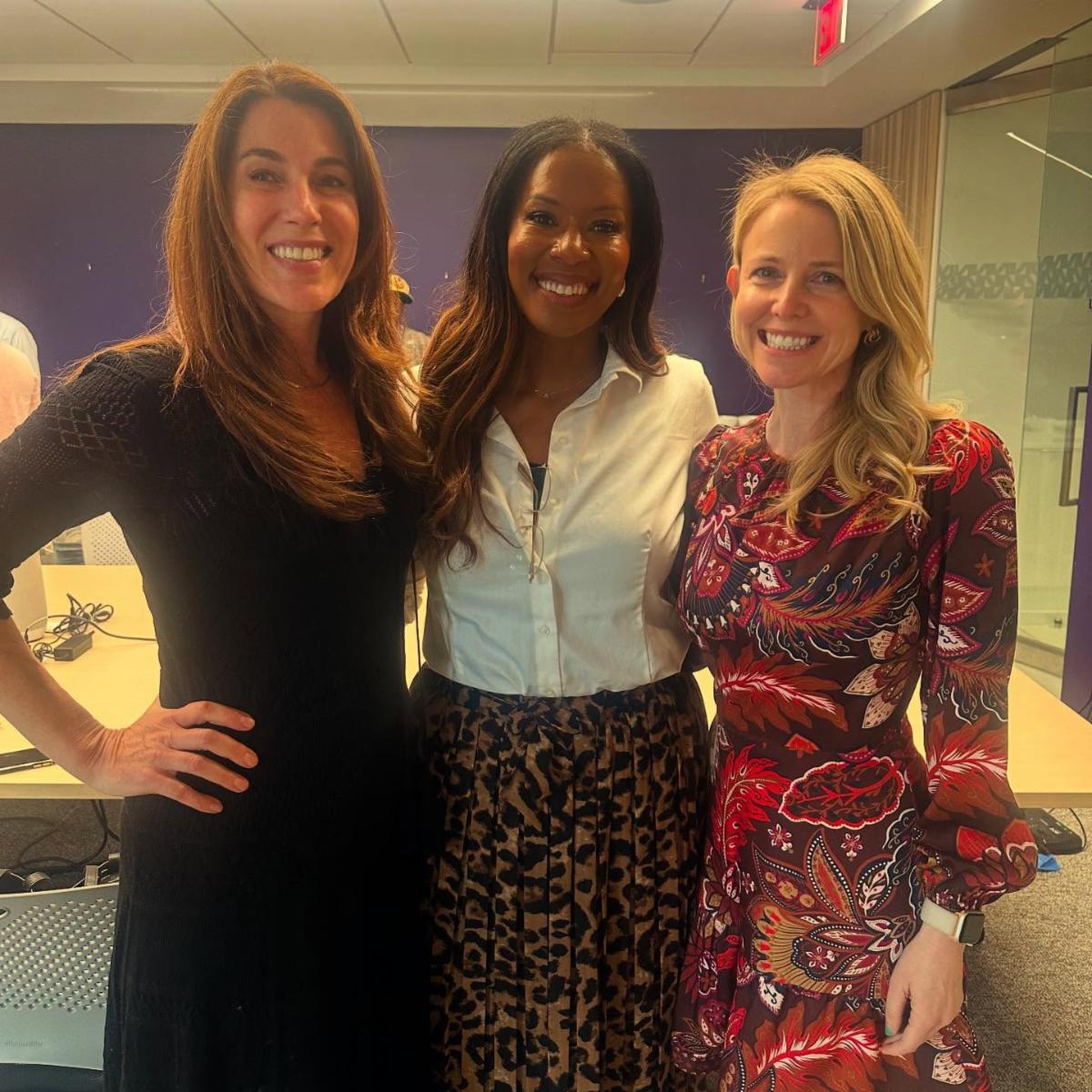
CVLN, led by Amber Goodwin and Robyn Thomas, pictured here with CCJR’s Heather Warnken, is the first national legal network focused exclusively on supporting the rights and legal needs of CVI organizations, survivors, and frontline workers, particularly those from Black and Brown communities. We encourage you to read more and share with attorneys in your network who may be interested in getting involved.
CCJR’s executive director recently joined CVLN and representatives from the Health Alliance for Violence Intervention, law enforcement, and CVI frontline workers to provide testimony before the U.S. House of Representatives Gun Violence Prevention Task Force, chaired by Rep. Mike Thompson (D-Calif.) on the impact of recent DOJ funding cancellations and the urgent need for congressional, state level, and philanthropic action to protect CVI.
| | |
Realizing the Promise of Victim Compensation Reform
While CCJR was thrilled to celebrate the passage of the historic Victim Compensation Reform Act last spring, in many ways that milestone marked not the end of our work, but its beginning. Laws are only as good as their meaningful implementation, which depends on many factors, including outreach and education, available resources, data reporting and enforcement, and the ability to change the culture that eats many of those other factors for breakfast.
In preparation for this law taking effect on July 1, the Governor’s Office of Crime Prevention and Policy (GOCPP) is revising the regulations guiding how claims are handled across the state. CCJR is proud to collaborate with GOCPP, the University of Maryland’s Rebuild, Overcome, and Rise (ROAR) Center, and other partners to support the effective implementation of the law.
This work includes hosting listening sessions with survivors, victim service providers, community violence interventionists, and other key stakeholders to identify the changes needed to fulfill the promise of a more equitable and accessible compensation program. Stay tuned for more updates and opportunities to inform this work.
| | |
Center News and Notes
-
In December, Faculty Director David Jaros delivered a course on Fourth Amendment law to newly elected Maryland judges, focusing on key issues surrounding warrantless stops and searches. The session included a discussion of how heightened public awareness of police violence should be shaping courts’ analysis of reasonable suspicion.
- In May, CCJR participated in the 1st Annual Maryland Cannabis and Public Health Conference. Executive Director Heather Warnken presented “Repairing the Harms of the Drug War: Updates in Criminal Justice Reform” in a session on social justice that also featured Courtney Davis of the Maryland Office of Social Equity.
-
In April, CCJR joined the Gibson-Banks Center for Race and the Law, the Campaign for Justice Safety and Jobs and other community leaders for “Still Rising 10 Years After Freddie Gray’s Death: How Legal, Faith-Based and Community Advocacy Changed Policing in Baltimore,” a powerful symposium hosted at the University of Maryland Carey School of Law. Warnken participated in a panel, “State and Local Policy Advocacy for Fair and Accountable Policing.”
- CCJR was honored to participate in the Smithsonian’s National Day of Action, Struggle for Justice, at the National Portrait Gallery, an event designed to support the next generation in realizing their capacity to confront injustice and affect change. It was only fitting that CCJR Executive Director Heather Warnken got help from her daughter Cleo tabling the event.
| | | | |