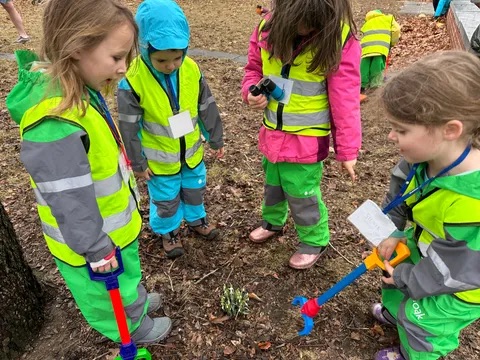
Outdoor Learning Highlights | | | | We are grateful to the teachers, students, and schools who have opened up their outdoor classrooms to us this year. These visits are a joy. We are inspired by the thoughtfulness of the lessons we see, the commitment to creating this learning experience for students, and the engagement and curiosity of the students. We also see the challenges that teachers face, giving of their time, expertise, and often personal resources to ensure the outdoor learning spaces are welcoming for all.. Real financial support is needed for these efforts and for the development and maintenance of these vital spaces. If you live and/or teach in Boston, please contact your city councilors and union representatives, and let them know how important you feel outdoor learning spaces are for the development of our children’s mental and physical health, as well as their curiosity, wisdom, and knowledge. | |
"It is such an added delight to our school community to have an outdoor space-/garden to unwind and an open classroom to learn and be yourself in nature."
Carol Perez, Martin Luther King K-8
| | | | | |
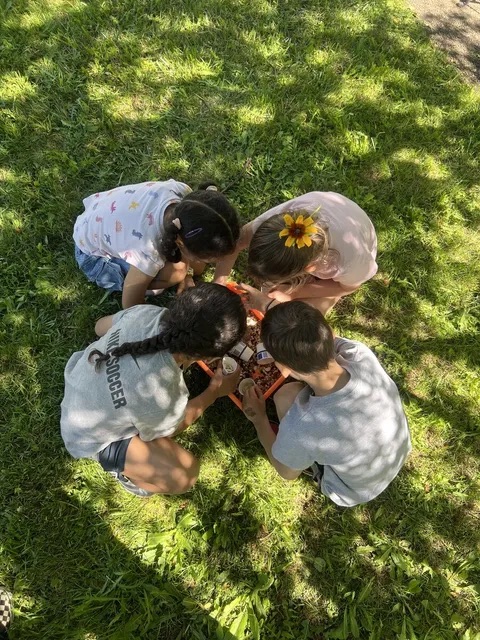
Friends of the Boston Schoolyards is in our 6th season of distributing Joy of Learning grants to Boston teachers. This year we gave out 11 grants of up to $600. From chemistry to gardening, Boston teachers find creative ways to incorporate outdoor learning and joyful engagement into their curriculums.
Please enjoy viewing their projects on our Padlet.
| | | Outdoor Classroom Spotlight | | |
Outdoor Learning at the Boston Teachers Union School
by Barbara McLaughlin
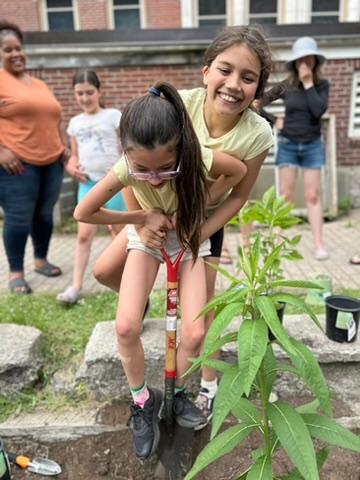
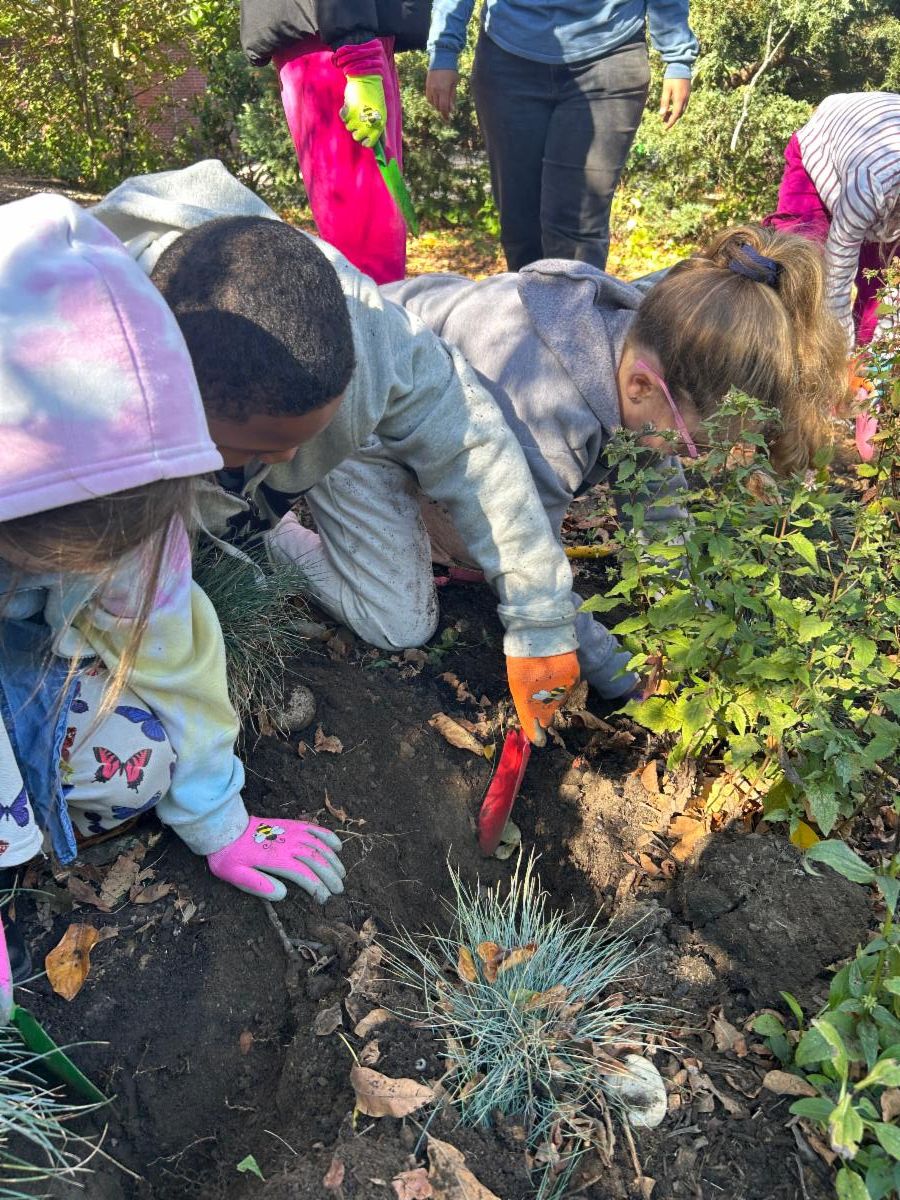
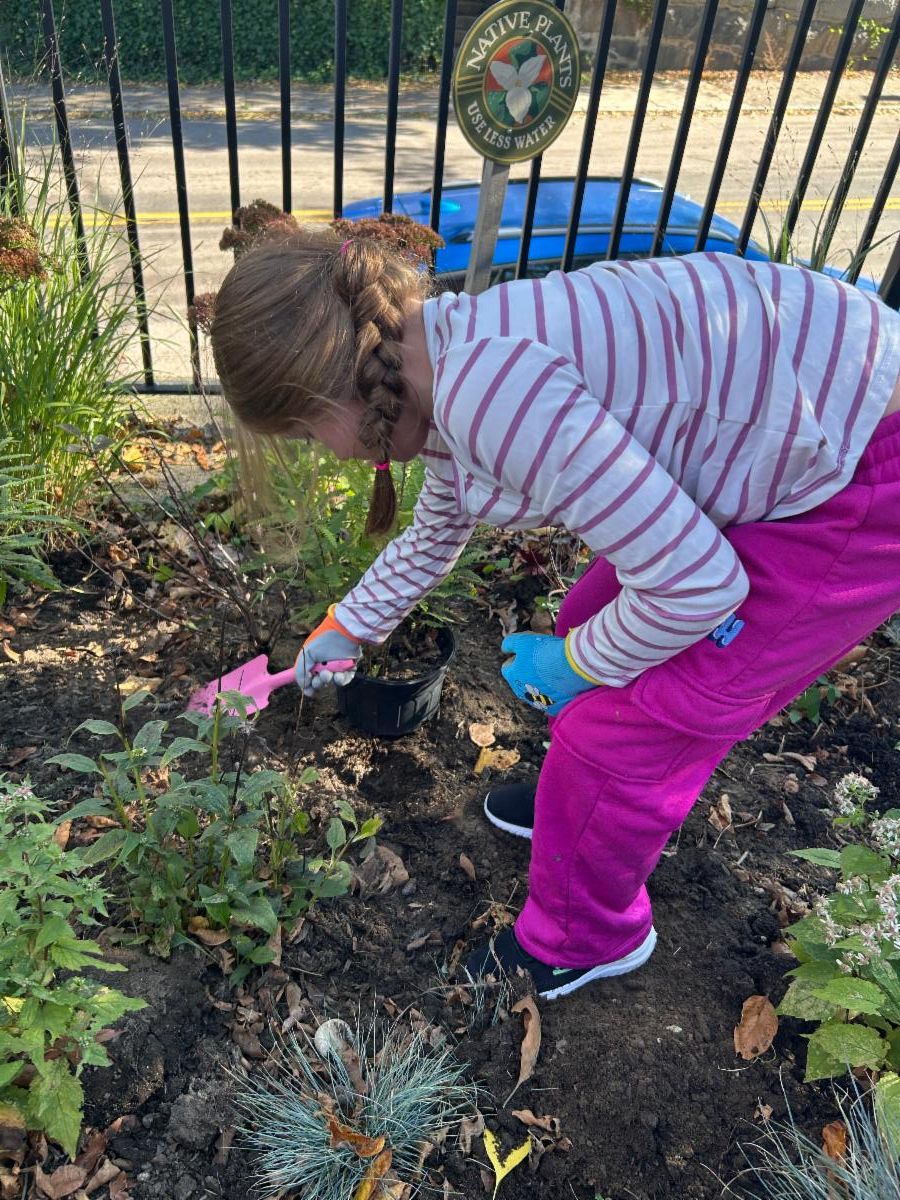
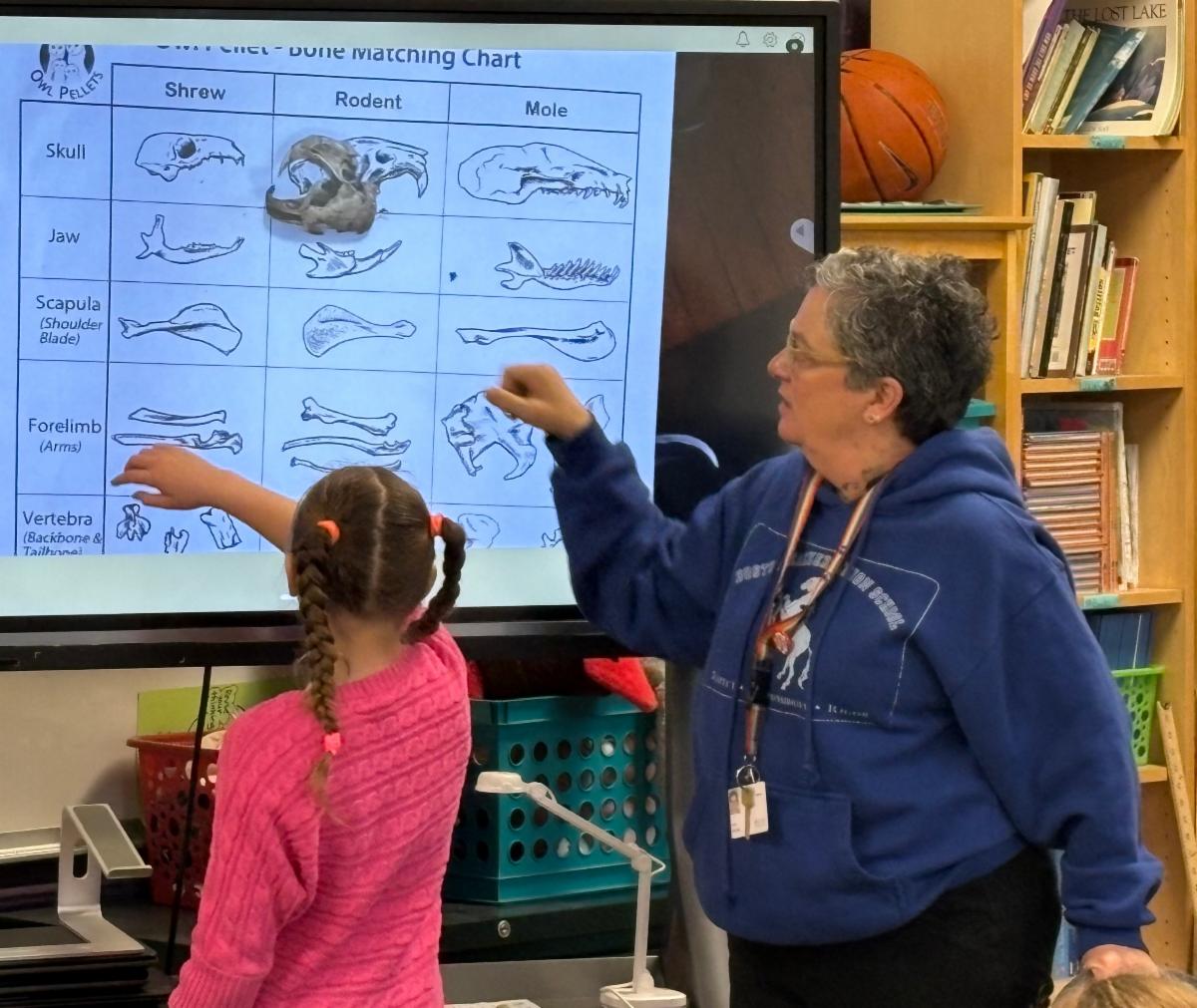
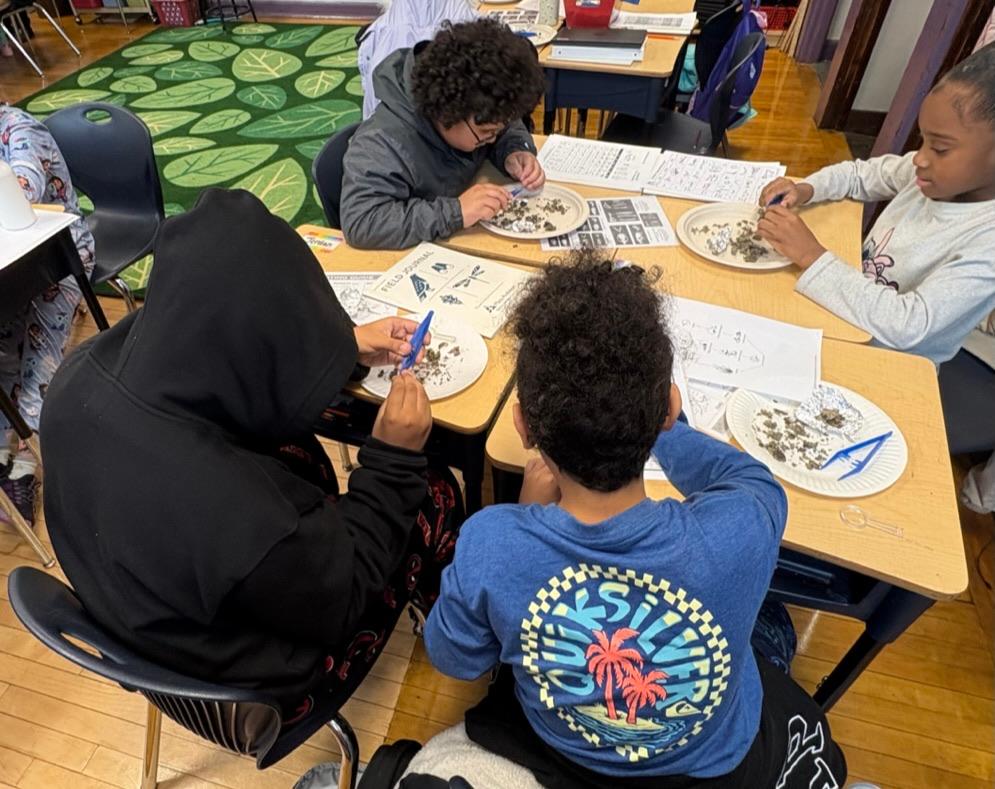
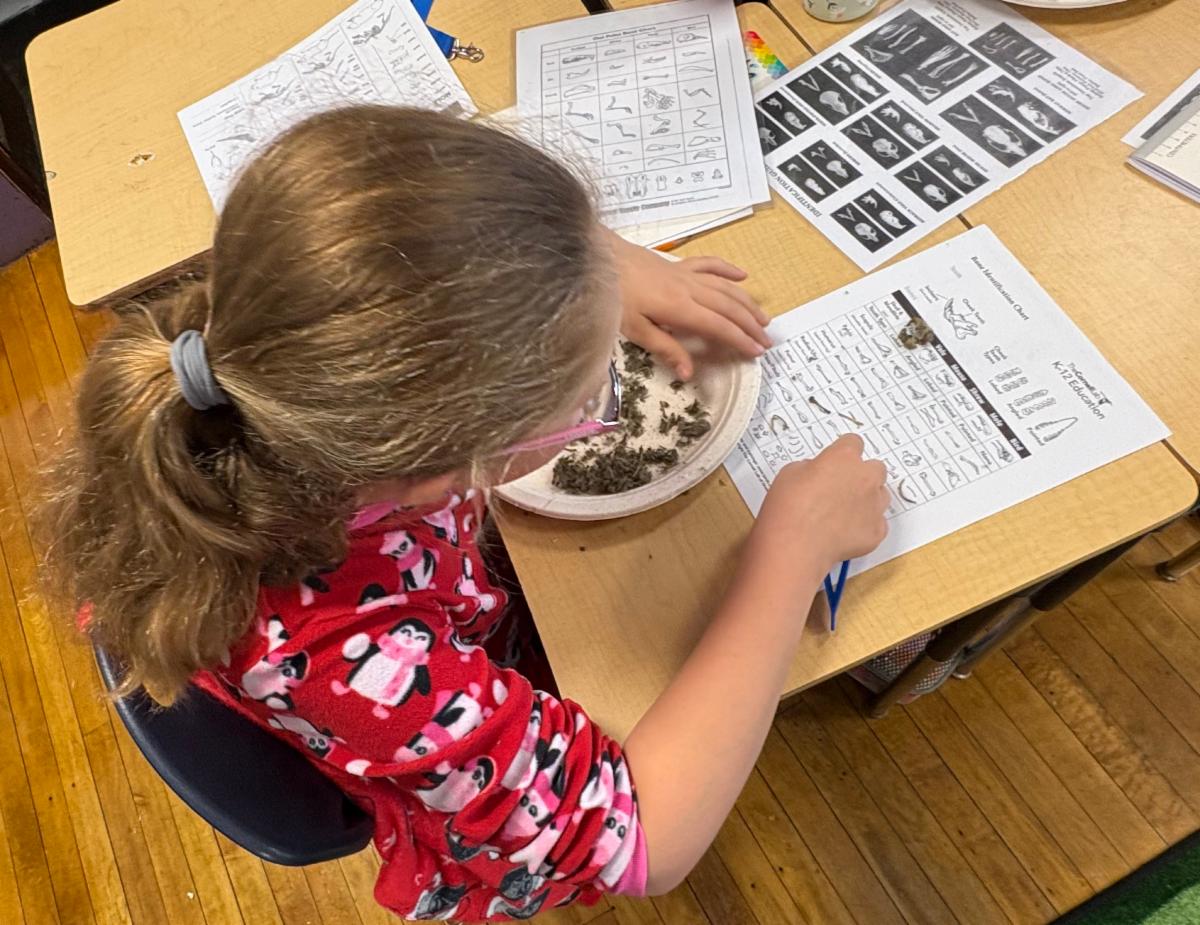
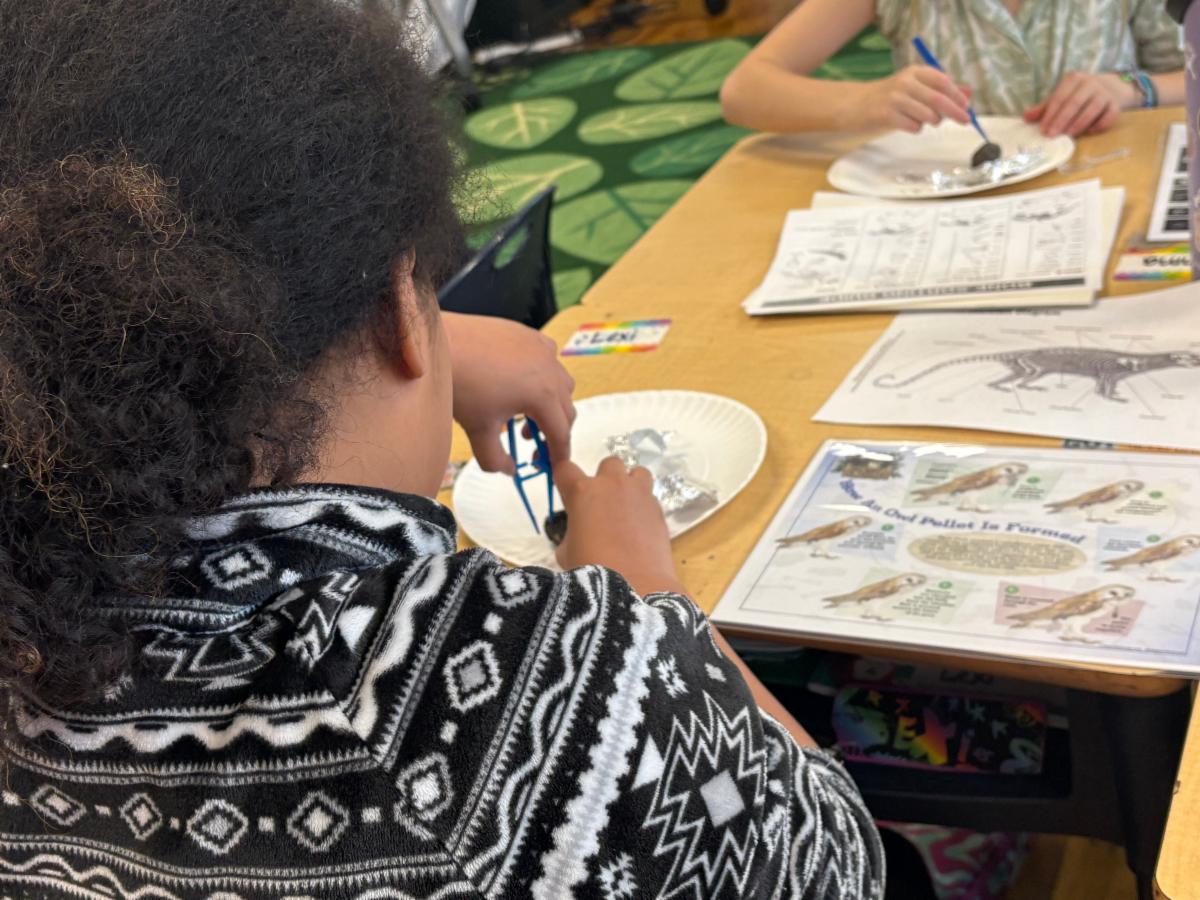
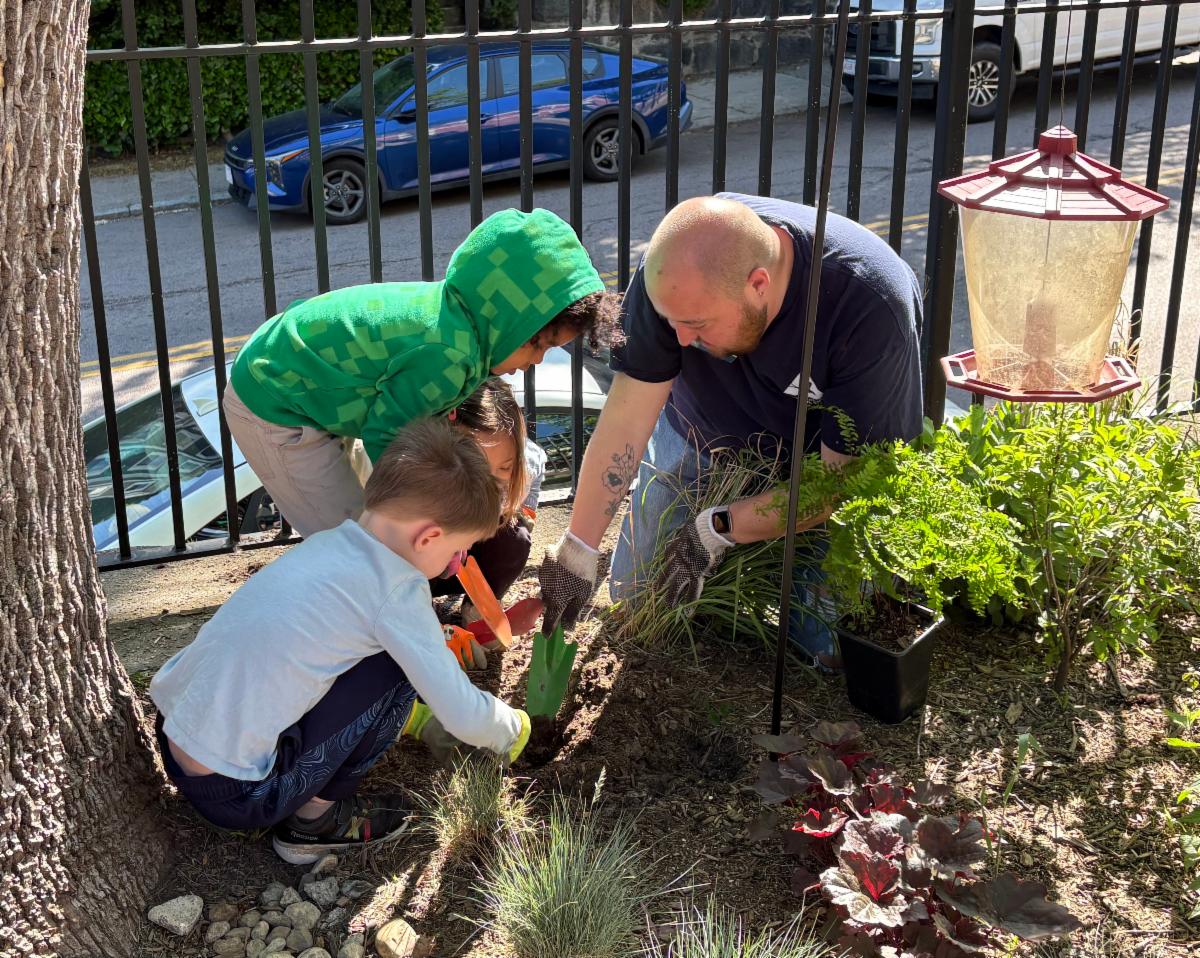
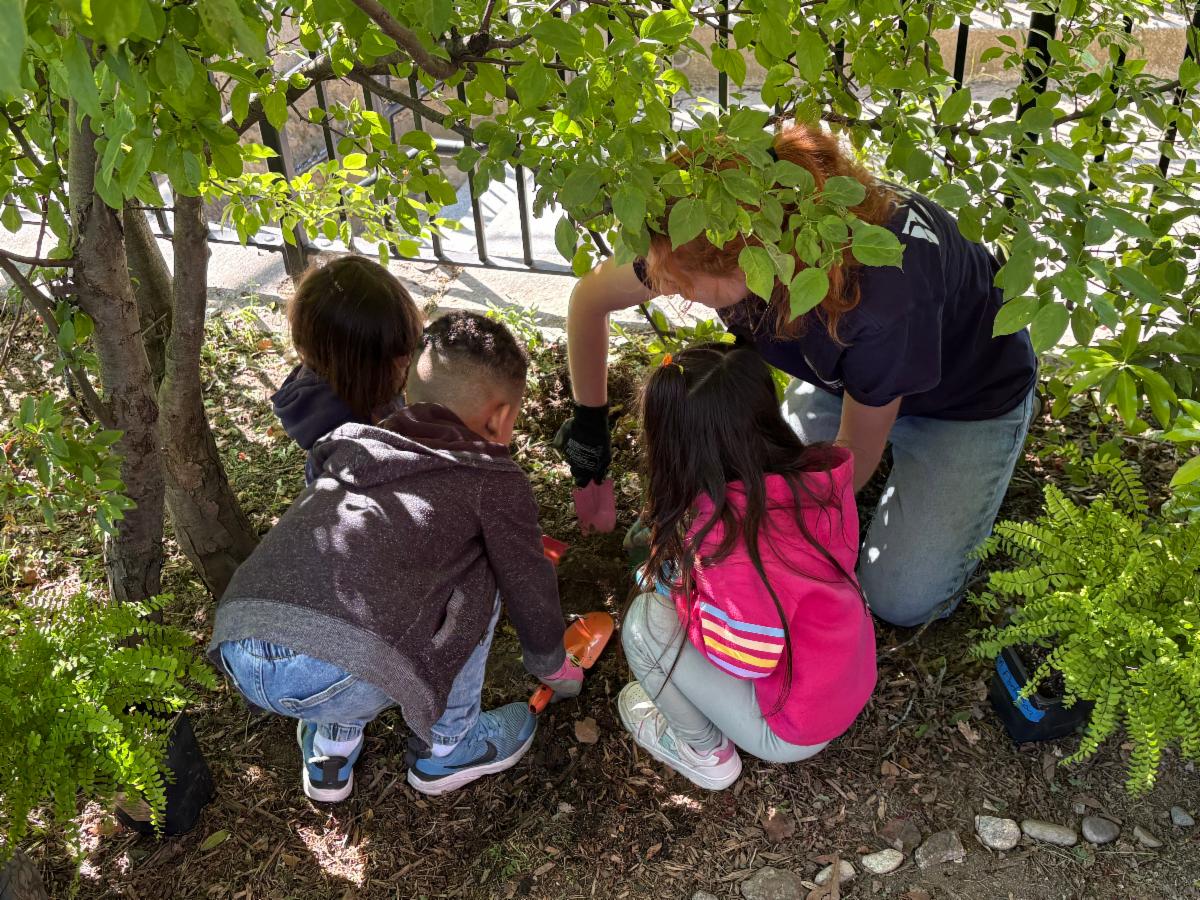
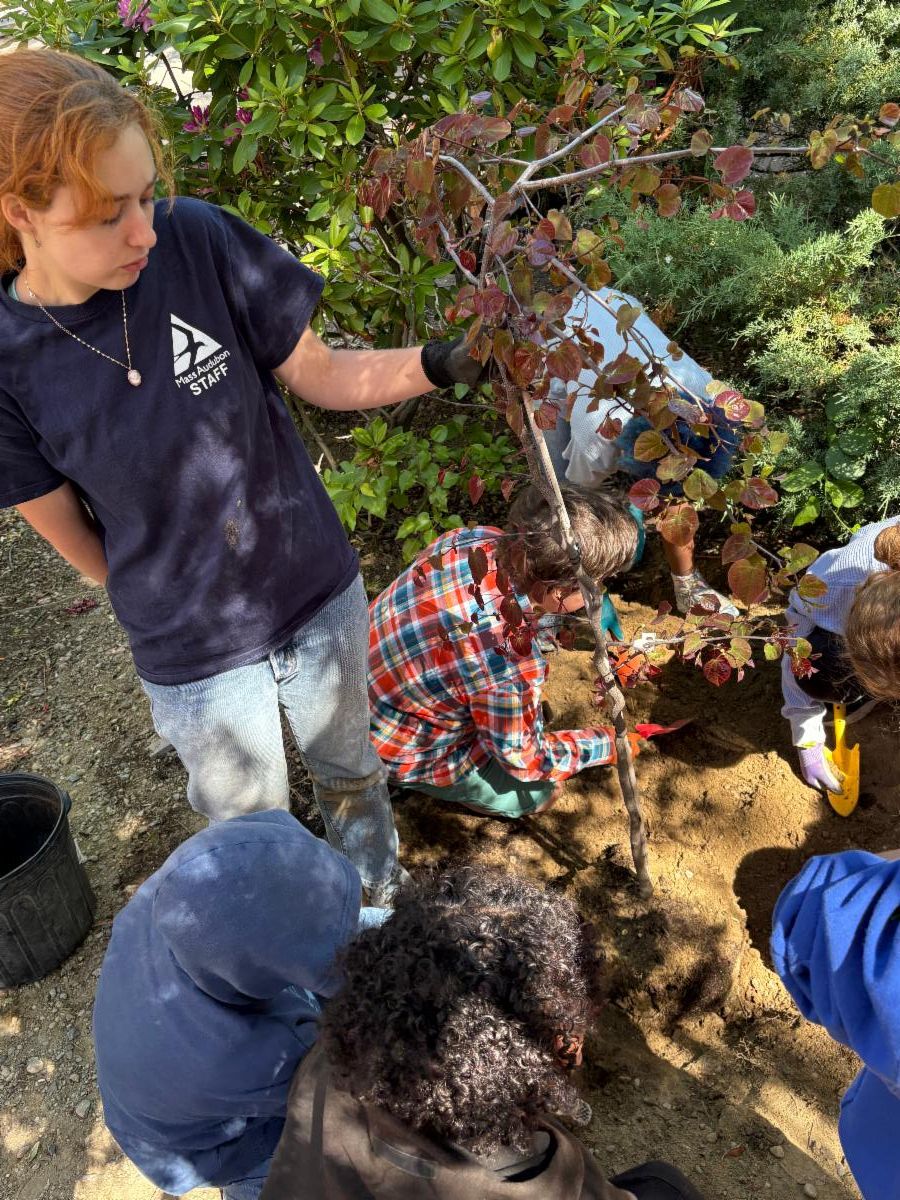
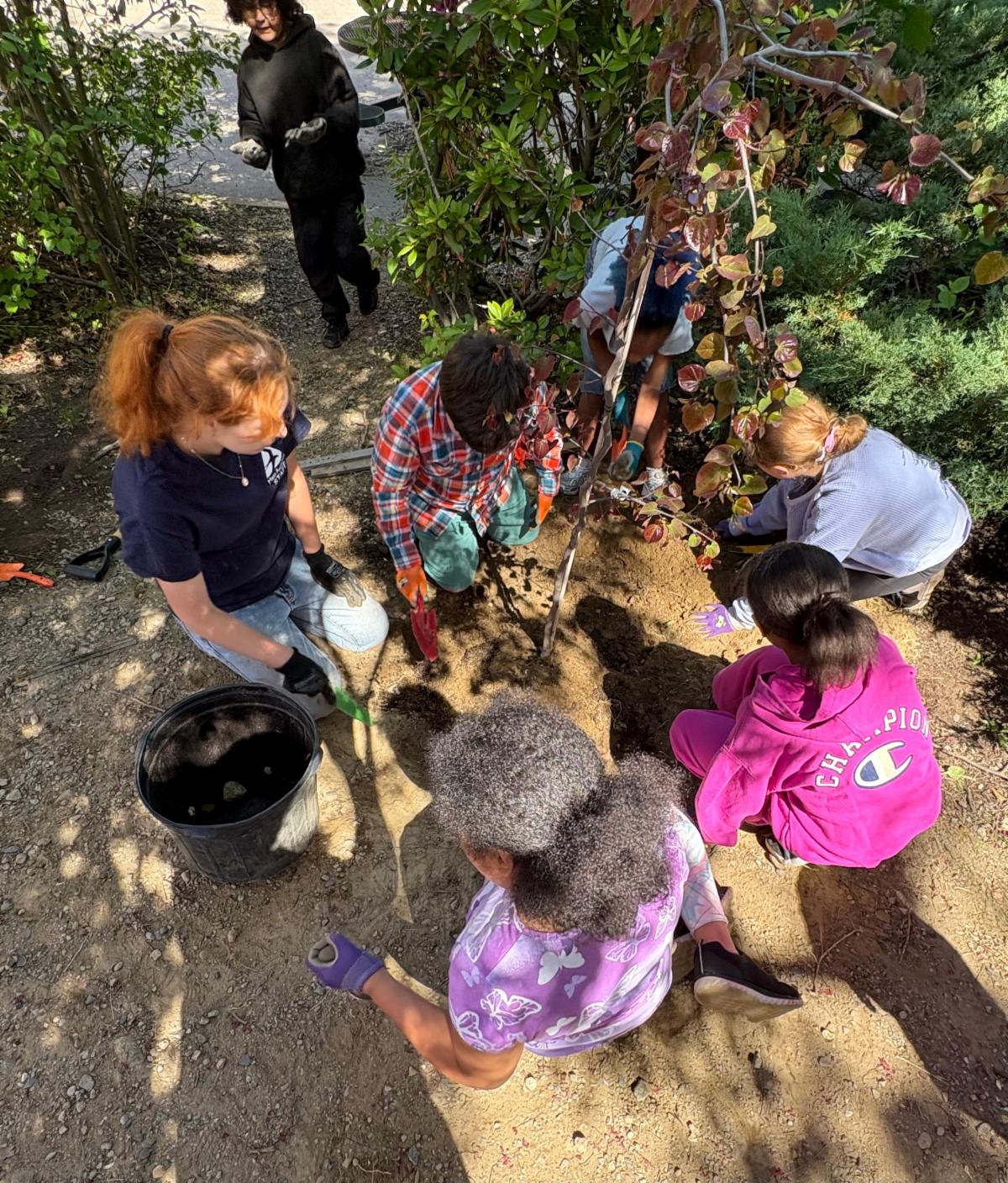
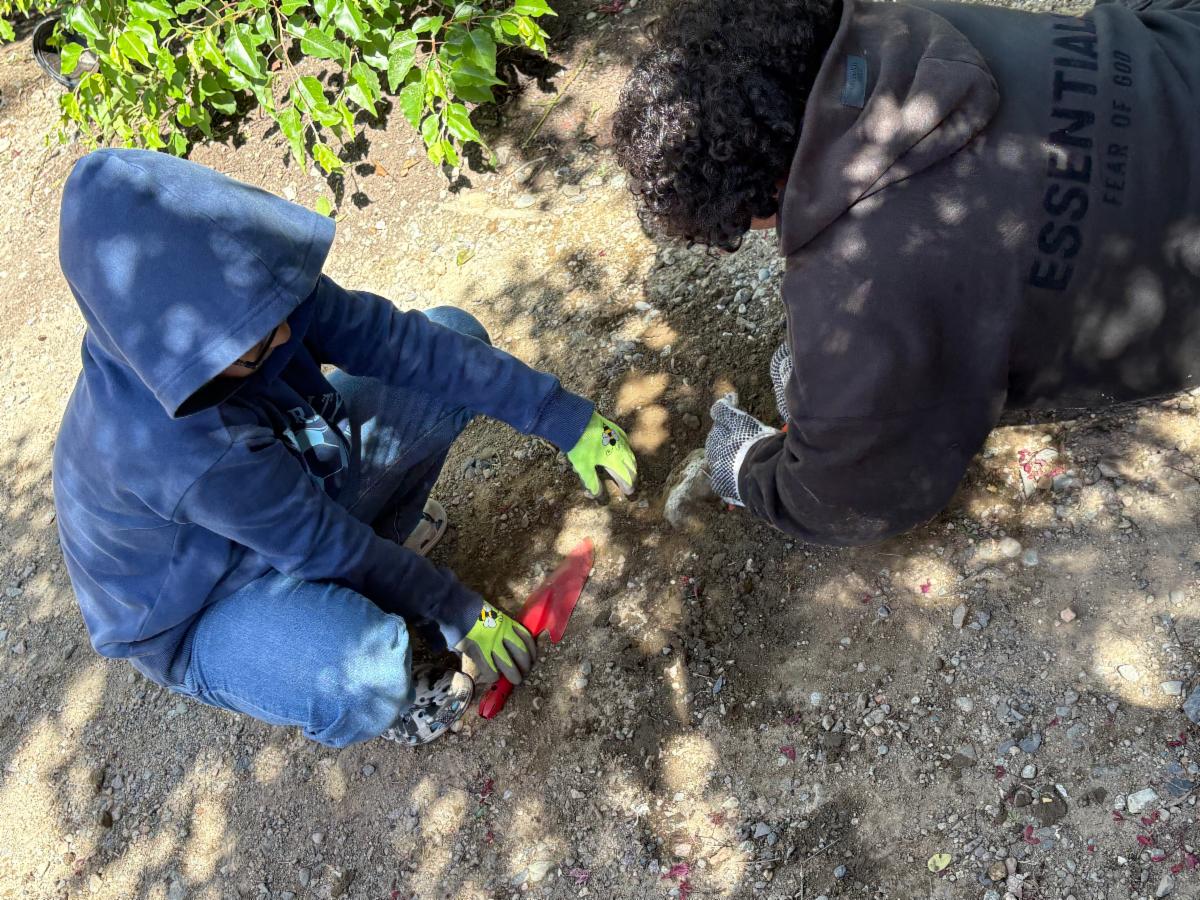
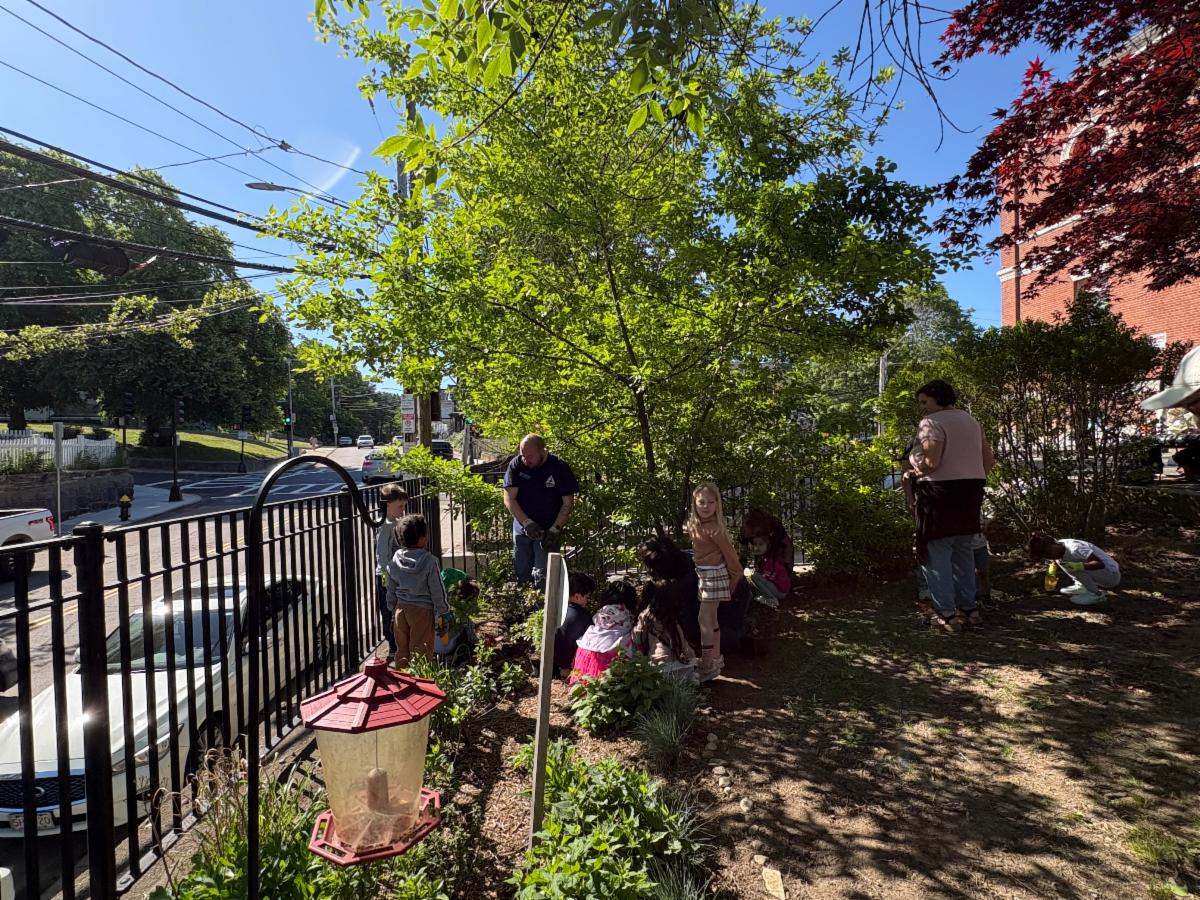
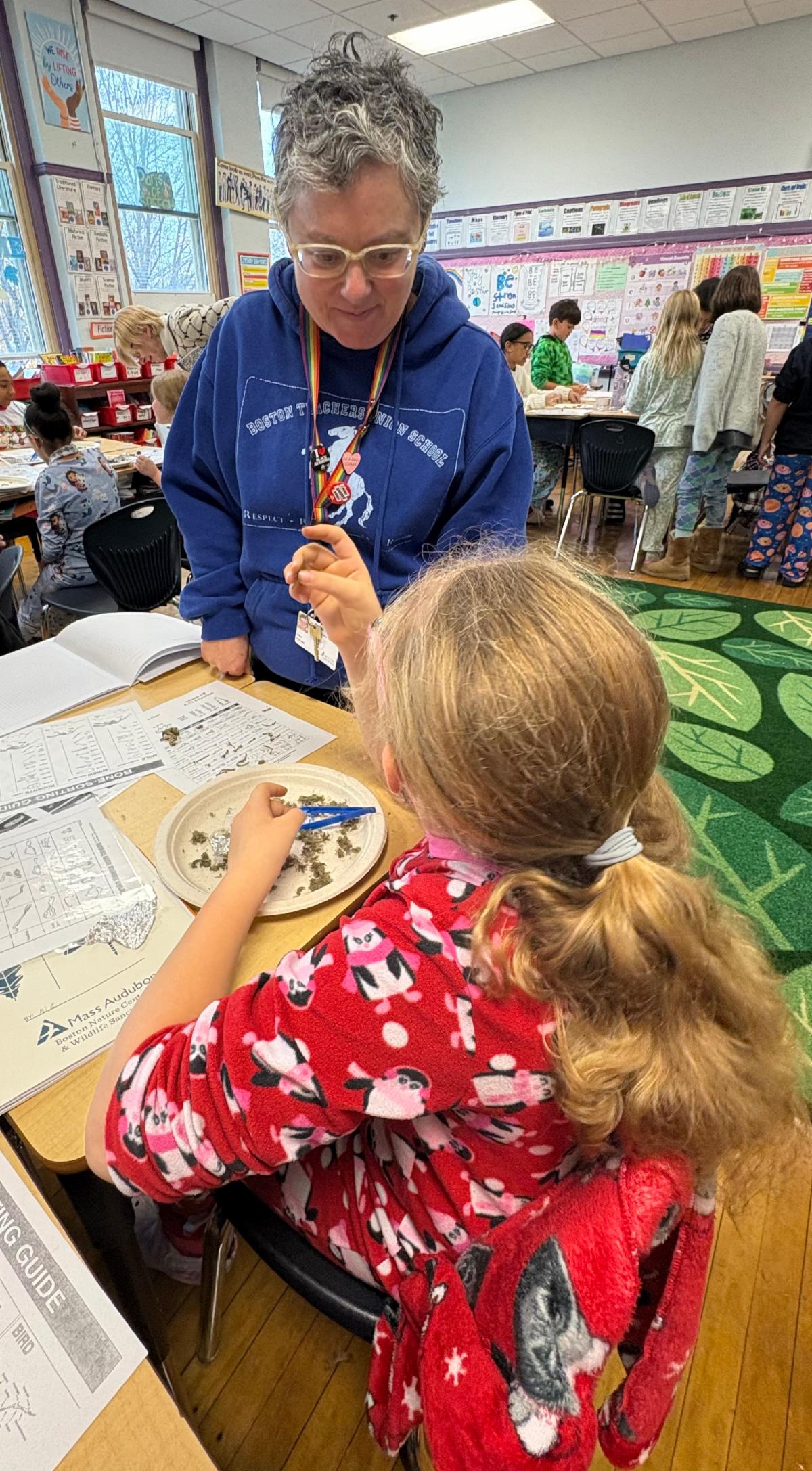
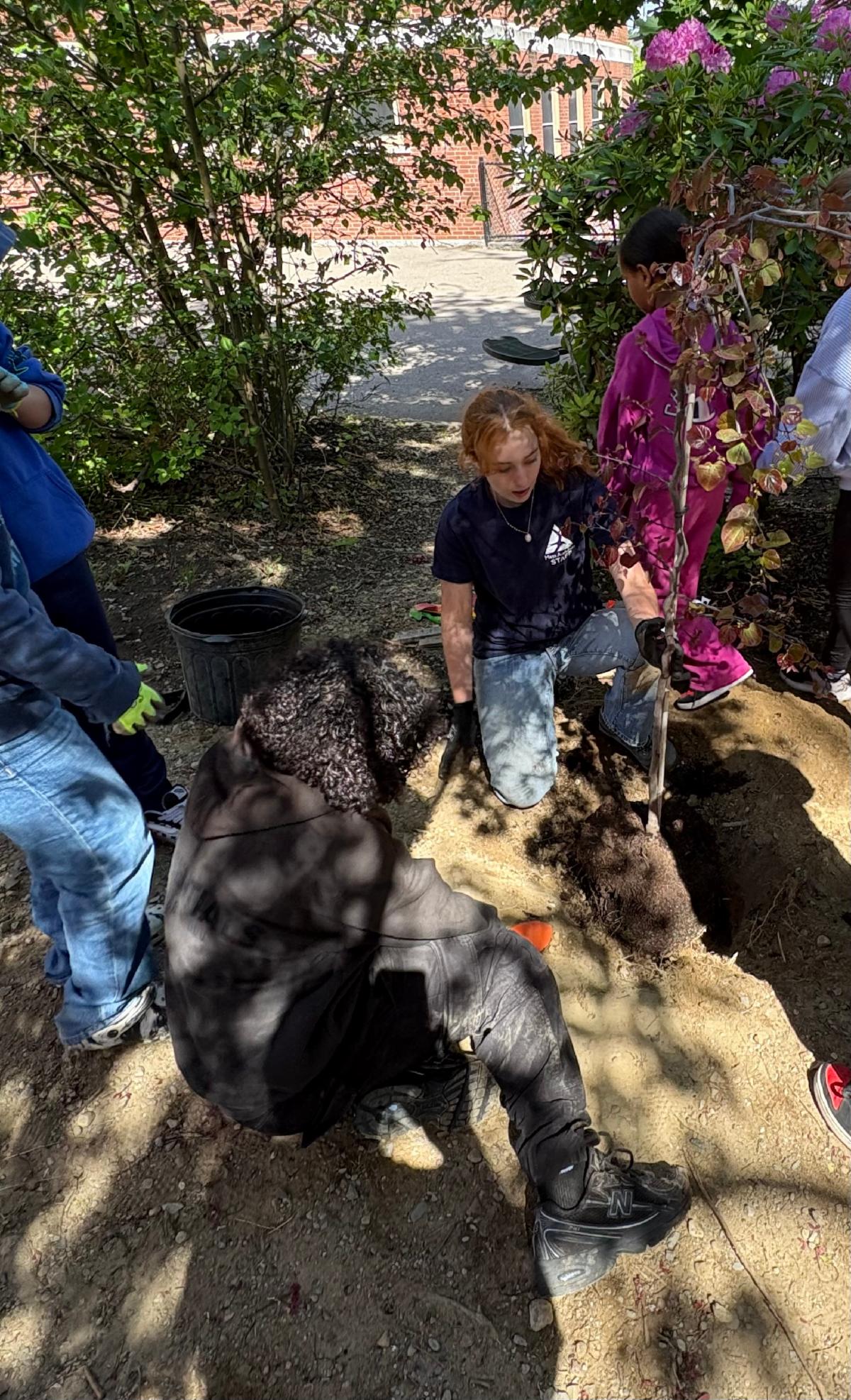
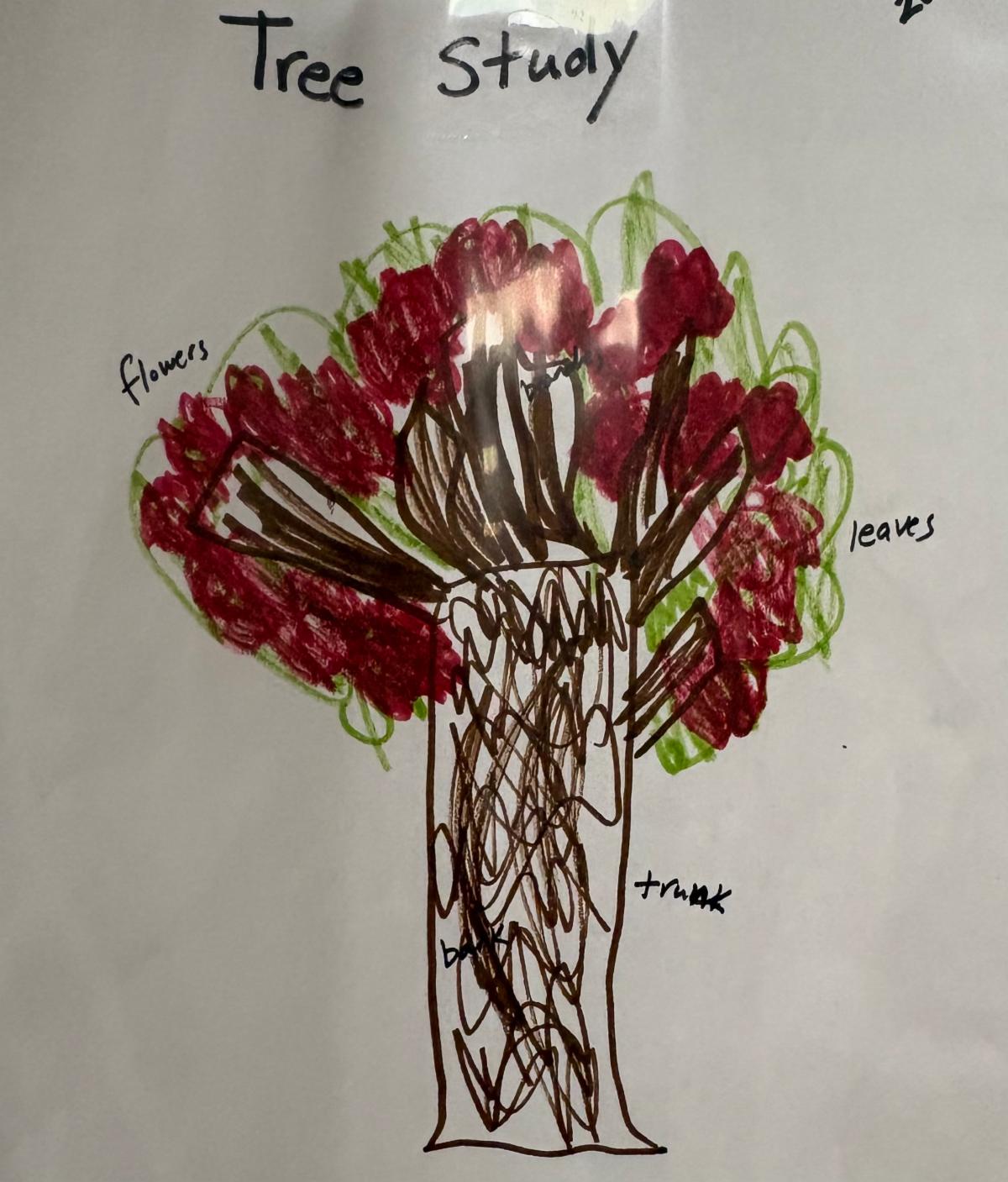
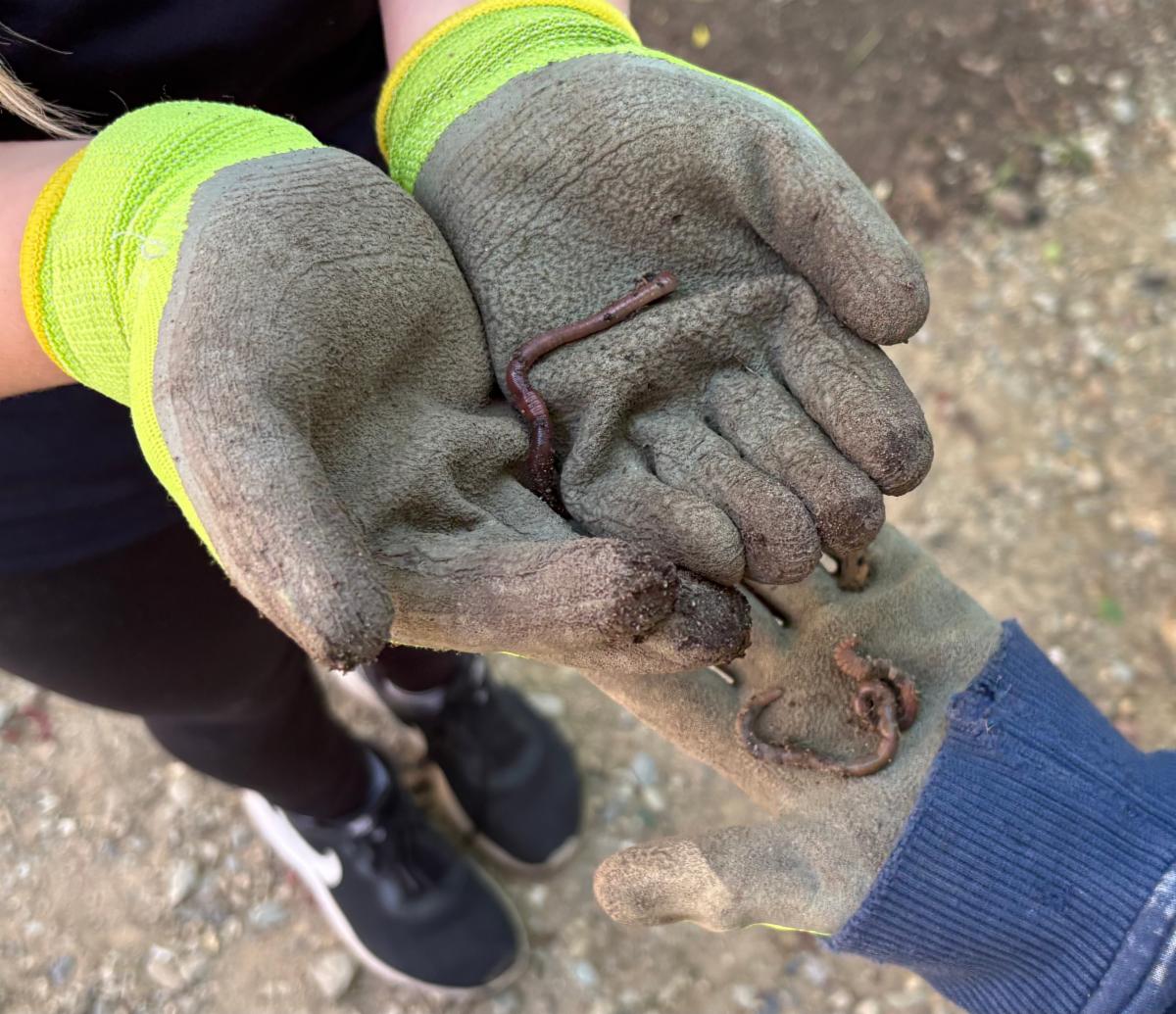
| Sara Gardner and I visited Alice McCabe’s 4th grade classroom at the BTU School last November. Ms. McCabe has been working with Sal Burnette from the Boston Nature Center (BNC) as part of a Science of Massachusetts partnership, a statewide program that helps teachers to enhance their science curriculum and incorporate outdoor learning. Sal also works with K1 students at the school. He explained that he and other BNC staff prepare and teach each lesson and bring all resources and supplies. Teachers follow up by having students do nature journaling. Ms. McCabe has built these visits into her weekly schedule. | | | As part of the unit “Energy on Earth,” Sal taught a lesson on using evidence to determine what owls eat. Although lessons usually occur outdoors, because of the windy conditions and the work students would be doing (dissecting owl pellets and organizing artifacts) the lesson took place in the classroom. Students were excited to see Sal. He began by asking them what an owl pellet is. Student responses included, “Owl barf,” “Like a cat’s hair ball,” “It’s what they spit out.” Sal asked, “What do owls eat? Where do they get their energy?” Students’ responses included voles, shrews, mice, small rodents, and small birds. Sal explained that owls can’t digest hair and bones and they spit these out. By dissecting and studying these pellets scientists can learn what owls eat. He displayed a chart that showed the owl at the top of the food web in the area in which it lives. | | The scientists then received the equipment they would need for their work and started to scrape away the pellets to see what they would find within. One student said, “I know it’s a bone because it’s hard and I can’t break it.” Another said, “I think I found a skull. It has a horn thing at the top and teeth.” They placed each artifact under the appropriate animal and category (bone, teeth, hair, skull) on a chart. At the end of the class, Ms. McCabe had students take out their field journals. On the left-hand page, they drew a picture or taped a small artifact of one thing they had found and labeled what it was. Students talked within their groups about their artifacts and the evidence they had used to determine what each was. “It’s a shrew. It has a big round eye and matches the size on the chart.” “It’s a rodent jaw. It has a bunch of little teeth.” On the right-hand page, they responded to a writing prompt, “What do owls eat and how do you know?” The lesson concluded with students sharing their responses. Students were highly engaged throughout the lesson. | | On May 29th we visited the BTU School for their Green-Up Day. BNC’s Green-Up Program helps schools to diversify the plant types in their outdoor spaces, in order to better manage higher temperatures, excess stormwater, and create a beautiful space to enjoy and learn in. Sal Burnette, Emily Major, and Yoshie Vinton from BNC worked with Lesley Strang’s K1 class and Alice McCabe’s 4th grade class to add plantings to the school’s garden. Ms. Strang’s kindergartners have been studying the habitats, adaptations, and life cycles of trees with Sal. Emily reviewed what they had learned and explained they were going to plant ferns that would become a habitat and food for birds, bees, and other insects and creatures. They worked in groups with Sal, Emily, and Yoshie to gently remove the plants from their containers and release the roots. They problem-solved how big a hole they needed to dig. Everyone weighed in on this: “We need more space. We need a bigger hole.” As they worked, they made exciting discoveries, “We found a worm!” “Another one!” After patting the soil around the fern her group had planted, one student exclaimed, “We’re doing an amazing job!” When their work was done, students shared what they had seen. They had noticed worms, flowers, ants, and rocks. When asked their favorite part of the lesson they responded, “Shoveling,” and, you guessed it, “The worms.” | | Next, we observed Ms. McCabe’s 4th grade class. They have been studying animal adaptations with Sal. Emily began by asking students to define the terms “habitat” and “drought.” She explained that our environment experiences periods of drought and that it’s important to plant trees and plants that do well in this type of habitat, including trees with large root systems to help them absorb water. Students worked in three groups, planting ferns, hostas, and a redbud tree. Students approached each task with the attitude that “We know how to do this. We’ve done this before.” Emily reminded students that roots need room to stretch out. The students planting the tree used a shovel to dig a hole wide and deep enough to provide room for the roots to open up. Students noticed lots of rocks, roots, and a few worms as they were digging. | | After hoisting the tree into the hole, they packed the dirt back in, being careful to keep the tree upright so it would grow straight. The ferns were planted in a shady area of the established garden. I asked a student why this area was chosen and she explained that ferns don’t like a lot of sun and the trees would help them not to shrivel up. The third group planted the hostas in clusters going down a hill, an area that hadn’t been cultivated yet. Students noticed a lot of rocks and sandy soil there. Sal called students’ attention to how the soil there was different from soil in the area that had many trees and plants. The soil there was moister and less rocky and sandy. Students’ efforts were reflected in the beautiful habitat they are creating in their schoolyard. | | We had a chance to touch base with Ms. McCabe after the lesson. We asked her what she feels the impact of doing science outdoors has been over time for her students. She feels that working with Sal outdoors has created an excitement and interest in nature that’s different from when the learning is all indoors. She also likes the nature journaling that students do where they write detailed observations and drawings of what they see and learn. She has noticed this extending into other subject areas as students learn to slow down and notice more. In Math, students are using diagrams to solve more complex problems. In ELA, it helps them to break down complex texts and express the big ideas. Social Studies and Science were integrated when students learned about Hurricane Katrina and how the impact of pollution and other changes over time contributed to the devastating flooding in the areas affected by this disaster. | | Ms. McCabe explained that the BTU School is committed to promoting a culture of joyous outdoor learning. She stressed the importance of partnerships, including the BNC and other groups. It was inspiring to witness the joy and engagement of BTU students as they learned about the natural world they live in. | | Partner Highlights--Boston Nature Center | | The Boston Nature Center currently supports programming in 13 Boston schools, including the Boston Teacher's Union School. The nature center is an urban environmental oasis and also offers a variety of student programs, both in school and at the nature center. We interviewed Sarah Howdy, Education Manager, about their current programs. | | Please support the climate education amendment (Amendment #517) to the Mass Ready Act. The amendment would advance K-12 climate literacy across the Commonwealth by providing funding, resources, and guidance for educators. It is being considered as part of the House debate on the Mass Ready Act, happening today. You can help advance this legislation forward TODAY. Call your Call your Representative and urge them to co-sponsor and support Amendment #517. | | Friends of the Boston Schoolyards | info@friendsofthebostonschoolyards.org | | | | |