Dear GWP Friends and Colleagues, | | |
The last quarter of 2025 has been a busy one for the GWP.
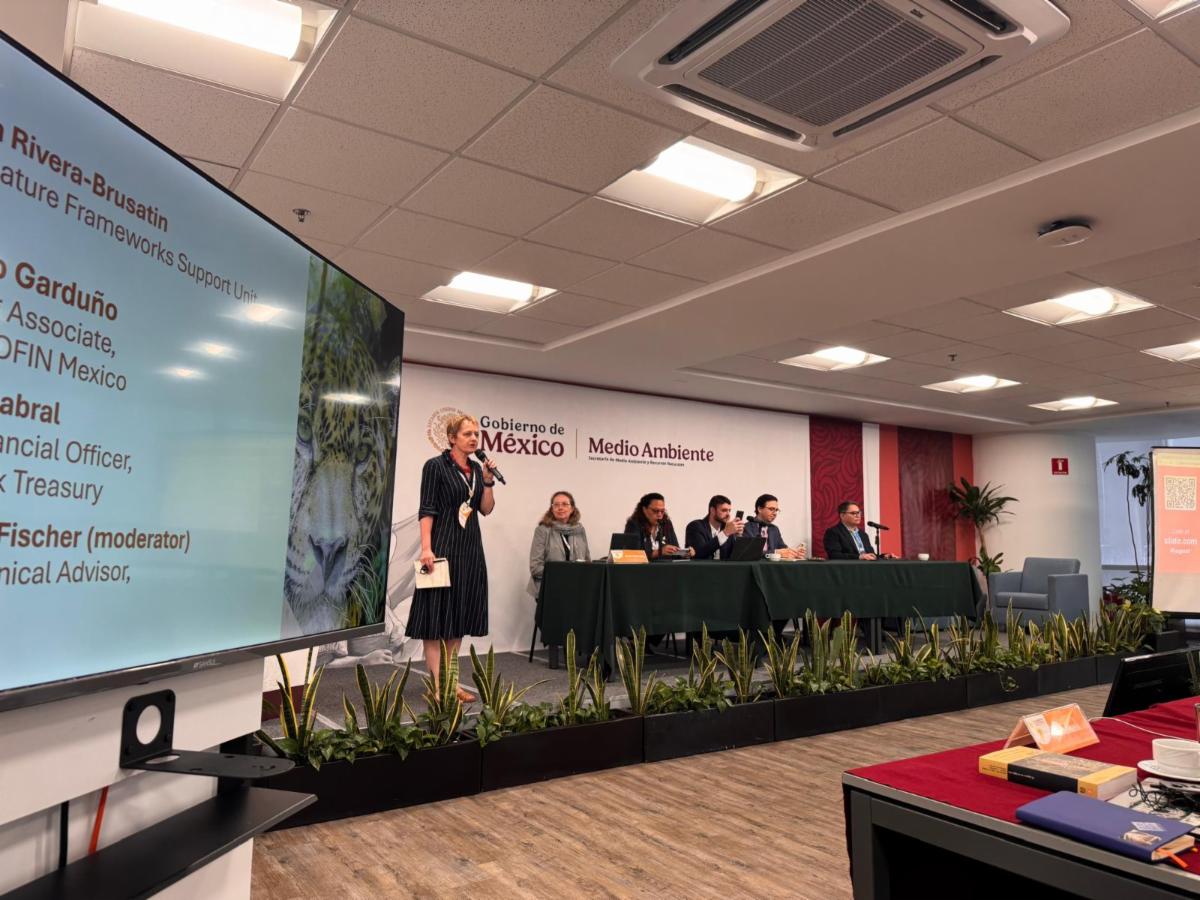
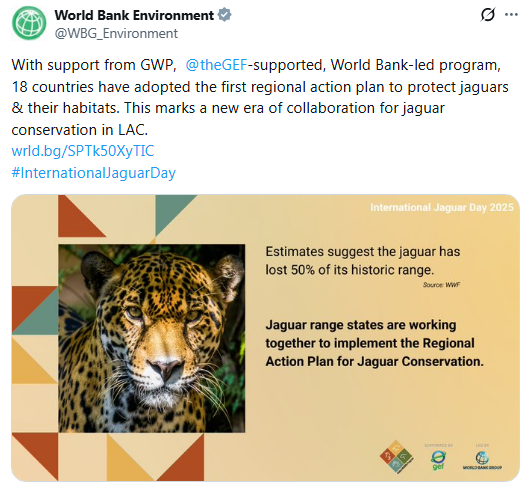
The Second Meeting of Jaguar Range States took place in Mexico City, Mexico, in September, with support from GWP and its sister program, the Amazon Sustainable Landscapes (ASL) program. GWP and ASL projects were well-represented among the more than 80 participants, who gathered to finalize the first Regional Action Plan for Jaguar Conservation.
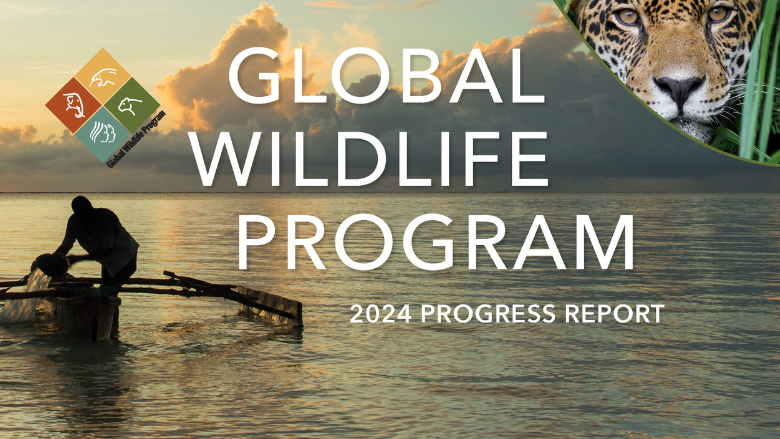
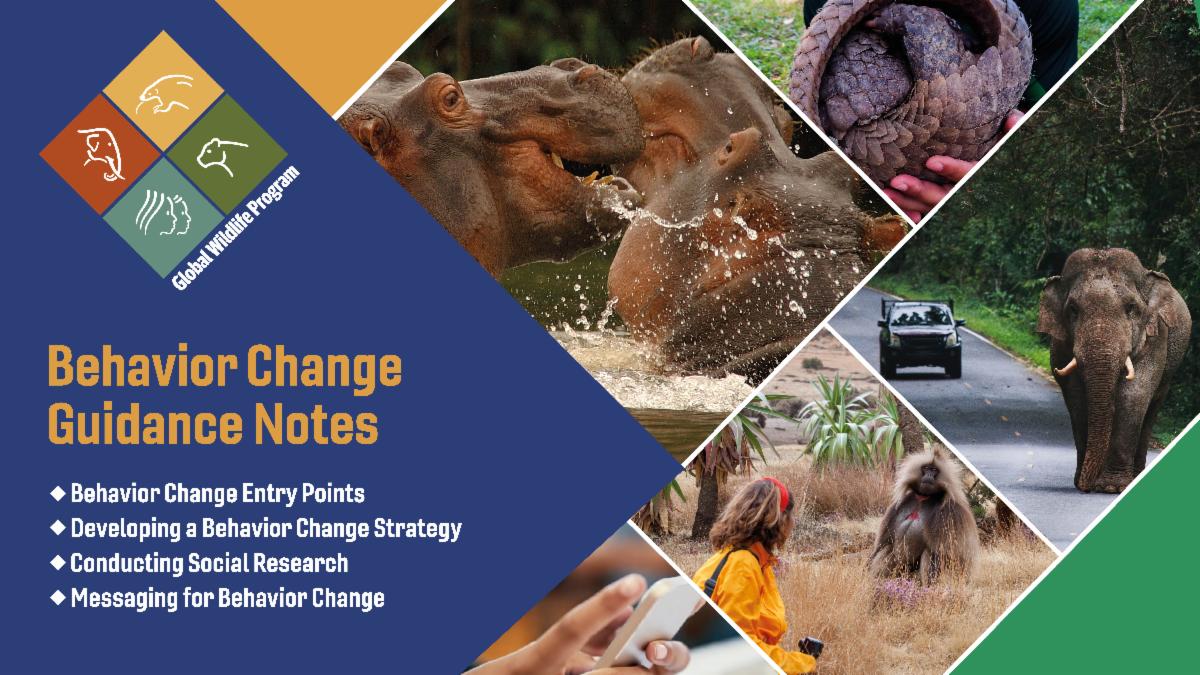
In October, the new GWP Behavior Change Guidance Note Series developed with TRAFFIC was presented at an IUCN World Conservation Congress side event in Abu Dhabi, United Arab Emirates. We also published the GWP’s 2024 progress report in October, which provides an overview of program results and impacts across all GWP technical themes.
The GWP annual conference took place in Addis Ababa, Ethiopia, in November. This flagship event was an opportunity for GWP projects to share good practices and experiences in wildlife conservation and strengthen international collaboration. The GWP coordination team also attended the CITES COP20 in Samarkand, Uzbekistan, at the end of the month, delivering a side event on synergies between the GWP and national CITES implementation.
The GWP delivered several other events in the past quarter, including a webinar on conservation technology, online training on building a communications strategy and using AI for communications, and virtual knowledge exchanges on professionalizing ranger workforces and what’s working in wildlife forensics.
Keep reading for more information on these and other updates from the GWP.
Finally, please join us in congratulating Kumara Wakjira, Director-General at the Ethiopian Wildlife Conservation Authority, on winning this year’s Prince William Award for Conservation in Africa! Kumara is a regular attendee at GWP events. The other 2025 Tusk Conservation Award winners also come from GWP countries: Laban Mwangi of Kenya and Rahima Njaidi of Tanzania.
| | |
Warm regards,
The GWP Coordination Team
World Bank
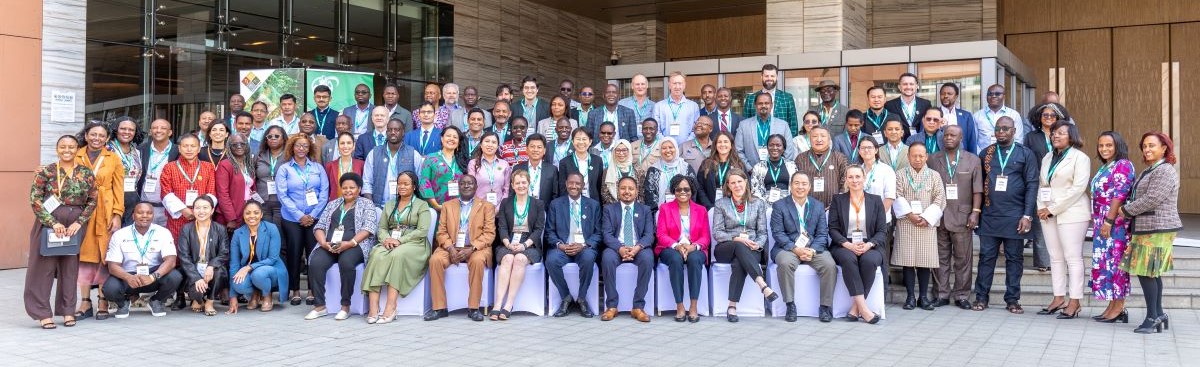
| | GWP Community Gathers for Annual Conference in Ethiopia | | GWP Annual Conference attendees pause for a group photo. | | |
More than 100 people representing over 30 countries gathered at the GWP annual conference in Addis Ababa, Ethiopia, on November 3–7. Attendees included government focal points, project teams, Government of Ethiopia officials, and GEF Agency and development partners. A mix of panel discussions and interactive breakout sessions aimed to strengthen knowledge exchange across the program. The agenda also included a mid-week visit to the canine unit at Bole International Airport.
The week opened with remarks by His Excellency Seleshi Girma, State Minister of Ministry of Tourism, Ethiopia; Fanuel Kebede, Lead Wildlife Ecologist, Ethiopian Wildlife Conservation Authority; Hannah Fairbank, Senior Biodiversity Specialist, GEF Secretariat; Juliana Victor, Manager, Operations for the World Bank for Eritrea, Ethiopia, South Sudan, and Sudan; and Charles Nyandiga, Regional Team Leader for Environment, UNDP. Lisa Farroway, GWP Program Manager at the World Bank, moderated the conference opening.
The rest of the week focused on topics ranging from scaling success for conservation and development, to operationalizing cross-border collaboration, to sharing information and knowledge beyond the GWP knowledge platform. This year’s conference also featured a session on failing forward and adaptive management, in which GWP countries shared concise, candid cases of what happened when their project activities didn’t go as planned.
The annual conference was an important moment to reflect on the results and impact achieved by the GWP to date while looking forward to new opportunities for knowledge exchange and replication of good practices.
| |
GWP Annual Progress Report Highlights Key Accomplishments from 2024
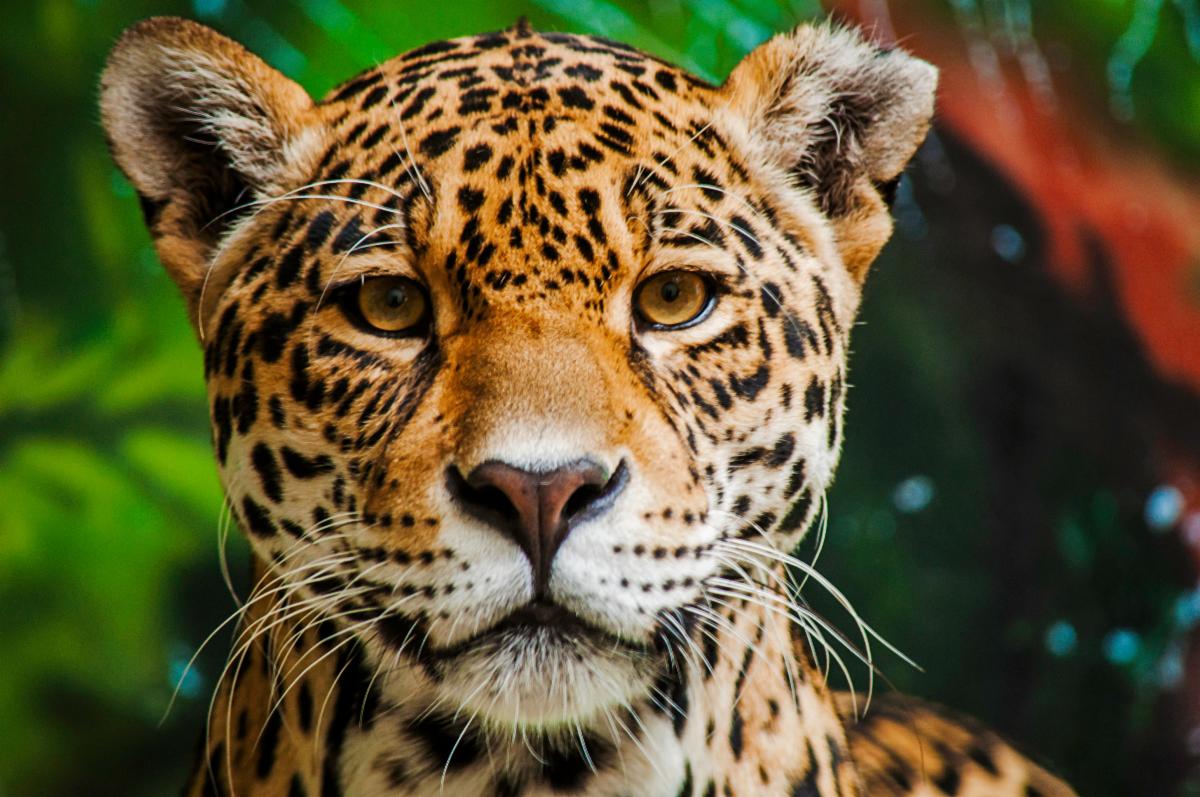
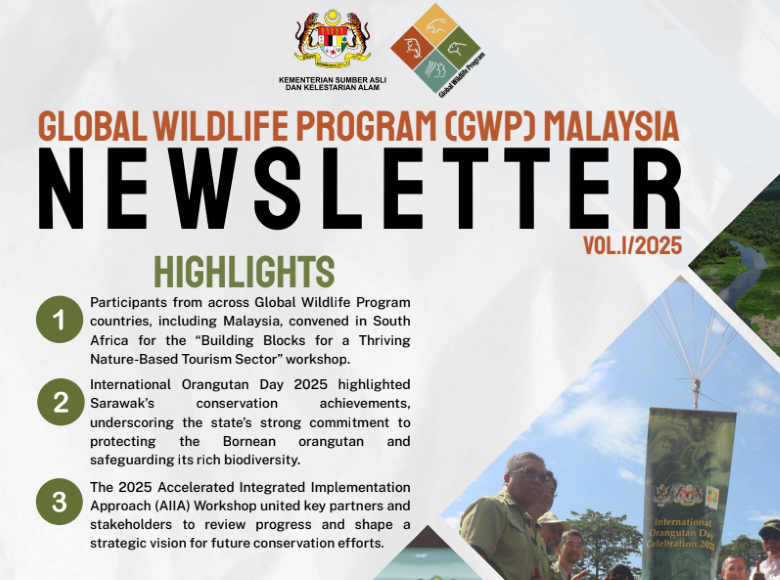
| | | | The GWP is driving significant progress in wildlife conservation and habitat protection while simultaneously fostering local development benefits. The GWP 2024 Progress Report provides an overview of program results, including 28 million hectares of wildlife habitat under enhanced management, the training of almost 60,000 government officials in preventing and combating wildlife crime, and 800,000 people that have benefited from GWP activities. It also highlights trends in knowledge exchange and learning from the global coordination project. | | New GWP Guidance Notes Identify How Behavior Change Can Support Wildlife Conservation | | Behavior change is a powerful but underused tool in wildlife conservation. The GWP Behavior Change Guidance Note Series was developed with TRAFFIC to assist governments, project implementers, and wildlife management practitioners to identify practical opportunities to bring behavior change into their work. The four guidance notes cover entry points for behavior change, developing a behavior change strategy, conducting social research, and creating impactful messages. | | | GWP Supports Collaboration Across Jaguar Range States | | | | Transboundary collaboration between the 18 jaguar range states is critical for conserving the jaguar and its remaining habitat. More than 80 participants attended the Second Meeting of Jaguar Range States to finalize a Regional Action Plan for Jaguar Conservation. The GWP helped range states discuss sustainable financing opportunities and share lessons and replicable solutions and will continue to support them as they implement the new plan. | | GWP Belize Project Strengthens Partnerships for Jaguar Conservation | | The GWP Belize project may have ended, but its impact is still being felt. After working together on the jaguar conservation project, the Belize Forest Department and Corozal Sustainable Future Initiative (CSFI) are formalizing their public-private partnership through a memorandum of understanding (MOU). The MOU outlines how the Belize Forest Department and CSFI will collaborate to collect and share data on jaguars to help close the gap between on-the-ground activities and national-level planning. | | | GWP Malaysia Launches Project Newsletter | | | | The GWP Malaysia project just released the first edition of its newsletter. The project will use this new outlet to communicate, document, and celebrate its work to conserve iconic species. The inaugural edition highlights a GWP workshop in South Africa, site visit to orangutan habitat, International Orangutan Day media coverage, and more. | | CatByte Analyzes 25 Years of Data on Illegal Trade in Asian Big Cats | | |
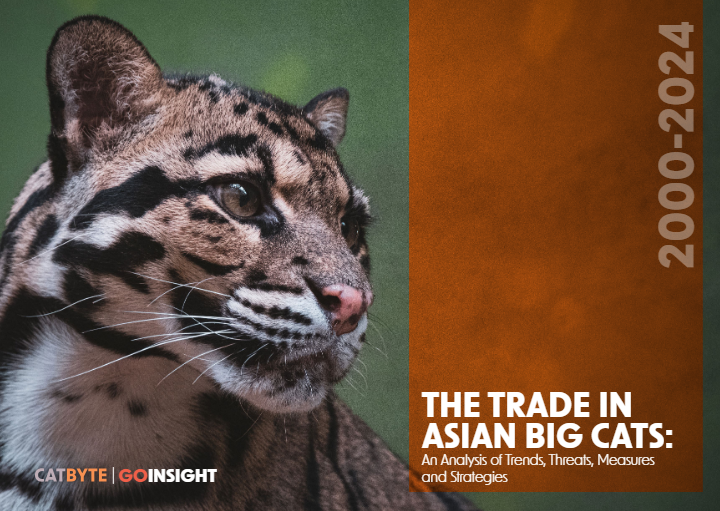
Go Insight’s CatByte released The Trade in Asian Big Cats: An Analysis of Trends, Threats, Measures and Strategies (2000–2024), which analyzes 25 years of data on illegal trade in Asian big cats. The report finds that, despite measurable progress, trafficking in Asian big cats remains persistent, adaptive, and increasingly organized. The authors recommend establishing an independent, multi-source reporting mechanism to improve the reliability of information available on big cats to tackle the illegal trade.
| | |
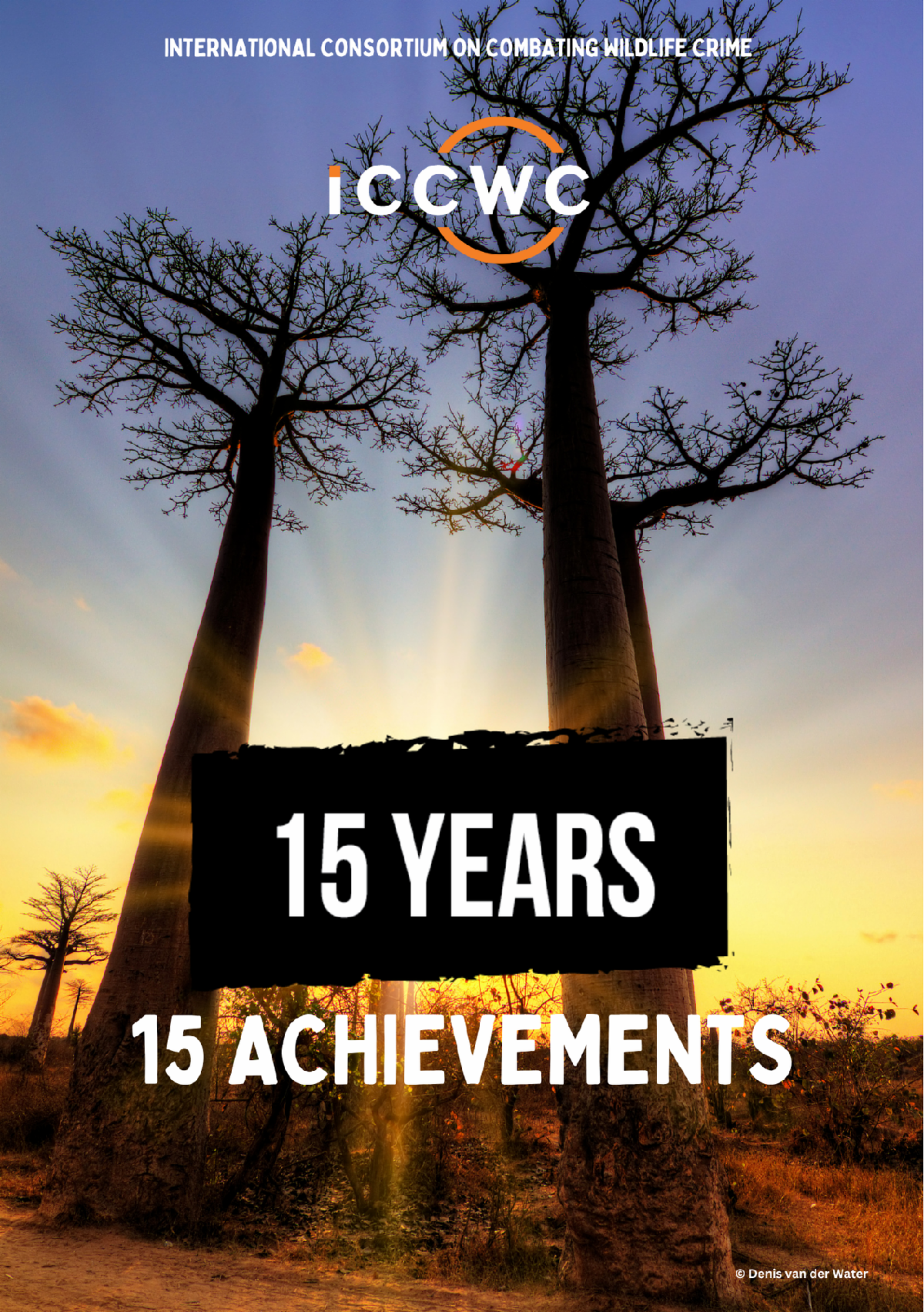
The International Consortium on Combating Wildlife Crime (ICCWC) marked 15 years of global action against wildlife crime on November 10. To celebrate this milestone, ICCWC published 15 Years, 15 Achievements to highlight just a few of the consortium’s many accomplishments helping countries strengthen their abilities to detect, prosecute, and deter wildlife crime. A digital timeline takes viewers through ICCWC’s journey from its launch at the International Tiger Forum in 2010 to its work to support more than 130 countries and their national authorities, including through collaboration with the GWP.
| | New WWF Guide Covers How to Monitor Biodiversity in Conservation Projects | | |
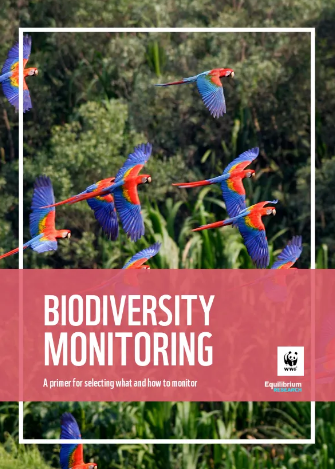
WWF’s Biodiversity Monitoring Guide provides a practical, step-by-step framework for designing and implementing biodiversity monitoring within conservation projects. It serves as a primer for project managers and practitioners who are not biodiversity specialists on how to identify what to monitor, select appropriate indicators, choose effective methods, and determine who conducts monitoring and when.
| | Searchable Website Provides Access to Evaluations of Wildlife Crime Interventions | | |
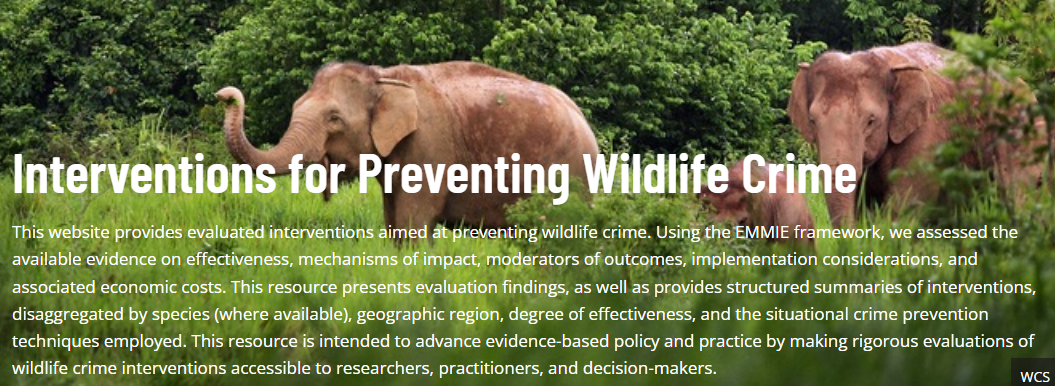
The new Preventing Wildlife Crime website provides access to rigorous evaluations of interventions aimed at preventing wildlife crime. Developed by the John Jay College of Criminal Justice and the Wildlife Conservation Society with funding from the Science for Nature and People Partnership, the site aims to advance evidence-based policy and practice by providing clear information on the impact and success of past interventions. The evaluations are disaggregated by species (where available), geographic region, degree of effectiveness, and the situational crime prevention techniques employed. New case studies can be submitted for assessment via the website.
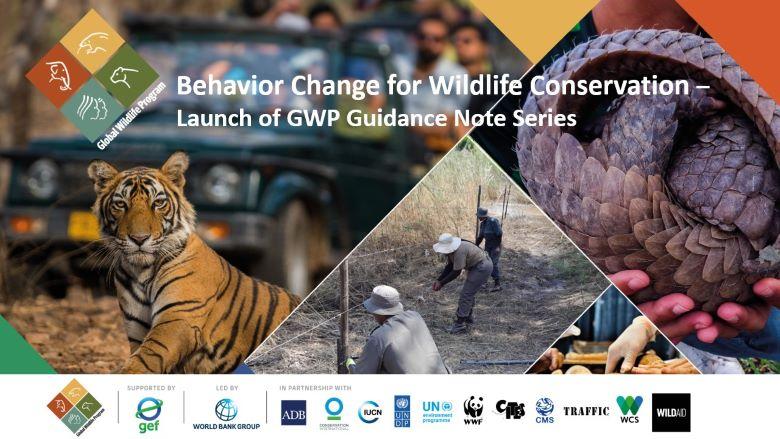
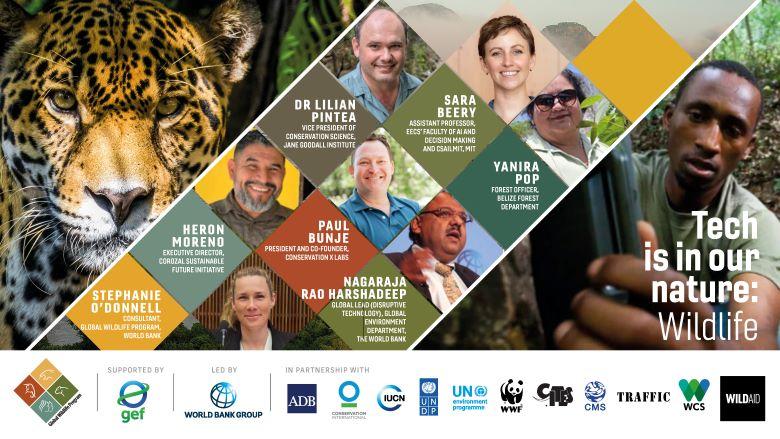
| | Opportunity: Conservation Finance Alliance Incubator Program Seeks 2026 Applicants | | The Conservation Finance Alliance (CFA) Incubator Program is seeking bold ideas that blend nature, finance, and community. The CFA Incubator supports early-stage innovators designing finance mechanisms for nature, from investment products and ventures to policy or non-profit solutions. Selected participants will receive grant support and access to mentorship, training, and a global network of peers to turn their boldest conservation finance ideas into action. | | Behavior Change for Wildlife Conservation: Launch of New GWP Guidance Note Series | | Behavior change is a key GWP strategy for addressing the root causes of wildlife loss. With support from TRAFFIC, the GWP developed a new series of practical guidance notes designed to help field practitioners and conservation professionals apply behavior change approaches to wildlife conservation. | | Tech is in Our Nature: Wildlife | | Technology is transforming the way we observe, understand, and protect wildlife. Field-tested technologies, cutting-edge research, and global collaboration are creating new pathways to safeguard species, habitats, and support human–wildlife coexistence. | |
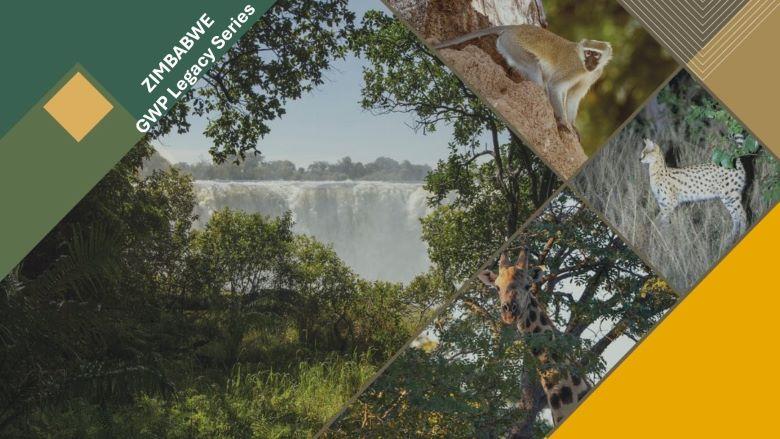
Legacy Webinar Series: Lessons from Strengthening Biodiversity and Ecosystems Management and Climate-Smart Landscapes in the Mid to Lower Zambezi Region of Zimbabwe | The GWP project in Zimbabwe experienced successes and challenges as it advanced an integrated landscape approach to managing biodiversity, climate, and ecosystems across protected areas and community lands in the Zambezi region. | | |
This newsletter is published by the GWP Coordination Team.
We welcome your submissions of news, events, and publications at
gwp-info@worldbank.org.
| | | | |