Issue 26 | July/August 2024

www.echochildren.org

News and Research Findings from Across the ECHO Program


The NIH Environmental influences on Child Health Outcomes (ECHO) Program is a research program with the mission to enhance the health of children for generations to come. The ECHO Connector keeps you informed of program news and our latest research findings.

A Message from Matt


Researchers across the ECHO Cohort Consortium and ECHO ISPCTN have now published more than 1,700 research articles. Recent research publications (see below) include associations of synthetic oxytocin, socioeconomic stress, and the infant gut microbiome with neurodevelopment and behavior outcomes in children, and another investigates the relationship between phthalate exposure and high blood pressure during pregnancy.

As we explored in our recent commentary in the American Journal of Epidemiology, ECHO breaks new ground not only by collecting data and samples for widespread use by the scientific community but also by building tools to investigate complex mixtures of environmental and social determinants of health.


Beyond our publications, ECHO continues to communicate through our live monthly ECHO Discovery webinars about research in progress, open to all. Our ECHO Research Spotlight (below) features work that ECHO researchers highlighted at one such recent webinar. We have also posted recordings of our May 2024 webinar on racism and maternal health disparities, our June webinar on fish consumption during pregnancy, and our July webinar on emerging trends in pediatric obesity. Our August webinar will focus on epigenetic regulators in human milk.


Whether you are a participant or researcher powering ECHO’s science, or a policymaker or advocate looking for better information to enhance child health, we hope you are benefitting from our work. Thank you.


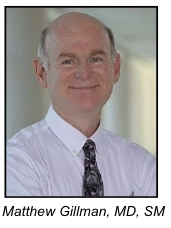
Matthew Gillman, MD, SM

Director of the ECHO Program

Research Spotlight

ECHO Cohort Researchers Investigate How Fish Consumption

During Pregnancy Affects Child Health

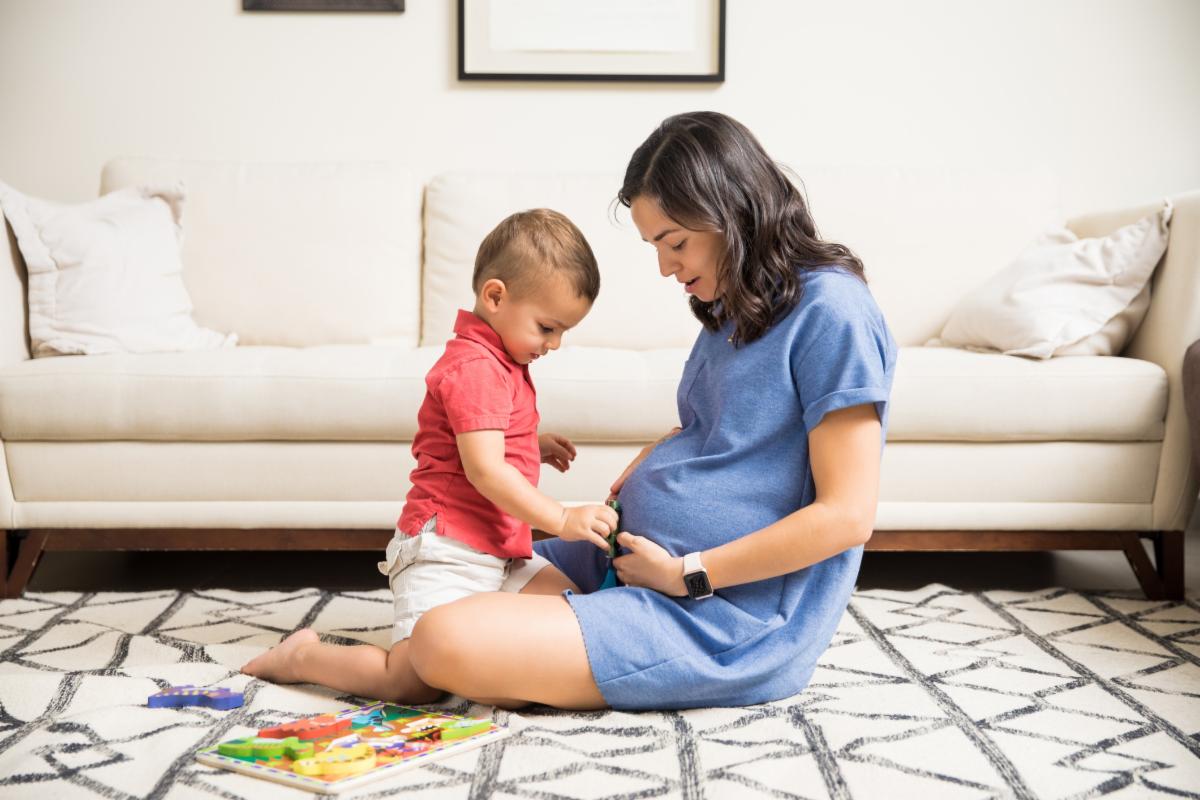
Fish is an important part of a healthy diet, especially during pregnancy, according to the evidence-based Dietary Guidelines for Americans. The guidelines recommend that pregnant and breastfeeding women consume 8 to 12 ounces of fish per week.


However, relatively little information is available about how much fish people actually consume in pregnancy, and more research is needed on health outcomes related to consumption of fish, or the omega-3 fatty acids for which fish is a rich source, during pregnancy.


ECHO Cohort researchers addressed these gaps at a recent ECHO Discovery webinar on the science of fish consumption.


Kristen Lyall, ScD of the A.J. Drexel Autism Institute; Emily Oken, MD, MPH of Harvard Medical School and the Harvard Pilgrim Health Care Institute; and Margaret Karagas, PhD of the Geisel School of Medicine and Dartmouth College presented the latest science and discussed what ECHO researchers are hoping to contribute.


Fish is rich in omega-3 fatty acids, essential nutrients for a healthy fetal brain and eye development, Oken explained. Omega-3 fatty acid consumption during pregnancy also reduces the risk of preterm birth, as summarized in a 2023 publication in the American Journal of Obstetrics & Gynecology.


The ECHO Program’s large, diverse participant population allows researchers to better understand the impact of fish consumption and omega-3 supplement intake among pregnant people in the U.S.


Because of the representative sample size, ECHO Cohort researchers are examining consumption of fish intake and docosahexaenoic acid (DHA) supplements, an omega-3 fatty acid naturally found in seafood, during pregnancy.


Read more about this presentation, watch the full webinar recording, and find links to new published analyses on ECHOchildren.org.  

Hear ECHO insights at upcoming conferences


ECHO Cohort research will be featured at the International Society for Environmental Epidemiology meeting Aug. 25-28, the World Congress of Epidemiology meeting Sept. 24-27, and the International Society of Exposure Science meeting Oct. 20-24.

Find a list of scheduled presentations

➩ The ECHO Program studies five areas of health. Each of these outcomes research areas has a dedicated page, with links to the latest data analyses and research results, on ECHOchildren.org.  

NIH ECHO Program Office Seeks Health Science Policy Analyst


The NIH ECHO Program Office is seeking a Health Science Policy Analyst in the Office of the Director to analyze and monitor developments in several areas of science as they affect ECHO research, policies, and legislation. Learn more and contact Dr. Erin Luetkemeier at erin.luetkemeier@nih.gov with questions. The deadline for applications is August 7.

Recent Research Results


Stay up to date as ECHO researchers continue to share their data analyses and insights, including research summaries that reflect recently published ECHO research articles:

ECHO Research Investigates Relationship Between Phthalate Exposure and High Blood Pressure, Related Complications During Pregnancy

An ECHO Cohort research team led by John Meeker, ScD of the University of Michigan, and Jordan Kuiper, PhD of George Washington University, measured phthalate exposure by checking urine levels of certain small molecules, called metabolites, that the body makes when it breaks down chemicals. They found that higher levels of these metabolites were linked to a higher risk of pregnancy complications like preeclampsia, eclampsia, and ongoing high blood pressure. For example, if the level of a metabolite called mono (3-carboxypropyl) phthalate (MCPP) doubled, the risk of developing preeclampsia or eclampsia increased by 12%. MCPP is related to phthalates found in PVC plastics and insect repellents.

Read the research summary

ECHO Researchers Examine the Effect of Perinatal Synthetic Oxytocin Exposure and Maternal BMI on Child Neurodevelopmental Outcomes

Collaborative ECHO Cohort research led by Lisa Kurth, PhD of the University of Colorado, Anschutz Medical Campus examined data from more than 12,000 mother-child pairs to look at possible associations between maternal exposure to synthetic oxytocin, maternal pre-pregnancy body mass index (BMI), and childhood ADHD and autism spectrum disorder (ASD). The results of this study found no significant correlation between synthetic oxytocin exposure and the risk of ADHD and ASD in children. However, an unexpected finding in this study was that synthetic oxytocin exposure was associated with a decreased childhood risk of ADHD in children born to mothers with pre-pregnancy obesity. Additionally, mothers with pre-pregnancy obesity demonstrated a modest trend toward labor intervention with synthetic oxytocin.

Read the research summary

Prospective Association of the Infant Gut Microbiome with Autism-Related Behaviors in the ECHO Consortium

A collaborative ECHO Cohort analysis led by Vanja Klepac-Ceraj, PhD of Wellesley College, and Juliette C. Madan, MD, MS of Dartmouth Hitchcock Medical Center found that certain features of the gut microbiome of infants were associated with higher scores on the Social Responsiveness Scale-2 (SRS-2), a questionnaire that measures autism-related traits. Specifically, certain bacteria and their functional genes, particularly those related to the production of short-chain fatty acids, were linked to autism-related traits. These associations varied between sex and age groups.

Read the research summary

➩ Search the ECHO library – it links to some 1,700 published research articles from the ECHO Cohort and ECHO ISPCTN covering the five ECHO research focus areas.

ECHO Discovery


ECHO Discovery is a monthly webinar series with educational presentations for the ECHO community and anyone else interested in environmental influences on child health.

Join us for the next monthly ECHO Discovery webinars


On Aug. 14 at 1 pm ET, Caitlin Howe, PhD of the Dartmouth Geisel School of Medicine will present EV miRNAs: Epigenetic Regulators in Human Milk.


On Sept. 11 at 1 pm ET, Maria Gloria Dominguez-Bello, PhD of the Rutgers School of Environmental and Biological Sciences will explore the early life microbiome and microbiome disrupting exposures.

Learn More about ECHO Discovery

July ECHO Discovery


Emerging Trends and Treatments in Pediatric Obesity


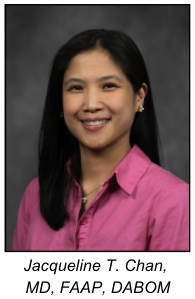
In July, Jacqueline T. Chan, MD, FAAP, DABOM of the University of Utah discussed emerging trends and treatments in pediatric obesity.

View the presentation recording

June ECHO Discovery


Fish Consumption during Pregnancy and Impacts on Child Health


The June session featured three speakers on fish consumption during pregnancy. See the story above to learn more.

View the presentation recording

May ECHO Discovery


Addressing Maternal Health Disparities: The Role of Racism


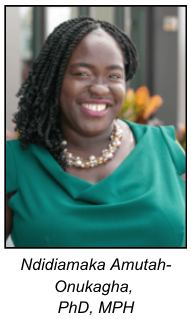
In May, Ndidiamaka Amutah-Onukagha, PhD, MPH of the Tufts University School of Medicine explored the impact of racism on maternal health disparities.

View the presentation recording
X

Follow ECHO on X @ECHOChildHealth