May 2025 | echochildren.org

News and Research Findings

from Across the ECHO Program

In This Issue:

Announcing the inaugural ECHO Symposium


A new study explores low-opportunity neighborhoods and

rates of severe asthma

The latest ECHO studies: teens and social media; parabens and phenols in the prenatal period; chemical exposures during COVID.

Upcoming and past ECHO Discovery webinars

Matt's Message

I am delighted to announce the inaugural ECHO Symposium: Translating Science to Action on September 15, 2025, at the NIH campus in Bethesda, Maryland, and online. 


Register today to join in person or online.


Please join me for this free-to-attend, one-day event that aims to translate child health research findings from ECHO and others into action by informing intervention programs, health policies, and clinical practice. Experts from multiple disciplines will explore factors that influence child health and address opportunities to prevent childhood disorders and enhance well-being. Join representatives of professional societies, advocacy groups, federal partners, Congress, state and local governments, research participants, and others. 


Three sequential sessions will cover Chemical Exposures, Social and Neighborhood Factors, and Community Experiences. Each session will feature a chair, presenters, and a discussant to kick off a panel discussion that follows presentations. Both in-person and online attendees will have the chance to ask questions. 


I look forward to seeing you there.


Matthew Gillman, MD, SM

Director of the ECHO Program

Research Spotlight

Children Born in Lower-Opportunity Neighborhoods May Face Higher Incidence Rates of Asthma with Recurrent Exacerbations

Children born in neighborhoods with fewer opportunities are more likely to experience repeated asthma flares requiring emergency care or medical treatment.


Key takeaways:


  • Children from low-opportunity neighborhoods had significantly higher incidence rates of asthma with recurrent exacerbations (ARE) than those from higher-opportunity areas.
  • Non-Hispanic Black children had higher rates across all neighborhood categories when compared to Non-Hispanic White children.
  • Among children in very low-opportunity neighborhoods, non-Hispanic Black and Hispanic Black children had rates of ARE several times higher than non-Hispanic White children.
  • Young children (ages 2 to 4) and those with a parent who had asthma had a higher risk of ARE.

Recent Research Results

For Teens’ Mental Health, Strong Friendships Matter More Than Social Media Use


Teens who report strong, high-quality friendships tend to have better mental health—an influence that appears nearly three times stronger than the link between social media use and mental health challenges.

Prenatal Exposure to Phenols and Parabens Higher Among Minority Populations


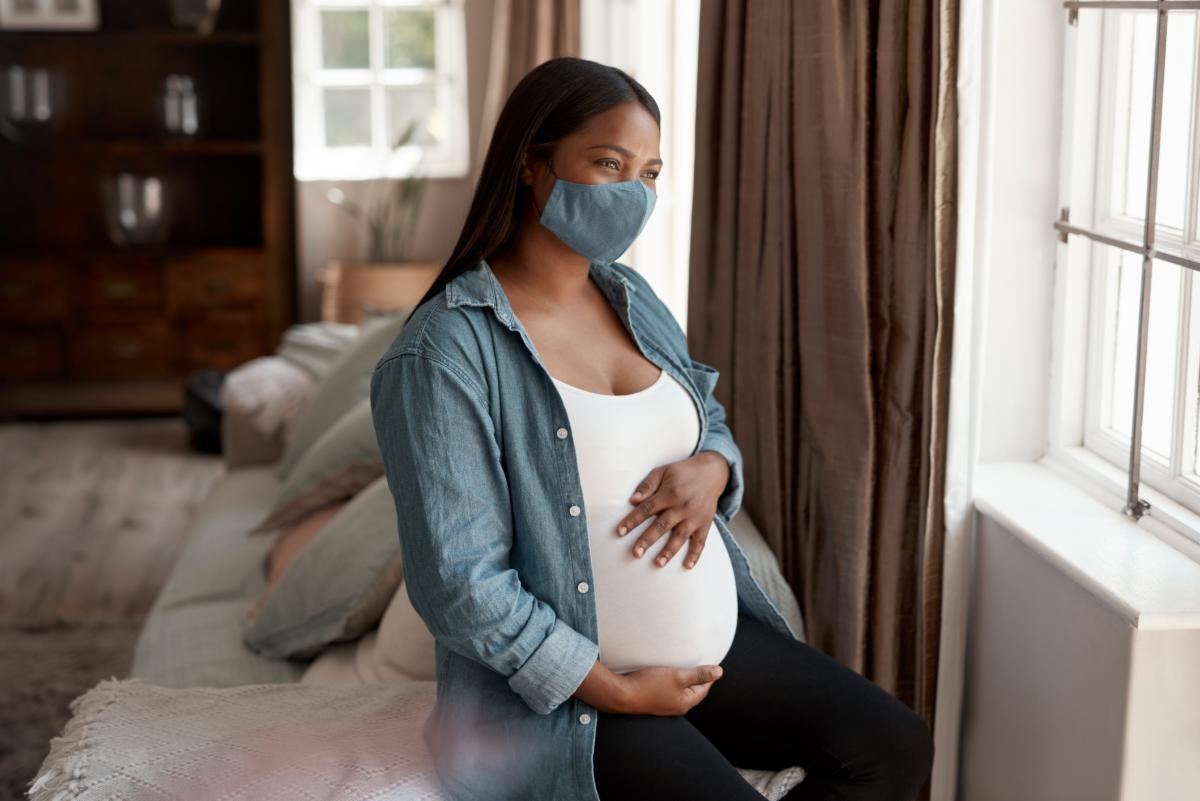
Pregnant women in Hispanic and Black communities may experience greater prenatal exposure to endocrine-disrupting chemicals (EDCs), including environmental phenols (EPs)

and parabens.

COVID-19 Pandemic May Have Altered Exposures to Environmental Chemicals 


During the COVID-19 pandemic, urinary levels of certain chemicals changed, reflecting shifts in exposure. 

ECHO Discovery

ECHO Discovery is a monthly webinar series with educational presentations for the ECHO community and anyone else interested in environmental influences on child health.

Join us for the next monthly webinar


On June 11, at 1 p.m. Diana Pacyga, MS, PhD, of UNC Chapel Hill will present "Does adherence to U.S. dietary guidelines during pregnancy reduce exposure to over 50 contemporary and understudied chemicals?"

Past ECHO Discovery webinars

May


DNA methylation and ECHO scientific priorities


In May, Christine Ladd-Acosta, PhD provided a brief introduction to DNA methylation, outlined a framework for how it can be examined in ECHO to address scientific priorities, highlighted a few findings in ECHO to date, and summarized opportunities and challenges for future studies.

April


Opportunities and challenges for subfecundity research


In April, Linda Kahn, PhD shared new ECHO data tools and a study exploring links between subfecundity and child brain development.

ECHO in the News

ECHO Director, ISPCTN Project Scientist Publish JAMA Editorial


ECHO Director Matt Gillman and ECHO ISPCTN Project Scientist Linda Fu recently published an editorial in JAMA titled "Vitamin D Guidelines in Primary Care.”