News and Research Findings
from Across the ECHO Program
| | |
ECHO Research Spotlight
ECHO OIF Accomplishments
Recent Research Results
News from NIH
Upcoming ECHO Discovery Webinar
Past ECHO Discovery Webinars: May and June
With a Childlike Wonder
| | Message from the NIH Program Office | | |
On May 6, 2026, the ECHO Program convened its second annual Translating Science to Action Symposium, bringing together researchers, clinicians, educators, advocates, policymakers, and community members to explore how emerging child health research can inform and accelerate real-world solutions.
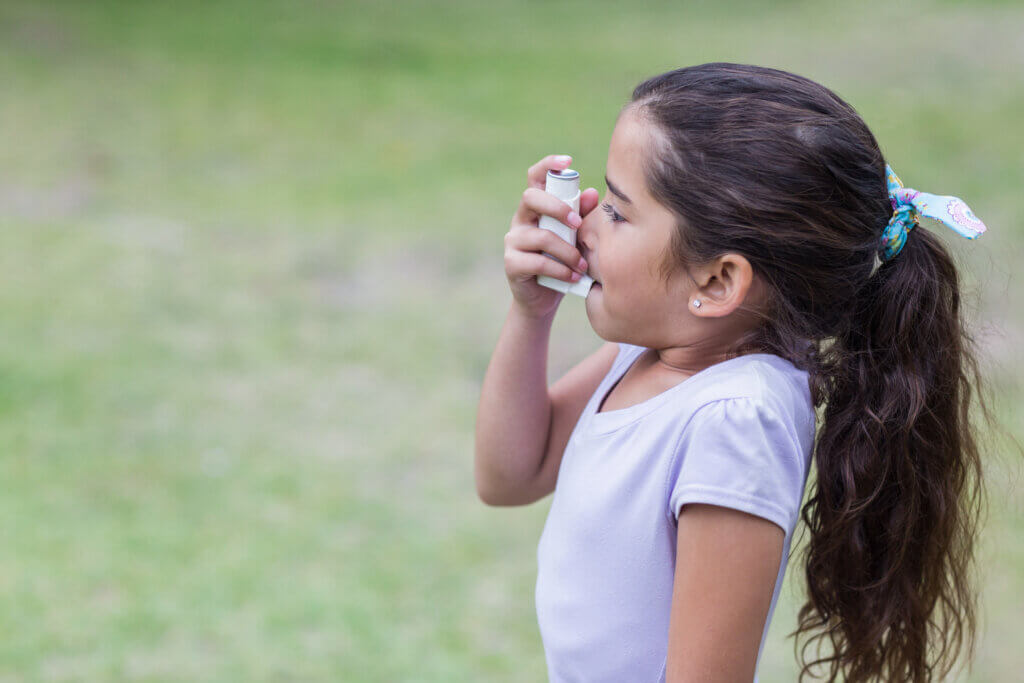
This year’s symposium addressed chemical exposures, with a focus on two critical issues affecting children nationwide: plastics and air quality. Speakers highlighted growing evidence that exposures during pregnancy, infancy, and childhood can shape lifelong health. They also identified strategies to address these issues at the personal, local, and national levels.
Participants emphasized the importance of collaboration across sectors and the need to build trust, strengthen partnerships, and ensure that research findings reach the audiences positioned to act on them.
The symposium recording and presentation slides are now available, making it easy to revisit the discussions and share key insights with colleagues and partners. We encourage organizations across healthcare, public health, education, advocacy, and policy to use these resources to inform their work, strengthen collaborations, and identify opportunities to translate evidence into action. Together, we can help ensure that research leads to meaningful changes in programs, policies, and practices that enhance the health of children for generations to come.
| | Fertility Challenges may be Associated with Slight Differences in Child Behavior and Autism-like Traits | | |
ECHO studied whether fertility challenges or the fertility treatments needed for them—such as in vitro fertilization, medications, or intrauterine insemination—might be linked to children’s behavior or autism-like traits. Trouble conceiving a pregnancy was associated with small differences in children’s behavior and autism-like traits. Children whose parents had fertility challenges had slightly higher behavior-problem scores, slightly more autism-like traits, and higher odds of an autism spectrum disorder diagnosis, even when they were conceived without fertility treatment. These findings suggest that small increases in some behaviors such as aggression and rule-breaking or social communication problems in children conceived through fertility treatments may be related to the underlying fertility issues rather than the treatment itself.
| | |
The ECHO Opportunities and Innovation Fund (OIF) is an NIH-funded grant that supports early career investigators. Each OIF investigator is sponsored with an award of $200,000, delivered over the course of 2 years. Since its establishment in 2016, the OIF has awarded grants to 80+ investigators across eight rounds of funding.
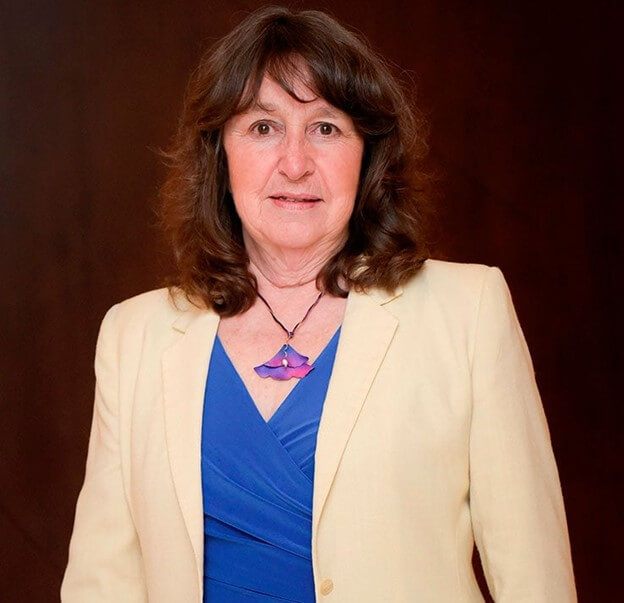
At the May ECHO Discovery webinar, Linda Adair, PhD, gave a presentation about the accomplishments of the OIF and its investigators. Accomplishments included scientific innovation, career development, and contributions to ECHO’s knowledge. The presentation also featured brief clips from OIF investigators talking about their research and how their experience with OIF aided in their career development. Watch the full presentation.
| | No Strong Link Between Exposure to Gas Stoves, Mold, or Water Damage During Pregnancy and Birth Outcomes | |
ECHO studied whether indoor household exposures to gas stoves, mold, or water damage during pregnancy affect birth outcomes. Having a gas stove, visible mold or mildew (outside of showers or bathtubs), or water damage in the home during pregnancy was not associated with shorter pregnancy duration or lower birth weight. These findings suggest that indoor air quality during pregnancy may not have a strong effect on birth outcomes.
| A Subset of Rhinovirus Types are More Prevalent in Young Children | |
Rhinoviruses (RVs) are the most frequent cause of the common cold and a trigger of wheezing episodes and asthma exacerbation. There are over 160 types of RVs, which makes it difficult to treat and prevent them. ECHO studied the long-term patterns of RV infections in children to learn more effective prevention and treatment strategies for the RVs that impact children the most. The circulation patterns of both the most common and rare RV types stayed consistent over three decades. Certain RV types were found more often in infants and young children, while a few others were common across all age groups.
| New NIH ECHO Funding Opportunities | |
The NIH ECHO Program Office has released two new funding opportunities designed to maximize the scientific value of ECHO data:
These opportunities support doctoral candidates and postdoctoral fellows interested in advancing child health research through secondary analyses of ECHO’s rich, longitudinal data available within a controlled-access NIH data repository.
ECHO’s datasets integrate deidentified longitudinal data from more than 71,000 participants across the U.S. and focus on child health outcomes including pre-, peri- and postnatal outcomes; upper and lower airway health; obesity and its complications; neurodevelopment; and positive health.
Applications are due by October 15, 2026, for RFA-OD-27-006, and by December 2, 2026, for RFA-OD-27-008.
For full details on eligibility, scope, and how to apply, please visit: https://www.nih.gov/echo/echo-program-office-releases-new-funding-opportunities-maximize-scientific-value-echo-data
If you have questions, please contact Clay Mash at clay.mash@nih.gov.
| |
ECHO Discovery
ECHO Discovery is a monthly webinar series of educational presentations for the ECHO community and anyone interested in environmental influences on child health. Keep an eye on the ECHO Discovery webpage for upcoming webinars, as well as content from past ones.
| | Past ECHO Discovery webinars | | |
June
Prenatal Substance Exposure and DNA Methylation in Children
In June, Lyndsey Shorey-Kendrick, PhD, of the Oregon National Primate Research Center, presented on the current landscape of maternal substance use during pregnancy and some of the known effects on offspring, including changes to DNA methylation. Dr. Shorey-Kendrick also shared how ECHO can fill gaps in knowledge related to the effects of prenatal tobacco and cannabis exposure by highlighting previous work in ECHO and describing opportunities for future studies.
| | | |
May
ECHO OIF Accomplishments
In May, Linda Adair, PhD, of the University of North Carolina at Chapel Hill, presented an overview of the ECHO Opportunities and Innovation Fund (OIF). Dr. Adair shared the accomplishments of OIF awardees, in both research and career development, over OIF’s seven cycles. The presentation also included brief presentations from OIF awardees that highlighted their contributions to ECHO and provided insights into how the OIF benefited their career development.
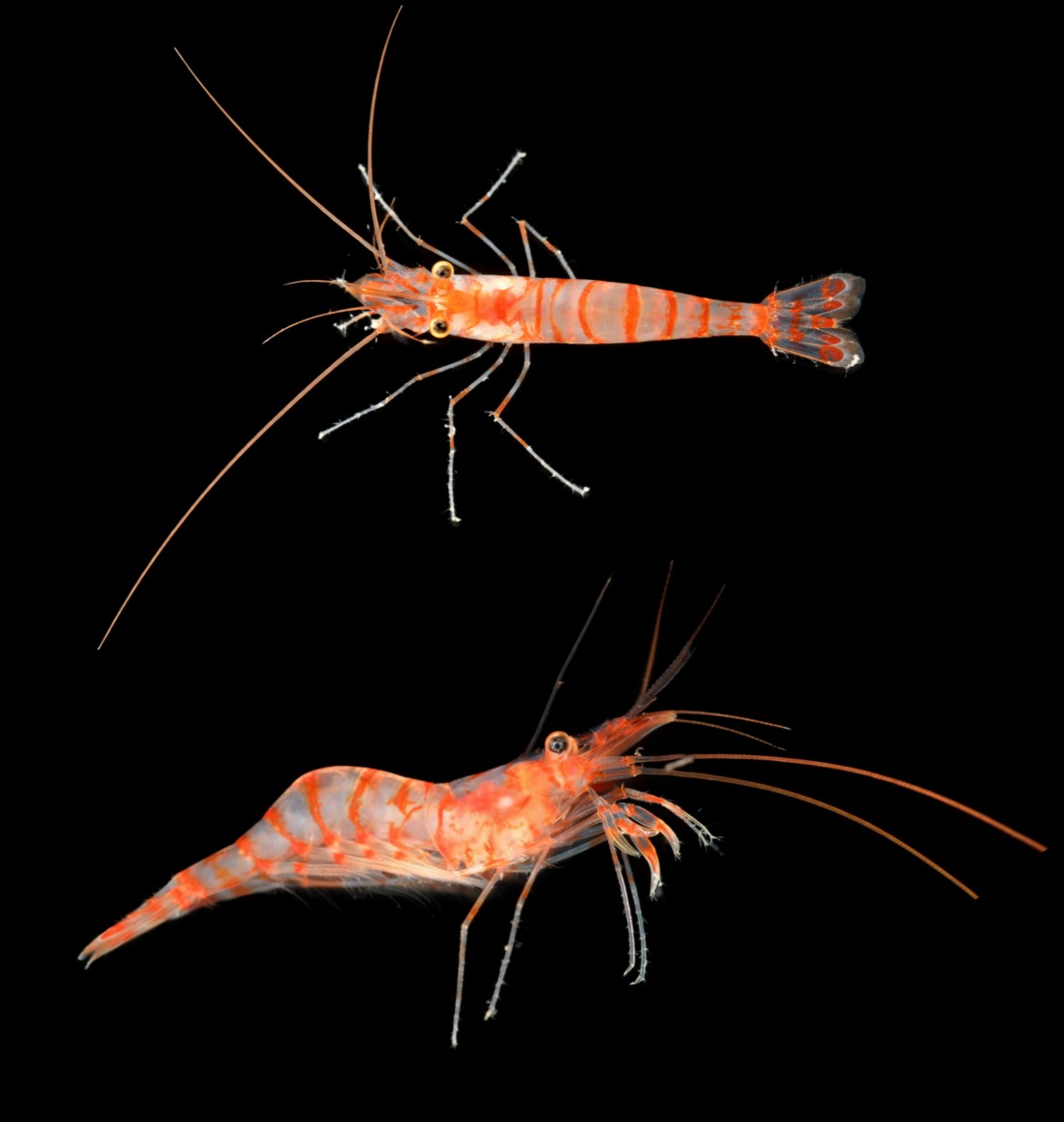
| | | Over 90% of ocean species are yet to be discovered. At the current rate of discovery, it would take over 800 years to catalogue all ocean life. Ocean Census is a global alliance of scientists, researchers, governments, and technology partners that seek to discover and preserve marine species. As of May, Ocean Census found 1,121 previously unknown creatures. From sharks, to snails, and shrimp, check out the Ocean Census Species Gallery for a glimpse of what is being discovered in the depths. | | |
Mediterranean Shrimp
Credit: The Nippon Foundation-Nekton Ocean Census/Hossein Ashrafi
| | | | |