ServSafe

2/4

ServSafe

3/4

NV Legislature Fast-Tracking Emergency Bill to Address Egg Prices

Nevada lawmakers are moving quickly to address the ongoing egg price crisis with an emergency bill aimed at temporarily suspending the state’s cage-free egg mandate during national supply chain disruptions. This legislation, backed by bipartisan support, would allow conventional eggs to be sold in Nevada when shortages occur, helping to increase supply and stabilize prices for consumers and businesses. With the bill being fast-tracked through the Legislature, a hearing could take place as early as next week, and if passed, it would head to the governor’s desk for immediate action. Lawmakers recognize the urgency, as avian flu outbreaks and supply constraints have pushed egg prices to record highs, affecting families, grocery stores, and restaurants alike.


While this measure could bring quick relief for grocery shoppers, restaurants continue to struggle with elevated costs and supply shortages, forcing some to adjust menus, add surcharges, or absorb losses. Waffle House has already implemented an egg surcharge, and other chains may follow suit to offset rising costs. However, many Las Vegas restaurant owners are taking a different approach, actively seeking alternative suppliers to maintain stable menu prices without burdening customers. Since restaurants purchase eggs in bulk, their recovery from the price spike will likely take longer than for individual consumers, making long-term supply chain stability a critical issue for the industry. If passed, this emergency legislation could provide much-needed flexibility, ensuring restaurants have access to a consistent and affordable egg supply moving forward.

Assembly Bill 171 – Cage-Free Egg Repeal

Allows the State Quarantine Officer to temporarily suspend Nevada’s cage-free egg requirements during national supply chain disruptions, helping stabilize egg availability and pricing.


Sponsor: Speaker Steve Yeager & Assemblymember Howard Watts

Committee Assignment: Assembly Committee on Natural Resources

Committee Activity: This Monday 2/10 - 4 pm 


Assembly Bill 116 – Restaurant Impersonation on Food Delivery Platforms

Prohibits third-party food delivery platforms from listing restaurants without explicit consent and ensures compliance with health and safety standards.


Sponsor: Assemblymember Torres-Fossett

Committee Assignment: Assembly Committee on Commerce and Labor

Committee Activity: 2/17 - 1:30 pm


Senate Bill 169 – Reservation Scalping Protections

Prohibits third-party reservation platforms from scalping restaurant reservations, ensuring restaurants maintain control over their own bookings and preventing unfair upcharges for consumers.


Sponsor: Senator Fabian Doñate


Senate Bill 184 – Latex Glove Ban

Prohibits the use of latex gloves in certain foodservice and medical facilities to reduce allergy risks for employees and customers. Restaurants may need to transition to alternative materials.


Sponsor: Senator Jeff Stone


Assembly Bill 116 - Employment of Minors

Establishing and revising restrictions on the number of hours that a child under the age of 18 years may work


Sponsor: Assemblymember Moore


Assembly Bill 112 – Sick Leave Usage for Family Members

Removes an exemption from provisions providing certain employees with the right to use sick leave to assist family members.


Sponsor: Assemblymember Duy Nguyen


Assembly Bill 78 – Alcohol Licensing Revisions

Revises alcohol licensing provisions to streamline the approval process, reducing bureaucratic delays for new and existing restaurants and bars applying for liquor licenses.


Sponsor: Committee on Revenue


Assembly Bill 179 – Paid Leave Expansion

Expands mandatory paid leave protections, clarifies retaliation prohibitions, and removes certain exceptions to paid leave laws.


Sponsor: Assemblymember La Rue Hatch


Assembly Bill 180 – Street Vendor Licensing

Requires county and city governments in large municipalities to create a shared business license for mobile food vendors and sidewalk vendors, simplifying operations across multiple jurisdictions and updating regulations for vendor oversight.

Sponsor: Assemblymember Reuben D’Silva


Senate Bill 11 – Extended Unemployment Benefits

Revises provisions related to the payment of extended unemployment benefits, potentially impacting employers' unemployment insurance obligations.


Sponsor: Senate Committee on Commerce and Labor

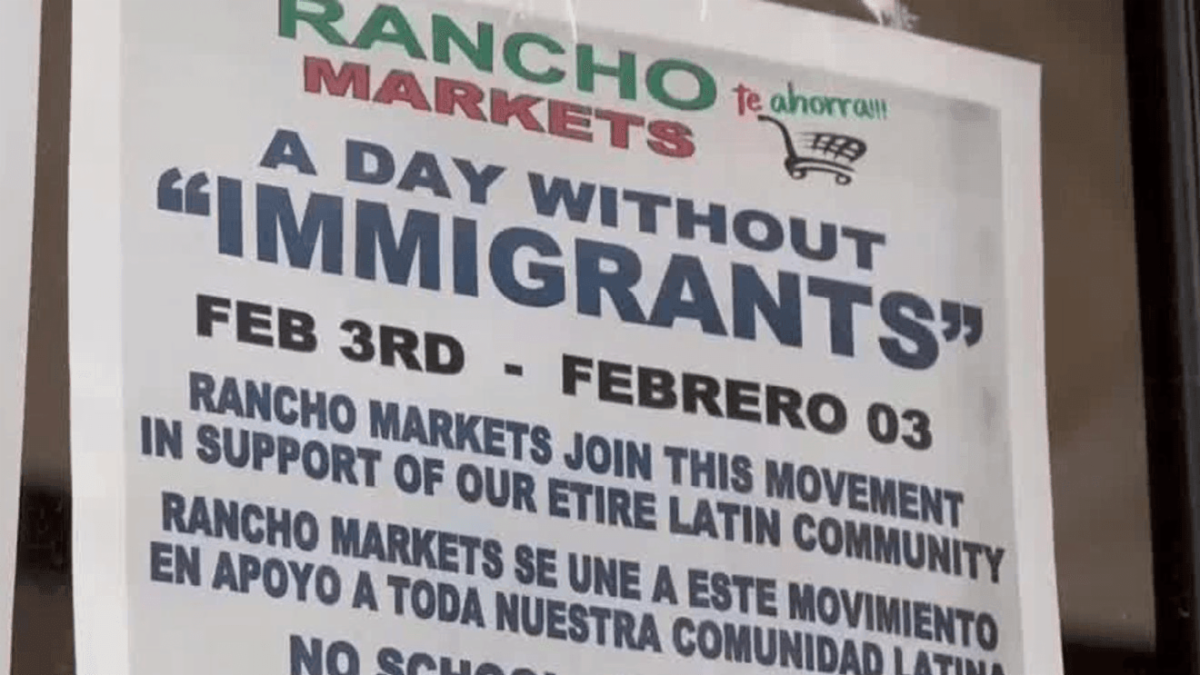
Immigration Protests Shut Down Restaurants Nationwide

Amid growing concerns over immigration policies and mass deportations, restaurants in multiple cities closed their doors for a “Day Without Immigrants” protest. The movement, aimed at highlighting the critical role of immigrants in the hospitality industry, saw businesses in Washington, D.C., Utah, Florida, and California shutting down in solidarity. With over 20% of U.S. foodservice workers being immigrants, this action underscores the significant labor challenges restaurants could face under stricter immigration enforcement.


Many restaurant operators have expressed concerns that new policies could further disrupt the already-strained workforce, leading to staff shortages and operational difficulties. Industry advocates are urging lawmakers to consider practical immigration solutions that balance enforcement with the workforce needs of the hospitality sector.

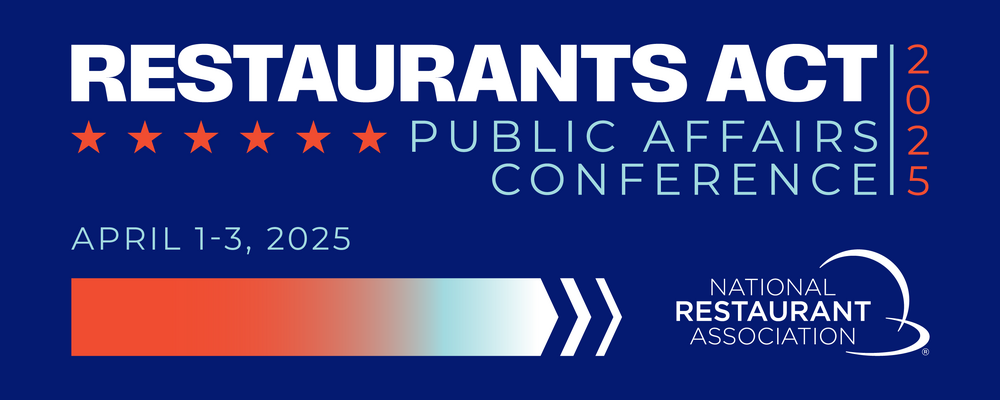
2025 Restaurants Act Public Affairs Conference: Advocate for Your Industry

When: April 1-3, 2025

Where: Washington, D.C.


Join the restaurant industry’s largest grassroots advocacy event and make your voice heard on Capitol Hill! This three-day event offers the unique opportunity to meet directly with lawmakers, discuss key issues affecting the restaurant industry, and help shape policies that impact your business.


Attendees will hear from top political speakers, gain valuable insights into the legislative process, and connect with industry peers at exclusive networking events. From quick service to fine dining, this conference represents every segment of the restaurant industry, making it a must-attend for anyone invested in the future of hospitality.


Pricing:

  • Members: $200 (Early Bird, ends Feb. 28) | $250 (After Feb. 28)
  • Non-Members: $300 (Early Bird, ends Feb. 28) | $399 (After Feb. 28)


Don’t miss this chance to advocate for your industry and influence the future of restaurant policy—register now!

Gas Prices in Nevada: Stability for Now, But Tariff Impacts Loom

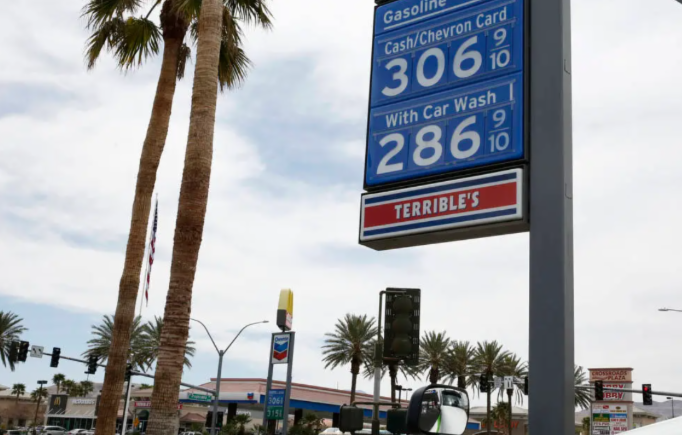
Despite concerns over rising tariffs, gas prices in Nevada are expected to remain stable in the short term, thanks to steady supply levels and a lack of immediate demand surges. However, President Trump’s new tariffs on oil and gas imports from Canada could lead to long-term price increases if they remain in place or escalate further. Industry experts caution that while consumers may not see an immediate spike at the pump, sustained tariffs could eventually drive up energy costs, impacting businesses that rely heavily on transportation and logistics. For restaurants, this could mean higher delivery costs, increased expenses for food supply chains, and added financial pressure at a time when many are already dealing with inflation and rising operational costs. If fuel prices begin to climb, both businesses and consumers may feel the ripple effects across multiple sectors of the economy.

Las Vegas’ Ever-Changing Restaurant Scene Continues to Grow

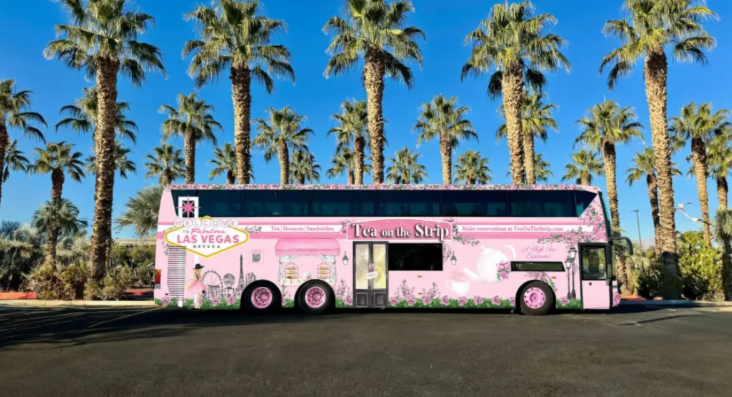
Las Vegas’ dining scene is evolving once again as The Sundry Food Hall closes, making way for Tish, a new concept that promises a curated selection of high-end culinary experiences. Meanwhile, six new restaurants are set to debut across the city, including Mama Rabbit’s Cantina at Park MGM, Queen’s English, and Fuku Sushi on the Strip. Additionally, the highly anticipated Ladurée is bringing its world-famous French pastries to the city, adding another international name to Las Vegas' food scene. These additions highlight the ongoing growth of the city's restaurant industry, despite rising food costs and labor challenges. Operators continue to invest in Las Vegas, banking on strong tourism and local demand to sustain the ever-changing culinary landscape.

Customers Prefer Ordering Directly from Restaurants Over Delivery Apps

A new survey from NCR Voyix shows that most restaurant customers prefer ordering delivery directly from restaurants rather than using third-party apps like Uber Eats or DoorDash due to high fees, inconsistent food quality, and delivery delays. While third-party platforms offer convenience and visibility, they also take significant commission cuts, squeezing already tight restaurant margins. In response, many operators are investing in their own online ordering systems and in-house delivery services to improve customer experience and retain more revenue. As consumer preferences shift, restaurants that enhance direct ordering capabilities could build stronger customer loyalty and long-term profitability. This shift underscores the demand for a more seamless, cost-effective dining experience.

Workplace Immigration Law in 2025: What Restaurants Need to Know

The National Restaurant Association and the Restaurant Law Center have released a memo outlining key changes in immigration policies affecting the restaurant industry. With over 20% of foodservice workers being immigrants, these updates are critical for compliance.


Key Highlights:

  • Increased ICE Enforcement: Expect more audits and raids. Ensure I-9 compliance and prepare rapid response plans.
  • Visa Program Reforms: Changes to H-2A, H-2B, and other visa programs could affect hiring, especially for seasonal workers.
  • E-Verify+ Rollout: The new system simplifies verification but requires HR integration.


Join the Workplace Immigration Compliance Webinar on February 10, 2025, at 2:00 p.m. ET for strategies and updates from industry experts.


Read the Memo Here | Register for the Webinar

Train With Us: ServSafe


Nevada requires one person on each shift to be certified for answer questions from an inspector. A ServSafe certification is recommended for managers, cooks, front-line employees or the shift PIC (designated person in charge). NvRA has best-in-class training online or in the classroom. The program is ANSI-certified and available in multiple languages. Sign up for one of our next classes.


Restaurant Law Center: Advocating for Your Business


The Restaurant Law Center provides legal advocacy and resources to help restaurants navigate complex regulations and protect their operations. From labor laws to compliance guidance, they ensure our industry’s voice is heard in the courts and beyond. NvRA members can access expert resources, legal insights, and updates to stay informed and empowered.


📞 Phone: (202) 331-5913

📧 Email: aamador@restaurant.org

Learn more at RestaurantLawCenter.org.

Follow us @nvrestaurants

Facebook  Instagram  LinkedIn  X