VOLUME 1 | ISSUE 1 | SUMMER 2025 | | |
| |
The Old Farmer's Almanac has long been a trusted periodical with practical information relied upon by rural communities. Filled with seasonal knowledge (with some humor sprinkled in) almanacs are a rich piece of rural cultural heritage.
Our goal in building The Old Forester's Almanac is to provide updates about current programs and events associated with the Working Woods Hub at Holden Arboretum and our partners, while also sharing seasonally relevant ways to enjoy and care for your woods (and maybe make you crack a smile with a bad tree joke).
There's something nostalgic about an almanac. We hope this one brings you joy and fosters a connection to the culture around caring for Ohio Woods.
| | |
Working Woods Field Day
Anna Carlson
Working Woods Outreach Coordinator
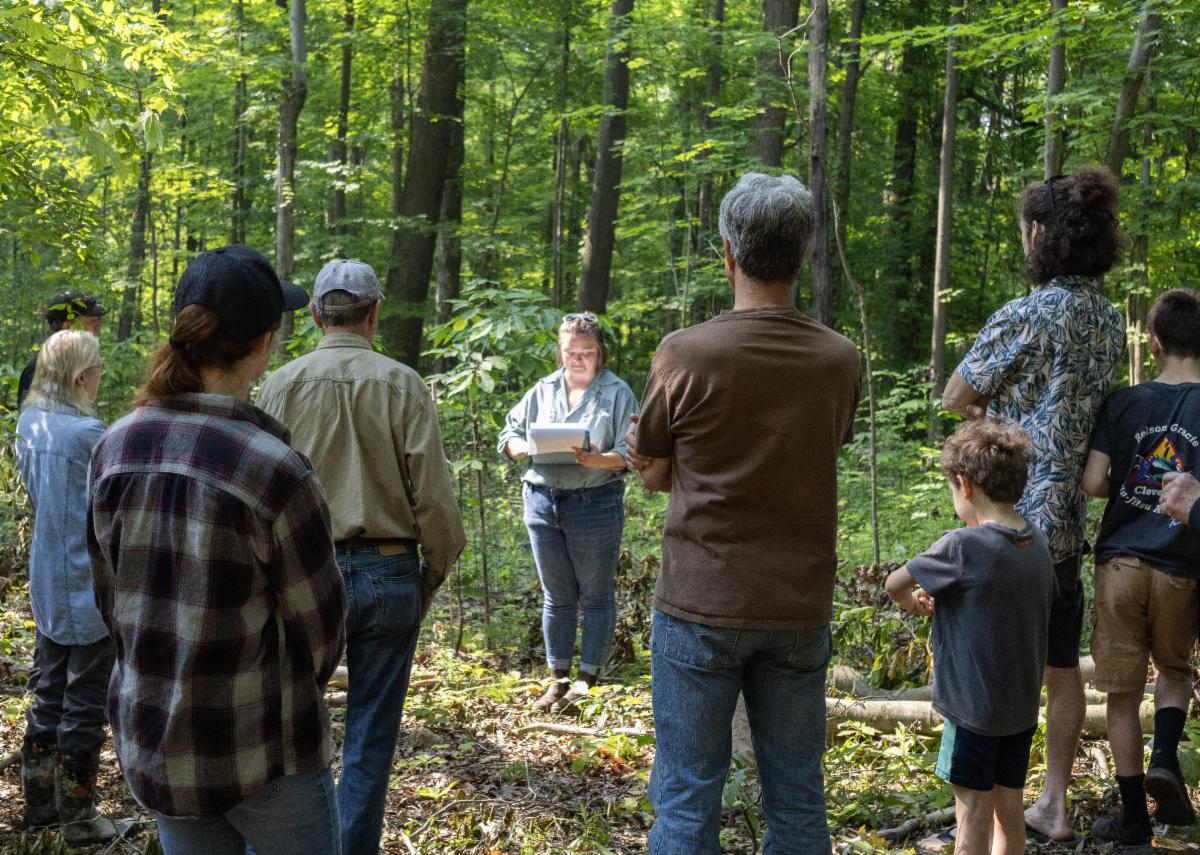
The fourth annual Working Woods Field Day was held on Saturday, June 7th under a blue sky with copious amounts of sunshine! Nearly 70 landowners from across Ohio (and Pennsylvania) joined morning and afternoon tours led by experts from the Working Woods Hub at Holden Arboretum. Foresters from Holden Arboretum Consulting Forestry as well as representatives from area partners (The Nature Conservancy, nearby Soil & Water Conservation Districts, Better Meadows & Woodlands, and the Ohio Department of Natural Resources) talked with landowners about resources and partners which could assist in building and enacting management plans for their woodlands.
| | Rebecah Troutman, Working Woods Hub Manager (center) leading a tour group through the 67-acre Working Woods Learning Forest. Photograph courtesy of Albert Jackson, Holden Arboretum Conservation Technician. | |
Did you miss this year's
Working Woods Field Day?
Join us next year! The fifth annual Working Woods Field Day will be the first Saturday in June, 2026 - look for registration opening in the new year!
| | |
Find the Working Woods Hub at a County Fair Near You
Anna Carlson
Working Woods Outreach Coordinator
The Working Woods Hub is excited to be joining other natural resource groups in Northeast Ohio at a handful of local county fairs this summer. We'll have foresters, educators, and seed bank representatives staffing a table at the Lake County Fair (July 22nd-27th), the Ashtabula County Fair (August 5th-10th), and the Great Geauga County Fair (August 28th-September 1st). Come by to say hello and pick up some resources - we're always happy to see familiar faces and make new friends!
| | | You can always peruse our upcoming program offerings HERE. | | |
|
Woodsy Wisecracks
humorous tidbits inspired by our woods
| | |
What is a tree's favorite drink?
Root beer!
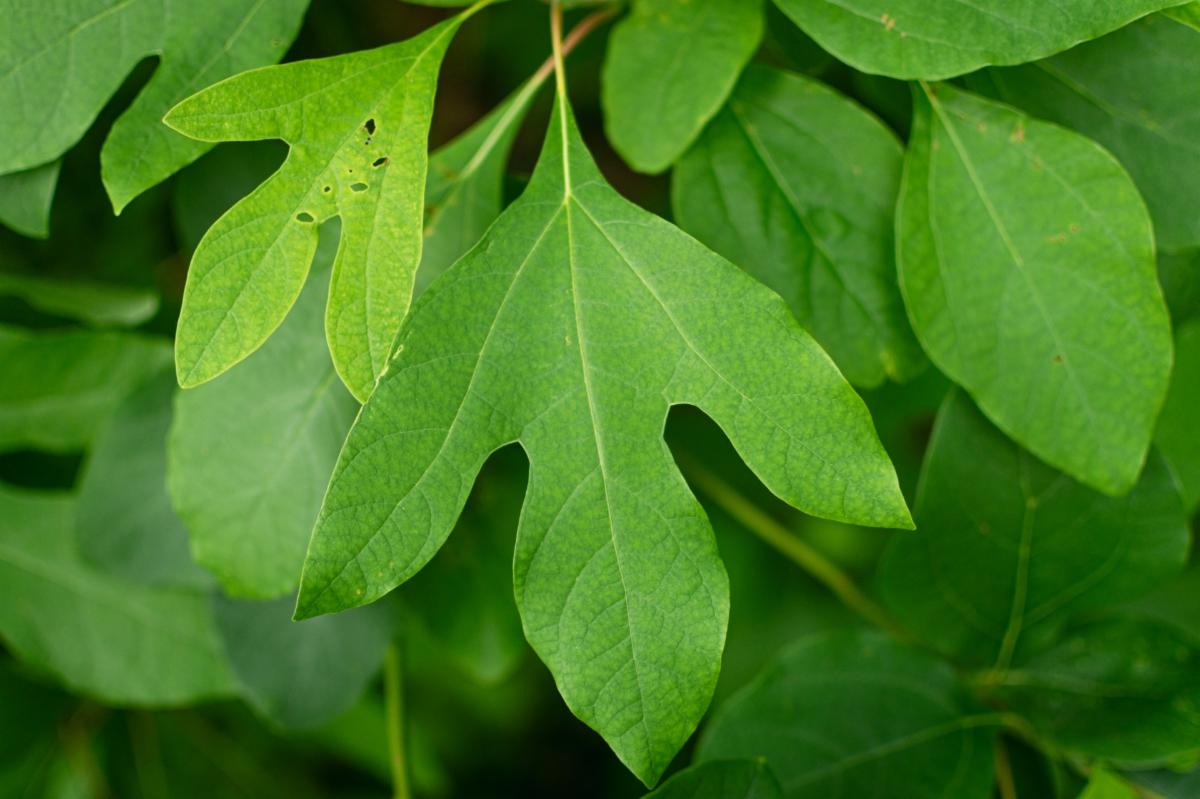
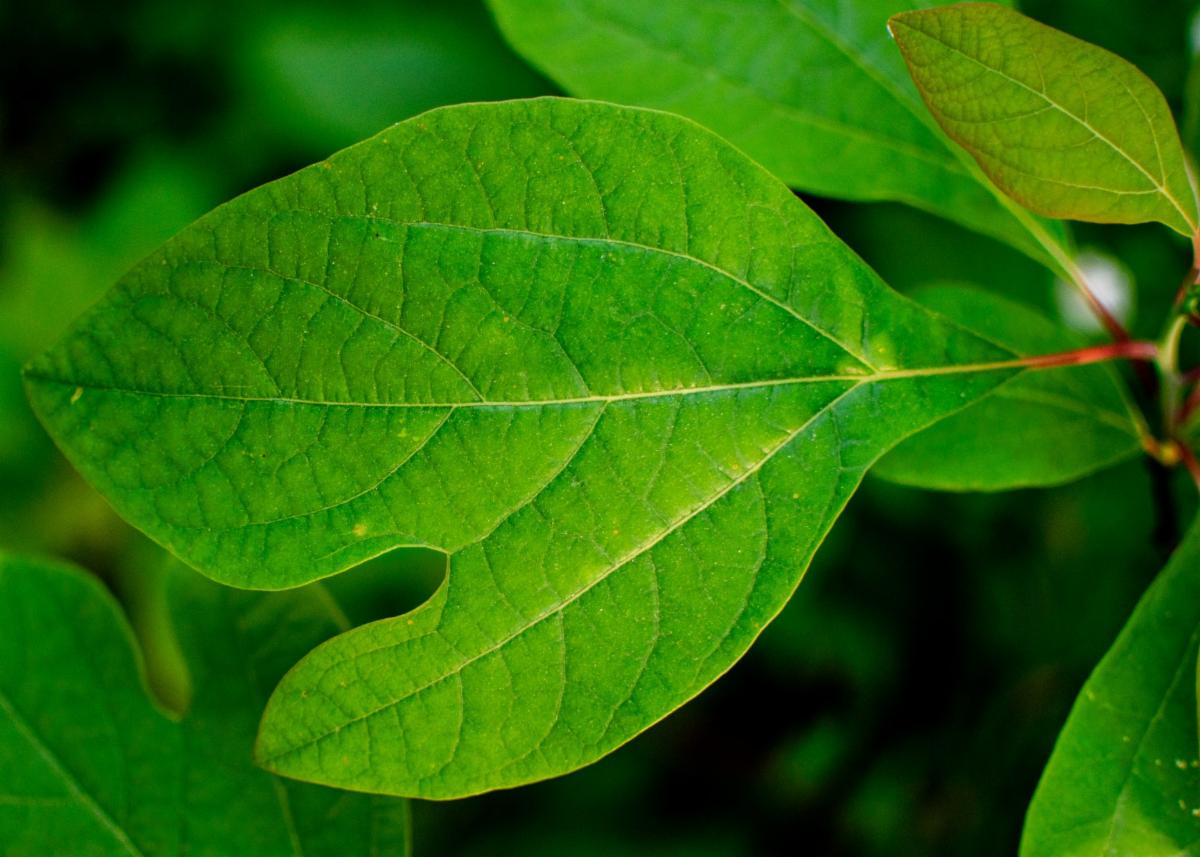
| | Sassafras leaves. Photographs courtesy of Albert Jackson, Holden Arboretum Conservation Technician. | | |
Sassafras (Sassafras albidum) is a native tree found across the eastern United States, including our neck of the woods! Its root bark, cinnamon-colored and rich in safrole oil, was once a key ingredient in root beer but categorized as a carcinogen by the FDA in the 1960s, it has since been banned for human consumption.
However, the history of this tree's use by indigenous peoples goes back much further than the invention of the popular soft drink - sassafras leaves, root bark, and wood have been used as teas and traditional remedies for treating a variety of illnesses.
In our region, sassafras trees are relatively small, growing mostly in the understory of our deciduous forests or along old hedgerows. They can be identified by their variably shaped leaves - simple oval, three-lobed, or the signature mitten shape!
You can read more about sassafras in this article published by the Cornell Botanic Gardens.
| |
Jessica Miller Mecaskey
Holden Arboretum Consulting Forester & Non-Timber Forest Products Specialist
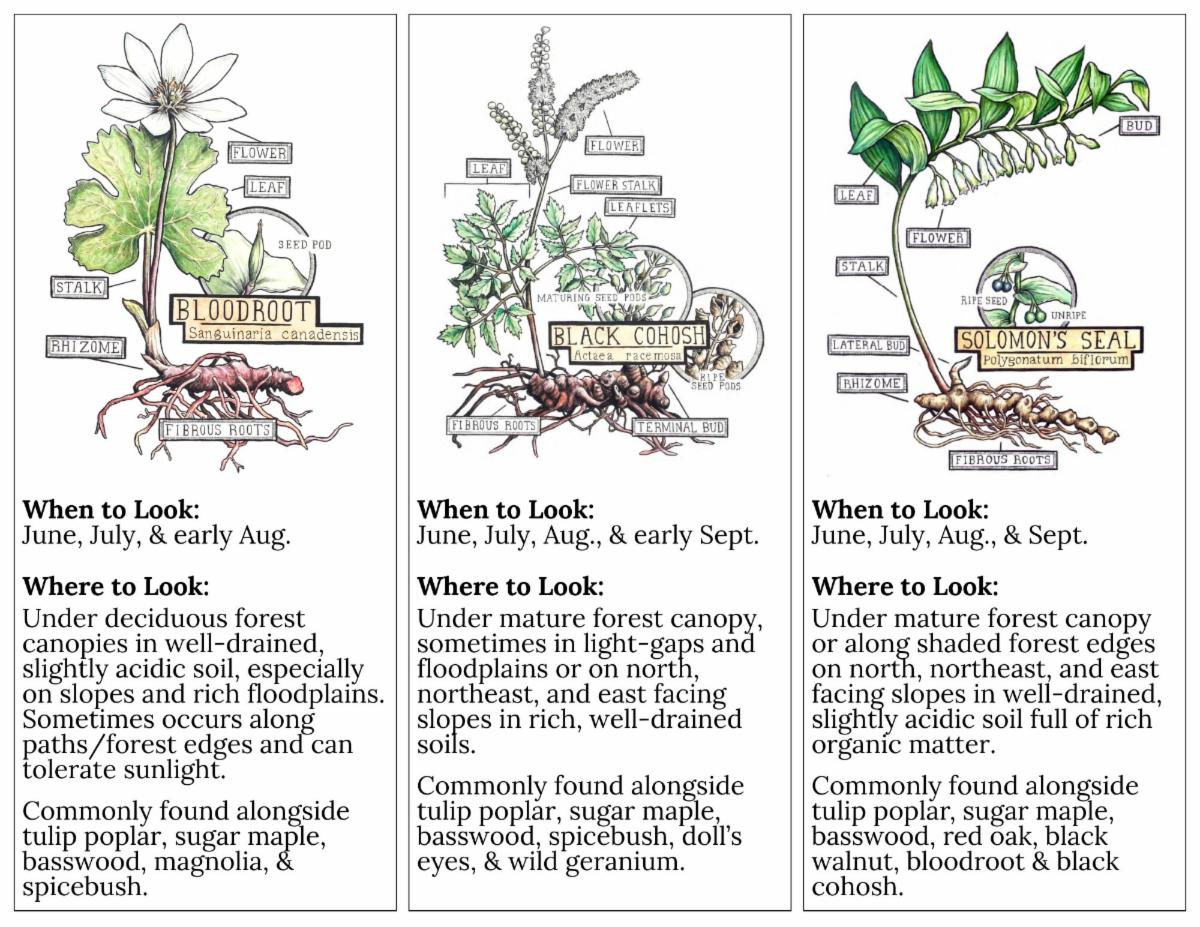
Summer is the season when many forest botanicals are doing their "above ground" growing so while it may not be the right season to plant, transplant, or harvest, it's the perfect time of year to use leaves in identifying what is growing wild on your property.
Bloodroot (Sanguinaria canadensis), Black Cohosh (Actaea racemosa), and Solomon's Seal (Polygonatum biflorum) are three forest botanicals that grow wild in this region so keep an eye out for them the next time you walk through your woods!
| | |
Rebecah Troutman
Working Woods Hub Manager
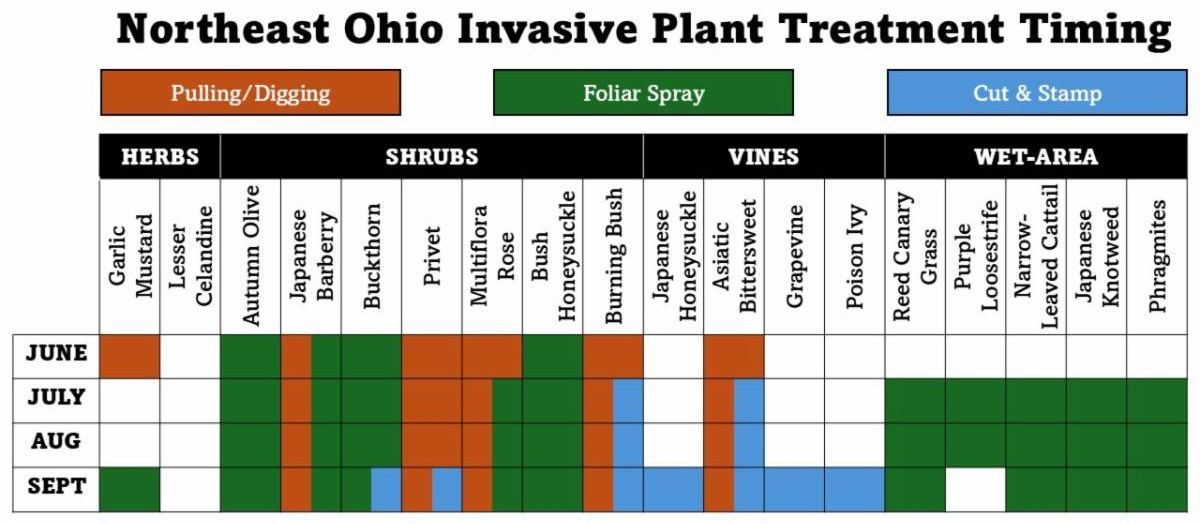
Summer treatment of invasive species requires timely, strategic action to minimize spread and long-term impact. This season is ideal for mechanical control - hand-pulling, mowing, or cutting - especially before invasive plants set seed (but as a last resort you can always cut seedheads off once they develop to reduce future spread).
Foliar (leaf) spraying with herbicide is also a common approach in summer, as many invasive plants are actively growing and more vulnerable to uptake through their leaves. Foliar treatments work best on smaller plants or patches and should be applied on dry, calm days to prevent drift onto non-target species. As always, follow herbicide label instructions carefully - the label is the law and includes helpful information to make sure you are treating effectively and being safe!
|
| |
Valerie McCauley
Holden Seed Bank Technician
Anna Carlson
Working Woods Outreach Coordinator
| |
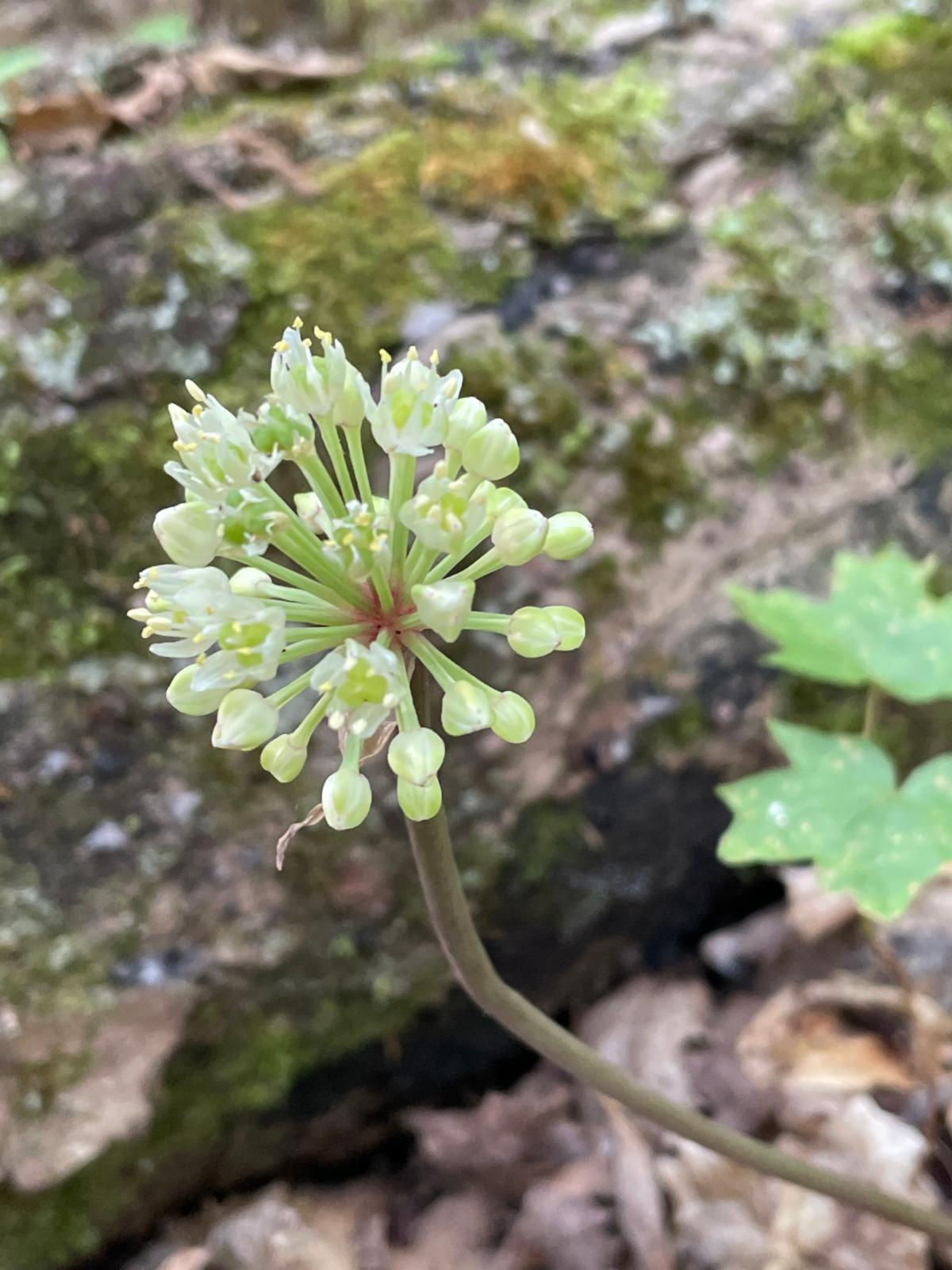
Ramps (known by many names including Wild Leeks and Allium tricoccum) are a beloved spring ephemeral whose lush green leaves fade away by the end of May. But Act II is about to begin - summer is the season of ramp blossoms and seeds!
Ramps are a long-lived species, reaching an age of six or seven years before they blossom for the first time. Full bloom usually occurs in late June/early July with a white firework-like flower (called an umbel) crowning the stalk for most of July. Once pollinated, either by small flying insects or through the process of self-fertilization, three green berry-like fruits will begin to develop throughout August and September, reaching maturity and splitting open to reveal black seeds in mid- to late-September. Ramp seeds are primarily dispersed by gravity, tending to germinate where they fall. This means that seedlings grow in direct competition with other ramps in their parent patch. It's estimated that because of this intense competition, only about 4% of ramp seedlings reach the age of three when they germinate within their parent population (Nault and Gagnon, 1993). Because of this, seedling survival can be significantly increased if seeds are collected and sown in a new location where they are free from competition.
| |
Ramp in bloom. Photograph courtesy of Kiernan Blouin, iNaturalist. | |
Want to sustainably collect
(only collect 20% of what you see) and sow ramp seeds in your woods this summer?
You can read all about it HERE!
| | |
Patrick O'Reilly
Holden Arboretum Consulting Forester & Timber Specialist
American beech (Fagus grandifola) is a prevalent tree in our region’s forests. A few identifying features of the American beech are its smooth gray bark, long cigar-shaped buds, and tendency to retain dried, brown leaves throughout the winter. Beech trees produce nuts which serve as a food source for birds and mammals, and mature trees are often hollow, providing den habitat for critters like raccoons, squirrels, and opossums.
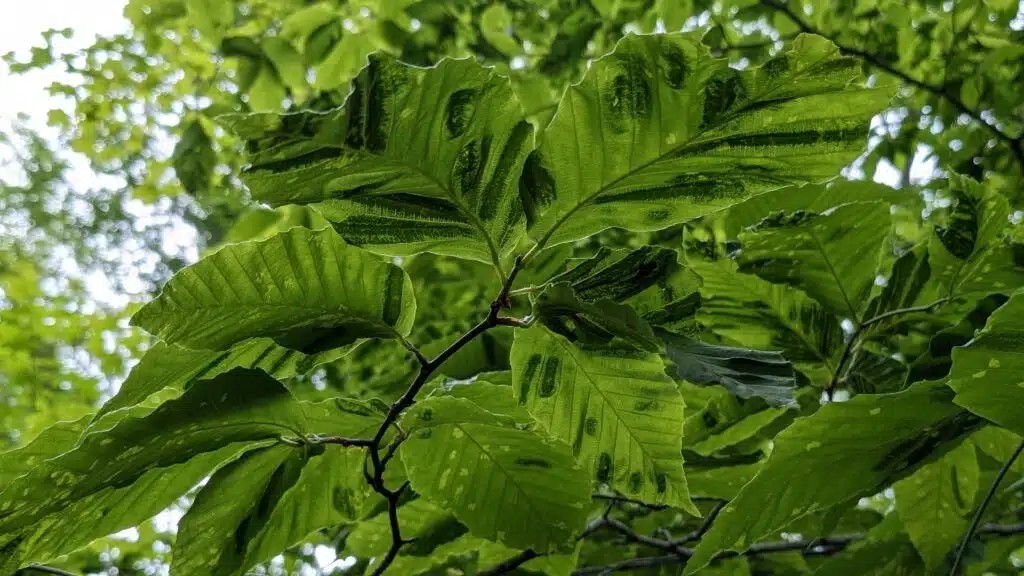
In the summer, you may notice beech tree leaves exhibiting dark green stripes between the leaf veins and taking on a thick leathery texture. These are the two readily noticeable symptoms indicating Beech Leaf Disease (BLD). First detected in northeastern Ohio in 2012, BLD is a relatively new tree disease in our forests and is caused by a species of non-native microscopic wormlike animals called nematodes (Litylenchus crenatae mccannii). The leaf damage from this nematode can reduce photosynthesis by up to 60%, resulting in significant and widespread mortality of beech trees.
| American beech affected by Beech Leaf Disease. Photograph courtesy of Holden Forests & Gardens. | |
Certain pesticide treatments have proven effective in treating individual trees for BLD, however these methods are not practical for treating forested areas. Currently researchers at Holden Forests & Gardens, and elsewhere, are working to find more treatment options as well as attempting to breed disease resilient trees. We encourage you to keep an eye out for BLD symptoms in your trees and to learn more about the disease, research, and current treatments HERE.
| | |
Caitlin Stillisano
Lake Soil & Water Conservation District, Watershed Coordinator
Anna Carlson
Working Woods Outreach Coordinator
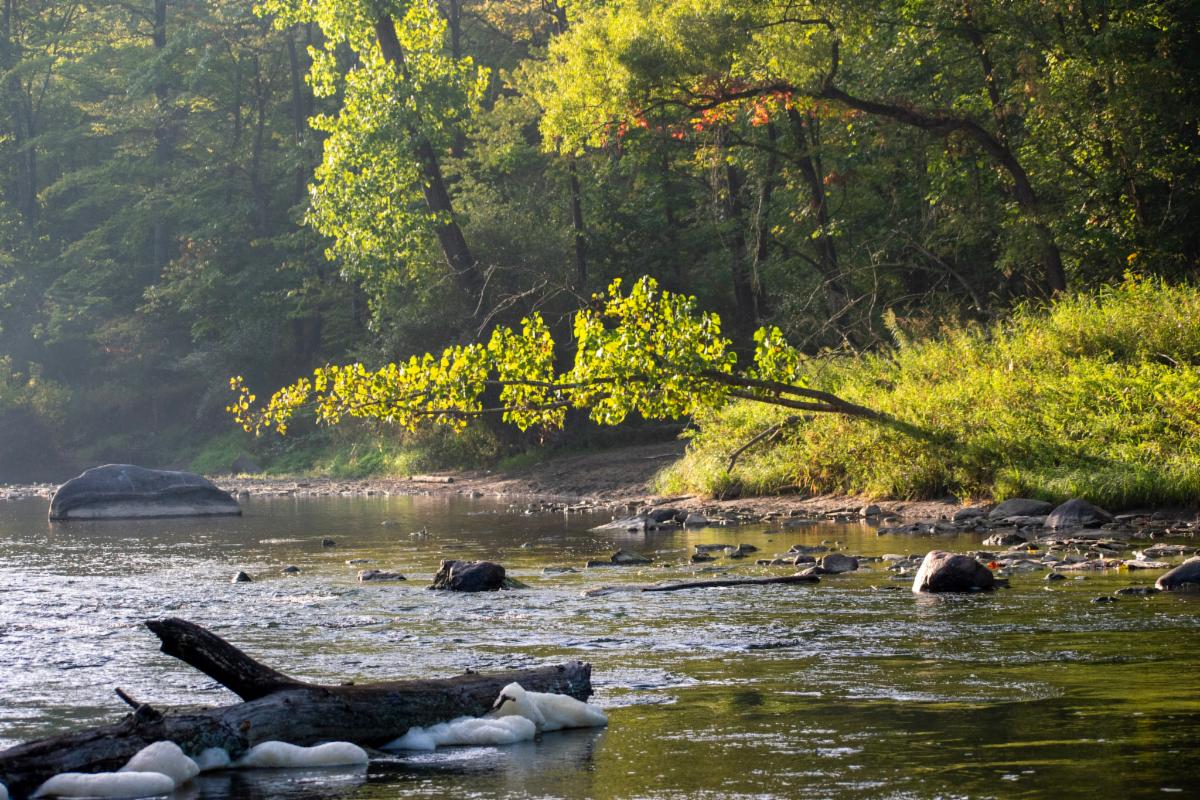
Summer thunderstorms have arrived! Alongside the thunder, lightening, and winds...comes rain. Increased rainfall (alongside upstream development) can exacerbate erosion issues. One way woodland stewards can help stabilize their streambanks amidst the summer rain is by utilizing hand-placed woody structures.
| Hand-placed woody structures are logs, branches, and root wads placed in and along streams. These structures offer a multitude of benefits including habitat creation, stream structure, and erosion control. These structures help to encourage natural flow patterns and slow the velocity at which water is moving through the stream by forcing water to pass over, under and around the carefully placed woody debris. This helps to combat stream bank erosion! | It's important to keep in mind that this practice is debris-trapping and will cause water to pool. Although it may look a bit messy, woody debris and structures in streams is natural. | |
There are a number of considerations and techniques to keep in mind when hand-placing woody structures in your streams - read all about them HERE.
Hand-placing woody structures is a perfect project for summer, especially when followed up by live-stake planting later in the year (read our upcoming Fall 2025 Edition for tips on this practice)!
| |
Stream with naturally occurring woody features.
Photograph courtesy of Albert Jackson, Holden Arboretum Conservation Technician.
| | |
Anna Carlson
Working Woods Outreach Coordinator
There are countless reasons why landowners love their woods, but one shared by many is a love for wildlife - especially birds and pollinators. Ecologically, birds and pollinators, like butterflies, are closely entwined. Many birds rely on caterpillars as a vital food source for raising broods in the late spring and early summer, collecting thousands to bring back to the nest for hungry chicks. In turn, those caterpillars rely upon forests diverse in native plants - especially shrubs and trees!
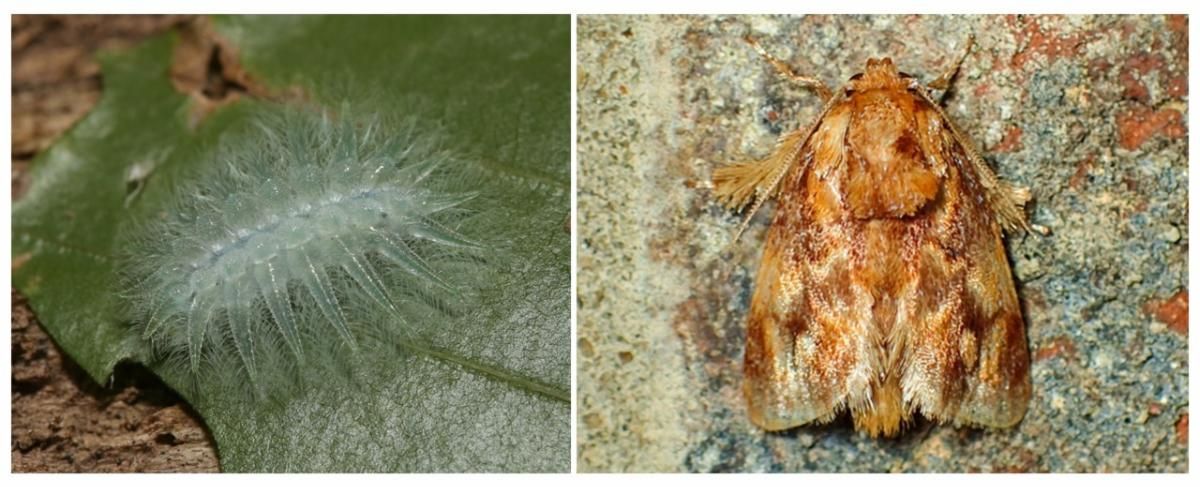
There has been some incredible research conducted by Dr. Doug Tallamy and his team at the University of Delaware which analyzes the relationships between native plants and butterfly/caterpillar species across much of the United States. For example, the oak tree species that grow in our region reportedly support more than 400 (477 to be exact) species of butterfly/caterpillar! Many of these butterfly/caterpillar species can utilize other native plants but a few are specialists, relying almost exclusively on Oaks - like the Bantam Maple Dagger, the Spun Glass Slug, or the White Furcula.
| |
(Left) Spun Glass Slug (Isochaetes beutenmuelleri) on leaf, licensed under CC BY 4.0 by David George, iNaturalist.
(Right) Spun Glass Slug Moth (Isochaetes beutenmuelleri) on bark, license under CC BY 4.0 by John Friel, iNaturalist.
| |
Interested in learning more about the relationships that exist between our native shrubs and trees and our butterfly/caterpillar species? You can utilize an online search engine built by the Tallamy team to explore which native plants support which caterpillars based on your zip code! You can check both search engines out HERE - keep in mind this tool is still in development so there are frequent updates and changes!
| | | |
Woodland Wisdom
local & traditional knowledge about our woods
| | |
When leaves flip towards the sky,
a summer storm is nigh.
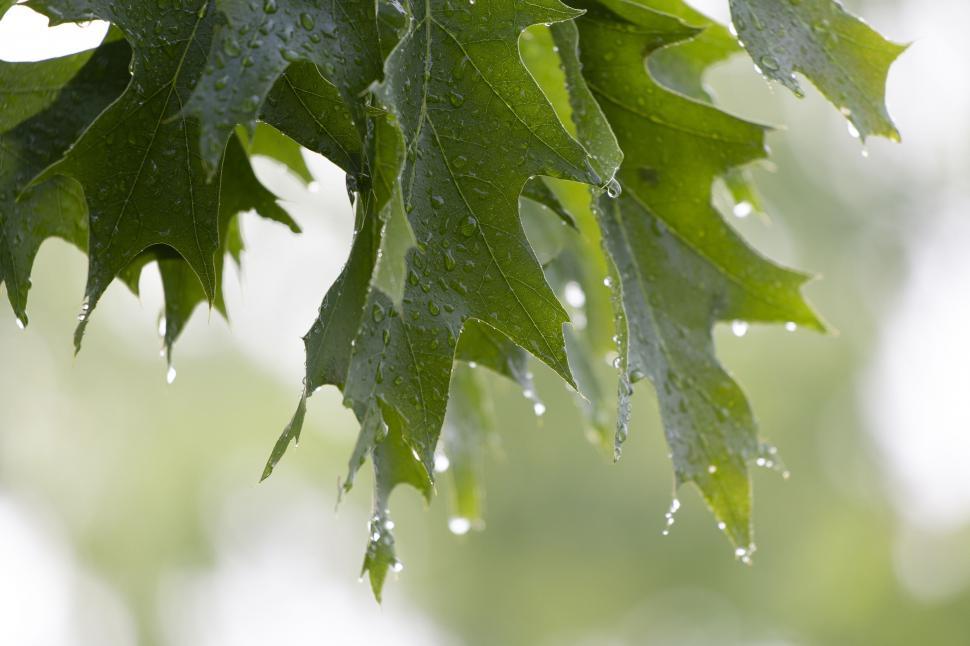
| | Oak leaves in a rainstorm, licensed under CC0, Rawpixel. | |
Juliana Medeiros
Holden Arboretum Plant Biologist
Anna Carlson
Working Woods Outreach Coordinator
Deciduous trees (like oaks, maples, tulip poplars, and others) re-grow their leaves each spring, relying on them for the sugar they produce through photosynthesis. These trees benefit from leaves in stable light and temperature conditions. To reduce leaf fluttering and flipping, leaf growth patterns are shaped by prevailing summer winds coming mostly from the South and Southwest.
| | |
However, many summer storms ride winds from the West, Northwest, or North. As these winds differ from our prevailing winds, they can cause otherwise stable leaves to flip and flutter, showing their silvery undersides to the sky. There isn't evidence that trees are predicting impending weather, but instead they're likely responding to current conditions we associate with future events - like winds from a less-common direction before a storm.
The beautiful thing about local ecological knowledge passed from one generation to the next, like this little rhyme - when leaves flip towards the sky, a summer storm is nigh - is that it was formed by observations of people who had close relationships with their environment - a relationship intimate enough to notice when small changes (like seeing the undersides of leaves) correlated with a larger change (like an oncoming storm). Interested in keeping local ecological knowledge alive? Choose a deciduous tree to watch this summer and take note of whether it’s leaves show their silvery undersides ahead of summer thunderstorms!
| | |
|
Our mission is to empower people to manage, protect, and
create resilient forests in Ohio.
| | |
Was this newsletter forwarded to you?
Interested in subscribing and receiving our future mailings?
Sign up HERE!
| | | | |