VOLUME 2 | ISSUE 1 | WINTER 2026 | | The Old Forester's Almanac is a woodsy twist on The Old Farmer's Almanac, using humor, wisdom, and science to foster a connection to the culture around caring for Ohio Woods. | | | |
|
Changing of the Seasons: Winter
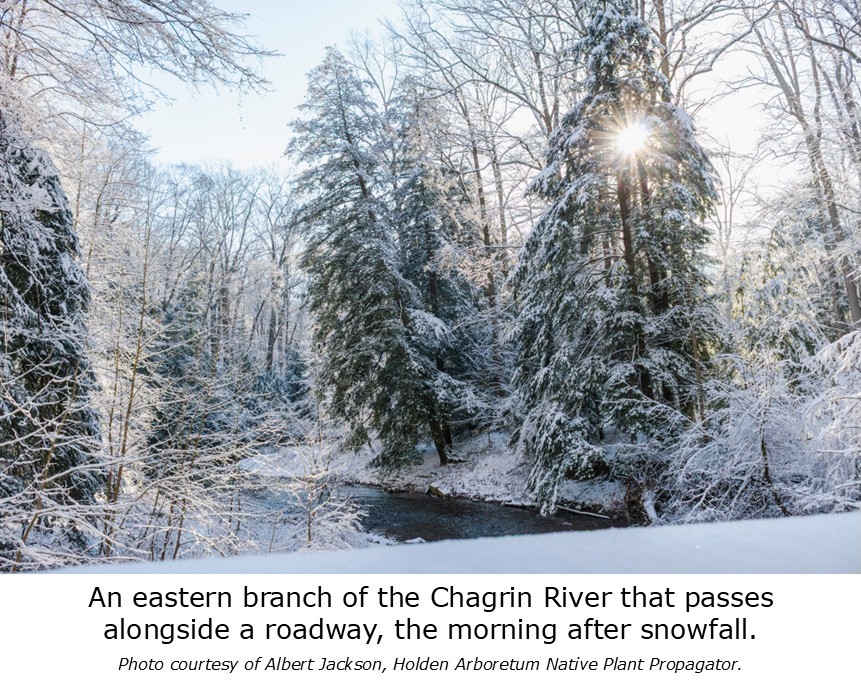
Sunday, December 21st - the winter solstice in the northern hemisphere - marks the first day of winter. From here, the sun will slowly begin to return, bringing daylight that grows stronger each day. This year, The Old Farmer's Almanac predicts a winter that's "mostly mild - with pockets of wild". The Lower Lake Region may experience warmer temperatures and less precipitation but with patches of lake effect snow. The Ohio Valley Region may have a colder and snowier season.
The first full moon to follow the solstice, known as the Wolf Moon, will rise on January 3rd and will be one of only three supermoons in 2026 (the others arrive in November & December). Winter in Northeast Ohio often feels quiet, with much of the world tucked beneath a downy blanket of snow. In this issue of the Old Forester's Almanac, we explore how, despite the quiet exterior, our forests remain alive with activity.
| | *NTFPs (Non-Timber Forest Products) are materials harvested from forests besides timber and include a wide variety of products from mushrooms and berries to ornamentals to medicinal herbs and botanicals. | | |
Anna Carlson
Working Woods Outreach Coordinator
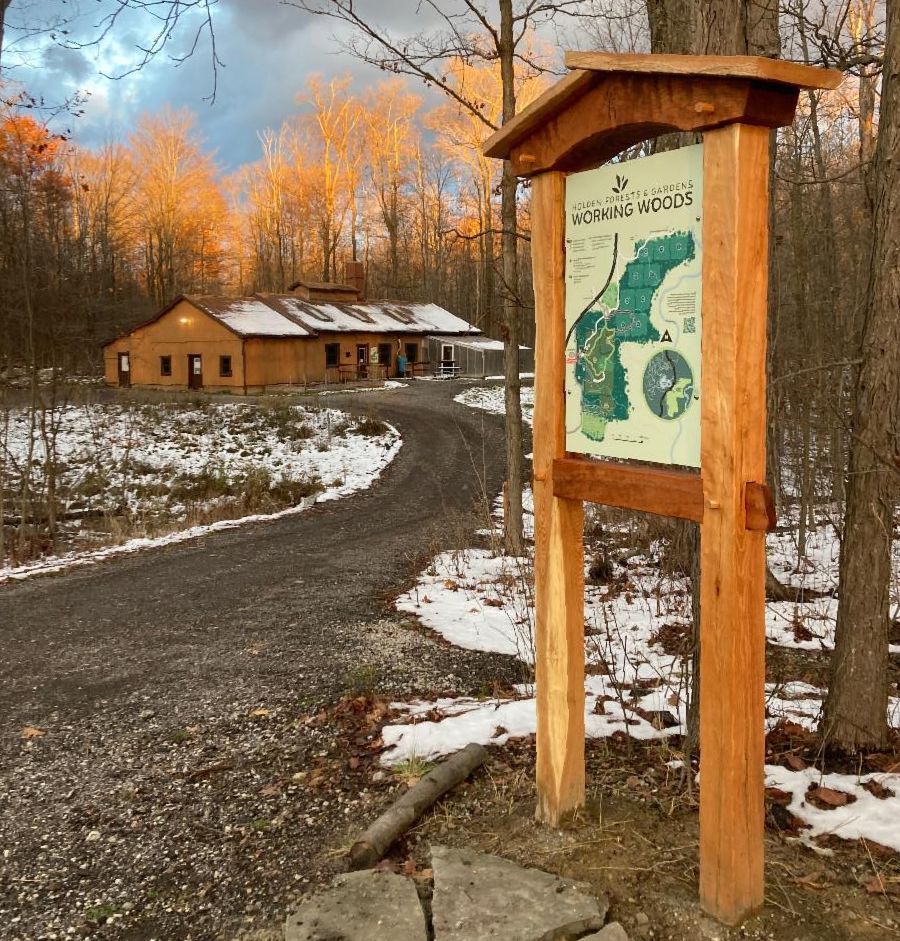
In mid-November the Working Woods Hub celebrated its one-year anniversary with the opening of a new trail system complete with wayfinding and interpretive signage. Over the course of two days, nearly 200 folks joined us for guided tours, forest-sourced root beer, and a small shop featuring goods for, and from, the woods.
Did you miss the Autumn Open House? Save the date for our annual Field Day on Saturday June 6th, 2026! Additional information and registration instructions will be included in the spring almanac.
| | | |
Annie Weight
Forestry Outreach Fellow
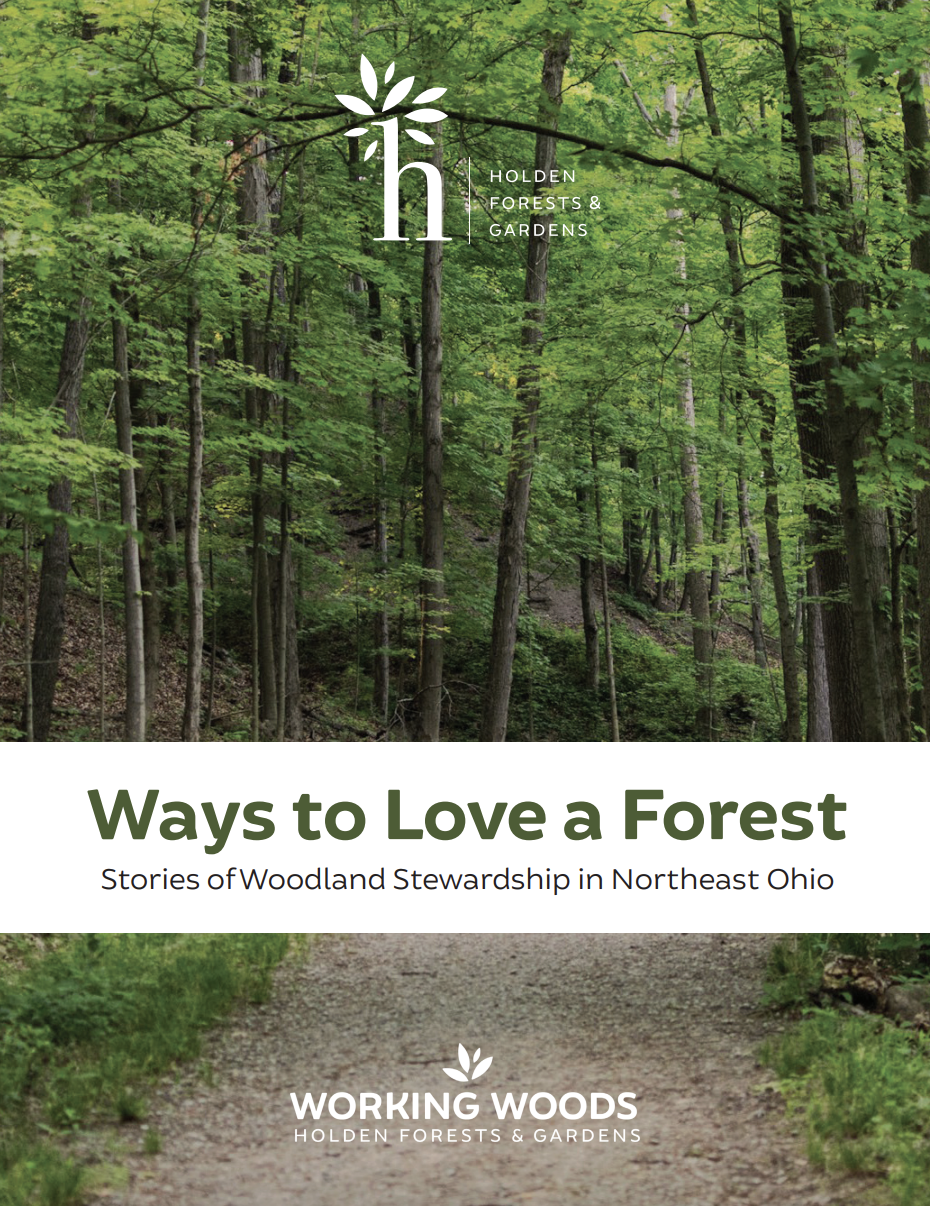
Forest stewardship takes many forms, and there is so much to learn from one another! Read about individuals, families, and communities who are practicing responsible management across Northeast Ohio in a new booklet from the Working Woods Hub at Holden Arboretum - Ways to Love a Forest: Stories of Woodland Stewardship in Northeast Ohio. The booklet includes interviews with 24 individuals across ten Northeast Ohio counties, from scientists, birdwatchers, and community advocates to furniture makers, foresters, and educators. You’ll also find helpful resources, advice, and partners to guide you on your own stewardship journey.
| | |
|
Woodsy Wisecracks
humorous tidbits inspired by our woods
| | |
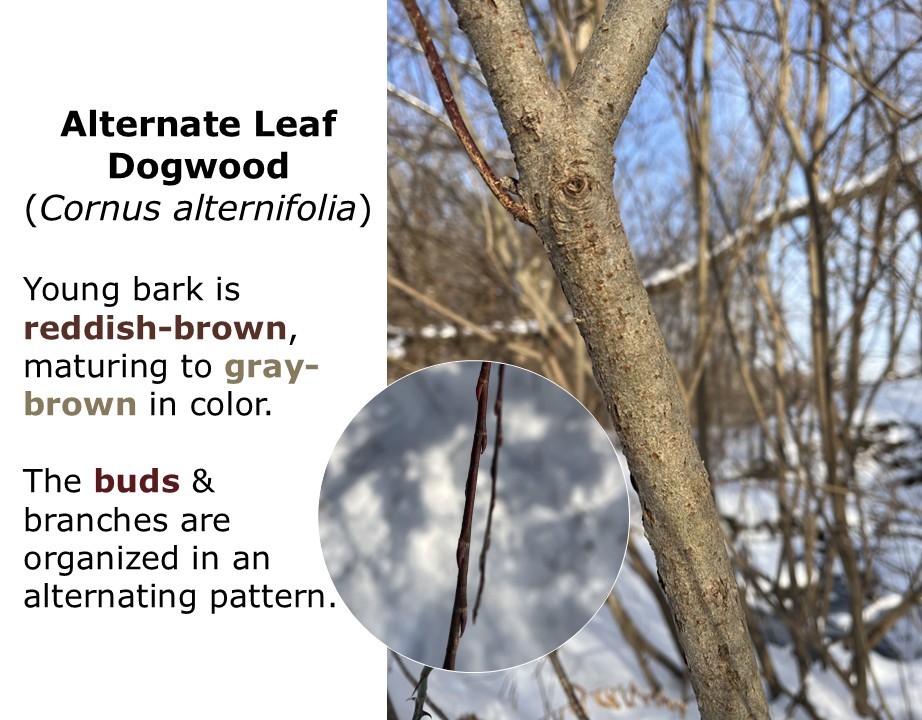
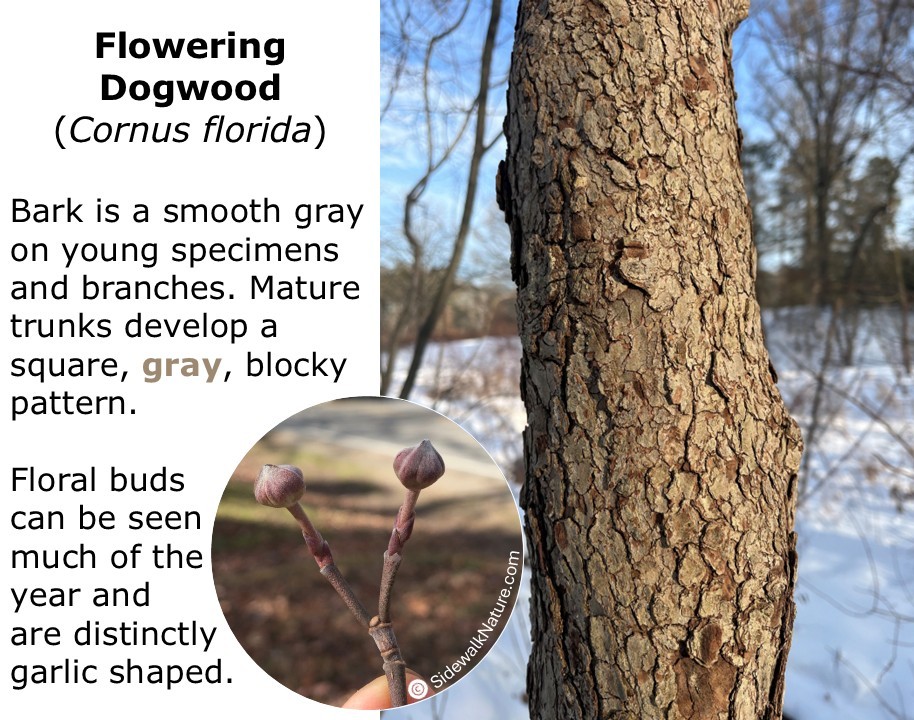
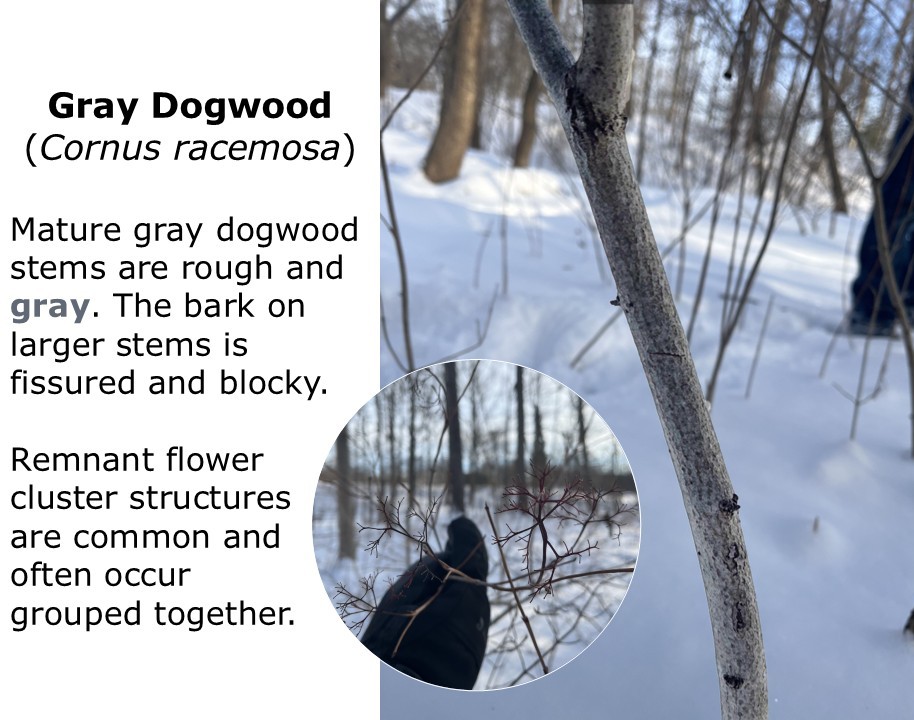
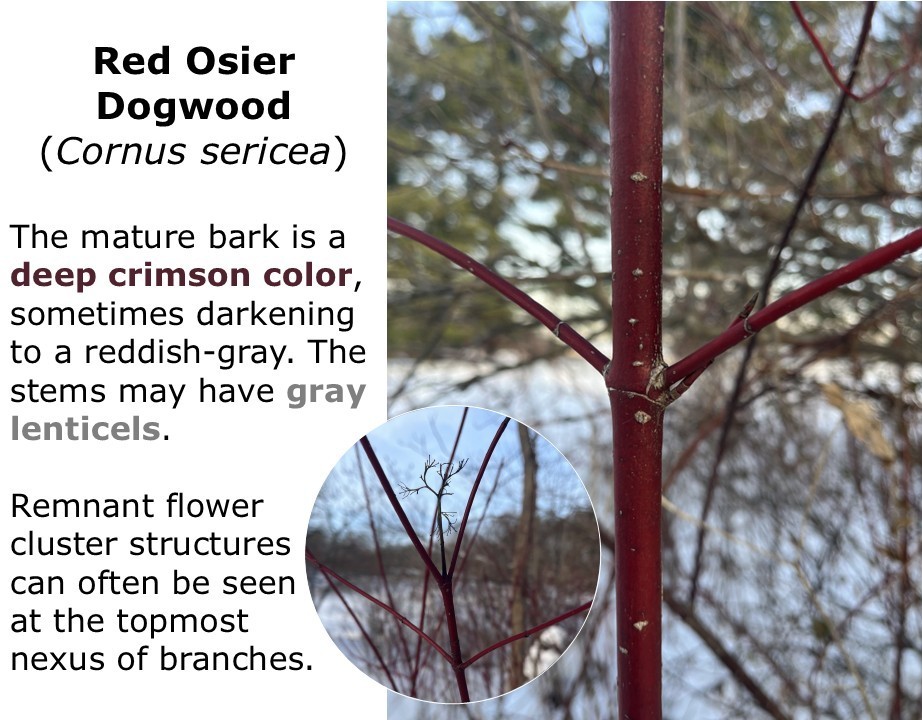
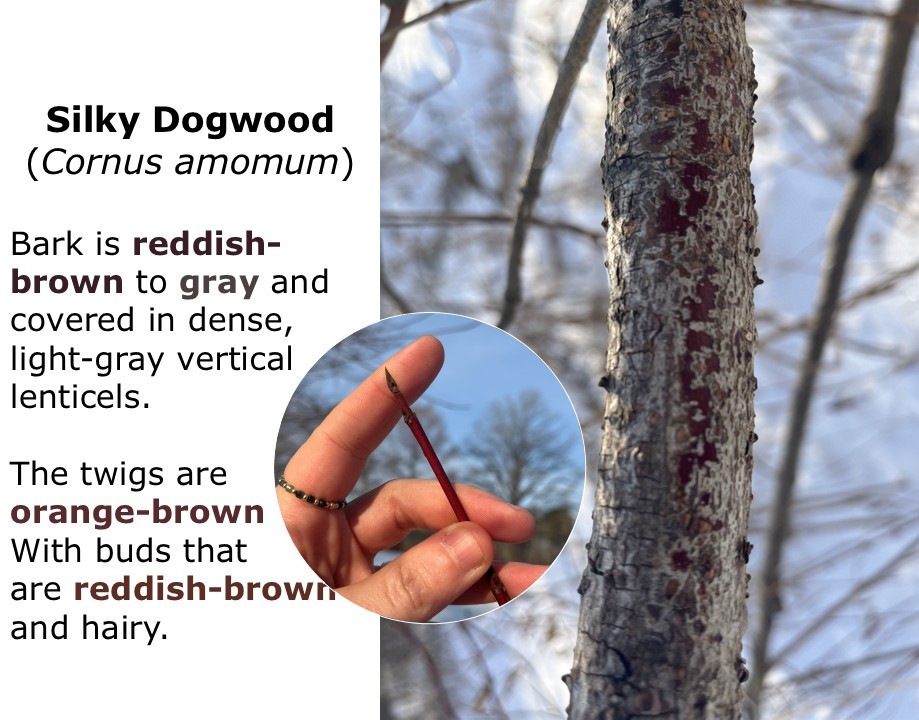
How do you identify a dogwood tree?
By it's bark!
| | | | |
There are five native species of dogwood (Family: Cornaceae) in Ohio which can be identified by a myriad of characteristics. But in the winter months, the ones that remain visible are the bark, twigs, and sometime the buds. Holden Forests & Gardens Flora Finder web application makes it easy to find examples of all these species at the Holden Arboretum!
You can learn more about dogwoods (and other small trees and shrubs!) in the Small Trees & Shrubs of Ohio Field Guide published by the Ohio Division of Wildlife.
| |
Jessica Miller Mecaskey
Holden Arboretum Consulting Forester & Non-Timber Forest Products Specialist
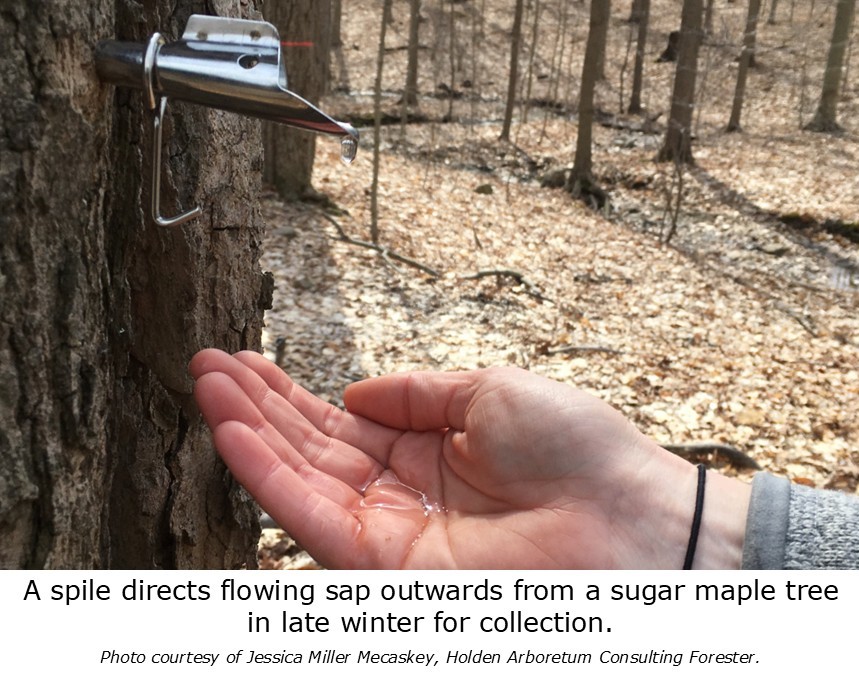
Maple sugaring has been practiced for potentially thousands of years. The peoples of Northeast Ohio -indigenous communities, settlers, and subsequent generations - have a rich legacy of maple sugaring culture. But the question of the right time to tap has become an increasingly tricky question…
Sugaring season is typically short and sweet: 4-6 weeks. In Northeast Ohio, it’s traditionally in February or early March, but recent seasons have broken tradition with runs occurring in January and February because of changes in climate.
Instead of standing by a steadfast date, maple-tappers should instead watch for routine, daily fluctuations in temperatures. Temperatures need to range from at or below freezing to above freezing (roughly 40° F) for the best sap flow. Generally, this occurs when temperatures drop during the night and rise during the day. The sap will not flow if fluctuations are too dramatic or if the temperature is too stable or warm for extended periods. Ideal conditions typically happen in late winter and very early spring.
If you are interested in tapping - even if it’s just one tree! - avail yourself of the many excellent resources available through Ohio State University Extension to ensure that maples stay healthy and you can have the sweetest experience possible!
| | |
Rebecah Troutman
Working Woods Hub Manager
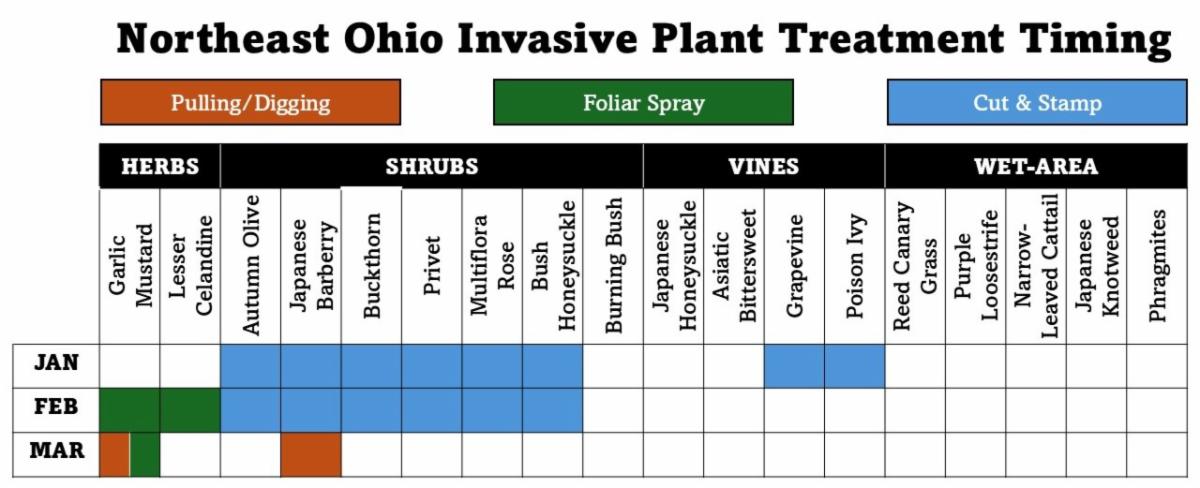
If you notice something that’s still green while spending time in the woods this winter, chances are you've spotted an invasive species. Many non-native plants remain green long after native vegetation has gone dormant and reemerge from dormancy in late winter or early spring, well before native species. This makes winter one of the best seasons for invasive plant detection and control. Cut and stamp treatments on woody species can be especially effective at this time of year. However, always make sure to check the herbicide label - some products cannot be used below in temperatures below freezing, and proper use ensures both effectiveness and safety!
Tackling some invasive work in winter - scouting, treating, or mapping - gives you a head start before spring seed production. This can slow the spread of invasives and help native plants rebound in the growing season. A few cold hours in the woods can make a difference!
|
| |
Albert Jackson
Holden Native Plant Propagator
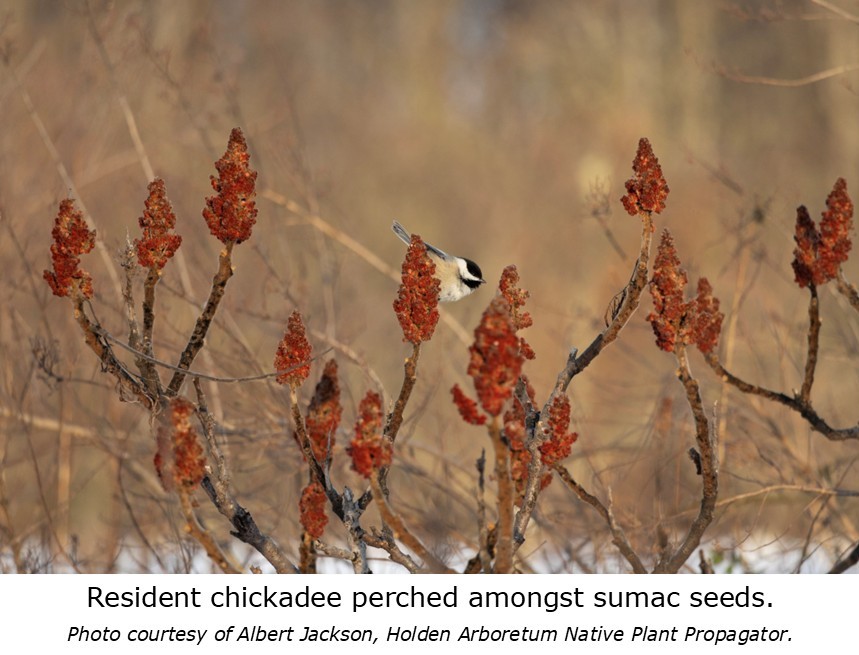
Winter in Northeast Ohio can be challenging - below freezing temperatures, piercingly strong winds, and heavy snowfall can make for a difficult season with limited resources. But tucked beneath the snow, carefully stashed away in caches, within bright berries, and hanging on to remnant, dried plant stalks, is a resource that is surprisingly abundant - seeds.
Seeds are neatly packed starter kits for the next generation of plants, filled with protein, fat, vitamins, and minerals. But they are also a vital source of sustenance for our native wildlife - many animals shift their diets in the winter to focus on the remnant seeds of trees, shrubs, and even herbaceous plants.
In coniferous forests, pine and hemlock cones contain a cornucopia of tiny, nutritious seeds enjoyed by resident birds like chickadees, nuthatches, and juncos. Partridge berries and witch-hazel capsules beneath the evergreen boughs provide a meal for foraging turkeys. In hardwood forests, black walnuts, hardy hickory nuts, and tannin rich red oak acorns are savored by squirrels, chipmunks, and blue jays. On the forest edge and into the meadow, sumacs and cedars provide beautiful berries for bluebirds and flocking waxwings. Tall stalks of coneflower, goldenrod, and joe pye weed stick out of the snow for migrating sparrows and snow buntings to reap the still attached seeds, while beneath their roots, grains and other seeds stocked before the winter sustain small rodents.
While the landscape might appear barren, these hidden stores of seeds carry our forests and their residents through even the starkest of seasons, onwards towards spring.
| | |
Patrick O'Reilly
Holden Arboretum Consulting Forester & Timber Specialist
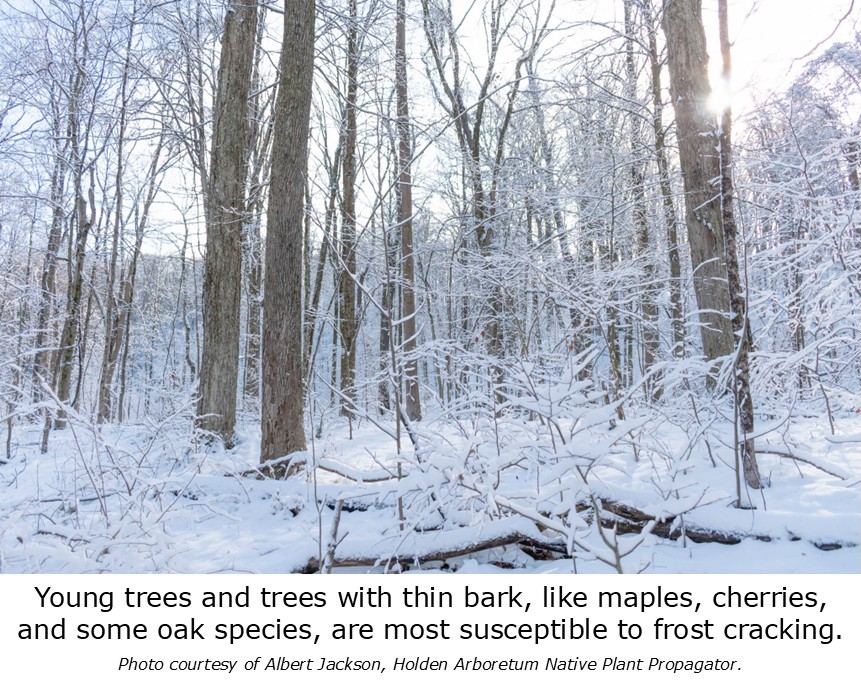
Occasionally, the quiet stillness of a cold winter’s day in the woods will be abruptly interrupted by a loud BANG. One might attribute the sound to a gunshot during the hunting season, but sometimes it is the result of trees adjusting to extreme temperature changes. Many deciduous trees are prone to frost cracks, vertical splits in the wood and bark resulting from stress to wood tissue from cycles of warming and cooling.
A tree’s trunk can warm significantly throughout the day, especially when exposed to bright sun from the south or southwest. As temperatures drop overnight, the outer bark cools and contracts faster than the wood beneath it. This contraction creates pressure and tension that can be powerful enough to split the wood fibers. The split can happen suddenly, causing a sharp "bang" sound, best described as the pop from a firework.
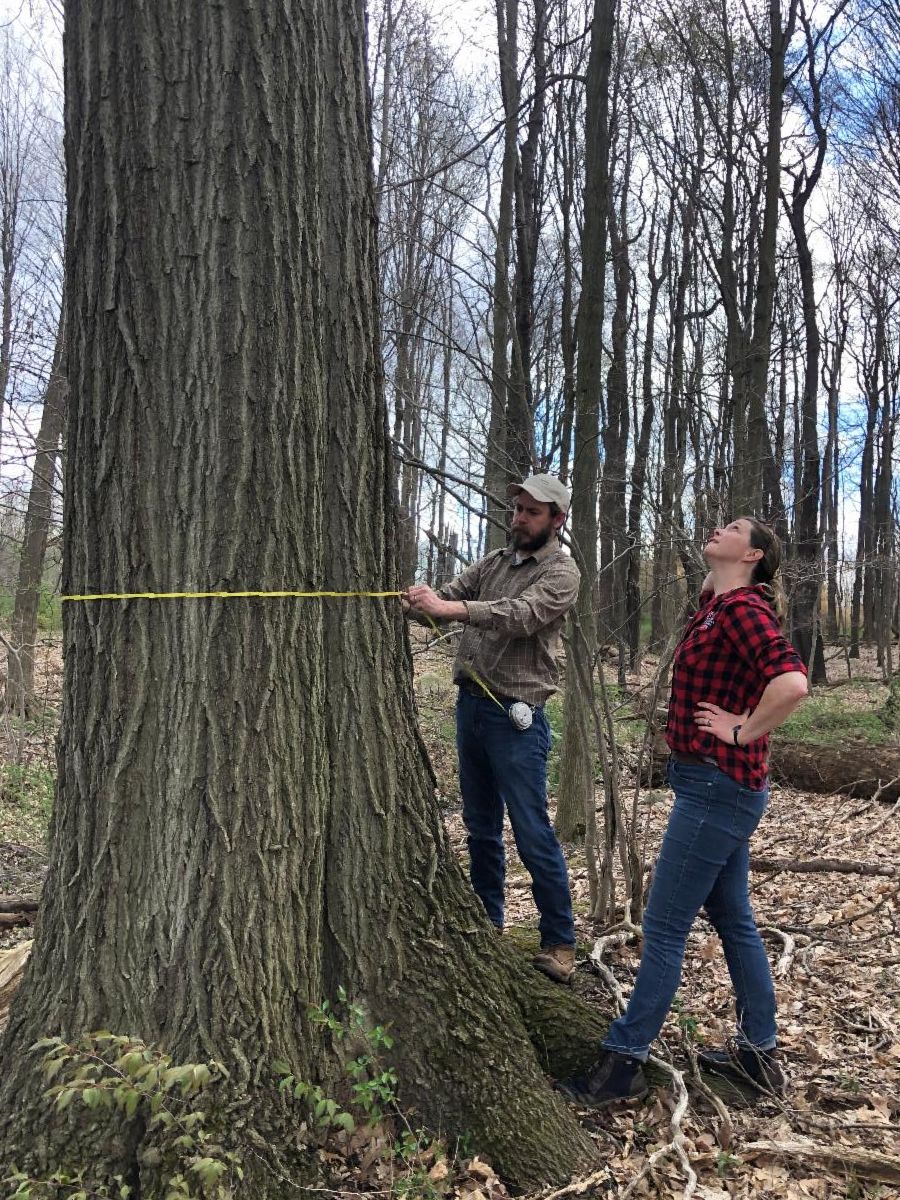
Young trees and trees with thin bark like maples, cherries, and some oak species, are most susceptible to frost cracking. Wounds like frost cracks can serve as vectors for further health issues in trees such as disease, fungus, or insects. Many trees do grow new bark over frost crack wounds, though, leaving a vertical seam on the trunk of the tree. Foresters use external defects, like these scars, to draw insight into the history, health, and timber quality of trees.
| | |
Anna Carlson
Working Woods Outreach Coordinator
Our winters in Northeast Ohio tend to be snowy and icy, which presents the major challenge of keeping roadways clear. The solution in our neck of the woods? Salt.
During the winter season of 2023-24, the Ohio Department of Transportation used 362,341 tons of salt to clear snow and ice from 42,832 lane miles of road, equating to nine tons of road salt per lane mile.
While that number might initially feel shocking, it's actually the lowest amount of salt applied to Ohio roadways since the winter of 2014-15 (Clear Roads database). Why does it matter how much salt we're using on our roadways? Because the salt doesn't just stay on our roads or plastered to our vehicles. When snow and ice melt, the chloride from road salt washes into ditches, storm drains, groundwater, and waterways. In high enough concentrations, this chloride can stress aquatic wildlife like insects, amphibians, fish, algae, and the bacteria that keep our streams healthy and beautiful.
The good news is that there are avenues for addressing this issue like using only the necessary amount of deicer and choosing alternatives where possible. In Ohio, H2Ohio's Chloride Reduction grants have awarded more than $4.3 million to more than 80 communities across the state to combat the amount of salt that makes its way into our waterways. Folks are working hard to make sure our streams stay closer to their natural chemistry, even in the coldest months.
| | |
Jim Nemet
Cleveland Museum of Natural History Director of Wildlife
When the weather turns cold we tend to stay inside, bundle up, have some hot chocolate, or maybe even travel to a warmer place. Animals in our area have similar options - summed up in three words: Hibernate, Tolerate or Migrate. Surely there must be a song about this somewhere!
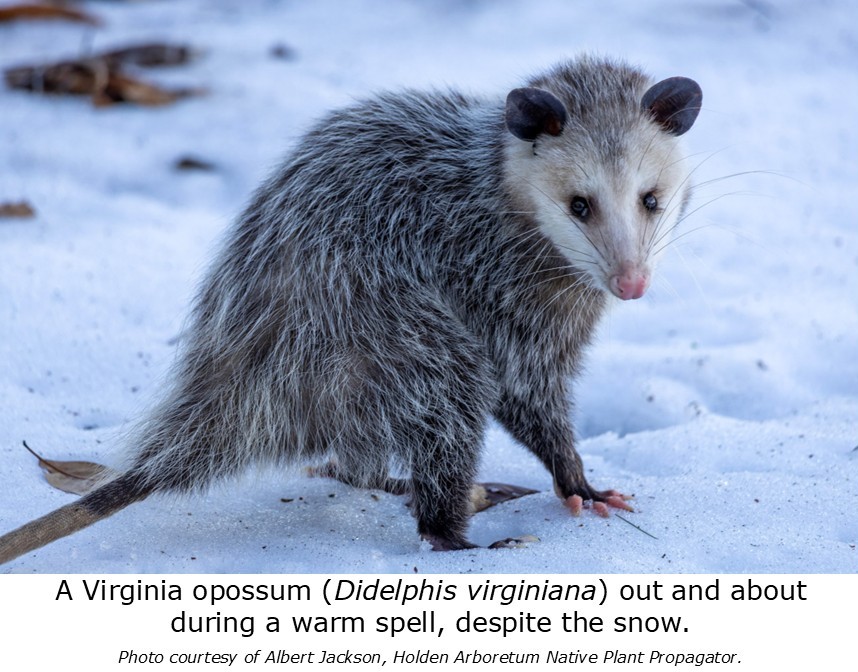
There are only a few mammals in our region that truly hibernate: jumping mice, little brown bats, and groundhogs. Other mammals take shorter winter naps when the weather is cold but come out to find food when it’s warmer. This is when we see critters like rabbits, opossums, chipmunks, skunks, and racoons.
There are various strategies to tolerate the winter. Mammals may put on extra body fat or grow a thicker coat while birds fluff out their feathers to trap air as insulation. It's common to see deer, coyotes, foxes, squirrels, blue-jays, cardinals, woodpeckers, owls, and raptors still out and about despite the chill.
Animals that migrate will move to warmer climes in search of food and better weather. The distance traveled varies greatly - some birds move a few states south but the Monarch butterfly will travel nearly 2,000 miles. If you haven't seen your favorite hummingbird in a while, don't worry - they'll be back come spring!
With the many strategies wildlife employ for surviving the winter, there's still plenty happening in our woods. When outside, look for tracks in the snow, watch for birds at feeders, or even visit a local nature center to see our native wildlife thrive this season!
| | | |
Woodland Wisdom
local & traditional knowledge about our woods
| | |
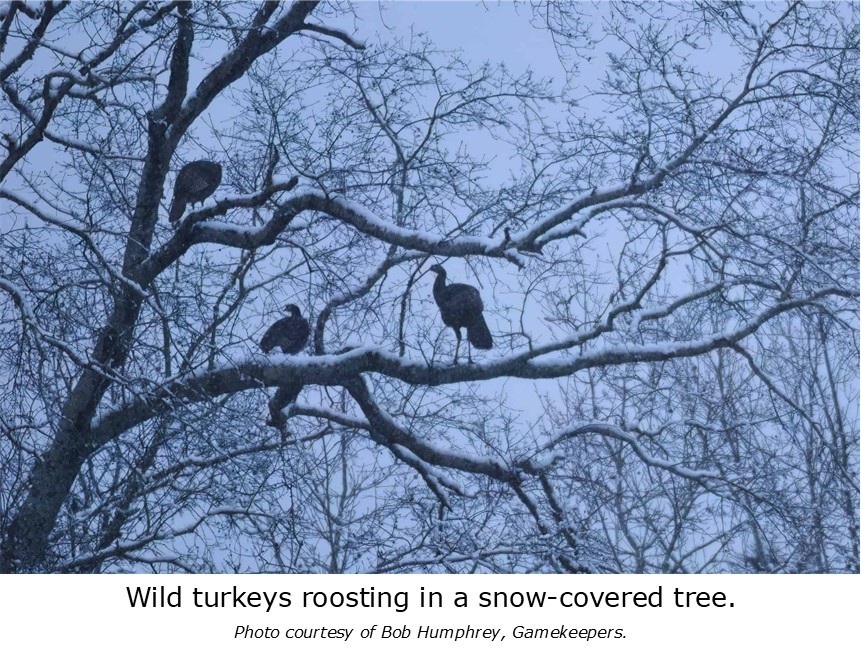
When high in the trees turkeys stubbornly stay,
Fluffy, white snowflakes are not far away.
| |
Chad Knisely
Holden Arboretum Natural Areas Biologist
Anna Carlson
Working Woods Outreach Coordinator
The Wild Turkey (Meleagris gallopavo) is a common gamebird throughout the United States and can be found in every state except Alaska. They spend much of their time foraging for food on the ground, but as the sun starts to set, groups of turkeys return to nearby trees to roost for the night. When the sun rises the next morning, they'll glide down from their overnight roosts to begin the day's foraging.
In the winter though, when fluffy, white snowflakes abound and temperatures plummet, turkeys can spend up to several days in their roost trees, moving between the branches and feeding on buds. When deep snow covers the ground, they'll stay up high, waiting for the snow to melt or for a crust to form that would enable them to walk along the surface of the drifts. When temperatures plummet, they fluff up their insulating feathers and reduce their movement to conserve warmth.
So when turkeys linger stubbornly amongst winter branches, it likely isn't a sign of storms to come, but instead a reflection of the snow and cold that's already arrived. Learn more about how turkeys weather the winter and ways conservation efforts can give them a boost in this article from the National Wild Turkey Federation.
Interested in keeping local ecological knowledge alive? Keep an eye on bird behavior this winter and see how it correlates with the weather!
| | |
Holden Arboretum Consulting Forestry
Your partners in forest stewardship
Holden Arboretum Consulting Forestry is a professional consulting business that partners with landowners to meet their goals and manage their forests sustainably.
Proceeds aid in HF&G’s efforts to increase forest health, resilience, and biodiversity across the region.
Interested in learning how we can partner to achieve your goals? Email forestry@holdenfg.org or read more on our website.
| | |
Our mission is to empower people to manage, protect, and
create resilient forests in Ohio.
| | |
Was this newsletter forwarded to you?
Interested in subscribing and receiving our future mailings?
Sign up HERE!
| | | | |