The Lake Jackson Historical Association provides Education relative to the
History and Culture of Lake Jackson, Texas.
|
|
The History Museum and Plantation Site
continue to mix the OLD with the NEW
|
|
SAVE THE DATE
SATURDAY, SEPTEMBER 18
12:00-4:00 P.M.
|
|
Did you ever drive up to the Dairy Bar in your Ford Mustang or Pontiac Firebird? Were the guys sporting mop tops and shags or the girls wearing mini-skirts? Were you on a softball team that it sponsored, or do you remember when the place burned? Bring your memories; come celebrate the Dairy Bar’s service to the community through seven decades. The shindig starts at 12 noon and lasts ‘til 4:00 on the grounds of the Historical Museum. Activities inside and out.
DJ “Bino G” will be spinning the discs. Dairy Bar co-owner Mary Harnden will recount the restaurant’s history at 2:00 p.m. There will be hotdogs and lemonade galore. Take home a commemorative cup. Come by and make another memory!!!
|
|
NEW .................................................BUT OLD
|
|
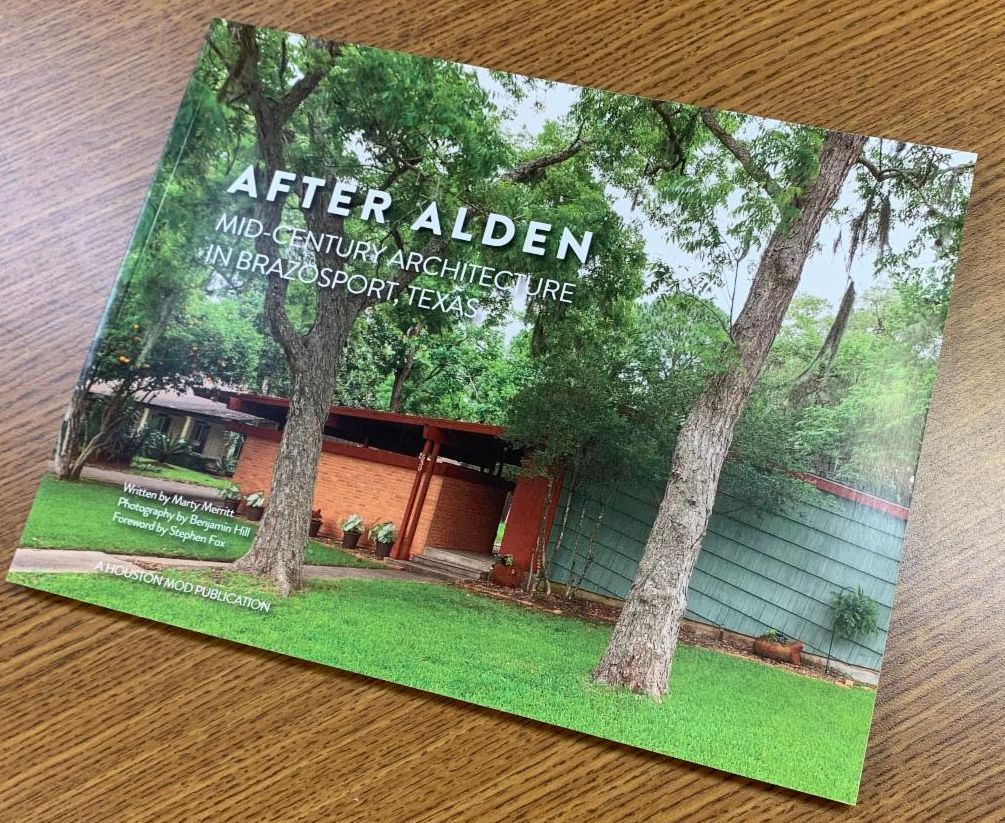
The gift shop at the Historical Museum has reopened!! Marty Merritt’s beautifully photographed book, After Alden: Mid-Century Architecture in Brazosport, Texas, is now on sale. Merritt, who grew up in Lake Jackson, showcases many local homes and commercial buildings reflective of post-WWII architecture which reaches beyond the era of Alden B. Dow. The gift shop also features history books of Lake Jackson, Dow Chemical, the Karankawas, and area plantations. Popular souvenirs include a This Way/That Way key chain and a Windecker Eagle lapel pin. A variety of old-fashioned toys and games are in stock.
|
|
OLD …………………. CURIOUS COLLECTION |
|
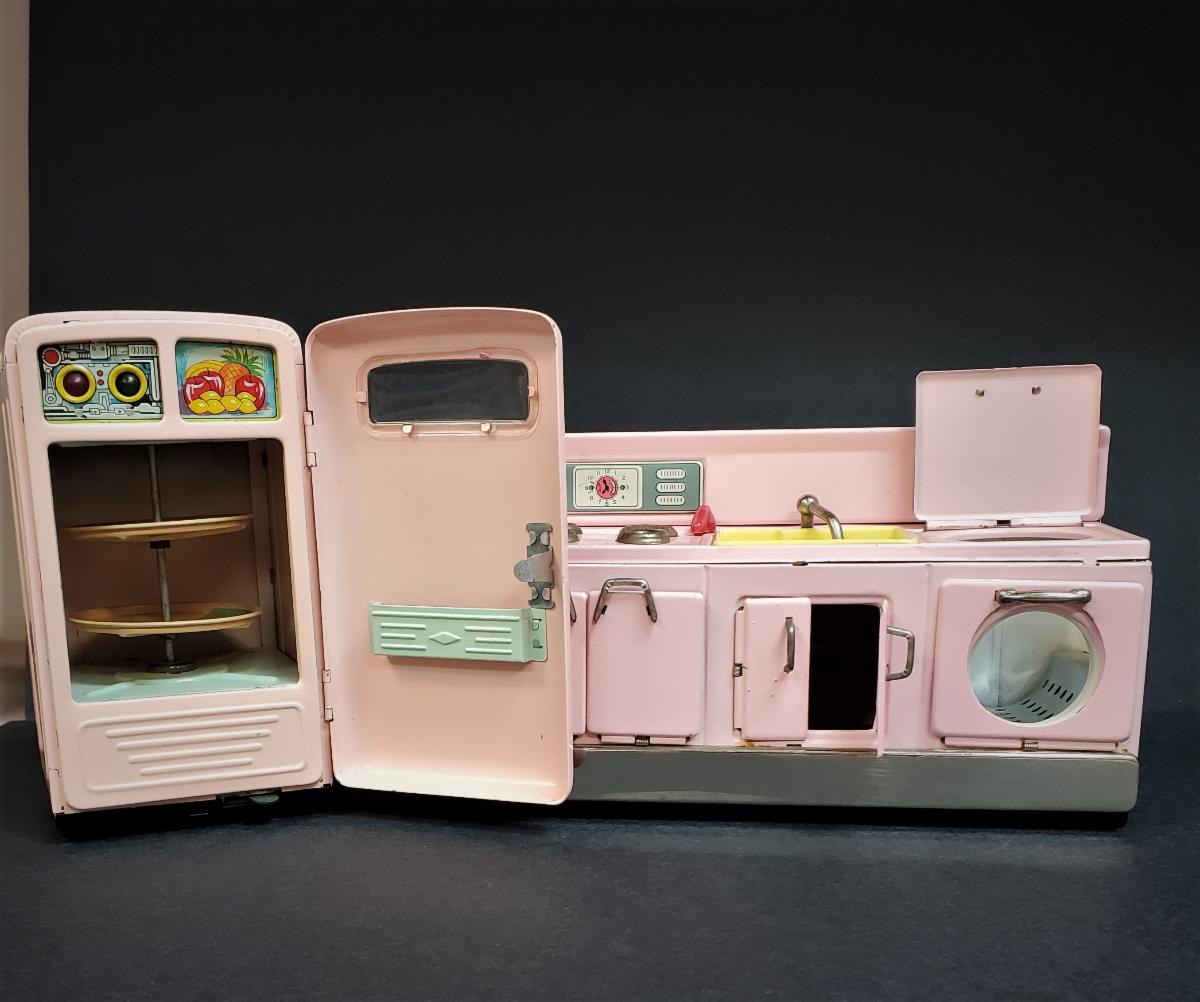
As a young girl in the 1950’s, Delia Wall Hoskins played with this pink refrigerator and stove/sink/oven set. According to her best recollection, these mechanical toys, operated by battery, were a gift from her Uncle Lee. He owned an appliance store in nearby Richmond, Texas, where Delia loved to play saleslady. Thus, his present at Christmastime fit her fantasy to a tee.
These items, which Delia is gifting to the museum, are similar to the tin toys massed produced in the early 1800’s. Made from thin sheets of steel and overlaid with tin, they were originally painted by hand and then by chromolithography. Due to their inexpensive and durable qualities, tin toys replaced those made of wood. Early on, Germany was the leading producer of tin toys. After WWI, however, cries of “made in America” and anti-German sentiment catapulted U.S. manufacturers into prominence. Production was short-lived, being halted during WWII because resources were needed for the war effort. When production resumed in the 1950’s, England and Japan became leading producers. But, the 1960’s saw the demise of tin toys, as plastic became the material of choice and government regulators questioned the safety of tin.
|
|
|
|
Members of Lake Jackson Troop 325 watch as new bricks are placed on the Jackson Plantation Historic Site pathway. One addition honors Julian Moreno who achieved the rank of Eagle Scout in June, 2020. The other commemorates the life of Jayar Fausto and his work with the scouts.
Pave the walkway to the museum or the Jackson Plantation Historic Site with a personalized brick. Order a Brick here.
|
|
OLDIE BUT GOODIE
RIVERSIDE COUNTRY CLUB
|
|
Jack Reid, an early businessman in Lake Jackson as well as an avid golfer, named his daughter Pala Ann Reid (initials “PAR”) – saying it would be the only “par” he would ever have! Jack loved the game of golf and was a charter member of Riverside Country Club.
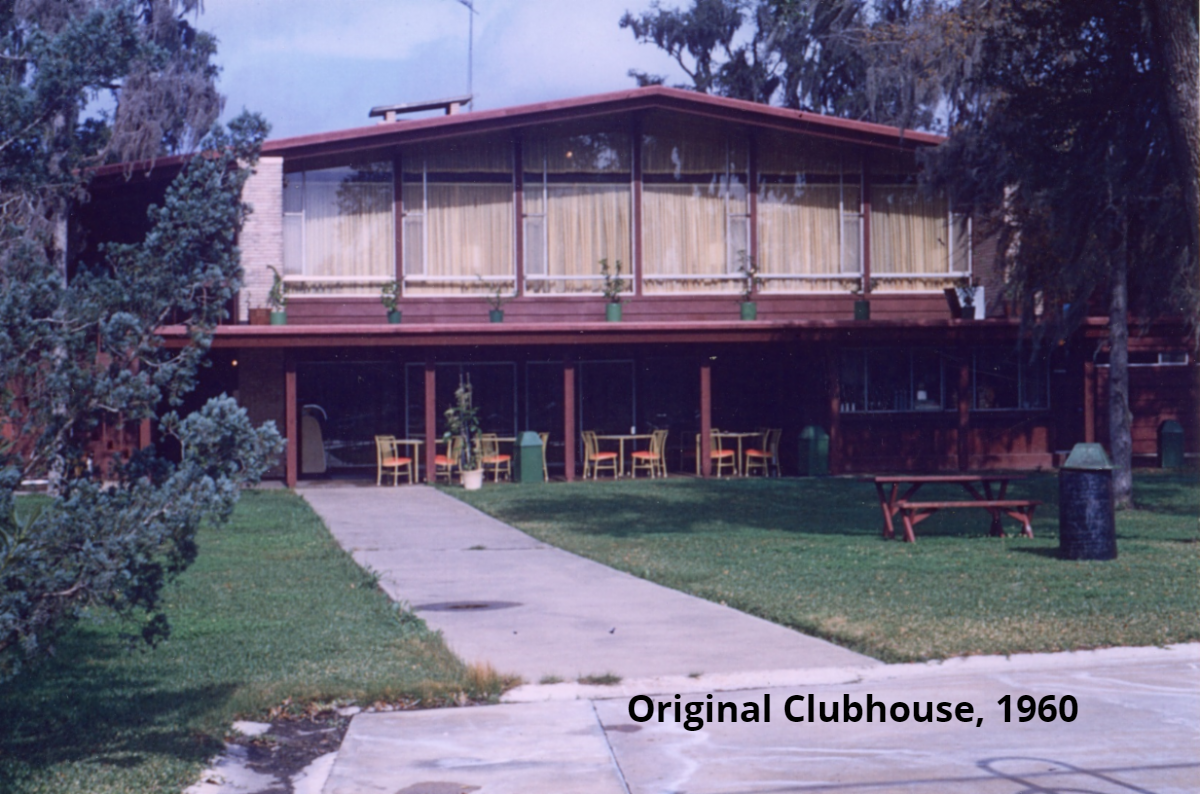
Riverside had its beginnings in 1955, when three golfers, Dr. Alan Stewart, Dr. Gerald Perryman, and Ted Walker, decided that driving 30 minutes to the nearest golf course in Old Ocean was just a little too far! They gathered a group of about 100 interested people and developed a plan to start a golf course and recreational facility in Lake Jackson. The plan was to have a membership of 500, an initiation fee of $500.00 and monthly dues of $20.00. The original cost of the clubhouse, golf course, swimming pool, and other facilities was $250,000. A lucky break came to the group when Dr. A. P. Beutel agreed to sell land owned by The Dow Chemical Company for $1.00 per acre – said to be the deal of the century. In June, 1957, the swimming pool was finished and the first nine holes shortly thereafter. The grand opening was October 3, 1957, and was quite the affair, with a big band coming down from Houston. Unfortunately, about 10 years following the opening, the clubhouse was destroyed by fire, but a larger one was built in its place and opened two years later.
|
|
Riverside flourished for close to 50 years, providing all types of recreation. The golf course attracted top golfers from the Houston area, who would come down to play in the Member-Guest and Club Championship tournaments, saying it was a “diamond in the rough”. A write-up of the course described its layout: “Riverside is flat with narrow, tree-lined fairways and average-sized greens. The highlight here is the spectacular, peaceful setting on the shores of Brazoria Lake and the Brazos River. Spanish moss covers the trees and the lake divides the course in half, coming into play on 10 holes. The course is loaded with bridges that enable golfers to traverse the lakes, jumping from tee to green hole after hole.”
|
|
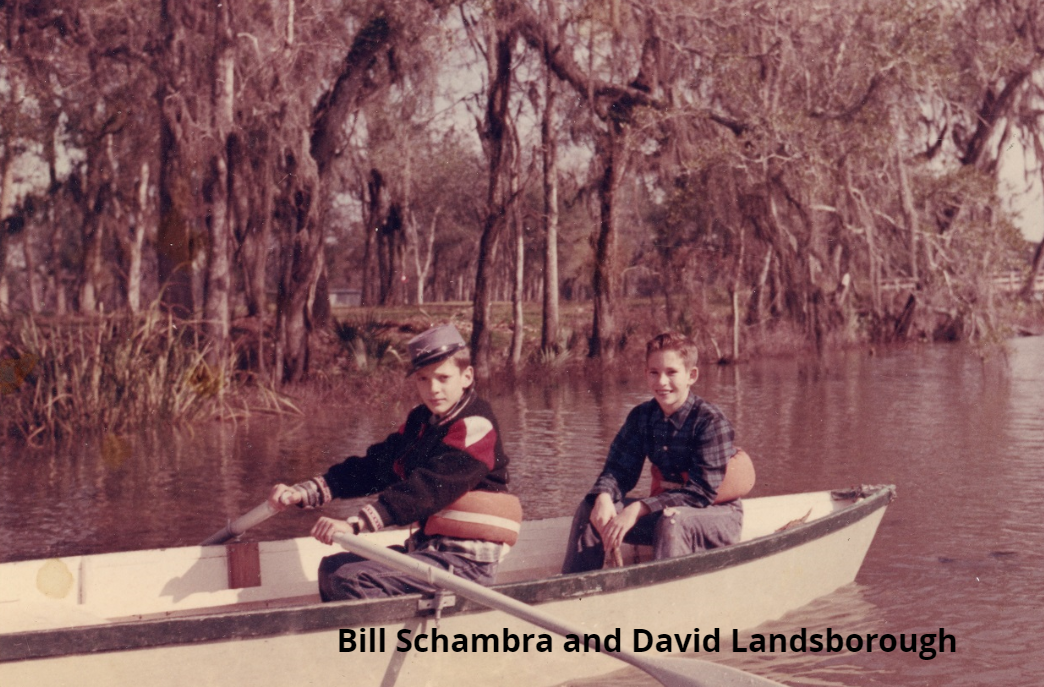
Besides the golf course, there was a large ballroom for formal gatherings, and dining facilities supported by expert chefs named “Blue Bell” and “Johnnie Mae”. The teenage boys would bring them fish they had caught in the lake in exchange for a delicious Riverside hamburger, which gave the Dairy Bar hamburger a run for its money!
The tennis courts, swimming pool, lake with a dock and boats, and the bar which featured live music from local groups provided entertainment for all members of the family. A local resident, Marvin Rod, who enjoyed Riverside for over 25 years likened it to Bushwood Country Club from the movie “Caddyshack”, saying “it was an old traditional Country Club, with a golf course, locker rooms, a restaurant, lake, and delicious food – just an all-around great place with so much to do!”
The only drawback to the Riverside Country Club golf course, as Jack Reid would have told you, was that “It was closed on Mondays!”
By Frances Hammond
|
|
I am sure everyone will be happy to hear that the Alden B. Dow Office Museum (ABDOM) Restoration project is about to ‘break ground’! The Association has committed to the construction firm, Noble Building and Development, LLC. Watch for construction to begin in the next few weeks. The Lake Jackson Historical Association was originally formed by a group of concerned citizens, some 40 years ago, for the purpose of preserving the unique building. That makes this project even more significant for the organization, as we move toward reopening the building as a museum. It is an important achievement not only for the Association but also for the community! ABDOM, as we now refer to it, was not only the architect’s office as he designed the city but also served as the first city hall and first post office as well as giving numerous businesses their start. It is a big win for the City of Enchantment to preserve its iconic midcentury modern place of origin, and the Lake Jackson Historical Association is very proud to be making that happen. It is not too late to add your name to the list of supporters and help preserve Lake Jackson history! Contact me if you would like to be part of the historic milestone: director@ljhistory.org
|
|
Trivia Answer:
Architect Raymond Burroughs designed the
Lake Jackson History Museum in the 1990's.
New Trivia Question:
What event in 1972 put Lake Jackson on the national map?
|
|
A Special Thank You to Our July Contributors
Marc and Kathy Lee Davis, Jeff and Susan Laver,
Marty Merritt
|
|
David Thomas
Executive Director
|
|
Angela Villarreal
Curator
|
|
Deborah Duty
Marketing Coordinator
|
|
|
|
|
|
|