The Lake Jackson Historical Association provides Education relative to the
History and Culture of Lake Jackson, Texas.
|
|
The Museum will be closed Thursday, December 23, Friday, December 24 and Saturday, December 25. |
|
The History Museum and Plantation Site
continue to mix the OLD with the NEW
|
|
ALDEN DOW OFFICE .........................UPDATE
|
|
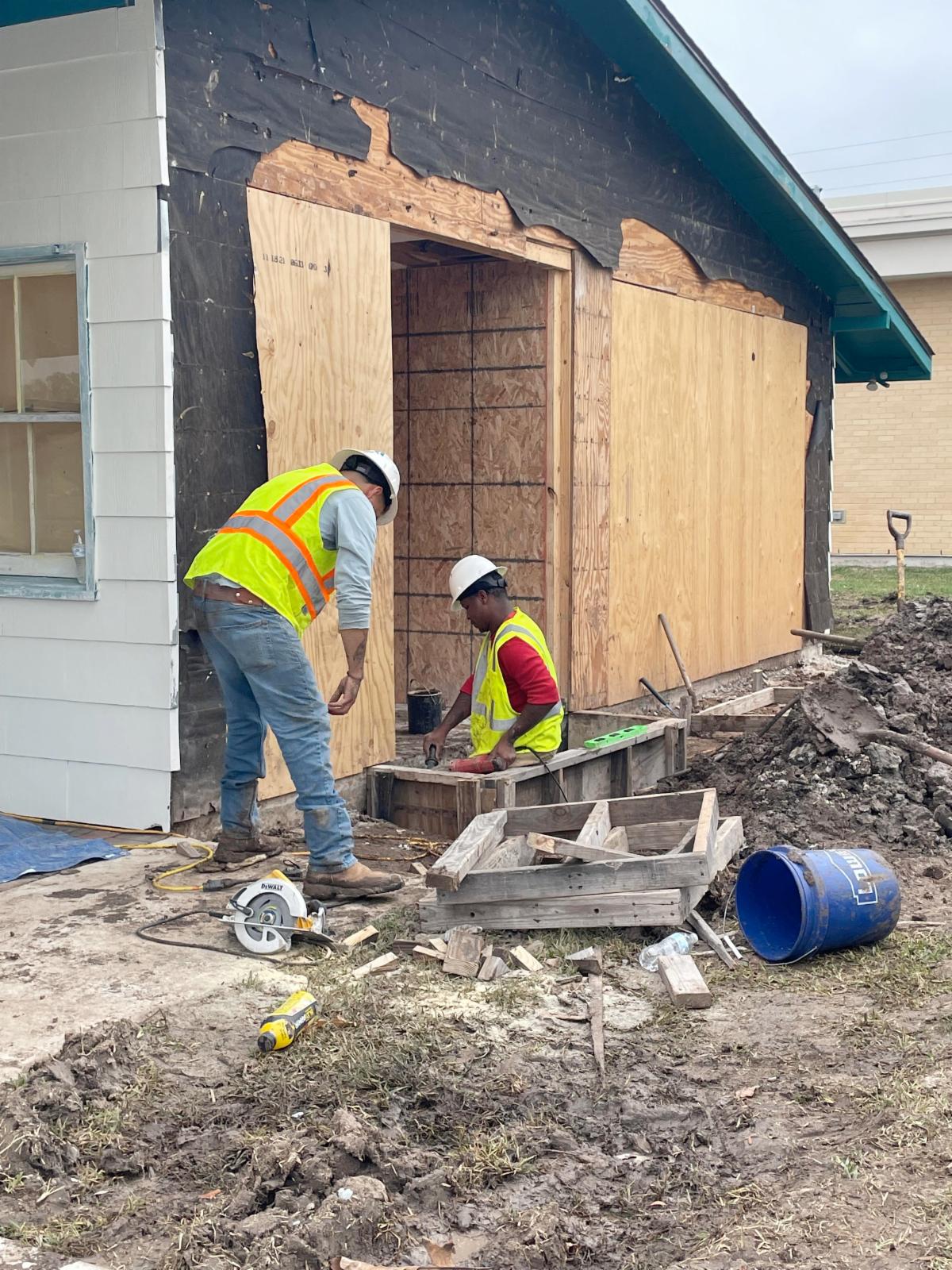
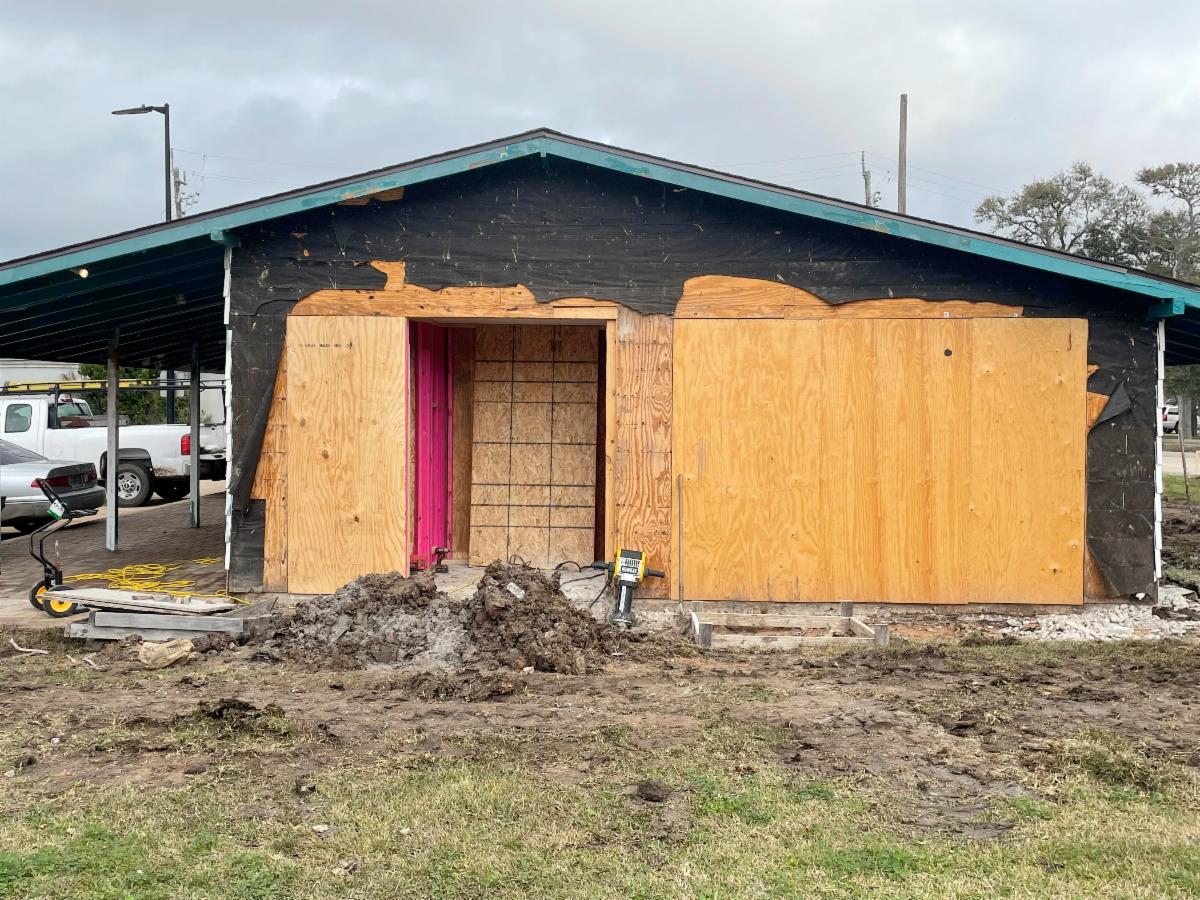
An ADA compliant bathroom is being added to the building’s south end. |
|
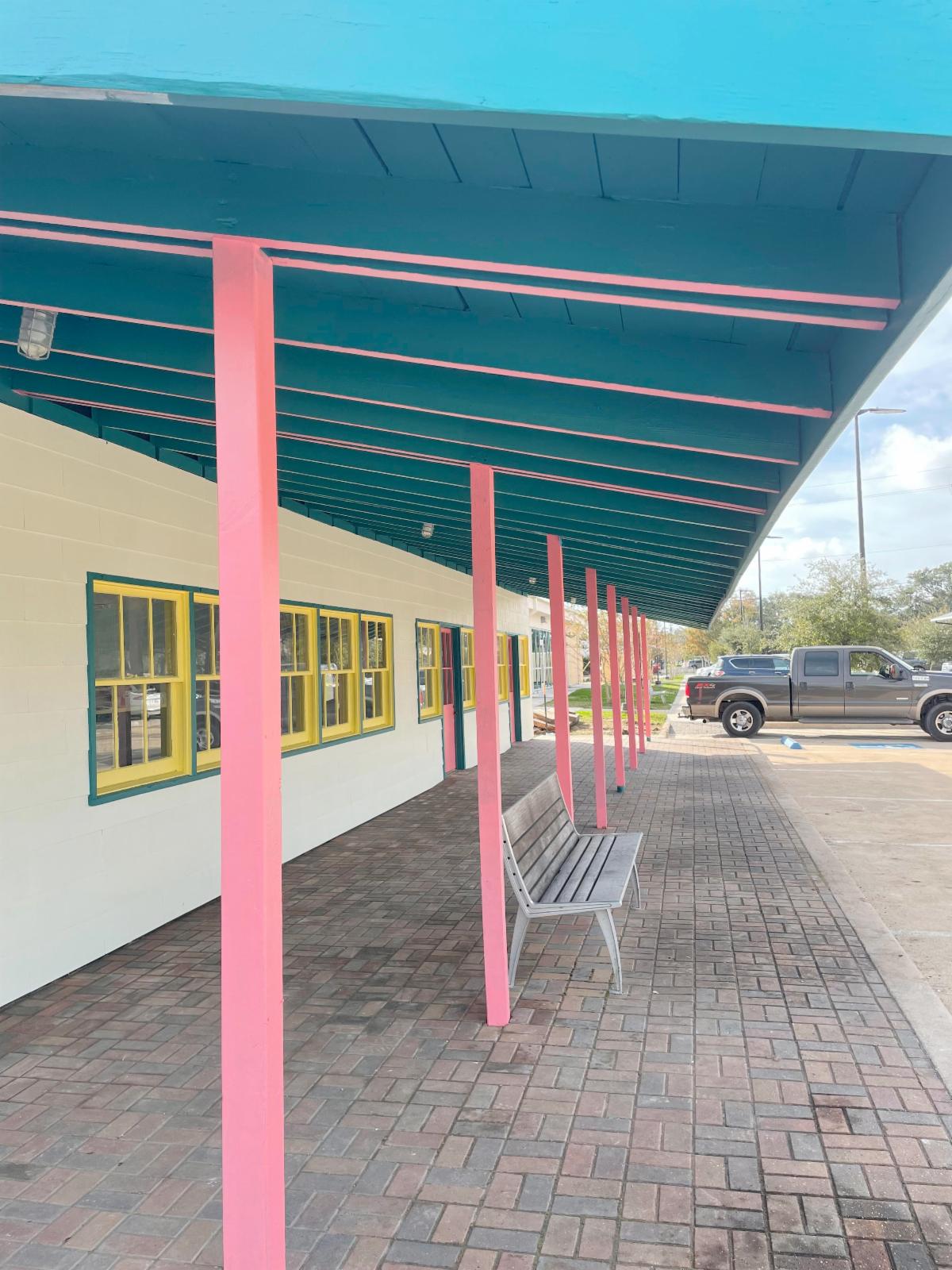
The columns on the front loggia have been restored to their original color, coral essence. |
|
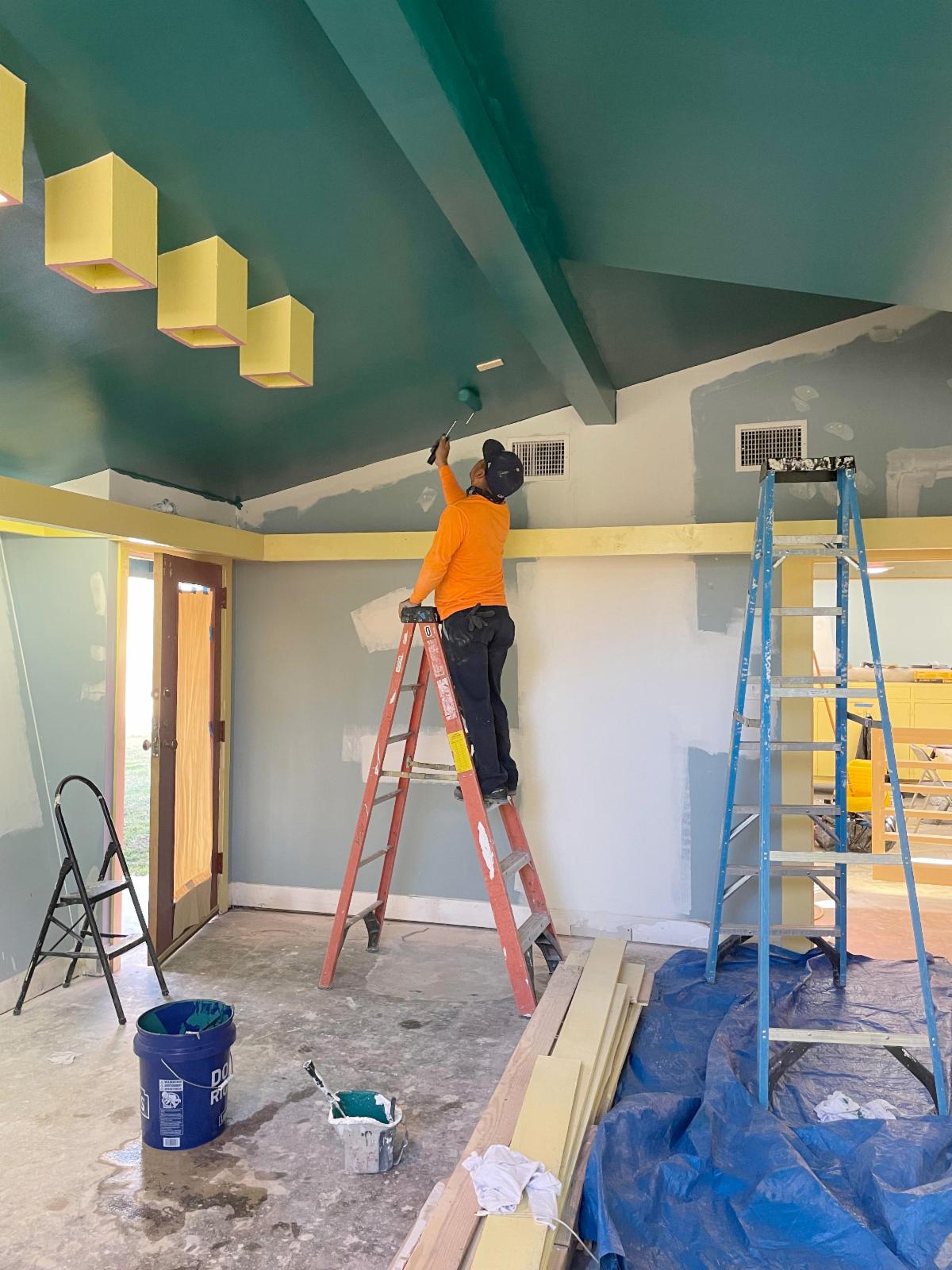
The ceiling of Alden Dow’s architectural office has been restored to its original color, tropical turquoise. |
|
Rotten window framing has been replaced by a structurally sound south wall. |
|
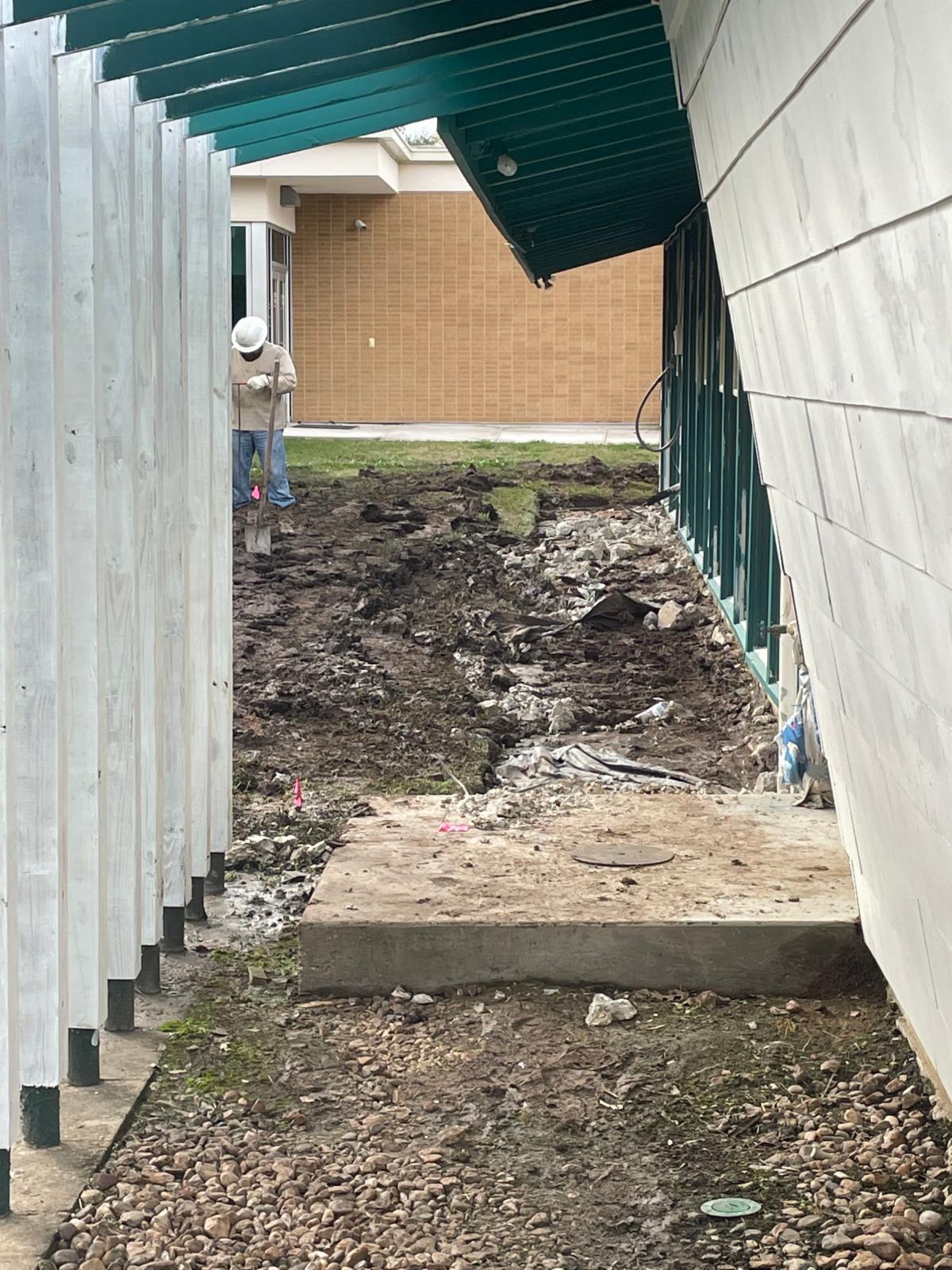
The sidewalk and A/C unit located on the building’s east side have been removed to facilitate improved drainage. |
|
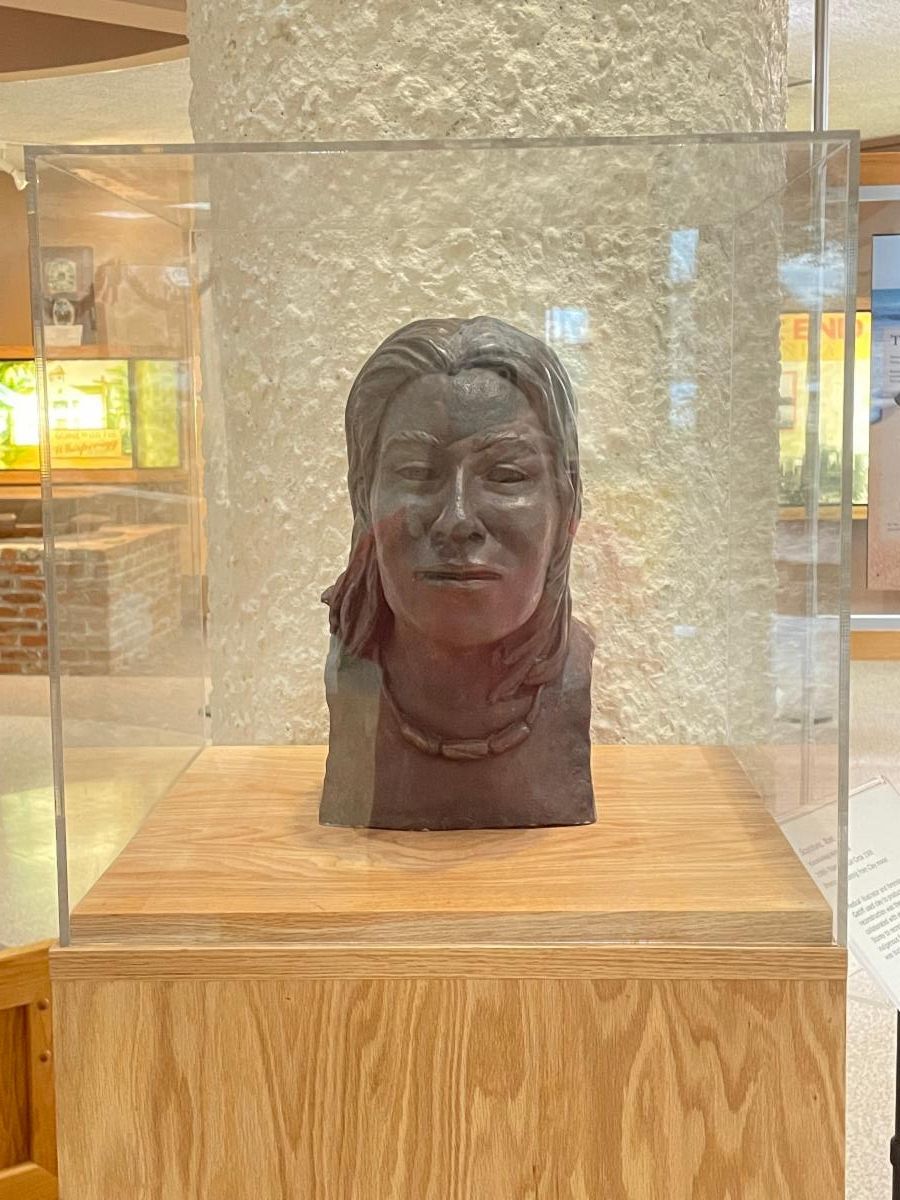
Meet the History Museum’s recent acquisition and latest addition to its Karankawa exhibit. This bronze bust of a Karankawa/Akokisa young woman was created in 1988 by Betty P. Gatliff, a medical illustrator and forensic sculptor.
The bust was a result of a find by the Houston Archaeological Society (HAS). In 1962, HAS excavated a skull exposed during construction work on Jamaica Beach, West Galveston Island. Scientists determined that it belonged to an 18-20 year-old woman believed to have died during pregnancy or childbirth about 1500 A.D.
In collaboration with anthropologist Dr. Rebecca Storey, sculptor Gatliff used clay to recreate the young woman’s features on the skull. The clay model was then cast in bronze. Now, in the museum, the bust sits on a stand built to represent the presumed height of the Karankawa native.
(The skull remains at the Houston Museum of Natural Science.)
Other new Karankawa artifacts complementing the bust are also on display for the first time in the museum.
|
|
OLD ITEM..........Curious Collection
|
|
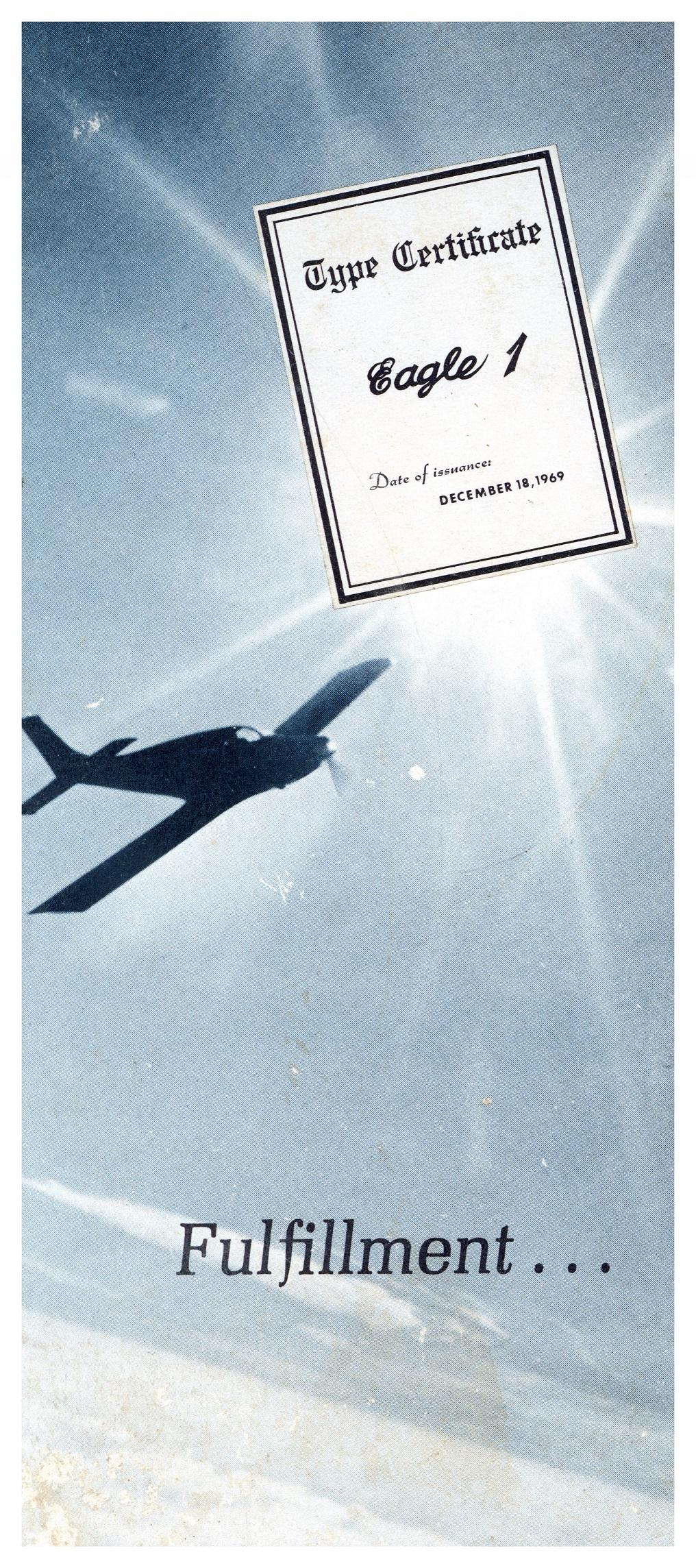
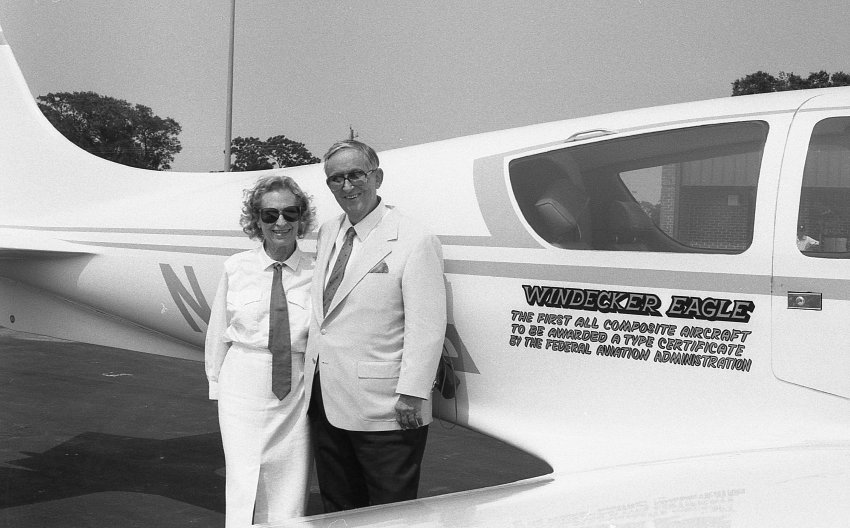
During Christmas 1969, local dentist and inventor, Leo Windecker, was flying high, as indicated by his holiday greeting card. On the cover, he announced “type certification” for his Eagle 1 aircraft. “Type certification” meant that the plane had met Federal Aviation Administration design standards for airworthiness, noise, fuel venting, and exhaust emissions.
Windecker’s fascination with aviation dated back to his boyhood days when he built model airplanes. As an adult, his interest was rekindled when a dental patient introduced him to Styrofoam from the Dow Chemical Company. With the endorsement of Dow Research Supervisor Malcolm (Mac) Pruitt and a partnership with Dow, Windecker, his wife, and three sons began the manufacture of airplane wings from composite plastics. Composite, or reinforced plastic, was characteristically strong as well as lightweight. Ultimately, the Windeckers used one type called Fibaloy to construct an entire plane. To their surprise, they found it to be undetectable by radar. Their aircraft piqued the interest of the Army and Air Force and led to the development of the stealth bomber.
Not only did the Windecker plane contribute to military research, but it also played a significant role in the 1973 Transcontinental Powder Puff Derby. The Dow sponsored team composed of pilot Joyce Wyche and co-pilot Stephanie Vickory achieved the best average speed of 203 mph.
The plastic plane was never mass produced because aluminum became aviation companies’ material of choice. Fortunately, the History Museum houses an original, N4195G, which Leo and Fairfax Windecker flew to the Brazoria County Airport in 1988, for the purpose of donation. In addition to the plane, the museum offers two simulators for the public to “fly high” and enjoy.
|
|
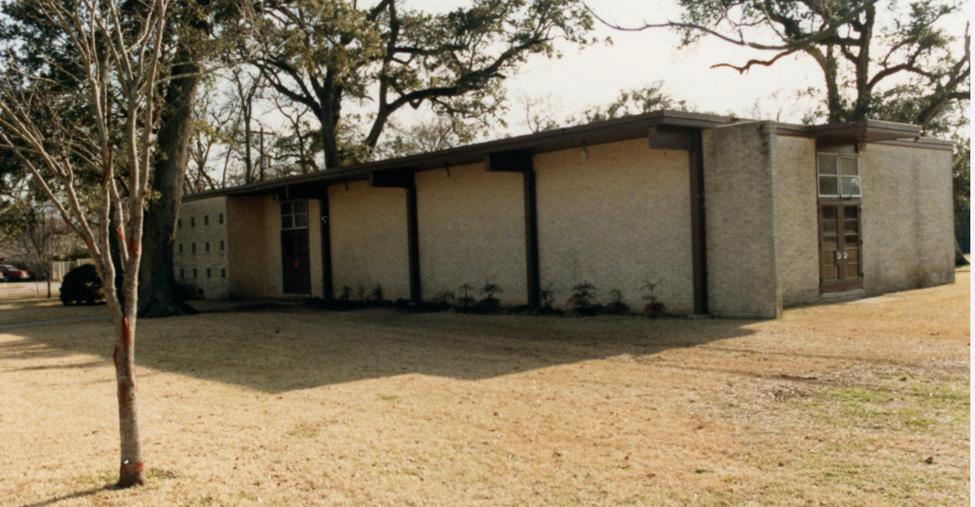
Weddings, birthday parties, reunions, dances, movie nights, and baby showers have all been held at the little community house located on the corner of Narcissus and Center Way. But it almost didn’t get built. In a Lake Jackson bond election on October 19, 1957, JASMINE HALL was approved by a narrow margin, 187 for, 153 against. Local officials did their best to persuade the nearly 9,000 residents to come out and vote FOR the bond election – as quoted in the October 17, 1957, Brazosport Facts, "...it is the moral obligation of every voting citizen of Lake Jackson to participate in this favorable decision.”
Construction of the 2,000 square foot facility began in 1957, at a cost of $25,000 and was built in the southeast corner of wooded Jasmine Park. Early descriptions of Jasmine Hall describe the exterior as having cream-colored hollow brick, turquoise wooden trim near the roofline, and an exposed steel structure on the outside which was painted maroon.
The inside of the building had a 30 by 60 foot room with an additional storage closet for tables and chairs and a 16 square foot kitchen. The kitchen cabinets were constructed of magnolia wood and were connected to the main room by a door and a pass-through with a large, wooden folding door. White Formica flecked with gold specks covered all the countertops. Blue heavy plastic plates and flatware to serve 80, along with serving utensils, were all provided.
|
|
There were also two storage rooms: one for table and chairs which were provided and one for organizations who met there on a regular basis to store their items. The 100 chairs which were supplied had blue metallic frames and wooden seats, and the 8 matching 8-foot long tables had wood-grain plastic- coated tops.
Jasmine Hall was dedicated during an Open House family affair on Sunday, September 26, 1958, from 3-7 p.m. Citizens were told to wear sports shirt attire, and that cookies would be provided by Mrs. J.E. Walston. I pause to contemplate how many cookies this lady needed to make for such an event. Let’s hope she recruited some help.
For the remainder of 1958, Jasmine Hall had some type of booking on nearly every day. According to the Brazosport Facts, “Reservations are taken at Lake Jackson City Hall. The present policy is no charge for use of the facility, and each group who uses the building is expected to have it ready for the next group who uses it.”
Over the next few years, Jasmine Hall was utilized for every type of event, and in the summers, there were teen dances and movie nights held on Friday nights. In 1961, the tennis courts were completed.
|
|
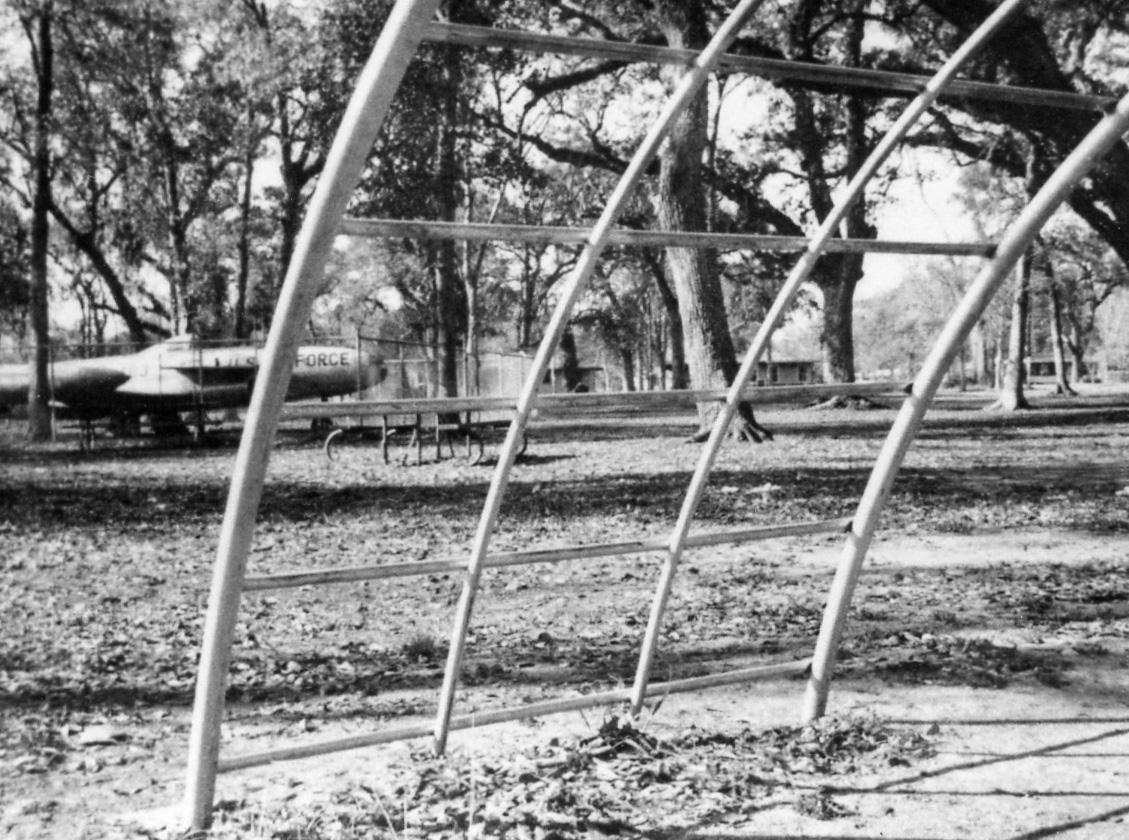
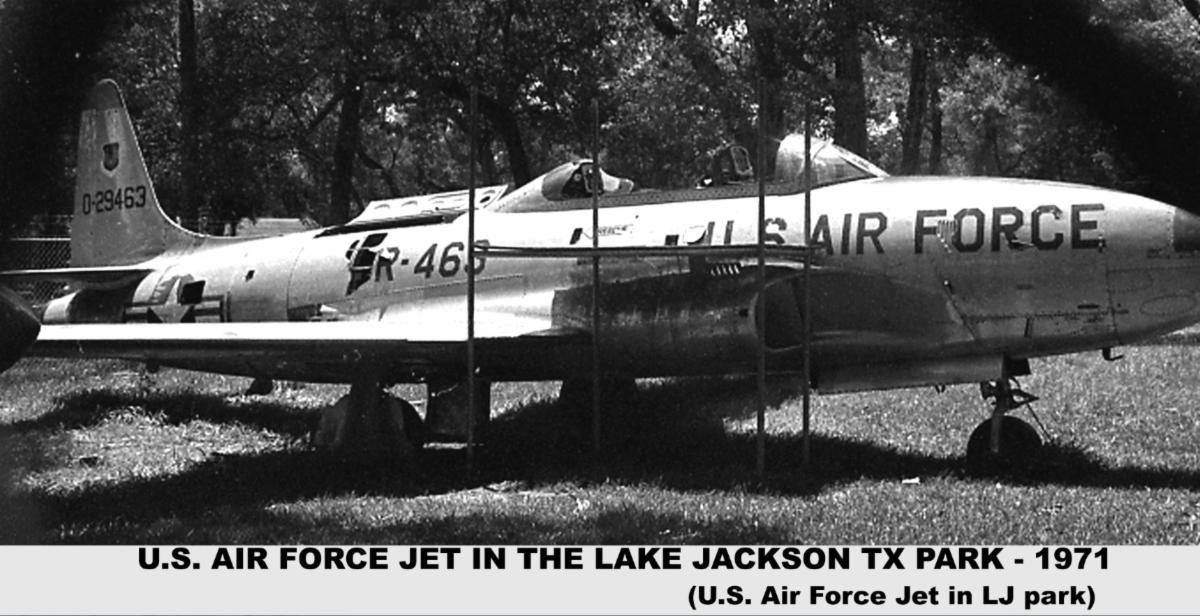
Adjacent to Jasmine Hall was Jasmine Park, which had lots of playground equipment, none of which you will see today due to safety concerns! These included seesaws, jungle gyms, and a merry-go-round. But, in my view, the most interesting and memorable “toy” at Jasmine Park was the U.S. Air Force jet which we could climb on and make up all kinds of stories! The jet was located in the park during the late 1960’s and early 1970’s.
Jasmine Hall has gone through some updates and renovations through the years, but it remains a beautiful, quaint, neighborhood-located community house, which is still hosting weddings, baby showers, and birthday parties!
by Fran Hammond
|
|
PLANTATION...........................A BIRD'S EYE VIEW |
|
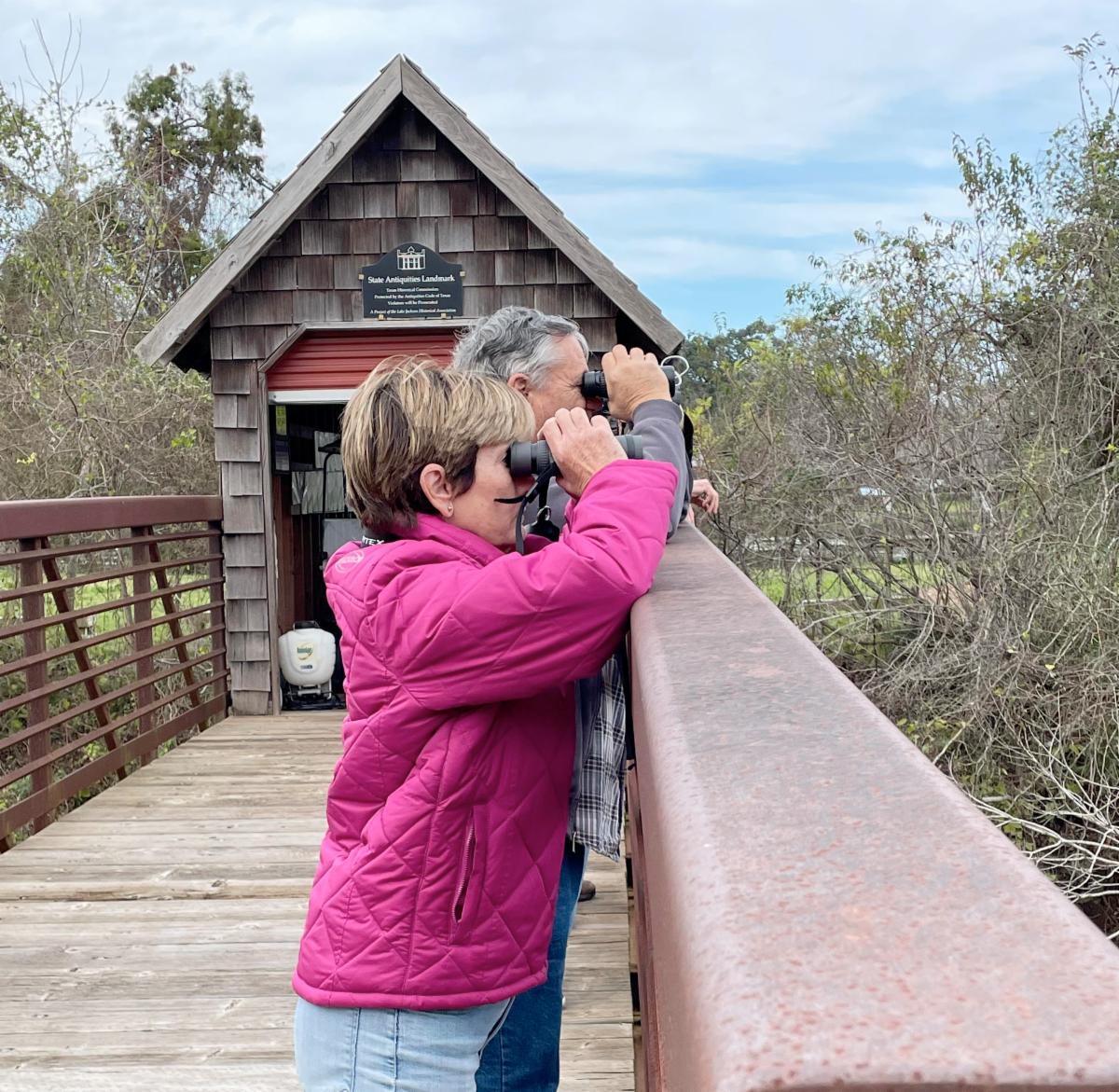
About 15 different bird species were spotted at the Jackson Plantation Historic Site during the annual Freeport Christmas Day Bird Count conducted this past Sunday, December 19. According to Tom Morris, local birder, Freeport began participating in the nationwide Audubon Bird Count in the 1950s. And for 20 years during the 1970s-1990s, the Freeport Count recorded the highest number of bird species, approximately 226. Currently, Matagorda County holds the title.
The Freeport Count consists of about 10 areas within a 15-mile diameter, the center being near the village of Oyster Creek. Jones Creek, Clute, Lake Jackson, and Freeport, as well as the Freeport jetties and Dow plants A and B are within these confines. The Jackson Plantation sits on the northern edge of the Count. Some 100 birders with binoculars and checklists in hand took part in the all-day event. They recorded a total of 195 species.
THE JACKSON HISTORIC PLANTATION SITE WILL BE OPEN
SATURDAY, JANUARY 1, 2022.
|
|
|
|
Members of Lake Jackson Troop 325 watch as new bricks are placed on the Jackson Plantation Historic Site pathway. One addition honors Julian Moreno who achieved the rank of Eagle Scout in June, 2020. The other commemorates the life of Jayar Fausto and his work with the scouts.
Pave the walkway to the museum or the Jackson Plantation Historic Site with a personalized brick. Order a Brick here.
|
|
A Word from the Executive Director |
|
Some of you may remember that in the June newsletter, I announced a new addition to the museum’s Karankawa Exhibit. At that time, I also shared plans to have these new items on display and open to the public by the end of summer. Unfortunately, the best laid plans sometimes go awry. I am very pleased to announce that the exhibit has finally been completed and is now open for all to enjoy! So, please, make plans to visit the museum and see it.
It is with sadness that I have to make another announcement: The first week of January will be my last as your Executive Director. I have truly enjoyed my time and work here at LJHA and will miss it. This is a great area with unique and intriguing history and LJHA is perfectly situated to preserve and share that history. The organization has tremendous potential and has only begun to fulfill it. LJHA is well poised to become a leading history organization and destination for the State of Texas!
I hope that you will all continue to follow the organization and see what terrific work is being done. Please continue to support LJHA, and the endeavors of the organization, every way that you can. This is your organization, your history, and it is with your support that amazing things are going to happen!
Thank you for making my time here such a great experience. Thank you for your support of LJHA and your appreciation of the value of history. I wish you all the best and hope you have the happiest of holidays.
David Thomas
LJHA Executive Director
|
|
Trivia Answer:
The first Festival of Lights was held 32 years ago on November 17, 1989.
New Trivia Question:
Before the arrival of the Spanish explorers, what domestic animals did the Karankawa have, and what was unique about them?
|
|
Thanks to LJHA's Most Recent Contributors
BASF, Jan Stein and Humanities Texas
|
|
Funding has been provided to LJHA by Humanities Texas and the National Endowment for the Humanities (NEH) as part of the Federal ARP Act. |
|
David Thomas
Executive Director
|
|
Angela Villarreal
Curator
|
|
Deborah Duty
Marketing Coordinator
|
|
|
|
|
|
|