Funded by the Ohio Department of Education |
|
Welcome to the 2021 - 2022 school year! We hope you had a relaxing and rejuvenating summer with family and friends.
In this issue, we have gathered many resources to guide you through the return to school. We hope you find them helpful.
The Student Wellness Department of the Educational Service Center of Northeast Ohio looks forward to partnering with you for a successful year ahead.
|
|
45 min. online role-play simulation / self-paced & private
|
|
Student Wellness Free Trainings |
Friday, August 13, 2021 (Zoom)
8:30 AM - 10:30 AM
Tuesday, October 5, 2021 (In-Person)
9:00 AM - 12:00 PM
Tuesday, October 9, 2021 (In-Person)
9:00 AM - 11:00 AM
|
|
Virtual - Free
August 26, 2021, from 6:00 PM -7:30 PM
September 24, 2021, from 10:00 AM - 11:30 AM
Live virtual and pre-recorded sessions
October 14-15, 2021
Virtual
$50 registration fee
October 26, 27, & 28, 2021
|
|
The Role of SEL in Reintegrating to
In-Person Learning:
6 Tenets to Guide Your Transition Plan
As your district prepares to reintegrate students to in-person learning this spring and fall, you are likely thinking about ways to smooth the transition for students, staff, and family members.
Reopening and transition plans will take shape differently in every district. However, with everything that students and adults across the country have been through over the past year, it's clear that social-emotional learning (SEL) must be prioritized due to the impacts of the pandemic.
Social-emotional learning can foster a safe, supportive, and equitable environment that grounds students. It can also create the conditions for students to be able to access academic learning when they're back in the physical classroom.
|
|
How to Set Priorities This School Year
As schools across the country reopen with a combination of remote and in-person learning, many parents are wondering how they’re going to make it all work. Between complex school schedules, parents’ own work responsibilities, and the ongoing stress and uncertainty of the coronavirus crisis, the reality is that this year will be very different and, many parents worry, very difficult.
|
|
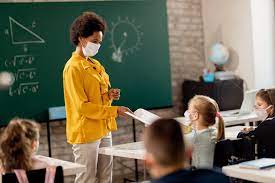
7 Tips for Educators Returning to School During COVID-19
When COVID-19 restrictions ease, students and educators must adapt and prepare for a return to school. School staff will need to support students in the transition back to the classroom, and at the same time manage their own transition and anxiety.
|
|
Planning for a Pivotal School Year
A K-12 Leader's Guide to Get Ready for 21-22
Schools across the country are poised to come roaring back to full life this fall.
How hard will it be for some students to re-acclimate to full-time, in-person learning? How must teachers adapt instruction for the moment we’re in? How can schools be ready to address the widening social-emotional and mental health needs of students and employees? And after saving education from complete collapse in the pandemic, how will schools evolve their use of educational technology and remote learning for new realities?
|
|
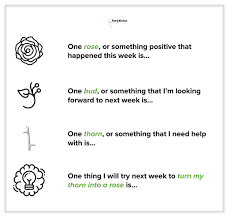
"Rose, Bud, Thorn" Activity and Worksheet for School-wide Implementation
"Rose, Bud, Thorn" is a reflective exercise that prompts students to identify positive moments and pinpoint areas where they need support.
Typically used in schools or classrooms as a recurring daily or weekly ritual, "Rose, Bud, Thorn" can help educators promote social-emotional learning (SEL) skills—from empathy to social awareness, to mindfulness, to gratitude. Adults can also engage in and model the "Rose, Bud, Thorn" activity for students.
During the 2021-22 academic year especially, educators are searching for effective ways to check in on students' well-being, get to know students, and support students during the transition back to school buildings. "Rose, Bud, Thorn" can be an easy way for teachers to support and guide learners through transitions associated with the pandemic.
|
|
Preparing for Back-to-School Success
If it’s manageable, try to create a transitional period between schoolwork and home life to create a more positive atmosphere. Scheduling fun activities for evenings and weekends, like a game night or a hike, can also provide the relaxation and sense of connection that will help your child focus and learn during the school day.
Even just planning quick, regular check-ins can make a big difference. That bit of planning gives the child confidence that you’re facing these new challenges together, and it provides a built-in time for them to come to you with any concerns as the school year goes on.
|
|
How Schools Can Help Kids Heal After a Year of 'Crisis and Uncertainty'
This pandemic has been stressful for millions of children. Some have lost a loved one to COVID-19, and many families have lost jobs, their homes and, even reliable access to food. If that stress isn't buffered by caring adults, it can have lifelong consequences.
|
|
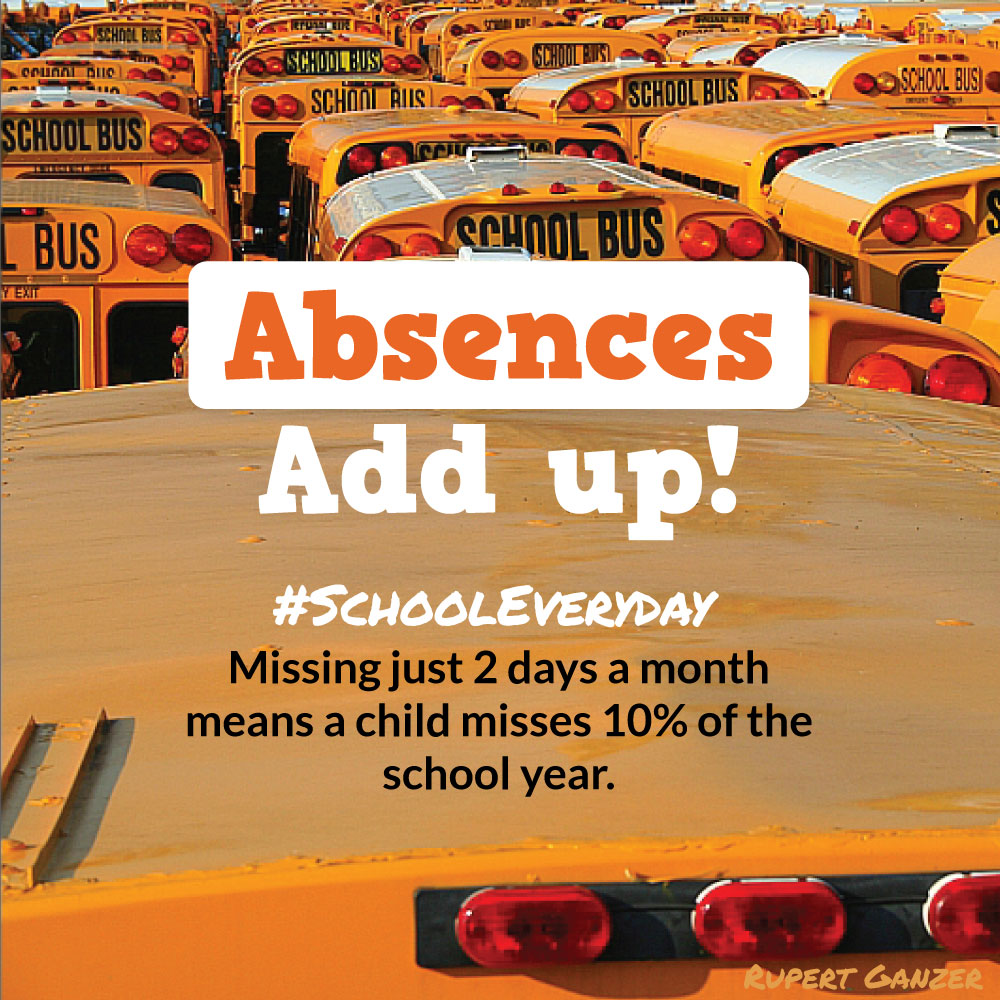
Summer transitioning to Fall is an opportune time to focus on attendance. Students are more likely to attend school if they feel safe, connected, and supported. Chronic absenteeism is the leading cause of inequity, and the rate of chronic absenteeism is steadily rising.
To begin your Pathways to Engagement, please see the resources below to get you started:
- The School Attendance Mediation Program
- The School Attendance Mediation Program was designed, in collaboration with the Cuyahoga County Juvenile Court, districts, and the Educational Service Center (ESC) of Northeast Ohio, to address the root causes of truancy issues through early identification, mediation, and collaborative relationships. The program targets K-3rd grade students and their families (including any siblings or other family members living in the household who have reached the threshold) who are at risk or having truancy issues, as an intervention to reduce absenteeism.
- Seven school districts currently participate in the Attendance Mediation Program including Bay Village, Bedford, Brooklyn, Maple Heights, North Royalton, Shaker Heights, and South Euclid/Lyndhurst. With the collaboration of the Cuyahoga County Juvenile Court, districts, and the ESC of Northeast Ohio, the Attendance Mediation Program has been successful in reducing truancy by addressing underlying needs and problem-solving barriers to absence. A trained mediator from the Cuyahoga County Juvenile Court leads a non-partial mediation session guiding parties toward a resolution to address school attendance concerns. Barriers are identified and all parties help with linkage to support. This collaborative effort brings together all parties involved for a team approach.
If you are interested in more information or resources on attendance including individual or team consultation with our department, please contact Heather Corcoran at Heather.Corcoran@escneo.org or 216-525-2530.
|
|
Have You Planned a PBIS Kickoff Event?
Whether a school is just getting started with PBIS or has been implementing it for some time, holding a yearly kickoff for students, staff, and families is the best way to review expectations, generate excitement, and provide information on the overall program. A strong kickoff is especially important for the beginning of the 2021-2022 school year, to bring the school community together after last year’s extended closures. The event is frequently a high-energy all-school assembly that incorporates games, music, and, of course, the PBIS information to be communicated. Other options include a student or staff-produced video, a skit, lessons taught in locations around the school, or even a family picnic. Whatever the form, this is the time to share details about the building-wide acknowledgment system so students will start the year motivated to do their best. Don’t forget to find a way to include all staff (bus drivers, custodians, and lunchroom staff are often forgotten) and to follow up with a student/staff survey to inform improvements for future events.
House Bill 318
The Student Wellness Dept. of the ESC of Northeast Ohio can assist districts and buildings in meeting the requirements for HB 318. The deadline for training appropriate staff is November 2, 2021. For more information and whom to contact, please view this brief overview.
|
|
Throughout Ohio, you can text the keyword “4hope” to 741 741 to be connected to a trained Crisis Counselor. Data usage while texting the Crisis Text Line is free and the number will not appear on a phone bill with the mobile service carrier. People of all ages can use Crisis Text Line (www.crisistextline.org).
|
|
Educational Service Center of Northeast Ohio I www.escneo.org I 216-524-3000
|
|
|
|
|
|
|