|
In this month's issue:
- Letter from the Executive Director
-
Featured Project: Uhifadhi Wa Chui – Leopard Conservation Program
-
Staff Highlight: Philip Momanyi
-
Mpala in the News: In Conversation with With an Elephant Expert | Explore Live Events
-
Publication Spotlight: Spatial patterns of large African cats: a large-scale study on density, home range size, and home range overlap of lions Panthera leo and leopards Panthera pardus
| |
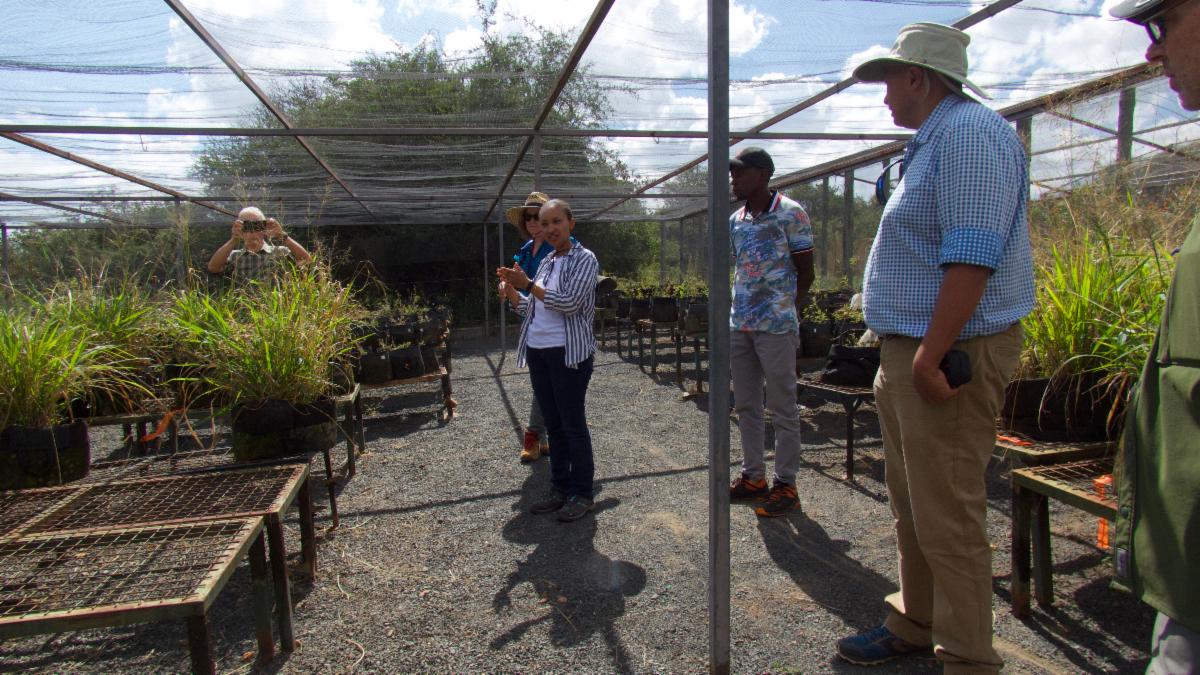
Aimee Gaitho, Lab Coordinator for the Insect-Plant Interaction Lab, showing visitors from the Turkana Basin Institute the project's greenhouses. | |
|
Dear Mpala Community,
Happy 2024! The Mpala team is excited to be back, and jumped straight into a busy January! We have a new team member, several groups and individuals visiting, and key infrastructure works happening.
We are thrilled to announce that Dr. Nina Wambiji has joined us as our new Chief Research Officer. She brings nearly two decades of research experience, having previously served as the Assistant Director for the Fisheries Department at the Kenya Marine and Fisheries Research Institute. We look forward to all that Dr. Wambiji will bring to Mpala.
This January, we had a full house. We welcomed a Princeton University STEM course and the Global Health Program, the Turkana Basin Institute including the Provost of Stony Brook University, former board member Laurel Harvey, the ForestGEO team, the Seismic and acoustic remote sensing of African elephants team, the Turkana Genomics team, and many more. We are currently hosting the Princeton University Provost and look forward to participating in the first ever Princeton alumni event in Nairobi on 1st February.
Some research highlights have included Harvard PhD student Lucrecia Aguilar starting to collar lions with Kenya Wildlife Service to research human-lion interactions, and the granting of export permits by WRTI for the Superb Starling Project.
There are key infrastructure upgrades that are occurring as well such as expanded wifi access at the canteen, road work, and we will begin breaking ground on our staff housing project.
We are excited to engage with you all, and we look forward to the year ahead.
Warm regards,
Dr, Winnie Kiiru, Executive Director
| |
Featured Project: Uhifadhi Wa Chui – Leopard Conservation Program | |
|
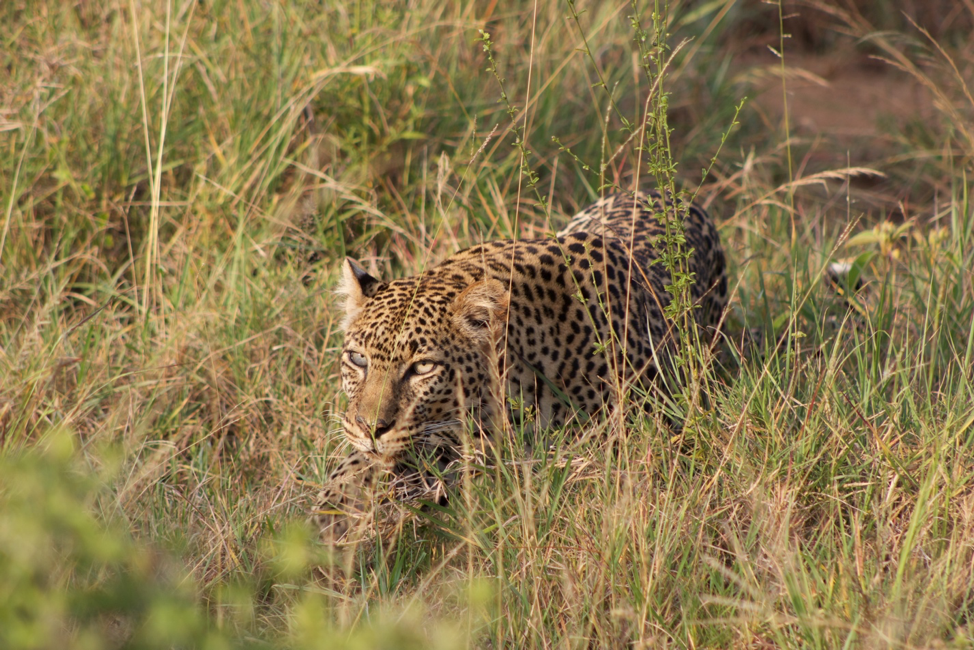
The 'Uhifadhi wa Chui' - Leopard Conservation Program was initiated in 2017-2018 by the San Diego Zoo Wildlife Alliance (SDZWA). The study focused on African leopards in Mpala, nearby conservancies, and communal lands, named Uhifadhi Wa Chui in Kiswahili, meaning Conservation of Leopards.
Uhifadhi Wa Chui is divided into two core objectives:
-
Population Status: Led by Dr. Nicholas Pilfold, PhD from San Diego Zoo Wildlife Alliance, a biologist with formal training in the population ecology of large carnivores.
-
Community Coexistence: Led by social scientists Dr. Kirstie Ruppert and Tomas Pickering, specializing in understanding human dimensions. Ambrose Letoluai leads community coexistence on the ground, and Laiyon Lenguya oversees the population aspect.
The team continues its long-term monitoring of leopards across northern Laikipia, identifying 17 long-term residents in Mpala. Recent observations include two family groups, with a cub roaming near its mother along the escarpment and a growing family near the airstrip, where the golden cub likely separated from the melanistic mother.
A closer look at melanism - Laikipia continues to surprise many; while little is known about the melanistic leopards in this region, we have 8, with Mpala hosting 2 resident black leopards. The upcoming genetic work on the collected hair samples of known individual leopards will bring us closer to understanding the prevalence of melanism in Laikipia. Over the past two years, we have observed 3 golden mother leopards giving birth to black cubs. The genetic study will be one of a kind, unraveling the proportion of golden leopards with the recessive gene and their relatedness or possible source. There are likely tradeoffs that black leopards may need to make in the savannah compared to their golden-coated counterparts, yet the ones we track appear to be very healthy, and diligently patrolling their territories.
The team actively participated in workshops and conferences, contributing to their growth as a sustained effort for leopard conservation in Kenya. Workshops and conferences included ICCB Rwanda, EarthRanger User Conference South Africa, WRTI’s first Wildlife Scientific Conference, guest lectures at WRTI campus, Digital Twin Workshop, and an inaugural Boma Intervention Best Practices Workshop in Naivasha with local NGOs and government agencies.
| |
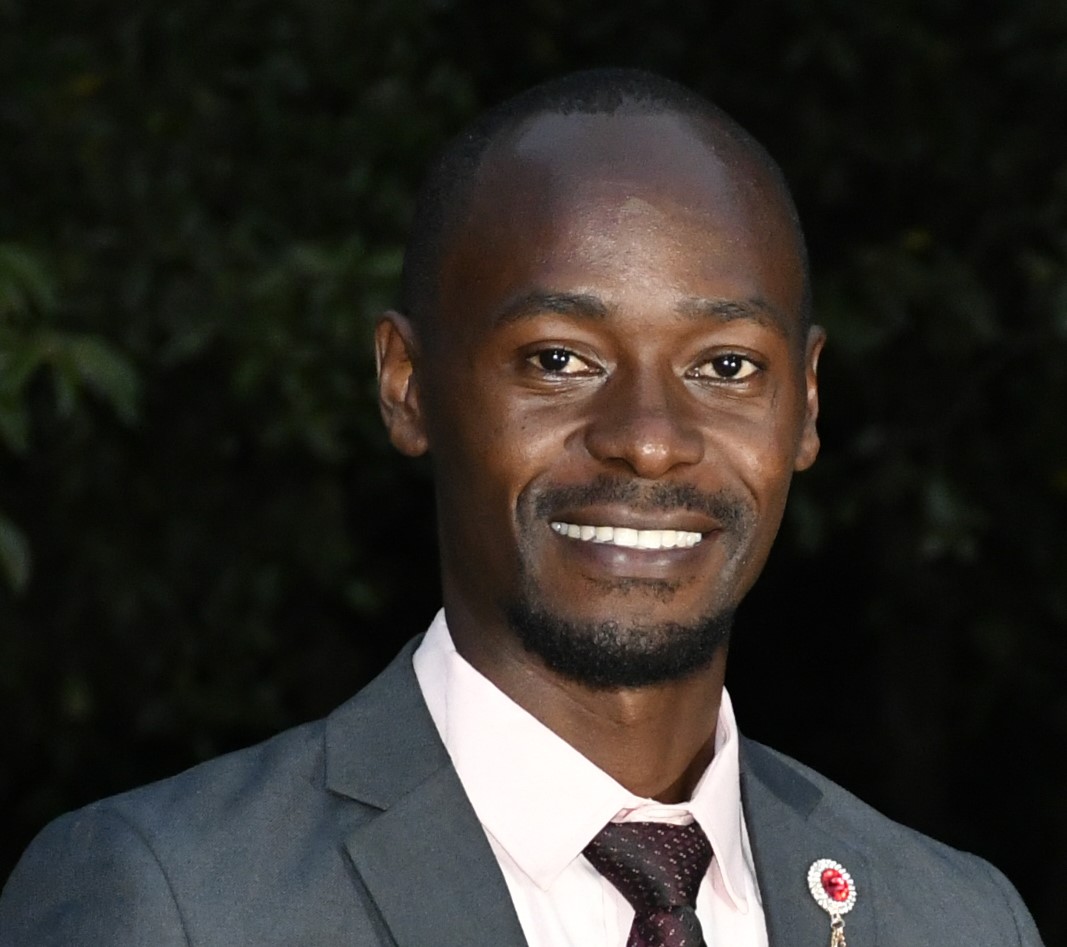
Mpala Staff Highlight: Philip Momanyi, Infrastructure Manager | |
|
Tell us about your background.
I am a professional civil engineer currently practicing at Mpala Research Centre and working as the Infrastructure Manager. I have a proven history helping top contracting and engineering firms attain engineering goals through adhering to a professional code of conduct and ethics, identifying and overcoming challenges and presenting workable solutions that have proved sustainable and reliable.
Throughout my 7 years' experience, I have mentored many junior engineers and propped them up to be leaders in various industries where they are serving as senior engineers. I joined Mpala at a time when it was transitioning at a breath-taking speed. At this point in time, there was a need to fill the gap of an engineer who would lead the institution, meet the infrastructure developments that were underway and ensure the pillars of scope, schedule, budget and time were in line with the organization goals.
Describe your role at Mpala.
I am currently working on a series of projects which are guided by our departmental Annual Work Plan. These projects include;
1. Mpala Masterplan
This project aims to provide a concrete and solid campus growth plan and a utility infrastructure plan for the next 10 to 30 years based on 4 principles: Sustainability, Conservation, Community and Connectivity. The consultant is currently working on draft reports which when approved will provide the paraphernalia necessary to build the Masterplan document.
2. Staff Housing Project.
This project is aimed at addressing issues of equity and inclusivity by closing the gap between the traditional housing structure that poses colonial questions and the modern researchers' housing structure that is well fitted with amenities such as water, power and ICT. The project is currently in the design stage and set for groundbreaking on the 29th January 2024. The project is expected to house 120 staff members and research assistants in communities which are well supported with water supply, stable power, ICT facilities, recycling water system, biodigester waste management system, proper water storage reservoirs and a proper electric fence.
3. Mpala Roads Maintenance Project.
The project commenced on 4th January, 2024. The project has two phases covering a total of 150 km of road. The first phase is to cover 86 km of gravelling, grading and drainage works. The second phase will cover the remainder of the road.
Why Mpala?
Working at Mpala has been an eye opener in terms of research and community engagement. Apart from being a living laboratory, Mpala is contributing greatly to humanity and society by continuously maintaining engagement with the neighbouring communities. Being an altruistic, I strongly believe the words of Henry Ford, '... The only history that is worth a tinker's dam is the history we make today.' I wouldn't be creating history at Mpala unless I was part of the community engagement story. Engaging the community members in infrastructure casual work, supplying them with fresh water, mentoring primary school children and attending their cultural activities are some of the activities bringing life to the relationship Mpala has with its surrounding communities.
What impact do you believe your time at Mpala will have on your professional career?
As an engineer, Mpala has many construction projects underway. As the lead technical person, I am excited to pen my name in the history books of Mpala as having brought to life the Mpala dream of equity, sustainability, conservation and community. Most of the infrastructure projects coming up are meant to provide utilities that meet the current needs in the most sustainable way with minimum pollution, contamination and adulteration to the environment. These innovative ideas will greatly soar my engineering skills to meeting the SDG goals and list me in the award winning team of the most innovative engineers.
| | |
Executive Director Dr. Winnie Kiiru recently answered questions from the audience of Explore.org. You can watch the conversation at the link below. | |
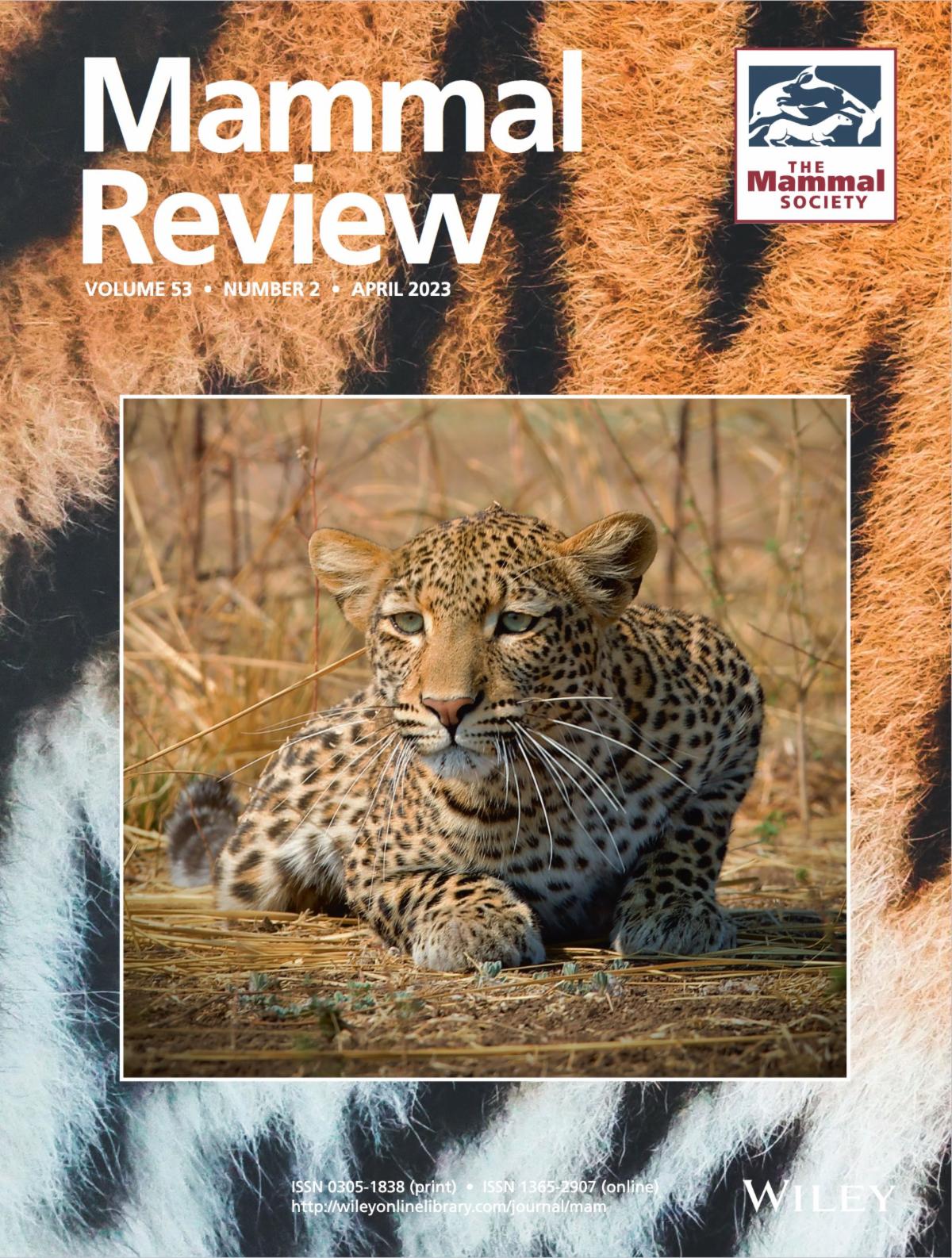
Featured Publication: Spatial patterns of large African cats:A large-scale study on density, home range size, and home range overlap of lions Panthera leo and leopards Panthera pardus
| | |
|
|
Mammal Review, Volume 53, Issue 2, p. 49-64
Co-authors: Nams, V. O., Parker, D. M., Weise, F. J., Patterson, B. D., Buij, R., Radloff, F. G. T., Vanak, A. T., Tumenta, P. N., Hayward, M. W., Swanepoel, L. H., Funston, P. J., Bauer, H., Power, R. J., O’Brien, J., O’Brien, T. G., Tambling, C. J., de Iongh, H. H., Ferreira, S. M., Owen-Smith, N., … Beukes, M.
Spatial patterns of and competition for resources by territorial carnivores are typically explained by two hypotheses: 1. the territorial defence hypothesis (when food is abundant, carnivore densities will be high and home ranges small) and 2. the searching efficiency hypothesis (overlap of home range is largest when densities of African cats are the lowest). The results of this paper did not support the territorial defence hypothesis for lions or leopards. Lion prides increased their home range overlap at conspecific lower densities whereas leopards did not. By contrast, the unique leopard dispersal strategies led to less overlap at lower densities. However, when human-caused mortality was higher, leopards increased their home range overlap. Although lions and leopards are territorial, their territorial behaviour was less important than the acquisition of food in determining their space use.
| | |
Mpala Research Centre supports interdisciplinary research on the most pressing issues of our time, particularly those related to the environment, sustainability, and human development. Every donation contributes to strengthening research at Mpala and building the next generation of African scientists and scholars! | | |
Follow us on social media. Share this newsletter with friends! | |
|
Looking for other ways to support Mpala?
Contact us at info@mpala.org
| | | | |