Orchids by the Lake


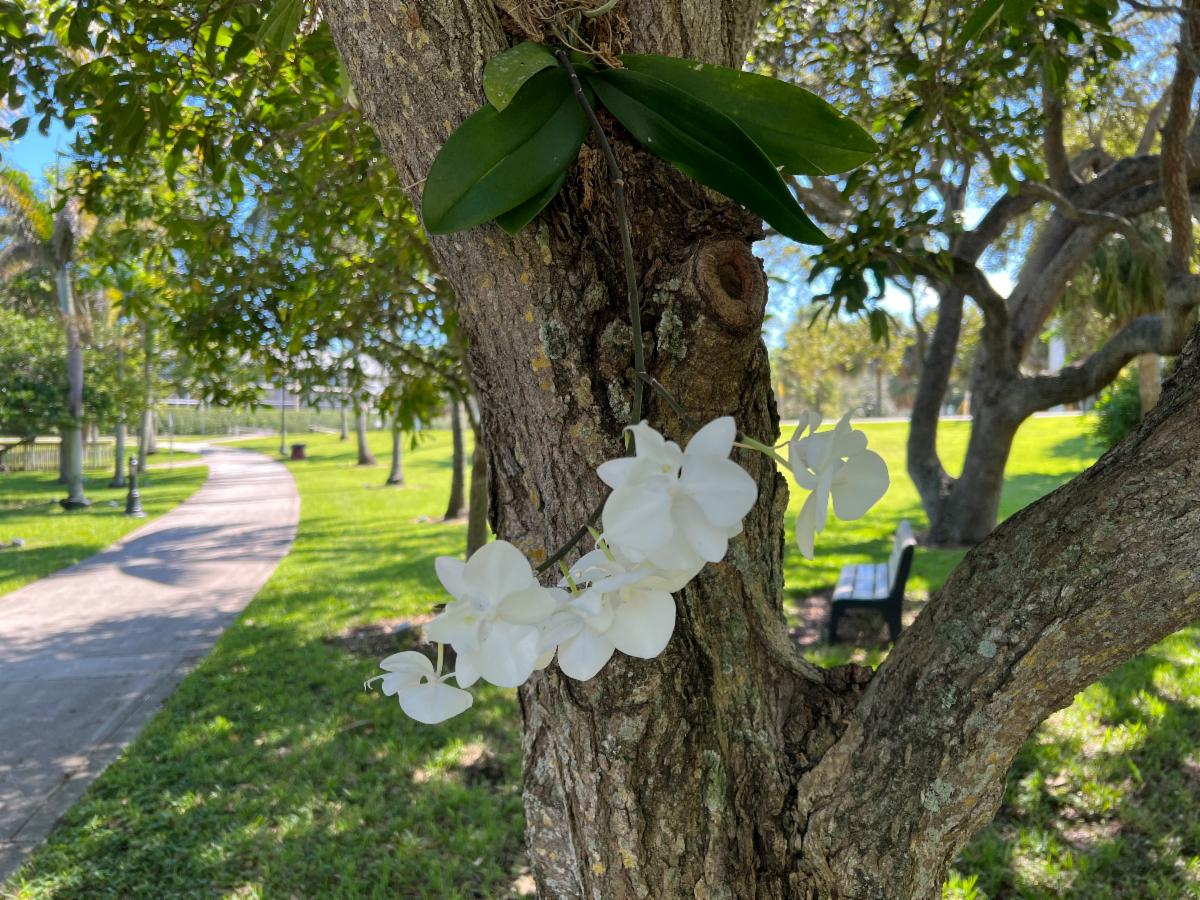
The Juno Beach Ecology Group inspired by a vision of orchids around Pelican Lake installed twenty orchids. We are accepting donations of orchids. Instead of throwing away non-blooming orchids, we place the orchids in trees, so their next bloom can be enjoyed by all. (click on blue text for links)

You can drop off your donations, at Town Hall or call for pick up. Thanks to Debra Levulis, a professional horticulturalist, who is lending her expertise with orchids care and rehabilitation for those donations that need some extra loving care prior to being placed onto trees. Thanks to those who have donated orchids and to Red Dunn, who is our main orchid gardener.

Cheers for Our Orchid Community Champions


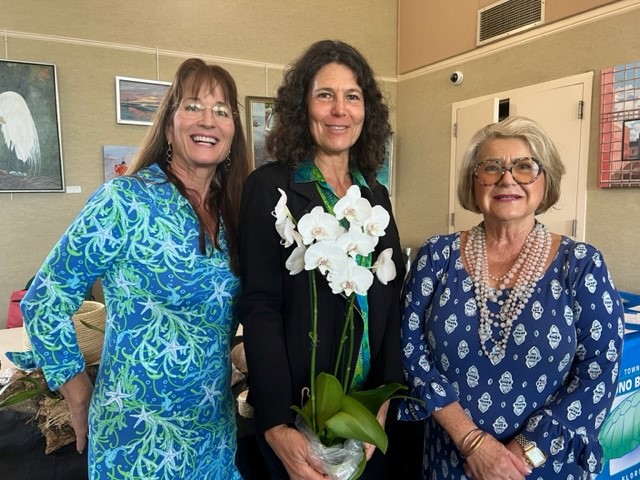
Compliments to those who have beautified their community by giving orchids a second life in trees for all to enjoy. Sara Lerner, orchid whisperer, shared some of her experiences with orchid recycling.


  • Linda Eicher - The Waterford
  • Sara Lerner - Seminole Condominium
  • Lila Weinberg - Juno Ocean Club

Kudos to Council Person

DD Halpern


The Ecology Group recognized DD Halpern for sponsoring the gas-powered leaf blower ban that will go into effect in Juno Beach in October 2024.  Thank you DD Halpern.

Benefits of Native Plants


Dr. Amanda Pike, PhD, educational director for Florida Native Plant Society gave a presentation describing the benefits of native plants. She directed us to a website that describes native plants that will thrive in our geographical area to assist gardeners in their selection of plants for their garden. Amanda Pike is also an author of a book describing how to create your own food forest.

Pelican Lake Workshop


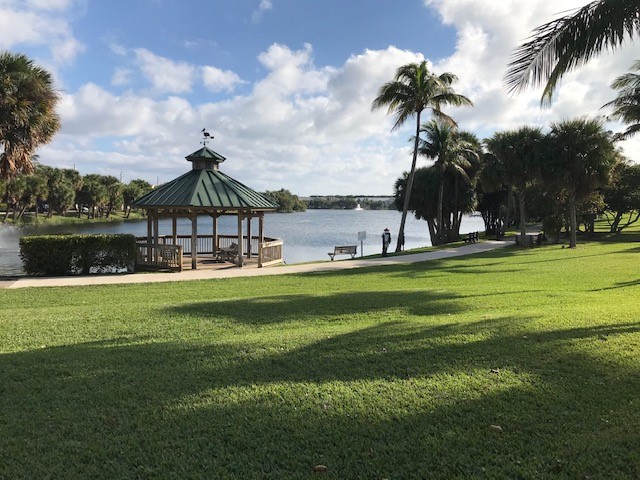
David Dyess, Town Manager; Steve Hallock, Director of Public Works; and Sean Patton, Environmental Consultant conducted the Pelican Lake Workshop. The two topics on the agenda were (1) the landscape maintenance for Pelican Lake Park, and (2) Sabal Palm maintenance for Town owned properties. (clicking on each item above for backup materials )  article copy here. Be sure to make the articles sh

Cattail Maintenance at Pelican Lake


The August 2023 mechanical cattail removal also removed pollutants that had been sequestered by the plants. Algae on the lake was also removed. While the maintenance efforts were a success, many in attendance believed that more cattail removal should be done. Sean Patton suggested planting a shorter variety of bull rush, which serves the same habitat function that is currently served by the cattails, but is not as invasive. When the two littoral shelves will be planted and thriving, more cattails can be removed. The littoral shelves are to be two seperate gently sloping areas within the lake that are planted with a variety of native plants to support wildlife, ducks, wading birds, and song birds.  

Landscape Maintenance at Pelican Lake


The Ecology Group supports an increase in the landscape maintenance around Pelican Lake. We believe that money spent should be focused on a long-term improvement of our garden. Currently, we have weak wooded trees such as the beauty leaf (poisonous fruit), that provide needed shade for pedestrians. We should work toward getting back to the orginal landscape plan that included native hardwoods and beneficial plants, such as oaks, ligum vitae and flowering trees. As these preferred species get larger, the non-native poisonous trees can be removed. Note that these less desirable shade trees were planted after 2004-2005 hurricanes, when native and benefical plant materials were not available in local nurseries.

Sabal Palm Trimming


We have several different species of palm trees around Pelican Lake and on Town owned properties. The stately silver Bismarck Palm, the small Roebellini Palm, the tall Washingtonian Palm, Coconut Palm, and our state tree the Sabal Palm, also known as the Cabbage Palm, among others.


According to Florida Association of Native Nursuries, Sabal Palms,


"Green fronds are the palm’s source of nutrients! Cutting green fronds stunts growth, invites disease, and reduces the palm’s native resilience to high winds. Harsh pruning takes away food and shelter from native and migratory songbirds, woodpeckers, butterflies, honey bees, tree frogs, bats, anoles, squirrels, and other wildlife. . . .

Palm fronds, berries, and boots: Brown fronds provide unique habitat for tree frogs and bats (chemical-free mosquito control). . ."


Debra Levulis, horticulturalist, suggests leaving the 360 degree canopy of the Sabal Palms, because it is better for the health of the tree to leave it in its natural state, which also supports wildlife.


Steve Hallock referred to huge numbers of Sabal Palms on Town owned properties, making the decision to prune at 9 - 3 o'clock by removing the bottom of its canopy, once a year, an expensive decision. A compromise, suggested by the Ecology Group, would be to trim where needed for public safety, where the fronds will drop onto walkways. We can then leave some areas around the Lake and Town Park areas with the Sabal Palms in their natural state where appropriate. Sean Patton said that the palm fronds falling into the lake could be removed, and they are not harmful to the lake.  

Mark your calendar:

Nov. 5 * Fla. Native Plant Society (FNPS) Garden Tour * (*click on blue text for webpage*) - make reservations now on-line for this fantastic event

Nov. 8 JB Ecology Group Meeting 3 PM - Native Plants speaker Lucy Keshavarz, *Director PBC Chpt. Fla Native Plant Society*

Board of Directors:
Diana Davis, Marianne Hosta, Jim Ferguson, and
Red Dunn

Science Advisor: Ross Wilcox, PhD.
Community Advocate: William Kimball
JB Ecology Group Web Page