|
The Newton Farmer
May 2025
| | |
Dear Farm Friends,
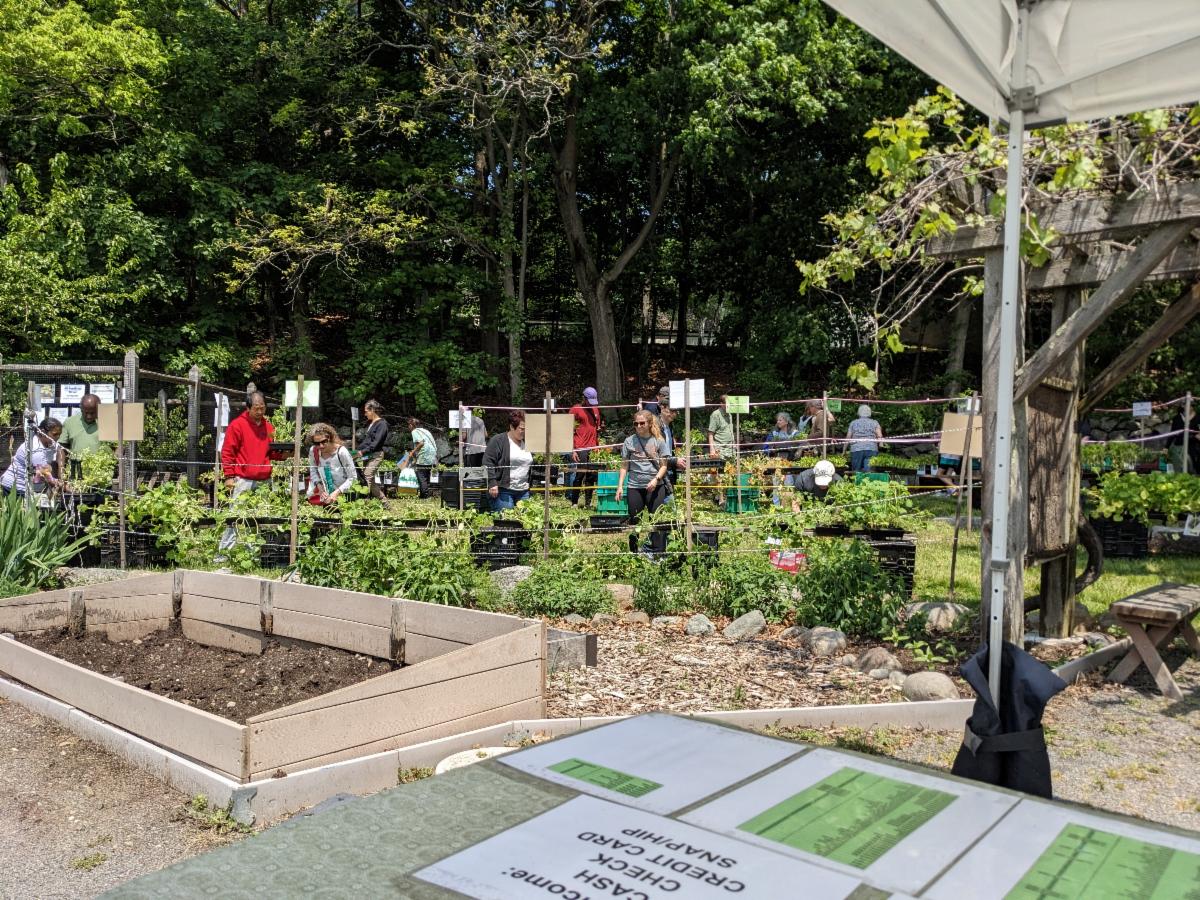
Spring is bursting into full bloom at Newton Community Farm! Our greenhouse is packed with thriving seedlings, the fields are waking up, and we’re gearing up for one of the highlights of our year, our Annual Seedling Sale on May 17 and 18!
Come shop an incredible variety of vegetables, herbs, and flowers, all grown right here on our farm. Whether you're starting your first backyard garden or adding to an established plot, you'll find strong, healthy plants ready to thrive.
Every purchase supports Newton Community Farm’s mission to grow community and protect our city's last working farm. Visit our website to learn more.
Other ways to celebrate spring are to sign up for our Fruit CSA or Duck Hollow's Flower Share.
Thank you for being part of our farm community. We can't wait to see you at the Seedling Sale!
Allyson MacKenna
NCF Director of Administration and Programs
| | Annual Seedling Sale May 17 and 18 | | |
Annual Seedling Sale
Saturday, May 17, and Sunday, May 18
Noon to 3 pm
Get your garden started with strong, healthy plants grown right here at Newton Community Farm! Our Seedling Sale is a favorite local tradition for new and seasoned gardeners alike. We’ll have a wide range of vegetable, herb, and flower seedlings available. Click here for full details.
Want to help out? We’d love your support!
Pitch in on one sale day or both! We need greeters, helpers, and friendly faces. No experience or special knowledge necessary. Sign up to volunteer here.
| | |
Our “Food for All” Forum Sparks Urgent Conversations on Equitable Food Access
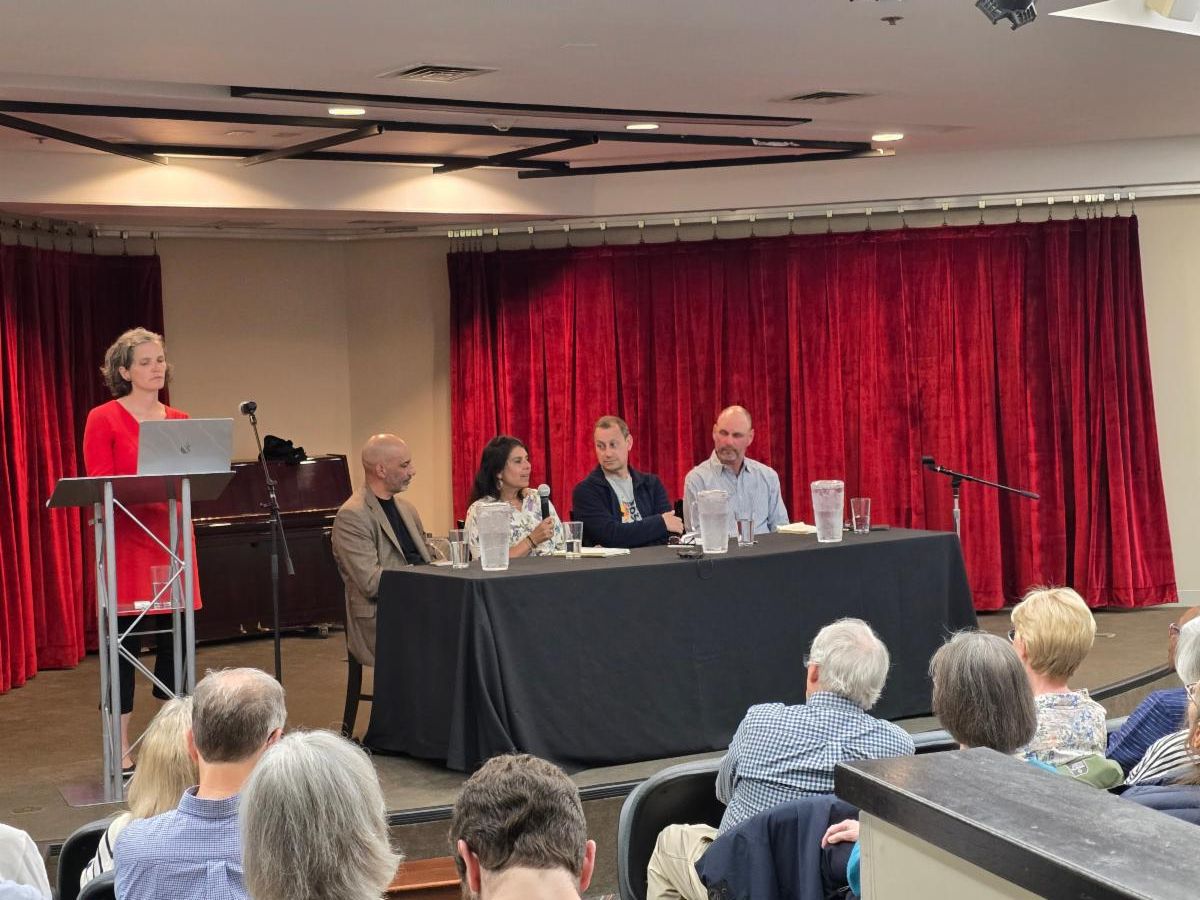
On Thursday, May 1, 2025, more than 100 community members gathered in UMass Mount Ida’s Campus Center Auditorium to explore “Food for All: The Challenges and Opportunities for Feeding Our Community.” Hosted by Newton Community Farm, this free evening event brought together local leaders and residents for an in‑depth discussion on how to ensure that everyone in our region has reliable access to nutritious food.
Expert Panel Offers Diverse Insights
Kristina Pechulis, Executive Director of the Massachusetts Food System Collaborative, expertly guided our panel through questions on systemic barriers, innovative solutions, and individual action steps. From the first question, the audience leaned in, as the panel answered questions about improving underserved neighborhoods' access to nutritious food, the role of policy in expanding food‑security programs, and ways to reduce food waste locally. Many stayed past 8:30 PM to continue the conversation in small groups.
The panelists wove together their varied experiences to illuminate both the big‑picture challenges and hands‑on strategies for expanding food access. They discussed mobilizing volunteers, leveraging urban and rural growing spaces, and building partnerships across farms, nonprofits, and individual community members to create more resilient local food networks. Speakers also shared the ongoing challenges they face in fulfilling their missions, whether it’s securing sustainable funding, navigating regulatory hurdles, or managing distribution logistics, and underscored that meaningful progress depends on sustained collaboration, creative problem‑solving, and shared educational resources.
Thank You to Our Presenters
This evening would not have been possible without our exceptional moderator and panelists. We extend our heartfelt thanks to each of them for their insight and dedication.
- Kristina Pechulis, Executive Director, Massachusetts Food System Collaborative, Moderator
- Usha Thakrar, Executive Director, Boston Area Gleaners
- Glynn Lloyd, Executive Director, Nectar and Founder, City Fresh Foods & Urban Farming Institute
- Jeff Lemberg, Executive Director, Newton Food Pantry
- Greg Maslowe, Farm Manager, Newton Community Farm
Our Gratitude to Partners
This forum was made possible by the generous support of The Bard Family Environmental Education Fund. We also wish to thank UMass for providing the Campus Center Auditorium.
Thank you to every panelist, partner, and participant who made our Food for All Forum such a success. Together, we’re growing more than food, we’re growing a movement for equitable access.
| | |
Newton Community Farm is pleased to offer a weekly fruit share in conjunction with Autumn Hills Orchard in Groton, MA. Each weekly share consists of a 4–5 pound (approximate) bag of apples and other fruits. Autumn Hills is reporting their crops are looking great and there should be a variety of stone fruits (peaches, plums, nectarines, etc.) as well. As with all things agricultural, what is available is highly dependent on the particular growing conditions.
Registration Deadline: August 19, 2025, or until sold out
Cost: $110 per share (one bag each week for eight weeks).
Duration: Eight pickups, beginning August 27, 2025, and ending October 16, 2025.
Pickups: Share distributions should be picked up at Newton Community Farm at the white tent near the barn each week during the program on Wednesdays or Thursdays between 2 and 7 pm. Fruit will be held until
7 pm Thursday, after which time unclaimed shares will be donated.
Autumn Hills Orchard is a working farm in historic Groton, Massachusetts, about 45 miles northwest of Newton. The farm produces more than 25 varieties of apples, peaches, pears, plums, grapes, and raspberries. For more than 10 years, Autumn Hills has partnered with local CSA programs to provide weekly shares in the late summer through the fall. Share contents vary by week over the season but are primarily apples with other fruit varieties based on availability. The fruit varieties may include Concord grapes, peaches, nectarines, Italian plums, Bartlett pears, and Bosc pears. Apple varieties may include Ginger Gold, Paula Red, Gala, Gravenstein, Honeycrisp, Macintosh, Cortland, Empire, Cox Orange Pippin, Spencer, Mutsu, Golden Delicious, Macoun, Newtown Pippin, Rhode Island Greening, Golden Russet, SpiGold, Suncrisp, Pink Lady, Ida Red, and Northern Spy.
Register here.
Other CSA Programs
In addition to our Summer CSA program, which is sold out, we also offer a Late Fall CSA program. Information will be available on our website by mid-fall for the Late Fall CSA.
| | |
Fresh, Local Flowers All Summer Long!
We’re excited to partner once again with Duck Hollow Farm to offer beautiful, organically grown flower bouquets throughout the summer. Enjoy 15 weeks of vibrant, locally grown blooms straight from Sherborn, MA.
Program Dates: June 19–September 25
Pickup: Thursdays at Newton Community Farm, 2:00–7:00 pm
Cost: $330 for the full season
Optional Add-On: Weekly posy bouquet for an additional $75
Treat yourself (or someone you love) to a season of fresh flowers!
Click here to sign up.
Questions? Contact Laurel at laurel@al-freshco.com
| | Kitchen Habits that Help the Planet | | |
Small changes in your kitchen can make a big impact on your health, your wallet, and the environment. Did you know the average household throws out more than 30% of the food it buys? Between food waste, plastic packaging, and energy use, our kitchens are one of the most impactful places we can practice sustainability. The good news? Many of the simplest steps toward a greener lifestyle also lead to fresher meals, healthier habits, and more support for local farms.
Here are some easy ways to start:
-
Eat What You Have First: Before planning your next grocery trip, take stock of what’s already in your fridge and pantry. Build meals around what needs to be used up. Leftover veggies can become stir-fry, soup, or frittata. Stale bread? Make croutons or breadcrumbs.
-
Prioritize Local Veggies: Choosing vegetables grown nearby, like those from Newton Community Farm, reduces the carbon footprint of your meals and supports the local economy. Local produce travels fewer miles, requires less packaging, and is often harvested at peak ripeness, meaning better taste and nutrition. Keep a list of what's in season in Massachusetts on your fridge to help you eat food that's fresher and more sustainable all year round.
-
Batch Cook to Cut Waste and Save Energy: Make large portions and freeze leftovers to reduce daily cooking energy use. This also saves time. Roasting a tray of root vegetables or cooking a pot of grains can provide the base for several meals and help you use all your produce before it spoils.
-
Use the Whole Vegetable: Those leafy carrot tops or beet greens? They’re edible, nutritious, and delicious. Try turning them into pesto, sautés, or soups. Eating the entire vegetable reduces food waste and gets more value from the food you buy.
-
Shop with Reusables and Purpose: Bring your own produce bags, jars, and totes when shopping and plan ahead to avoid impulse buys that may go uneaten. Supporting markets and farms that minimize plastic use is another way to reduce your kitchen’s environmental impact.
-
Go Green with Clean-Up: Choose biodegradable dish soap, compostable sponges, and reusable cloths instead of paper towels or single-use wipes. It’s better for the planet and more cost-effective over time.
-
Compost What You Can’t Eat: Not everything is edible, but food scraps don’t belong in the trash. Composting keeps organic matter out of landfills and turns it into nutrient-rich soil.
By weaving a few of these habits into your routine, you're not just reducing your footprint, you're creating a more thoughtful, nourishing relationship with your food. And when you support local agriculture in the process? That’s sustainability at its most delicious.
| | |
Spring Vegetable Frittata
Celebrate the season with this fresh and flavorful dish, showcasing the best of spring's produce.
Ingredients:
- 8 large eggs
- 1/4 cup milk or non-dairy alternative
- 1 cup asparagus, trimmed and cut into 1-inch pieces
- 1/2 cup peas (fresh or thawed frozen)
- 1/2 cup thinly sliced radishes or bok choi
- 1/2 cup chopped scallions or leeks
- 1/4 cup chopped fresh herbs (parsley, chives, dill, or a mix)
- 1/2 cup crumbled goat cheese or feta (optional)
- Salt and pepper to taste
- 1 Tbsp. olive oil
Instructions:
- Preheat oven to 375°F (190°C).
- In a medium bowl, whisk together eggs, milk, salt, pepper, and herbs. Set aside.
- In an oven-safe skillet (8–10 inch), heat olive oil over medium heat. Add asparagus, scallions/leeks, and radishes or bok choi. Sauté for 3–4 minutes until just tender.
- Add peas and stir for another minute.
- Pour egg mixture evenly over the vegetables. Cook on the stovetop for 2–3 minutes until the edges begin to set.
- Sprinkle with cheese, if using, and transfer the skillet to the oven.
- Bake for 10–12 minutes, or until the eggs are set in the center and lightly golden on top.
- Let cool slightly, then slice and serve warm or at room temperature.
Tip: Feel free to swap in whatever spring veggies you have on hand. Enjoy!
| |
-
Thank you to our recent donors listed below and to those who wish to remain anonymous. Apologies in advance for any names we inadvertently left off this list. (Please let us know if we made any errors.) We appreciate your support!
Laura Walters* Eileen Chodos* Simon Olsberg* James Harper* Cheryl Lappin* Mary Jo Cappuccilli* Timothy M. Harrigan* Ruth Sondermann* Stephen Farrell* Martin Flusberg* Annie Melanson* Nyssa Patten* Mark Zeren and Deborah Hahn*
Thank you to our hard-working volunteers!
Susan Tornheim* Dede Vittori*
| | Newton Community Farm is a 501(c)3 nonprofit organization, EIN #20-2482452. If you would prefer to donate by mail, please send a check payable to Newton Community Farm at the address below. Please also check with your employer if matching funds are available. | | | | |