|
|
HUMANS IN SPACE
Next Generation of Explorers Wanted
| | |
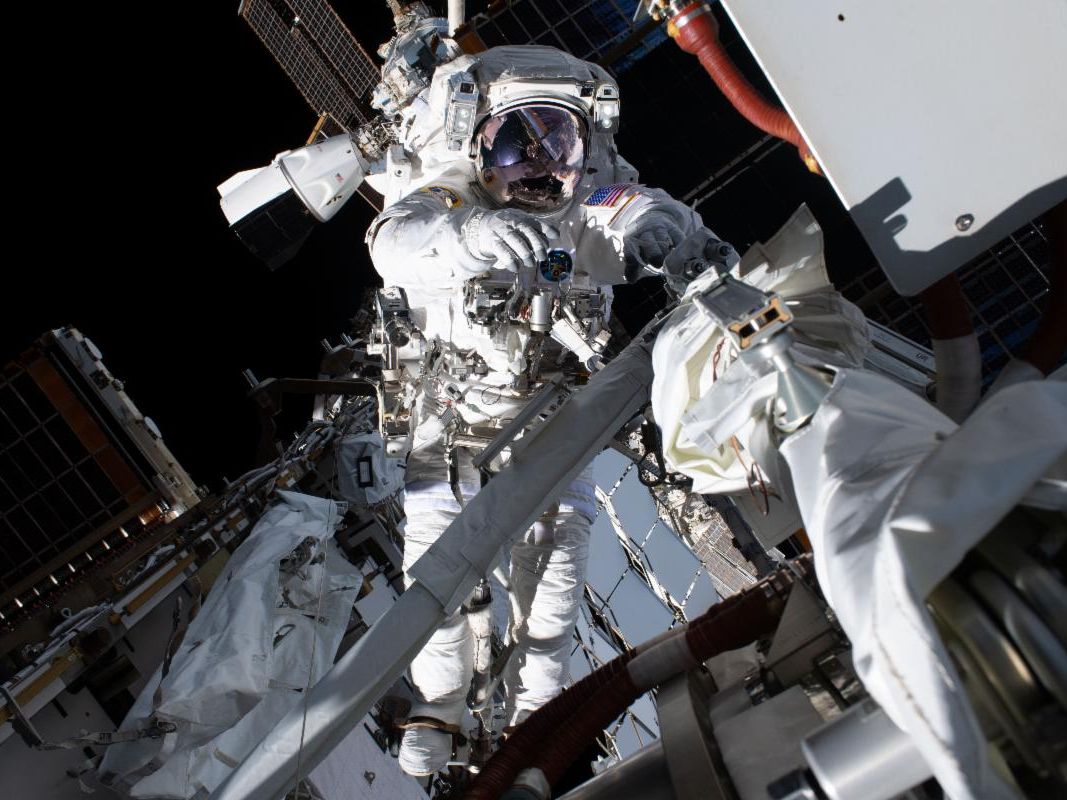
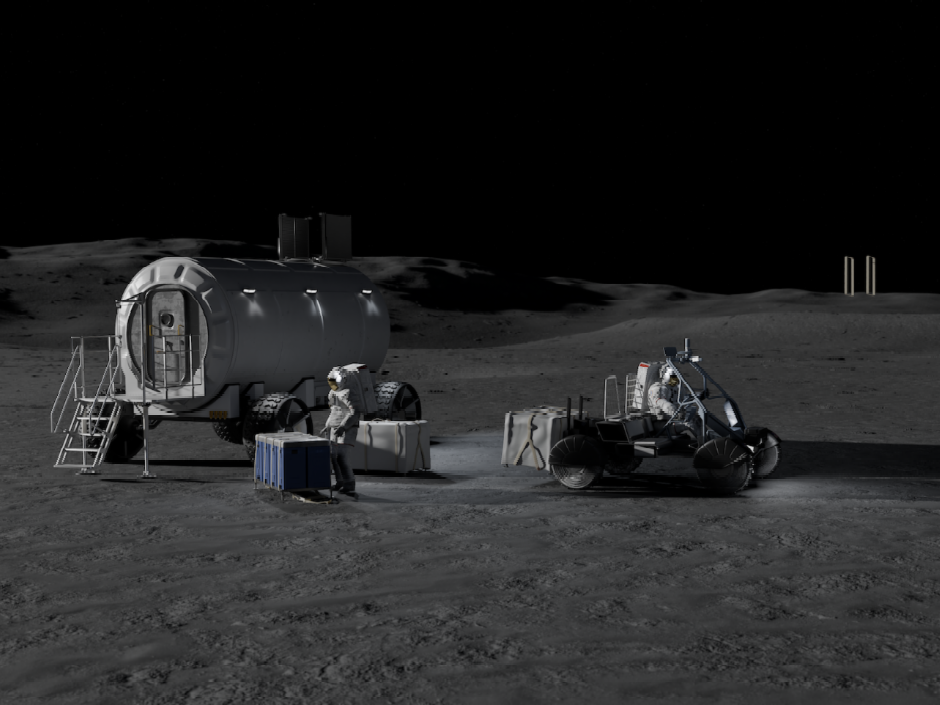
Applications are now open for the agency’s next class of astronauts, who will play a pivotal role in NASA’s bold next chapter as America returns to the Moon, establishes a lunar base, and lays the groundwork for the first human missions to Mars.
“This is an extraordinary time to join NASA’s astronaut corps,” said NASA Administrator Jared Isaacman. “The people we select could walk on the Moon, live and work at the Moon Base, and help pioneer the systems and operations that will ultimately carry crews to Mars. Those missions will demand technical excellence, sound judgment, teamwork, and courage. NASA’s astronaut corps has always called on remarkable Americans willing to take on extraordinary challenges in service to the nation. If you are ready to join that tradition, come help write the next chapter of humanity’s greatest adventure.”
U.S. citizens interested in joining the astronaut corps have until 11:59 p.m. EST on Thursday, Dec. 3, to submit their completed application materials.
BECOME A NASA ASTRONAUT
| | | |
PODCAST
How Do I Become an Astronaut?
The journey to space starts long before launch day. In the latest episode of Houston We Have a Podcast, NASA astronaut Nichole Stilwell and Tamsin Abotteen, acting human resources director at Johnson Space Center in Houston, discuss the astronaut application process, the qualities NASA seeks in candidates, and what it takes to earn a place in the agency’s next class of explorers.
LISTEN
| | |
MISSIONS
Shine Bright for Voyager
Nearly 50 years after its 1977 launch, NASA's Voyager 1 will reach a historic milestone on Wednesday, Nov. 18, once it travels one light-day from Earth, a distance more than 16 billion miles. Help us celebrate this epic achievement by joining in the creation of a symbolic wave of golden light around the globe after sunset on Tuesday, Nov. 17.
PARTICIPATE
| | | |
THE UNIVERSE
A Star’s Mysterious Outbursts
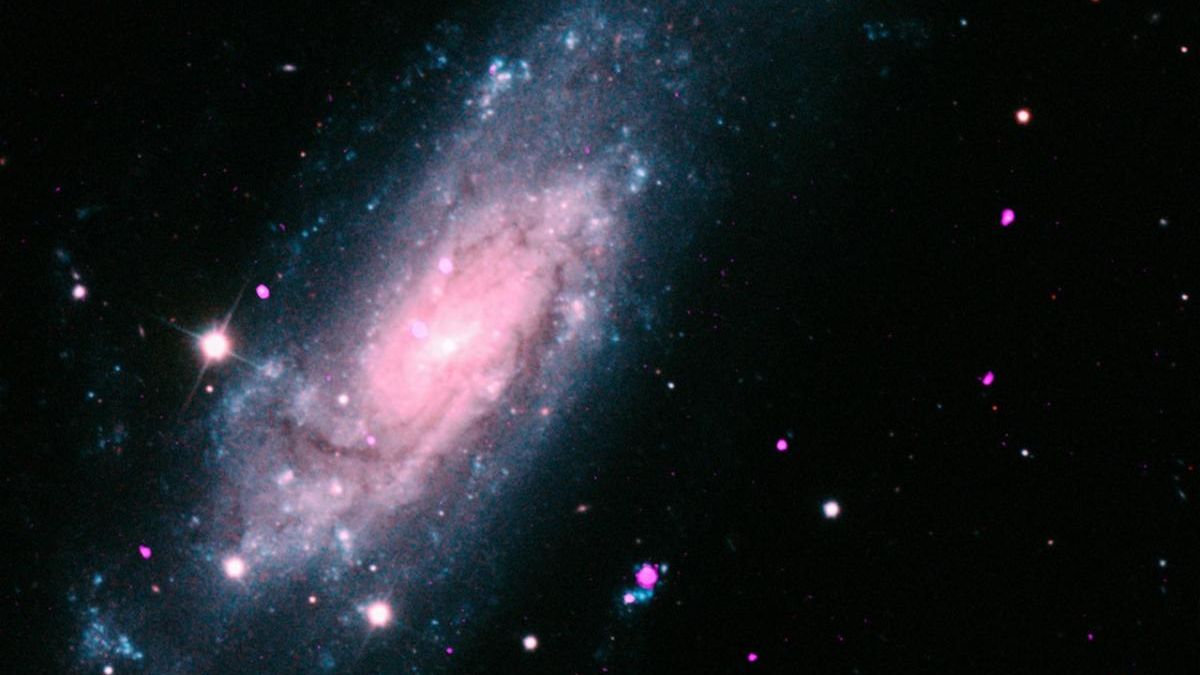
Using NASA's Chandra X-ray Observatory, astronomers have discovered what is triggering repeated outbursts from a giant, unstable star. A new study reveals a previously hidden companion object that pulls material from the massive star every 113 days as the two orbit one another. The companion is either a stellar-mass black hole or a neutron star, the dense collapsed core left behind when a massive star explodes. This marks the first X-ray detection of a companion around this class of erupting star.
LEARN MORE
| | |
THE UNIVERSE
378 Days Later
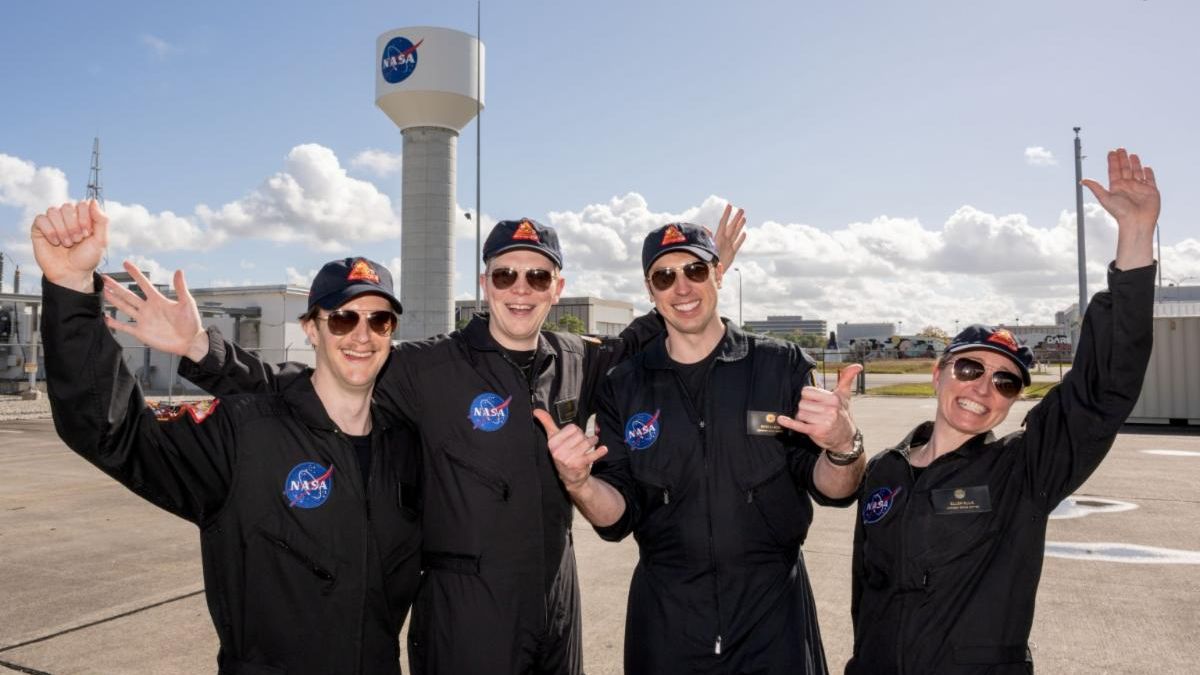
After 378 days without windows, the sounds of the outside world, or real-time contact with family and friends, four research volunteers emerged from NASA's Mars Dune Alpha habitat on Oct. 31, completing the agency's second yearlong Mars surface simulation. Ross Elder, Ellen Ellis, James Spicer, and Matthew Montgomery entered the roughly 1,700-square-foot, 3D-printed habitat at NASA's Johnson Space Center in Houston on Oct. 19, 2025, as part of CHAPEA, or Crew Health and Performance Exploration Analog, Mission 2. Supported by researchers and ground teams across the agency, the crew collected health and performance data while living under Mars-like conditions, including limited resources and communication delays of up to 22 minutes each way.
LEARN MORE
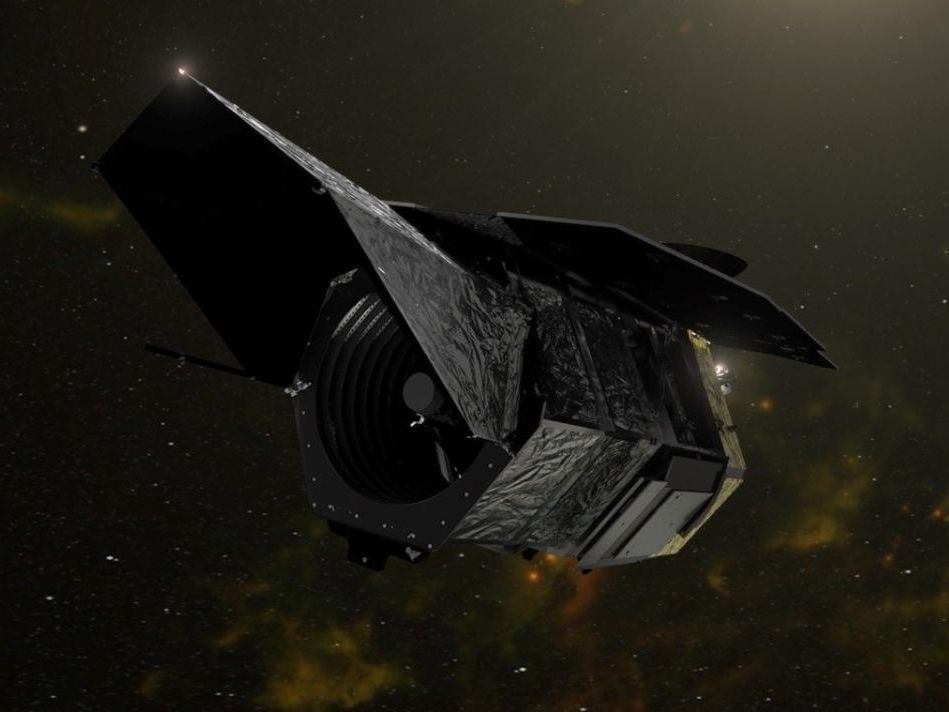
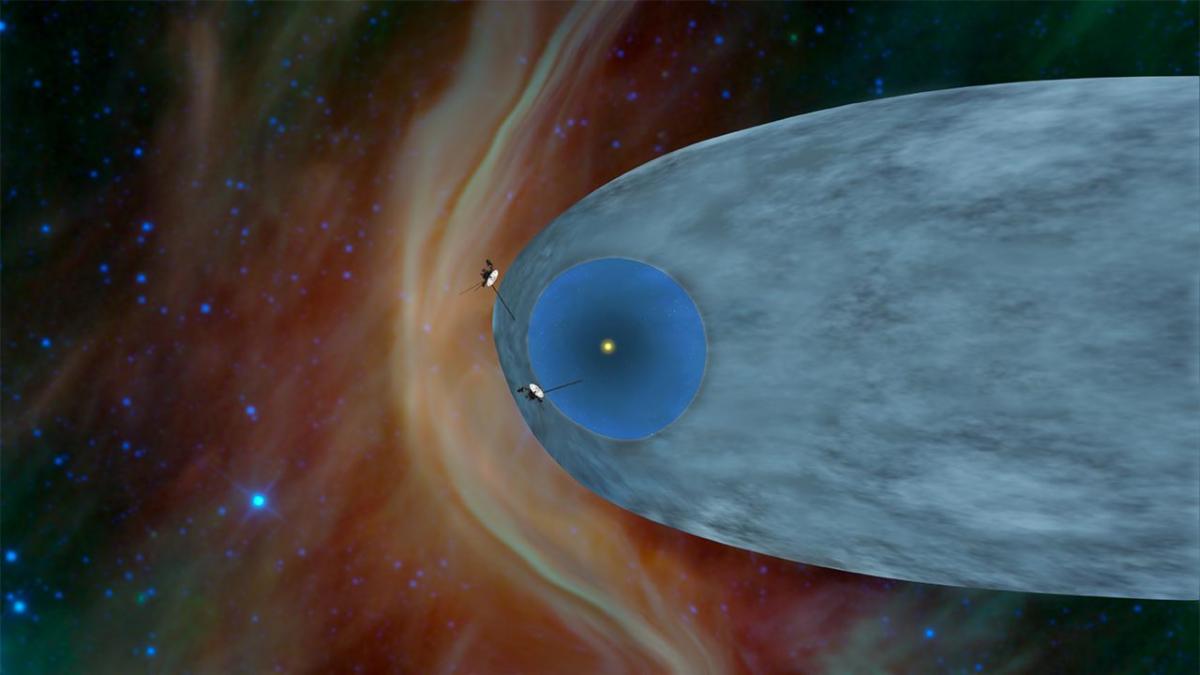
| | | | NASA’s Nancy Grace Roman Space Telescope has reached a major milestone, with its instruments now precisely aligned, bringing the observatory one step closer to beginning science operations. Although the Roman team carefully aligned the telescope’s optics and instruments before launch, vibrations during liftoff, temperature changes, and the transition to a weightless environment can cause slight shifts. To account for these changes, scientists have been conducting a series of test observations to measure any movement and refine Roman’s “internal map." | | Voyager 1 and its twin, Voyager 2, are the only spacecraft ever to operate outside the heliosphere, the protective bubble of particles and magnetic fields generated by the Sun. Voyager 1 reached the interstellar boundary before its twin spacecraft, Voyager 2, and is on the brink of another unprecedented milestone – reaching a distance one light-day away from Earth. | |
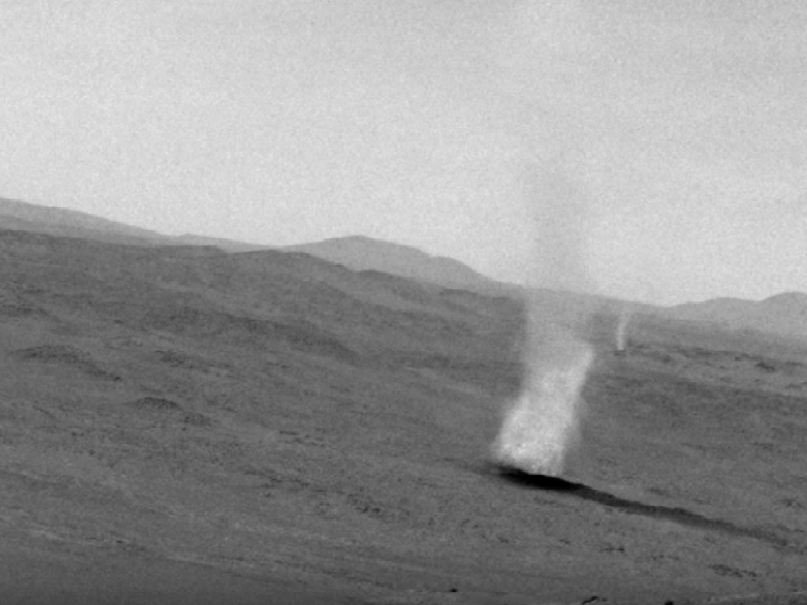
| What year did Voyager 1 reach the interstellar boundary? | | | | Find out the answer in next week's NASA newsletter! 🤓 | | | | Last week, we asked what weather phenomenon NASA's Perseverance Mars rover observed on the Red Planet in Oct. 2021. The answer? Dust devils. Perseverance confirmed a long-suspected phenomenon by recording electrical discharges, or sparks, and mini sonic booms inside Martian dust devils. Using its SuperCam microphone, the rover captured both audio and electromagnetic evidence of the events. While scientists knew the instrument could detect static electricity and electrical discharges, they did not know whether such events occurred often enough, or close enough to the rover, to be recorded. | | |
National Aeronautics and Space Administration
NASA explores the unknown in air and space, innovates for the benefit of humanity, and inspires the world through discovery.
Visit nasa.gov
| | | | | |