|
In this week's issue...
This week’s update highlights the latest on state support for Hurricane Helene relief and recovery, and celebrates Senator Mike Woodard, the recipient of the inaugural North Carolina Nonprofit Champion Award. We also share our latest Election Tip of the Week (more on Early Voting) and a link to our recently-updated FAQs on nonprofits and the 2024 election. And, for a change, we even include pictures!
| | |
Senator Mike Woodard Receives Inaugural Nonprofit Legislative Champion Award
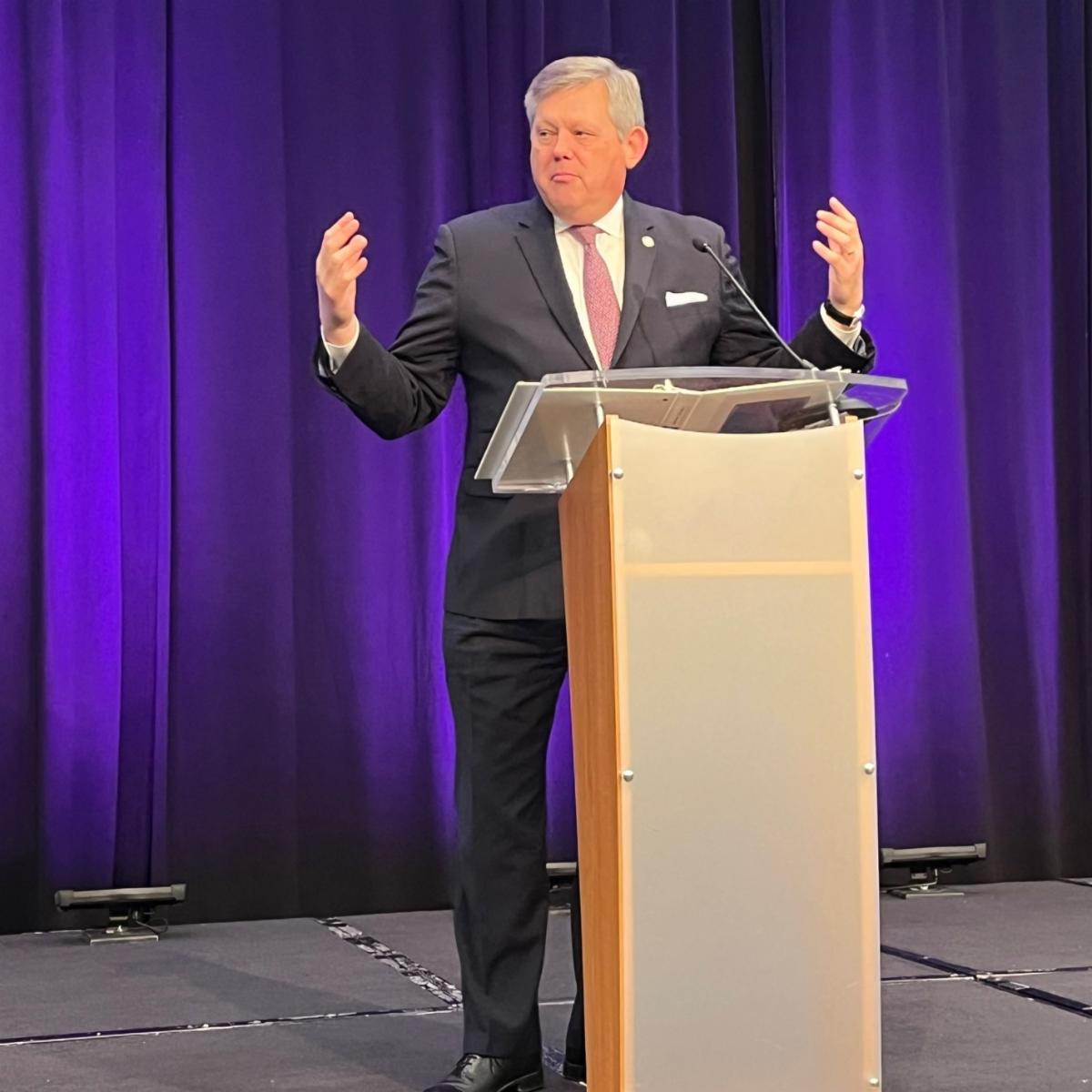
The Center is excited to announce that Senator Mike Woodard (D-Durham) received the first-ever North Carolina Nonprofit Legislative Champion Award this week! For the past 12 years, Senator Woodard has been a tireless advocate in the state senate for North Carolina’s nonprofit sector and for the causes of many nonprofits in Durham and across the state. Among many other accomplishments, he was instrumental in security significant state funding for nonprofits during the COVID-19 pandemic in 2020 and in getting charitable solicitation reforms passed into law in 2022. The Center and the state’s nonprofits are incredibly appreciative of Senator Woodard’s leadership. Our communities are much better places because of his service.
Senator Woodard received the award at the Center’s annual conference in Durham this week (pictured). He shared stories about his professional and board experience in the nonprofit sector.
Congratulations and thank you, Senator Woodard!
| |
State Legislators Approve Second Hurricane Helene Relief Bill
Yesterday, both the NC Senate and NC House of Representatives unanimously approved the second of several Hurricane Helene relief bills (S.743). The bill provides more than $600 million in additional funding for hurricane relief and recovery. Among other things, the bill:
- Provides $10 million to Smart Start Local Partnerships in western North Carolina to help child care centers in the region re-open.
- Allows food banks to use COVID relief funds to repair or replace infrastructure or equipment that was damaged by Hurricane Helene.
- Authorizes the creation of a grant program for local governments and 501(c)(3) nonprofits to help them repair, replace, construct, or improve infrastructure, buildings, or equipment damaged because of Hurricane Helene and those that are supporting disaster relief in western North Carolina. The bill does not provide funding for this grant program, although it suggests that it will be funded in future legislation. Potentially, this grant program could provide significant relief to nonprofits in western North Carolina that suffered damage to their facilities and equipment.
- Established a $50 million bridge loan program for small businesses affected by Hurricane Helene. It is unclear whether nonprofits will be eligible for these low-interest bridge loans.
- Provides $1 million for county departments of social services to provide rental assistance to people affected by Hurricane Helene. It is possible that legislators could provide additional rental assistance and/or place a moratorium on evictions in areas affected by Hurricane Helene to help ensure that people are able to remain in their homes and stay in their communities.
- Provides $3 million to county departments of social services for child welfare support and $1.4 million for support and services for vulnerable adults in counties affected by the hurricane.
- Provides matching funds to ensure that more than $200 million in federal Disaster Supplemental Nutritional Assistance Program (D-SNAP) funds are available to people in western North Carolina needing food assistance.
- Provides $1 million in funding and $2.5 million in additional financial aid to nonprofit private colleges and universities in western North Carolina.
Governor Roy Cooper is expected to sign the bill into law quickly. Legislators will return to Raleigh for their next session on November 19-22. They will likely take up additional hurricane relief legislation during that session.
| |
Governor Cooper Proposes Significant Investments in Hurricane Relief and Recovery
On Wednesday, Governor Cooper released his comprehensive proposal for $3.9 billion in funding for Hurricane Helene relief and recovery in western North Carolina. Among other things, Governor Cooper proposes:
- Establishing a $475 million business recovery grant program for western North Carolina employers that were affected by Hurricane Helene. The grant program would be set up in two phases, and nonprofits in affected parts of North Carolina would likely meet the eligibility criteria if they suffered revenue loss due to the hurricane. The Center is advocating for legislators to include nonprofits (as Governor Cooper has done) if they decide to establish a business recovery grant program similar to the one Governor Cooper has proposed.
- Providing $13.6 million as state matching funds to ensure that the Federal Emergency Management Agency (FEMA) provides the full (estimated) $136 million to nonprofits in western North Carolina for repairs or replacement of facilities and equipment damaged by Hurricane Helene.
- Providing $650 million in state funds for housing support, including $25 million for rental, mortgage, and utility assistance and $50 million for affordable housing programs.
- Providing $1.5 million to nonprofits providing legal services to people affected by Hurricane Helene.
- Providing $44 million in grants (mostly to nonprofits) to arts organizations, libraries, science museums, and historic preservation organizations in western North Carolina.
- Providing $3 million in support for nonprofit private colleges and universities in western North Carolina.
- Providing $45 million in disaster relief to food banks serving western North Carolina and $38 million in disaster relief to support child care centers in the region affected by Hurricane Helene.
Legislators could consider some parts of Governor Cooper’s proposal during the November session, in another session in December, or in early 2025.
| |
Governor Cooper Provides Unemployment Help for Western NC (Including for Nonprofits)
In the aftermath of Hurricane Helene, many businesses and nonprofits in western North Carolina are being forced to make difficult decisions about whether to continue paying some or all of their employees. Many workers who are laid off or furloughed because of the hurricane will need to rely on government unemployment insurance (UI) benefits until they are re-employed. In response to these circumstances, Governor Roy Cooper issued an executive order last week making several temporary changes to unemployment benefits during the Hurricane Helene state of emergency, which currently extends through March 1, 2025. Governor Cooper’s executive order makes three significant changes that should help nonprofits and their employees who have been affected by Hurricane Helene:
- It temporarily increases weekly state unemployment benefits by $250. This means that the maximum weekly benefits for people affected by Hurricane Helene will be $600 through March 1, 2025.
- It provides that employers will not be charged for the unemployment benefits that their employees receive due to Hurricane Helene through March 1, 2025. Notably, the Governor’s executive order provides for non-charging of benefits for nonprofits that pay state unemployment taxes (SUTA) and for those that elect to reimburse the state for unemployment expenses instead of paying SUTA.
- It waives work search requirements for people receiving unemployment benefits through March 1, 2025.
The Center is appreciative of Governor Cooper for issuing this executive order that should help many North Carolinians who are currently out of work due to Hurricane Helene. We are particularly appreciative that his executive order extends unemployment relief to all nonprofit employees who have been affected by Hurricane Helene and holds harmless all 501(c)(3) nonprofits whose employees are receiving these benefits.
In addition to receiving state unemployment benefits, people who are out of work in western North Carolina because of Hurricane Helene are also eligible for federal Disaster Unemployment Assistance (DUA). These DUA benefits allow workers to receive up to 26 total weeks of unemployment benefits. Notably, DUA provides unemployment assistance to people who do not qualify for state unemployment benefits, including self-employed workers and employees of houses of worship and small nonprofits with fewer than four employees. Nonprofits whose employees receive DUA benefits are not charged for these benefits regardless of whether they pay SUTA or reimburse the state for unemployment claims.
In response to the questions we have received from nonprofits in western North Carolina about unemployment considerations related to Hurricane Helene - and recognizing that answers to several nonprofit-specific unemployment issues are not readily available online – the Center has published an article with more information about state unemployment benefits and DUA for nonprofits affected by Hurricane Helene. We’ll continue to update this article as we receive additional questions from nonprofits or as new information becomes available.
| |
|
Center Asks Lawmakers to Support (and Listen to) Western NC Nonprofits
As the NC General Assembly continues to provide support for communities in western North Carolina that were affected by Hurricane Helene, the Center remains in contact with state legislators to share ways they can engage with and provide assistance to nonprofits as they direct state aid to hurricane relief and recovery. Among other things, the Center is asking legislators to:
- Listen to the input from nonprofits in affected communities and nonprofit organizations that are helping with relief and recovery efforts – both now and throughout the long recovery period.
- Consider establishing a nonprofit relief and recovery fund to provide state assistance to western NC nonprofits that may not receive sufficient federal support or private funding to fully recover from the effects of Hurricane Helene.
- Ensure that nonprofits are eligible for any and all state support – including funding and regulatory relief – that is provided to businesses that have been affected by the hurricane.
- Help minimize western NC nonprofits’ expenses so that they can use their resources for recovery and providing services in their communities.
- Hold western North Carolina nonprofits harmless for unemployment insurance liability if they have to furlough or lay off staff because of the impacts of Hurricane Helene. The Center continues to advocate for legislators to maintain or strengthen the protections in Governor Cooper's executive order if they make any further changes to unemployment laws because of the impacts of Hurricane Helene.
- Encourage North Carolinians to give generously to help in relief and recovery efforts in western NC. And help ensure that donors don’t forget other nonprofits as they increase their contributions to organizations doing essential disaster relief work and those that have suffered the harshest impacts from Hurricane Helene.
If you and/or your nonprofit was directly harmed by the hurricane, serves people and communities that were affected, or is providing relief and recovery services, please share with the Center any types of legislative assistance that would be helpful for your nonprofit and the people and community you serve. The Center will communicate your needs to state lawmakers working on hurricane relief and recovery legislation and encourages you to reach out to your state legislators directly as well.
|
2024 Election Tip of the Week: Now Is a Great Time to Vote Early
Leading up to this fall’s election, the Center will offer a variety of tips for nonprofits about nonpartisan voter registration and voter education. Share these tips with your staff, board, and the people you serve.
This week’s tip: Now is a great time to vote early!
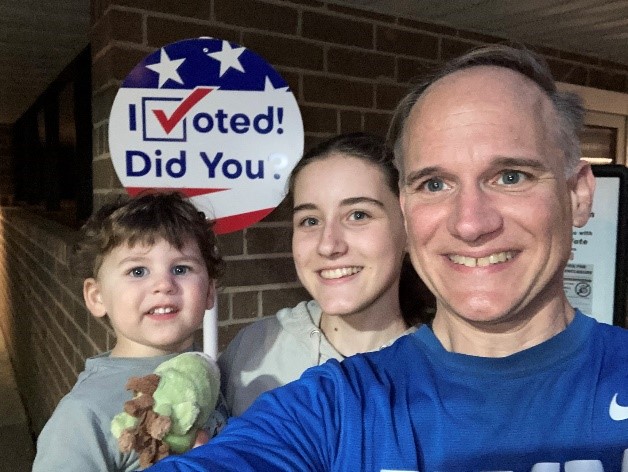
Early Voting opened last week throughout North Carolina and continues through Saturday, November 2. The Center encourages all nonprofit staff, volunteers, and clients to strongly consider voting early and in-person this year, if possible (like the Center's VP of public policy and advocacy, pictured here!). While lines were long the first few days of Early Voting – and will almost certainly be very long during the final couple of days of Early Voting on November 1-2 – there will be plenty of opportunities to vote early without a long wait over the next week. Here are two tips to create the best possible Early Voting experience this fall:
- Find out the locations and hours of Early Voting sites in your county. Some times and locations of Early Voting sites may have changed in western North Carolina as county boards of elections have had to adapt in response to Hurricane Helene. And Henderson and McDowell counties will be adding additional Early Voting sites thanks to a new law (S.132) that passed both the House and Senate yesterday and was quickly signed into law by Governor Cooper.
- Many (but not all) county boards of elections are posting wait times for Early Voting sites on their websites. If you want to avoid a long wait, check to see whether your county board of elections has a wait time tracker online.
Note: If you missed previous 2024 Election Tips of the Week or want a refresher, (re)read them:
| |
|
Bonus Election Tip: Check Out Center’s Election Webinar Recording and FAQs
If you've been wondering what types of election-related activities your nonprofit can and cannot do between now and this fall’s election, the Center has two resources to address your questions:
-
The recording of last month’s webinar on (Almost) Everything Your Nonprofit Needs to Know About the 2024 Election, featuring attorney Lauren Noyes and You Can Vote’s Kate Fellman (along with the author of the Center’s weekly policy updates).
-
Answers to 40 of the most common questions we are hearing about what types of election-related activities are legal and advisable for charitable nonprofits. We updated these FAQs last week with answers to a couple of timely questions we’ve received from nonprofits, so now is a great to read or re-read this summary!
| | | | |