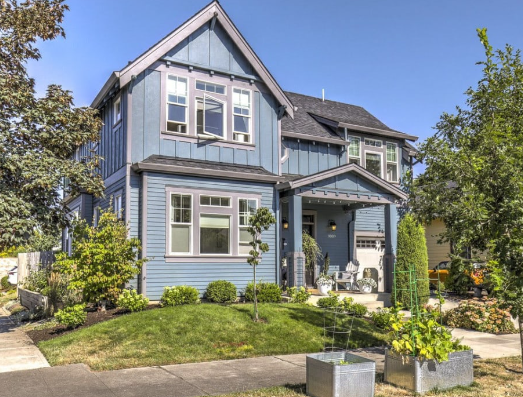
Increased number of "locked in mortgage" homes being sold
The housing market looks like it's starting to thaw, thanks to a growing number of mortgage-locked sellers opting to put their homes on the market, despite having an ultra low interest rate.
The "mortgage lock-in" effect, a phenomenon where existing homeowners are hesitant to sell their properties because they're looking to cling onto the lower rates they financed their homes at years ago. That reluctance slowed housing activity for most of 2023, with home sales plunging by 18.3% last year.
But home sales have ticked higher in recent months — a sign that the lock-in effect could be easing its grip on prospective sellers, the bank said. Existing-home sales jumped by 9.5% in February, while existing-home inventory rose by 5.9% from the prior month, data from the National Association of Realtors shows.
Homeowners could now be more willing to dip into the housing market as many realize high mortgage rates aren't going away anytime soon. That adds some much-needed inventory to the market, which a new housing supply in the works is supplementing: As of April 2024, there are around 1.6 million homes being constructed. Meanwhile, housing completions jumped to 1.7 million in February, 15.6% higher than last year.
The increase in inventory spells good news for homebuyers, whom an imbalance of supply and demand has challenged for the past few years. Buyers have fewer options than they did in the past, and the lack of inventory has also pushed up home prices, with the median US home costing $412,227 in February.
The bottom line is that it will take years for supply to fully catch up with demand. While we're seeing some positive trends, the mortgage lock-in effect will likely linger for some time. Unless, there is a drastic decrease in mortgage rates, which isn't expected.
|