A Message from the Center | | |
Hello from Oregon! Our RFBC team here at Oregon State University is involved with many NWRM RFBC teams and projects, but the biggest and most complex is managing our 6-state Business Builder Grant Program. We built it from scratch, with ideas and guidance from partners and stakeholders across the region. Our whole RFBC team brought it to life, rolling out grant programs since last fall (with more to come).
We have approved 119 grants so far, totaling about $2 million, to businesses all around the region who are ready and able to take their next big steps. Here are just a few examples:
- A new retail store specializing in local meat, dairy, and eggs, sourcing from local producers to provide fresh, sustainable food to our community.
- A new, premium line of pet food products, sourcing ingredients from local producers.
- A new refrigerated delivery vehicle to improve food safety and expand delivery routes.
- Upgrades to a commercial kitchen that supports many small-scale food entrepreneurs.
- A milling operation to process locally grown grains and pulses while supporting regional water conservation goals.
- A partnership with local meat producers to develop, process, and sell value-added products like jerky and bratwurst.
- A year-round on-farm store that’s closer to rural customers.
- An on-farm cold storage and distribution hub.
- Post-harvest processing equipment upgrades to develop new products while improving food safety.
- A new brand and marketing strategy for drought-tolerant grains and legumes.
And that’s only a fraction of what’s in motion! As soon as all the grant agreements are signed, we’ll post a list of all the funded projects from this round on our website. And in the future, we’ll share stories from those businesses, in their own words.
Thanks for being part of the Northwest & Rocky Mountain Regional Food Business Center community.
Lauren Gwin, Oregon State University
| | Shared Kitchen 101 Workshops Reach Nearly 100 Operators Across the Region | | |
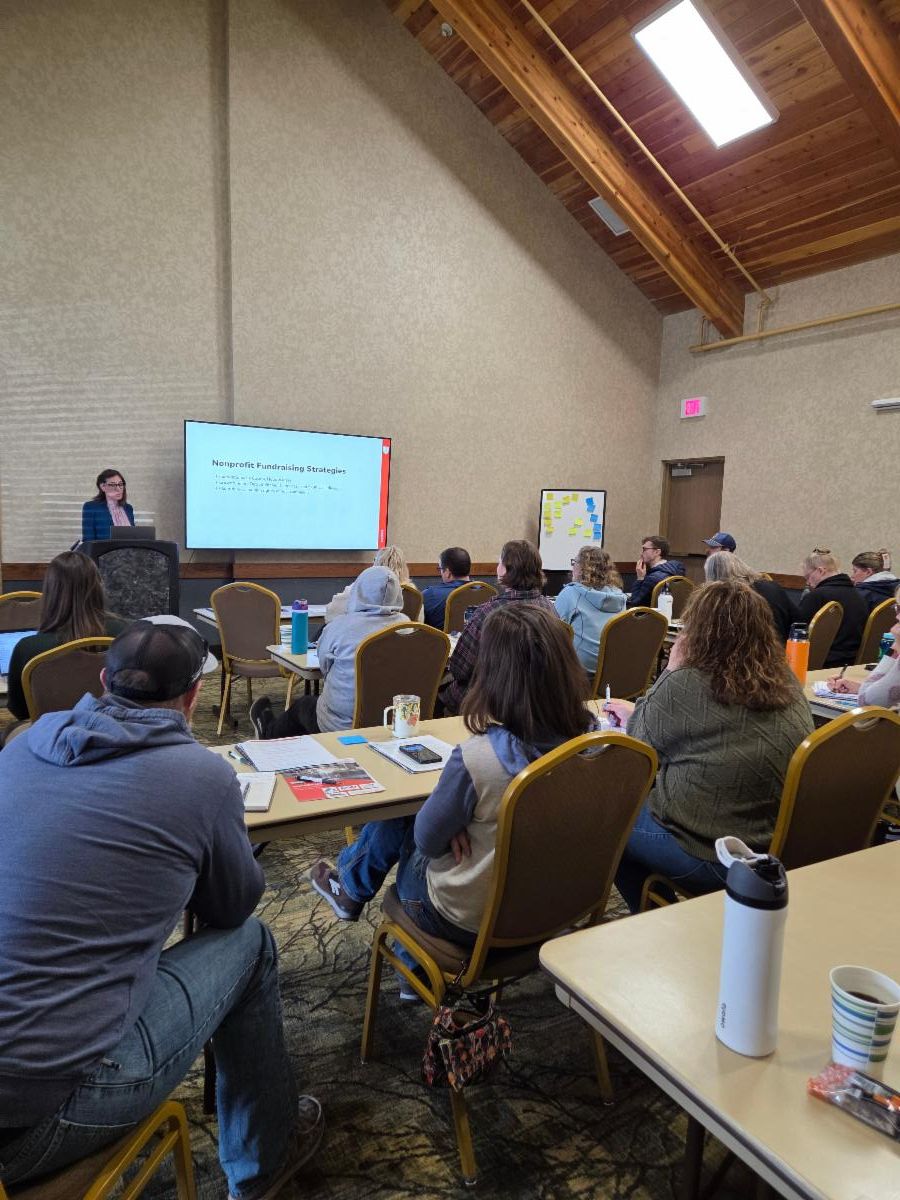
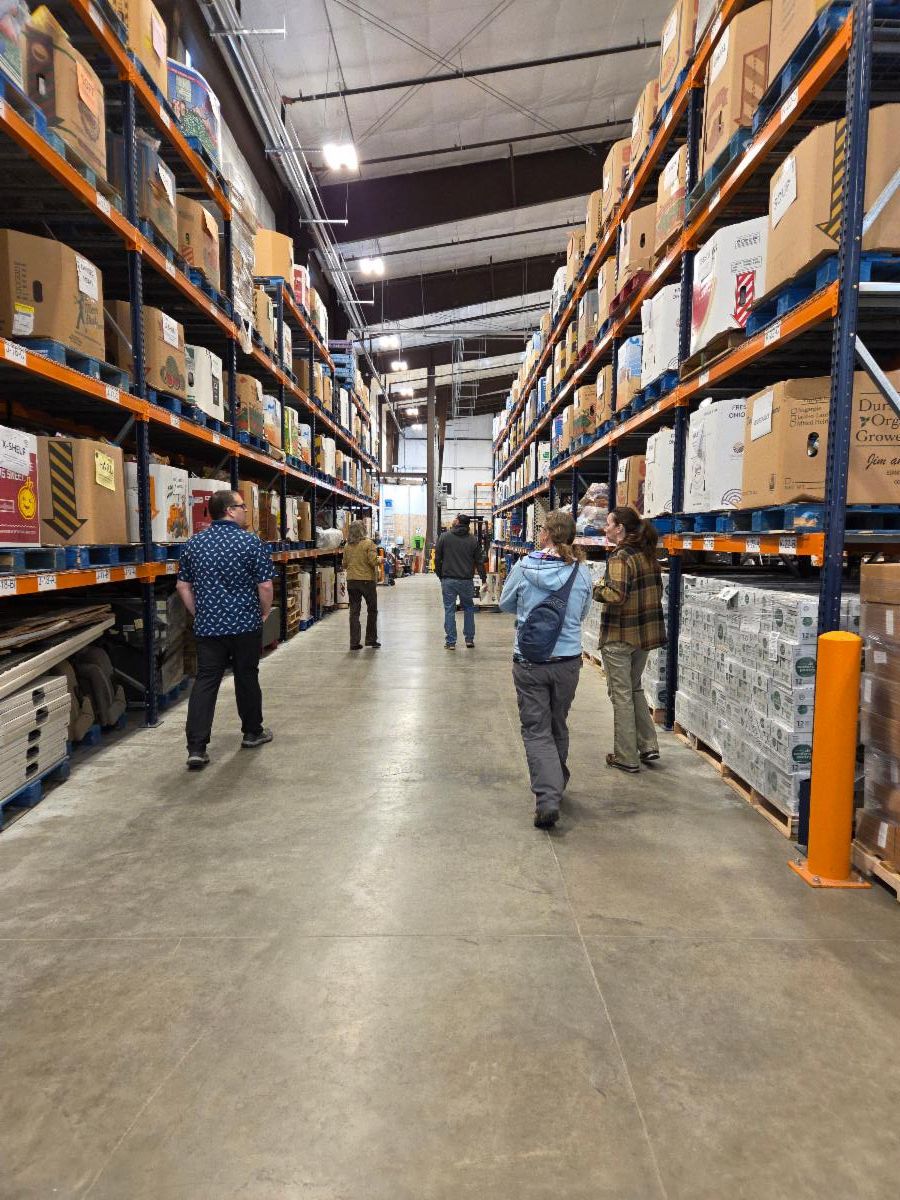
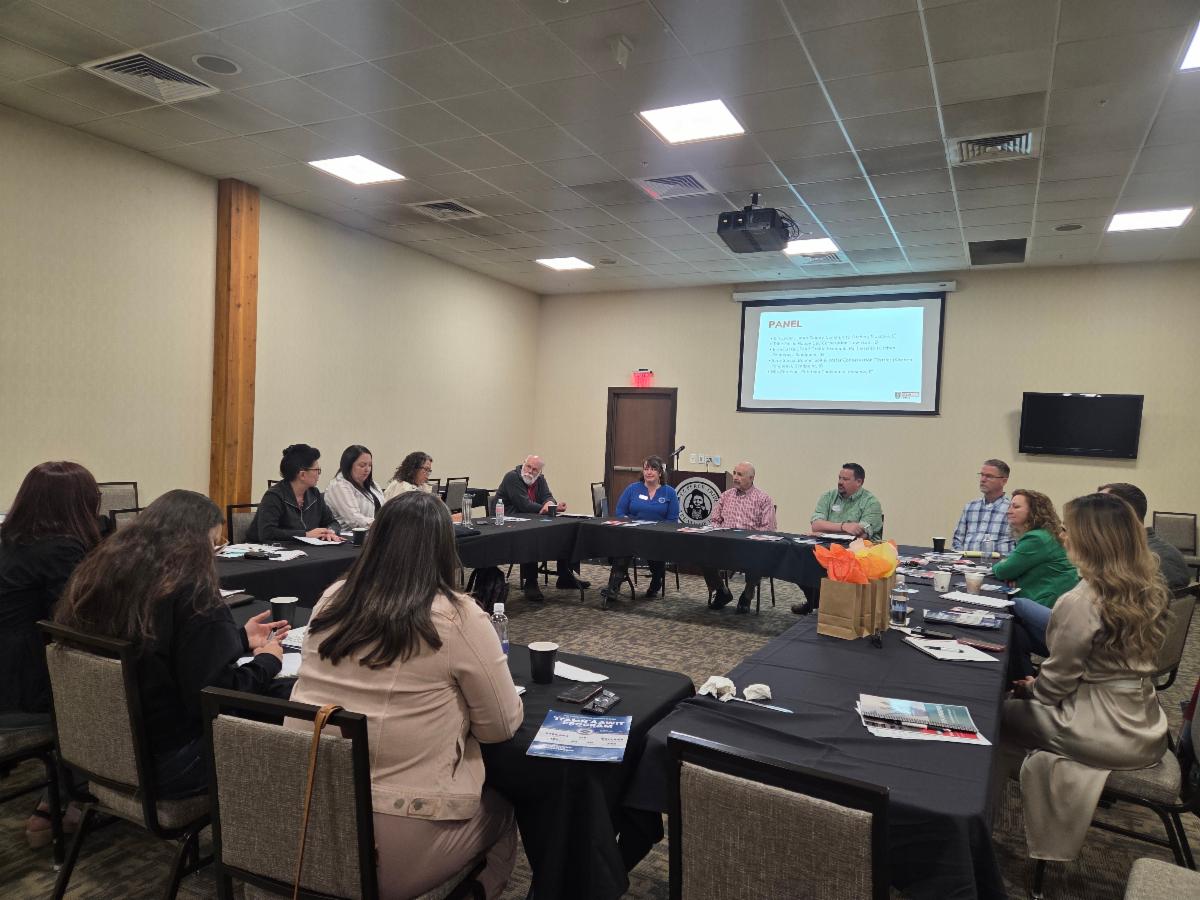
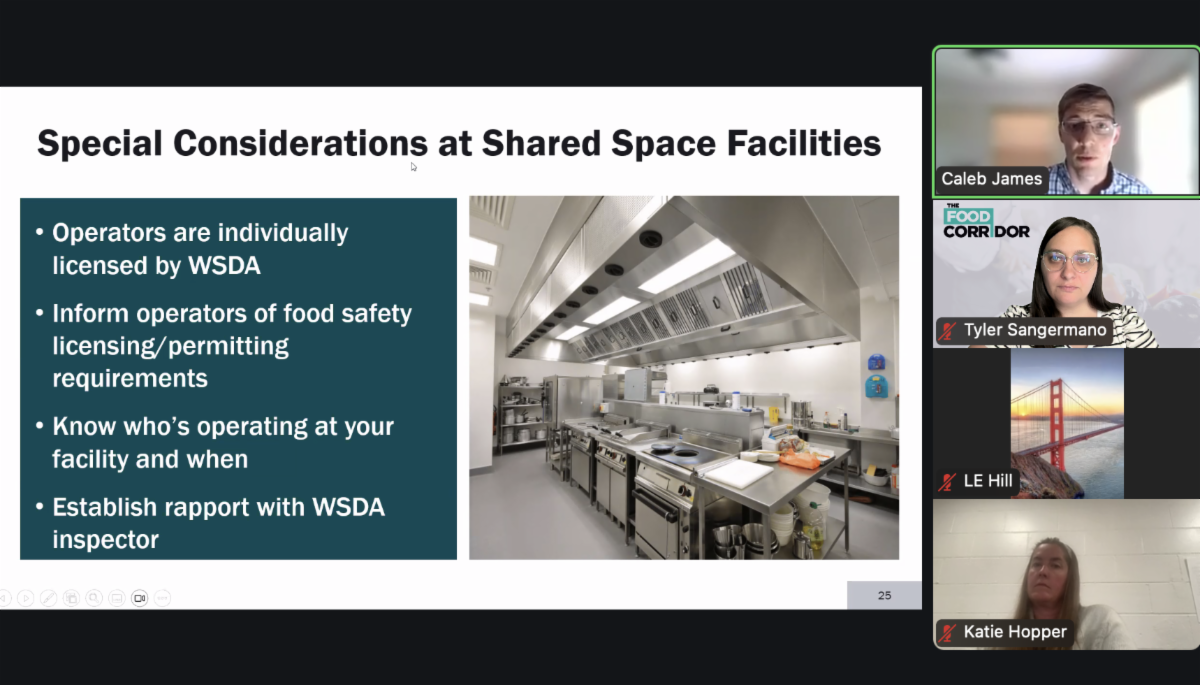
The Food Corridor hosted Shared Kitchen 101 Workshops across our region in Bozeman, MT, Lapwai, ID, and Ignacio, CO, with virtual stops in Colorado and Washington, serving nearly 100 shared kitchen operators and local food system leaders.
These workshops are designed to educate and empower new shared kitchen operators, helping them build sustainable businesses, make meaningful connections, and strengthen the broader food ecosystem. Each workshop whipped up a custom agenda, sprinkled in local health inspectors and expert guest speakers, and served up all the essentials to help operators learn, thrive, and connect. Participants represented shared kitchens that host food businesses of many different product types, business sizes and scales, and target markets.
Supported by the Northwest and Rocky Mountain Regional Food Business Center, these workshops were delivered in partnership with local organizations committed to strengthening their regional food systems.
| | | Real Stories of Transformation, Success, and Regional Food Supply Chain Impact | | |
Across the Northwest and Rocky Mountain region, local food entrepreneurs are breathing new life into rural economies, one seed, one steer, and one story at a time. Now, thanks to our new Story Maps, you can explore these inspiring journeys up close.
Our Story Maps highlight businesses that have partnered with the Northwest and Rocky Mountain USDA Regional Food Business Center—entrepreneurs who are not just building successful enterprises, but reshaping how food is grown, sourced, and shared in their communities.
These place-based impact stories feature a wide array of innovative food businesses, including:
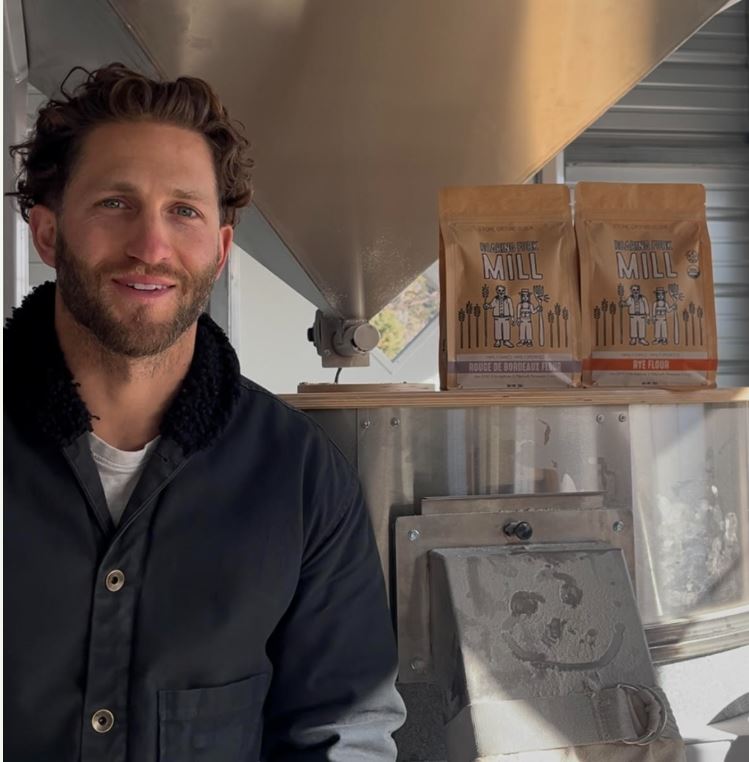
- Roaring Fork Mill – Milling regenerative, heritage grains in the heart of Colorado’s Roaring Fork Valley
- Taste of the Wind – A Wyoming-based family ranch raising Icelandic sheep with deep respect for the land and animals
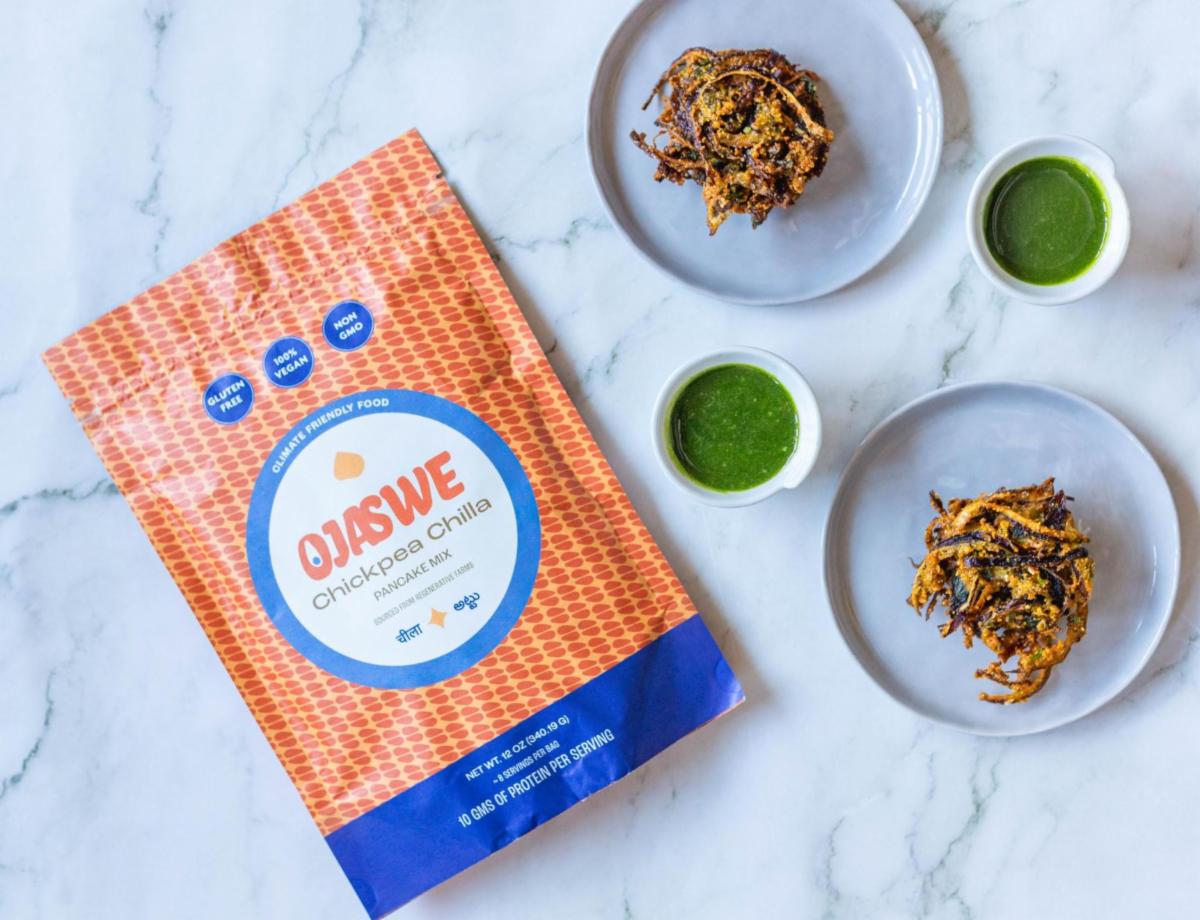
- Ojaswe – Infusing cultural heritage into seasonal, locally sourced menus
- North of Nowhere Farm – Demonstrating what’s possible with organic practices and community-centered values
- Old Town Farmstand – A vibrant farmstand turning small-town support into big-picture impact
- Podunk’s Ranch – A beef operation rooted in family tradition and sustainable stewardship
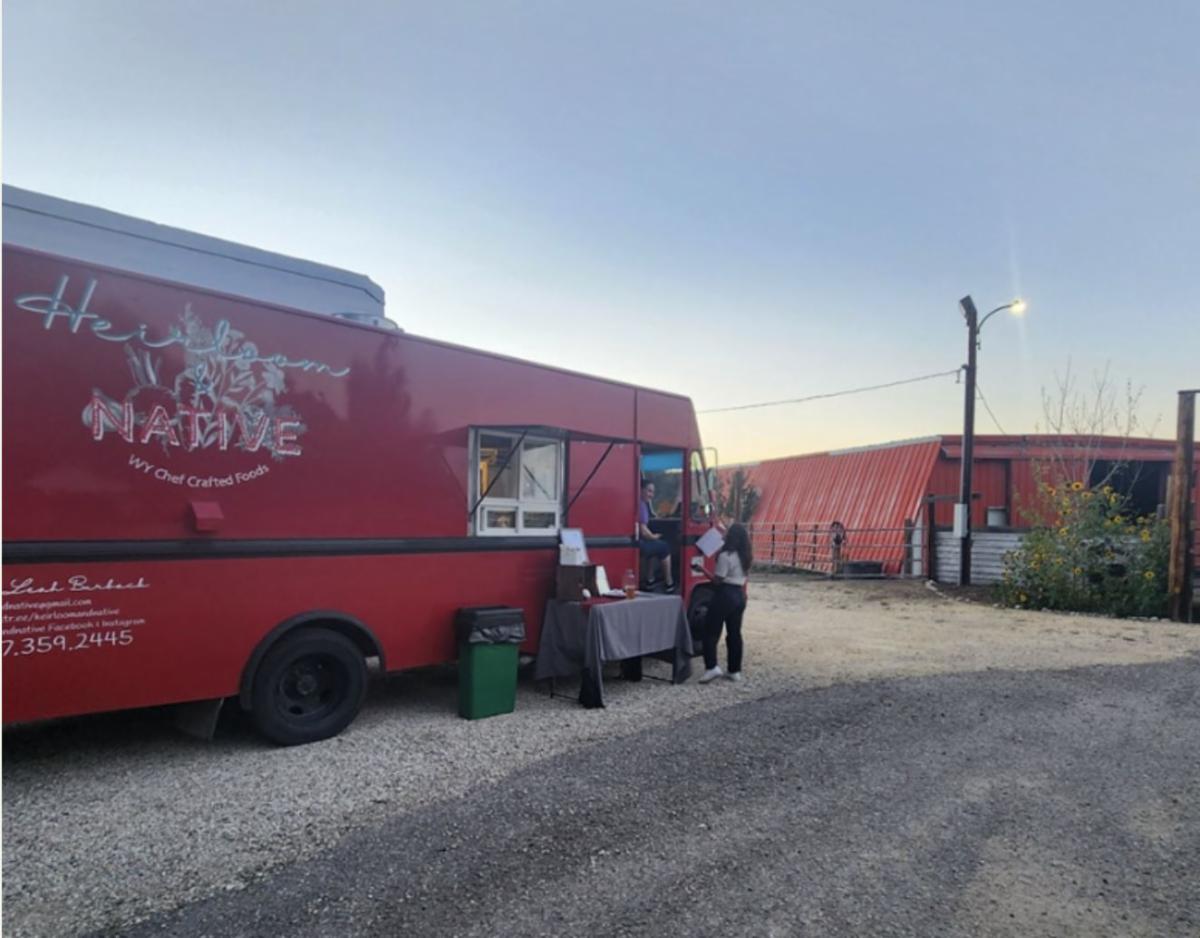
- Heirloom and Native – Reviving ancient grain varietals for a healthier, more resilient food future
Each story reveals the power of local sourcing, circular economies, organic practices, and cultural connection—core values that align with our mission to expand market access, increase regional food resilience, and uplift our region's producers.
These businesses aren’t just feeding their communities—they’re modeling a new kind of food system: community-based, place-rooted, and future-facing.
| | | Workshop Empowers Farm and Food Entrepreneurs to Decode Their P&Ls | | |
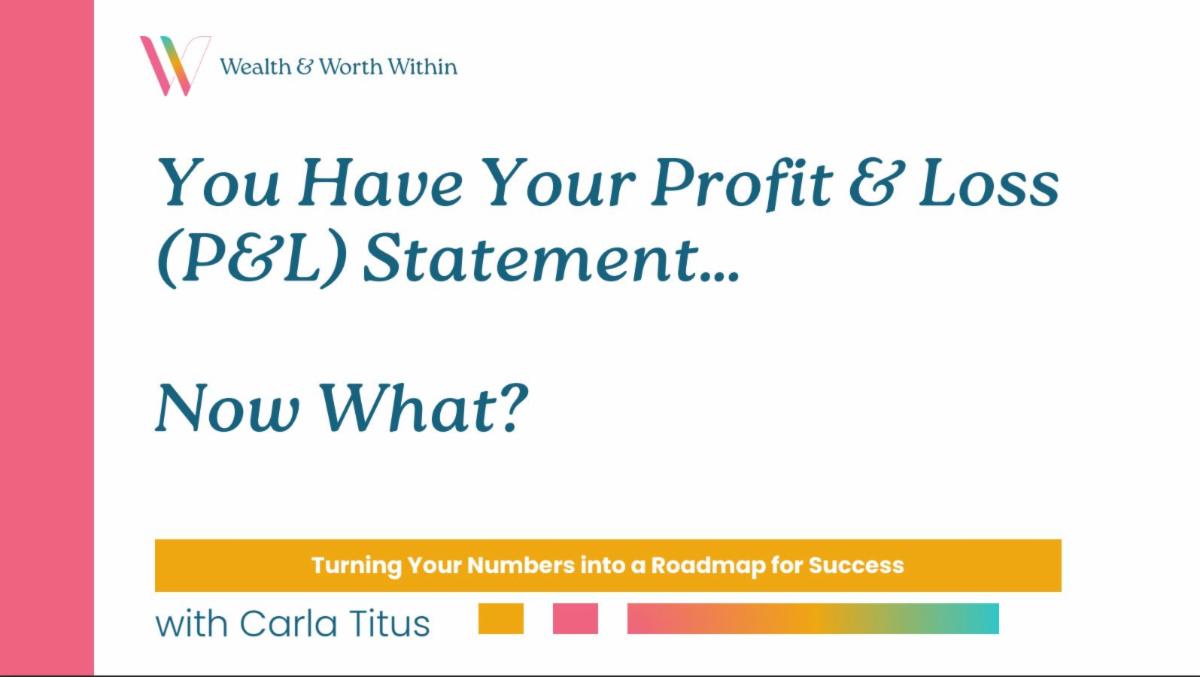
This May, Right Size Investment & Infrastructure in partnership Carla Titus from with Wealth and Worth Within hosted the "I Got My P&L, Now What?" workshop.
Over 50 farm, ranch and food businesses from across our six-state region attended. Participants gained practical tools to read and interpret their profit and loss statements, identify common financial pitfalls, and use their numbers to drive growth and profitability.
| | | CSU-led Regional Food Business Center awards $2 million in grant funding | | Colorado State University recently covered the Northwest and Rocky Mountain Regional Food Business Center's Colorado Business Builder Grant Program, highlighting the grant program's reach into rural areas of the state. In Colorado alone, 38 businesses received $440,000 in funding to support innovative projects like a frozen meat vending machine in Yuma County, expanded dairy operations in Montrose, and drought-resistant grain distribution in Pueblo. | |
|
PBS Special on Food Freedom Markets Nominated for Heartland Emmy
The Wyoming PBS special "Our Wyoming" has been nominated for a Heartland Emmy award in the Business/Consumer/Politics/Government short form content category. The nominations reflect the hard work and storytelling talent of the staff, contract producers, and creative partners who continue to shine a light on the stories that matter most to the state.
The "Our Wyoming" PBS special was released in November 2024 and explores how the Wyoming Food Freedom Act has transformed rural food access, focusing on Fremont County's success stories: the Fremont Local Market in Riverton and Lander's Meadowlark Market & Kitchen. Produced by Melissa Hemken, "Our Wyoming" is both a celebration of grassroots ingenuity and a blueprint for resilient, community-driven food systems.
Take an inside look at how Wyoming's food freedom markets are revolutionizing local food distribution, strengthening community ties, and promoting sustainable food systems across the Cowboy State.
| | | | From Tragedy to Transformation: Food Hub Rises in Harlowton | |
|
After the 2023 fire that destroyed Harlowton’s historic Graves Hotel, community leaders Jeff and Shauna Eagleton are bringing new life to the site with the creation of the Central Montana Food Hub—a one-stop center designed to connect local farmers with consumers, grocery stores, and restaurants.
The Northwest and Rocky Mountain Regional Food Business Center has proudly worked alongside many of the individuals and organizations in this story and will continue to support the establishment of the Central Montana Food Hub.
This new food hub is part of a larger vision: a network of community-driven solutions that bring fresh, Montana-grown food back to the tables of Montanans—and serve as models for rural resilience across the region.
| | | |
| | |
Eat Local First Network Meeting
June 5, 2025
11:00am-Noon MT
Live via Zoom
The Eat Local First Network is a place to connect and collaborate to guide communities toward local food across Washington State. By uniting stakeholders working across the food system, as well as economic development, tourism, government, community organizations, and media, the network fosters procurement and marketing of locally produced foods, aligning with our vision of a resilient, equitable food system where people are connected to local farms and food businesses wherever they live, work, shop, visit, and eat.
If this sounds like you, we hope you will join us! Network meetings will take place on the 1st Thursday of each month at 11:00 AM MT, with the inaugural meeting taking place on June 5th.
| | | |
| | |
Regional Buffalo to School Conference
June 22-24, 2025
Rapid City, South Dakota
Join us for this first-of-its-kind training designed to help school food service staff, school administrators and buffalo producers begin or continue Indigenizing school meal menus with buffalo!
All are welcome to join us for the pre-training Cultural Buffalo Harvest with Lisa & Arlo Iron Cloud Sunday, June 22 at the Dakota Partnership Ranch. Then, the training will take place at Western Dakota Technical College in Rapid City, South Dakota on Monday, June 23 and Tuesday, June 24. You won’t want to miss the Taste of Indian Country – A Celebratory Indigenous Food Tasting Event with Chef Sean Sherman on Monday evening!
| | | |
| | |
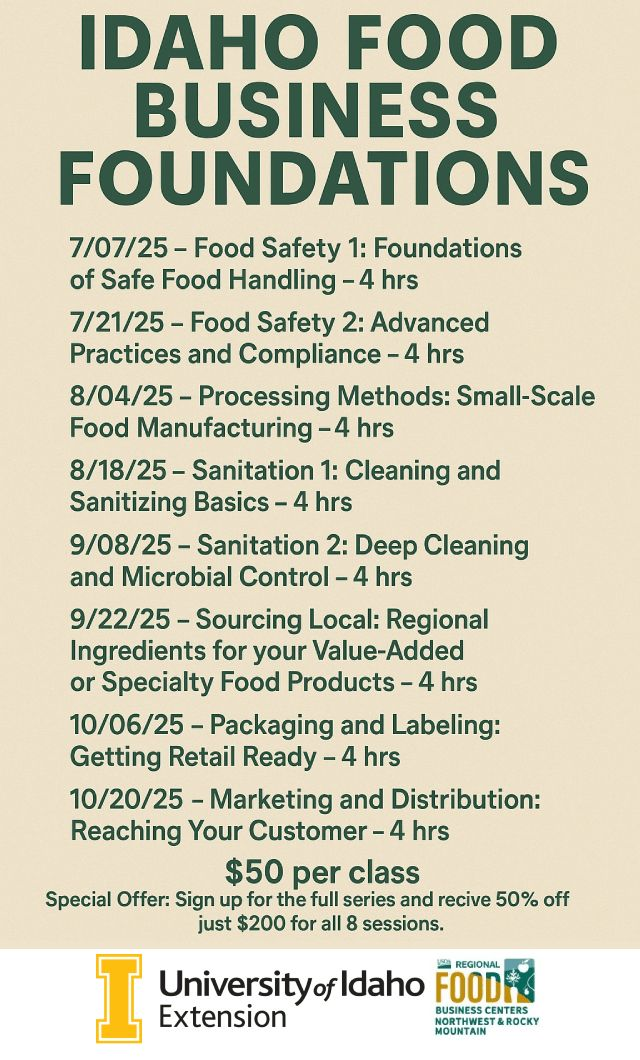
Idaho Food Business Foundations Workshop Series
July 8, 2025 through October 20, 2025
Moscow, Idaho and Virtual
Led by Idaho food industry experts, this 8-part series covers everything from food safety to packaging, sourcing, and marketing—giving you the foundation to confidently produce, sell, and scale your product.
Workshop Schedule:
7/7 – Food Safety 1: Foundations of Safe Food Handling
7/21 – Food Safety 2: Advanced Practices & Compliance
8/4 – Processing Methods: Small-Scale Food Manufacturing
8/18 – Sanitation 1: Cleaning & Sanitizing Basics
9/8 – Sanitation 2: Deep Cleaning & Microbial Control
9/22 – Sourcing Local: Regional Ingredients for Value-Added Foods
10/6 – Packaging & Labeling: Getting Retail Ready
10/20 – Marketing & Distribution: Reaching Your Customer
Cost: $50 per class
Special Offer: Sign up for the full series and get 50% off—just $200 for all 8 sessions!
Bonus: Attend 5 or more classes and receive 4 hours of consulting FREE to help grow your business.
Virtual + In-Person Options
| | | |
| | |
2025 Colorado Food and Agriculture Collision Pitch Competition
September 12, 2025
Denver, Colorado
Join us at CSU Spur for an exciting event where top food and ag entrepreneurs from across six Colorado regions – from the western mountains to the eastern plains – come together to pitch their ideas on one statewide stage. This in-person competition is a unique opportunity to see the creativity, grit, and pioneering spirit that defines Colorado’s food and agriculture business landscape.
What to Expect:
- A fast-paced, live pitch competition featuring six standout businesses
- Resource Rally with technical assistance providers and support organizations
- Ample networking opportunities with industry peers, buyers, and technical experts
- Appetizers + one drink ticket included with your $25 registration
The event is open to the public. Applications/nominations for businesses are open from June 1 – July 1, 2025 and can be accessed here.
| | | |
| | |
Native Grown & Gathered Food Expo
October 1-3, 2025
Seattle, Washington
Join us in Seattle for a vibrant gathering celebrating Native food systems and Tribal Food Sovereignty. The Native Grown & Gathered Food Expo unites Tribal nations, food producers, chefs, artists, and advocates from across the Northwest and beyond. Whether you grow, cook, forage, or simply love food and culture, this event is for you.
The Expo fosters business-to-business opportunities by connecting buyers and contractors with Native food producers and artisans, supporting Indigenous economies and sustainability. Attendees can network with food leaders, attend expert-led sessions on business development and grants, and engage in workshops on food sovereignty and sustainable agriculture.
The event also features a vibrant marketplace of Native foods and crafts, cultural performances, and live culinary demonstrations by Indigenous chefs blending tradition with innovation.
| | | |
| | |
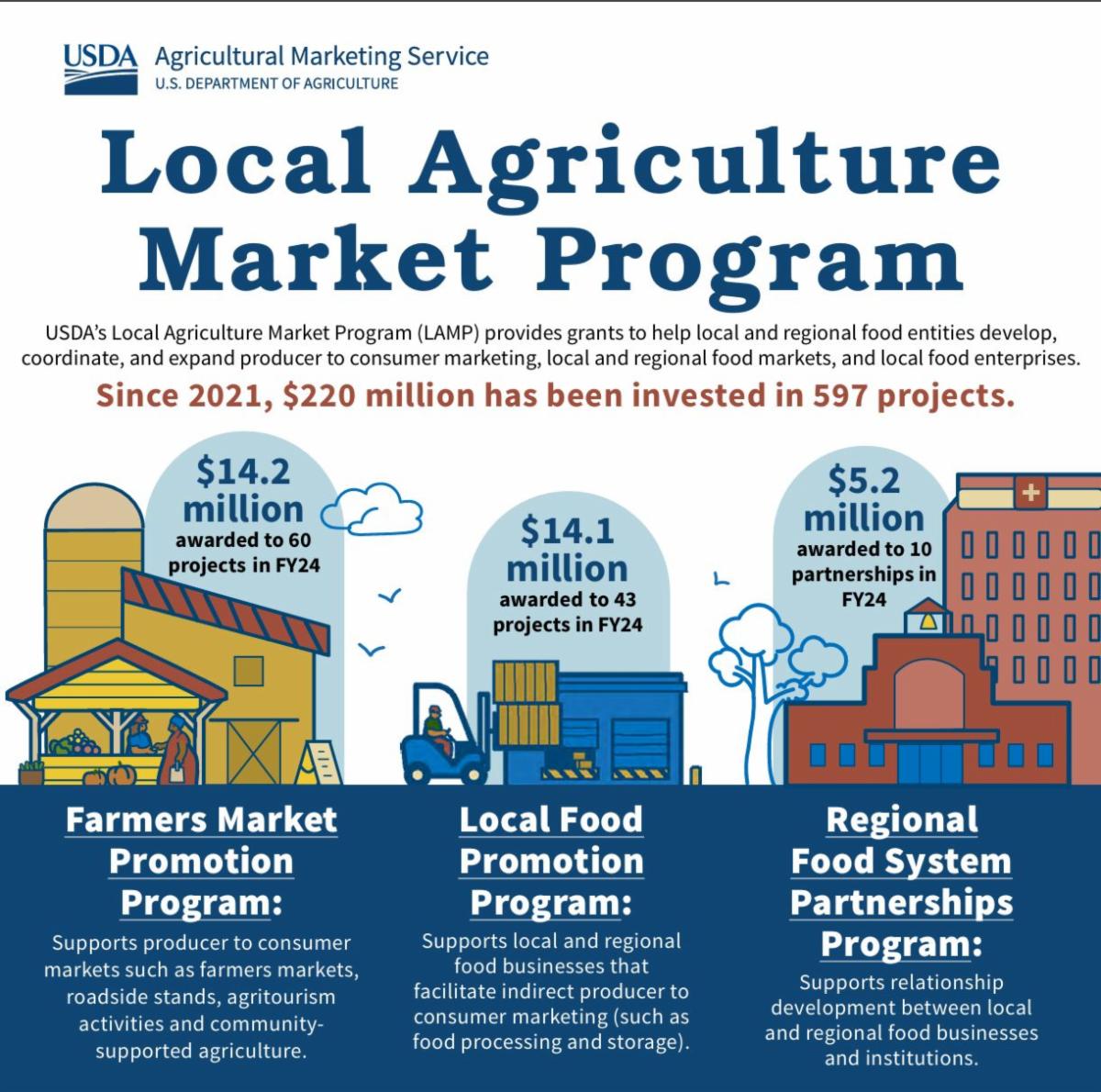
Local Agriculture Market Program (LAMP) Applications Open
The Local Agriculture Market Program (LAMP) supports the development, coordination, and expansion of direct producer-to-consumer marketing; local and regional food markets and enterprises; and value-added agricultural products.
LAMP is an umbrella program created in the 2018 Farm Bill. LAMP encompasses the Farmers Market Promotion Program (FMPP), Local Food Promotion Program (LFPP), Regional Food System Partnerships Program (RFSP), and Value-Added Producer Grants Program (VAPG). LAMP funding is divided between these grant programs.
LAMP Funding Opportunities
Applications are due June 27, 2025.
| | | |
| | |
AMS Seeks Peer Reviewers for Grant Applications
The Agricultural Marketing Service (AMS) is seeking subject matter experts to serve as peer reviewers to evaluate applications for the LAMP and other AMS grant programs for the FY25 grant cycle.
AMS grant peer reviewers should have knowledge or experience in agricultural systems, including but not limited to marketing, processing, distribution, and/or local and regional food systems. Producers and those with first-hand experience in food and farm businesses are encouraged to participate.
Reviewing applications will take approximately six weeks. Reviewers evaluate applications assigned to them independently; they then come together with other panel members virtually, discuss their findings as a team and finalize reviews and scoring. Non-federal reviewers will be compensated for their reviews.
New reviewers can register and select the program(s) they are interested in through the GrantSolutions- Reviewer Recruitment Module (RRM). More information can be found on the How to Become an Application Reviewer and apply to be an AMS grant reviewer webpages. Reviewers already registered in RMM can update their profile with current information.
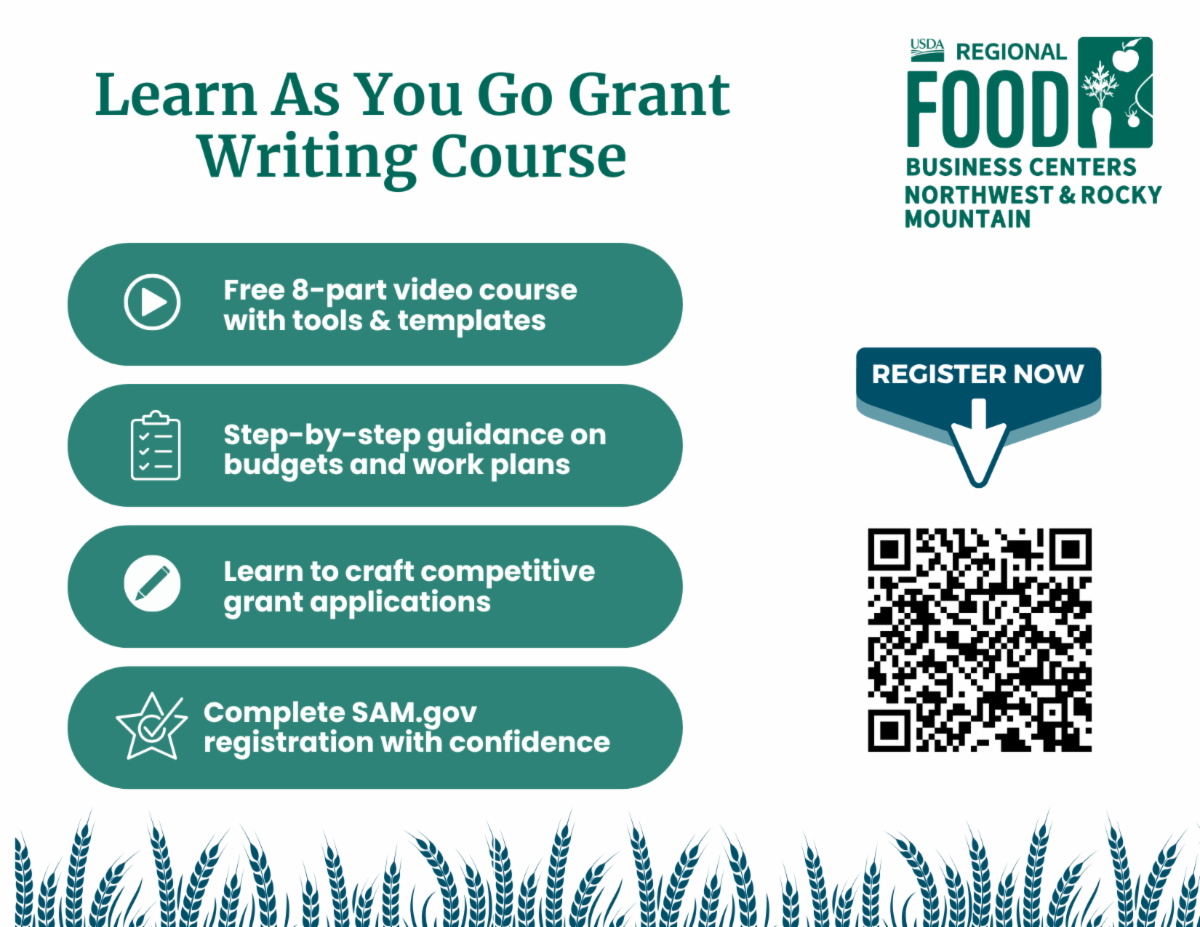
| | | | Learn As You Go Grant Writing Course | This eight-part course equips you with tested strategies to craft a competitive grant application. We’ll demystify federal grant jargon, ensure you’re prepped for success, and guide you through the SAM.gov registration. From crafting workable budgets and work plans to a stress-free submission, we’ll walk you through every step. Familiarize yourself and your team with the art of grant writing and secure the funding you need to grow your business. | | |
|
Help Us Understand the Impact of Shared Kitchens in Your Community
Are you a food business operating out of a shared use kitchen—also known as a commissary, incubator, hourly commercial kitchen, or catering kitchen?
The Food Corridor wants to hear from you! We're conducting a national survey to better understand how shared kitchens support businesses like yours. Whether you're a regular user or benefit from their services, your input will help shape future resources, policies, and research to strengthen the shared kitchen industry.
The survey takes less than 10 minutes to complete and includes 20 quick questions—no need for exact numbers, your best estimate is welcome! In partnership with research institutions like Colorado State University, this effort is a vital step toward advocating for this essential part of our food system.
Questions? Contact Survey Coordinator Ashley Colpaart at ashley@thefoodcorridor.com or CSU’s Dawn Thilmany at Dawn.Thilmany@ColoState.EDU.
| | | | |
Partners and Collaborators: |
| |
Center Leads: Colorado State University, Oregon State University
Regional/multi-state: Tahoma Peak Solutions, Network of Incubators and Community Kitchens (The Nick), Niche Meat Processor Assistance Network, Rocky Mountain Farmers Union, Luna Bird, The Food Corridor
Colorado: Colorado Department of Agriculture, Colorado State University
Oregon: Oregon Department of Agriculture, Oregon State University Food Innovation Center, Oregon Community Food Systems Network, Oregon Food Hub Network
Idaho: University of Idaho, Idaho Department of Agriculture, FARE Idaho, Sun Valley Institute, Arrowleaf Consulting Group
Montana: Montana Department of Agriculture, Montana State University
Washington: Washington State University, Washington State Department of Agriculture
Wyoming: University of Wyoming, Central Wyoming College
USDA: Ag Marketing Service Collaborators and NW-Rocky Mountain Regional Coordinator
| | |
In accordance with Federal civil rights law and U.S. Department of Agriculture (USDA) civil rights regulations and policies, the USDA, its Agencies, offices, and employees, and institutions participating in or administering USDA programs are prohibited from discriminating based on race, color, national origin, religion, sex, disability, age, marital status, family/parental status, income derived from a public assistance program, political beliefs, or reprisal or retaliation for prior civil rights activity, in any program or activity conducted or funded by USDA (not all bases apply to all programs). Remedies and complaint filing deadlines vary by program or incident.
Persons with disabilities who require alternative means of communication for program information (e.g., Braille, large print, audiotape, American Sign Language, etc.) should contact the State or local Agency that administers the program or contact USDA through the Telecommunications Relay Service at 711 (voice and TTY). Additionally, program information may be made available in languages other than English.
To file a program discrimination complaint, complete the USDA Program Discrimination Complaint Form, AD-3027, found online at How to File a Program Discrimination Complaint and at any USDA office or write a letter addressed to USDA and provide in the letter all of the information requested in the form. To request a copy of the complaint form, call (866) 632-9992. Submit your completed form or letter to USDA by: (1) mail: U.S. Department of Agriculture, Office of the Assistant Secretary for Civil Rights, 1400 Independence Avenue, SW, Mail Stop 9410, Washington, D.C. 20250-9410; (2) fax: (202) 690-7442; or (3) email: program.intake@usda.gov.
USDA is an equal opportunity provider, employer, and lender.
| | | | |