March 2018
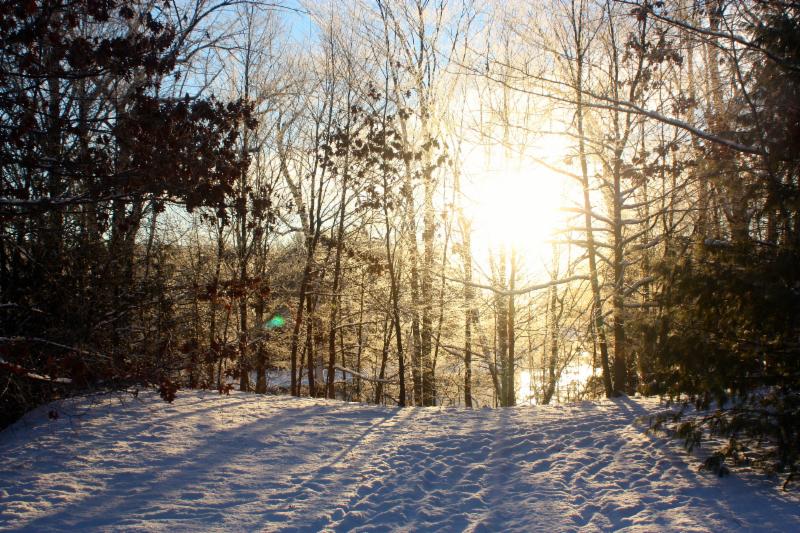
Boardman River Nature Center's Sabin Pond Trail
Invasive Species Network News


The Northwest Michigan Invasive Species Network works directly with over 40 partners in Benzie, Grand Traverse, Leelanau, and Manistee counties. Our mission is to  protect, enhance, and promote northwest Michigan's natural communities through terrestrial invasive plant management and outreach.

In this month's issue you will find an article by ISN's own Emily Cook, spring treatments, as well as a link to an MSU Extension on reporting invasive species. The field season is fast approaching so be sure to check out upcoming ISN and partner events

As always, please contact ISN if you have any questions regarding identification, treatment, or upcoming events. You can also report plant sightings to the  Midwest Invasive Species Information Network (MISIN).

Yours in Conservation,

In This Edition:
VolOpps2Volunteer Opportunities & Upcoming Events

April Events


Go Beyond Beauty Spring Meeting

When: April 4th | 6:00pm-8:00pm

Where: Boardman River Nature Center

Guest Speaker: Tom Ford | Native garden expert & artist 


ISN Partner Meeting

When: April 11th | 1:00pm-3:00pm

Where: Boardman River Nature Center


Visit our events page to add other ISN events to your calendar

For more information on all ISN and partner-hosted events, including how to RSVP,  please visit our website .

NP
Why Native Plants are the Better Choice
 for a Changing World

Photo: Tricia Forgrave
ISN Outreach Specialist, Emily Cook, recently had the chance to collaborate with Nature Change again - Nature Change is a multimedia platform encouraging discussion on conservation efforts in northwest Michigan.  The recently published photo essay titled, "Why Native Plants are the Better Choice for a Changing World" focuses on the reasons why one should be proactive in their landscaping decisions as spring approaches. The main points are outlined below. However, if you are interested in reading the entire article, please visit the Nature Change website and consider signing-up for their updates!

Native Plants are Better Adapted to Most Growing Conditions
After some initial effort to establish, you can expect less-frequent watering, drought tolerance, and less upkeep. 

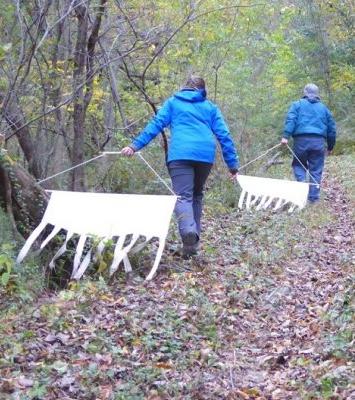
Researchers dragging for ticks in Japanese barberry. 
Attract the Good Insects and Avoid the Bad
Many pollinators have evolved along side the plant species native to this region resulting in a garden full of bumblebees and butterflies. On the flip-side, some invasive species have been linked to pests. Japanese barberry is the perfect example. Areas dense with Japanese barberry have been found to have up to 10 times as many black-legged ticks as areas without barberry. 

Native Plants Preserve our Natural Resource Heritage
As gardeners and landscapers, we can respond to changing climate conditions and help preserve the habitats and natural resources of our region by choosing and planting native species selectively and consistently. 

Get Beautiful and Diverse Color During the Entire Growing Season
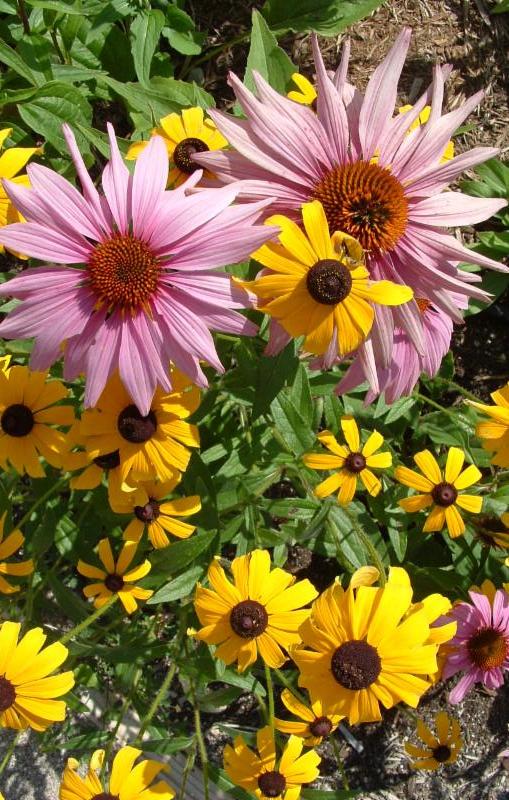
If your goal is to have a variety of color, plant height, and bloom shape, there are dozens of options in the native plant category. 

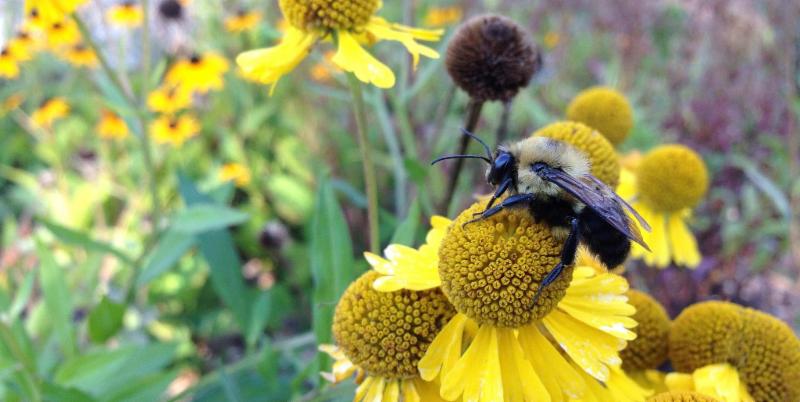
Bumblee bee on native sneezeweed. Photo: Emily Cook

st
Spring Treatments Have Started!

Even with the winter snow still lingering, ISN is kicking-off spring with early season invasive shrub treatments! Multiflora rose and Japanese barberry are our main targets at both Lake Bluff Bird Sanctuary  (Manistee) and Tank Hill (Frankfort). 

With over 178 migratory bird species calling the 75 acre Lake Bluff Audubon property home, it is very important to manage the invasive species on the property. Invasive species such as multiflora rose and Japanese barberry threaten biodiversity by replacing nest sites and food sources. 

At Tank Hill, the Japanese barberry is being treated over 10 acres, which falls under the Great Lakes Restoration Initiative (GLRI) grant. ISN and the City of Frankfort have been collaborating together to manage the invasive species at Tank Hill for multiple years. ISN has also been working on garlic mustard at Tank Hill for several years, even devoting a workbee to the area. Visit ISN's events page to learn more about this event and others.

Both of these locations were identified as priorities after ISN staff surveyed them in recent years. This data is critical to identifying project areas in northwest Michigan.

TT"Tattle Taling on Exotic Species..."

Here is a short article from MSU Extension about the importance of reporting invasive species to organizations such as MISIN. The knowledge gained from doing so is a benefit for both the reporter and the recipient. 

An app can be downloaded to your phone for easy use and reporting. Click here for more information on the MISIN phone app and to to get started as a citizen scientist!

 
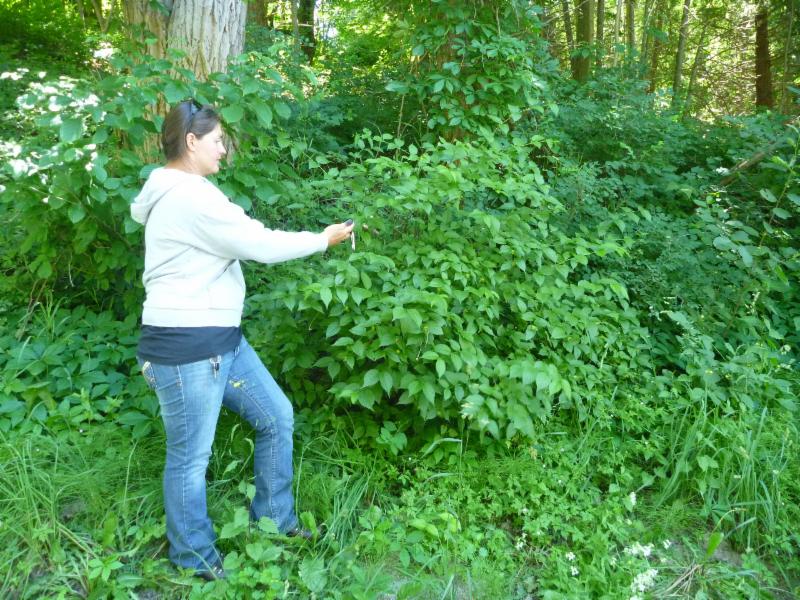
Rebecca Koteskey taking coordinates during a 2016 ISN survey. Photo by: Jane Perrino
gbbGo Beyond Beauty

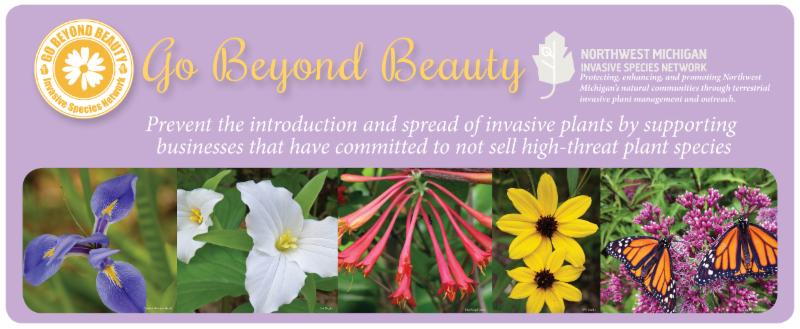
For many people, a garden's purpose begins and ends with beauty. However, we believe it is possible to create beautiful spaces that transcend beauty alone. Did you know that many of the plants that are most invasive in local natural areas originally arrived as ornamental garden plants? You can prevent the introduction and spread of invasives by purchasing plants at local nurseries and through landscapers that have committed to not selling high-threat invasive ornamental plants. Additionally, commit to not using invasives in your own landscape. Let's make Northwest Michigan an example of natural beauty, wildlife habitat, healthy waters, and bountiful gardens that inspires across the state of Michigan... and beyond!

We invite all nurseries, landscapers, businesses, organizations, and concerned landowners that are located in Benzie, Grand Traverse, Leelanau, and Manistee Counties to participate in Go Beyond 
Beauty.  Contact us or  visit our website for details.

FB
fbFind ISN on Instagram and Facebook!

Help the Northwest Michigan Invasive Species Network get seen and heard-follow us on Instagram and Facebook. 

Social media is a great way to share with our friends and family. Let them know your interest in ISN by following us and liking our pages. The more you get involved with ISN and our social media, the more your friends and family will learn about why and how habitat matters. Sharing posts from our page is also a great way to get others around you to see what ISN is up to and to further educate them on topics such as invasive species and habitat.

Thanks for your support!

Facebook: https://www.facebook.com/NWMISN/
               Instagram: NW MI Invasive Species Network
newsInvasive Species In The News