Not quite a race, not quite a 'chase, Foxhall Farm Cup challenge considered a real throwback to the Gilded Age of steeplechase
This Sunday in Monkton: Three riders, three horses, four miles and one gigantic sterling silver trophy waiting at the end
|
|
Discover the fascinating history behind one of American jump racing’s most quirky competitions. And it's quirky founder. |
|
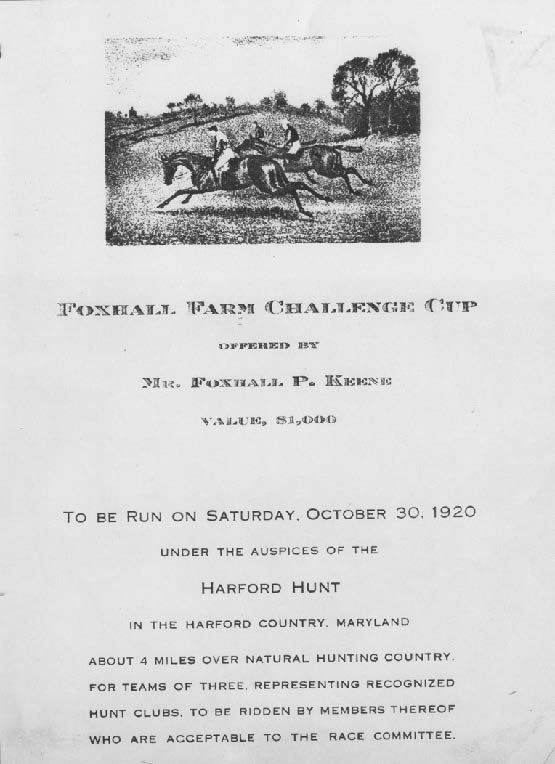
In late October, 1920, Foxhall Keene initiated what remains possibly the most unique interpretation of jump racing ever seen in America, a team ‘chase across the hunt country starting and finishing on his Foxhall Farm in Monkton, Maryland.
Teams of three representing a dozen recognized hunt clubs took to the course – a shotgun start, sort of a cavalry charge to tackle a stiff 4 1/2-mile course crossing the Elkridge Hunt’s most challenging territory criss-crossed with stout line-fences and mature hedgerows. The first hunt to finish all three team members was declared the winner.
It was a sport imported from Great Britain and given an American twist. People loved it, competitors and spectators alike.
Radnor claimed the first Foxhall Farm Cup, the Pennsylvania club’s name etched on the huge silver trophy and earning the right to host the 1921 race. Though the event no longer "moves around" to the home territory of whatever team happens to finish first that year, according to race historian Maryanna Skowronski, it has become an integral part of the early season training regimen for some of steeplechasing’s most elite corps.
|
|
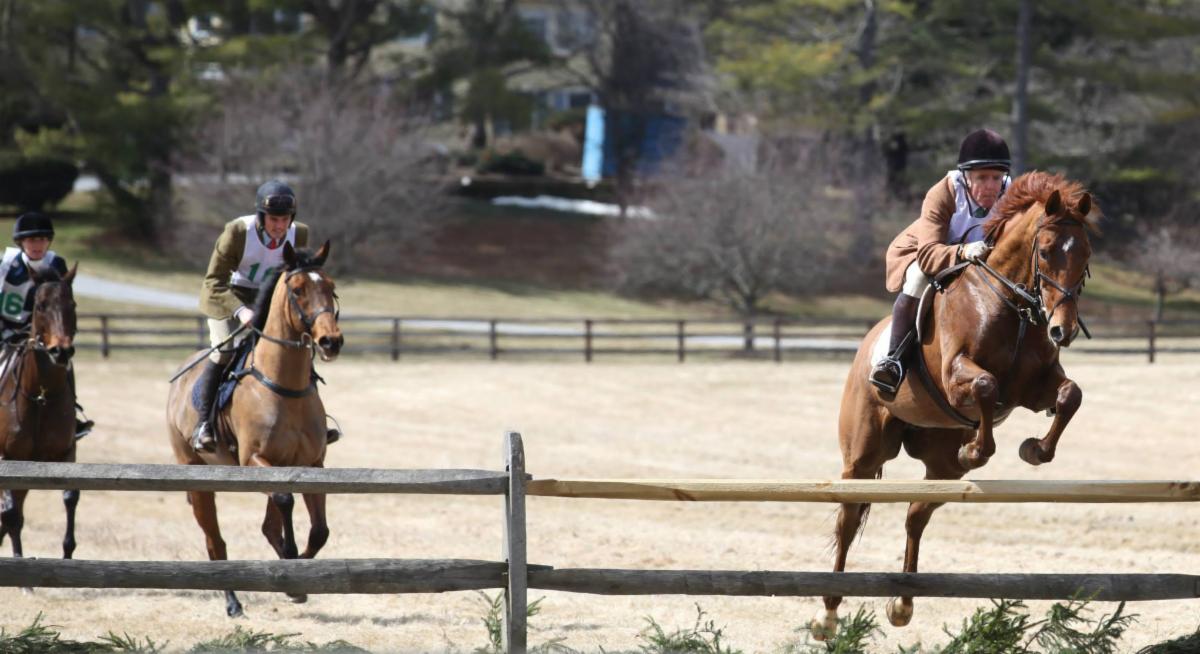
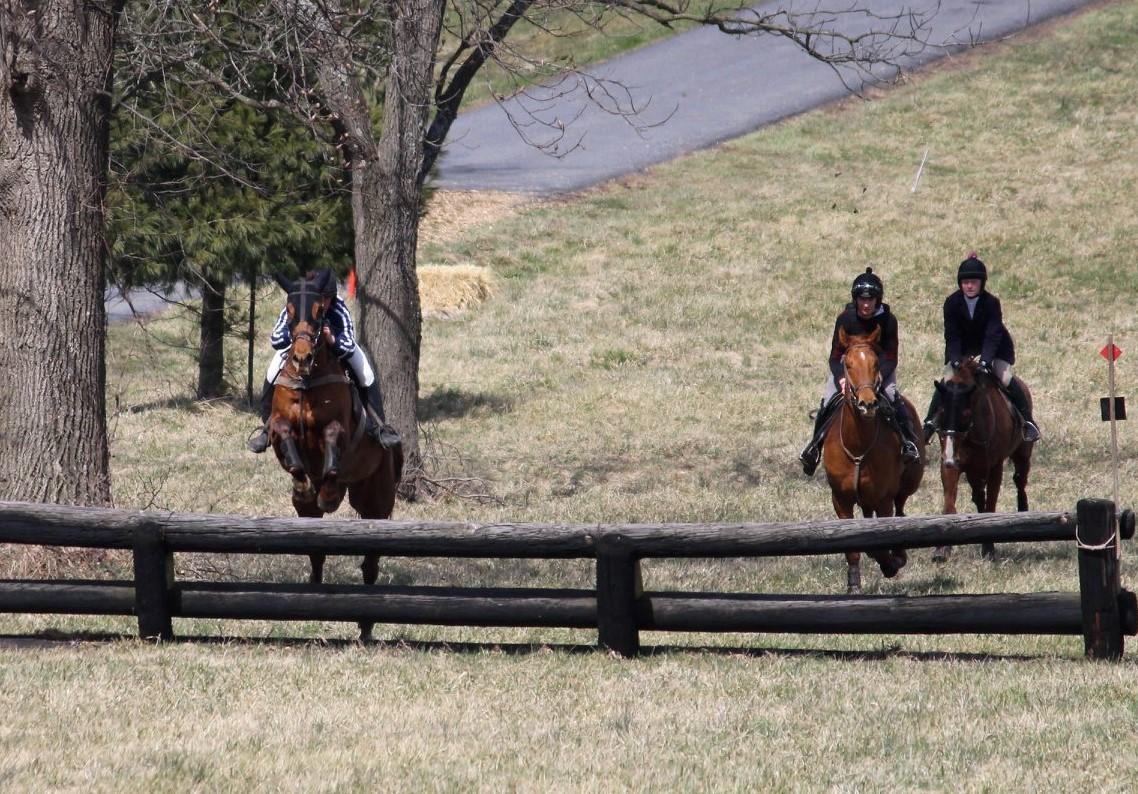
Sunday's Foxhall Farm Cup Team Chase takes a page from the traditional spring hunter pace format, with a couple differences. There's just one division - fast-time, and three riders per team, not pairs. (Carol Fenwick photo from 2015)
Teams are sent out one at a time at three-minute intervals rather than the en masse start from earlier days of the 102-year-old event.
The course is mapped and flagged, carefully tended and safety-checked, race co-chair Rob Keller says, so that race trainers feel comfortable sending top horses to use Foxhall as an early-season prep race. Some jumps - there are 25 - are built into line fences around the pastures of the three farms the course crosses. Others are custom installed
for the event, like the nearly 5-foot hedge that Keller says the race committee tends and trims to resemble a manicured steeplechase jump from a traditional English racecourse.
Team members can go in any order they like, changing leaders throughout the four miles and jumping some of the wider fences upsides.
A starter gives a countdown for each team, and timers on a judges' stand record the finish time of the third team member to cross the finish line.
The winners really gallop, Keller adds, without the normal sort of "steadying" at the fences as in the hunt field. Other teams take more time to use the event as a schooling experience, checking back and setting up for each jump before moving on between fences.
A second division, an optimum time division that competes for the Full Cry trophy, runs on some years, but not this Sunday. Optimum time is the average of all the times throughout the day. Riders in the modern Foxhall 'chase wear hunt attire; in the old days, they wore racing silks, three identical for each three-person team.
|
|
Reports called the inaugural event “invigorating” and “purely the nation’s top sporting 'chase,” but by all accounts competitors were strung out across the countryside as they negotiated walls and ditches, rail jumps and natural hedges, stream crossings and miles of open pastureland.
Owner of Andor Farm – the most recent name of the former Foxhall property, Laura Pickett says “there were a lot of fallers in that first race. They were taking the shutters off the house to use as stretchers for the injured riders.”
She’s sure it won’t be as crazy when the race returns to her Andor Farm this Sunday, March 20.
|
|
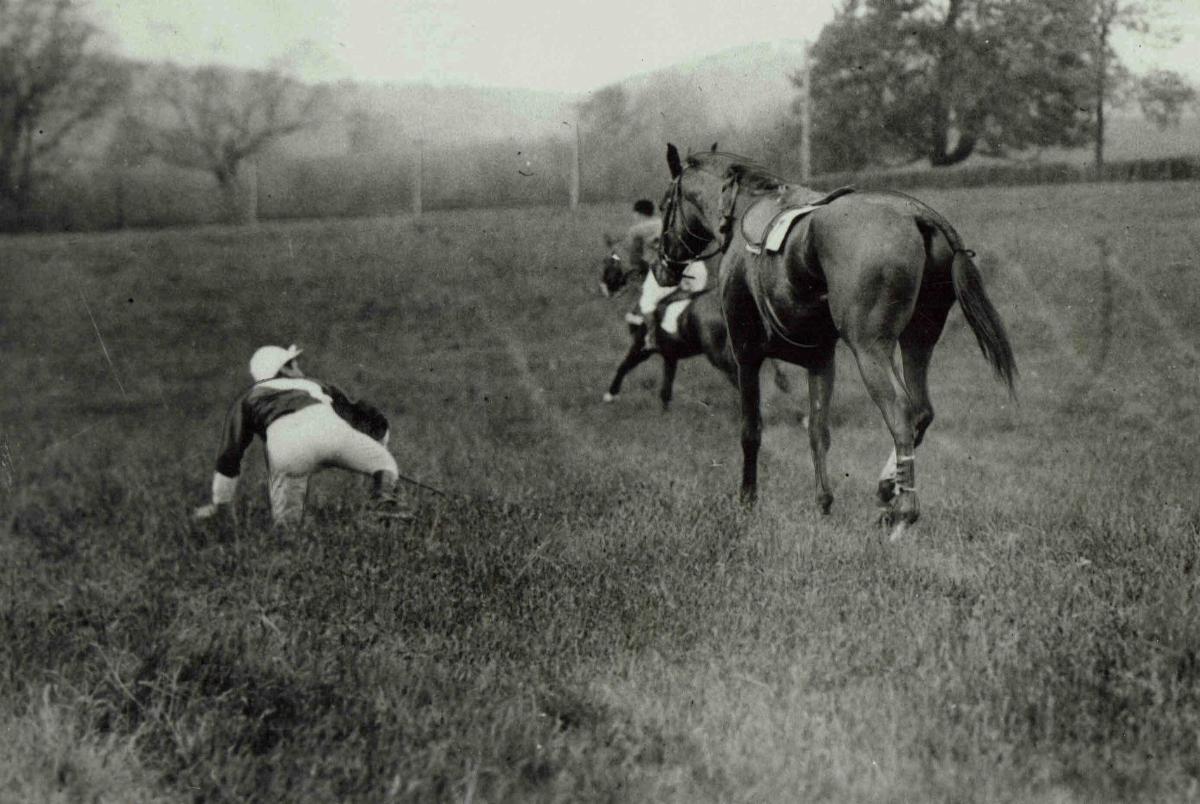
By far our favorite historical Foxhall photo. The caption reads: Smithtown Hunt Club Captures Trophy. Breaking the two-year streak of the Radnor Hunt team, the Smithtown Hunt Club, of Long Island, captured the Foxhall Farms' $5,000 challenge trophy at the spring meeting of the Radnor Hunt Club at Berwyn, PA, May 14. Photo shows Earle Porter of the Smithtown team, taking a spill during the race. He remounted and won. The Foxhall Trophy, donated by Foxhall Keene, is for teams of three hunters from the same hunt club, all of them to finish in order to win. 5/15/32. Credit Line: Acme |
Long gone is the shotgun start, today’s Foxhall Farm Cup an important and anticipated launch to the American steeplechase season – more specifically, mid-Atlantic timber racing and, even more narrow focus for horses aimed at Maryland’s big timber. The race is open to horses and riders "that have fairly hunted." Some competitors are strictly foxhunters, of course, that aren't moonlighting as steeplechasers, but more are steeplechasers that hunt for fitness.
Seventeen teams representing four hunts from Maryland, Pennsylvania and Virginia will race for the enormous Foxhall Farm Cup on Sunday including three early nominees to the Maryland Hunt Cup. Also entered are dozens of young and aspiring timber runners and a similar number of veteran timber horses using the event as an early-season workout.
“The winners really gallop the course, the entire course,” Pickett says, part of the unique nature of the format being that trainers can give orders to riders to “take it easy” with less experienced horses, adds race co-chair Rob Keller. “It depends on the horse.”
Last year’s winners, representing the hosting Elkridge Harford Hunt Club won in 9:37.
|
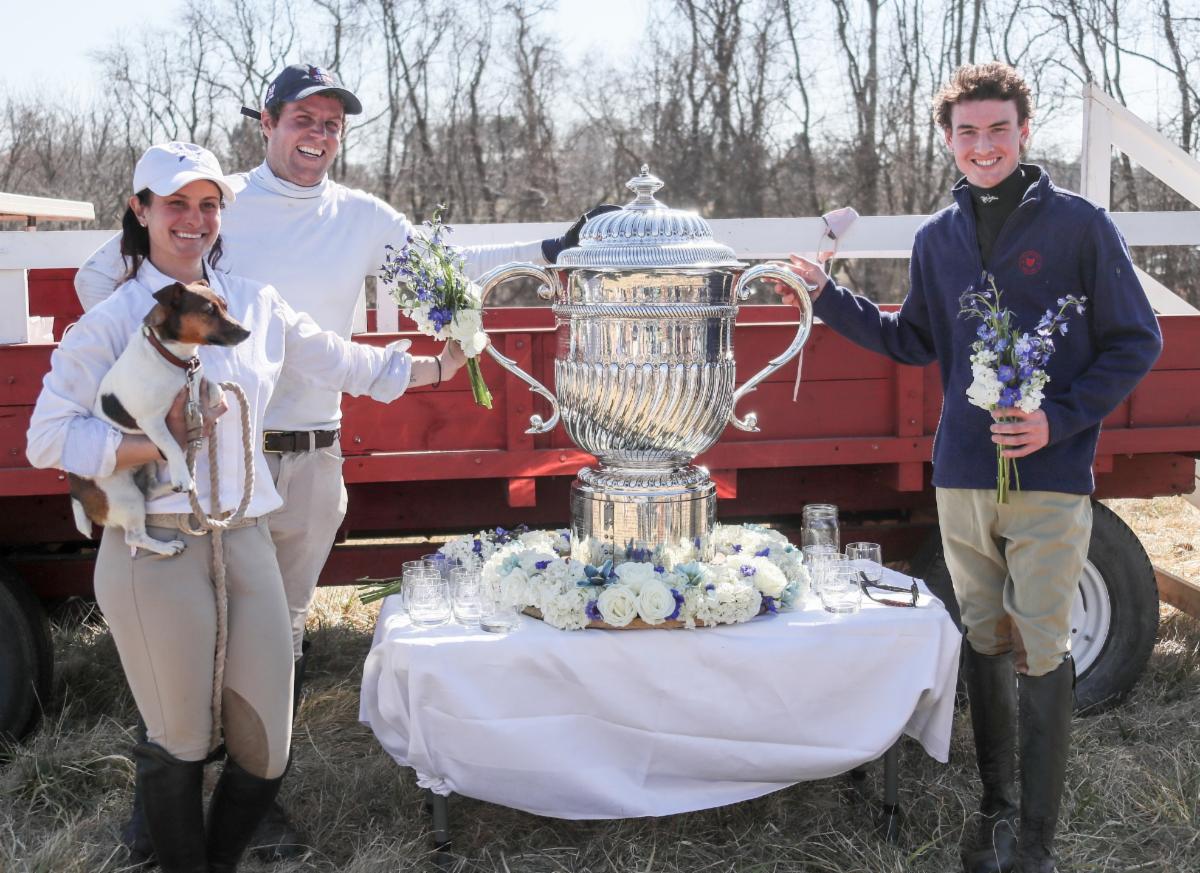
Robert Keller photo of the winning Foxhall Farm Cup team from Elkridge-Harford in 2021. Left to right, Sara Katz rode Diamond Drive; Willie White rode Night Sounds; Colin Smith rode Forever Bernardini. |
Fun fact
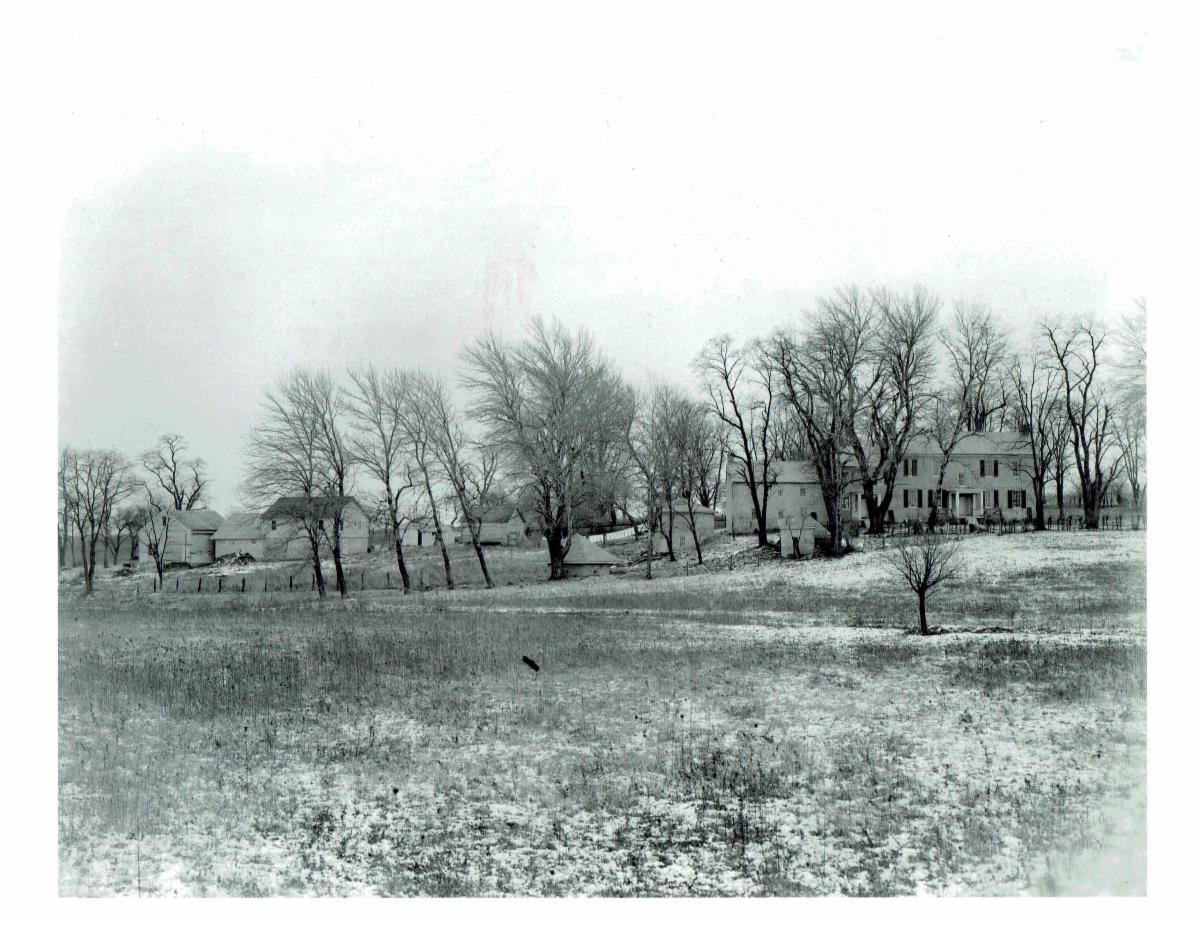
Foxhall Keene’s Foxhall Farm was also known as Briarfields and Loafer’s Lodge. It is now called Andor Farm.
|
Fun fact
Two thoroughbred racehorses – one born in 1983 and another in 2002, were named after Foxhall Keene. The 1983 Foxhall Keene was a graded-stakes-placed winner on the flat. He made a single start over hurdles for trainer Ronnie Houghton and rider Gregg Ryan, fifth in the maiden at Montpelier in 1992.
The 2002 Foxhall Keene won one of 13 starts on the flat for owner-breeder Iris Coggins, who also owned the 1983 Foxhall Keene for the second half of his race career.
|
Fun fact
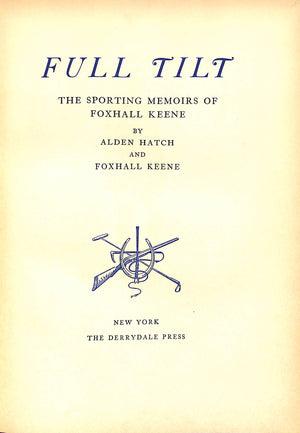
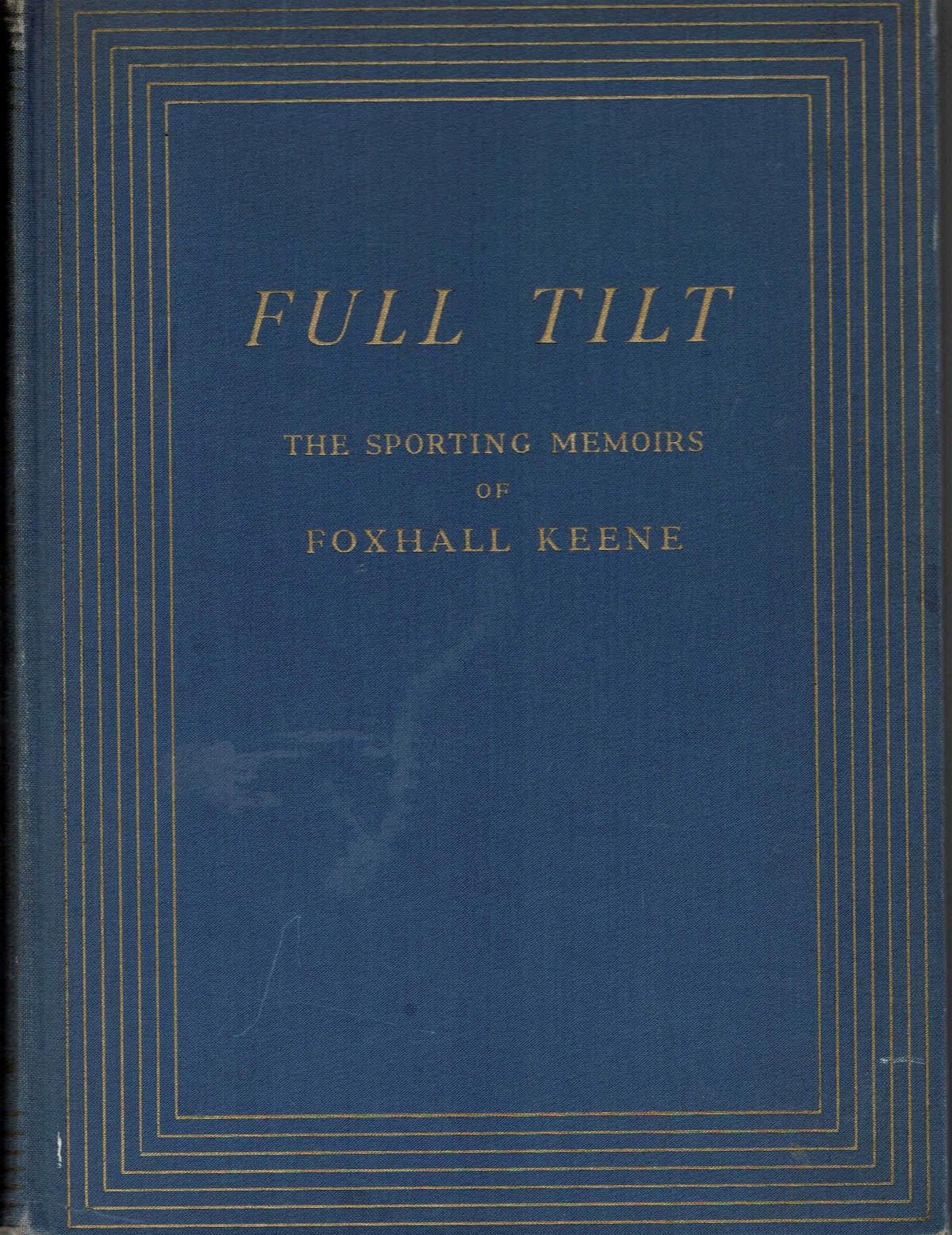
Foxhall Keene’s autobiography, “Full Tilt,” was published by Derrydale Press in 1938. It chronicles his international adventures, and Keene is colorful in his commentary.
“I have participated in nearly all the sports that men have invented to harden their bodies and temper their spirits,” Keene wrote. “In each of them I found pleasure and an incalculable profit to the soul.”
About the later stages of his life, after the money ran out, Keene was introspective. “My strength and skill and even the fortune that allowed me to live so royally are spent,” he wrote. “But if I had to do it all again, I would follow exactly the same way.
“It was a life of pure delight.”
|
Fun Fact
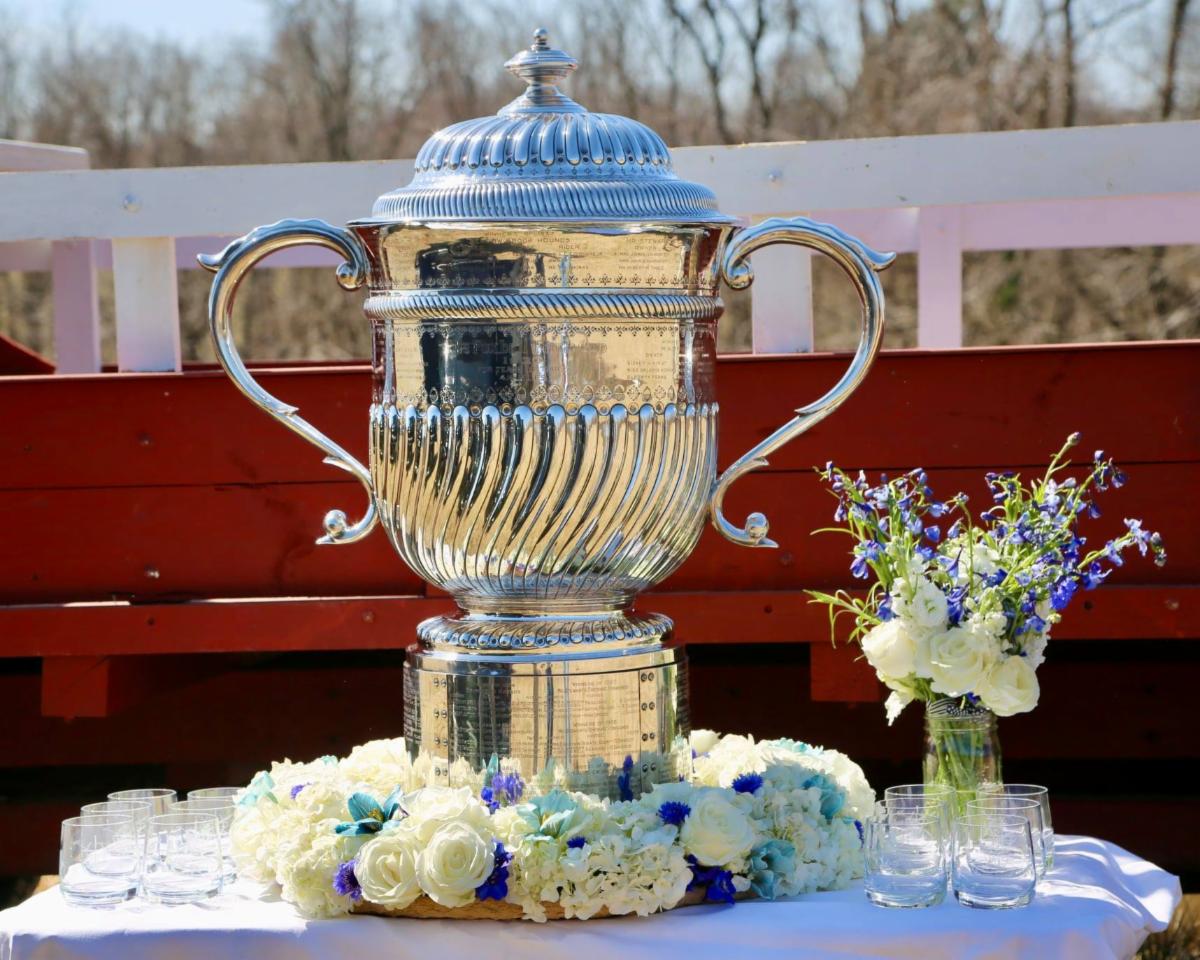
The winners as listed in the 2022 Foxhall program were transposed precisely from the Foxhall Farm Trophy. This was no simple feat as the number of runnings of this historic race necessitated engraving the inside and outside of the cup, lid and base to accommodate winners.
The race was originally to be run in the spring and autumn of the year, accounting for multiple winners in a single calendar year. Several years the race meeting was not held.
Carol Fenwick photo
|
|
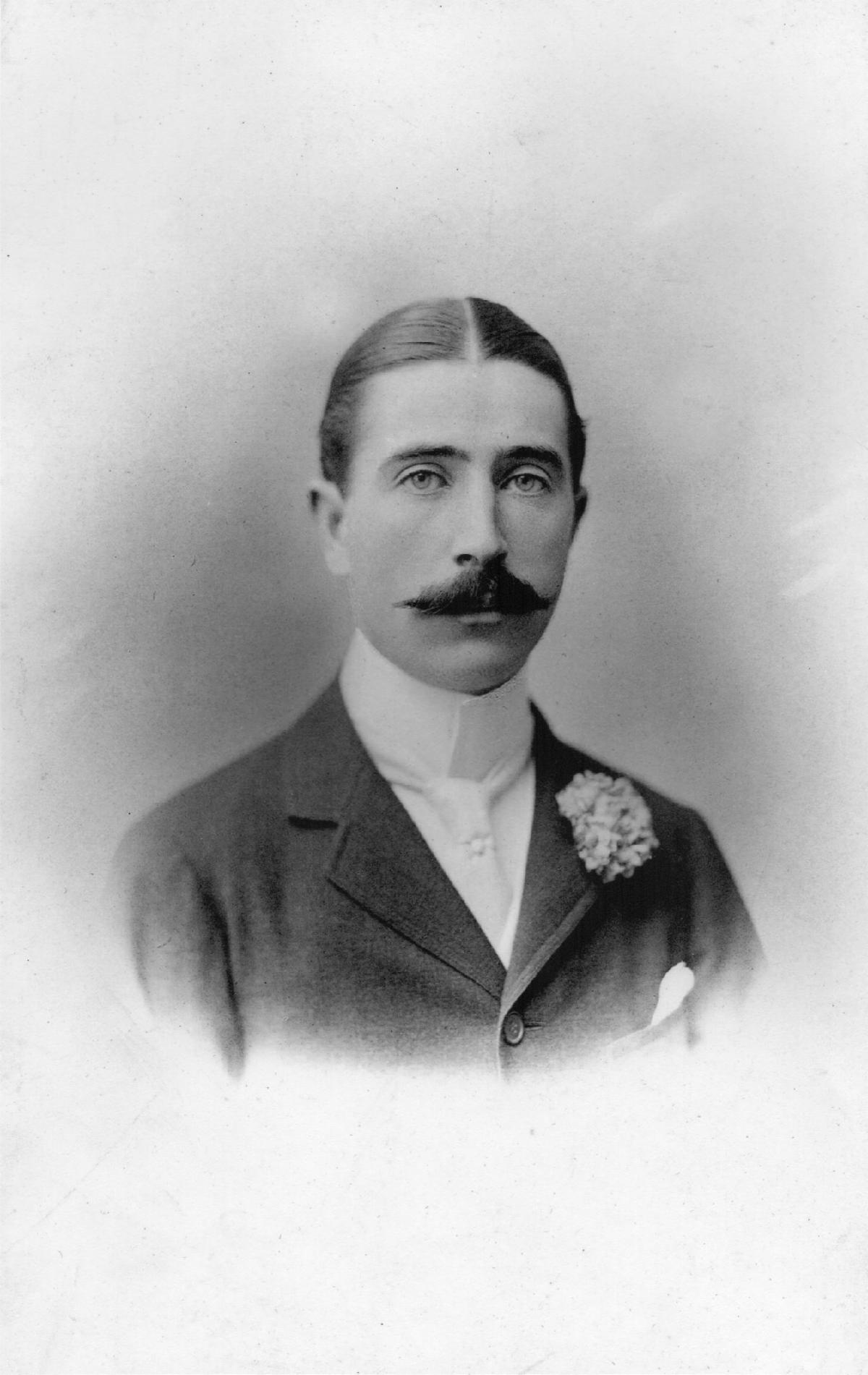
You’ve got to admit it: He’s got the greatest first name – Foxhall Keene, but his nickname’s even better: Foxy (in some news stories spelled “Foxie”) to his friends and family.
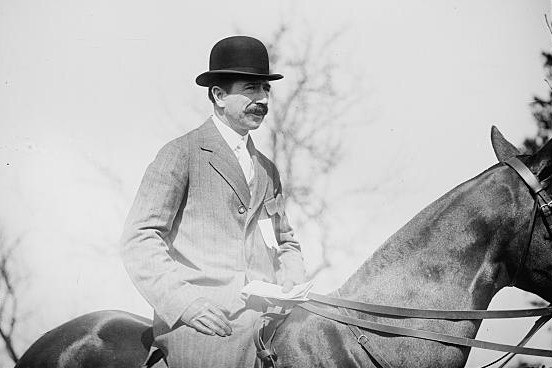
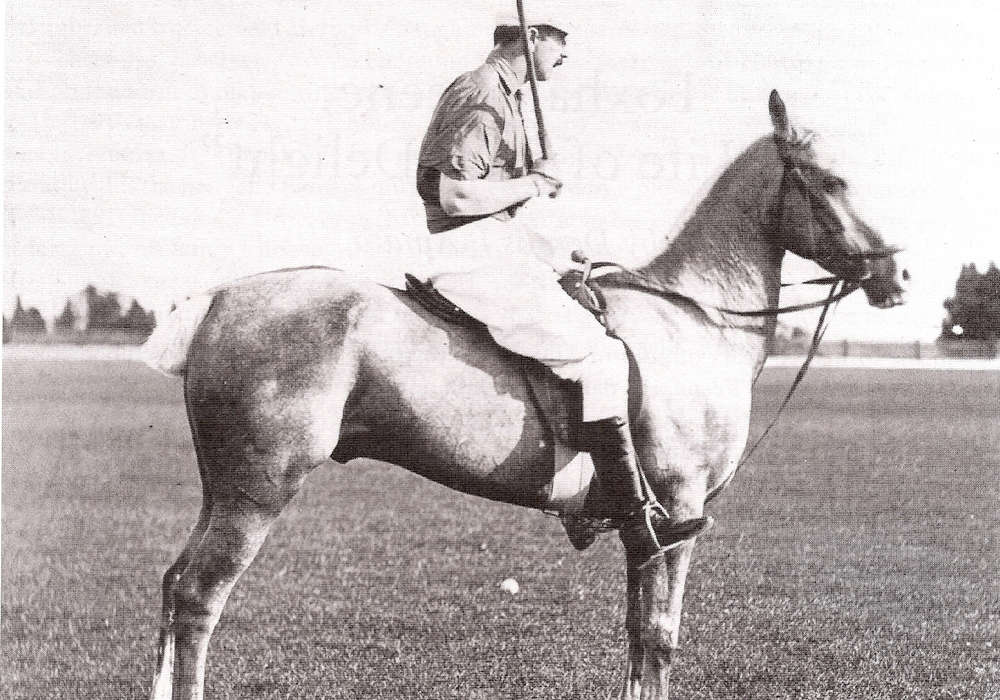
Foxhall Keene made quite a name for himself as an American sportsman who achieved the highest levels in a number of games. He was an avid foxhunter on two continents, an Olympic champion, polo’s first 10-goaler, a U.S. Open level tennis player and golfer and a championship racecar driver in the early era of auto racing.
Foxhall Parker Keene (1867-1941) was born in San Francisco to Sarah Jay Daingerfield and James Robert Keene. His father was president of the San Francisco Stock Exchange but moved his family to New York City in the 1870s.
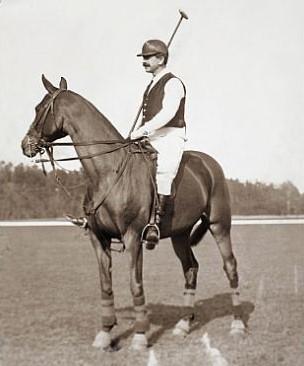
Foxhall Keene studied at Harvard, and there his athleticism took center stage. He was quarterback on the varsity football team, a top baseball player, golfer, tennis player and squash star. He took up polo in college, representing the U.S. in an international tournament in 1886. Steeplechase horseman, Tommy Hitchcock, was team captain.
|
Keene was the first 10-goal rated polo player – earning the rating in 1888 and holding there for 14 years. He was rated a 9 for another 16 years. Keene was on the polo team that won gold at the 1900 Paris Olympics. He was inducted posthumously into the U.S. Polo Association Hall of Fame in 1992.
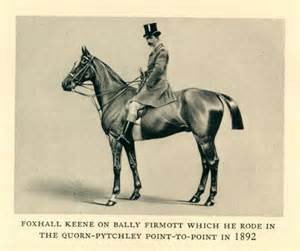
Keene hunted with the old Rockaway Hunting Club in Nassau County, New York, moving to Maryland, and with John Rush Street helping found the Harford Hunt (now Elkridge Harford Hunt Club.)
He purchased what became Foxhall Farm in 1918 from Mrs. Charles H. Street.
|
In horse racing, Keene’s homebred mare, Chorus, was sixth in the 1908 English Grand National, a race won by California-bred Rubio. Keene’s Precentor, born like Chorus at the Keene family’s Castleton Farm in Lexington, Kentucky, led for most of the 1911 National but pecked badly at the third-from-home and lost his rider. Keene was overwrought, calling the mishap “the worst piece of racing luck that ever befell me.”
He regularly kept company with the nation’s elite, gun-hunting with Teddy Roosevelt and counting moguls Willie Vanderbilt and William Randolph Hearst as friends.
Keene fell from grace with poor investment choices in the 1920s, like his father losing his entire fortune. Unlike his father, Foxhall Keene never regained his footing. He moved into a relative’s home in Quebec, leaving a rollicking account of his life in an autobiography, “Full Tilt” but dying almost penniless in 1941.
|
James Robert Keene’s racing legacy |
An Englishman by birth, Foxhall Keene's father, James Keene was a mercurial figure on Wall Street who became a powerhouse owner in racing.
He was born in 1838, moving to the U.S. as a boy. He made the first of his shrewd business moves as a young man, buying a string of pack mules to set up a hauling business. Early customers included the Bonanza silver mines, which he later bought into and earned his first fortune in the Nevada silver rush and through bold and calculated trading.
Keene was appointed president of the San Francisco Stock Exchange, but in 1876 he relocated his family to the East coast and brought his money and investment acumen to New York Stock Exchange.
Keene gained notoriety, known as a master of market manipulation. He’d buy stocks cheaply, then artificially affecting the price of securities and nudging the share price upward until a crazed public snapped them up.
It was wildly successful, but highly illegal and very risky. In 1884, James Keene went broke in an attempt to corner the Chicago grain market.
Undeterred, a few years later he engineered a comeback after being hired by Wall Street investor William Havemeyer to manage a stock fund. Once again the “Silver Fox” emerged as a powerful titan in the New York financial community.
|
Keene was a successful owner and influential breeder of his era. Keene’s Spendthrift carried his white and blue polka-dot colors to victory in the 1879 Belmont Stakes. Spendthrift was great-grandsire of Man o’ War.
Spendthrift died at Castleton Stud, which Keene developed into one of the top breeding operations in the history of American horse racing. From 1893 to 1912, Castleton bred 113 stakes winners, including standout stakes winners Colin, Commando, Peter Pan, Domino, Sweet, Black Toney and 1896 Kentucky Derby winner Ben Brush.
James Keene's homebred, Foxhall, was named for his son. Foxhall was quite a good racehorse; he became the first American horse to win the Grand Prix de Paris in 1881. The following year Foxhall won England's Ascot Gold Cup.
Keene was a founding member of the Jockey Club in 1894. He died in 1913.
|
Nobody took the bet
James Keene gladly underwrote his son Foxhall's sporting ambitions from polo to golf.
The senior Keene once staked $100,000 to anyone who could beat his beloved Foxy in any of 10 different sports.
The sporting press loved the audacity of the gambit, but evidently nobody dared take a chance.
|
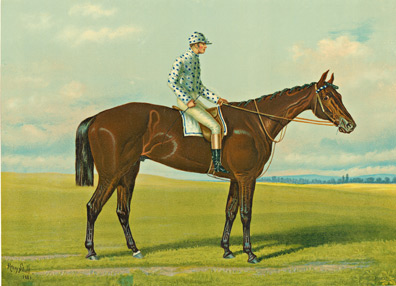
Foxhall, a portrait by Henry Stull |
|
Sara Katz Foley was on the winning team last year.
She loves the course and loves the event.
“It’s so much fun,” Foley says. “It’s a combination of hunting and racing,” and something you can do competing “with” your friends and rivals, rather than “against” them like on the racecourse. “The fences consist of a variety of jumps – it can be post and rails telephone poles coops and even hedges. You can jump single file or together.”
Robert Keller photo of the 2021 winning Foxhall team of Willie White, Sara Katz Foley and Colin Smith.
|
|
Top amateur-apprentice rider Skylar McKenna is listed to ride Schoodic, Monbeg Stream, Shootist and Withoutmoreado on Sunday. She says the race-'chase is an excellent pre-season spin for everybody.
“The team chase is a great course to get the horses tuned up for the spring season,” McKenna says. “It’s similar to racing in the sense that you gallop over a course of fences but different because you don’t have to put your horse under pressure.
“Some of the teams made up of made timber horses will use it as a prep so they will open gallop most of the course. But if there is a team of maidens, they might steady up into the fences. Swapping leaders and jumping upsides does happen."
TGSF photo of the 2019 Cheshire Hounds team of Joshua G. with Skylar McKenna, Ardrahan with Sean McDermott; Jack Slade with Eddie Keating. They finished second, after a team from Elkridge-Harford Hounds.
|
|
Race co-chairman Rob Keller says he’s excited to compete with teammates Connor Hankin and Melissa Gartland. “It’s more of a challenge chase than a flat-out race,” Keller says, though he expects the winning team will need to scoot to post the fastest time. “It rides really well,” he says of the course, which the committee designed to closely resemble the original route from Foxhall Keene’s 1920 inaugural event. “We hunt through here (Elkridge Harford Hunt Club), but the course was thoughtfully designed to be a safe, good prep where a lot of trainers will bring their nice horses for a an early season run.
“It’s a very consistent course, and you can let a horse really roll on.”
Keller says Andor Farm owner Laura Pickett has been a huge part of making the event a continued success, along with adjacent landowners Marshall Elkins and Josh Brumfield. “That’s three farms we cross,” he says, “and they’re all a big part of why it works so well. They’re all very hunt community friendly, and we couldn’t do it without” their interest in conserving the history of the unique event.
Co-chair Gary Murray is married to Elizabeth Voss, daughter of the late Tom Voss. Voss, Keller says, played a big role in keeping the 102-year-old event a relevant part of the modern steeplechase and foxhunt calendar.
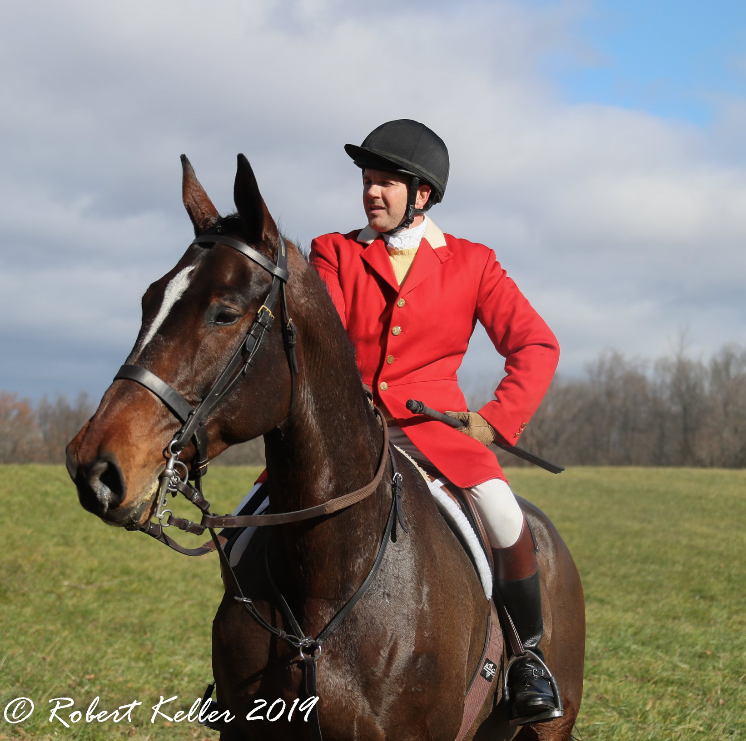
Robert Keller photo of Rob Keller on his Cavelli. They head a team for Elkridge-Harford on Sunday, along with Melissa Gartland on Carrickboy and Connor Hankin on Gowiththeflow.
|
|
Andor Farm owner Laura Pickett grew up near the historic property. She remembers riding her ponies across the land as a child.
“I love this farm, I love the history of this farm,” she says, owner of the 130-acre farm more than 20 years. She and husband Taylor bought it from the estate of the late Michael Wettach, who had inherited the estate from his Guggenheim ancestors. “You know, I’m by far the most boring owner of this property, but it’s obviously an honor to be the keeper of this legacy, and I want to be a responsible steward of the history of the Foxhall Cup.”
|
|
She recalls one night after they bought the place, sitting around the table with steeplechase horsemen Turney McKnight and Tom Voss and saying how fun it would be to bring the Foxhall Farm Cup back to the former Foxhall Farm.
“I told them, if you guys (riders representing Elkridge Harford Hunt Club) win the Foxhall Farm Cup back, I’ll build – re-build, the original course and host the race.”
In 2005, an Elkridge Harford team of Blair Waterman (now Wyatt), Turney McKnight and Paddy Neilson rode like the wind to capture the cup. Friends, neighbors and supporters of the plan to replicate the 1920 course got to work. The hunt hosted the Foxhall Farm Cup Team Chase in 2006, possibly the first time it had been back at the original property, over what Pickett calls “pretty close to the same” as the original course.
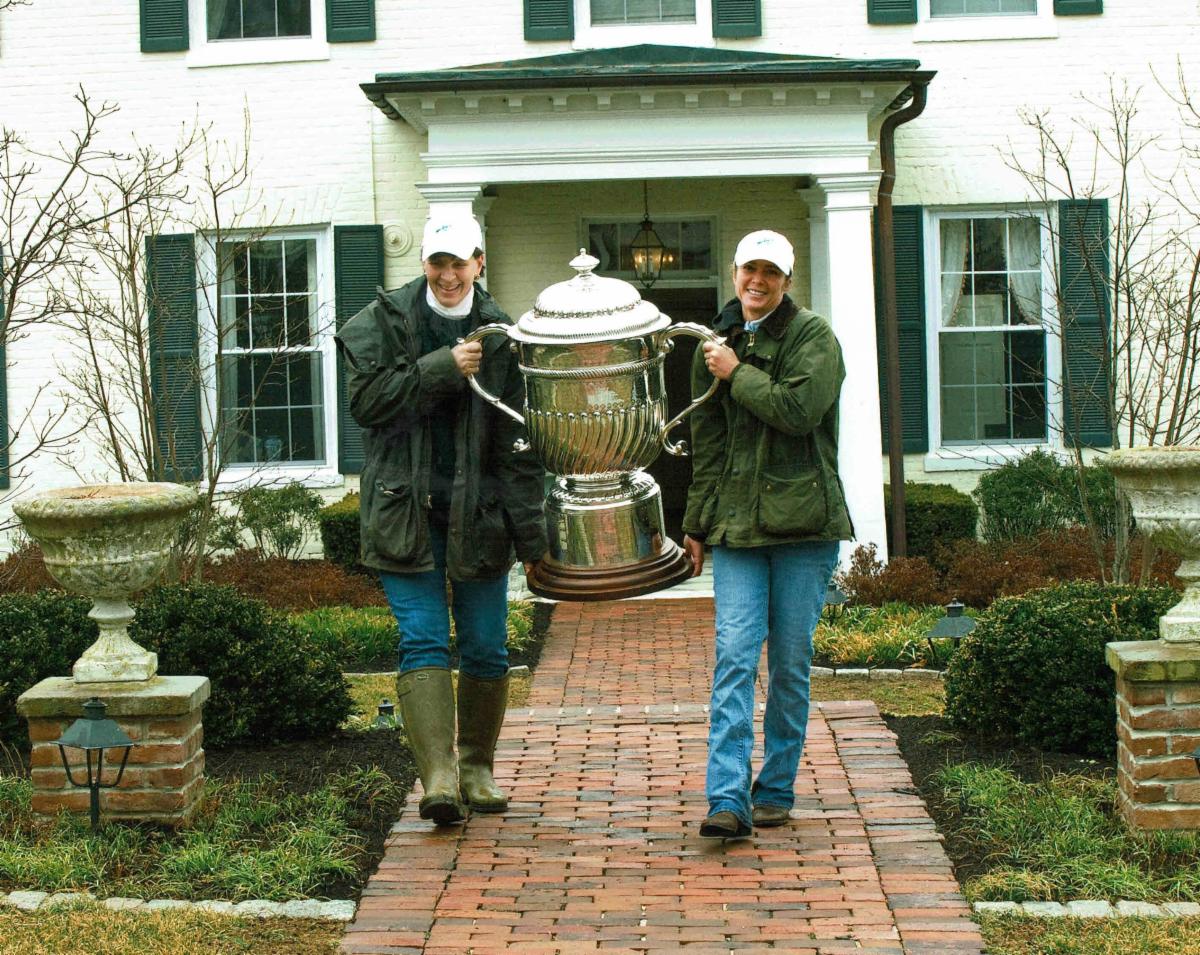
Jim McCue photo, above, from 2009 of Maryanna Skowronski (left) and Laura Pickett carrying the trophy out of Laura's house and into a waiting vehicle to drive it up to the finish line.
|
|
Another famous resident of Andor Farm
Steeplechase horseman Billy Turner, and then wife Paula Turner, trained what Turner called “a real gangly young horse” named Seattle Slew at Andor Farm in 1976.
“We rode him across the countryside,” teaching the precocious youngster to channel his energy and hone his coordination, said the one-time steeplechase jockey who competed in two Maryland Hunt Cups, in a 2017 article celebrating the 40th anniversary of Seattle Slew’s Triple Crown.
|
|
Administrative director of the Manor Conservancy, Maryanna Skowronski is sort of an unofficial historian for the Foxhall Farm Cup. Like Andor owner Laura Pickett, she’s fascinated by the legacy of the family and of the race.
“The race was first run at Foxhall Farm in 1920,” she explains, now Andor Farm. “To the best of my knowledge, it was not run there again until 2006. Elkridge Harford won (the race) in 2005 and brought (the right to host it) back to Maryland.
“We decided to recreate the original course as closely as was possible. Fortunately, we had two people who recalled the basic layout of the old course. Of course, it's not identical and some changes have been made since 2006, but it's close.
“Elkridge did win in 1928 but whether they hosted on the original course the following year I don't know. Elkridge Harford won it in 1952 taking it from Rolling Rock. They won it again 1953, but as before, I don't know where it was contested.”
Elkridge Harford hosted in 2018 and 2019. There was no race in 2020. It was at Andor last year.
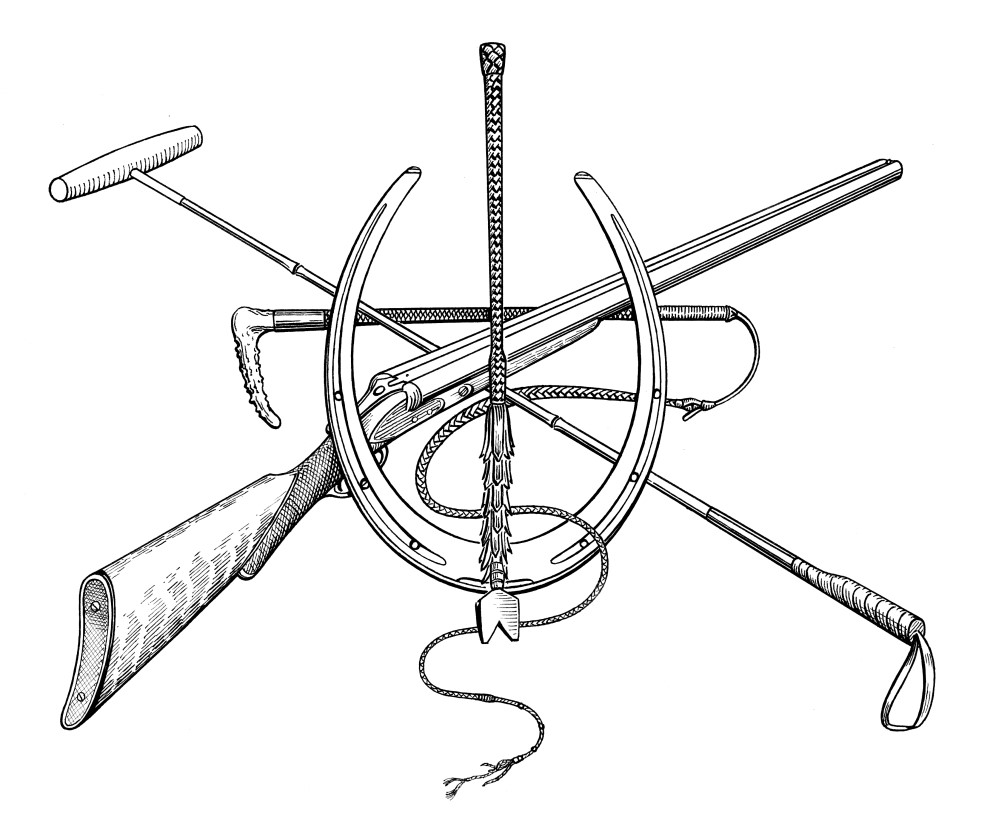
Says Skowronski of the logo above, "The logo we now use comes from the title page of Keene's autobiography. It was discovered by Michael Finney as we prepared to host the 2006 renewal and it's been used ever since as the race logo."
|
|
Fun fact (or fan fiction?) |
|
In researching the Foxhall Keene legacy, the Temple Gwathmey Steeplechase Foundation uncovered a number of uncorroborated stories about Keene’s rise – and fall, in the nation’s Gilded Age.
Several breathlessly reported stories sounded good – he was “NSA champion jockey!” and “one season he won 79 of 115 starts!” and that this was achieved “when he was just 17 years old.”
There was proclamation that “he founded the NSA.”
It read wrong.
We dug deeper, and were reminded of the veracity of the old saw – “Trust, but verify.”
Not to diminish Foxhall Keene’s legendary career, but careful study refutes many of the reports.
|
|
◼ NSA racing secretary Bill Gallo says he’s “never heard the name, and by NSA records he was never champion jockey.
“And the thought of anyone winning 79 of 115 starts is preposterous. If he had done that everyone would have heard of him.”
|
|
◼ Awed reports call Keene “the best polo player in the world!”
That’s sort of right.
Keene was the first U.S. Polo Association 10-goal player. It’s not quite the same as “best,” but he was absolutely considered one of the sport’s greats.
Some reports have him holding the 10-goal rating for eight years, but the U.S. Polo Hall of Fame (yes, he was inducted in 1992), places the 10-goal spate from 1888 to 1918 – 14 years, 16 more at 9-goals.
|
|
◼ Keene was verified as part of the gold medal-winning polo team in the 1900 Olympics at Paris. It wasn’t, however, entirely an “American” victory because four of the five competing teams were scramble squads made up of multiple nationalities. Keene and American teammate Frank Mackey were joined by two British players to make up the Foxhunters Hurlingham team that beat the Polo Club Rugby team of three British players and American polo legend Walter McCreery. Read more about the history of polo in the Olympics HERE. |
|
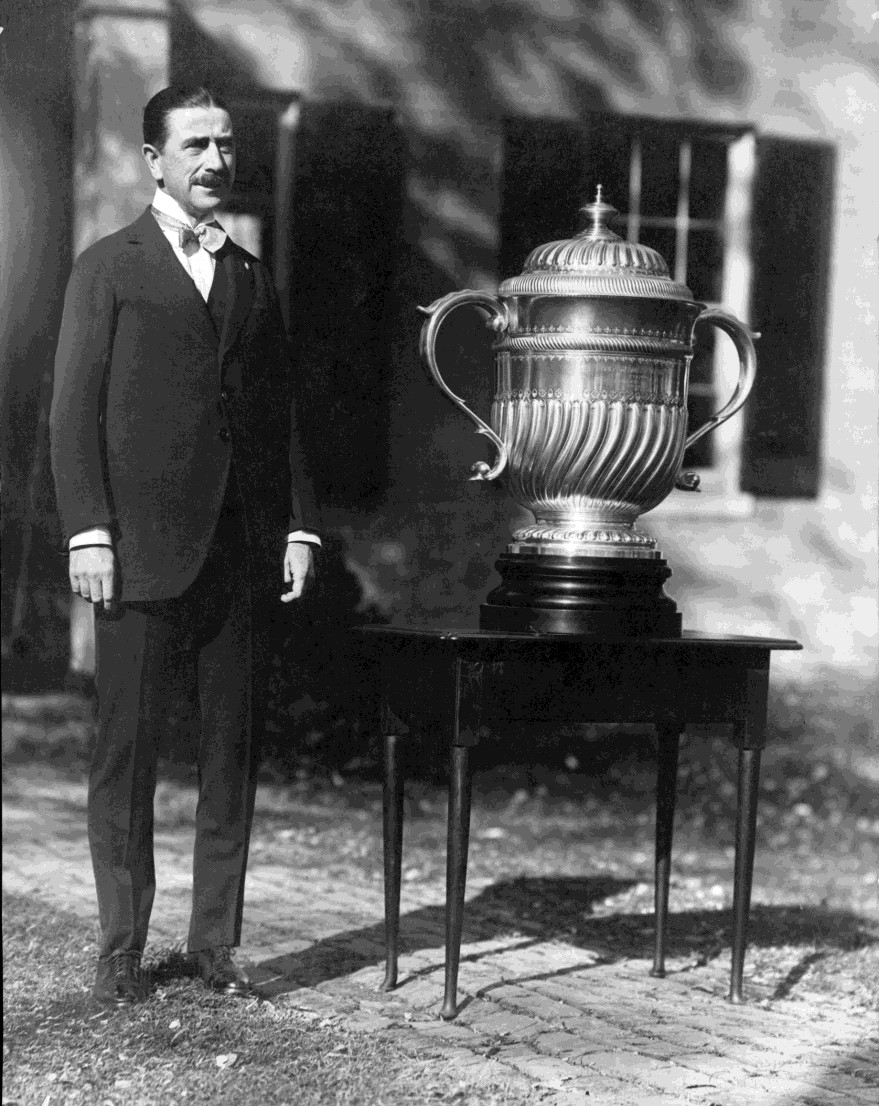
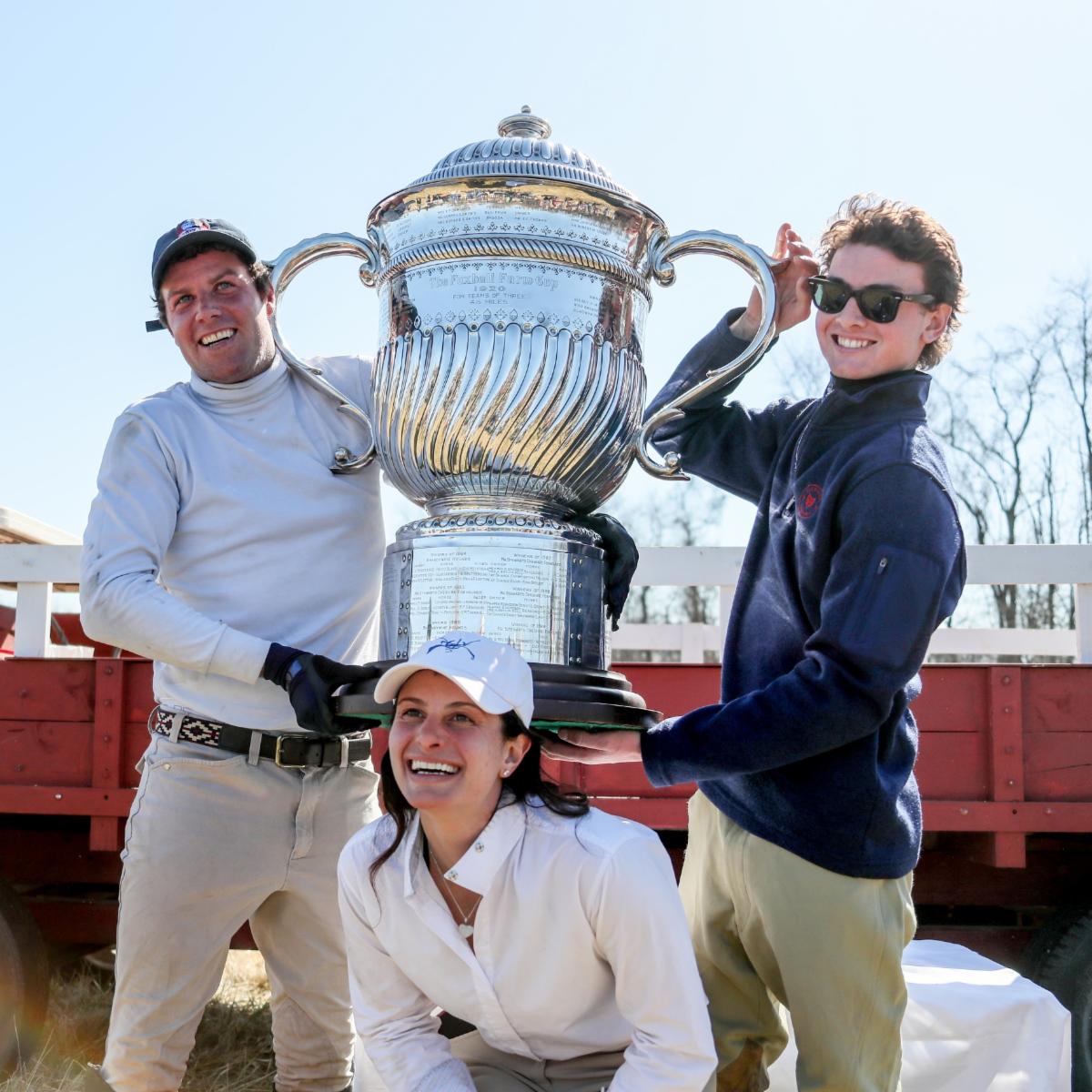
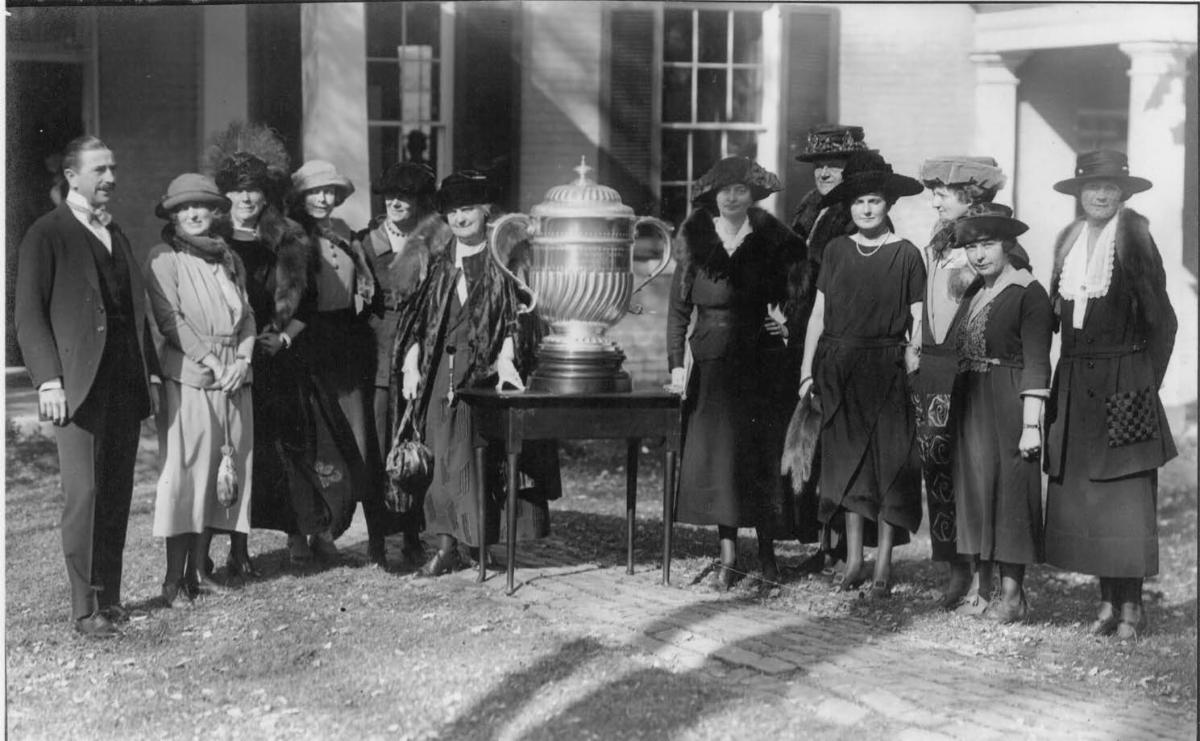
◼ The Foxhall Farm Cup trophy is easy to verify – the gorgeous, enormous silver cup is 62 quarts – 15.5 gallons. It’d hold three wash-buckets full of water, and it's three feet tall.
The purchase price isn’t as easy to fact-check, but it makes sense the custom-crafted cup probably did cost Keene the much-reported and princely sum of $5,000.
(Photo from 1920 of Foxhall Keene, far left, with the Foxhall Farm Cup)
|
|
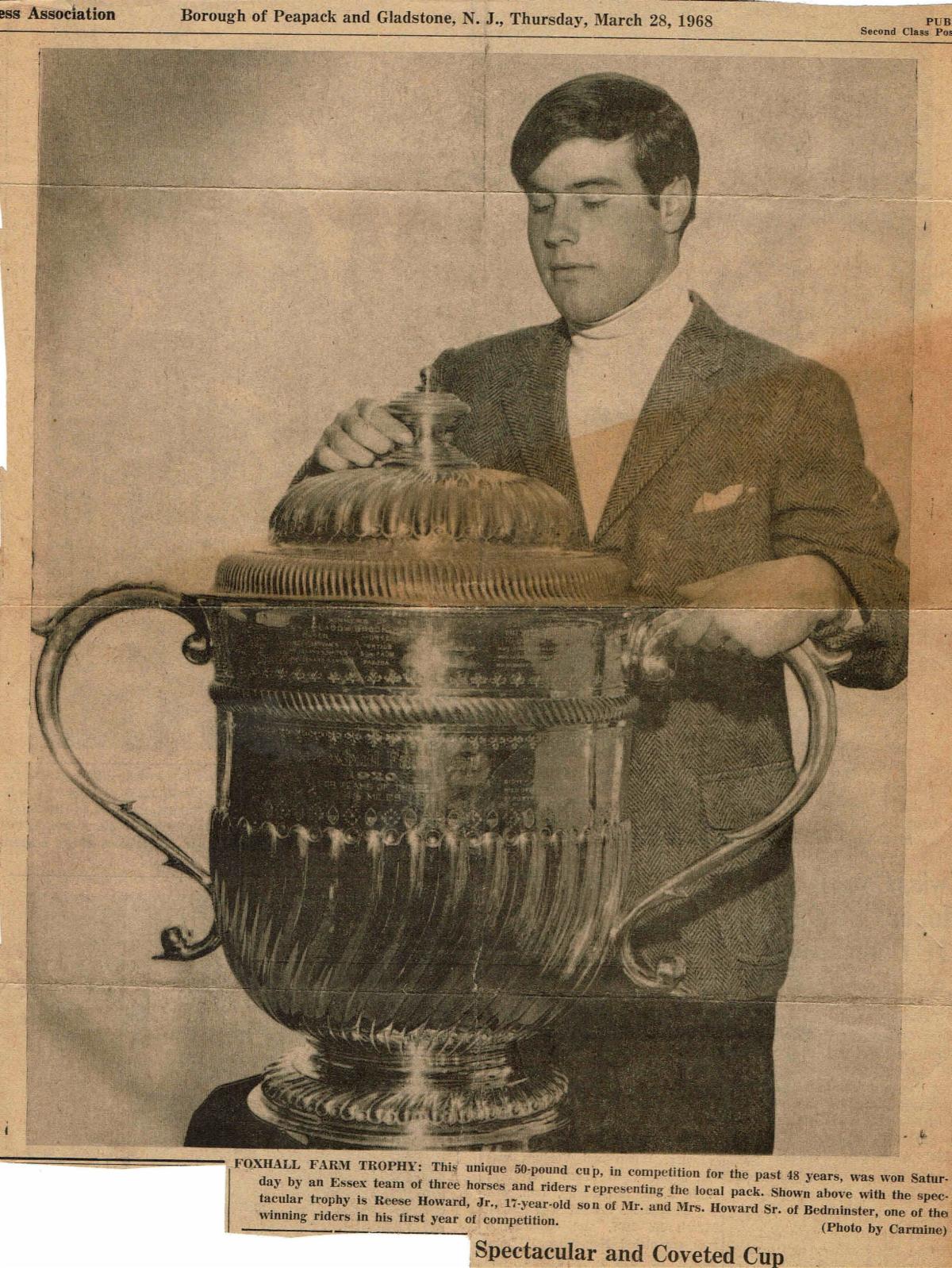
The caption from this March 1968 newspaper clipping reads: This unique 50-pound cup, in competition for the past 48 years, was won Saturday by an Essex team of three horses and riders representing the local pack. Shown above with the spectacular trophy is Reese Howard, Jr., 17-year-old son of Mr. and Mrs. Howard, Sr. of Bedminster, one of the winning riders in his first year of competition. |
|
|
|
|
|
|