|
Impact of Environmental Events on Farmworker Communities
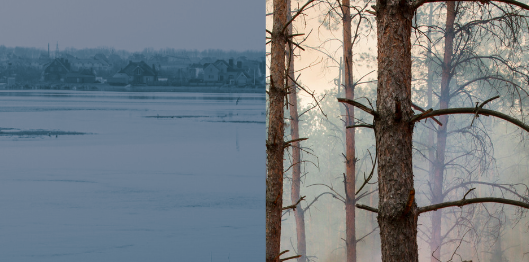
This summer, states in the Northeast grappled with a unique and concerning challenge – the convergence of wildfire smoke and flooding, both of which have significantly impacted farms and communities in Connecticut and Massachusetts. As climate change reshapes our environment, understanding and addressing these dual threats becomes increasingly important.
Wildfire Smoke and its Toll on Agriculture
While the West has long been associated with devastating wildfires, the Northeast is now experiencing our own share of this crisis. This year, parts of Connecticut and Massachusetts witnessed the effects of wildfire smoke containing harmful pollutants, including particulate matter and toxic gases. These pollutants can drift for miles and settle on crops, contaminating them. This has potential health implications for consumers and the workers who tend to these crops. Exposure can lead to respiratory and cardiovascular issues, especially for those spending prolonged hours outdoors.
Flooding, A Growing Concern
Flooding, too, has become more frequent in the region due to changing weather patterns. Farms are especially vulnerable to the devastating effects of flooding, as they are often in low-lying areas near rivers or streams. Flood waters can erode soil, destroy crops, and damage infrastructure like irrigation systems and barns. Flooded fields can become breeding grounds for waterborne diseases that threaten crops and farmworkers. These disasters also impact productivity, reducing profits and can result in wage losses for farmworkers.
Farmworkers, The Unsung Heroes
Amid these challenges, it's crucial to recognize the resilience of farmworkers who continue to work tirelessly to ensure a stable food supply. These unsung heroes often work in harsh conditions, facing both immediate risks from smoke inhalation and long-term health issues due to repeated exposure.
Efforts are underway to address these issues. Some farm owners are adopting advanced irrigation techniques to mitigate the impacts of drought and flood, while also exploring ways to protect crops from the damaging effects of wildfire smoke.
Our Response
We, and our Partner Agencies, work closely with farm owners, and farmworkers to address these challenges through ongoing communication, outreach, health education, emergency preparedness efforts, provision of PPE and supplies, and increasing access to primary care services. Raising awareness about the health risks and resources is a crucial part of our work. With the effects of climate change growing, this is sure to be an issue that will require increased attention and a strategic response for the foreseeable future.
|