ISSUE 104 - September 2026

Extending Knowledge Changing Lives
Julie Garden-Robinson, Ph.D., R.D., L.R.D., Food and Nutrition Specialist

An Apple a Day…

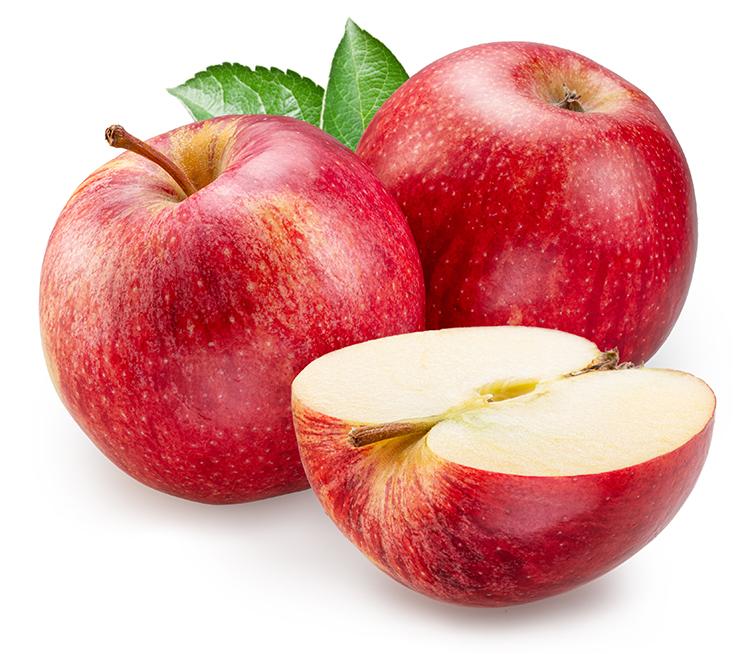
Most of us are familiar with the link between apples and health.


Does eating an apple a day really keep the doctor away?


Apples are often used as a symbol of good nutrition – even with our Nourish program. Fall is a prime time to enjoy fresh apples – or preserve them for winter.


Apples have been found to help with weight maintenance or loss and blood glucose control. They may reduce the risk for heart disease, cancer and some behaviors associated with Alzheimer’s disease.


Apples might help maintain our brains, too. Researchers studied 21 nursing home residents with moderate to severe Alzheimer’s disease. They added two (4-ounce) glasses of apple juice to their daily diet while maintaining their regular diet, vitamins and medications. Although no changes were reported by caregivers on the dementia rating scale, a 27% improvement was noted in levels of anxiety, agitation and delusion.


Apples provide pectin, a soluble fiber known to reduce or maintain blood cholesterol levels. Apples provide health-promoting antioxidant chemicals, especially directly below the peeling. Therefore, when possible, eat the apple skin, too. 


Enjoy some apples


See the NDSU Extension
food preservation resources to learn the specifics of food preservation. 


  • Freeze them. Apples freeze well, but they require some preparation to prevent browning. Apples can be packed with or without sugar or syrup. You can use a syrup pack, sugar pack or unsweetened pack.
    
  • Can them or make jelly. Making canned apple juice, apple jelly and apple sauce can be fun fall activities. Be sure to use research-tested recipes.
    
  • Dry them. To dry apples, select mature, firm apples. Wash them well, then pare and core. Cut them in rings or slices 1/8 to 1/4 inch thick, or cut in quarters or eighths. Prepare an antidarkening solution (ascorbic acid or other antidarkening solution) made according to the manufacturer’s directions. 
    
  • Use them in a variety of recipes. Besides enjoying apples fresh, try pairing them with sweet potatoes in a delicious baked dish, use them in fresh salads or spread slices with peanut butter for a satisfying snack. 


QUESTION

I’m a little afraid to eat leafy greens and other vegetables after the nationwide cyclosporiasis outbreak - and more recently, Salmonella in peppers. What’s a person to do?

Of course, do not consume recalled food, but don’t give up on fresh produce. Remember we all need about three servings of vegetables and two servings of fruit every day. Buy locally and be aware of recalls. Follow these six steps to produce safety.


1. Check

  • Choose produce that isn’t bruised or damaged.
  • Make sure cut items, such as packaged salads or melons, are refrigerated before buying. Avoid fresh-cut items left at room temperature.
    

2. Clean

  • Wash your hands with warm, soapy water for 20 seconds before and after handling produce.
  • Wash cutting boards, countertops, knives and peelers with hot, soapy water before and after use.
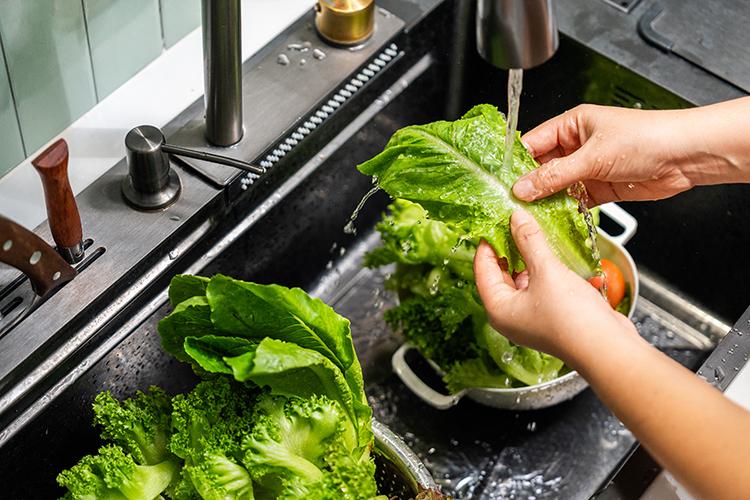
  • Rinse fruits and vegetables under running water — even those with skins and rinds you don’t eat.
  • Scrub firm produce (like melons or cucumbers) with a clean vegetable brush.
  • Dry produce with a clean cloth or paper towel. You can also spin leafy greens in a vegetable spinner to remove excess moisture.
  • Never use soap or bleach to wash produce.
    

3. Separate

  • Keep produce separate from raw meat, poultry and seafood in your cart, grocery bags and refrigerator, as well as during meal prep.
  • Use separate cutting boards — or wash thoroughly — between raw meat and produce.
    

4. Cook

  • Cook or throw away produce that has touched raw meat, poultry, seafood or their juices.
    

5. Chill

  • Refrigerate cut, peeled or cooked produce within two hours.
    

6. Throw Away

  • Discard (or compost) produce that has been left out at room temperature for more than two hours after cutting, peeling or cooking.


Slow Cooker Applesauce


Here’s a delicious recipe that will fill your home with a delightful cinnamon and apple aroma.

4 large apples

Juice from 1 lemon

1/2 tsp. cinnamon

1 Tbsp. brown sugar

1/4 c. water


Peel and core apples; cut into quarters. Add apples, lemon juice, cinnamon, brown sugar and water to a slow cooker; stir. Cover and cook on low 4 to 6 hours, until apples are very tender. Mash with the back of a fork or potato masher. Adjust sweetness to your preference by adding more sugar, if desired.

Makes four servings. Each serving has 130 calories, 1 gram (g) protein, 35 g carbohydrate, 6 g fiber and no sodium.


This work is supported by the USDA National Institute of Food and Agriculture.


NDSU Extension does not endorse commercial products or companies even though reference may be made to tradenames, trademarks or service names.


North Dakota State University is an equal opportunity educator and employer. This work is supported by the U.S. Department of Agriculture’s National Institute of Food and Agriculture. Persons with disabilities who require alternative means of communication for program information (e.g., Braille, large print, audiotape, American Sign Language, etc.) should contact NDSU Extension at 701-231-1865.