|
Friends: I am often asked how I decide what to read next. Sometimes, I organize my reading around a theme and title that I've chosen in advance, e.g. the "In Memoriam issue" each December, and then choose books consistent with that theme. In other months, like this one, I find joy in reading randomly, plucking forgotten books from my shelves in Cambridge and Brownsville, delighting in finding a fascinating title or an old friend on the shelves in one of the five libraries I regularly browse, or chasing down a long sought work.
Those pursuits led to these books which I read in April.
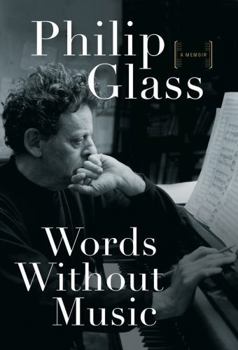
- Words Without Music: A Memoir, Philip Glass
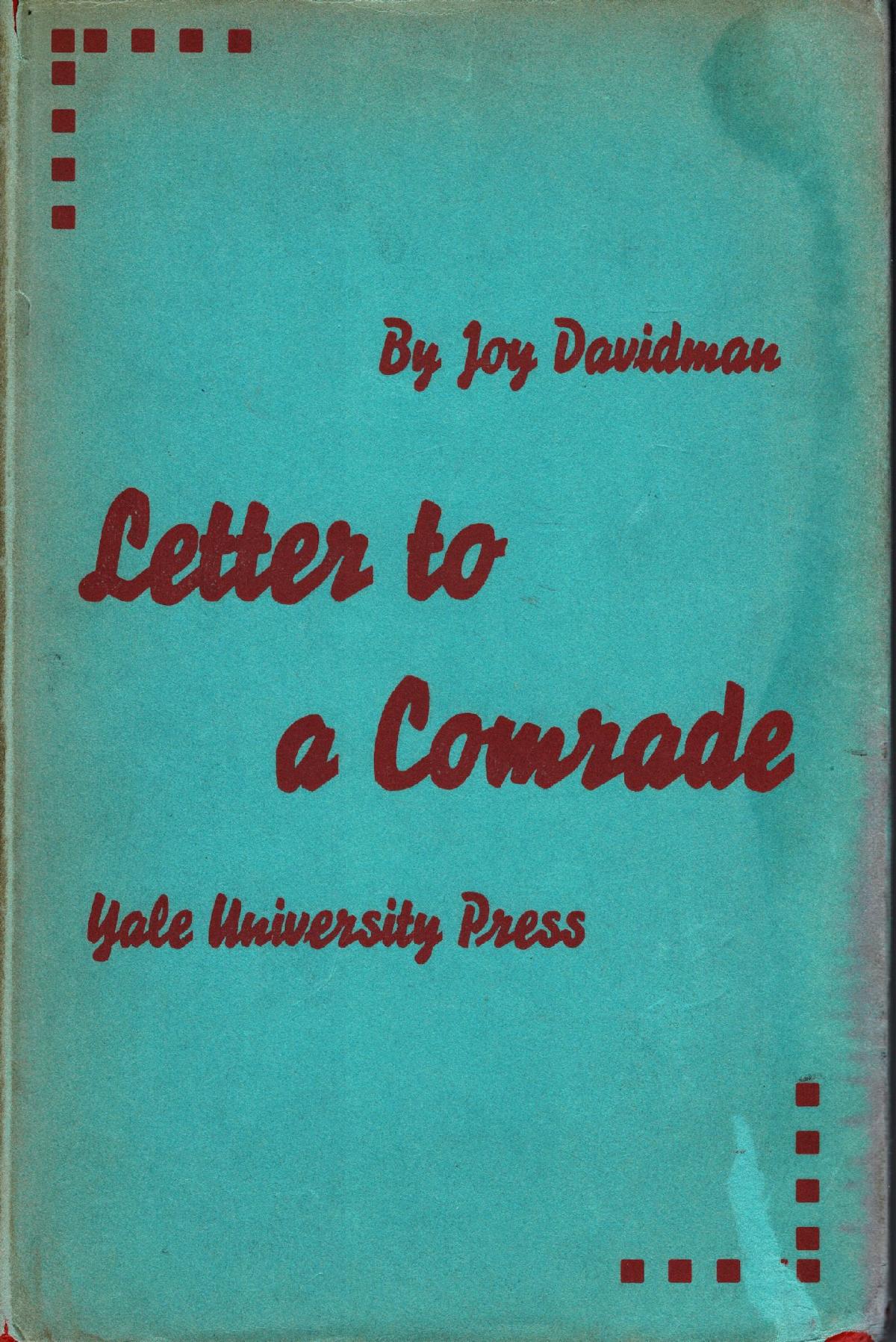
- Letters to a Comrade: Poems, Joy Davidman
- The Proving Ground, Michael Connelly
- Departure(s), Julian Barnes
- Seascraper, Benjman Wood
- Maigret at the Coroner's, Georges Simenon
- A World Appears: A Journey into Consciousness, Michael Pollen
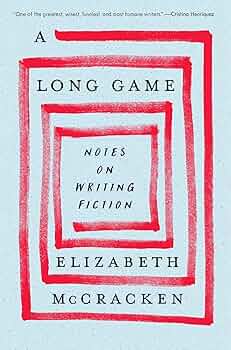
- A Long Game: Notes on Writing Fiction, Elizabeth McCracken
- The Tree of Light and Flowers, Thomas Perry
- Rosencranz & Guildenstern Are Dead, Tom Stoppard
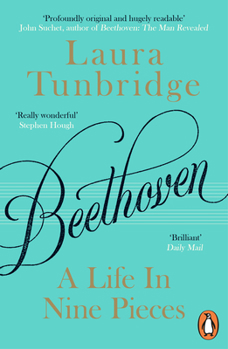
- Beethoven: A Life in Nine Pieces, Laura Tunbridge
- Startlement: New and Selected Poems, Ada Limon
Another question that many of BookMarks' readers have asked is "Do you read on a Kindle or listen to Audiobooks or do you stick with the traditional hardcover or paperback book?"
The short answer, is that unless I'm traveling, I avoid my Kindle. While I know there are features that enable me to take notes, underline passages, and flip back to check a name or plot element, I've never mastered the technology, and therefore, find the Kindle generally frustrating. The audiobook is even worse for me given my attention deficit disorder. ADD is an asset in many situations (e.g. birdwatching), but it makes multi-tasking like driving or walking while listening to a book nearly impossible. Moreover, listening to a book deprives me of the ability to make marginal notes, highlight delicious sentences, and flip back and forth. On a positive note, I also love the physical experience of holding a book in my hands, feeling the heft move from the right hand holding the unread pages to the left as I work my way through the book. Doodling and commenting in the margins (unless, heaven forbid, it's a library book!), noting a memorable line or passage, and generally engaging with the book as object all make the hardcover book my instrument of choice. In addition, there are also those wonderful bookmarks in all shapes, colors, and formats which I have collected from all over the world and which have no place in the Kindle or audiobook.
|
| |  | So it's not surprising that one of the elements that make reading so delightful for me is the search for a book, a real, physical object. Two of this month's books illustrate the joy of the successful search. The first treasure hunt involved Joy Davidman's book "Letters to a Comrade". I learned of Davidman when we saw the play "Shadowlands" in London last month. It's the moving story of how C.S. Lewis, a confirmed bachelor, Oxford don, and author of "Narnia" and a number of religious and ethical studies, fell in love with an American woman who sought him out in England. Davidman had won the Yale Younger Poets Award in 1938 for this book, but then stopped writing when she married and had two sons. A member of the Communist party in America, she dedicated the book to the head of the Communist Party in Weimar Germany, and her poems were serious political statements. My search for "Letters to a Comrade" took me deep into the stacks of Harvard's Harry Elkins Widener Library where I found a copy. Since the book was not allowed to circulate, I read it in a lovely afternoon in the high-ceilinged, hushed quiet reading room surrounded by students and professors. A great love story, a fine quest, but a disappointing book.
|
| | | The second 'treasure hunt' was inspired by another performance in London, this one at the Queen Elizabeth Hall in 2025. The performance in music and words was based on Edward Said's book " On Late Style" which explored how great artists modified their style as they faced advancing age and death. The performance opened with a Beethoven late quartet accompanied by text from an article about Beethoven's late period in the "New York Review of Books" by James Wood, my favorite Harvard Professor/The New Yorker critic. Among the works in Wood's bibliography was Laura Tunbridge's "Beethoven: A Life in Nine Pieces" which I was able to find in the Weston, MA library. The book is a creative approach to biography, pairing nine of Beethoven's masterpieces with contemporaneous events in his life and in a Europe changing rapidly in the face of the French Revolution and the Napoleonic wars. I highly recommend the delight of listening to each of the nine pieces of music while reading the chapter referencing it. Beethoven still heads many concert programs for leading orchestras and chamber groups 200 years after his death, and this fine book illustrates why.
|
| | | Another book about a composer was Philip Glass's memoir, "Words Without Music". This is one of those 'remaindered' books that I bought at least ten years ago and which has sat unopened on my shelves since then. Glass is perhaps contemporary music's closest equivalent to Beethoven. He has written 15 operas, numerous chamber operas and musical theatre works, 15 symphonies, 12 concertos, nine string quartets, various other chamber music pieces, and many film scores. He has received nominations for four Grammy Awards, including two for Best Contemporary Classical Composition and has received three Academy Awards for Best Original Score nominations. In addition, he can really write! His memoir was fast moving and fascinating, especially when he wrote about his early years when he wrote music at night after working as a taxi driver, moving company employee, and plumber by day. Listening to his repetitive compositions while reading his words was a fine combination, though unlike most of Beethoven's soothing, melodic music, Glass's work is often tense and unsettling. A fine book by a fascinating character.
| |
And speaking of the creative arts, I had fun reading Elizabeth McCracken's book "A Long Game: Notes on Writing Fiction". Though I will never write a short story let alone a novel, I remain fascinated by those who can, and McCracken's book will undoubtedly be a great asset to them. With long experience at the Iowa Writers' Workshop and at the University of Texas teaching creative writing, she provides a mother lode of advice delivered with great humor and filled with specific examples from her own experience. Here's McCracken on the question of whether one should revise in real time or leave it for later: "Writing a novel is like carrying a pile of clean laundry in your arms, cumbersome, fragrant, you’re impressed with your own efforts. Then you drop a sock. Should you bend down to pick it up? No: you risk dropping your entire armful. You’ll remember the sock is there; you can get it later.” If you love to write, this book is for you. If you love to read, ditto.
As the month's reading accumulates, I'm often in need of a 'palate cleanser', some mindless mystery or thriller to take my mind off the cares of the world and the books which have required an effort. Enter Georges Simenon, Michael Connelly, and Thomas Perry!
| |
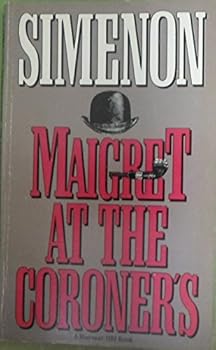
I am now halfway through re-reading the 74 Maigret novels by this brilliant Belgian writer who died in 1989. While some might dismiss Simenon's work as lightweight diversions, fellow writers including William Faulkner, Andre Gide, P.D. James, and John Banville have praised his writing. Sadly, "Maigret at the Coroner's" is a strong contender for the dubious honor of being the worst book in the series. In it, we find Maigret in Tucson, Arizona of all places, in the midst of a U.S. tour on a sabbatical. I won't bore you with the silly plot except to observe that in the books where Simenon takes our hero out of the Paris of the 1920's and '30's, Maigret and the reader lose the beauty and aura of that fascinating time and extraordinary city. The Paris novels which Simenon said were designed to be read by people of average education in a single sitting, on the other hand, are terrific. Skip this one and find another Maigret.
| |
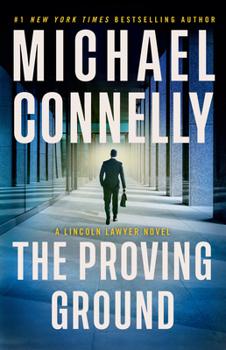
Connelly, on the other hand, has kept his mojo without any sign of fading despite writing more than 40 books. "The Proving Ground" features Mickey Haller, one of Connelly's roster of colorful leading characters. Haller, known as the Lincoln Lawyer because he used to work out of his car, has turned from a career of defending criminals to one in which he takes on corporate bad guys. In this case, Haller represents the parents of a teen aged girl who was murdered by her boyfriend allegedly under the influence of an atavar produced by an irresponsible AI firm. It's a taut and fast-moving novel, ideal for the beach or a long plane ride. Connelly keeps turning out fine books at least in part because he allows his characters to age and develop over time. If you don't know his books, find one and have fun.
| |
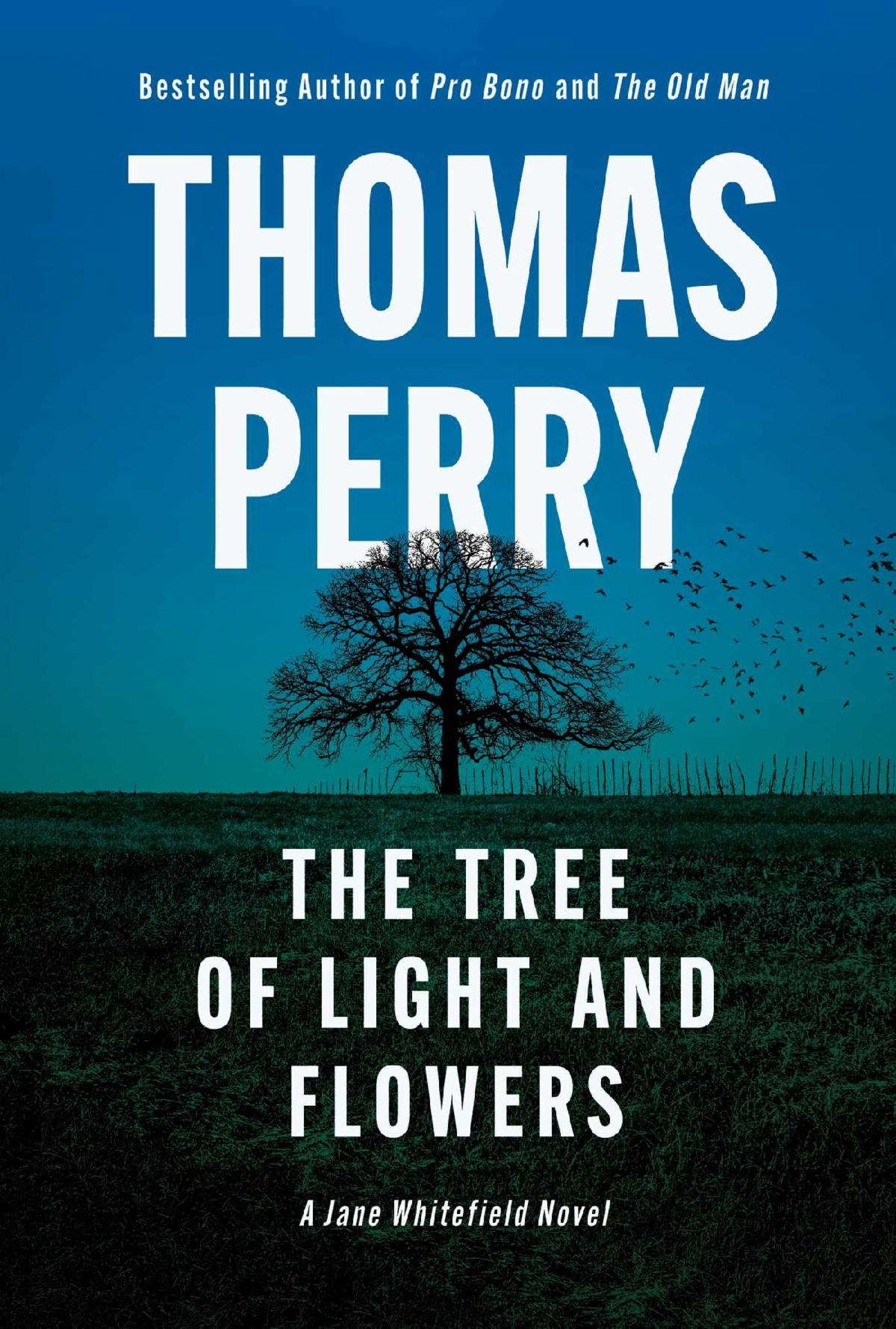
Thomas Perry is another of my go-to mystery writers, though with his death in September, 2025, there won't be any new books in the future. Perry has two extensive series among his 33 books. One features the Butcher's Boy, a man who has developed murder into a fine craft which he wields against a variety of bad guys. The second features Jane Whitfield, a Seneca Indian who specializes in helping innocent victims of crime or the judicial system disappear with a new identity. "The Tree of Light and Flowers" is a Jane Whitfield book which Perry intended to be the end of the series. It's a page turner and a fine addition to his ouevre. I could only read it in the morning or afternoon since if I read it at bedtime, the tension kept me up. All his books are excellent.
|
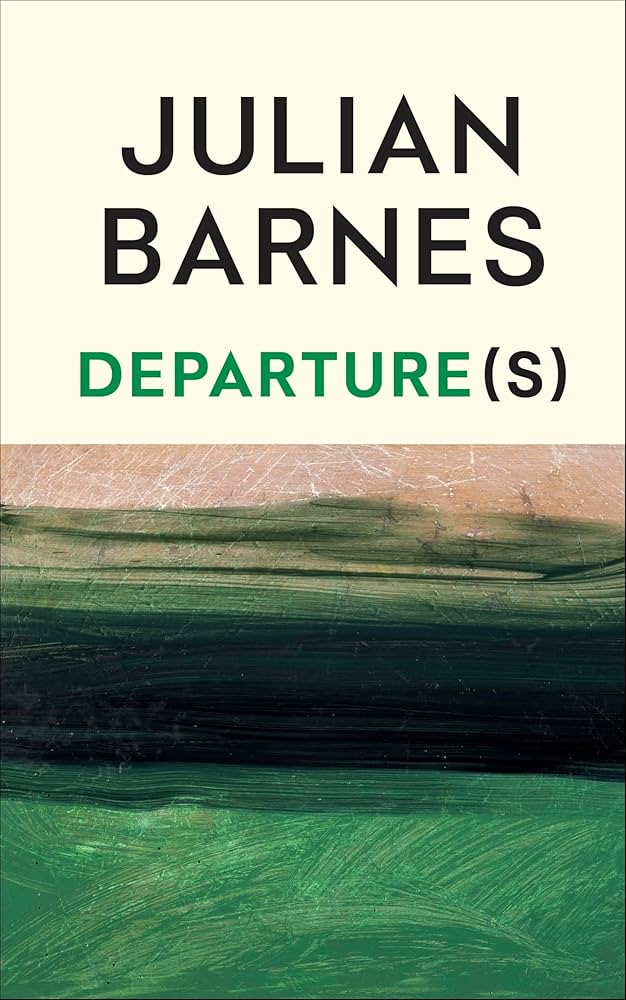
| | | I enjoyed two other finely written novels this month. Julian Barnes is one of Britain's finest contemporary novelists, and his "Departure(s): A Novel" is a fitting addition to his list of prize winning works. The title is a bit cryptic as is the reference to its being a novel since it's also partly or mostly autobiographical. Barnes tells the tale of a couple who after he introduced them in college decided to go their separate ways. Later in life, Barnes was instrumental in their reconnecting, marrying, and then divorcing. It's never clear whether this story was fiction or memoir, and a thread running through the whole book was Barnes' own story of his aging. The book ends with Barnes declaration that this book is his final work. “I prefer an image of writer and reader on a cafe pavement in some unidentified town in an unidentified country. Warm weather and a cool drink in front of us. Side by side, we look out at the many and varied expressions of life that pass in front of us. We watch and muse…..Out of the corner of my eye, I see that you share my attendingness…Still I hope you’ve enjoyed our relationship over the years. I certainly have. Your presence has delighted me—indeed I would be nothing without you. So, I’ll just rest my hand briefly on your forearm–no don’t stop looking—and then slip away. No don’t stop looking.” If in fact, this is his final book, Barnes like Philip Roth, will have gone out at the top of his game and at a time of his own choosing. Bravo!
| |
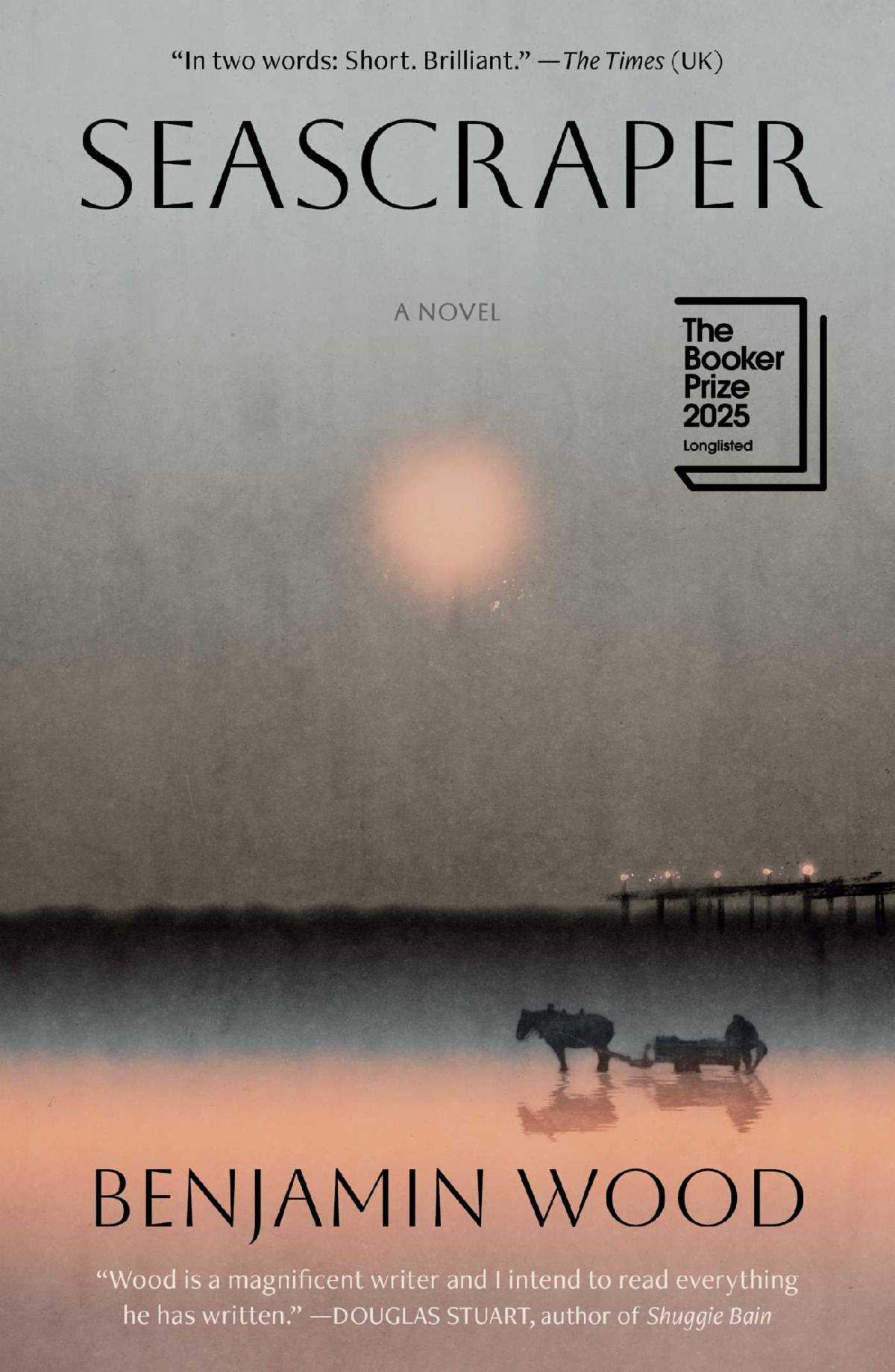
I found the second novel, Benjamin Wood's "Seascraper" on a BBC list of the 25 best British novels of 2025. It's a beautifully written tale of a 20 year old man/boy who lives with his mother and who ekes out a living by scraping shrimp off the ocean floor at low tide somewhere off the coast in northern England. Their life is disrupted by the appearance of a movie director who wants pay them a large sum to feature their location in his next movie. Needless to say, that's too good to be true. At its heart, this is a book about parents, children, growing up, home, change, life. It's a quiet book whose lyrical language is its best attribute.
|
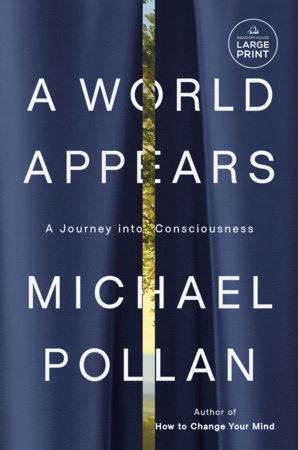
| | | I read Michael Pollen's "A World Appears: A Journey into Consciousness". for a change of pace. I've enjoyed all of Pollen's books from his description of building his writer's cabin to his works on eating and psychedelic drugs. The man can write as well as think, and in this book he dives into the question of consciousness, a concept so complex that there is no universal definition of what it means. Pollen describes it as the trait that allows us humans to be aware that we are here and separate from the world in which we live. The amazing result of consciousness is that when we open our eyes in the morning, 'a world appears'. Pollen explores some of the 22+ theories of consciousness from the idea that all things have some level of awareness (especially plants) to the ideaism theory that consciousness is an electromagnetic field that exists throughout the universe like gravity. Often dense and way too full of the names and qualifications of a myriad of scientists and philosophers, it is nonetheless, a fascinating and important book.
| |
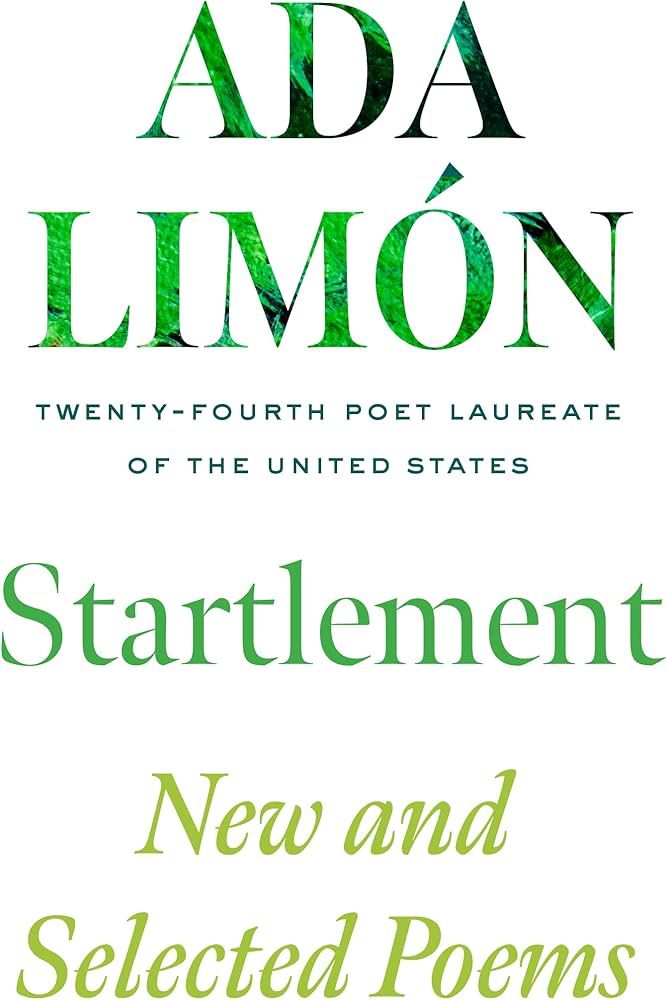
A book of poems and a play completed the month's reading. Ada Limon was the first Latina U.S. Poet Laureate, serving from 2022 to 2025. "Startlement: New and Selected Poems" is her most recent book and provides an overview of her poetry from the last decade. Writing about her extended Mexican-American family in Sonoma, her own health challenge from a spinal deformity, and the beauty of the natural world in her adopted home in Kentucky, this is a fine collection from a writer who will continue to provide us with many more wonderful poems in the future. Click on the book's title to read my more extensive review which includes one of her poems.
|
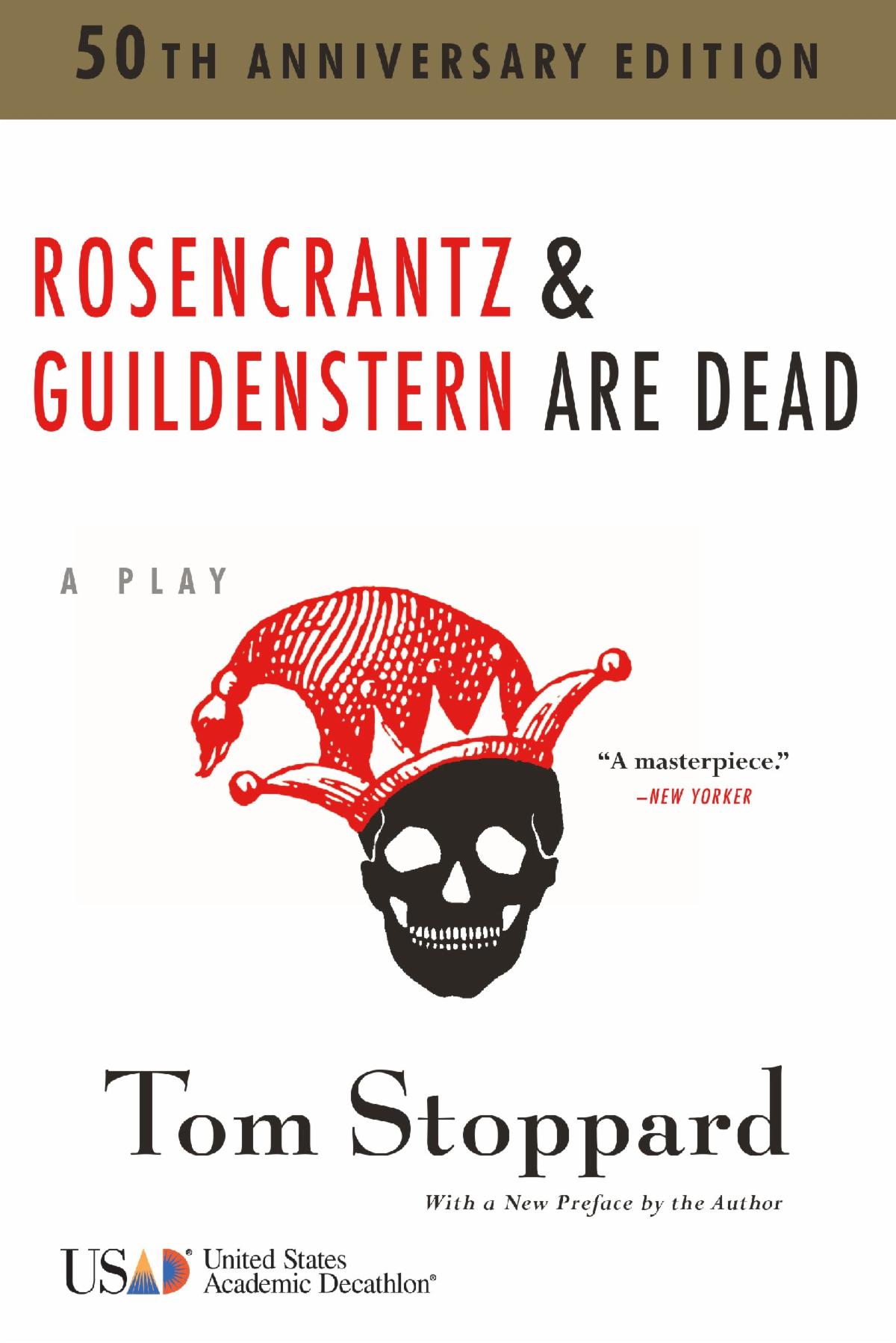
| | | And now, to quote Monty Python's 1971 movie, here's something totally different! Tom Stoppard's "Rosencrantz & Guildenstern Are Dead" was one of his earliest works and his first Broadway play. It garnered two fistfuls of Tony nominations and was named the New York Drama Critic Circle's best play of 1968. Stoppard, in my opinion, is the best playwright of our time, and this early work by him is a fine example of his ability to simultaneously be laugh out loud funny while also being deeply introspective. It felt like Monty Python meets Samuel Beckett as the brilliantly funny dialogue engages with complex and important questions about free will, determinism, and chance. I listened to the first act on an audiobook but felt I was missing much of the clever repartee so I then read the book straight through, enjoying every moment. Now I hope to watch the 1990 movie adaptation and follow that with Hermione Lee's biography of Stoppard who died last year and finish up by reading all the rest of his plays. Stay tuned.
The Poetry Tree on the Charles this month features poems about spring. While I might have included the usual Wordsworth daffodils and Frost's pastures, I thought I'd look for lesser known poets and their works. I went to the American Academy of Poet's website, a rich source of poetry as well as information about poets and searched for 'spring poems". From the more than 150 poems that popped up, I chose these four: Arthur Sze, the current US Poet Laureate's "Spring Snow"; William Carlos Williams', a great physician-poet, "Spring and All"; e.e. cummings' whose house is not far from us in Cambridge "Spring is like a perhaps hand."; and finally Galway Kinnell's, one of my favorite Vermont poets, "Why Regret".
- Spring Snow, Arthur Sze
- Spring and All, William Carlos Williams
- Spring is Like a Perhaps Hand, e.e. cummings
- Why Regret, Galway Kinnell
In closing, here are some wise words from Anthony Trollope, the 19th C. English writer and civil servant. He's equally known for his design of the red pillar mail boxes that still dot the London streets 150 years after he designed them and for his 47 novels. He wrote that "The habit of reading is the only one I know in which there is no alloy. It lasts when all other pleasures fade. it will be there when all other resources are gone. It will be present to you when the energies of your body have fallen away from you. It will make your hours pleasant to you as long as you live." Increasingly relevant, Anthony!
| |