LWVUS New open logo only


"The Voter" Newsletter

November, 2025


(To see all the news, you must click above on "Display images below")

League of Women Voters of

Berrien & Cass Counties


VOTE TUESDAY, NOVEMBER 4

Berrien County and Cass County will have City Elections and Proposals on the ballot this November 4th.

For more information on what's on the ballot, click on the following links:


VOTE411 will not be available for Berrien and Cass County's November Elections


President's Corner

The Importance of Being Intersectional: What Does It Mean To Be Inclusive?


The League of Women Voters is dedicated to ALL voters and ALL members of our Democracy. Our work is centered around ensuring ALL have access to their government, constitutional rights, and ability to vote.


What does “ALL” mean?


To me, “ALL” means inclusivity in our practices, programming, and policies. It means being aware that there are always hidden identities in the room and ensuring it is safe and supportive for diverse populations to speak up, join our work, and grow in our organization.


To be inclusive is to be both intersectional and equitable. It is grounded in the awareness that we all carry intersectional identities, and that unique combination means that there is value in our differences and challenges we each face that are not always on the surface. 


To be aware includes considering our cognitive bias. We all have cognitive bias; it is hidden perceptions, patterns, and associations we all carry in our minds that affect our decisions.


It unconsciously shapes our interpretations of things like race, gender, career paths, and power. Knowing our bias provides a starting point to reflect on and engage with. It is up to us to do the work of educating ourselves, seeking out our blind spots, and putting what we have learned into practice through using inclusive language and practices. Engaging with our cognitive bias is part of inclusion.

What are intersectional or “hidden” identities? 


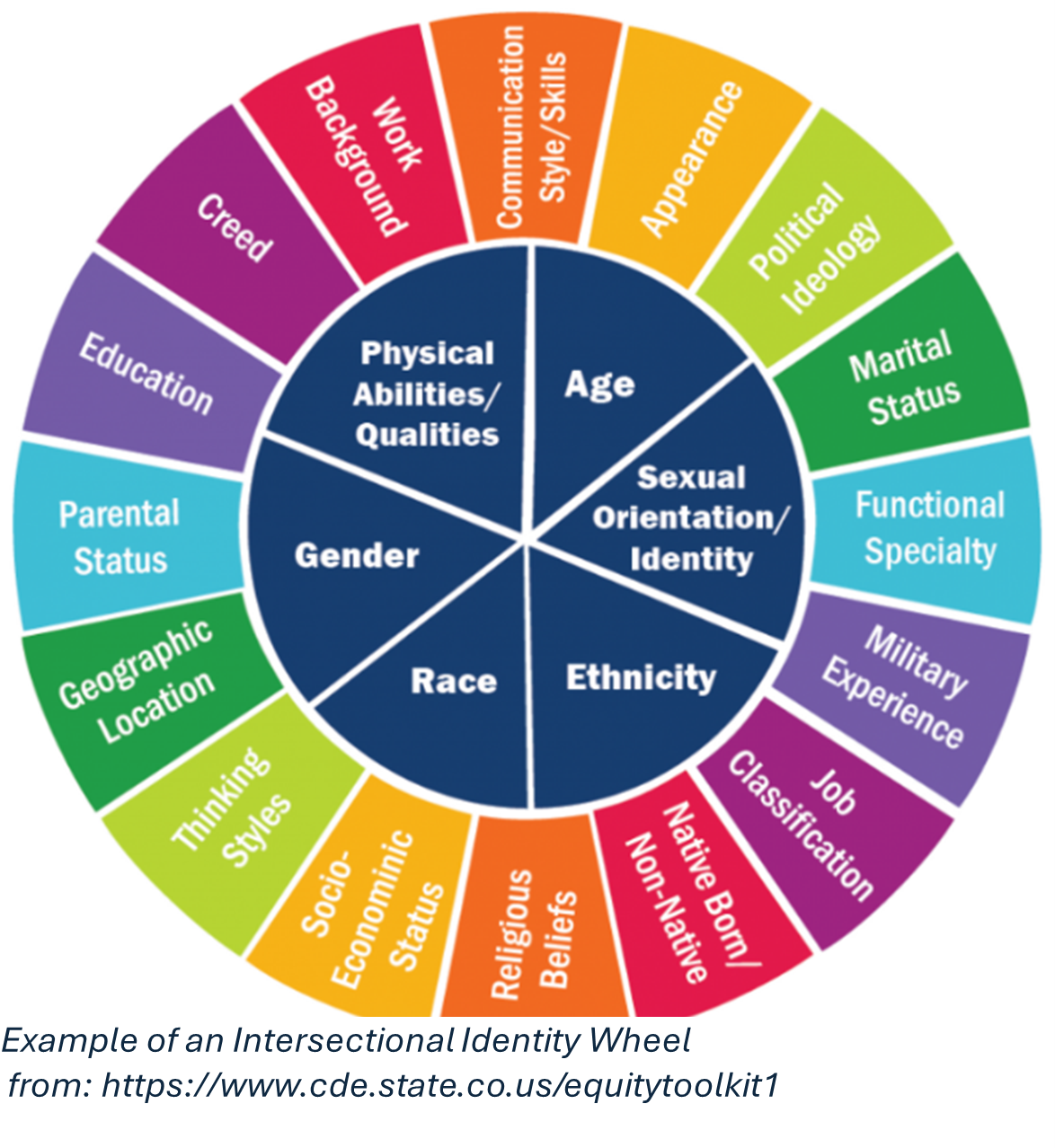
These are the realities of our existence that are not always obvious at first glance. Disability status, race, ethnicity, gender identity, socio-economic status, and age are often the first that come to mind—we never know “who” is in the room with us completely.


Additionally, our education, work background, neurodiverse status, familial status, and religion, among other things may inform us how we respond to information, communicate our thoughts, and generate priorities. These may also inform our unconscious bias, values, struggles, and awareness--- none of which are immediately visible when we enter a room.


Intersectionality also means understanding, acknowledging, and addressing the unique struggles that marginalized communities face as different forms of discrimination and privilege often intersect and create unique challenges for people with multiple identities. When we work for equity for all, some face greater barriers than others.


So why does “ALL” matter”? Why should we consider what another’s intersectional identity may be?


It matters because “all” means everyone, “ALL” means that at any given point in time, we may share a common goal, belief, or need—but we might all take a different path to it and face different challenges along the way. 


For example: When you introduce yourself, do you give your job classification, name your ethnic background, share your sexual orientation, immigration status, or describe where you were raised? Perhaps…but more than likely, you give your name, and your reason for being in the room. You might assume the rest is either nobody’s business or something that will unfold in time. But all the while, all of what makes you unique, what drives you, and how you have experienced things are still in the room. It is still informing your decisions, reactions, and the lens through which you engage with others. 


Now, imagine that as you continue in the room, you realize that others there do not approve or make light of some of those hidden aspects of yourself. Perhaps they make an offensive joke, not knowing you are part of that population, or express bias against a situation similar to your own… would you want to stay in that room? Would you want to bring another with a similar identity with you into such a space? Would you feel safe speaking your mind and sharing your ideas?


Probably not—there are many rooms out there, and you might leave the one you are in in search of a more welcoming space.


This is one reason people leave organizations, positions, and social groups. How can an organization grow and stay strong in their work, if they do not include “all” in that progress?


You may be reading all of this and thinking that when I talk about inclusion I am talking about diversity…and I am, but it is only one aspect. Diversity is the differences between people, like race, religion, or gender—but when we say inclusivity, we are talking about actively valuing and promoting diversity. We are talking about an environment where everyone feels included and valued because of, or even despite their differences. We are talking about checking our cognitive bias for blind spots and doing the work to educate ourselves on how to include and value those unlike us. 


So, what do we, the League of Women Voters mean when we say we work for “all”? 


We mean that our work is for everyone, and it is done by myriad Leagues across the country. Our work is grounded in the belief that there is strength in diverse, and intersectional coalitions, power in diversity, belonging in inclusive spaces, and there is growth where we all engage with respect and awareness for all. Let us make sure we embody that in our own communities, families, and personal lives. It’s who we are.


Additional Reading: 


What if I say the wrong thing? Here is a great inclusive language guide. 


If you are interested, check out this wonderful toolkit on Intersectional Identities from The Colorado Department of Education.


The United Way Foundation provides a great primer on Intersectionality here.


If you are interested in taking a free cognitive bias tests from Harvard’s “Project Implicit”, you may find them here.


Looking for some good books on intersectionality?


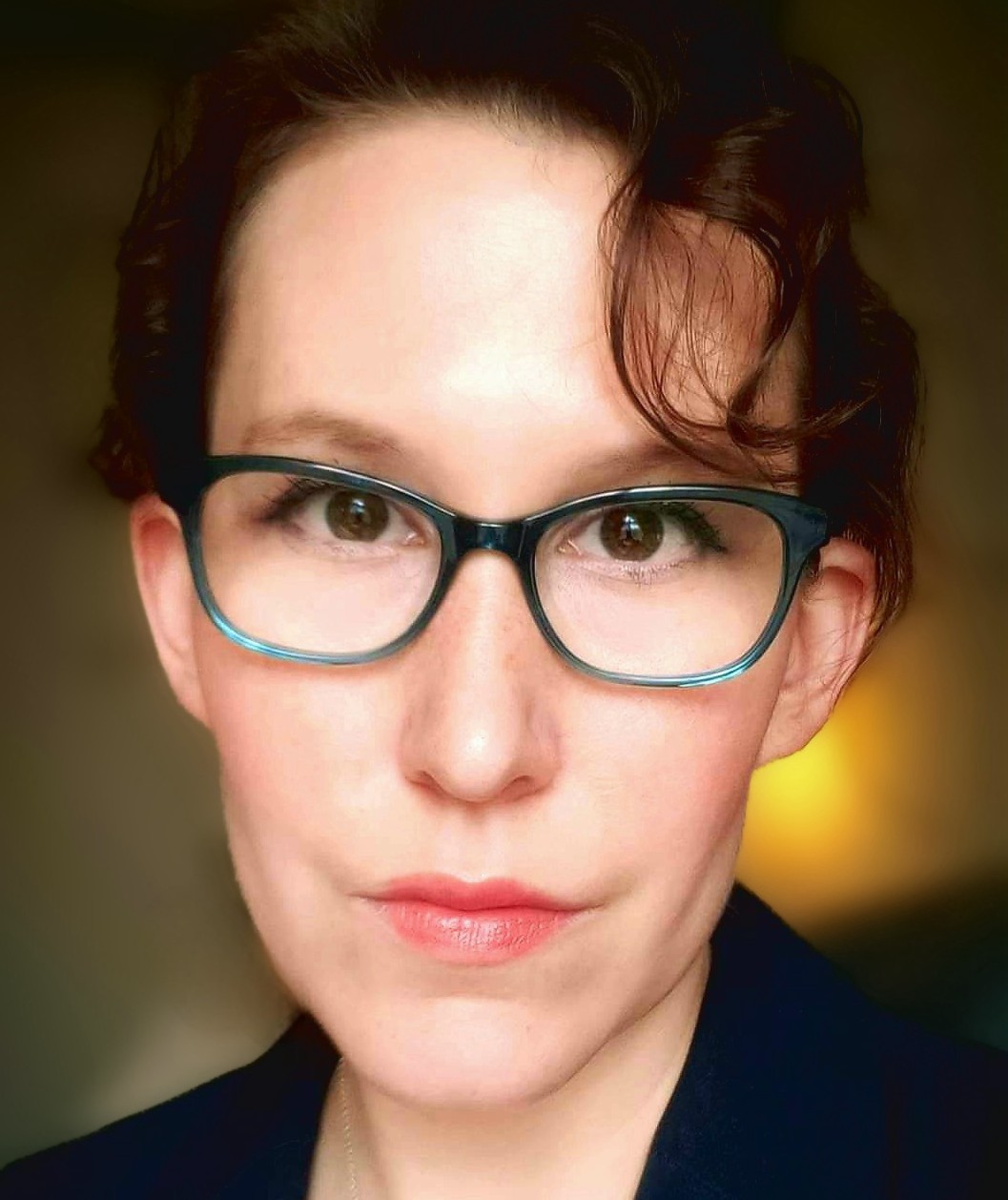
--- Yours In League, Sarah Warner, LWVBCC President - lwvbccpresident@gmail.com

Books for DEI Learning & Democratic Awareness


Self-Guided Learning Corner 


Here is where you will find a new list each month of books you can check out on various subjects that will deepen your understanding of our nation’s infrastructure, BIPOC experiences, gender, and more!


The Color of Law, Richard Rothstein

This book argues with exacting precision and fascinating insight how segregation in America—the incessant kind that continues to dog our major cities and has contributed to so much recent social strife—is the byproduct of explicit government policies at the local, state, and federal levels.


On Tyranny, Timothy Snyder

Published in 2016, this book is a call to arms and a guide to resisting authoritarianism, with invaluable ideas for how we can preserve our freedoms in the uncertain years to come.


Who’s Afraid of Gender, Judith Butler

 “Anti–gender ideology movements” movements have sought to nullify reproductive justice, undermine protections against sexual and gender violence, and strip trans and queer people of their rights. This book illuminates the concrete ways that this phantasm of “gender” collects and displaces anxieties and fears of destruction and how the anti-gender movement demonizes struggles for equality, fuels aggressive nationalism, and leaves millions of people vulnerable to subjugation.


Invisible Women: Exploring Data Bias In A World Designed For Men,  Caroline Criado Perez

Through a range of case studies, stories and new research from across the world that illustrate the hidden ways in which women are excluded from the very building blocks of the world we live in, and the impact this has on their health and wellbeing. From government policy and medical research, to technology, workplaces, urban planning and the media – this book shows us how, in a world largely built for and by men, we are systematically ignoring half the population. It exposes the gender data gap – a gap in our knowledge that is at the root of perpetual, systemic discrimination against women, and that has created a pervasive but invisible bias with a profound effect on women’s lives.


Caste: The Origin of Our Discontents, Isabel Wilkerson

Beyond race, class, or other factors, there is a powerful caste system that influences people’s lives and behavior and the nation’s fate. Linking the caste systems of America, India, and Nazi Germany, this book explores eight pillars that underlie caste systems across civilizations, including divine will, bloodlines, stigma, and more. 


The New Jim Crow: Mass Incarceration In The Age of Colorblindness, Michelle Anderson

This book details of the rebirth of a caste-like system in the United States, one that has resulted in millions of African Americans locked behind bars and then relegated to a permanent second-class status—denied the very rights supposedly won in the Civil Rights Movement.


Just Action, Richard Rothstein, Leah Rothstein

How can we begin to undo segregation’s damage? ​This book discusses how twenty-first-century segregation continues to promote entrenched inequality and provides a blueprint for concerned citizens and community leaders to fight back.


How To Be An Anti Racist, Ibram X Kedni

This book weaves together ethics, history, law, and science-- by helping us rethink our most deeply held, if implicit, beliefs and our most intimate personal relationships (including beliefs about race and IQ and interracial social relations) and reexamines the policies and larger social arrangements we support. How to Be an Antiracist promises to become an essential book for anyone who wants to go beyond an awareness of racism to the next step of contributing to the formation of a truly just and equitable society.


An Indigenous People’s History of the United States, Roxanne Dunbar-Ortiz

Today there are more than 500 federally recognized Indigenous nations comprising nearly 3 million people, descendants of the 15 million Native people who once inhabited this land. The centuries-long genocidal program of the US settler-colonial regimen has largely been omitted from history. This book is a history of the United States told from the perspective of Indigenous peoples and reveals how Native Americans, for centuries, actively resisted expansion of the US empire.

Board Notes


It has been a busy year filled with new programming and partnerships, lots of voter registration, and community education! 


Next year, we hope to do even MORE with greater partnerships! Are you a member of a non-partisan organization that overlaps with our mission? Please connect us @ lwvbccpresident@gmail.com.


We Want YOU!

Do you have a passion for our work? Would you like to roll up your sleeves and get involved?

We are looking for Board members, committee members, and speaker’s bureau members!


Open Board Positions:

  • Chair of Advocacy and Education
  • Chair of Local and State Government Observers Corps
  • Secretary
  • Assistant Treasurer


Actively Recruiting Committees:

  • Advocacy & Education
  • Voter Registration
  • Voter Services
  • Observers Corps
  • Community Outreach and Partnerships


If interested, please contact me at lwvbccpresident@gmail.com.


What is the Speaker’s Bureau?

Our Speaker's Bureau is for our public outreach, establishing ourselves as a leader in training and education for the community.


This is for subjects that fall under our mission such as policy, law, government processes, voter registration, special interests as defined by our LWVUS, impact on issues, voter rights, and other ways to connect and participate in our democratic process. 


The LWVBCC is requesting our members to please email any potential speakers in our community to: lwvbccpresident@gmail.com

SAVE THE DATE:


LWVBCC Yuletide Party!

December 8th,

5-7:30 pm


This year we will be celebrating at Lake Michigan College Welch Center for Wine & Viticulture!


Join us for a festive gathering featuring a guided wine tasting of award-winning Michigan wines by the experts from The Wine and Viticulture Program followed by light bites and mingling with your fellows in League! This is a great opportunity to learn about our local viticulture programs, the rising stars of Midwest wines, and tasting some excellent vino made in our little corner of MI!


Stay tuned for ticket sales!


Tickets must be bought in advance and will cover access to the wine tasting and food. Additional drinks may be purchased at the bar during the social hour. Bring your friends to celebrate the season with us!

Membership


This has been a busy month for Membership. The September 30th Open House at Lakeside Brewery in Bridgman was an opportunity to reacquaint with current members and meet new people who expressed interest in LWVBCC.


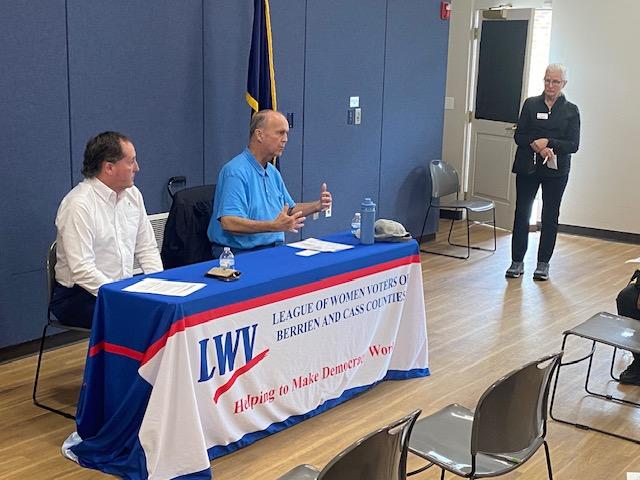
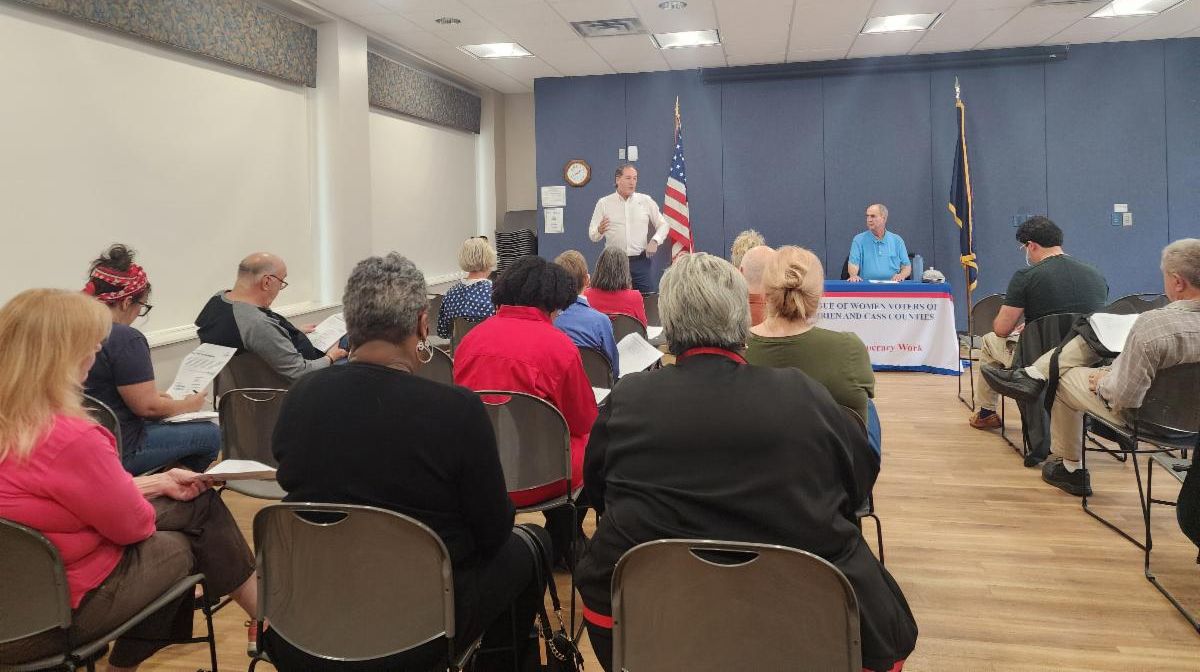
The October 18th Town Hall again engaged members and a large number of non-members to learn about “Federal Funding Cuts at the Local Level” from speakers Eric Hoppstock, the superintendent of RESA, and Kip Walker who volunteers with Neighbor by Neighbor. 


Their comments illustrated current and future needs for education, housing, food and mental health support. For more information and ways you can support these organizations, visit their websites https://berrienresa.org and https://neighborbyneighbor.org.


Don’t forget to support the LWVBCC by introducing your acquaintances to our organization and supporting our local league with donations. Reach out with questions at lwvbccmembership@gmail.com.


--- Val Schnable - LWVBCCMembership@gmail.com

Book Club


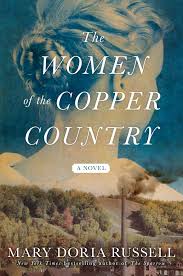
Historical fiction most often begins when the author finds an event with a strong lead character and a compelling story. The Women of Copper Country has both. 


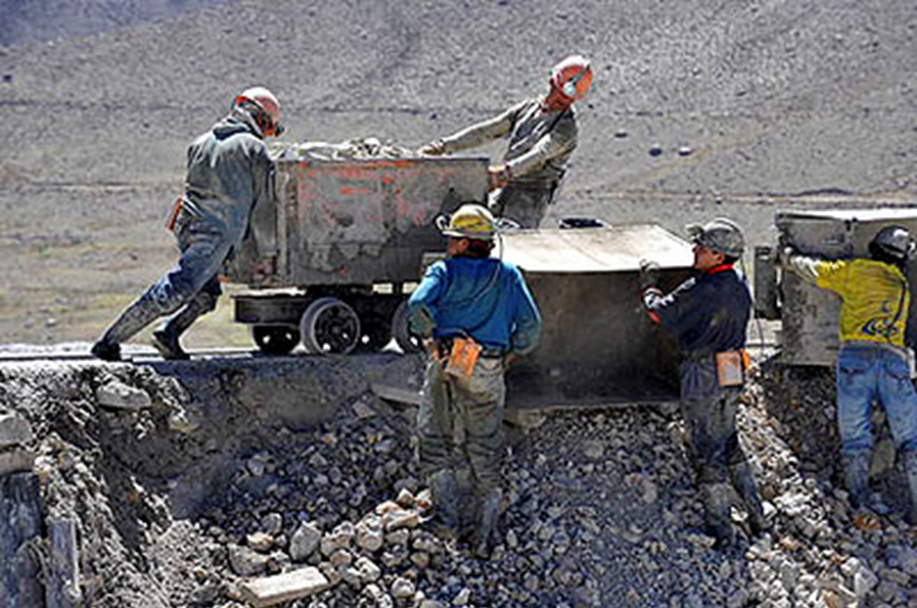
Big Annie is a strong lead character, and the 1913 copper miners' strike in Calumet, MI (UP) is the story. Author Mary Russell successfully weaves the life of a woman who became the leader of the strike and the events leading up to the strike and its resolution into a very satisfying read. 


The LWVBCC Book Club members were impressed with the amount of historical information and with the reimagining of the lives of the miners and their families. The passage describing how copper was mined and the actual experience of the miners in the mine was so realistic that the reader felt claustrophobic. In the early 20th century, miners and workers across the country were working to establish unions that would force reforms in the workplace protecting workers and improving their lives. 


One of the questions discussed was, “How could human beings treat other human beings so badly?” It took time but many reforms were passed into law because of the unions’ actions and push back against bigotry and sexism. The discussion concluded with an agreement that greed is still alive and well, and while progress has been made against bigotry and sexism, these societal evils still exist.

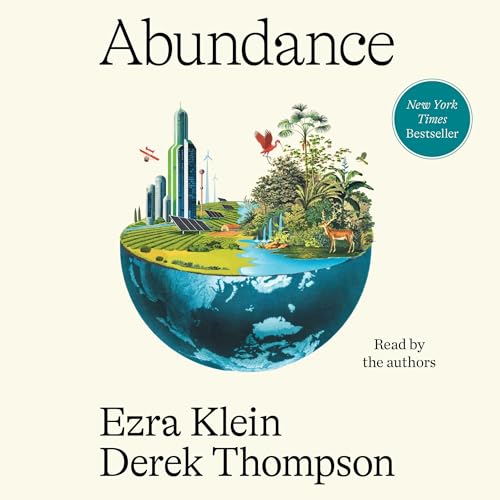
The next Book Club meeting is January 5, 2026. The book is Abundance by Ezra Klein. Meeting location is to be announced.


--- Faith Schoon - fschoon@mac.com

Environment News


Two related articles on energy in the The New York Times this past month caught my eye. They focused on the administration’s efforts to boost the fossil fuel industry. 

The first titled, “Trump’s Coal Revival Is All Smoke and No Future,” was intriguing because it explained how even the coal industry doesn’t see a future for generating electricity with coal. The industry is saddled with aging plants that are quickly eating up profit and cannot be regulated to meet rising and falling demand for electricity quickly enough to keep customers cool when it’s hot and warm when it’s cold. 


An example is the Tennessee Valley Authority’s Cumberland coal plant. The T.V.A. had to declare a power emergency in the middle of this summer’s heat wave because one of its units tripped offline during a surge in air conditioning use. The plants are too old and inefficient. 


Power companies are turning to natural gas and wind and solar generating sources. They also like the idea of storing electricity in batteries for use when needed and in being able to build smaller and more efficient units. Coal costs more money all the way around and is a huge polluter, but the administration refuses to believe that, “The alternatives are simply less expensive, more reliable and quicker to build.”


So, what does the administration do? 


The second energy article outlines its support for the fossil fuel industry. The Republicans have rolled back tax credits for clean energy and they have boosted their support for fossil fuel industries. The Energy Department is going to invest $625 million in aging coal plants. The U.S. government subsidizes fossil fuel with tax preferences and permission to drill in national parks and forests. No carbon tax for this administration – “Drill Baby Drill.” 


One of the effects of policies like this has led to the demise of two key coral species off the coast of Florida. The NYT reports that scientists have discovered that the elkhorn and staghorn coral that create rich reef habitat have vanished from all but a small northern most portion of the ocean reef. It was the extreme heatwave of 2023 that caused most of the die off.


This year scientists raced to pull out healthy corals in the hope of saving them in tanks hoping to preserve some genetic diversity. Coral reefs are the rainforests of the ocean providing habitat for all types of food sources and homes for a diverse population. 


Dr. Ross Cunning, a coral biologist at the Shedd Aquarium in Chicago said, “If we don’t stop runaway climate change, no amount of intervention and restoration is going to work (to save the reefs).” I think our president has said something like,”Burn ,Baby Burn.”

An interesting and encouraging report from the Tyrrhenian Sea off the coast of Tuscany says that scientists have reported that ancient microbic creatures have been feasting on methane that leaks out of cracks in the seabed. 


Ancient microbic creatures have been doing this for ages and the hope is that they can be directed to other sources of their favorite food that comes from oil and gas sites, livestock, and wetlands. If this can be done, they might just help slow climate change. 


Of course, it is going to take time to better understand these microbes which have been on the planet for billions of years, but I think this is a much better way to spend money and resources than propping up aging, failing coal plants. 


--- Faith Schoon - fschoon@mac.com

Going 'Plastic-Free'


The column this month will feature how to go as plastic-free as possible while celebrating the holidays.

First is Thanksgiving. Now is when I start thinking of the wonderful food that is shared with family and friends.


  1. Tips for making a Holiday meal as plastic-free as possible

:   

 A. Use natural items for decorating like pumpkins, squash, and leaves.


B. Substitute disposable plates and tableware with reusable plates, utensils, and glass or metal beverage containers. 


C. Make all or most of the side dishes and baked goods from scratch and/or ask guests to bring a dish to share.


D. For storing or sharing leftovers, use glass or metal containers and foil pans.


Now is also a good time to start thinking about gifts, especially if you plan to order gifts online.


2.      Suggestions for plastic-free gifts:


A. Give a gift subscription to a local or national newspaper, mailed or online magazine, audiobook, music, or a membership to a local museum, zoo, nature preserve or movie theater.


B. Look for paper or online gift cards/certificates for a car wash or for a Zero Waste Service or refill shop, for example: Plaine Products, Blueland, Zero Waste Store, Super Zero, Earth and Me.


C. Give a sustainable plastic-free gift: a reusable metal, glass or ceramic water bottle or travel mug, Stainless Steel (SS) straw, loose tea with strainer and mug, beeswax food wraps, Swedish reusable cloths, SS tiffins (for lunch or keep in the car for restaurant leftovers), reusable bowl covers, and cotton tote bags.


D. To wrap these gifts, use paper gift bags, craft wrapping paper, paper grocery bags, fabric, reuse gift wrap, washi tape, twine, and yarn.


CUSTOMER ALERT!

For any gifts ordered online, be aware of the country the retailer is in, especially if the retailer is located in Canada, Mexico, India or China.


I had a problem with an order I placed with a company based in Canada. I kept getting confusing messages from UPS about the delivery status of my order, mainly due to a problem with customs. The tracking messages ranged from providing a date for delivery, notifying me of a delay and no delivery date could be given, then there was a problem with customs, and finally, the package did not clear customs and was destroyed. This went on for a month all just for an order of a few makeup items!


According to USA Today, international packages coming into the United States need more information to clear customs because of the ongoing changes in tariffs. UPS’ statement to USA Today: “Because of changes to U.S. import regulations, we are seeing many packages that are unable to clear customs due to missing or incomplete information about the shipment required for customs clearance.”


Required information to adhere to new tariffs includes whether a product contains wood or aluminum, if any or all of the order was manufactured in a country with elevated tariffs, if the contents were worth more than $800, and if the required tariff charges were made to ship the package.


The good news is that I received a full refund from the company in Canada.


Until next month,


--- Carla Ripley - lwvbcc@gmail.com 

Trying to Renew Your Dues?


LWVBCC members are encouraged to renew their membership online using the League’s new online system. If your dues renewal is coming up, you will start receiving reminder emails 30 days prior to your membership expiration date. Click on the link provided in the email and follow the prompts. If you are having trouble with the online system, feel free to contact LWVBCC Webmaster Mike Schnable at LWVBCCWebmaster@gmail.com.


If you would like to avoid the online system, you can mail your dues check to our Treasurer (a minimum of $20; the standard is $75), payable to LWVBCC:

John Ripley,

PO Box 1032,

Niles, MI 49120.


You can also donate at this time. Just indicate what amount of your check is for dues and what amount is for a donation.


Thank you for renewing your dues. We need every single voice to save our democracy!


--- Mike Schnable - LWVBCCWebmaster@gmail.com

LWVMI Updates


Many people are signing a petition for a constitutional amendment that would require documentary proof of citizenship for voting in Michigan. Some are dismayed when they find out what they signed—because signature gatherers are not legally required to tell the truth when soliciting signatures. Many are paid per signature and thus say whatever will get a signature, for example, “Free ID!” 


Please tell everyone you know not to sign any petition without carefully reading the 100-word summary on the petition sheet. We can’t trust what the circulator says. We need to read for ourselves.  


We already affirm our citizenship and do not need barriers to voting. Showing a birth certificate alone would not suffice for the 80% of married women who have changed their name. No Red Tape for Michigan’s married women—or for any other voter!


---------------------------------------------------- 


LWVMI supports:


  • Civil penalties for false statements designed to prevent an individual from voting - SB 633 
  • Freedom to Read Act, affirming that ultimate responsibility for material selection lies with the library director - HR 4251
  • Regulation of microplastics in consumer products and drinking water - SB 503, 504, 505 
  • Use of force training for law enforcement - SB 333 
  • Fair electric vehicle registration fees -SB 593 
  • Universal and unified healthcare coverage in MI - HB 4407
  • End to prison gerrymandering (report home addresses for redistricting, not prison address) - SB 537

---------------------------------------------------- 


November is Native American Heritage Month.


How did this designation come about? In 1976 Cherokee/Osage Jerry C. Elliott - High Eagle authored Native American Awareness Week legislation. Then in 1986 President Reagan designated November 23-30 as American Indian Week. On August 3, 1990, President George H.W. Bush declared the month of November as Native American Indian Heritage Month which is now known as Native American Heritage Month. 


Giving Tuesday


#GivingTuesday 2025 is Tuesday, December 2. Retail stores come together to offer deals on Black Friday and Cyber Monday.


#GivingTuesday brings the nonprofit community together on a universal platform to raise awareness about the importance of supporting our valuable missions and work.


In this time of heightened partisanship, gridlock, and increased frustration among the public, there has never been a more urgent need for the reasoned, factual, and civil voice that the LWVBCC brings to our community.


Consider giving your support to the LWVBCC on Tuesday, December 2.


You may donate on the lwvbcc.org website or send your check to LWVBCC, PO Box 1032, Niles, MI 49120.

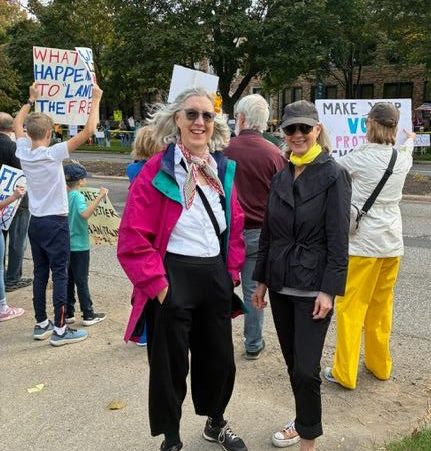
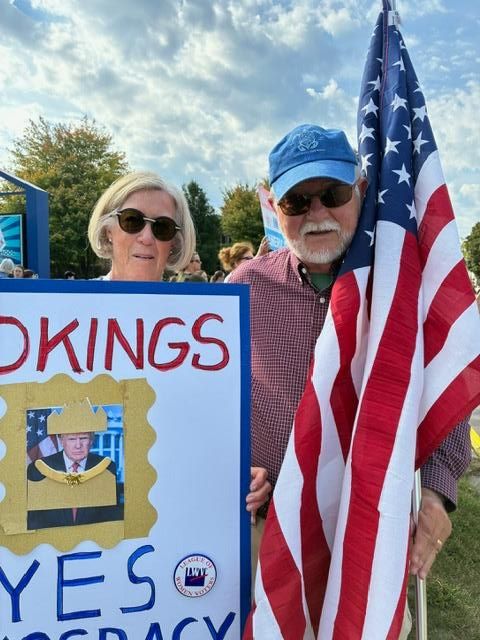
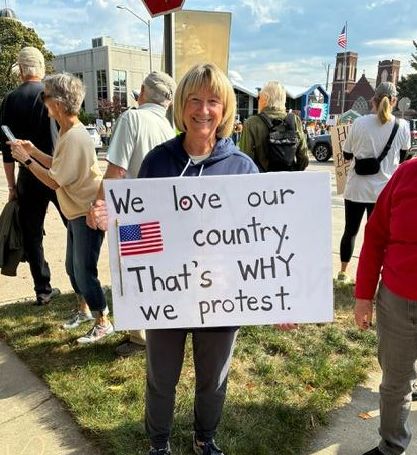
'No Kings Event' Pictures

Town Hall Event Pictures

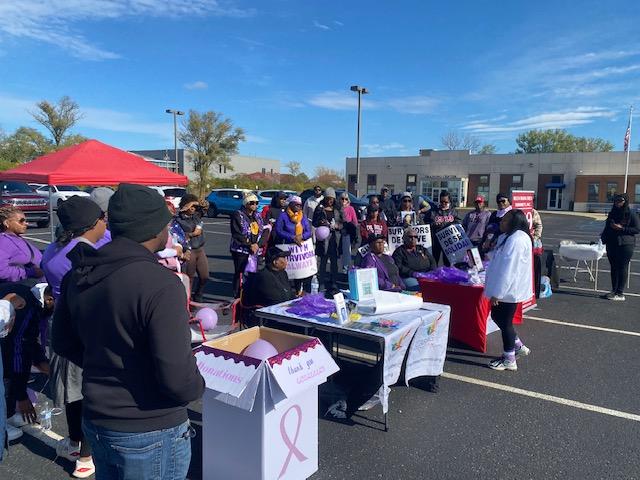
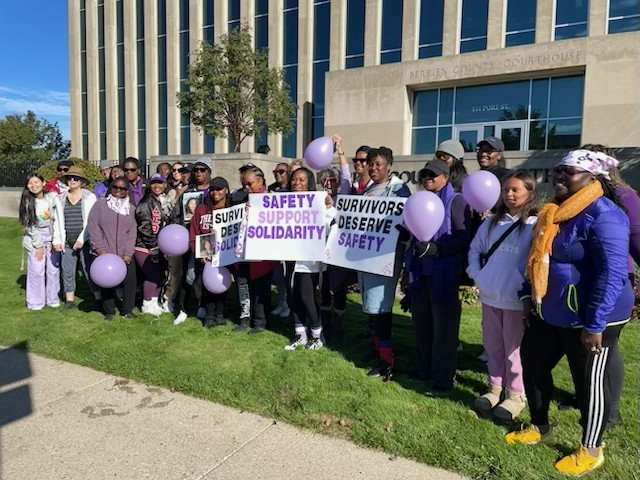
Pictures from the Purple Walk Event

Thank you for reading this month’s LWVBCC edition of "The Voter."


--- Yours In League, Sarah Warner, LWVBCC President - lwvbccpresident@gmail.com


Calendar of Events


November 4

Berrien County Elections

City of Benton Harbor &

City of St Joseph / Proposals


November 4

Cass County Elections

City of Dowagiac / Proposals


November 10

National Civic Pride Day


November 11

Veterans Day


November 25

International Day for the Elimination of Violence Against Women


November 27

Happy Thanksgiving Day


November 28

Native American Heritage Day


December 2

Giving Tuesday


December 8

LWVBCC Yuletide Party

at Lake Michigan College Welch Center for Wine & Viticulture

5-7:30pm

Book Club Calendar

All meetings are at 10am


January 5

Abundance

by Ezra Klein

Location: TBA


February 16

Susan, Linda, Nina & Cookie

by Lisa Napoli

Location: TBA


March 30

The Correspondent

by Virginia Evans

Location: TBA


May 11

Giving Up is Unforgivable

by Joyce Vance

Location: TBA

LWVBCC

Board of Directors


President - Sarah Warner

Vice President - Beverly Gray

Secretary - Open

Treasurers - John & Carla Ripley


Advocacy & Education

– Open

Community Outreach

– Dorothy Parker & Barbara Starke

Local & State Government mObservation – Open

Membership – Val Schnable

Publicity – Faith Schoon

Voter Services – Beverly Gray 

Webmaster – Mike Schnable

Quick Links

LWVBCC SPONSORS


PLEASE

TELL THEM YOU SAW THEIR AD IN THE LEAGUE OF

WOMEN VOTERS' NEWSLETTER!

Joe Jilek

Insurance Agent

(269) 695-2200

LWVBCC PARTNERS

St Joseph / Maud Preston Palenske Memorial Library

Please Encourage 

Membership in LWVBCC


Non-Partisan Policy
The League as an organization does not support or oppose any political party, candidate for elected office, or any group that supports candidates. As individuals, though, but not as representatives of the League, members are encouraged to participate in political activity and to run for office. Our non-partisan policy does require two Board members--the President and the Voter Service Chair--to totally abstain from partisan political activity.