The Wyoming Health Council works to ensure that all people can access safe, unbiased, high-quality sexual and reproductive health care. | |
To the wonderful people of Wyoming, | |
|
It is with great regret that I have announced my retirement at the end of March 2024 to the Wyoming Health Council Board of Directors and staff. I have recently been dealing with some health issues that are basically telling me, “Now is the time to retire.” It has been a true honor and privilege to work with the Directors and staff at our eight Title X agencies throughout the state in their provision of reproductive and family planning services. I want to thank current and former Board members who have supported me for the past five years. To Gail, Summer, and Camille—you continue to work miracles with truly limited resources. Your dedication, commitment, and creativity are without question. Keep up the excellent work!
Rob Johnston
| |
|
"Often when you think you're at the end of something, you're at the beginning of something else."
-Mr. Rogers
| |
Reproductive and Sexual Health in The News | |
|
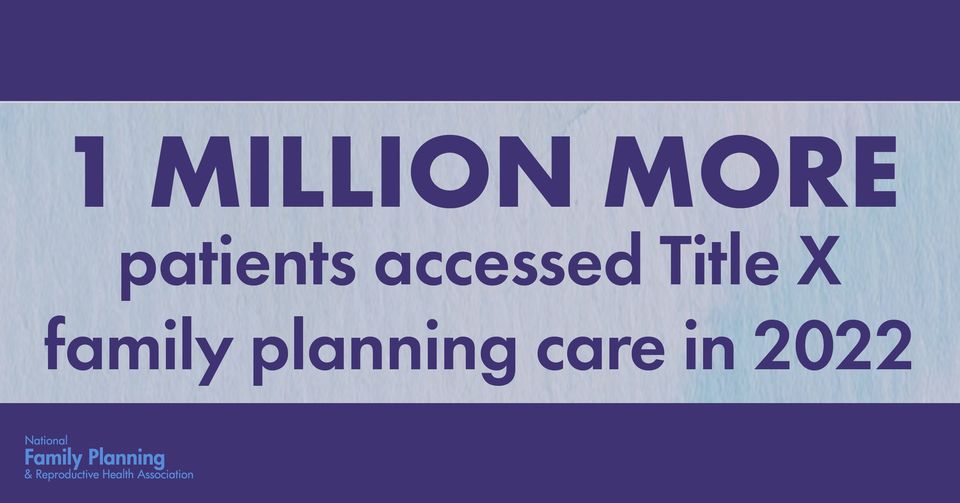
U.S. Department of Health and Human Services Office of Population Affairs released the 2022 Family Planning Annual Report (FPAR), showing "a glimmer of good news for the nation’s family planning program, as its provider network is working overtime with inadequate resources to restore access to care." Clare Coleman, President & CEO of the National Family Planning & Reproductive Health Association (NFPRHA).
Wyoming Title X Family Planning Clinics are here to support the reproductive and sexual health care of the people and communities of Wyoming
| | |
|
2023 Blueprint Policy Agenda
“There is no universal freedom without gender equality and bodily autonomy.”
The 2023 Blueprint for Sexual and Reproductive Health, Rights, and Justice Policy Agenda has been released and endorsed by more than 100 broad and diverse organizations working across global and domestic sexual and reproductive health, rights, and justice issues. It focuses on specific policy and leadership actions the Executive Branch can take to further advance sexual and reproductive health, rights, and justice in the U.S. and around the world.
| | |
|
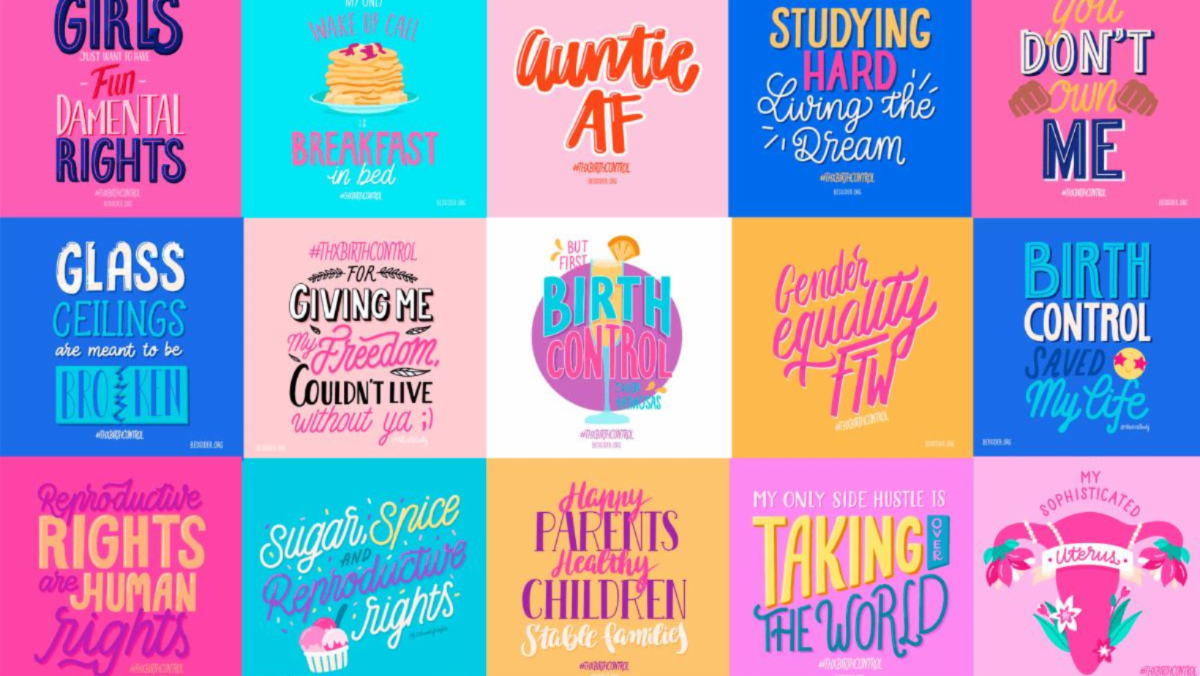
Thanks Birth Control Day
Nov 16, 2023
It’s hard to believe that a little over 50 years ago, it was illegal for a single person to use birth control or even have information about it – and doing so was considered to be against obscenity laws of the time!
Millions of people have used birth control to plan if and when they want to have a family. More than 99% of women (ages 15–44) who have had sexual intercourse say they’ve used at least one contraceptive method. But birth control isn’t just for preventing a pregnancy. Did you know 24 percent of all women who use birth control rely on it for something else like regulating their periods, controlling skin breakouts or relieving menstrual migraine headaches?
Some people might also consider certain types of hormonal birth control for other reasons. For example, gender dysphoria – distress when your gender doesn’t match the sex assigned to you at birth – can get worse if you identify as male but were assigned female at birth and get your period. Some birth control options can lessen or stop your period.
Thanks to greater access to a wide range of birth control methods, individuals have greater educational and economic opportunities and can pursue their dreams. Birth control allows people to take better care of themselves and their families. In fact, access to reliable forms of birth control have helped to close the gender pay gap (the difference between what women and men are paid) by 30 percent from the 1990s to 2000. Because of birth control, the percent of women who achieved a bachelor’s degree increased from 8 to 35 percent.
Even with the approval of the first over the count birth control, Opill, today we’re still fighting to protect or right to access birth control and have control over our bodies. This makes celebrating Thanks Birth Control Day all the more important!
You can show your birth control a little love on Thanks Birth Control Day by sharing why Birth Control matters to you on social media!
| |
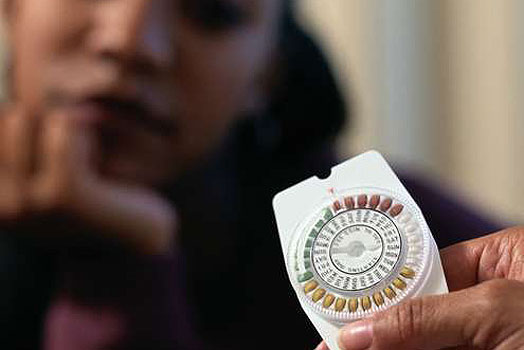 | |
Birth Control Access, Parental Rights Collide In Fifth Circuit
A lawsuit to be argued in the Fifth Circuit on Nov. 6 that sits at the intersection between minors’ reproductive health and parents’ rights could lead the US Supreme Court to examine at least one of those issues.
Reproductive rights advocates see the case as a stepping stone on their opponents’ way to eliminating a privacy right in accessing birth control that dates to the Supreme Court’s 1965 decision in Griswold v. Connecticut.
It’s part of a “clear effort to curtail people’s right to control their own bodies,” said Robin Summers, vice-president and senior counsel at the National Family Planning & Reproductive Health Association. Griswold “is at significant risk,” she said.
That group promotes and supports the work of family planning providers and administrators, especially in the safety net. It filed a friend of the court brief supporting the Department of Health and Human Services in its attempt to have the US Court of Appeals for the Fifth Circuit reverse a December 2022 decision by Judge Matthew J. Kacsmaryk.
The trial judge granted summary judgment for a Texas father who challenged a Title X regulation that prohibits family planning program grantees from telling parents when their children seek the providers’ services.
| |  |
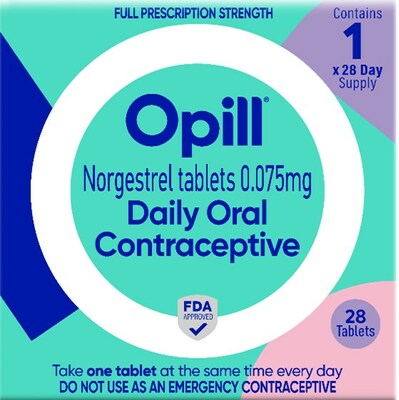 | |
Democratic Lawmakers Call For Insurance Plans to Fully Cover Over-The-Counter Birth Control Pill
Dozens of Democratic lawmakers are urging the Biden administration to require private health insurance plans to fully cover the first over-the-counter birth control pill in the United States, which is expected to hit store shelves starting early next year.
The US Food and Drug Administration approved the medication Opill in July, making it the first daily oral contraceptive approved for use in the US without needing a prescription. This over-the-counter birth control pill, which contains only the hormone progestin, is expected to be available in drug stores, convenience stores and grocery stores, as well as online.
“Over-the-counter birth control has the potential to be a real game-changer for so many women—but only if it’s actually affordable. The Biden Administration can and must do everything possible to get us there, and one major step they can take is requiring insurance companies to cover over-the-counter birth control without out-of-pocket costs or a prescription,” Washington Sen. Patty Murray, an author of the letter, said in an email.
| | |
|
Start A Conversation About Birth Control
Parents and champions are often the first point of reference for young people when it comes to their health and relationships. Which is why it’s so important to be ready to discuss birth control options when the time is right!
We know that starting these conversations can be tricky, but the fact is engaging in open and honest conversations about birth control empowers young people to navigate the world of sexual health, prevent unplanned pregnancies, and stay safe from sexually transmitted infections (STIs). Even if it wouldn’t be your choice for them to have sex in high school, the reality is that you want to make sure the young people in your life have everything they need to be safe if it does happen. Plus, talking about birth control can help you build a foundation to have open discussions about their relationships and questions in the future!
| | |
|
A Teens Guide To The Best Birth Control Methods
If you’re sexually active, or planning on having sex, it’s important to find a form of contraception that works for you. Regardless of your gender, sexual orientation, or genitalia, it’s important to consider which type of birth control to use.
This can be tricky for anyone. And if you’re a teenager who needs contraception, this can be even more difficult. You’ll have to consider other factors, like guardian consent, access, and cost.
The good news is that there are many kinds of contraception out there, each with their own advantages and disadvantages. While a healthcare worker is best equipped to help you figure out what’s best for your individual needs, this brief guide can help you choose a birth control method that works for you.
| |
Teens can access their birth control options, low cost- no cost, at their local Title X Family Planning Clinic!
In Wyoming, they can find theirs at WYHC.ORG
| | |
|
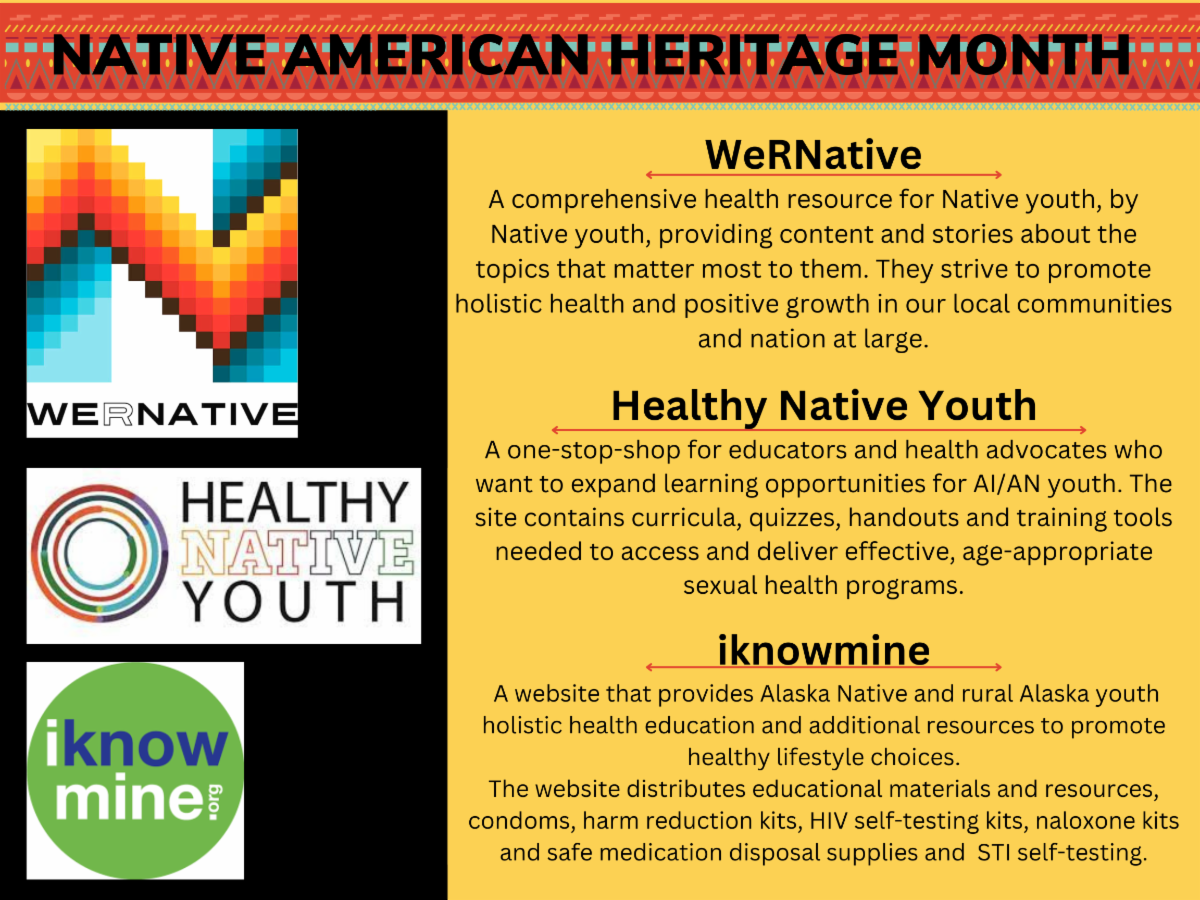
In 1990, the month of November was officially designated Native American Heritage Month in the United States. “Native American Indians were the original inhabitants of the lands that now constitute the United States of America,” the government resolution read, noting Native peoples’ “essential and unique contribution to our nation.”
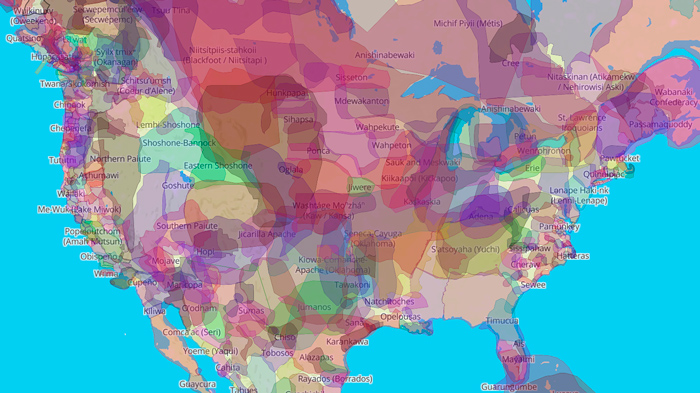
This November, you can learn more about North America’s first inhabitants by finding out which Indigenous lands you live on, using a collaborative, interactive map from Native Land Digital.
| |
|
Native Land Digital strives to create and foster conversations about the history of colonialism, Indigenous ways of knowing, and settler-Indigenous relations, through educational resources such as our map and Territory Acknowledgement Guide. We strive to go beyond old ways of talking about Indigenous people and to develop a platform where Indigenous communities can represent themselves and their histories on their own terms. In doing so, Native Land Digital creates spaces where non-Indigenous people can be invited and challenged to learn more about the lands they inhabit, the history of those lands, and how to actively be part of a better future going forward together.
The Wyoming Health Council learned and acknowledges that we are on the traditional territory of the Newe Sogobia (Eastern Shoshone), Northern Arapaho, Apsáalooke (Crow), Tséstho’e (Cheyenne) and Očhéthi Šakówiŋ
| |
 |
Could Indigenous Midwifery Improve Maternal Health for Native Women?
After decades of neglect by the mainstream health care system, the revival of Indigenous practices offers a model for reform.
According to one study, nearly a quarter of Native patients reported experiencing racial discrimination while visiting a doctor or health clinic, and 15 percent of those surveyed also said they avoided seeking health care altogether because they feared mistreatment. It’s easy, then, to understand why expectant Native mothers like Begaye are more likely to receive late or no prenatal care in New Mexico than non-Hispanic white mothers, a trend that matches national averages. But the data isn’t often interpreted this way.
“If you look at the data and you don’t know us, you make assumptions that we just don’t care, that we don’t go to appointments,” said Nicolle Gonzales, a Diné certified nurse-midwife and the founder of the Changing Woman Initiative, a birth center explicitly intended to serve the Indigenous community. “There are all these other issues. That’s why the data looks the way it does.”
There are many systemic factors that hinder Native American maternal health—problems arising from a legacy of neglect regarding Indigenous life. Today, many pregnant Native women lack insurance or struggle to find transportation to their medical appointments. Others face hurdles finding affordable housing or dealing with abusive partners and domestic violence.
Since 2015, Gonzales has been increasing the reach of her nonprofit health care collective, in part to respond to a broken health care system that has marginalized Native women.
| | |
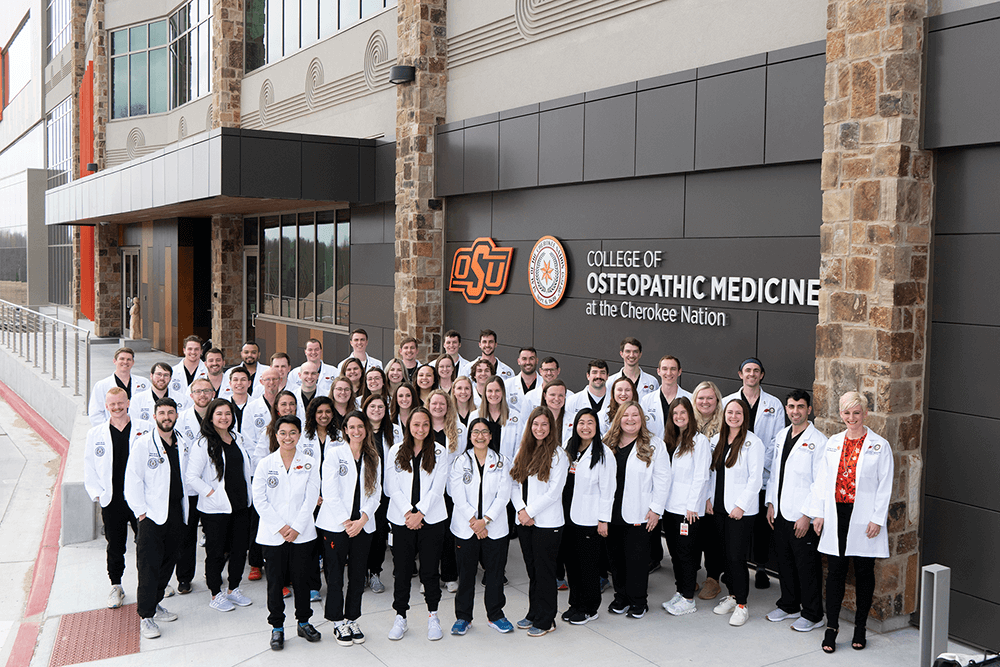 |
Medical School on Cherokee Reservation Will Soon Send Doctors to Tribal, Rural Areas
The Cherokee Nation spent $40 million of its own revenue — including from casinos and federal contracts — to construct the college building on its medical campus, which includes a hospital and outpatient center. The tribe is responsible for maintenance, while Oklahoma State pays for the faculty and equipment.
The college building features large windows, Cherokee symbols etched into concrete, and orange accents — a shoutout to the university’s colors. Inside, signs are written in both English and Cherokee.
On a recent afternoon, students practiced osteopathic manipulative therapy on one another inside a classroom. Down the hall in a simulation center, lifelike patient models lay with their mouths agape on hospital beds.
Next door at the hospital, medical student Mackenzie Hattabaugh checked on Chyna Chupco, who was recovering after giving birth to her first baby. Hattabaugh asked Chupco questions to make sure she was reaching recovery milestones and not showing signs of complications. She also felt Chupco’s uterus to make sure it was healing properly.
Hattabaugh, who is not Native American, grew up in Muldrow, a town of about 3,300 on the reservation. The 24-year-old said the town sometimes had a doctor but never a hospital or urgent care clinic.
“I would like to go back to around my hometown and perhaps be a staple in my community, to become a physician and provide people health care who usually have to drive 30 minutes or more to get it,” said Hattabaugh, a first-generation college student.
| | |
Killers of The Flower Moon |  | |
In the 1920s, the richest people per capita in the world were members of the Osage Nation in Oklahoma. After oil was discovered beneath their land, the Osage rode in chauffeured automobiles, built mansions, and sent their children to study in Europe.
Then, one by one, the Osage began to be killed off. The family of an Osage woman, Mollie Burkhart, became a prime target. One of her relatives was shot. Another was poisoned. And it was just the beginning, as more and more Osage were dying under mysterious circumstances, and many of those who dared to investigate the killings were themselves murdered.
As the death toll rose, the newly created FBI took up the case, and the young director, J. Edgar Hoover, turned to a former Texas Ranger named Tom White to try to unravel the mystery. White put together an undercover team, including a Native American agent who infiltrated the region, and together with the Osage began to expose one of the most chilling conspiracies in American history.
| | |
|
(Click image to watch short TikTok)
The film is about a teenager who goes to spend time with his grandfather. When the kid finds a jingle dress in the closet and tries it on, it eventually sparks a deep conversation between grandfather and grandchild by the fire — the teenager is Two-Spirit.
The short is part of season two of “Launchpad,” a collection of live-action shorts that features writers and directors from underrepresented backgrounds.
| | |
No Indians or Dogs Allowed - Sheridan, Wyoming and the Miss Indian America Pageant | |
The Miss Indian America pageant was launched by Sheridan residents in the 1950s to combat discrimination. The story is told through the eyes of Miss Indian America title holders who held a reunion in 2013, serving as grand marshals in the Sheridan, WY Rodeo parade and commemorating a legacy of bridging cultures. | |
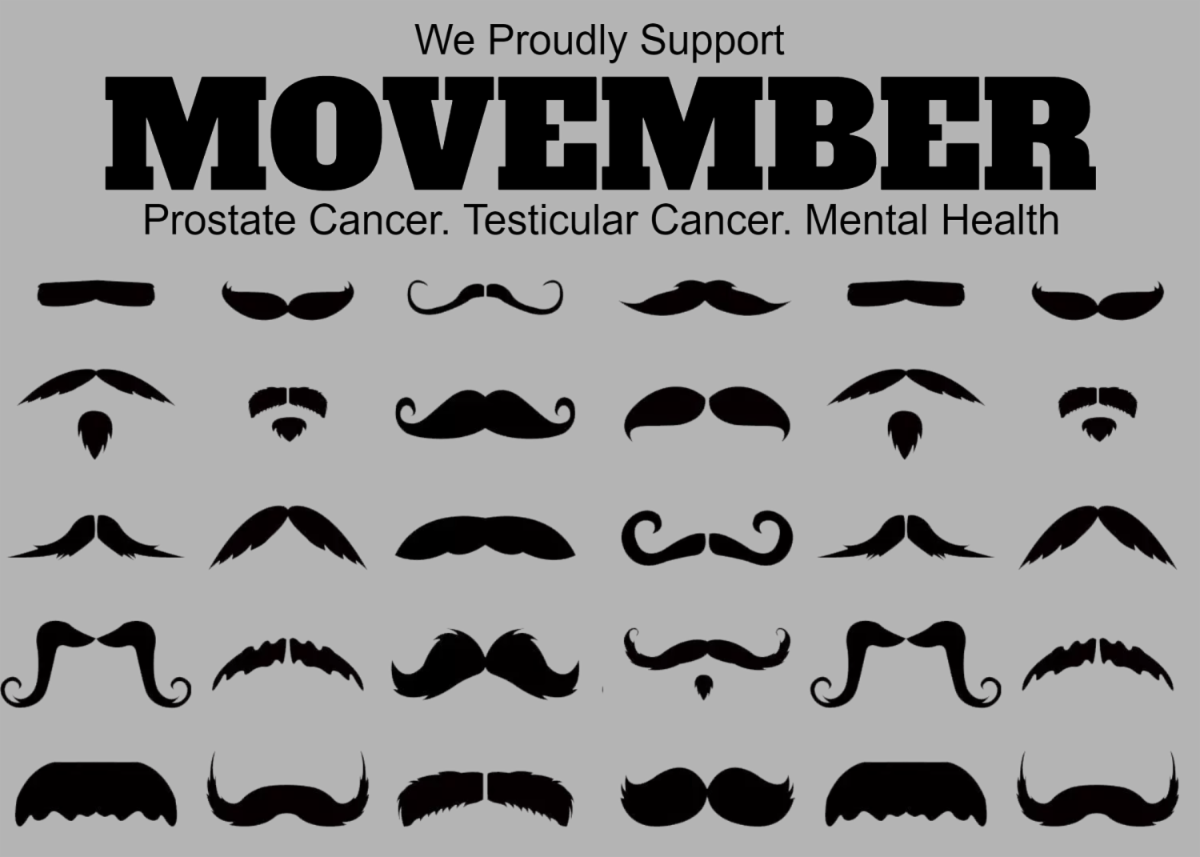 | |
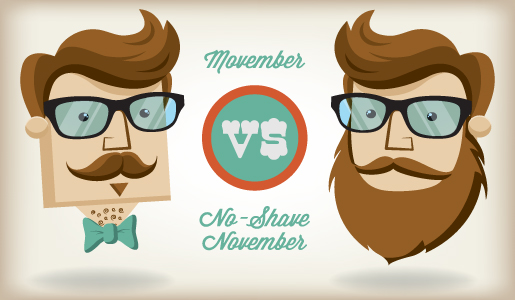
Movember
Mental health and suicide prevention, prostate cancer and testicular cancer – we’re taking them all on!
Men's Health is in crisis. Men are dying on average 4.5 years earlier than women, and for largely preventable reasons.
Since 2003, Movember has funded more than 1,250 men’s health projects around the world, challenging the status quo, shaking up men’s health research and transforming the way health services reach and support men.
By encouraging men (whom the charity refers to as "Mo Bros") to get involved, Movember aims to increase early cancer detection, diagnosis and effective treatments, and ultimately reduce the number of preventable deaths. Besides annual check-ups, the Movember Foundation encourages men to be aware of family history of cancer and to adopt a healthier lifestyle.
Grow a Mo!
Growing a Mo is our symbol for better men's health. It also grabs attention and starts important conversations. So give it a go-it shows the world you stand for healthier men and a healthier world.
| | |
|
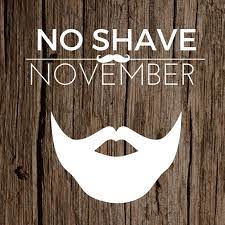
No-Shave November
No—Shave November is a month-long journey during which participants forgo shaving and grooming in order to evoke conversation and raise cancer awareness.
- A little over 1.9 million new cancer cases are expected to be diagnosed in the US in 2023.
- Approximately 609,820 deaths from cancer are expected in the US in 2023 (Table 1), which is about 1,670 deaths per day.
- In the US, an estimated 41 out of 100 men and 39 out of 100 women will develop cancer during their lifetime.
American Cancer Society
Participate by growing a beard, cultivating a mustache, letting those legs go natural, and skipping that waxing appointment. Put down your razor and set up your own personal No-Shave November fundraising page. If you’re not ready to get hairy, sit back and support someone who is.
| | |
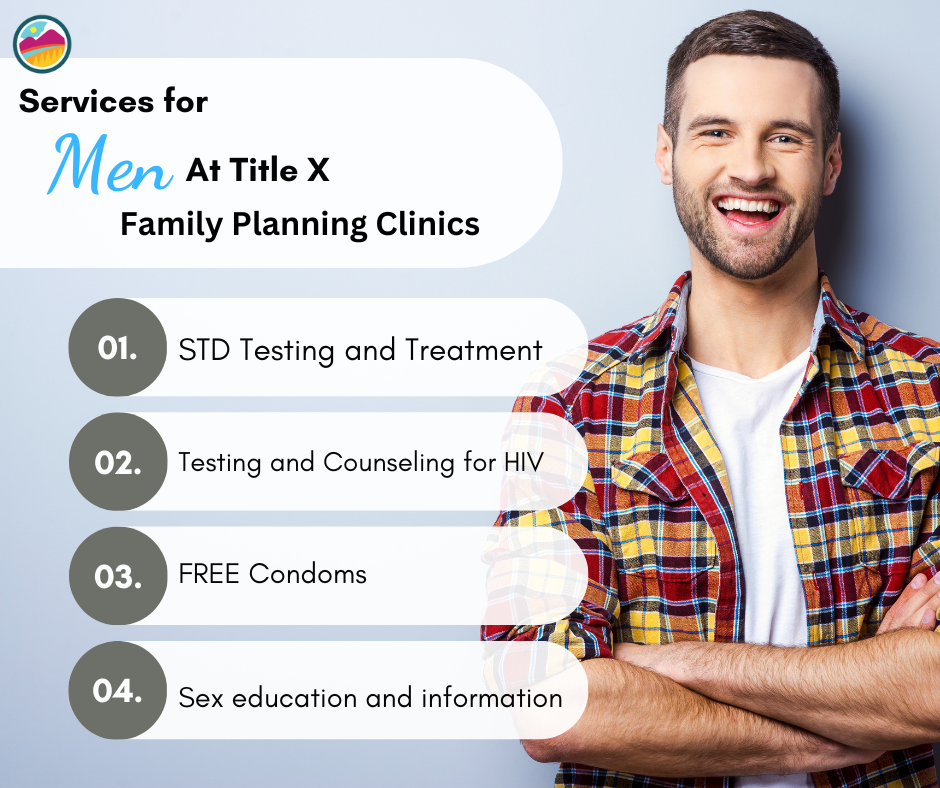
Looking at Men's Sexual and Reproductive Health Needs
While indicators suggest that men have significant sexual and reproductive health needs, two overarching questions remain: What services are needed, and by whom and in what settings should these services be provided? Currently, there is no generally accepted set of sexual and reproductive health services for all men, although organizations as diverse as the American Medical Association, EngenderHealth and The Urban Institute have developed prototype sets, particularly for certain target groups.
Conceptually, men's needs are simple: Men, as women, need to avoid the potential negative consequences and achieve the desired, positive outcomes of their sexual and reproductive behavior. Men need to prevent unintended pregnancies, within or outside of marriage. They need to protect themselves and their partners against acquiring STDs, including HIV, and they need to be screened and, if necessary, treated for such diseases. Furthermore, men need to be able to father children when they and their partners choose, overcome fertility problems and help ensure that their partners' pregnancies are healthy. More generally, men need the self-esteem, self-awareness and skills to avoid violent and coercive relationships; to engage sexually in ways that are respectful of themselves and their partners; and to be part of strong, fulfilling relationships that can help them meet their other objectives.
| | |
State Attacks on Transgender Health and Rights are Out of Control
Less than two months into 2023, 325 bills aimed at the health and rights of transgender folks have been introduced in state legislatures around the country— more bills than the last four legislative years put together. Erin Reed, a queer legislative researcher and activist covering transgender legislation and life around the world, gives us an update on transgender health and rights in America, including what attacks to look out for and actions to take to protect bodily autonomy and human rights.
Bans on healthcare for trans youth, drag show bans, systemic abuse in schools, bathroom bills: these are just some of the vicious measures that have impacted the daily health and life of transgender and gender non-conforming Americans. 1/3 of bills introduced this year—97 bills—are designed to limit or ban gender-affirming care for trans youth.
| | |
|
What Do I Need To Know About Sexual Health As a Trans or Nonbinary Person
You can have sex whatever way you and your partner or partners want! What’s important is that everyone involved feels comfortable, has given their consent to have sex, and can enjoy themselves.
Sex isn’t one type of activity. You get to define what sex is for you. Sexual activities don’t even have to involve genitals. And you also don’t have to want certain kinds of sex — or any sex at all — in order to be real in your gender.
For trans and nonbinary people, sexual and reproductive health care might include:
| | |
 |
Despite two attempts to outlaw it, gender-affirming care will remain legal in Wyoming
During debates on Senate Files 111 and 144, many Republican lawmakers painted transgenderism as a fad, claimed young people and parents were being pushed into it, referred to gender-affirming surgeries as “mutilation,” and highlighted the statistically rare stories of detransitioners as cautionary tales against the alleged dangers of gender transition.
But other testifiers — including LGBTQ activists, the Wyoming Education Association and queer youth themselves — stressed there are also "permanent and irreversible consequences" of going through puberty as the wrong gender.
Trans youth are at a higher risk for depression and suicide and that risk is worse in places where they are unable to access gender-affirming care. Further, almost all individuals who undergo gender transition report improved quality of life. While detransitioners — those who underwent gender-affirming surgery only to later regret it — make up a large part of the discourse surrounding this issue, they represent an extreme minority.
| | |
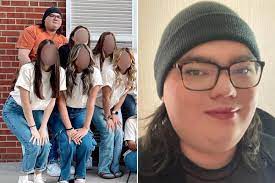 | |
A Trans Woman Joined a Sorority. Then Her New Sisters Turned On Her.
A 21-Year old University of Wyoming student was looking for community. Instead, she face death threats, a federal lawsuit and an attempt to kick her out.
LARAMIE, Wyo. — The morning sky was still dark as Artemis Langford’s father hoisted the last of her belongings into her car for the drive back to college.
“Be safe,” he told her.
“I will,” she promised.
She didn’t mention how a day earlier, as she scrolled through social media comments, she saw someone had called her a “sicko” who should be torn apart in a woodchipper. Or how she discovered her name on neo-Nazi websites. Or how news stories about her had been posted on a forum for gun owners, alongside a hangman’s noose.
It wasn’t what she imagined last year when she joined Kappa Kappa Gamma at the University of Wyoming, becoming the first transgender woman in the state to be inducted into a sorority. She thought she had finally found sisterhood and a place to belong after years of shame and loneliness.
Instead, she became a target.
| | |
|
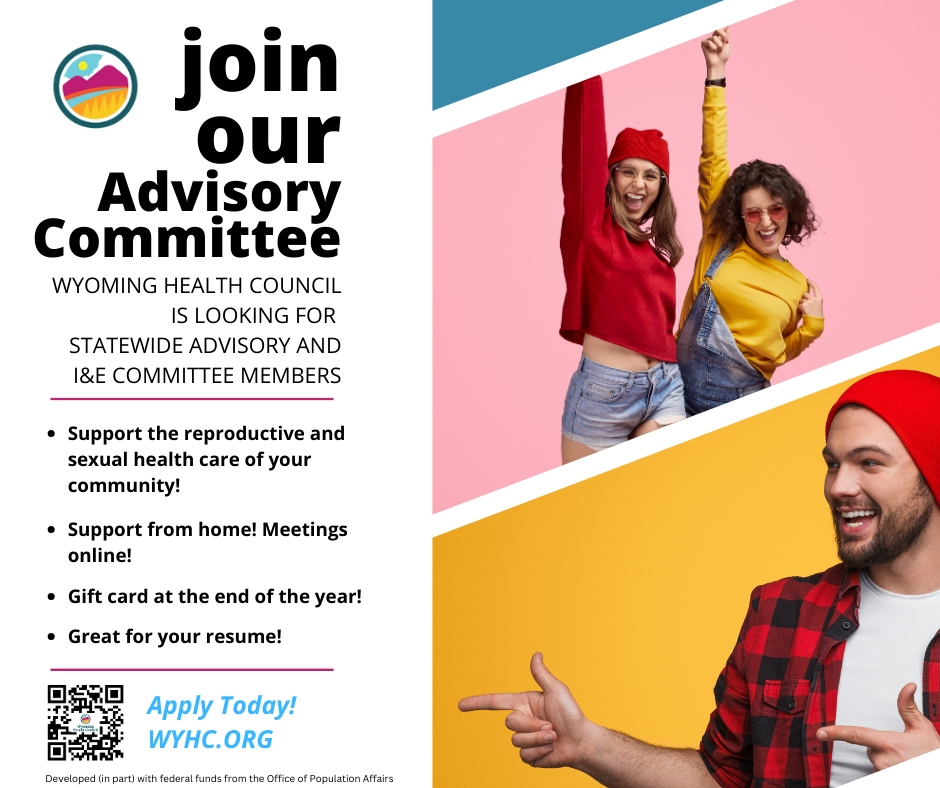
The Wyoming Health Council is looking for Statewide Advisory/Information & Education (I&E) Members!
We need members from Northern, Eastern and Western regions Wyoming!
If you are interested or know someone who is, fill out the application below, or find it on WYHC.ORG today!
We would love to have you!
| |
|
Do you, or someone you know, live in or around Worland, Wyoming?
Are you looking for reproductive and sexual health care?
Stop by Washakie Family Planning today!
| |
WYOMING HEALTH COUNCIL
111 S. Durbin, Suite 200
Casper, WY 82601
Call Us: (307) 439-2033
| | | | | |