The Wyoming Health Council works to ensure that all people can access equitable, inclusive, high-quality, and affordable reproductive and sexual health care. | |
This election year, your vote has a direct impact on the future of reproductive and sexual health care. Important policies and protections for access to family planning, safe reproductive health care, and comprehensive sex education are on the line. By casting your vote, you’re taking an active role in shaping a future that respects and safeguards these essential rights. | |
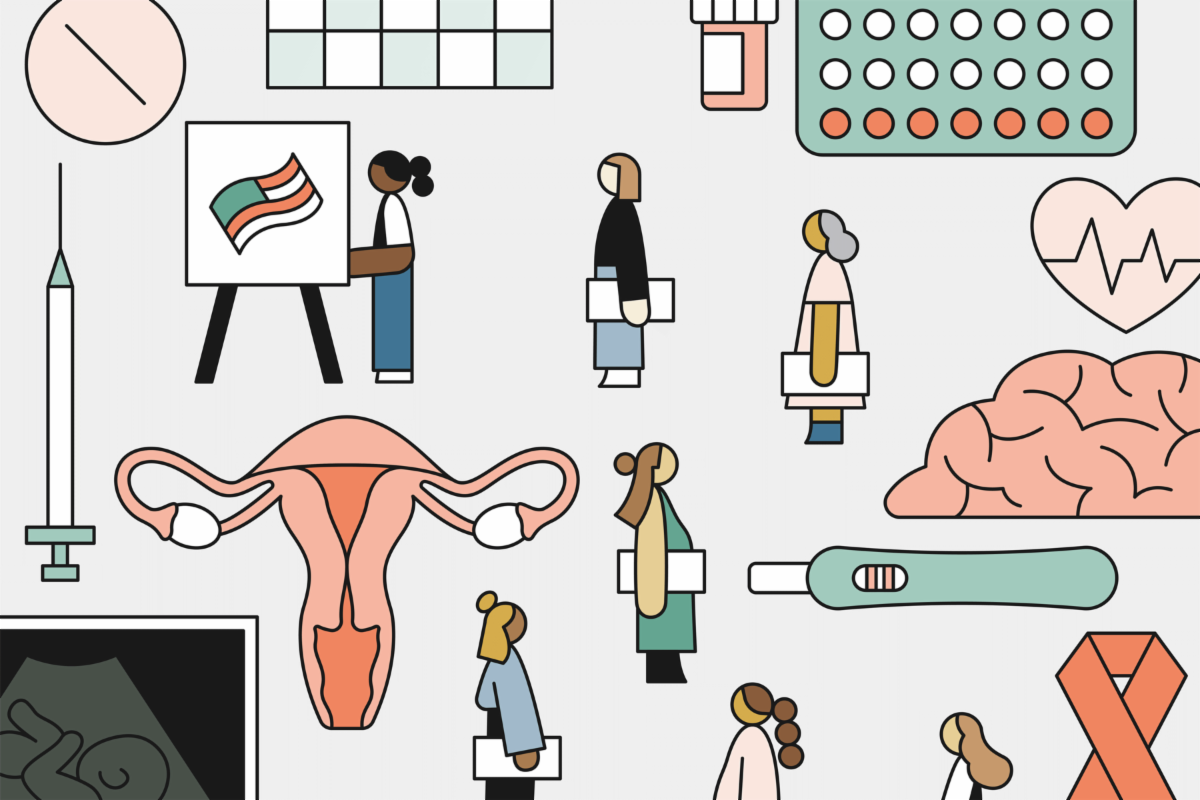 | |
What's At Stake in The 2024 Election For Women's Health
In the United States, women’s access to health care — including abortion and reproductive services, which were significantly limited by the overturning of Roe v. Wade — depends, in large part, on the state they live in. Where women live also determines how likely they are to have a healthy pregnancy and safe delivery, as well as their risk of dying from preventable causes like substance use and certain cancers.
Women in the southeastern U.S., for example, have lower rates of access to affordable coverage and worse health outcomes compared to women in other regions, according to data from the Commonwealth Fund’s state scorecard on women’s health. In southeastern states — several of which haven’t expanded Medicaid, a key source of preventive and maternal health care coverage for people with low incomes — women are more likely to be uninsured.
The outcome of the election could affect women’s health care coverage and access in several ways. Here’s what’s at stake for women’s health across the nation.
| |  |
|
Decoding Sexual & Reproductive Health: Language of Policy
Quick tips on how to navigate elections and make sure you vote in alignment with your values
Sexuality continues to be a hot topic on ballots, for better or for worse. There are currently 12 states looking to get sexual/reproductive health measures on the ballot, and countless political candidates who are committed to either protecting or squandering reproductive rights and sex ed. While dangerous initiatives have popped up all across the nation, some states are wracked with both abortion bans and little to no sex education. You don’t have to sit back and watch these changes unfold, though. The upcoming election offers an excellent opportunity to make your voice heard and weigh in on important decisions. With all the hubbub, misinformation, and legalese, we know that elections can be hard to navigate. Read on for some tips on how to ensure you vote in alignment with your values.
| | |
|
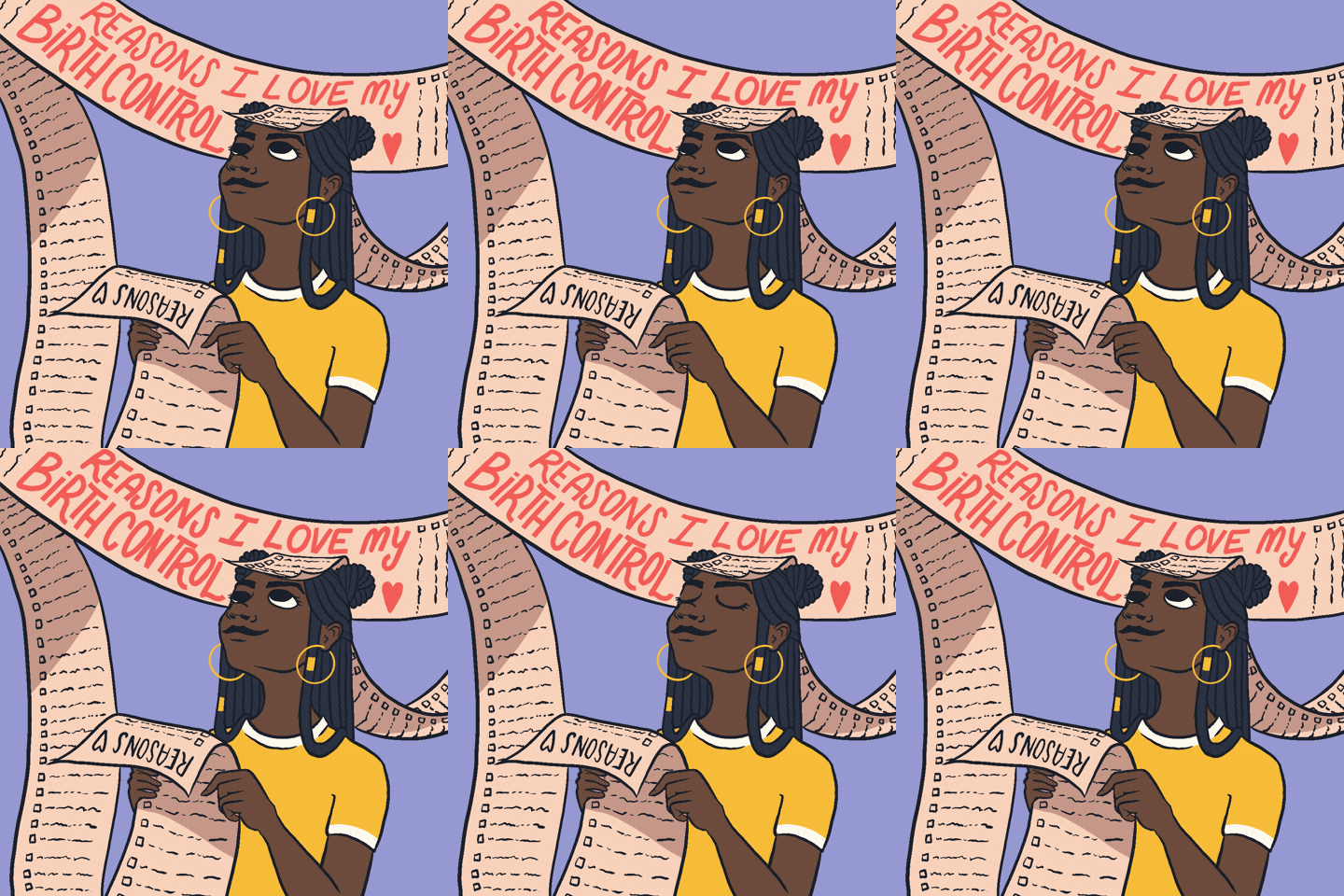
6 reasons people say #ThxBirthControl:
🩸 Easing period flow and cramps
🤰 Preventing pregnancy & STIs
💦 Having stress-free sex
🌈 Reducing gender dysphoria
🧴 Controlling acne
💊 Treating a medical condition
Birth 👏🏽 Control 👏🏽 Is 👏🏽 Health 👏🏽 Care 👏🏽 #ThxBirthControl
| |
 | |
Women Don't Just Take Birth Control To Prevent Pregnancies
Here's why some need it-and why they want to protect access to it
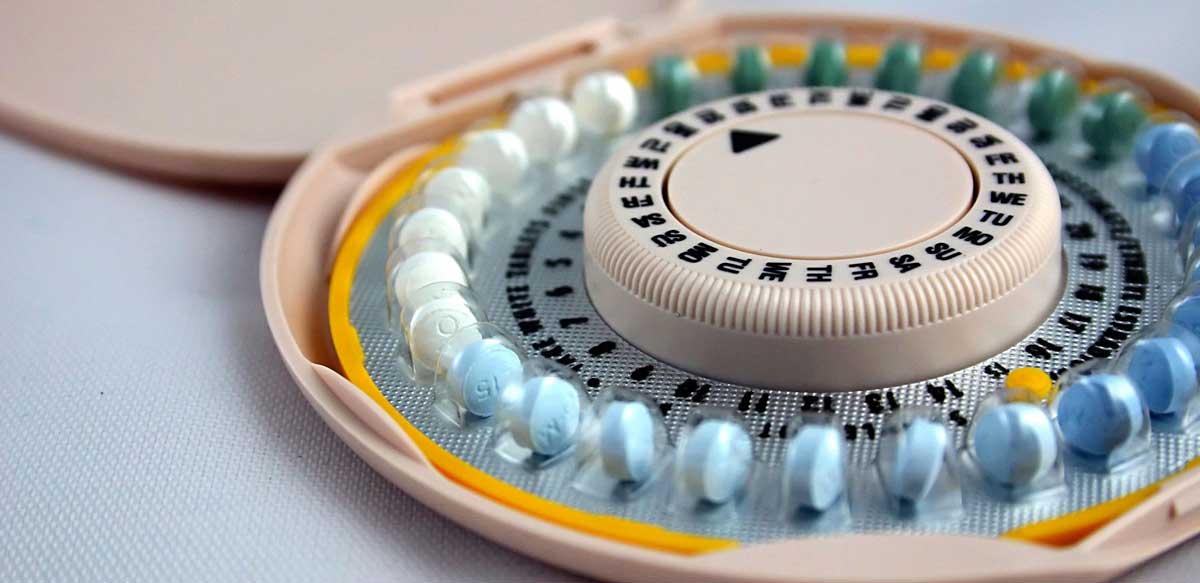
What’s often missing from the conversation on contraceptives is how many people like Bella take hormonal birth control for non-contraceptive reasons. Countless women and gender-fluid, nonbinary and transgender people want contraceptive care to be codified, too, just like those who depend on it primarily to prevent pregnancy.
A 2011 study from the Guttmacher Institute found that 14% of women who used a hormonal birth control pill ― or 1.5 million women ― took the medication exclusively for non-contraceptive reasons. And 58% of birth control pill users took the pill “at least in part” for purposes other than contraception.
Among teens, that percentage was higher: About one-third of respondents (33%) ages 15 to 19 who took a birth control pill did so for reasons other than preventing pregnancy, according to the study.
“Reproductive health care encompasses so much more than just preventing pregnancy,” Rodgers said.
| | |
 | |
The Truth About The Birth Control Misinformation Flooding Social Media
If you are a hormonal birth control user, you might have noticed nightmare fuel spilling into your TikTok algorithm recently: Influencers telling you that the pill has permanently altered your body composition, your significant other broke up with you because the pill caused changes in your personality, or simply that you are putting literal poison into your body.
These content creators — who often describe themselves as “holistic health” influencers — are urging their viewers to stop taking the pill and switch to non-hormonal alternatives. Often, these videos are means of promoting and selling e-books and webinars with information about “fertility awareness” — a contraception method, the effectiveness of which can vary greatly, that involves abstaining from sex during the ovulation phase of your menstrual cycle.
Gynecologists want young people to know that these claims dismissing the pill as dangerous are not true — and reproductive justice advocates warn that this rhetoric could be part of a broader conservative effort to dissuade women from fully exploring their contraception options.
| | |
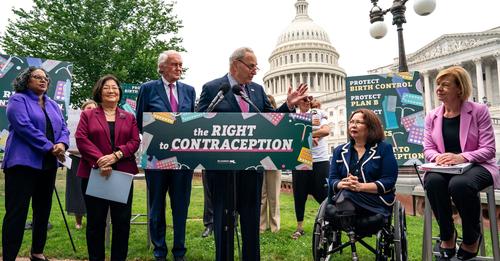
Birth Control Doesn't Cause Abortions-But That Misconception Is Blocking Access
There's a battle being waged across the country between people who see birth control as essential for women's health, self-determination and to avoid abortions ‒ and those who claim some forms of contraception cause abortions and should not be funded by taxpayers.
Birth control remains legal in all 50 states and can be purchased over the counter with no age limit. But lawmakers in at least seven states have attempted to cut off funding or scuttle bills that ensure access to some popular forms of birth control.
Major medical groups and 10 health researchers interviewed by USA TODAY say there is no evidence that any of the popular forms of birth control end human lives. And some groups that oppose abortion still support the wide availability of birth control to help prevent unwanted pregnancies.
But opposition to birth control has made contraception harder to access in many places and, experts say, unnecessarily scared women away from safe, effective methods for preventing pregnancy.
"There's no question that there's a war on contraceptives," said Dr. Dan Grossman, a professor of medicine at the University of California, San Francisco, and director of the school's Advancing New Standards in Reproductive Health program.
| | |
|
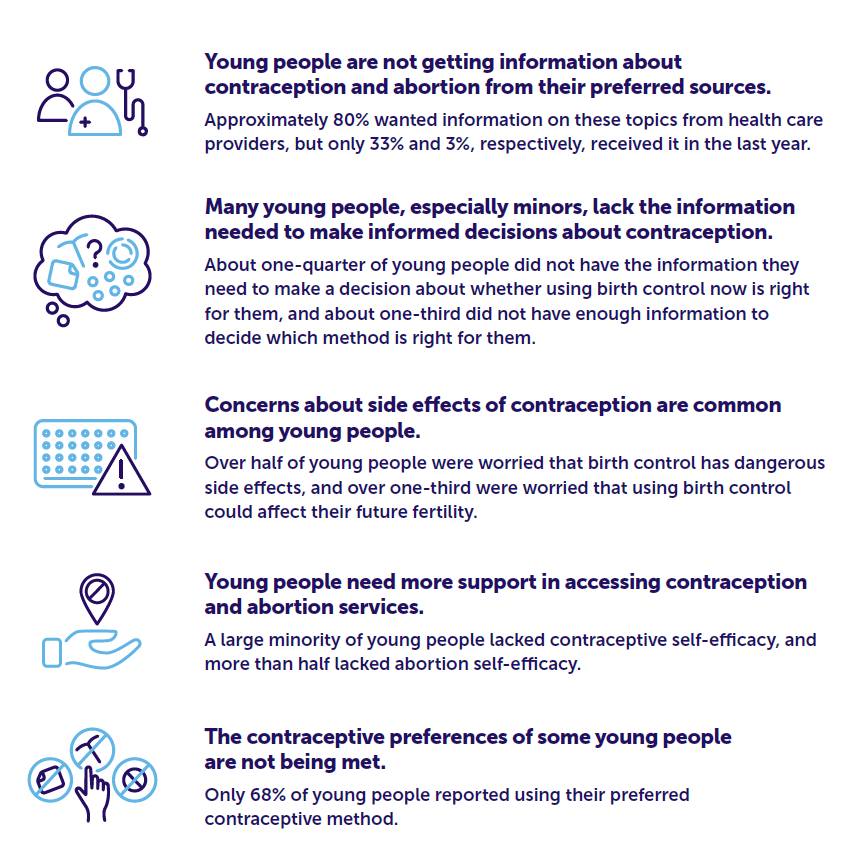
Youth Reproductive Health Access Survey
2024 Data Report
| |
Power to Decide aims to advance sexual and reproductive well-being in the United States by providing trusted information, expanding access to quality services, and catalyzing culture change. For nearly thirty years, Power to Decide has been a national leader in improving access to quality sexual and reproductive health (SRH) information and services, with a particular focus on populations who face systemic barriers to access, including adolescents and young adults. To address key gaps in the field, inform Power to Decide programs, and monitor progress toward organizational goals, Power to Decide has launched the Youth Reproductive Health Access (YouR HeAlth) Survey, surveying 15-29-year-old respondents assigned female at birth. This national survey measures young people’s knowledge, attitudes, and experiences related to SRH information and health services, with an emphasis on contraception and abortion. As a complement to existing behavioral surveillance systems, the YouR HeAlth Survey focuses on behavioral antecedents, providing actionable data to support access to quality information and services. | |
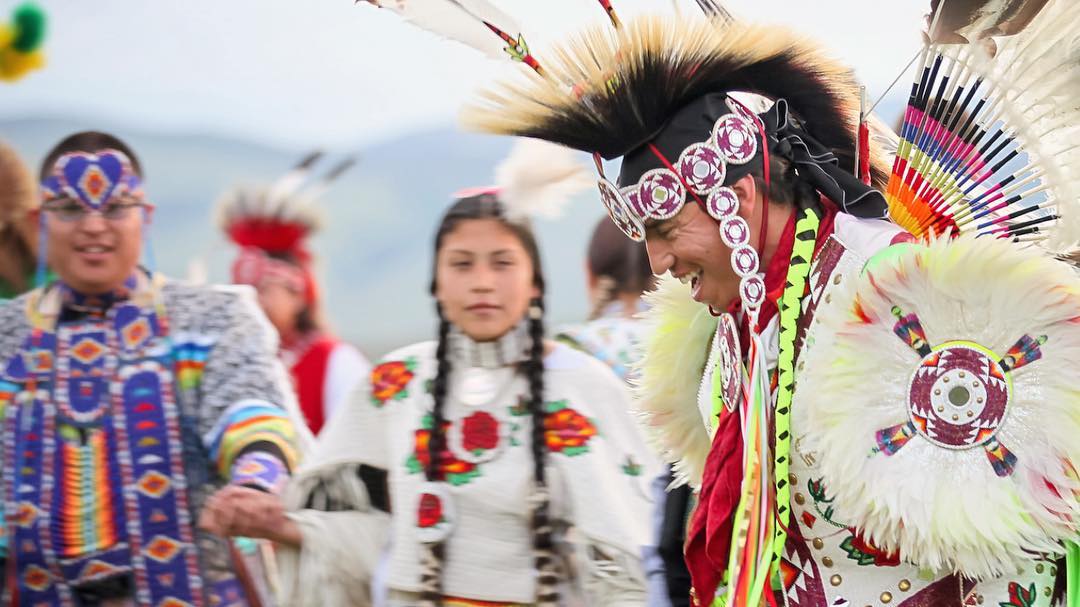
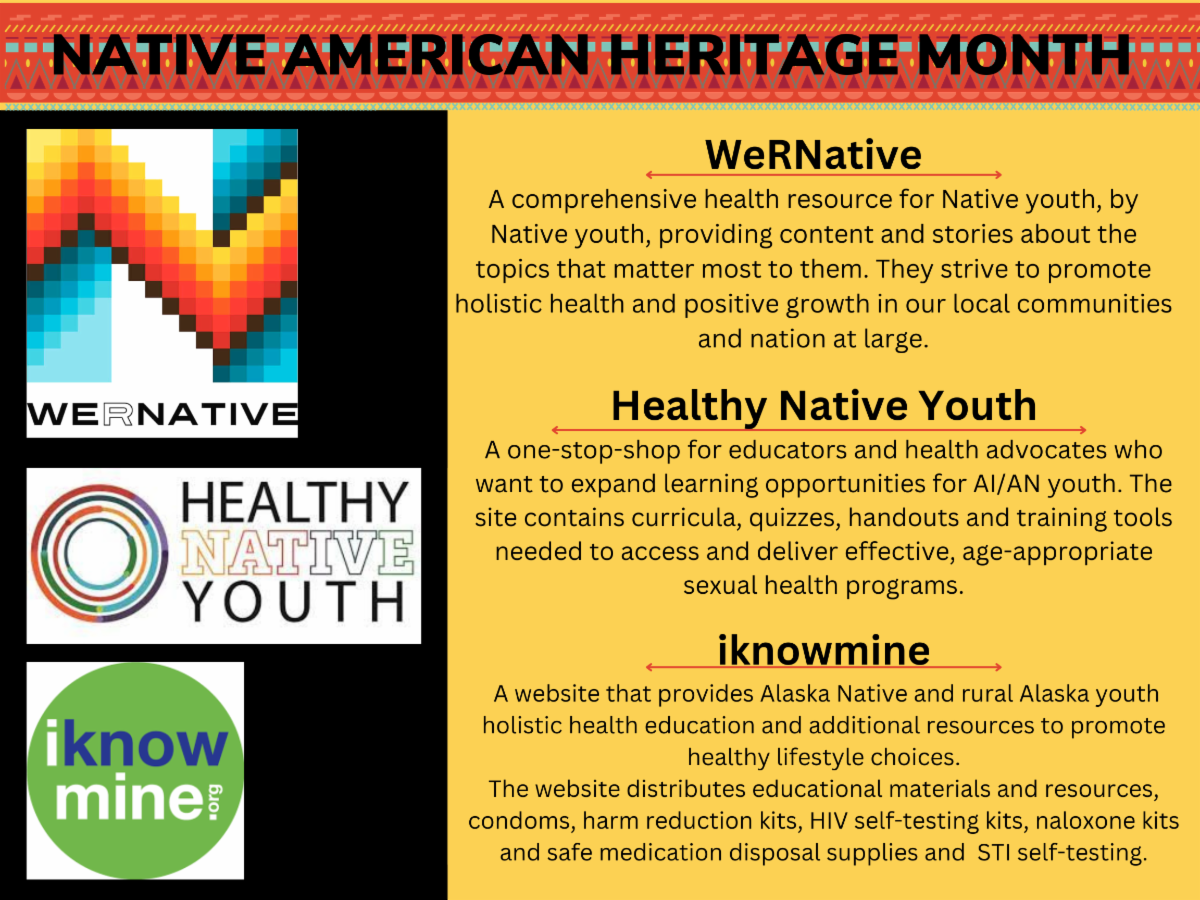
Native American Heritage Month | |
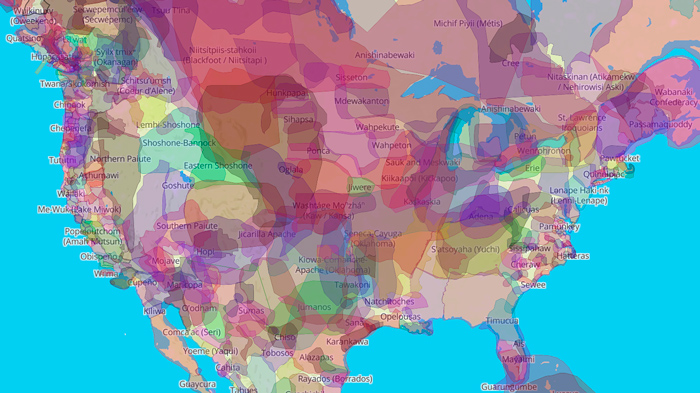
"We acknowledge that the land on which we gather is the traditional, ancestral, and unceded territory of Indigenous nations including, but not limited to, the Eastern Shoshone, Northern Arapaho, Cheyenne, Crow, and Lakota peoples. These tribes have cared for and stewarded this land long before the establishment of modern boundaries, and their enduring relationship with this land continues to be significant. We honor and respect their ongoing cultural and spiritual connections to this place and strive to deepen our understanding and appreciation of Indigenous histories and perspectives as we move forward together." | |
Native Land Digital strives to create and foster conversations about the history of colonialism, Indigenous ways of knowing, and settler-Indigenous relations, through educational resources such as our map and Territory Acknowledgement Guide. We strive to go beyond old ways of talking about Indigenous people and to develop a platform where Indigenous communities can represent themselves and their histories on their own terms. In doing so, Native Land Digital creates spaces where non-Indigenous people can be invited and challenged to learn more about the lands they inhabit, the history of those lands, and how to actively be part of a better future going forward together.
| | |
 | |
How Native American Women Inspired The Women's Rights Movement
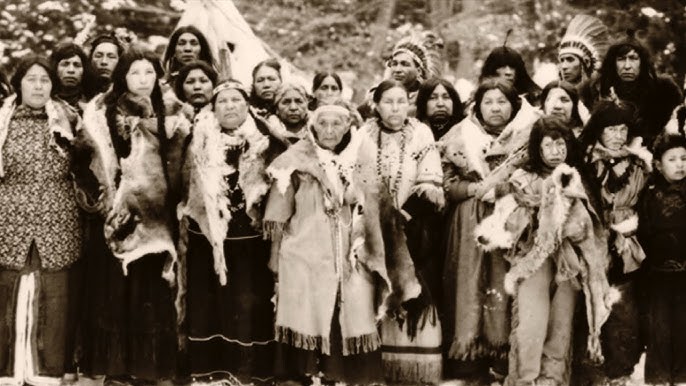
What an amazing revelation to know that the oppressed condition of women was not universal; Indigenous women had rights to their property. If these Euro-American women, gathered from around the Western world, didn’t know the stark difference between their conditions, Native women did. They resisted losing their rights under Indigenous law as the U. S. government, through a “christianize and civilize” policy, enforced through the boarding schools and assimilation laws, were trying to force them to become U.S. citizens. Fletcher explained to the International Council, “As I have tried to explain our statutes to Indian women, I have met with but one response. They have said: ‘As an Indian woman I was free. I owned my home, my person, the work of my own hands, and my children could never forget me. I was better as an Indian woman than under white law.’"
This model of Native women’s rights gave suffragists the ammunition they needed, and the vision of something better.
| | |
 | |
How The Native American Vote Continues to be Suppressed
The right to vote has been an uphill battle for Native Americans. The Voting Rights Act of 1965 helped to secure and protect that right for many Native Americans and Alaska Natives. With the Voting Rights Act, voter participation among Native Americans increased. However, the Supreme Court invalidated the Section 5 preclearance formula in 2013 (Shelby County v. Holder, 570 U.S. 529 (2013)), removing one of the most powerful tools to ensure equal access to the ballot, including Alaska and Arizona, and two jurisdictions in South Dakota with significant Native American and Alaska Native populations. Since the Shelby County decision, efforts to suppress the vote have increased. For Native Americans, these voter suppression efforts can and do have devastating impacts.
Despite the passage of the Indian Citizenship Act of 1924, many Native Americans living on reservations continued to be excluded from the democratic process. In order to understand the challenges faced by Native American voters, one must recognize the vast differences in experiences, opportunities, and realities facing on-reservation voters as compared to off-reservation voters.
| | |
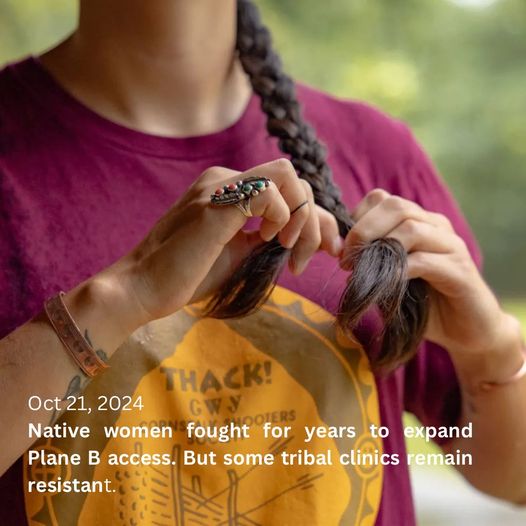
Native Women Fought For Years to Expand Plan B Access. But Some Tribal Clinics Remain Resistant.
APM Reports spent more than six months surveying tribal clinics and pharmacies around the country. Dozens refuse to provide Plan B — or impose restrictions.
The emergency contraceptive pill Plan B, which can prevent pregnancy following unprotected sex, has been available over the counter at most American pharmacies for more than a decade. But in more than 100 federally funded clinics and pharmacies run by or on behalf of Native American tribal nations, the medication is harder to access — if it’s available at all.
The center argues that emergency contraception is a critical issue in Indian Country, because studies show Native women are almost three times more likely than non-Native women to be sexually assaulted during their lifetimes.
Thanks to the center’s lobbying efforts, clinics run by the federal Indian Health Service are required to offer Plan B without conditions. But tribal nations that use federal money to run their own clinics and pharmacies don’t face the same requirement, according to a written statement provided by the IHS. The statement said that the tribal facilities are, however, “encouraged” to make Plan B available without barriers.
| | |
|
The goal of No-Shave November is to grow awareness by embracing our hair, which many cancer patients lose, and letting it grow wild and free. Donate the money you typically spend on shaving and grooming to educate about cancer prevention, save lives, and aid those fighting the battle.
Participate by growing a beard, cultivating a mustache, letting those legs go natural, and skipping that waxing appointment. Put down your razor and set up your own personal No-Shave November fundraising page. If you’re not ready to get hairy, sit back and support someone who is.
| | |
|
Our fathers, partners, brothers and friends are facing a health crisis, yet it’s rarely talked about. Men are dying too young. We can’t afford to stay silent.
We are the leading charity changing the face of men’s health.
Since 2003, Movember has funded more than 1,250 men’s health projects around the world, challenging the status quo, shaking up men’s health research and transforming the way health services reach and support men.
Raise funds for Men’s health
If there's one thing The Order of Mo is known for, it's this. Growing a Mo is our symbol for better men’s health. It also grabs attention and starts important conversations. So give it a go – it shows the world you stand for healthier men and a healthier world.
| | |
|
Can You Have Pleasurable Sex After Prostate Removal?
Yes! Your capacity for pleasure, orgasm, and intimacy doesn’t disappear after prostate removal.
Pleasure, orgasm, erection, and ejaculation are not a package deal. It’s possible to experience one or more without the others.
“The prostate’s main function is to produce semen, which is the fluid that carries sperm through the urethra and out the body,” says Mohit Khera, MD, a urologist specializing in sexual dysfunction and infertility.
When it’s removed, there’s no fluid to ejaculate, he says. Orgasms and pleasure, however, are still possible.
“Most people will still be able to enjoy penile orgasms after prostate removal,” says Searah Deysach, sex educator and owner of Early to Bed, a pleasure-product company in Chicago that ships worldwide.
Nipple orgasms and other types of erogenous play are also still on the table.
| | |
 | |
Working Class Men Are Not OK
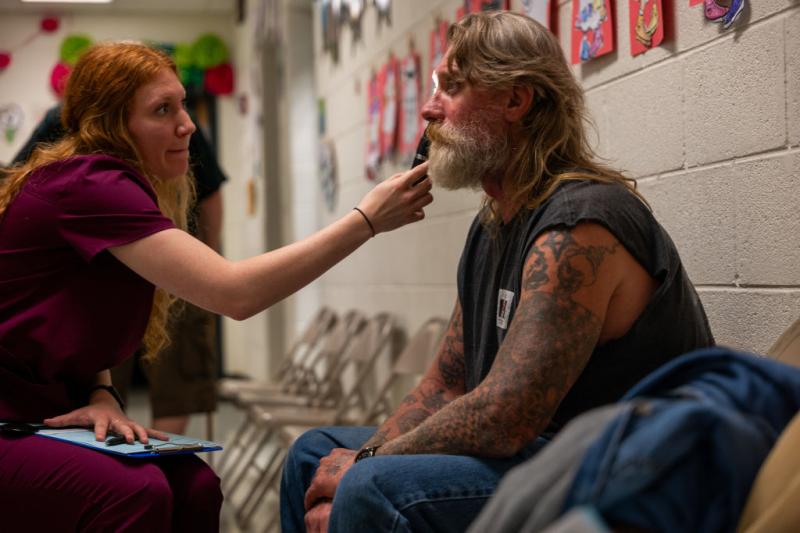
Working-class American men are getting lonelier and sicker, and their lives are getting shorter. It’s not just a sad state of affairs; it’s a full-blown crisis that demands policy solutions.
Sometimes I think about the fifty-year-old man living in my mom’s garage.
Todd is an affable giant, his red beard and long hair giving him the air of a medieval Viking. But his life is far from a fairy tale. Since his divorce years ago, he’s floated between housing situations and minimum-wage jobs. At present, he cooks at a charming but dumpy diner that serves a local central Illinois delicacy known as the “horseshoe.” Because he only nets minimum wage, he has difficulty paying off debt and making ends meet as the cost of living increases. He doesn’t have health insurance, and his nagging physical ailments are worsening.
Stories like Todd’s of life at the margins aren’t uncommon. Last month, the American Institute for Boys and Men published a study examining the state of working-class men in America, and its findings are bleak. The report offers a troubling snapshot of the issues afflicting them, including stagnant wages, dwindling job prospects, declining health, and shortened lifespans.
| | |
|
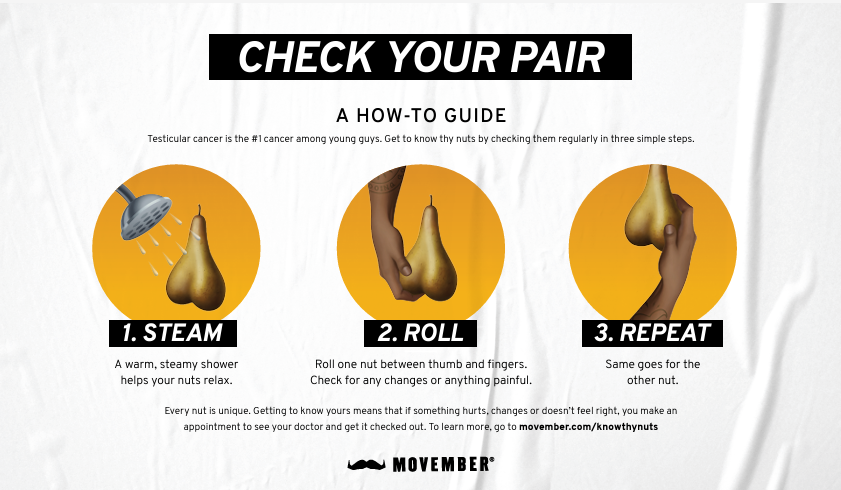
Testicular cancer is the #1 cancer in younger guys. But good news: it's highly curable when caught early.
Learn how to give your nuts a feel and get to know what's normal for you. So if you notice a change — or that something doesn't feel right — you'll know to act on it.
| |
|
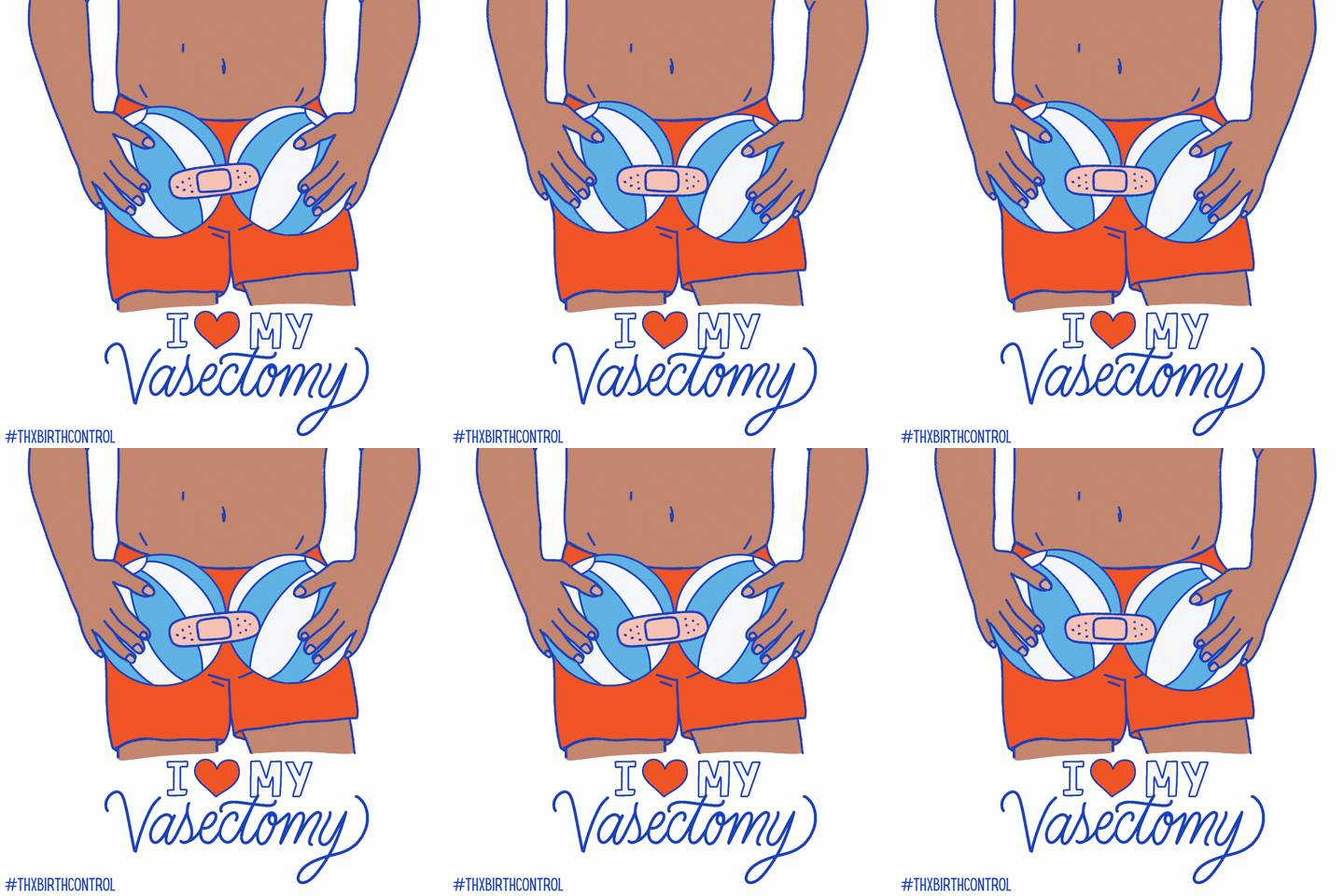
World Vasectomy Day
Nov 15
| |
DID YOUR KNOW? National Vasectomy D was first created in Adelaide in 2012 as a joint initiative between filmmaker/journalist Jonathan Stack and urologist Dr. Dough Stein. This day was launched to encourage and inspire men to consider a male vasectomy as a safe and effective form of contraception, and to compassionately ease the responsibility of contraception on their female partners. | |
 | |
The Best Decision of My Life: The Men Who Chose A Vasectomy
There are still only two methods of contraception for men: male condoms and vasectomies (male sterilization). Although the first-known vasectomy was performed on a dog in 1823, vasectomies emerged during the Second World War as a form of birth control for men and have since become more widely available, with the procedure covered under national health insurance in some countries.
Getting the Snip
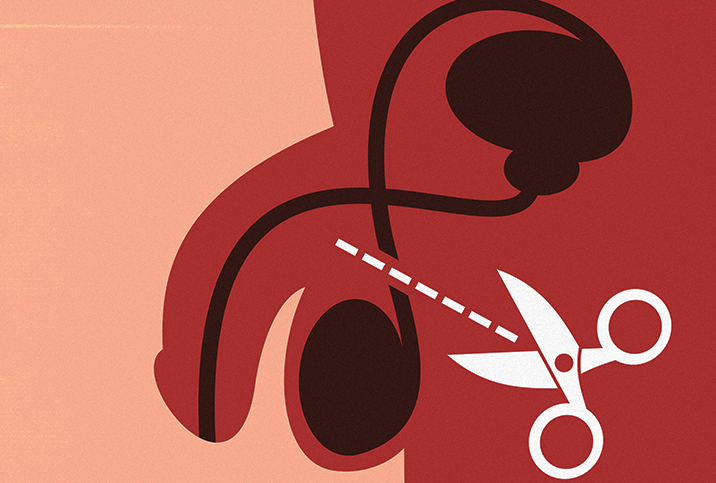
Vasectomies are standard surgical procedures. A vasectomy is 99% effective and considered permanent. Usually carried out under local anesthetic within just a few minutes, the tubes that carry a man’s sperm (called vas deferens) are cut or sealed, preventing the sperm from entering the urethra. This removes sperm from semen during ejaculation and ensures that a woman’s egg is not fertilized. For many men and their partners, the procedure is life-changing, removing the need to worry about unplanned pregnancies or having condoms at hand, and relieving the burden that women are traditionally expected to shoulder throughout their reproductive lives. Vasectomies do not affect sex drives and men that undergo the method can continue to enjoy healthy and satisfying intimate relationships.
Despite these perks, vasectomy remains one of the least common contraceptive methods globally, while tubal ligation (female sterilization), a more complex, riskier procedure, remains the most common. On average, less than 0.1% of men have had vasectomies in the world’s 69 least developed countries. This rate increases to 10% in the Global North, reaching up to 20% in a small number of countries.
| | |
 | |
Please Stop Believing The Vasectomy/ED Inaccuracies
Yes, 'the snip' involves a sexual organ, but that doesn't mean it will impact sexual function.
A vasectomy might stir different emotions in different people. For some, it might mark the beginning of a different kind of sex life, free from the possibility of pregnancy. For others, it might mark the end of a stage of life, when their family is complete.
No matter the emotions associated with a vasectomy, there will inevitably be some misconceptions, too. Despite the fact that a vasectomy is a commonly performed procedure—about 500,000 men elect to have it done every year in the United States—it's not necessarily a subject widely discussed in male circles.
"Men have all kinds of beliefs about vasectomy," said Joshua Gonzalez, M.D., a board-certified urologist and sexual health advisor with Astroglide, a California-based manufacturer of personal lubricants. "Many think that a vasectomy will be a painful experience. Others think it will cause issues with their sex drive or erections or generally negatively affect their sex life."
Fortunately, none of those beliefs is true, and the myth that vasectomies are linked to any type of erectile dysfunction particularly needs to be debunked.
Check out five common inaccuracies, and by the end, we hope you understand why it's downright impossible for a vasectomy to lead to erectile dysfunction (ED).
| | |
|
National NP, Nurse Practitioners Week- Nov 10-16
and
Veterans Day- Nov 11
| |
|
In recognition of Nurse Practitioner Week, the Department of Veterans Affairs would like to recognize World War II Veteran and internationally renowned nursing leader who transformed the profession of nursing by co-founding the nurse practitioner profession, Dr. Loretta C. Ford.
Ford served her country as a nurse in the United States Army Air Force, working at several stateside military bases before returning to school to attain her college degree at the University of Colorado. Dr. Ford worked as a public health nurse in rural Colorado in the 1940s and 1950s where she identified a shortage of physicians for her pediatric patients and their families, leading Dr. Ford to an interest in advanced medical training for nurses. In 1965, Dr. Ford and pediatrician Dr. Henry Silver created the pediatric nurse practitioner program at the University of Colorado. In addition to providing much needed care to Colorado's rural patients, this program incorporated social, psychological, environmental, and economic factors to better understand the needs of patients.
This transformation changed the profession of nursing, ultimately making healthcare more accessible to the public. In 1972, as this program became a national success, she was recruited by the University of Rochester School of Nursing to be the Founding Dean of their nurse practitioner program. Her program used a holistic approach to nursing education and was designed to include education, research, and clinical practice in the training of nurses.
Dr. Ford, now approaching her 102nd birthday, is known as the mother of nurse practitioners and remains an active member of American Association of Nurse Practitioners, serving as a consultant and providing inspiring lectures. Dr. Ford is the author of more than 100 publications and holds many honorary Doctoral degrees. Dr. Ford's many awards include the Living Legend Award from the American Academy of Nursing, the Gustav O. Lienhard Award from the Institute of Medicine of the National Academies, is a member of the National Women's Hall of Fame and has received the Lifetime Achievement Award from the American Association of Nurse Practitioners. Today, the Department of Veterans Affairs employees over 7,100 nurse practitioners, each proudly serving America's heroes.
Va.gov
| |
 | |
What happens when a rural Wyoming town loses its only source of health care?
Patients must now drive at least 40 miles each way to Colorado for even minor medical procedures.
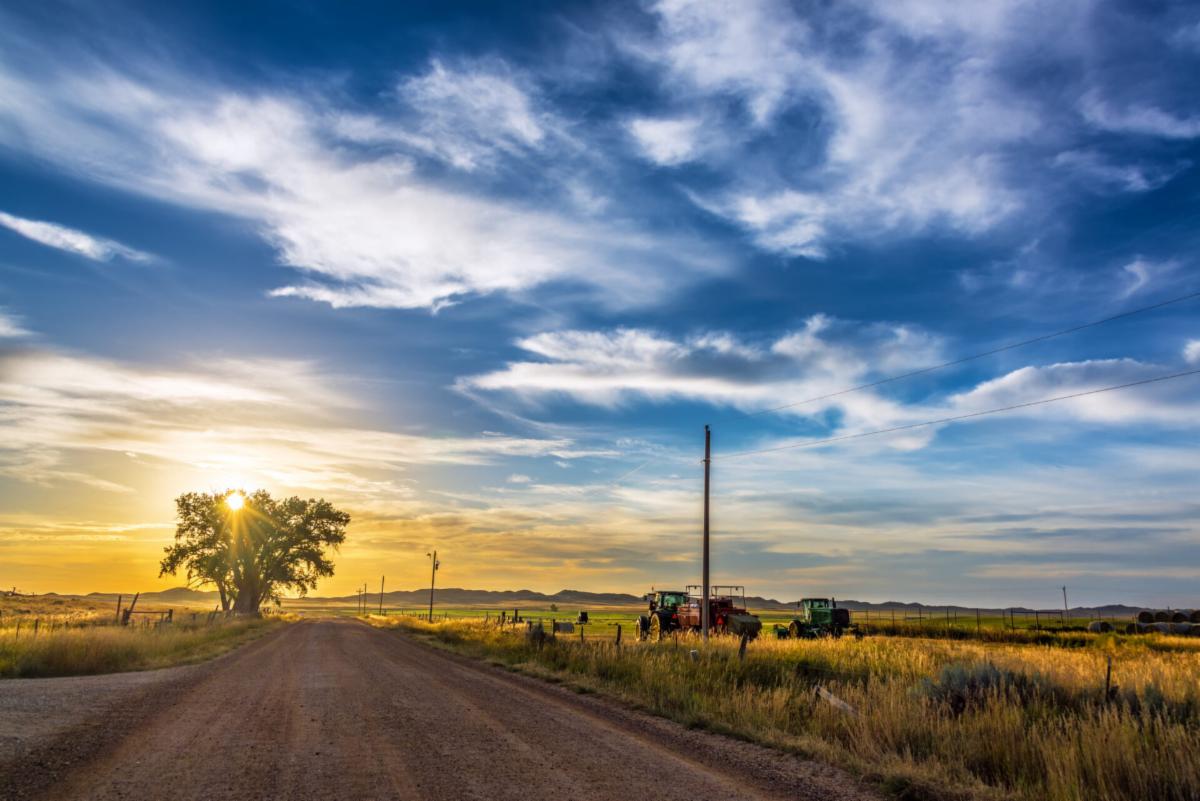
BAGGS—This town of 400 residents on the banks of the Little Snake River in south-central Wyoming has a school, a grocery store, a post office and a hotel with a restaurant and bar. Sometimes there’s a food truck.
But when it comes to health care, residents now have two options: calling 911 or driving at least 40 miles to the nearest town with a clinic or hospital. That’s because, as of last month, Baggs’ only clinic closed its doors, leaving residents without any local options if they have a fever, sore throat or need some stitches.
The closure was due in large part to an inability to find a permanent health care provider — like a physician assistant — to take over after the last one retired, opting for a new career at The Cowboy Inn across town.
Baggs is emblematic of a rural problem: scant health care resources that amount to a house of cards.
One person leaves and the whole thing can fall apart.
| |
 | |
Rural Wyoming is losing OBs. Those who remain are spread thin.
In part two of the Delivery Desert series, WyoFile examines the strains on medical personnel — and the spillover demands on nearby counties.
Siebersma’s story of spending inordinate hours helping bring babies into the world — perhaps to the detriment of his own health and family life — is common among rural obstetricians, according to interviews with medical staff and experts.
His decision to stop practicing obstetrics is one piece in a complex puzzle of factors that have eroded services in this sprawling central Wyoming county, and the state as a whole. Though Wyoming has 23 counties, it is home to just 18 birthing facilities. Several facilities have shuttered labor-and-delivery units in recent years. Doctors have retired, closed offices, limited their practices or left the state to practice elsewhere. The providers who remain are left to grapple with taxing call schedules, the uncertainty of relying on unfamiliar traveling nurses and the responsibility for many patients with little backup.
| |
 | |
Wyoming Rural Health Institute Launches Community Health Worker Training Program at UW
The Wyoming Rural Health Institute has launched a Community Health Worker Training Program in the University of Wyoming College of Health Sciences. The initiative is designed to create new career pathways in health care and to expand Wyoming’s workforce focused on improving access to and utilization of care.
Community health workers (CHWs) work within communities as front-line agents of change, helping people navigate the health care system, incorporate health behavior change into their lives, and work toward overall health and wellness. As nonclinical professionals who live in and represent the communities they serve, CHWs provide patient education, serve as patient advocates and help community members navigate the health care and social services systems.
This emerging profession is particularly impactful in rural communities, but many states do not have formal, statewide training and certification programs.
| |
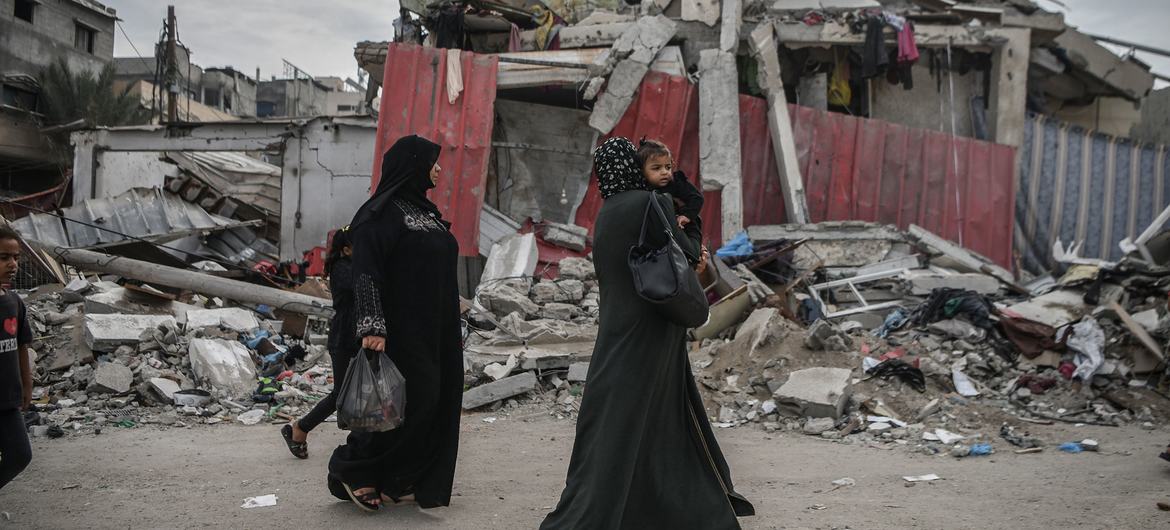 | |
War on Women
Proportion of women killed in armed conflicts doubles in 2023
The effects of war and conflict on women and girls are worsening. In 2023, the proportion of women killed in armed conflicts doubled compared to 2022. Four out of every ten people who died as a result of conflict in 2023 were women. UN-verified cases of conflict-related sexual violence increased by 50 per cent.
These increases in deaths during war and in violence against women are taking place against a backdrop of increasing blatant disregard of international law designed to protect women and children during war. For example, women in war zones are also increasingly suffering from restricted access to healthcare. Every day, 500 women and girls in conflict-affected countries die from complications related to pregnancy and childbirth. By the end of 2023, 180 women were giving birth every day in war-torn Gaza—most without necessities or medical care.
This is the dire picture painted by the latest annual report by UN Secretary-General António Guterres on Women, Peace, and Security, led by UN Women. The report comes 24 years after the adoption of Security Council resolution 1325, which called for all parties to conflicts to ensure the safety of women and girls, and for women’s full involvement in peace processes.
| | |
|
FCC Adopts An Alert System for Missing Indigenous People
The Federal Communications Commission is launching a new nationwide alert code for missing and endangered Indigenous people who do not fit the criteria for an Amber Alert or Silver Alert.
This new alert code, according to the federal agency, would be similar to the nationwide Amber Alert system and will help law enforcement agencies across the country to issue timely alerts to the public through cellphones, televisions and radios.
The new "MEP" alert code is part of the efforts to address disparities in searching for and locating thousands of missing Indigenous persons in the U.S., who are at higher risk of being victims of violence, homicide, and of going missing, the FCC said in a news release.
| | |
|
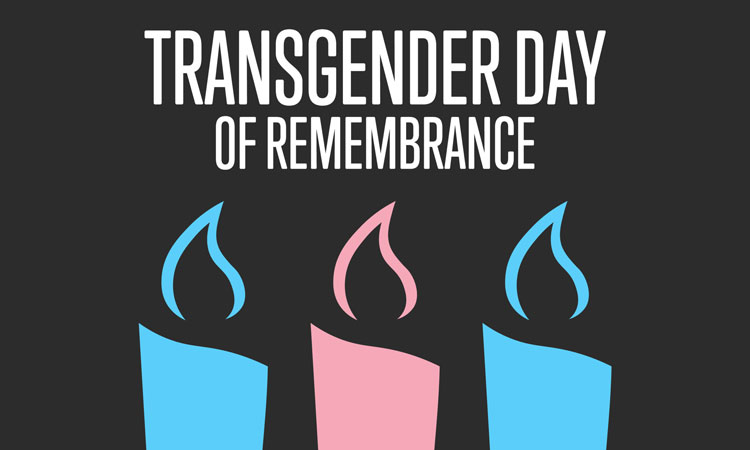
Transgender Day of Remembrance
Nov 20
On Trans Day of Remembrance, some advocates are honoring lives lost to more than homicide
TDOR was formed to honor lives lost to murder. But everyday discrimination leads to transgender deaths that should be honored too, some advocates say.
| | |
Intersex Day of Remembrance
Nov 8th
On November 8th each year Intersex people observe Intersex Day of Remembrance. This was first observed in 2005, with the date having particular meaning for the community, as it’s the birthday of Intersex icon Herculine Barbin. He was a French intersex person who lived from 1838 to 1868, known for his memoir. She was assigned female at birth but was later reclassified as male, with his name changed to Abel, after a physical examination. Tragically, he took his own life at the age of 29, and has since become an iconic figure in intersex history.
| | |
Your Thanksgiving guide: Sex positions for when you’re too full to move
It'll take a lot more than a lot of turkey to stop us
Look, maybe turkey is an aphrodisiac for you. Maybe it’s your only opportunity to get any action while staying with family because everyone passed out after dinner. Maybe you’re just looking for any excuse to take your pants off. We’re not going to try to guess why you might want some hot, hot Thanksgiving sex. We’re just going to help you make the most of it.
| |
WYOMING HEALTH COUNCIL
111 S. Durbin, Suite 200
Casper, WY 82601
Call Us: (307) 439-2033
| | | | | |