Impacts of Mismanaged Trash; EPA Trash-Free Waters
Great resource for those looking for more information. The A-NPDC plans to put together a report specific to the Eastern Shore over the next year.
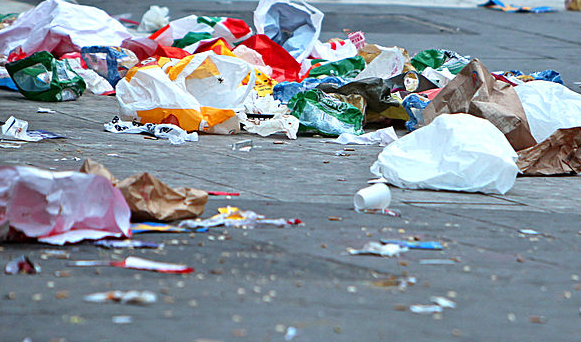
Trash can travel throughout the world's rivers and oceans, accumulating on beaches and within gyres. This debris harms physical habitats, transports chemical pollutants, threatens aquatic life, and interferes with human uses of river, marine and coastal environments.
Of all trash, plastic trash has the greatest potential to harm the environment, wildlife and humans. It can be found floating at the surface, suspended in the water column, or on the bottom of almost all water bodies. It is transported by rivers to the ocean, where it moves with the currents, and is often eaten by birds and fish, concentrating toxic chemicals in their tissues, and filling their stomachs, causing them to starve. Plastic aquatic debris is much more than a mere aesthetic problem.