First Round of Testing Was a Success


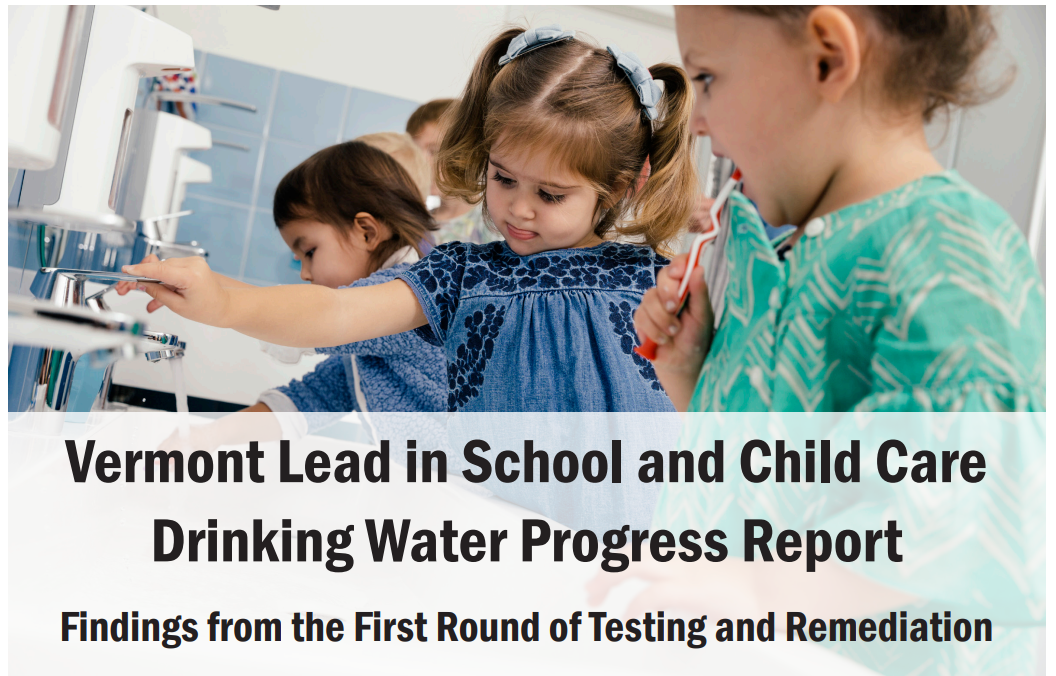
The first round of testing was completed from June 2019 through December 2021. During this round, 98% of Vermont schools and child care providers tested over 15,000 taps used for drinking and cooking and took steps to ensure lead levels were below 4 ppb. Here are some key findings:

  • One out of every five drinking water taps tested had elevated levels of lead. 
  • Sinks were the most common tap tested and had among the highest lead levels.
  • Bottle fillers had the lowest lead levels. 
  • Lead was more frequently found in the water fixture rather than the plumbing.
  • Costs were less than $500 for 90% of the fixtures that needed to be replaced.


Learn more about the key findings
 

Five More Years of Data Added to Radon Risk Maps

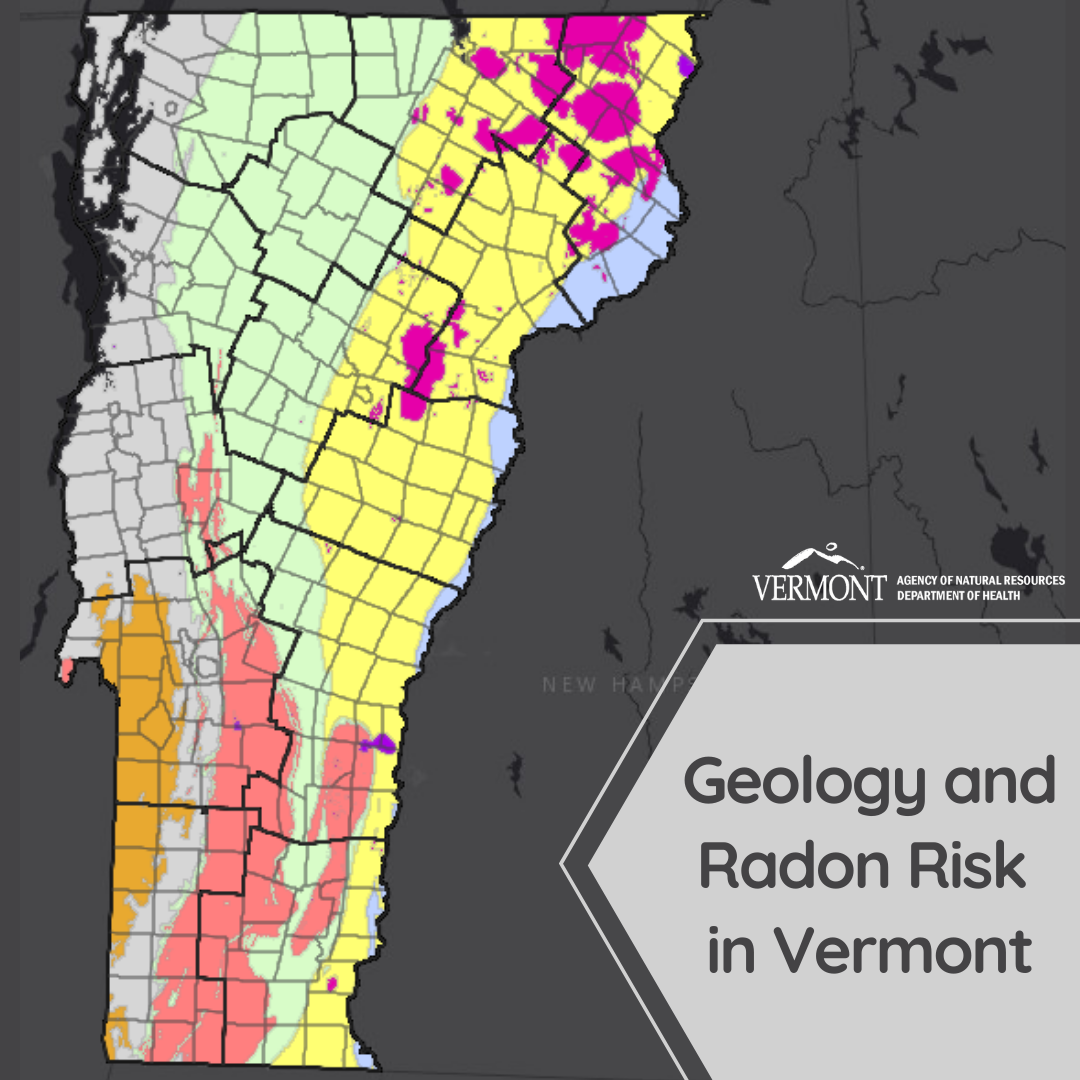
Radon is a naturally occurring radioactive gas that can lead to lung cancer. The types of soil and bedrock in your area can increase your home's risk for radon. The Radon Risk in Vermont maps show radon in relation to geology, elevated radon results by town, and rates of radon testing by town. The maps now include data through 2021. Check them out to learn more about the connection between geology and levels of radon in your town.

Go to the Radon Risk in Vermont Maps

New Real-Time Heat Illness Report, Cold Report Coming Soon

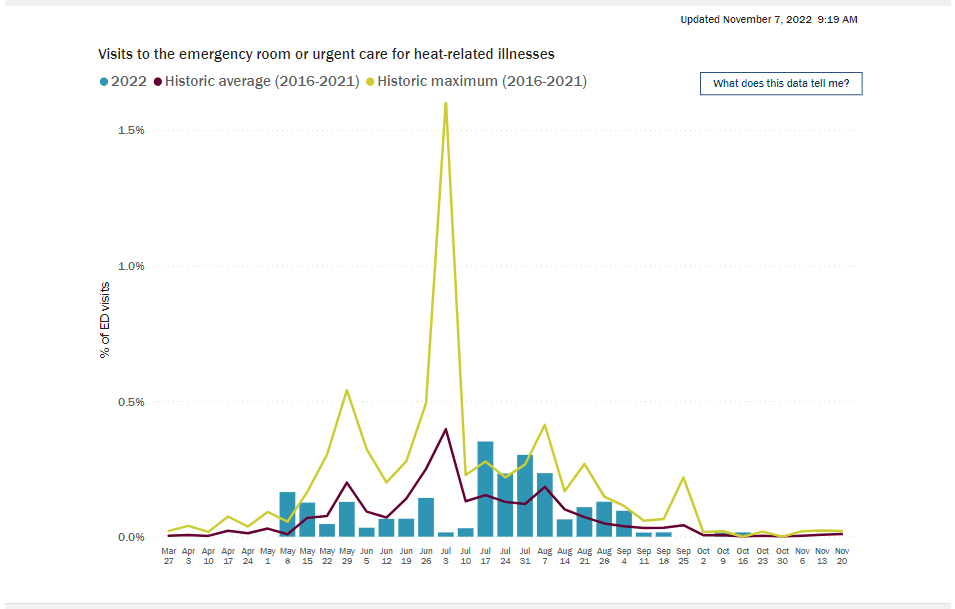
The report shows the weekly percentage of emergency room visits for heat-related illness for the current year, the historic average percentage of visits due to heat at that time of year, and the historic maximum percentage of heat-related illness visits that has been recorded at that time of year. It is updated every Monday during the warm season (May through September).


The Tracking Program is working on a similar report, but based on the weekly percentage of emergency room visits for cold-related illness. This report will also include the historic average percentage of cold-related illness visits and the lowest temperature recorded in the past week. It will be updated every Monday throughout the cold season (October through April). Stay tuned!

Go to the real-time heat illness report

About Environmental Public Health Tracking

The Vermont Tracking Program is part of a nationwide network of partners funded by the CDC. At the local, state, and national levels, the Tracking Program uses a network of people and information systems to deliver a core set of health, exposure, and hazards data, information summaries, and tools to enable analysis, visualization and reporting of insights drawn from data.

Visit the Vermont Tracking Program website

Follow Us

Facebook