Our catchment and the work we do falls in Wadandi and Pibulmen Boodja, within which our streams and tributaries flow to join the great Goorbilyup, the Blackwood River. We recognise and respect that Wadandi & Pibulmen ancestors and their descendants are the traditional custodians of this country, with a long and continuing connection to this land. | |
Stories, News & Events from the District | |
|
Catchment Planning and Land Manager Engagement
Grant Wins
| |
We are delighted to announce our success at winning two State NRM Grants in the latest round announced earlier this month. | | |
Project 1: The Blackwood Integrated Catchment Planning Stage 1 - Scoping Project is an exciting project enabling the Lower Blackwood LCDC to work collaboratively with other Blackwood Catchment Landcare groups, local governments, state government, Indigenous groups, Gondwana Link and community groups across the entire Blackwood catchment to understand what work is ongoing and scope what work will be required for a healthy Blackwood River into the future. | |
|
|
The aims of the project will be to:
- Discuss the need for an integrated whole landscape approach to the management of the Blackwood Catchment;
- Set overall aims and catchment vision;
- Collate existing information (plans, reports, spatial data, current partnerships)
- Agree on priorities/actions that will provide the biggest improvement in the catchment.
- Develop budget and timeframe for future funding applications
| |
|
Project 2: Land Manager Engagement – Scott River. This project will add to work already being undertaken as part of our State NRM Funded Scott River Action Plan Implementation Strategy and aims to fill knowledge gaps about the Scott River Catchment for land managers through a series of Scott River specific engagement activities.
More details about both projects coming to our website soon!
| |
These projects will be supported by funding from the Western Australian Government’s State NRM Program. | |
|
We Are Hiring!
Are you an excellent communicator, a brilliant coordinator, great with people, and have a real interest in facilitating activities and information for a sustainable farming future?
To help us deliver on our communication and engagement commitments, we are looking for a part time skilled Communications, Events & Engagement Officer to join our passionate and highly motivated team.
| |
|
Find out more about this critical role within the LCDC here.
Applications close Friday January 12th.
| |
If this sounds like you then please send through a cover letter addressing the position description & your resume to: Joanna Wren on M. 0408584006 or E. joanna.wren@lowerblackwood.com.au | |
|
Are you a Fencing Contractor?
With a newly expanded team we’re lining up our fencing projects, and are always seeking qualified, reliable fencing providers to help us deliver on our projects. If you’re local, experienced and available (now or in the future) please get in touch.
| |
|
Healthy Estuaries Community Forum 2023 Round Up | |
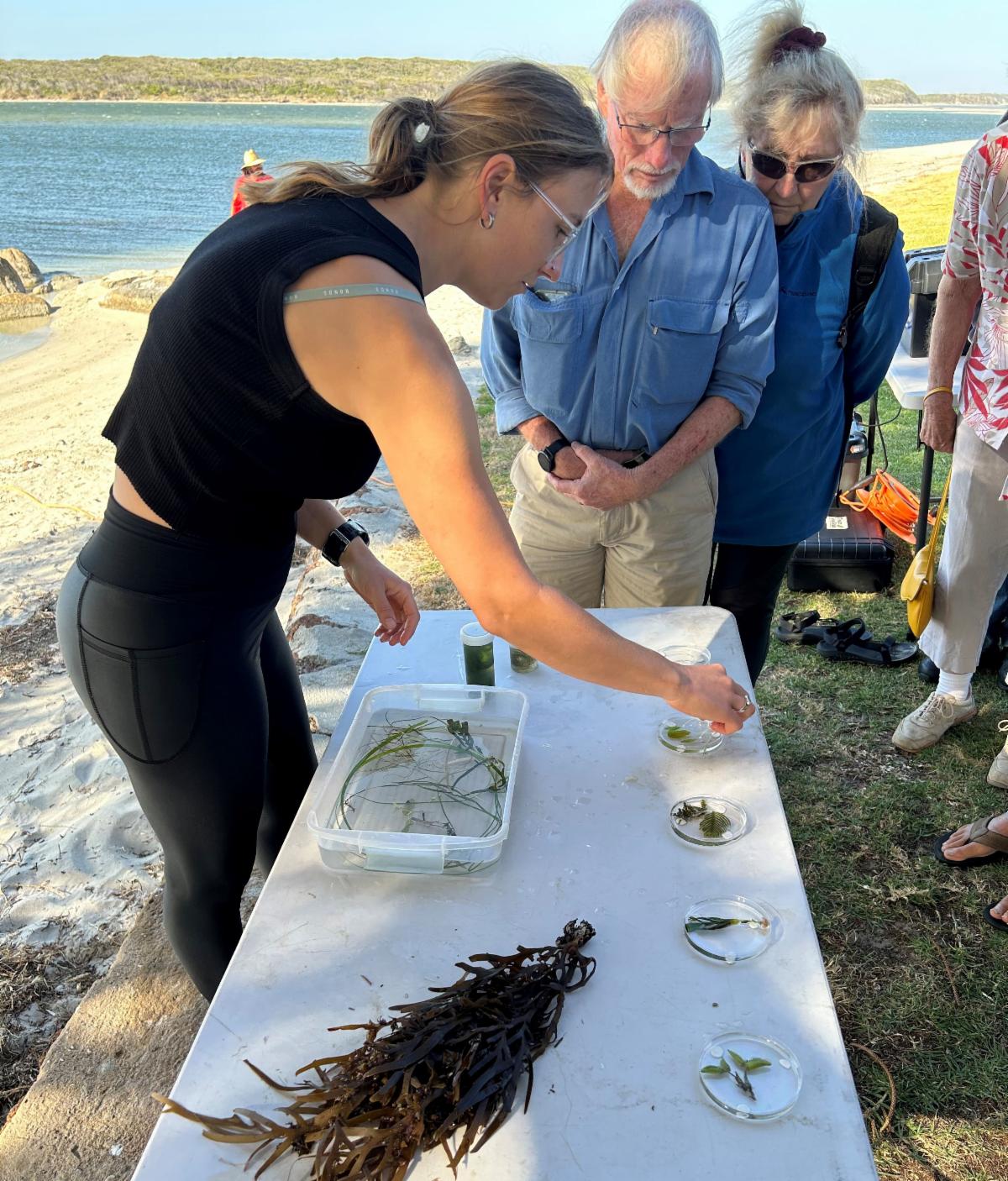
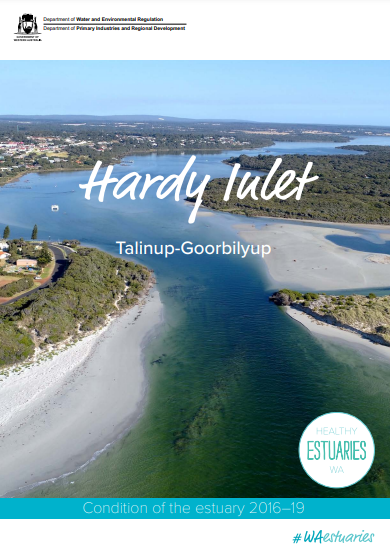
An interested crowd of attendees gathered at the Colour Patch in Augusta earlier this month to get the low down on the latest from the Healthy Estuaries WA team on activities to monitor and improve the the health of the Hardy Inlet. This years forum got a bit more hands on with attendees treated to a foreshow show and tell from Department of Water and Environmental Regulation (DWER) Environmental Officers Caitlyn O’Dea on seagrass, & Adam Acosta on water sampling.
Healthy Estuaries WA Coordinator Jennifer Stritzke put everything in context with an overview of the Healthy Estuaries WA program and aims followed by Dr Joanna Browne with an update on water quality in the catchment and inlet, focusing on the Scott River catchment.
Jo highlighted how the monitoring shows that although the Scott River catchment is smaller in size than the Blackwood Catchment, it accounts for a higher proportion of phosphorus input due to the poor phosphorus retention of the catchment’s soils and intensive agriculture landuse.
Jo’s presentation also explored the impact of the wet winter in 2021 with high rainfall and flows in comparison to the substantially lower rainfall in winter/spring of 2023. Some of what Jo talked about can be found in the Hardy Inlet 2021-22 Water Quality Snapshot.
The Lower Blackwood LCDC's Executive Officer Jo Wren presented the on ground work being done by the LCDC and Lower Blackwood land managers as part of the Healthy Estuaries WA program, including whole farm soil testing, fencing & revegetation of waterways, and soils amendment trials support. In addition Jo outlined work being done in the Scott River as part of a State NRM program that complements the work of Healthy Estuaries WA.
| This forum is a part of Healthy Estuaries WA – a State Government program that aims to improve the health of our South West estuaries | |
DWER Environmental Officer Caitlyn O’Dea showing inlet seagrass samples | |
|
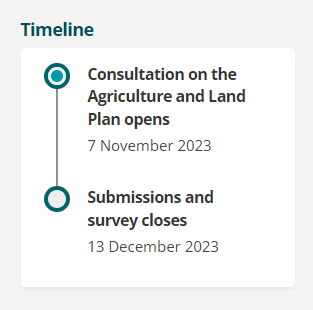
Have Your Say on the Federal Agriculture and Land Sectoral Plans
Agriculture and the land will have an important role to play in helping Australia to transition to a net zero economy. A strong, economically efficient, global effort to reduce emissions is in the interest of Australian producers and land managers.
The Federal Government is asking for public feedback to get a better understanding of what is possible for the agriculture and land sectors in terms of emissions reductions and what technologies and practices will need to be invested in to help the sectors to transition. This information will assist with the development of the Government's net zero plan.
Read the discussion paper.
| |
|
New study highlights benefits of soil testing | |
|
A Western Australian study of nearly 700 soil samples has provided new insight into whether agronomic soil testing can be used to assess the likelihood of phosphorus being ‘lost’ into the environment.
After analysing hundreds of soil samples collected from farms across south-west WA, scientists at the Department of Primary Industries and Regional Development (DPIRD) found the testing method ‒ which only samples the top 10 cm of soil ‒ could be used to accurately assess this risk.
This science was then used to estimate how much phosphorus would be prevented from entering the environment if farmers followed the recommended fertiliser applications calculated from soil test results. Read the full story here.
Lower Blackwood farmers are seeing certainly the benefits with this years participants in the Healthy Estuaries WA Soil Testing Program bringing the total area tested in the program to 17,638ha since its commencement in 2016.
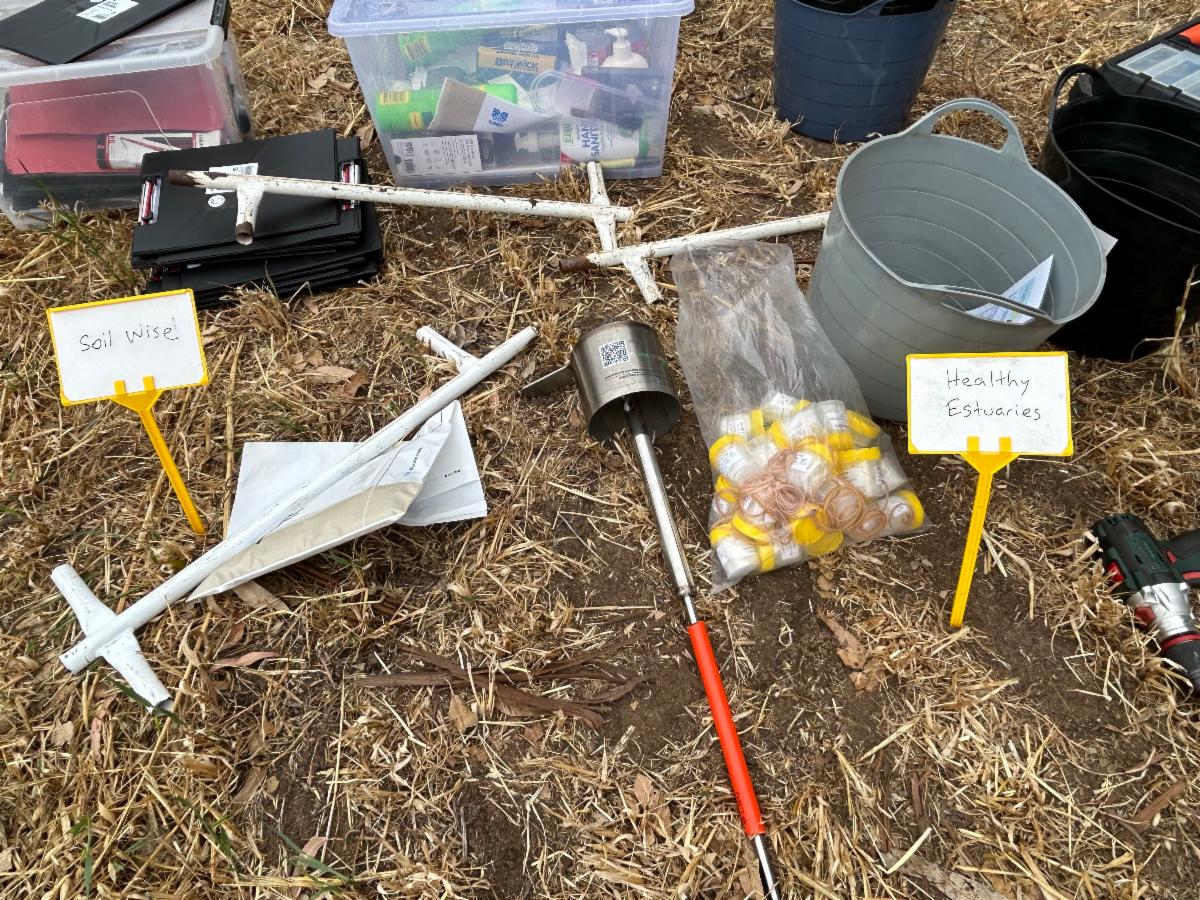
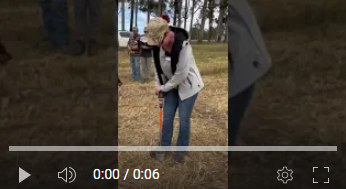
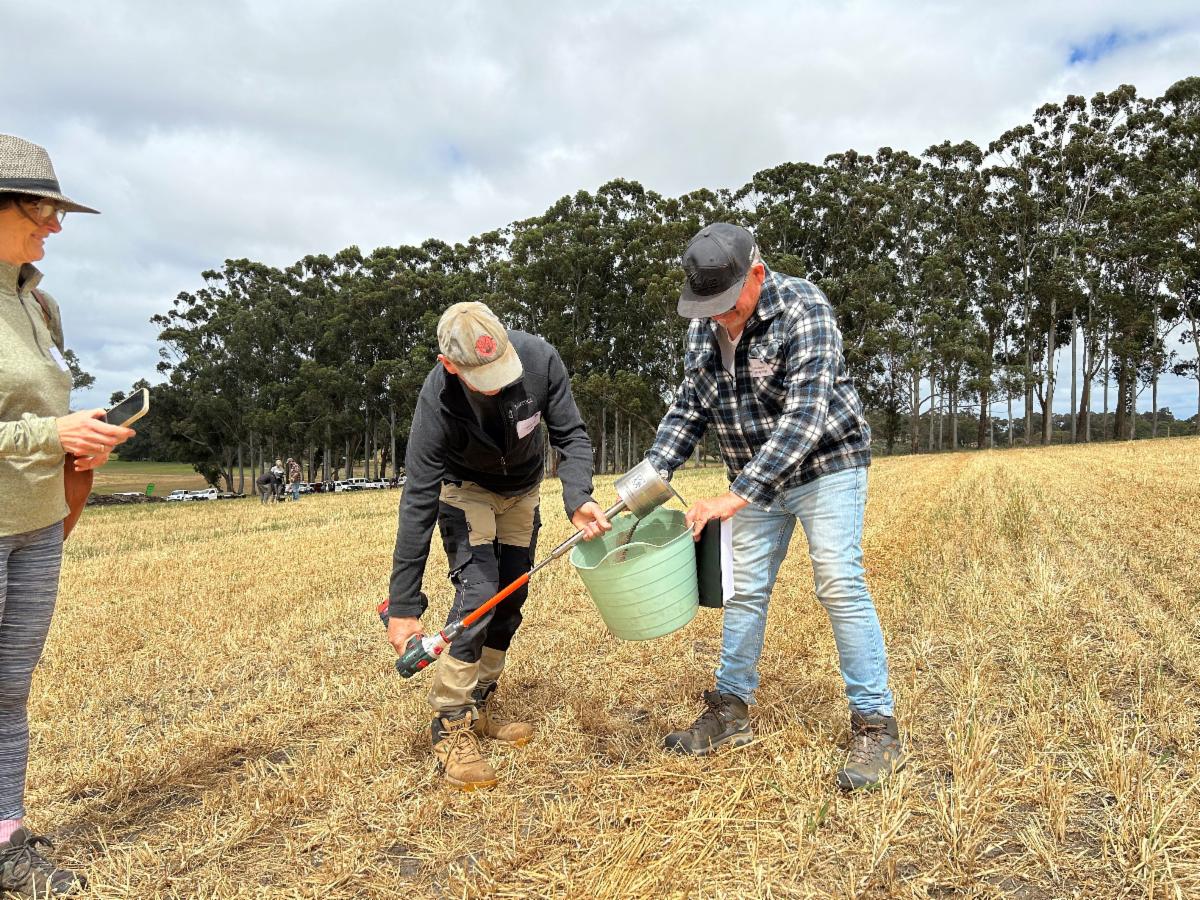
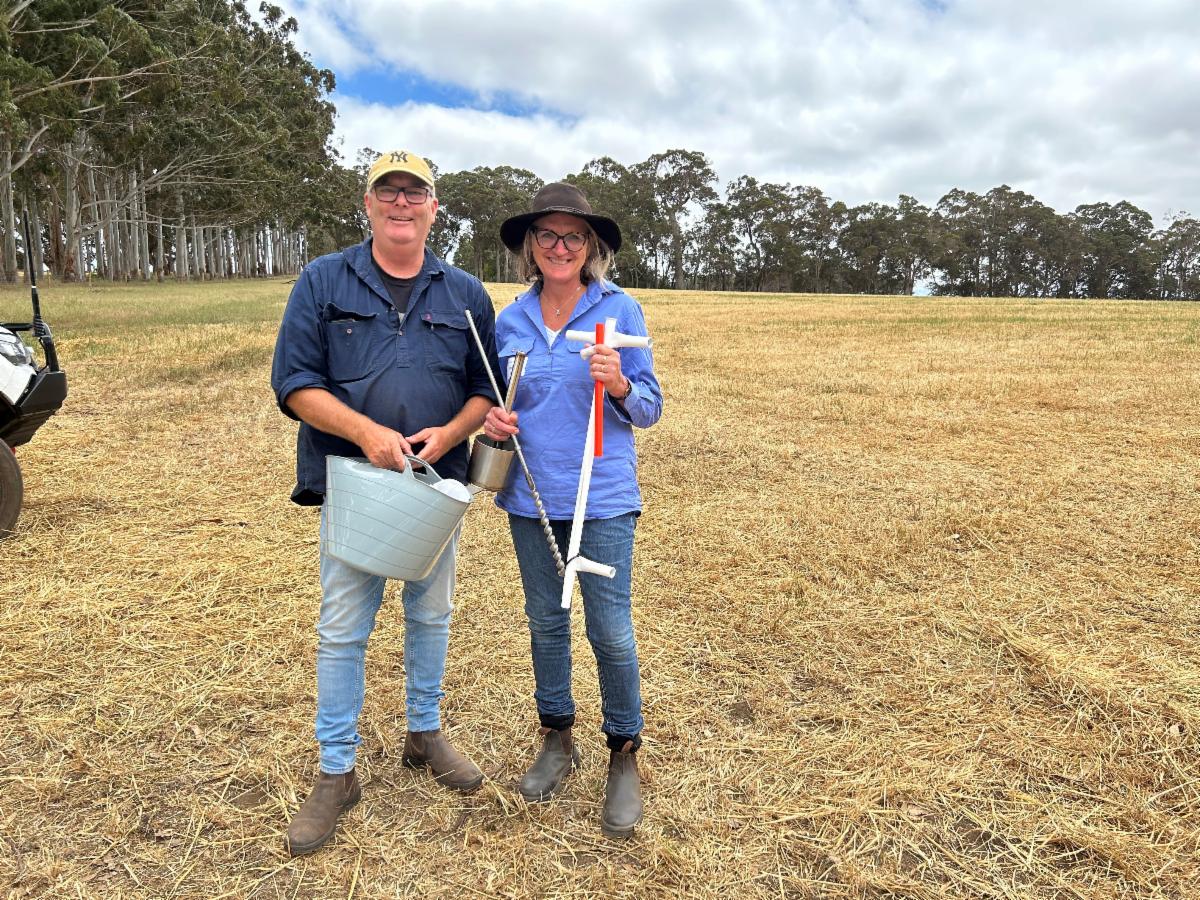
The 2023/2024 program has kicked off earlier this month with a Healthy Estuaries WA & Soil Wise DIY Soil Sampling Day facilitated by Peta Richards from the Department of Primary Industries & Regional Development and other members of the DPIRD Soil Testing Program team. The demonstrations showed how simple & easy it is to take quality soil samples with participants getting 'hands-on' with soil testing equipment, determining transects, bagging samples and using the Soil Testing Project App.
What's next? Over the next few weeks our Soil Testing Project farmers will be putting theory into practice gathering soil samples from across their properties to be sent off to the lab for assessment and input into their whole farm nutrient maps.
For more information contact our Sustainable Ag Project Officer, Dean Campbell at E: dean.campbell@lowerblackwood.com.au | M: 0499 072 348
| |
|
This project is a part of Healthy Estuaries WA – a State Government program that aims to improve the health of our South West estuaries. It is supported by Soil Wise. Soil Wise is funded by the National Landcare Program – an Australian Government initiative. | |
|
Creekline Fencing - Does it Stack Up?
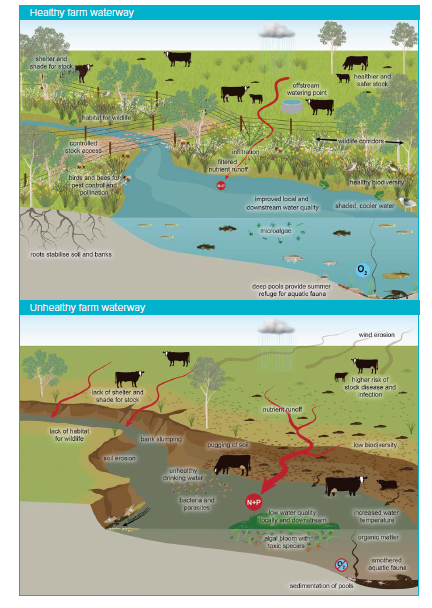
We think the answer to that is a resounding YES! Key to preserving the integrity & health of your waterway is to keep livestock out - and while perhaps not immediately obvious, over time the benefits will almost certainly outweigh the loss of that land from production. A well-managed waterway with healthy riparian vegetation has been proven to increase the environmental, social and economic benefit of a farm.
How? Healthy waterways provide landscape refuge for native flora and fauna, as well as shade and shelter for stock. Riparian vegetation helps to maintain water quality by reducing soil erosion and organic loads as well as enhancing the uptake and removal of nutrients.
Not convinced? Check out this great guide 'Why should we fence and revegetate our waterways?' from Healthy Estuaries WA
WE CAN HELP! Funding is available through our Fencing & Revegetation project to undertake stock-exclusion fencing of waterways on your farm so ..
| |
This project is a part of Healthy Estuaries WA – a State Government program that aims to improve the health of our South West estuaries. | |
|
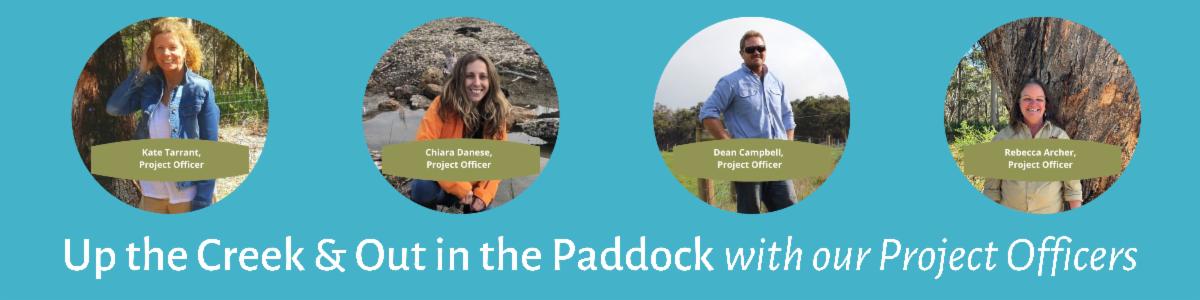
Or contact our Fencing & Revegetation Officers
Chiara Danese: M:0447 742 000 | E: chiara.danese@lowerblackwood.com.au
Rebecca Archer: M:0487 060 506 | E: rebecca.archer@lowerblackwood.com.au
| |
|
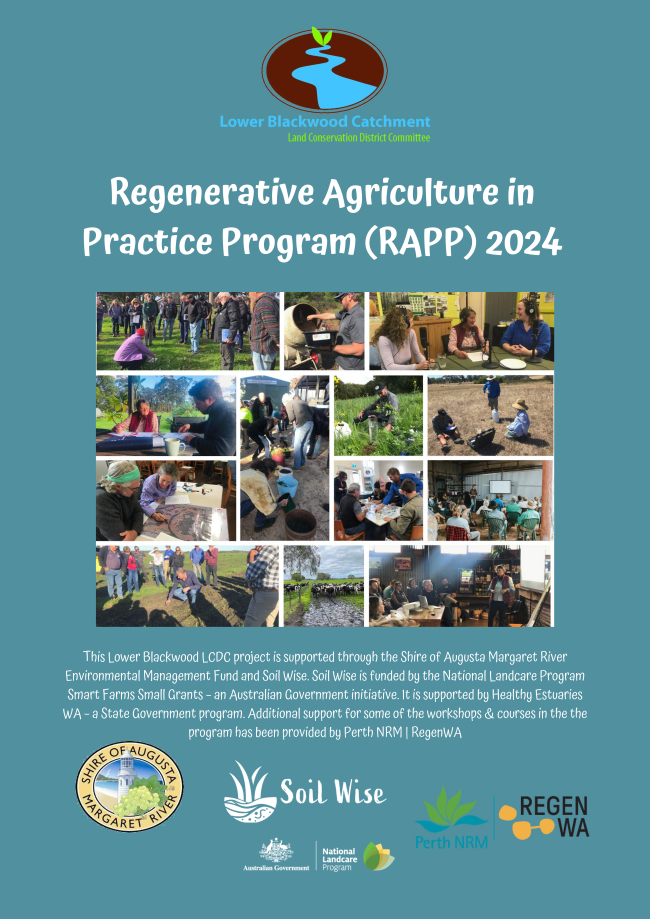
RAPP 2024 Open for Applications
Interested in learning about Regenerative Agriculture? Already practising but want to join others in the transition?
Applications are now open for 25 Grazing Enterprises to join our comprehensive Regenerative Agriculture in Practice Program for 2024.
Designed to cater for those who are just starting to 'dip their toe' AND for those who are already transitioning, the program includes a wide range of face to face, practical & online activities with a strong focus on providing support for participants to move from 'learning to doing'.
Don’t miss this exciting opportunity to learn how to improve overall farm landscape health and enterprise productivity for the long term.
| |
|
or contact our RAPP Project Officer Kate Tarrant on M: 0409203056 | E: kate.tarrant@lowerblackwood.com.au | |
This Lower Blackwood LCDC program is supported through the Shire of Augusta Margaret River Environmental Management Fund and Soil Wise. Soil Wise is funded by the National Landcare Program Smart Farms Small Grants – an Australian Government initiative. It is supported by Healthy Estuaries WA – a State Government program. Additional support for some of the workshops & courses in the program has been provided by Perth NRM | RegenWA. | |
Not sure what Regen Ag is, or couldn't make it to the conference? The Regenerative Agriculture Conference 2023 Recordings ARE NOW AVAILABLE. If you were not able to attend the Regenerative Agriculture Conference held in Margaret River in September the good news is that many of the presentations were recorded and are now available for anyone to watch and share. Click on the image below to access them. | |
Brand New Season for Bringing Home the Bacon! | |
|
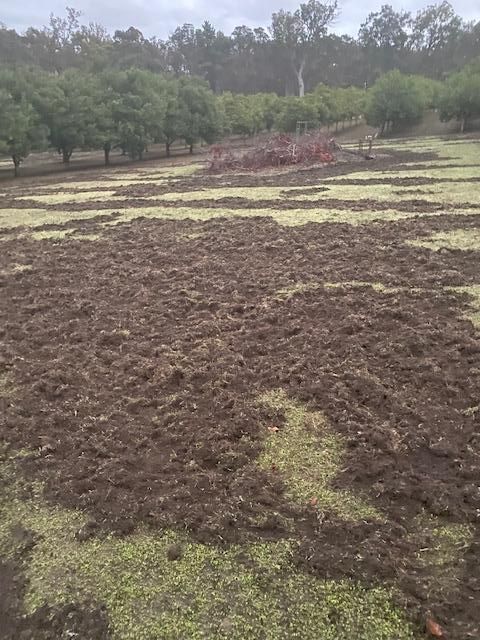
Our intrepid Feral Pig Project team are soon to be back on the tools for a new season of feral pig trapping in the Scott River. After a winter hiatus it will be all systems go to try to counter this growing menace.
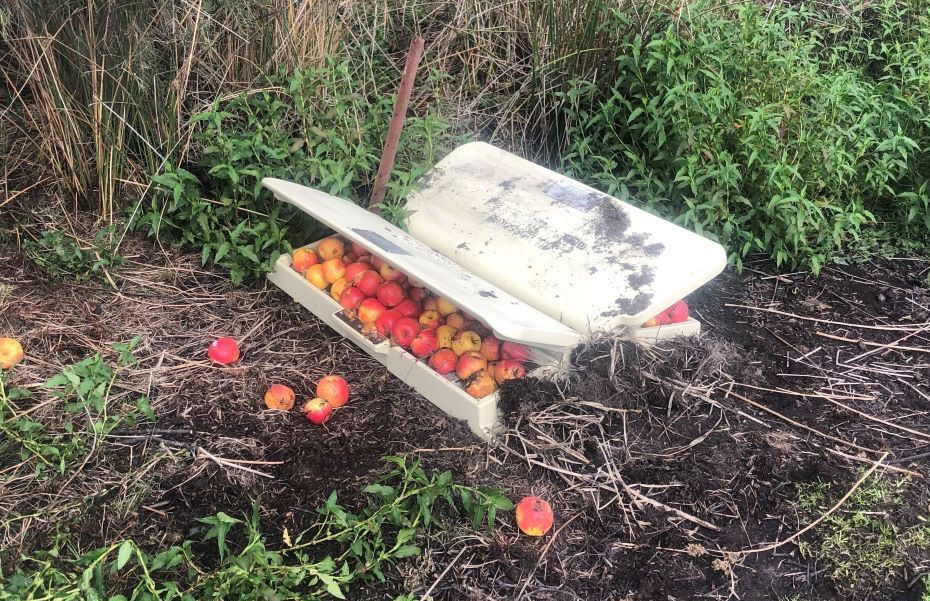
As a reminder, the project (a joint collaboration with the Lower Blackwood Vertebrate Pest Management Group (LBVPMG)), consists of annual 6-month trapping blocks in strategic locations in the Scott River area for three years, supported by a monitoring program and trialling of the ‘Hoggone’ Feral Pig Bait Box.
Want to know more? Read our Feral Pig Focus Report 2023
The State NRM funded program's effectiveness this coming year will be enhanced with the AMR Shire's support via a 1 year pilot Feral Pig Focus project funded through the Shire's Environmental management Fund. This will aid the team to to work collaboratively with landholders, plantation companies, DBCA, DPIRD, Undalup and local government to undertake priority feral pig control work in the wider Augusta-Margaret River Shire.
Key to the program is working closely with landholders in the area to ensure that pig sightings and damage are recorded to identify hot-spot areas for the field officers to focus their work. With that in mind we urge all land managers (not just Scott River) to keep their eyes open for any signs of feral pigs around the catchment. If you do then..
| |
|
These projects is supported through funding from the Shire of Nannup, Peppermint Estate Pty Ltd., the State Natural Resource Management Program, and the Shire of Augusta Margaret River, and is facilitated through a continuing partnership with the Lower Blackwood LCDC the Lower Blackwood Vertebrate Pest Management Group. | |
|
Calling all Vineyards to Pledge your Plants - the competition is on!
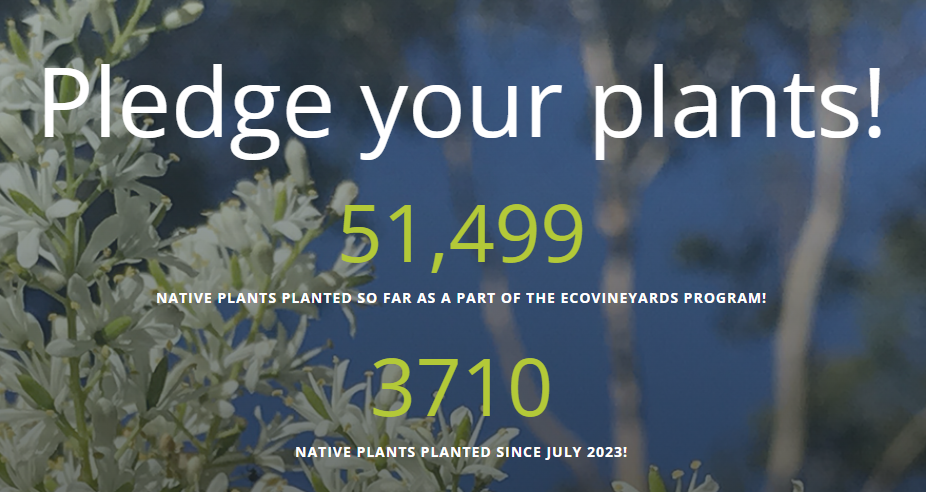
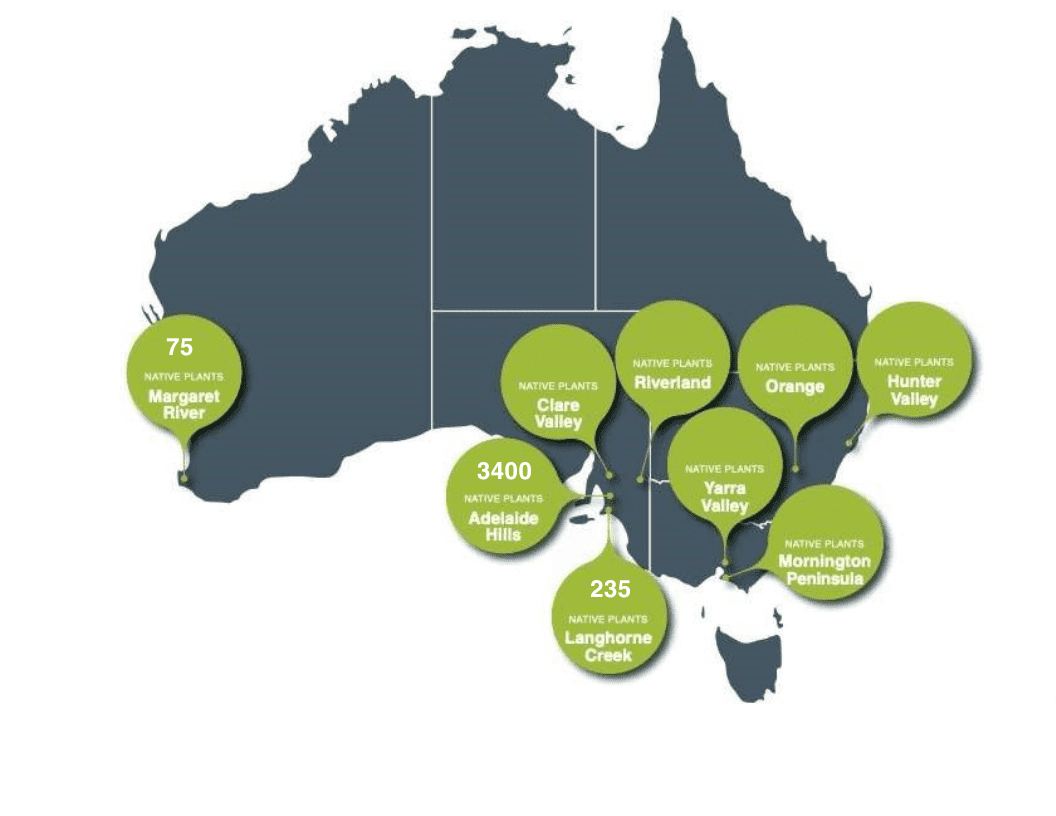
Pledge your native plants to the EcoVineyards program and help contribute to improving biodiversity in vineyards. The goal is to see how many plants can establish in each region over the next two years..
PLEDGE YOUR NATIVE PLANTS TO THE ECOVINEYARDS INITIATIVE AND HELP CONTRIBUTE IMPROVING BIODIVERSITY IN VINEYARDS!
Let the Eco Vineyards team know how many native plants you have planted, and they will update the count on the map.
| The Lower Blackwood LCDC is the Margaret River Regional On Ground Coordinator for the National EcoVineyards Program. The national EcoVineyards program is funded by Wine Australia with levies from Australia’s grape growers and winemakers and matching funds from the Australian Government. The program is delivered by Retallack Viticulture Pty Ltd with significant support from regional communities. | |
|
This month we're Talkin' about: | |
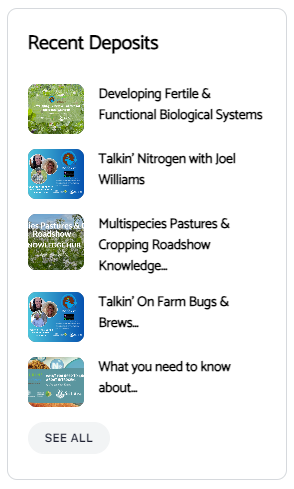
Webinar Wrap: Developing Fertile & Functional Biological Systems | |
|
There are many examples of productive, resilient ecosystems, around the globe, growing healthily, on nothing but the inherent sunlight, air, water and earth.
The deeper we look into it, the more we find out about the wonderful functions various species in living communities perform and the ways they can generate fertility.
By utilising living organisms to do some of the work, particularly in an agricultural context, we can build stronger systems with lower labour, input and environmental costs.
| |
|
Recorded earlier this month, this webinar with Mark Tupman from Productive Ecology takes participants through the biological principles we can follow and practices we can adopt to make best use of our natural resources in primary production enterprises. | |
Talkin' Nitrogen with Joel Williams | |
Here's snippet of what he had to say, or | |
|
In this episode of Talkin’ After Hours, Jo & Kate chat to Joel Williams on the hot topic of Nitrogen – how it works in the nutrient cycle and how can we best optimise its use – particularly in grazing systems.
The podcast summarises in an easy to listen to format much of the information presented in our earlier webinar with Joel on the same topic.
| |
|
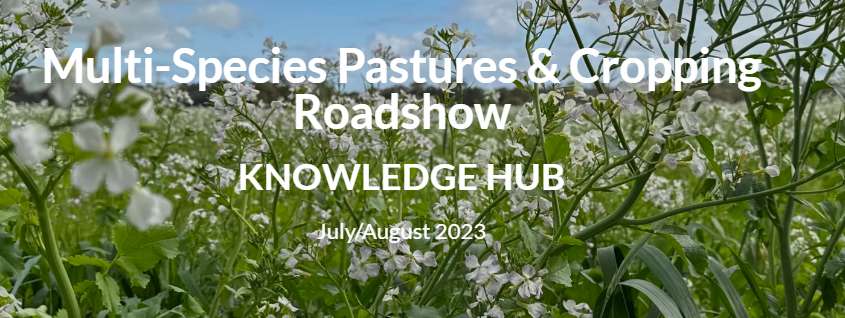
Earlier this year the Lower Blackwood LCDC coordinated a Multispecies Pastures & Cropping Roadshow featuring Victorian seed grower and farmer Grant Sims, and Emerita Professor Lynette Abbott. The roadshow was delivered in collaboration with six other catchment groups across the southwest, and funded through Soil Wise.
We have now collated a multi-media hub to share advice & information presented in the roadshow to share with you all, plus relevant Talkin' After Hours webinars, podcasts and guides.
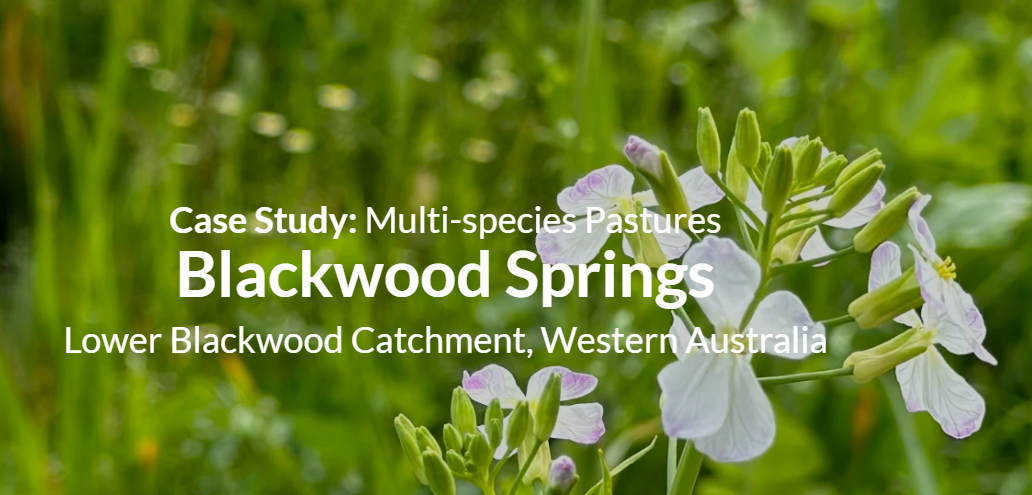
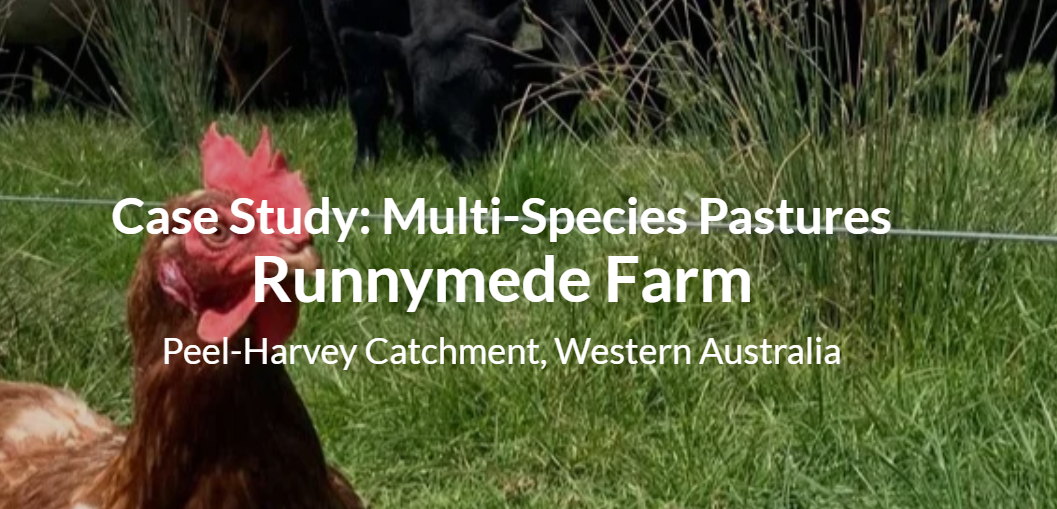
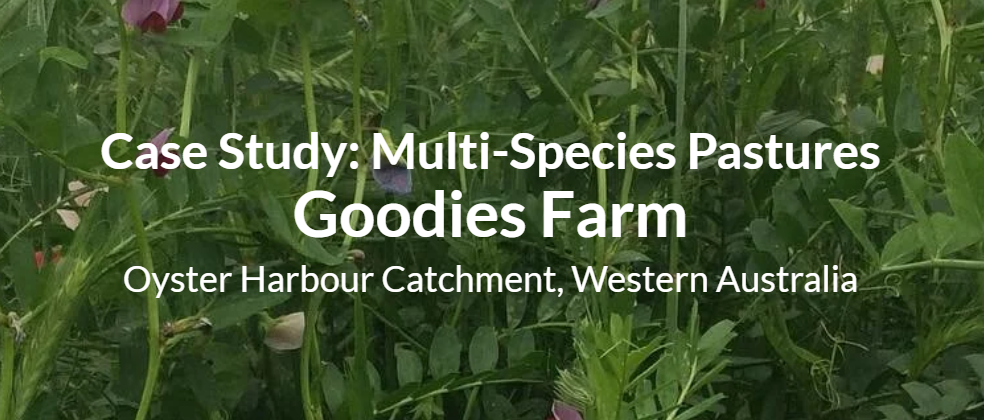
The hub also features three south west case studies; Blackwood Springs Farm from the Lower Blackwood catchment, Runnymede Farm from the Peel - Harvey Catchment, & the Goodies Farm from Oyster Harbour Catchment.
| |
|
Our thanks for the ongoing support of our Talkin' After Hours from our sponsor, Soil Wise. Soil Wise is funded by the National Landcare Program Smart Farms Small Grants – an Australian Government initiative. It is supported by Healthy Estuaries WA – a State Government program. | |
|
Unique & Special to the South West:
The Blackwood River (Gorbilyup)
| |
|
|
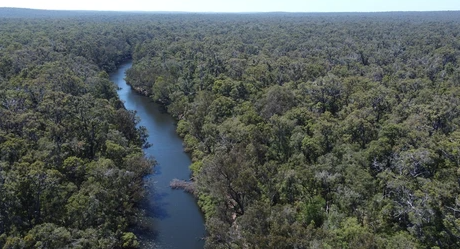
The Blackwood River is the South Wests longest river, stretching over 300km from the junction of Arthur River and Balgarup River near Quelarup down to the Southern Ocean at Hardy Inlet (Talinup) near the town of Augusta.
The Wadandi & Pibulmen people have lived along the River for thousands of years and they know it as Gorbilyup. They they believe it was created by the Wagyl. Its dreaming story extends from Uluru to Wave Rock (or Katter Kich) to Wyadup Rocks (Wyadup named after the Dreaming Serpent) and describes the whole of the Blackwood Catchment including Scott River. It is all an interconnected sacred mythological site.
Here are some more river fast facts (Source: Wikipedia):
- It river has a total catchment area of 28,100 square kilometres
- the upper catchment is primarily agricultural, the middle is primarily forest areas, and the lower mixed forest, agricultural, and residential lands.
- There are over 1,000 wetlands in the catchment, as well as the river itself.
- The basin is a habitat for an estimated 8,000 species of flora including three threatened ecological communities.
| |
|
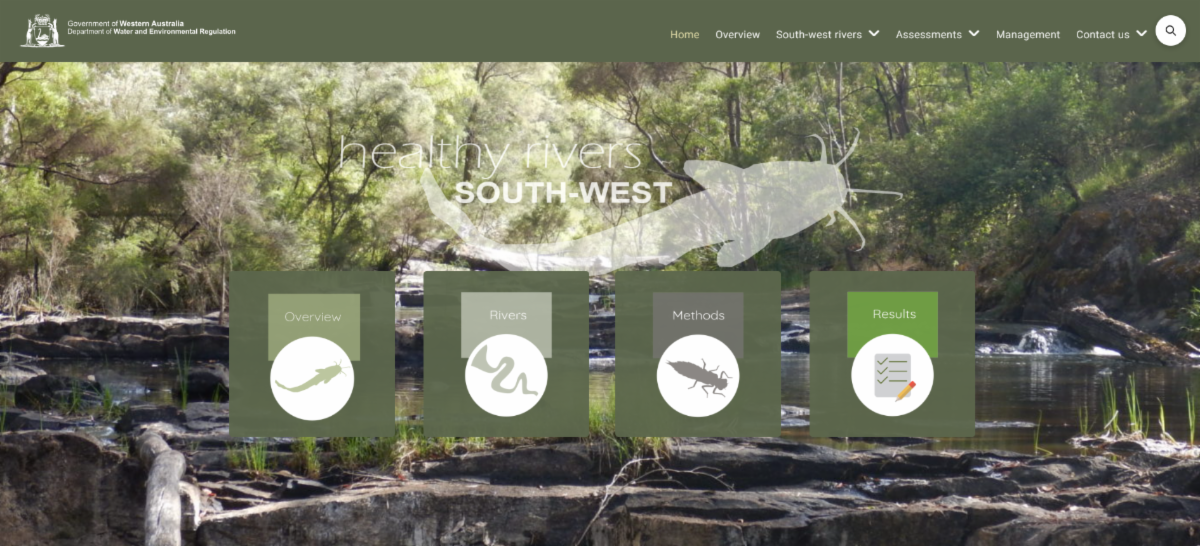
Want to know more about this beautiful and precious waterway? Check out the Healthy Rivers South West website which is a veritable font of information on the Blackwood and other rivers in the South West | |
Connection to Country: First Summer (Birak) | |
|
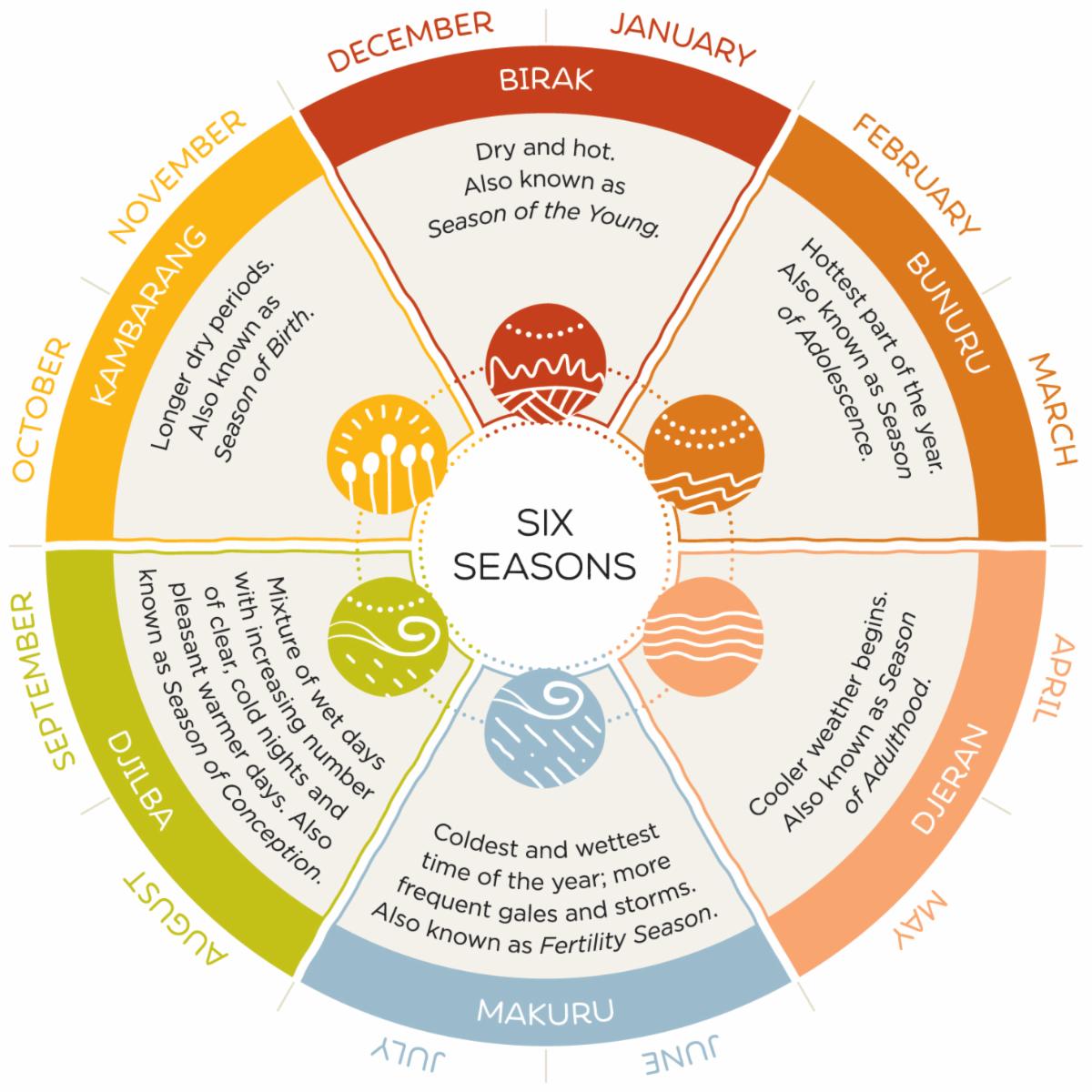
Birak (December to January)
Colours: green, blue,yellow, and orange
Climate: Dry and hot.
Known as: First summer (season of the young)
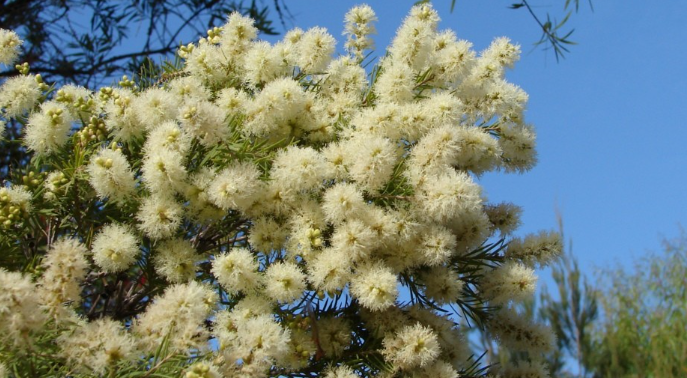
Birak is characterised by arid easterly or north easterly winds in the mornings and a coastal sea breeze in the afternoon. Yorla (paper barks) and moodja (Christmas trees) are flowering, the wanajet (peppy flowers) have fallen letting us know the Gabbi (rains) are easing up. The Nala Ngankga (Our Sun) shines hotter and biritj (days) are longer. Djinda (stars) look like Kala djedal (Fire Coals) in the morroo (Dark Skies).
This is the time the Ngaanga Boodja wongi (Mother Country Talks) and Wadandi Yoongan-jarli Owanka ni (Saltwater People Listen) to her and put the lids on gnamma (waterholes) to slow the evaporation process so that when the beela (the rivers) stop flowing, the pools sustain the people.
Words are the IP of the Undalup Association
| |
|
|
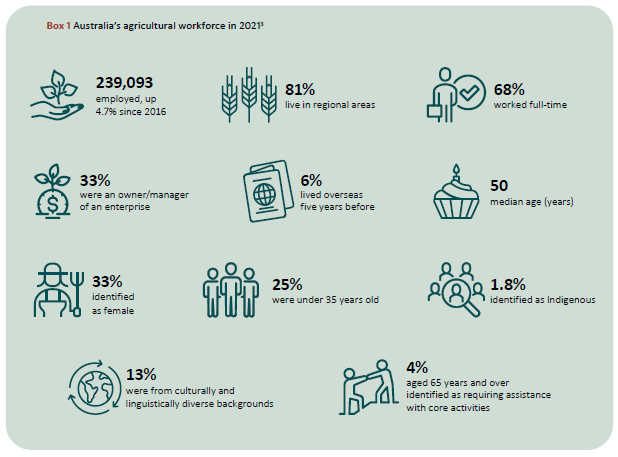
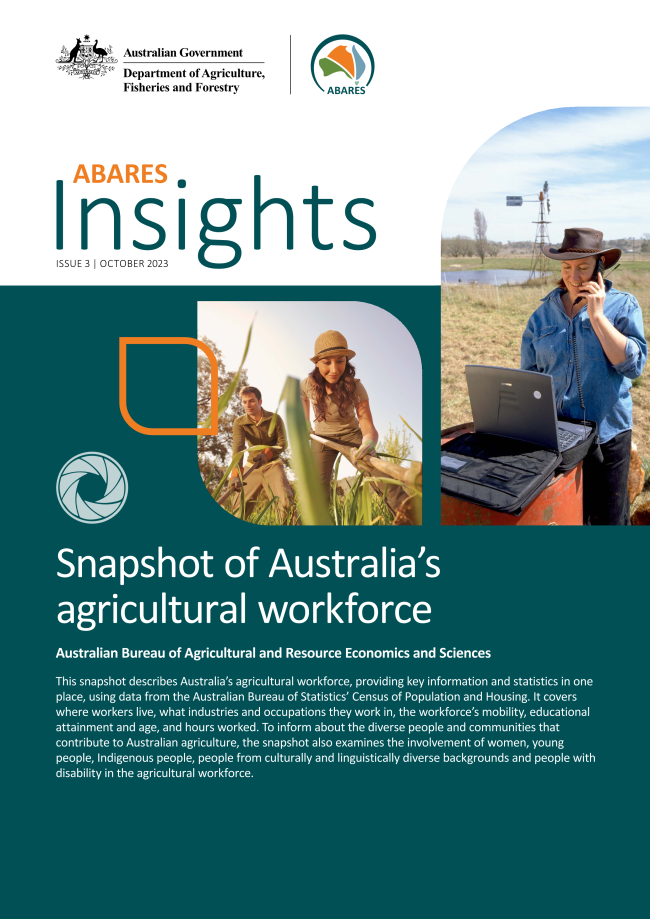
Check out this ABARES snapshot of Australia’s
agricultural workforce.
| |
|
Upcoming Events with the Lower Blackwood LCDC | |
|
Another year has flashed by.. and we’d really love to share with you just what we’ve been up to. Come join us at the beautiful Hamelin Bay Wines to find out!
Where? Hamelin Bay Wines, 199 McDonald Rd, Karridale
When? Tuesday 12th December
- 2:30pm – 4:30pm: Farm tour of Blackwood River Farm – meet at Hamelin Bay for bus departure.
- 4:30pm – 5:00pm: AGM
- 5:00pm – 6:30pm: Sundowner
| |
What else? You can RSVP for all three activities or just the ones you want to attend. If you are coming in the farm tour then BYO refillable water bottle, wear appropriate farm footwear, and dress for the weather. | | |
|
We know there is such a wealth of knowledge & experience out there amongst all of you..so..
If you have a great story, just read a great book, tried a brilliant a piece of new technology, or any other piece of news that you think the rest of the Lower Blackwood Catchment community will want to know about then please share!
| |
Contact Kate on 040 920 3056 or email kate.tarrant@lowerblackwood.com.au
| | |
|
If you haven't already then like us on Facebook and share our page with friends. It's the very best way to keep up to date with what's going on at the Lower Blackwood LCDC! | |
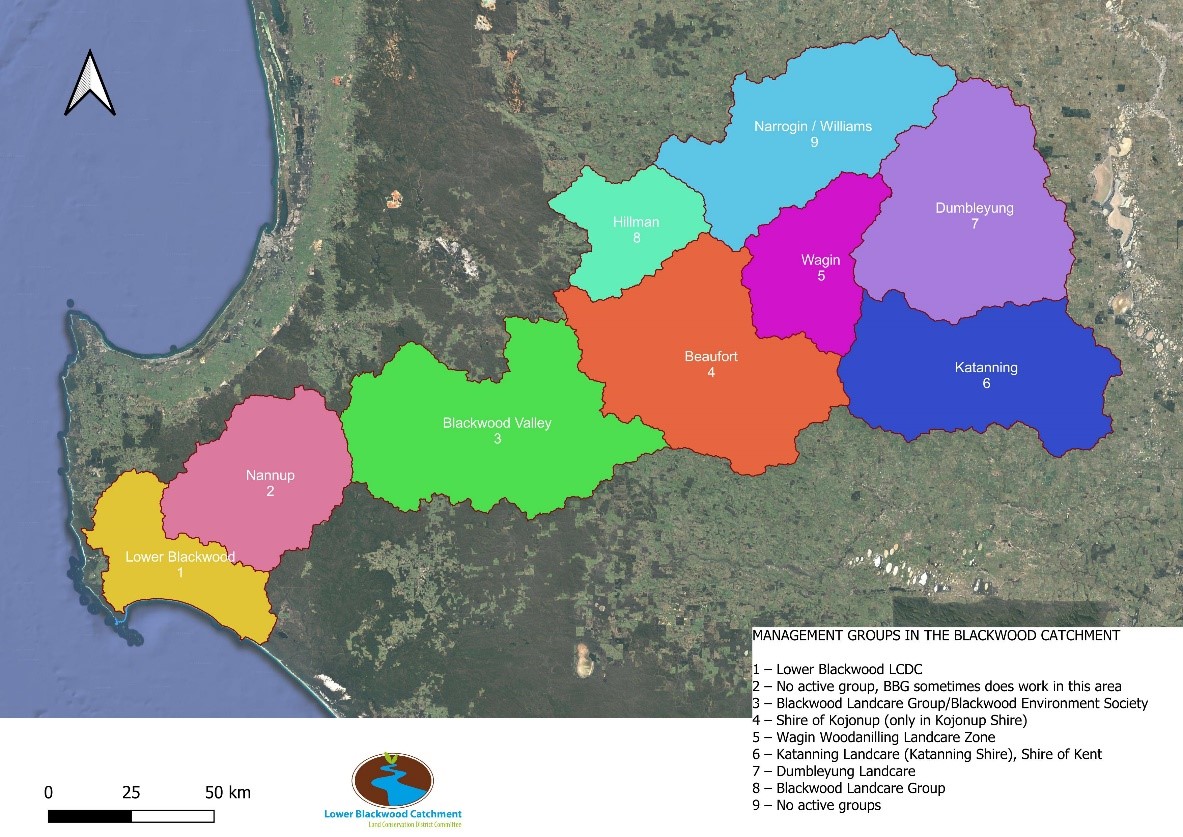
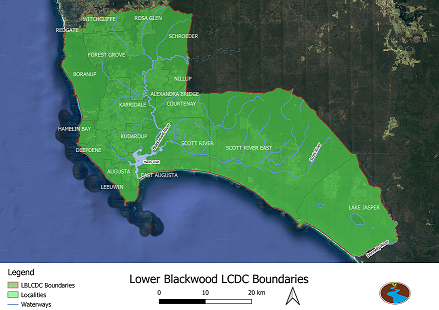
Are you in the catchment?
| |
| |
|
|
Lower Blackwood LCDC
E: info@lowerblackwood.com.au
T: 9758 4021
W: lowerblackwood.com.au
| | | | |