|
Fall is definitely here, and in the Tennessee Valley, we're enjoying the annual burst of colors. As the year winds down, we will pause until January with our public programs. This month, please join us for our members-only Annual Meeting in November, and then come for our Holiday Social in December.
Meanwhile, scroll down to check out a few regional and online programs, as well as our collection of interesting stories about nature and seasonal "photos from the field."
| |
 | |
Annual Meeting
Saturday, November 16th, 2024
11:00 am to 2:00 pm (Eastern Time)
Joseph Glasscock Community Center
Tom Weathers Dr., Red Bank, TN 37415
All Tennessee Valley Wild Ones members and guests are welcome to attend. We will have a potluck lunch, election of officers, highlights of 2024, and a plant swap. Please bring a dish and plants to share. This is a great time to visit with other native plant enthusiasts. Note that alcohol isn't allowed at the Community Center.
Exciting news! At this meeting, we begin implementation of the new Chapter By-Laws with regard to our incoming Board. To those who haven't done a deep dive into the new by-laws, members are now recruited to the nine-member Board with a one-year commitment. Committee Chairs, who collectively have a Board vote as well, are appointed based on their interest, with a one-year commitment. The new Board members will then select who will be Officers (Pres., VP., Sec., Treas.) before we begin the new year in January. This gives everyone a little time to learn about their new roles.
Read more about the meeting and about new Board members.
| |
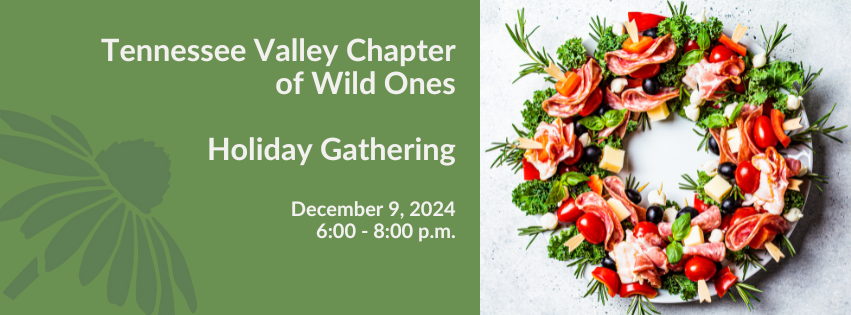
Holiday Social Gathering
Monday, December 9th, 2024
6:00 pm to 8:00 pm (Eastern Time)
Joseph Glasscock Community Center
Tom Weathers Dr., Red Bank, TN 37415
Our Holiday Social is the perfect time to visit with your native-plant friends and celebrate a successful year for the Tennessee Valley Chapter of Wild Ones. Members are welcome to bring a guest. Please bring an appetizer or dessert to share.
| |
To access information and registration links for all upcoming programs, classes, hikes and members-only events presented by the Tennessee Valley Chapter of Wild Ones and Wild Ones national, click below: | |
|
Do you want to receive a reminder email
in advance of our free public programs?
If so, join our Meetup group.
| |
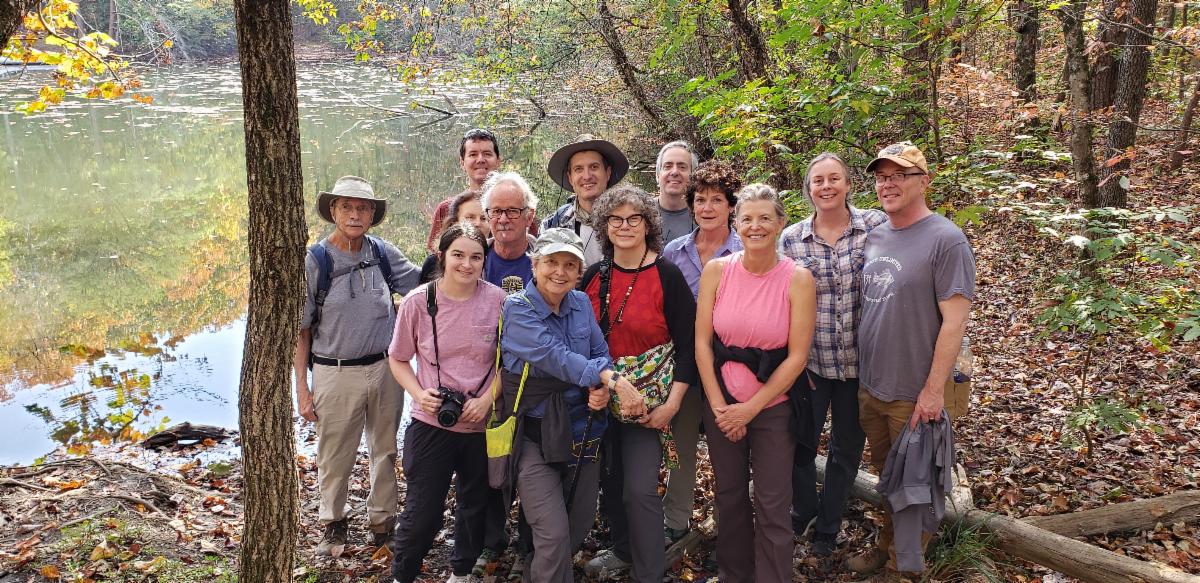
Members of the Tennessee Valley Chapter of Wild Ones, led by Dr. Stephan Eselgroth, hiked the Ochs Jackson Gap Trail on Lookout Mountain. Our hikes are a great way to see and identify native plants in our region. On this hike, 144 species of native plants were spotted. Here's the list of what was seen! | |
|
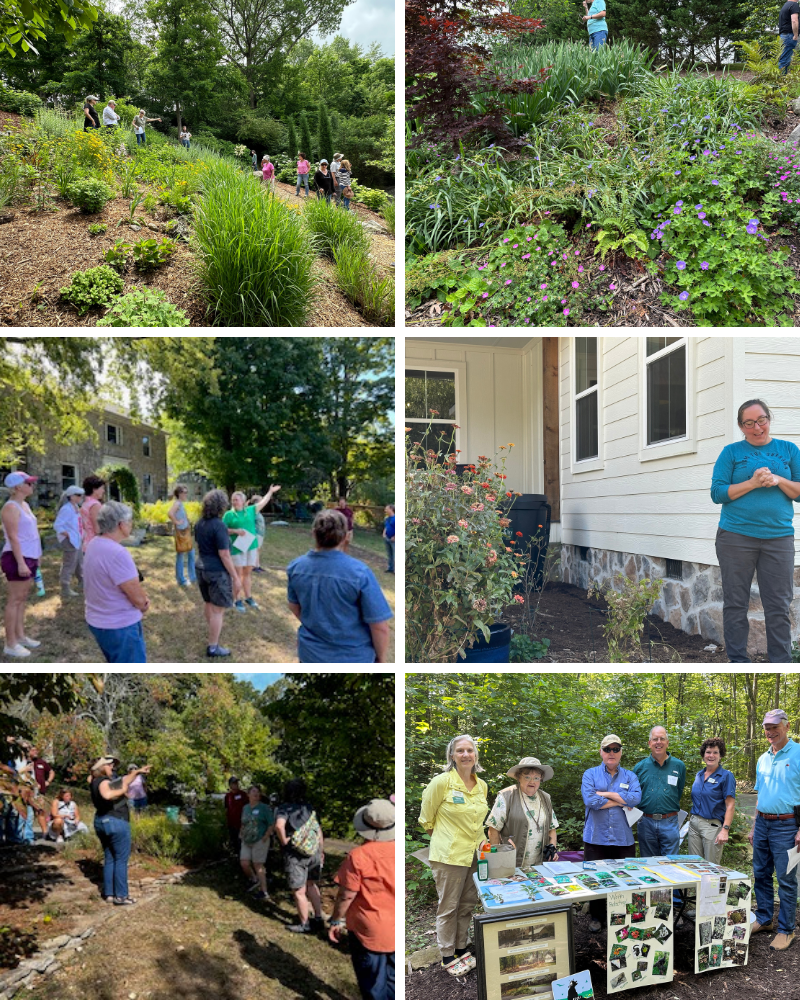
Thank you to Wild Ones members who volunteered to share their native plant gardens this year!
Landscapes in Progress is one of the membership benefits of the Tennessee Valley Chapter of Wild Ones, offering a way to learn from each other. If you are interested in sharing your garden next year, please send an email to tvwomembership@gmail.com.
| |
|
CHAPP is pleased to award a Seeds For Education Grant to the Normal Park Magnet Upper School. Holly Martin, Principal Dr. Jamelie Johns, and a team of teachers and community members are excited to work with their students to install a meditation and native plant garden.
This is the first of many awards generously sponsored by the Lyndhurst Foundation. Ann Brown and Kristina Shaneyfelt will serve as mentors through the team's first year.
| | |
|
|
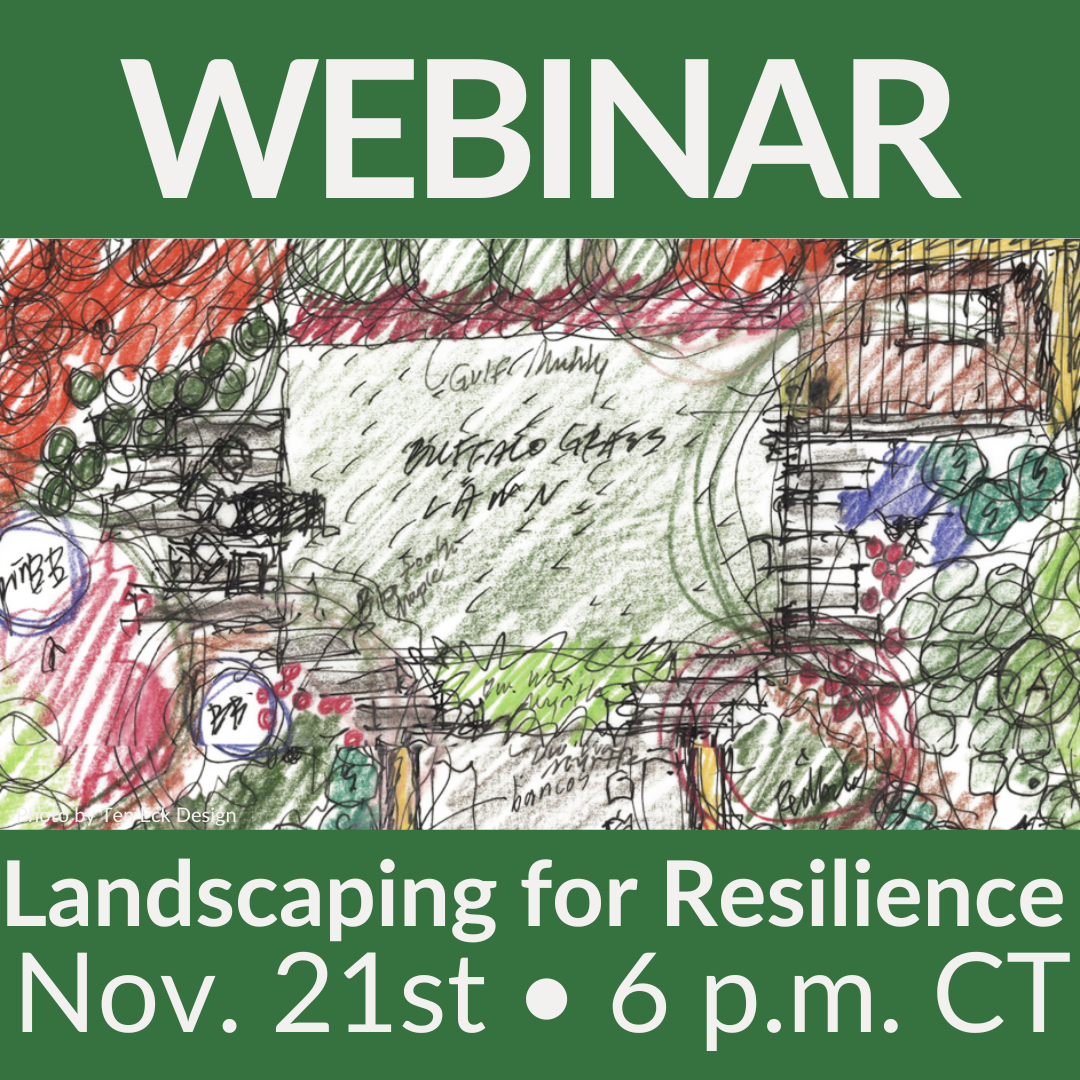
Wild Ones Presents Free Webinar:
Landscaping for Resilience
Learn how to create resilient, sustainable landscapes that thrive in challenging climates.
Date: Thursday, November 21
Time: 6:00 pm CT (7:00 pm ET)
Join us Virtually: Link is provided with registration. The webinar will be recorded and available to watch after the premiere.
| | |
|
|
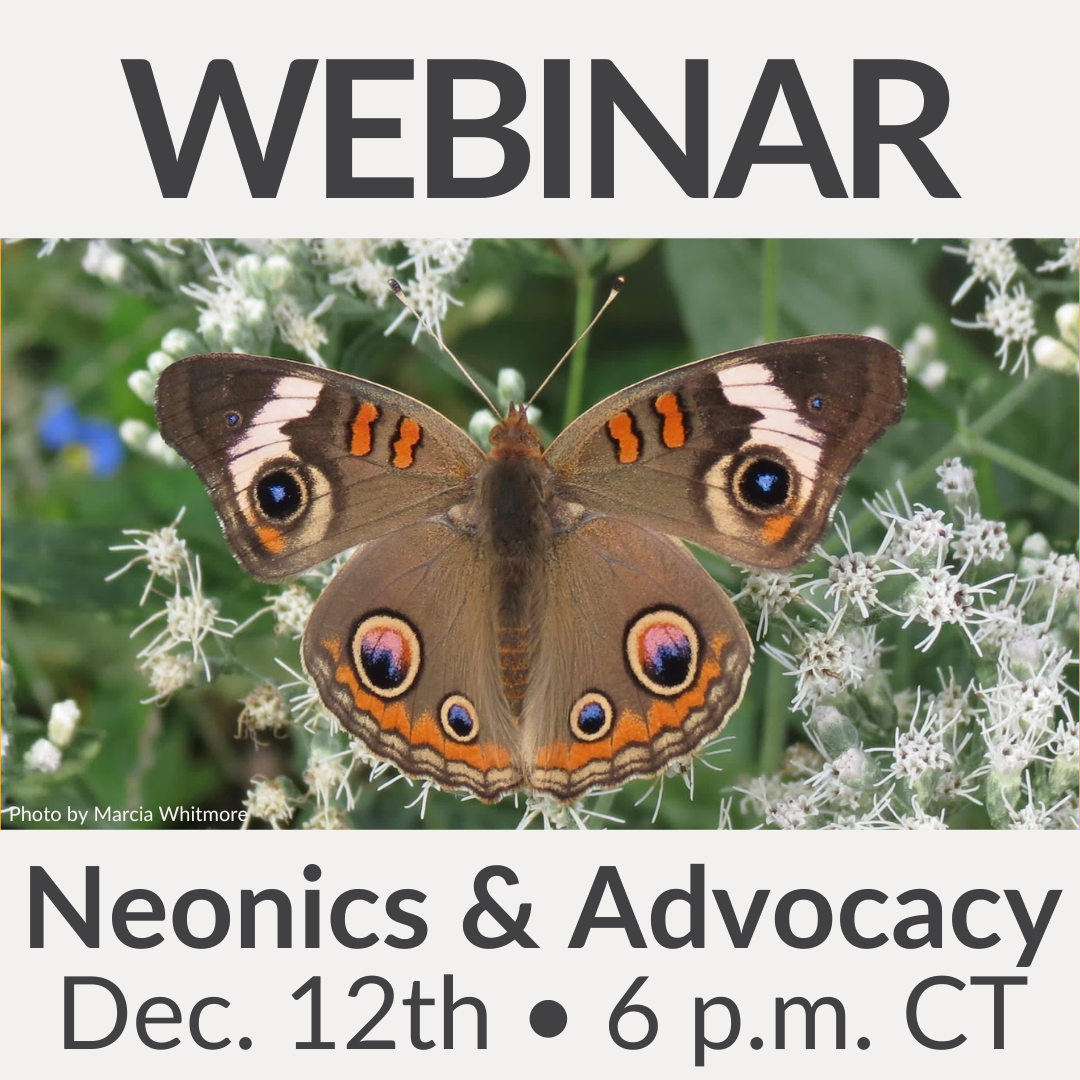
Wild Ones Presents
Free Webinar: Neonics & Advocacy: Protecting Pollinators and Influencing Policy
Explore how to safeguard pollinators and influence impactful policy change.
Date: Thursday, December 12
Time: 6:00 pm CT (7:00 pm ET)
Join us Virtually: Link is provided with registration. The webinar will be recorded and available to watch after the premiere.
| |
|
Tennessee Native Plant Society Seminars
The Tennessee Native Plant Society hosts monthly Native Plant Seminars via Zoom on the third Tuesday of each month at 6:30 p.m. Central (7:30 p.m. Eastern) and lasting about one hour. All members, and potential members, are welcome to attend the seminars. Videos of previous seminars are available via the link below.
November 19 – Adam Bigelow, Wildflowers of Southern Appalachia
December 10 — Native Plant Ordinance Panel Discussion with Deborah Rosenthal, Karen Hill, and others
| |
|
Wild Ones is growing in Tennessee and the Southeast!
Check out the events at nearby chapters!
| |
|
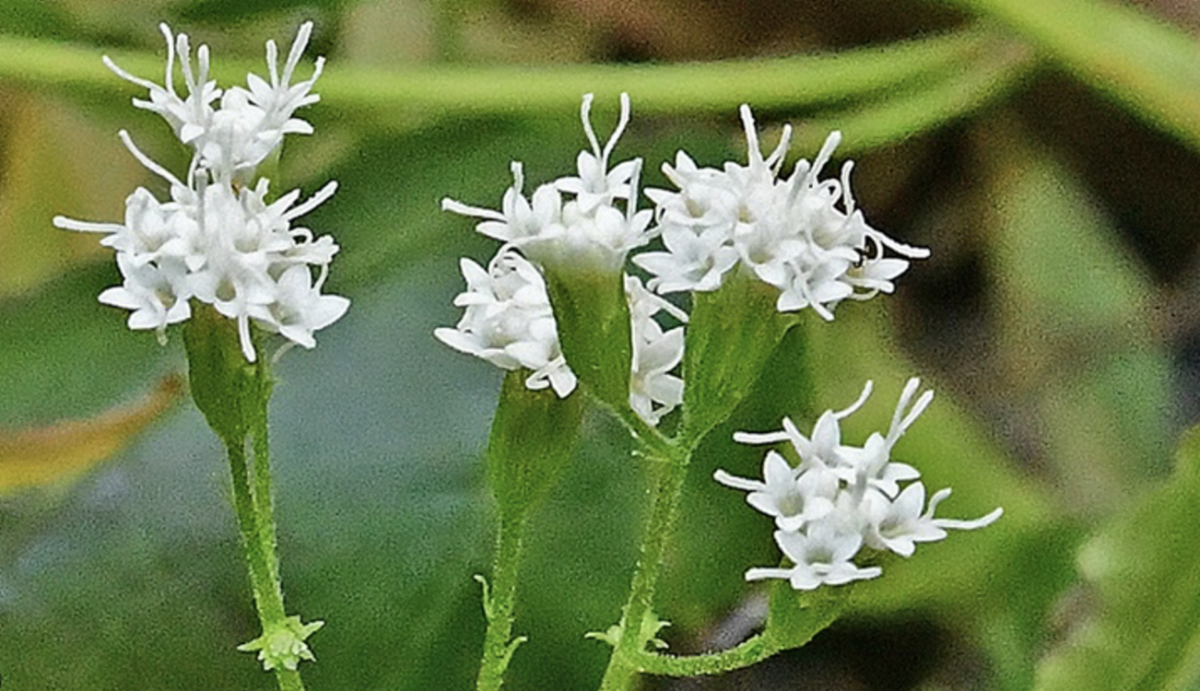
Common White Snakeroot
Recently, William Michael Howell, PhD, retired biology professor (Samford University, Birmingham, Alabama) posted this interesting essay about White Snakeroot, a fall bloomer, and its hazards and toxicity for animals and humans. He is one of the authors of the Alabama Wildflower Atlas and has authored many professional research articles and several books, including Spiders of the Eastern United States.
Read about Common White Snakeroot.
| |
|
Why the Sky Changes Colors at Sunset
There’s truly nothing like a pretty sunset. As the sun sets, the heavens above are like cotton candy: lighting up with a beautiful display of deep reds, vibrant oranges, and intense pinks. Simply put, the sky seems to be on fire. The reason we see different colors at different times has to do with the physics of light.
Read more.
| |
|
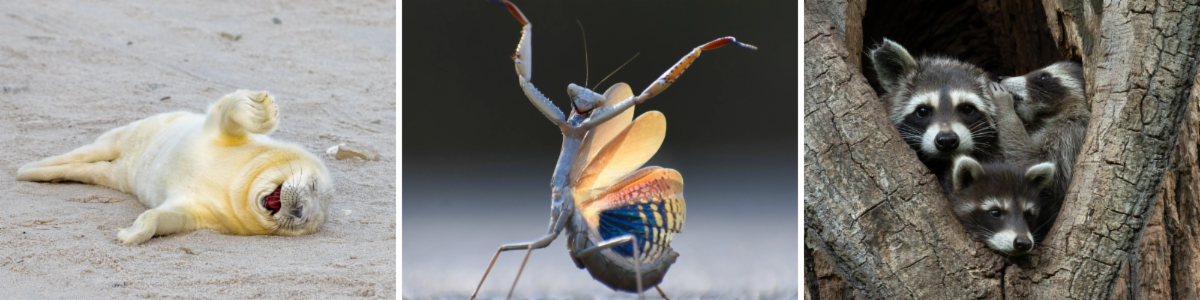
Feel-Good Photo Finalists in the 2024 Comedy Wildlife Awards
Here are a group of photos guaranteed to make you smile!
View the photos.
| |
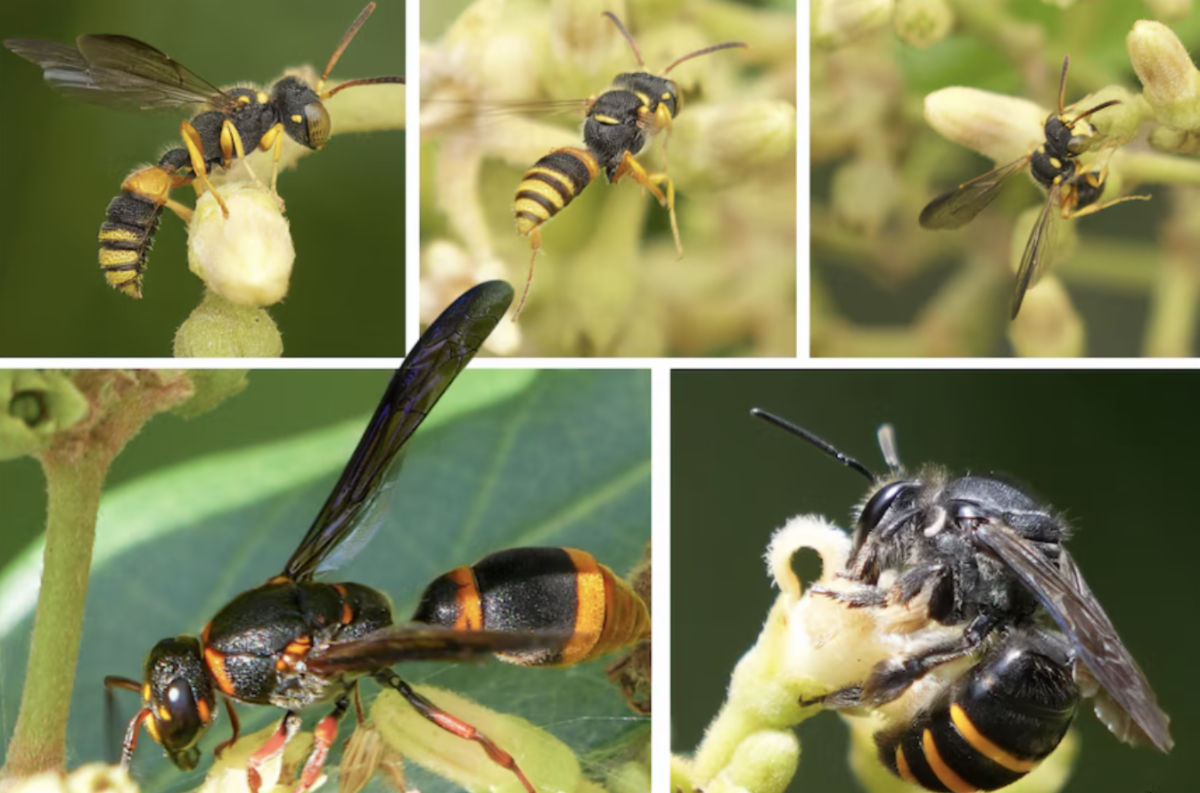
Sixteen insect species photographed
for first time by citizen scientist
Phil Warburton didn't recognize the unusual looking wasp that flittered into his camera viewfinder while he was out photographing insects in the autumn of 2022, but he snapped away, taking hundreds of shots of the little creature. He said instances of photographers taking the first ever images of live insects was becoming surprisingly commonplace because of a revolution taking place in entomology.
Read more.
| |
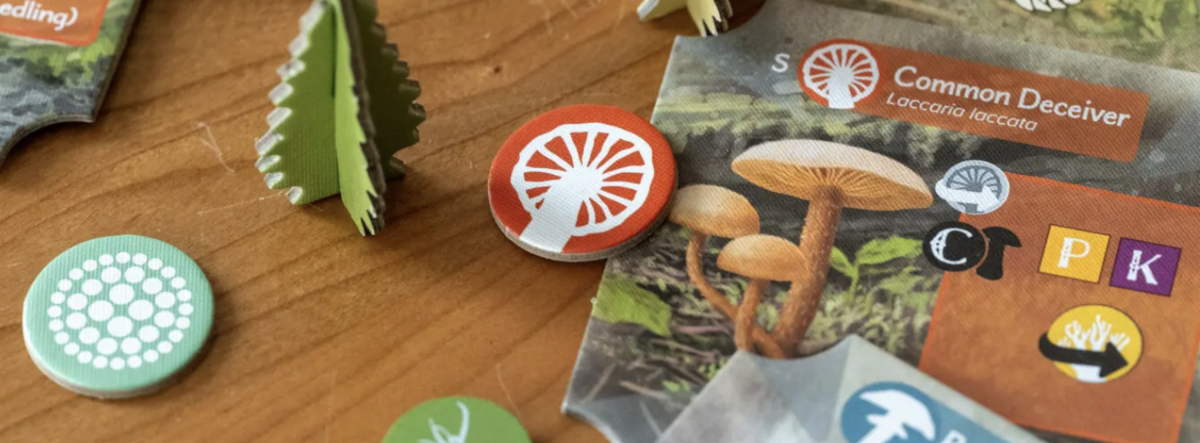
A Couple Are Captivated by Nature.
They Think You Should Be, Too.
They have cataloged natural life online and have developed board games and walking tours to help people deepen their knowledge of the world around them.
Read more.
| |
|
The Less Lawn, More Life Challenge aims to encourage you to transform your yard into more sustainable, climate-smart landscapes by reducing lawn areas and supporting biodiversity.
Over an 8-week period, you will be guided to take action on six key targets, complete eight activations, and contribute to citizen science by making 100+ observations. The ultimate goal is to educate, inform, and inspire a collective shift towards healthier, more eco-friendly outdoor spaces right in your own backyards.
Read more.
| |
|
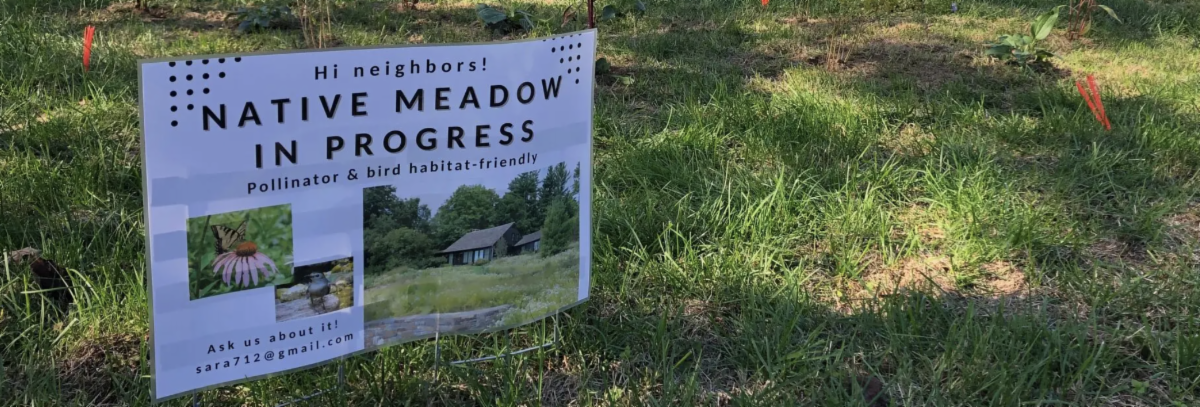
Can You Get Rid of Your Front Lawn Without Offending the Neighbors?
What will the neighbors think? How can your reinvent your front yard without making an unwelcome impression?
Read the article in the New York Times.
| |
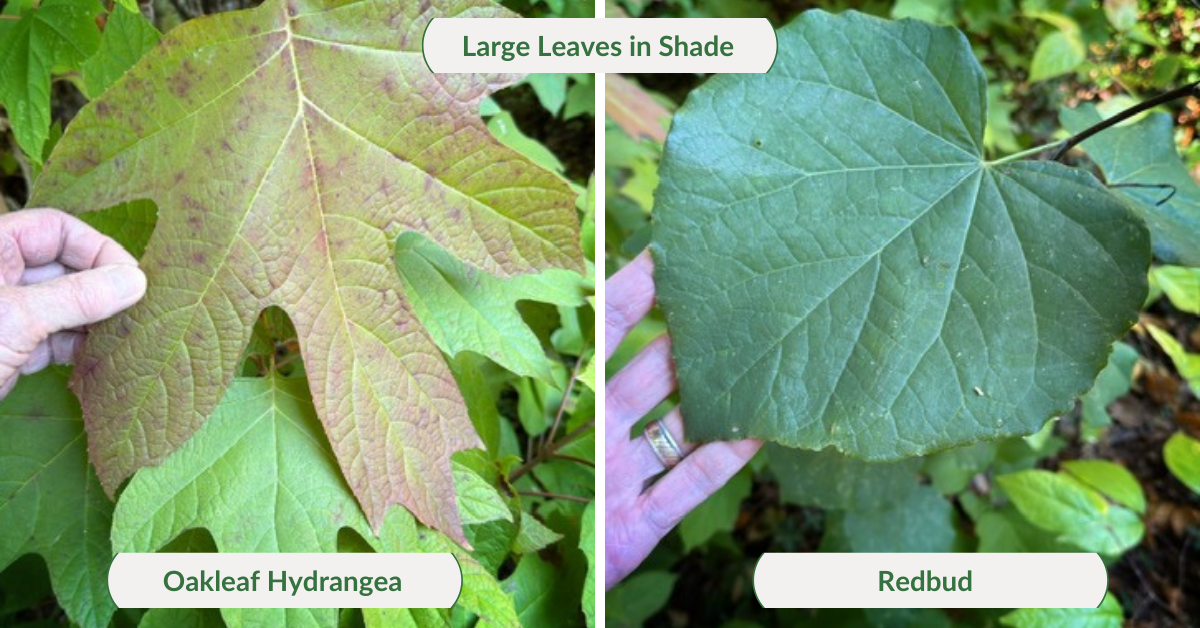
Our amazing Wild Ones photographer Mike O'Brien frequently has noticed the large leaves of plants growing in shady locations. The photos above show exceptionally large leaves (Mike's hand is used for size comparison) of a young American Redbud sapling and a large Oakleaf Hydrangea growing in the same shaded location. Shade leaves are a plant’s response to lower sunlight to increase its ability to gather more of it. And this information from AI research provides more information: "Shade leaves are typically larger, thinner, and darker green than sun leaves, containing more chlorophyll to optimize light absorption in low-light conditions. They have fewer stomata, resulting in a lower respiration rate, and are adapted to capture diffuse sunlight effectively. Morphologically, shade leaves differ by having a single layer of photosynthetic cells, while sun leaves possess thicker structures with multiple palisade layers to handle direct sunlight." | |
|
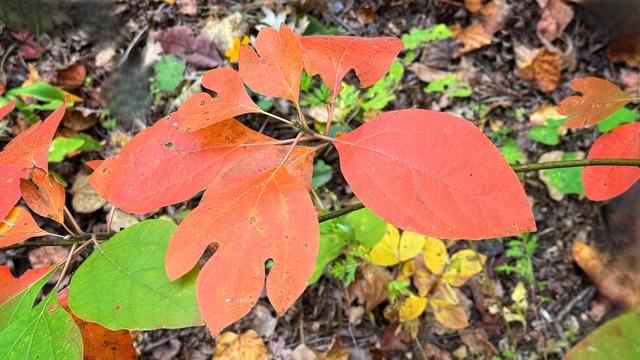
Sassafras leaves in fall showing its characteristic three different leaf shapes, simple without indentations, mitten, and glove patterns
Photo by Mike O'Brien.
| |
|
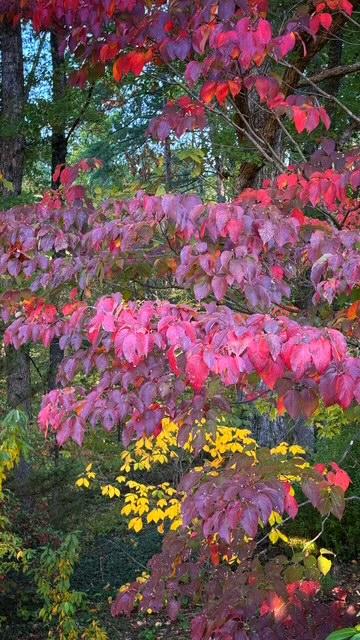
Fall leaves: Dogwood (red) and Bottlebrush Buckeye (yellow)
Photo by Mike O'Brien.
| |
|
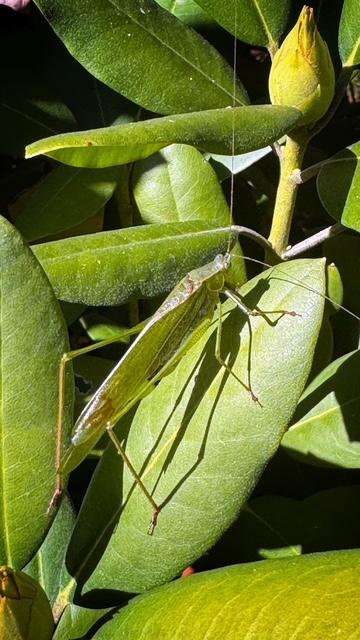
Fork-tailed Bush Katydid on Rhododendron leaves
Photo by Mike O'Brien.
| |
|
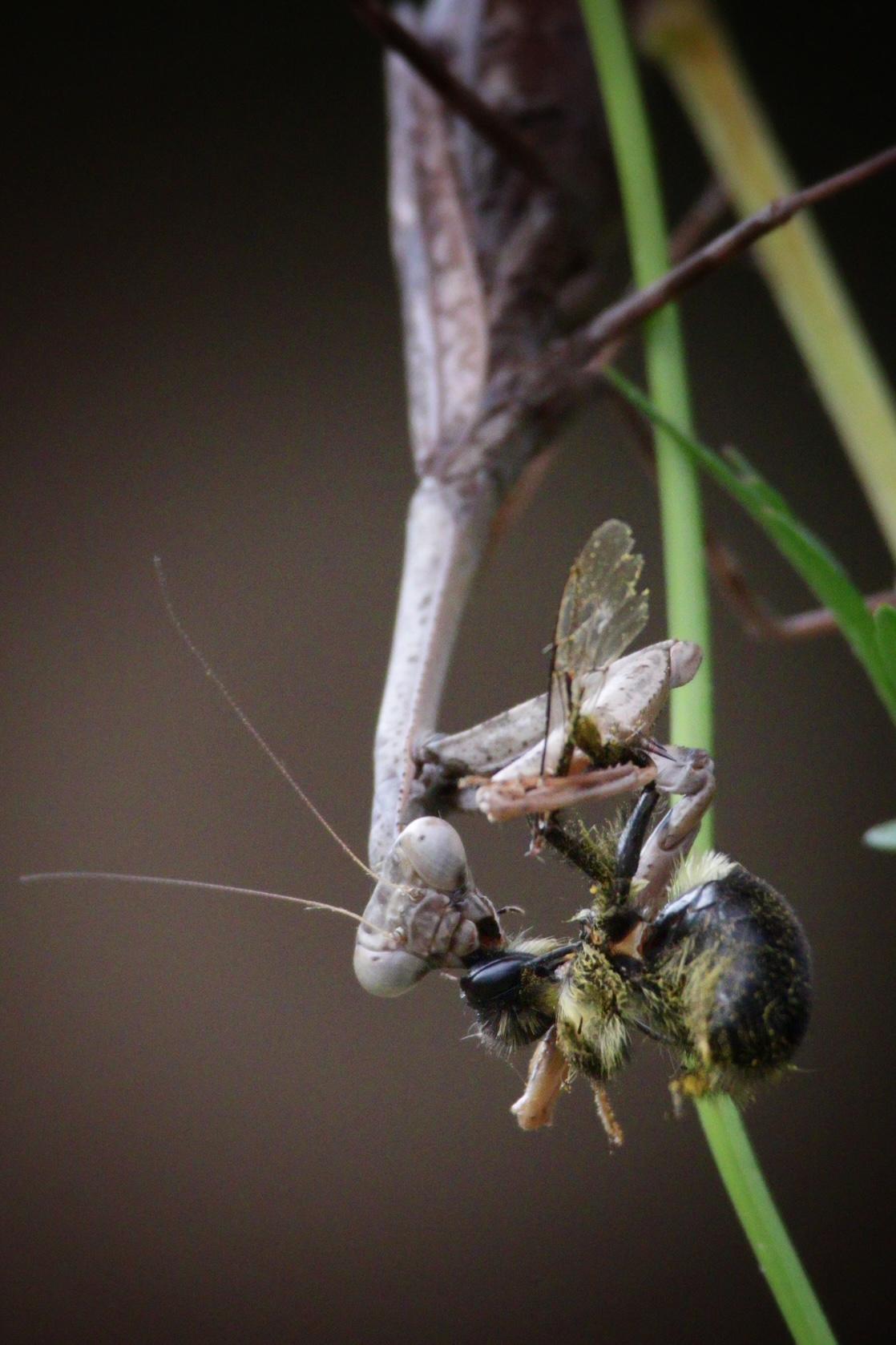
Gravid female Carolina Praying Mantis on Cosmos, just as it caught and started eating a small bumblebee. Note the tiny pupils in her eyes.
Photo by Mike O'Brien.
| |
|
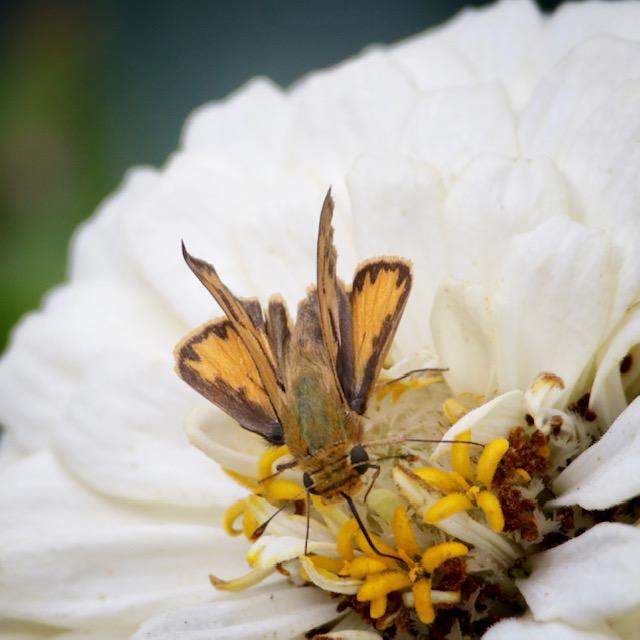
Fiery Skipper Butterfly
Photo by Mike O'Brien.
| |
|
Becoming a Wild Ones member shows your commitment to the native plant movement and is a great way to connect with a helpful and knowledgeable native plant community that will prove invaluable in your native garden journey!
Benefits of a Wild Ones membership include:
-
Access to the current electronic issue of the quarterly Wild Ones Journal
- Invitations to workshops, garden tours, seed exchanges, plants sales, and stewardship project
-
Discounts for partner educational webinars such as NDAL, etc. and Wild Ones chapter programs
-
Participation in an annual national photo contest
-
Access to the Wild Ones Member Center for learning resources
- Participation in Wild for Monarchs and Native Garden recognition programs
- Involvement in citizen science and networking with conservation partners
- Receiving Wild Ones National e-Newsletters
-
Invitation to Wild Ones' private Facebook discussion group and the national Wild Ones Annual Member Meeting
- Networking opportunities and camaraderie with like-minded people who care about native plants and our planet
Additional benefits for members of the Tennessee Valley chapter:
-
Discounted admission to all Certificate in Native Plants classes year-round.
-
Free admission at members-only programs, including local and regional guided hikes, garden visits (Landscapes in Progress), the annual meeting, an annual plant swap, and other member social events.
-
Annual Welcome Party and Orientation for new members.
-
Monthly email Member Update, with news about chapter activities.
- All members of the family who live at the same address are entitled to member benefits!
Your membership dollars help forward our mission of promoting the restoration of native landscapes by allowing us to:
-
Provide free, educational resources and learning opportunities that are open to the public from respected experts like Wild Ones Honorary Directors Doug Tallamy, Neil Diboll, Heather Holm and Donna VanBuecken
-
Support the efforts of over 65 local Wild Ones chapters in 23 states
-
Publish a quarterly, award-winning, online journal featuring current native plant information and resources
-
Share free, professionally-designed native garden templates for multiple regions in the United States.
| |
The Tennessee Valley Chapter of Wild Ones is 100% volunteer run!
Here are a few ways you can get more involved in the chapter
and in our Chattanooga Pollinator Partnership.
| |
Follow our chapter on social media: | |
Follow Wild Ones on social media: | |
|
NOTE: Please do not unsubscribe!
This is the only method you have for receiving important communications from
the Tennessee Valley Chapter of Wild Ones!
Please add contact@tnvalleywildones.org
to your address book -
This is needed to keep our emails out of your SPAM folder.
| | | | |