|
Have you ever seen a video of a celebrity endorsing a new investment or giving away free tickets that seemed too good to be true? You might be witnessing a deepfake AI scam. These scams are becoming more and more convincing, leveraging advanced technology to deceive unsuspecting people.
In this article, we're going to look at how these scams work, what deepfakes are, and, most importantly, how you can protect yourself.
Celebrities endorsing shady products? It could be a scam
Hackers have been creating videos featuring famous celebrities promoting shady products or giveaways. Maybe it's an actor offering "exclusive cryptocurrency opportunities" or a pop star announcing "free concert tickets" if you click a link. These scenarios can look and sound incredibly real, but they are often scams designed to trick you.
Hackers are banking on the fact that you trust your favorite celebrities. They use that trust to get you to act against your best interest, such as like entering personal details or making payments. It's incredibly easy to fall for it, but with a little awareness, you can stay one step ahead.
What are deepfakes?
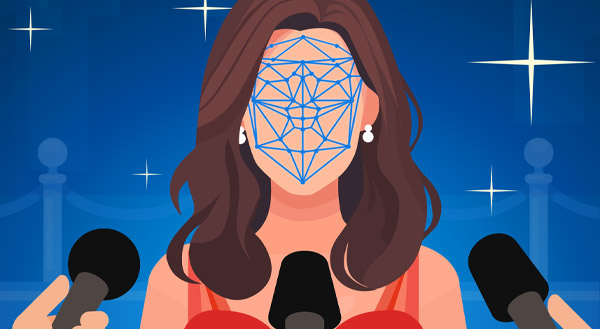
You might be wondering, "What exactly is a deepfake?" A deepfake is a video or audio clip where artificial intelligence (AI) is used to convincingly replicate a person . In the context of scams, this often means creating a realistic version of a celebrity's face or voice to deceive viewers.
Why are deepfakes so convincing?
The key reason deepfakes of celebrities are so convincing is the sheer amount of source material available. Celebrities are everywhere – movies, talk shows, podcasts, social media – and all of that is fuel for deepfake AI. The AI studies their facial expressions, voice tone, and movements, and then recreates them nearly perfectly. This level of accuracy makes it extremely difficult to determine whether a video is real or fake just by watching it.
How to spot a deepfake scam
Spotting a deepfake isn't always easy, but there are signs you can look for to protect yourself.
- Check the account. Does the account posting the video look legitimate? Often, scammers will use usernames that are very close to the real celebrity's name but with subtle variations, such as an extra letter or number.
- Verify on official channels. Head over to the celebrity's known real social media accounts. Are they promoting this product or giveaway on their official platforms? If a deepfake video claims that Taylor Swift is endorsing a new product, yet there's no mention on her verified pages, it's a red flag, and it's worth taking a moment to check.
- Look closely at the video. Deepfake technology is very advanced, but it's not perfect. You might notice odd glitches, such as like unnatural blinking, awkward body movements, hands that seem to disappear, or slightly off voice patterns. These can be tell-tale signs that the video is fake.
Does it fit the celebrity's usual behavior? Ask yourself if the promotion makes sense for that celebrity. Would this person usually promote something such as a cryptocurrency or a random giveaway? If it feels off-brand, it probably is.
Deepfakes are getting better, so stay vigilant
The truth is that deepfakes are getting more convincing by the day. It's becoming increasingly difficult to distinguish between what's real and what's fake. That's why it's essential not to trust videos of celebrities blindly, even if they appear authentic.
Scammers thrive on impulse reactions, so if something seems too good to be true, take a step back and think it through.
Awareness is your biggest weapon against these scams, so please share this information with friends and family who might need to be made aware of how far this technology has come.
Think you might have been scammed?
If you think you might have fallen victim to a deepfake scam, especially if you've been asked to install software or allow access to your computer, don't panic. Give us a call.
We're here to help assess the situation and take steps to keep you secure. Scams such as these are becoming more common, but with the right support, you can minimize the impact and avoid falling victim again.
Conclusion
Deepfake AI celebrity scams are a modern threat, using the faces and voices we know and trust to pull us into traps. But remember, staying alert and questioning anything that feels out of place can go a long way to keeping you safe.
|