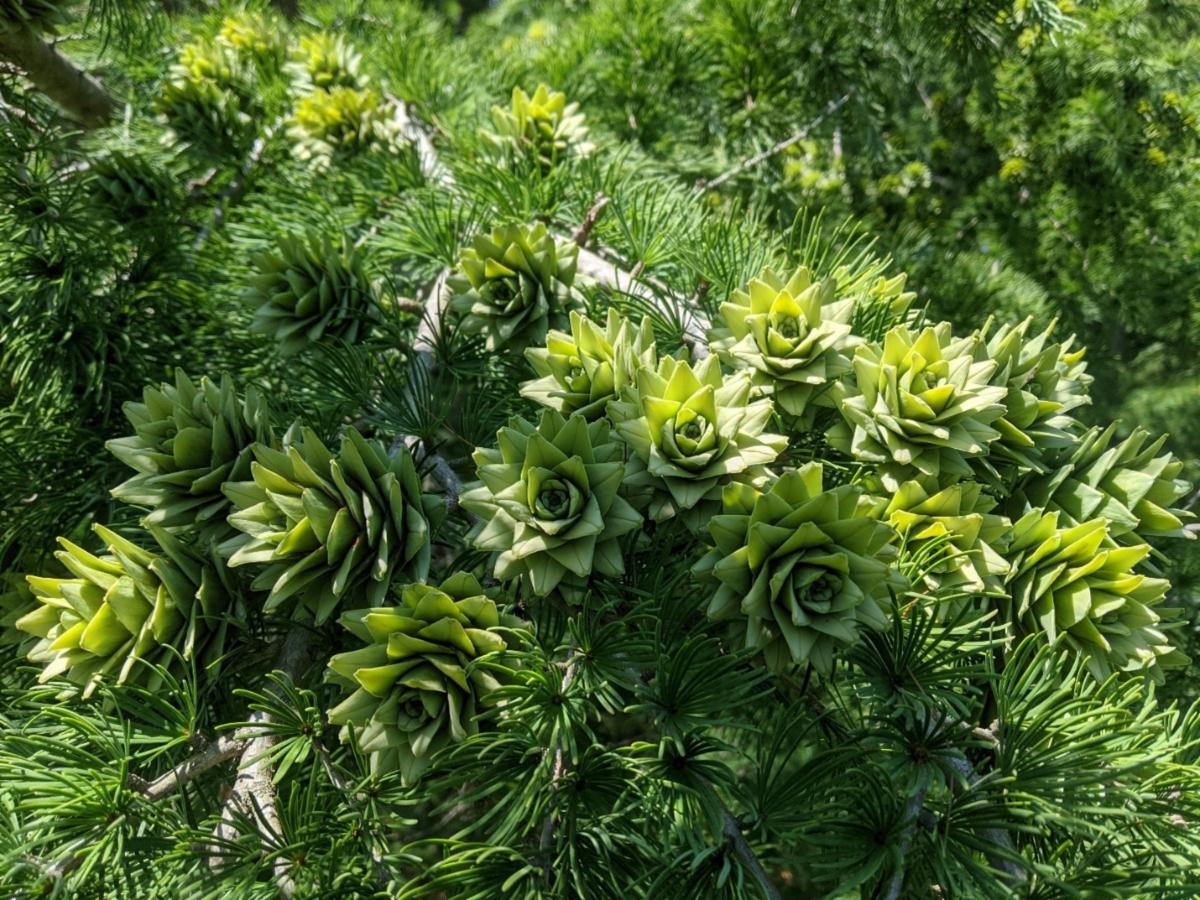
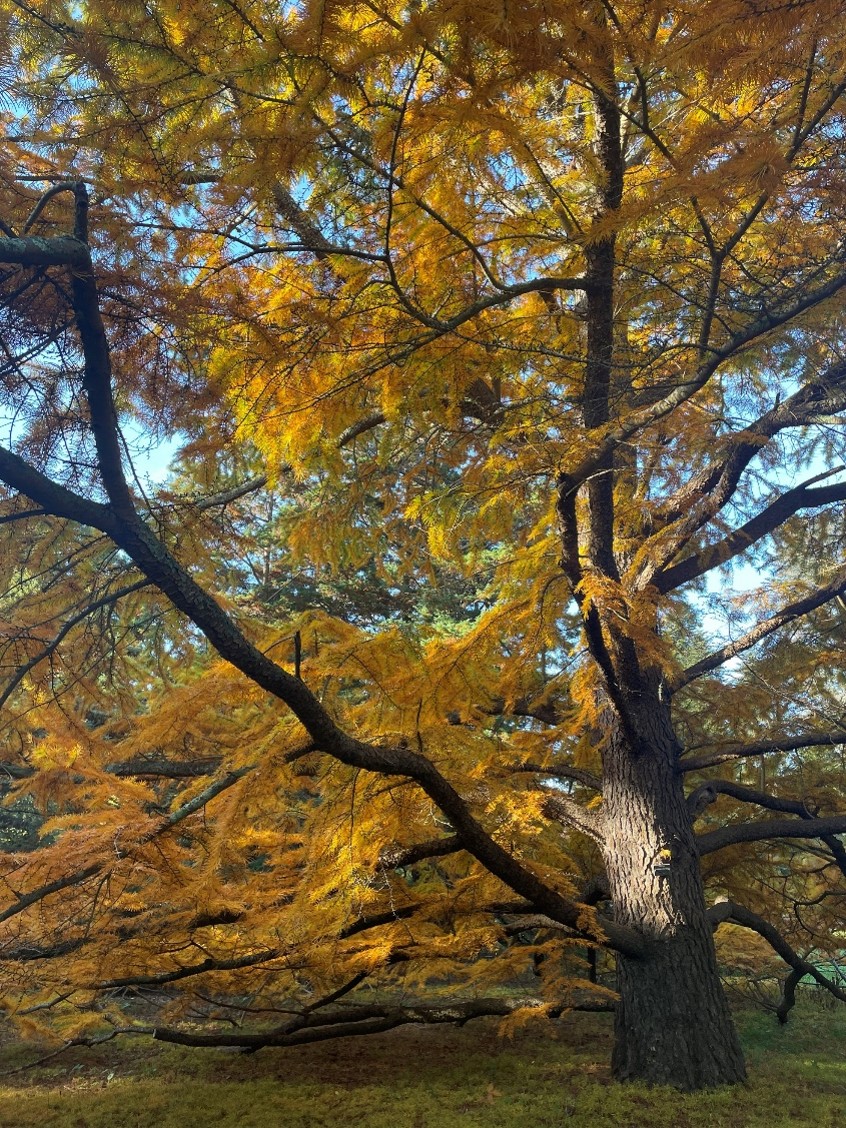
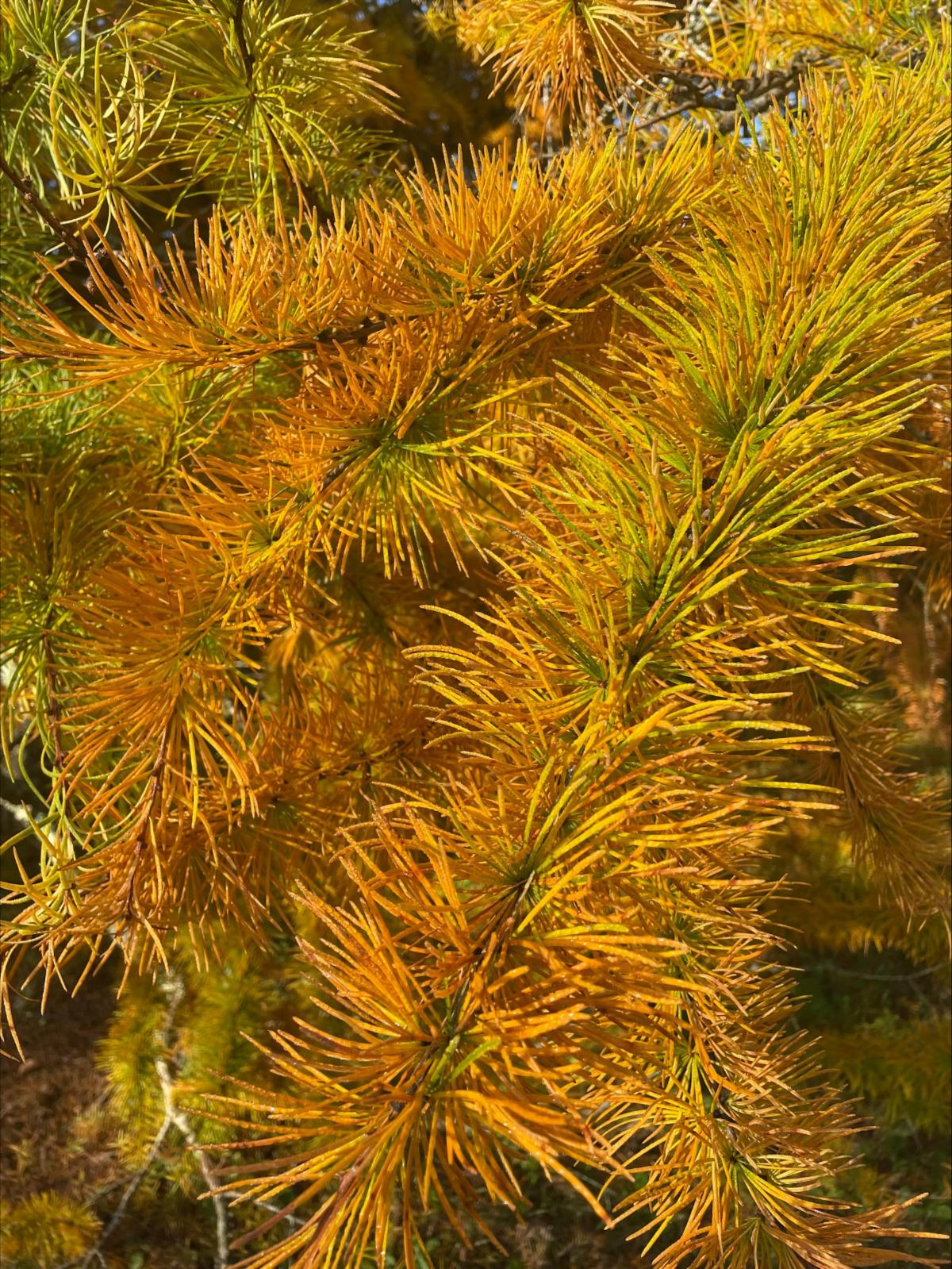
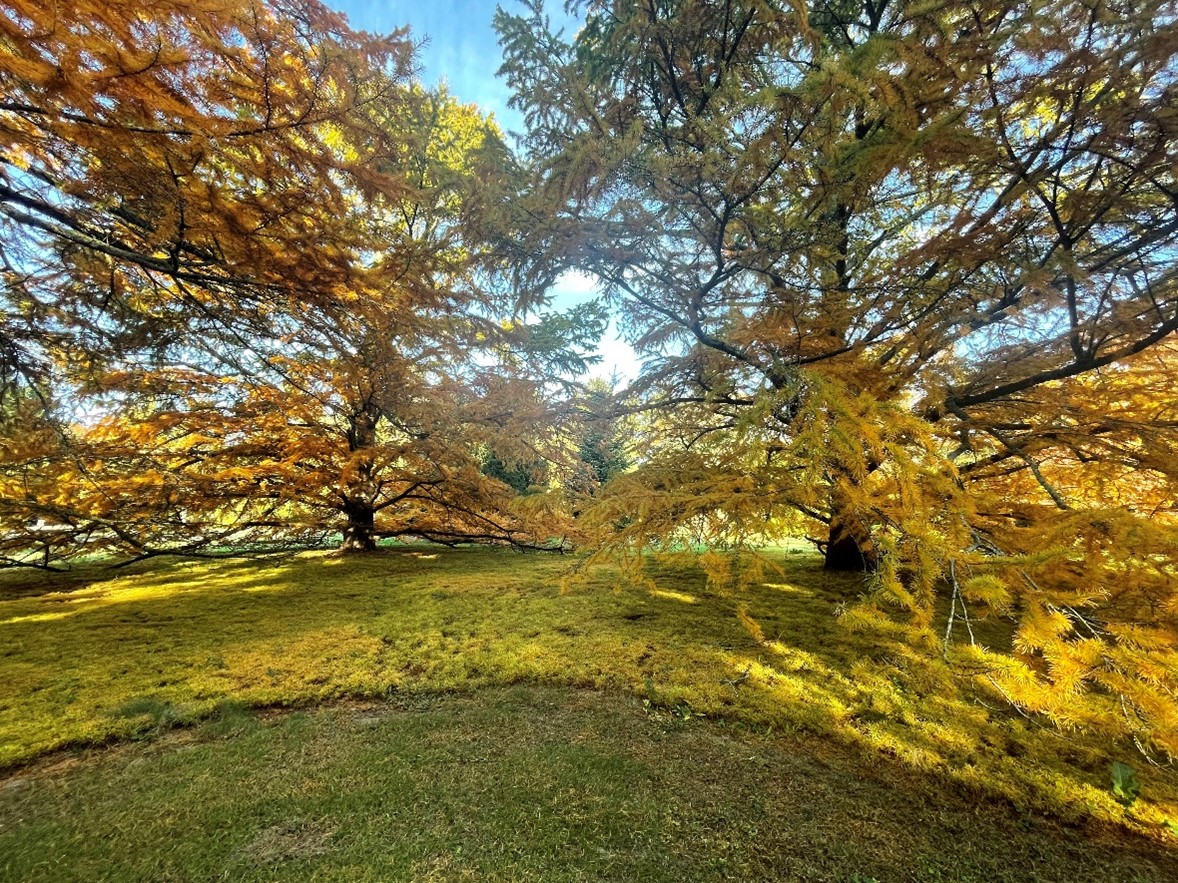
This has been a stunning autumn. Because there has been less rain and wind, the leaves have been holding on longer, extending an exceptionally colorful season. This time of year, we always look forward to the leaf senescence of maples, oaks, or hickories (the deciduous icons of leaf peeping season), but deciduous conifers can be equally magical! One such conifer is the golden larch, or Pseudolarix amabilis. The Chinese name for this plant is jinqian song, or golden pine. In true nomenclatural fashion, it is neither a larch nor a pine; the false larch is named as such in botanical Latin due to its similarity to the true larch, both having short and long shoots along the branches. Although shoot structure and needle texture may be similar, a key difference between the two is seen in the cones. Pseudolarix cones don a guise of green roses, which disintegrate and disperse when mature; Larix cones are akin to fir cones, colorful when emerging in spring, and are usually held upright on the branch throughout the winter. As inaccurate as the names “pine” or “larch” are, both the English and Chinese common names are truthful with the use of “gold”, as it describes the incredible quality of yellow foliage during the fall, enhanced surely by the warmth of the low autumn sun. | |
Native to the southeastern coastal mountains of China, the golden larch was introduced into western horticulture by Scottish botanist Robert Fortune. It is sometimes difficult to pinpoint the exact location of a species’ natural origin when it has been intentionally planted outside of its native range and used ornamentally for thousands of years. Such is the case of the golden larch, Fortune first encountered it in 1853 as a dwarf potted plant near a monastery. In subsequent trips to China, he found native, or at least naturalized, populations of the plant and returned to England with several seedlings and seeds. Soon after, in the 1860s, the golden larch found its way to the United States and into the Arnold Arboretum collection. Of the 8 specimens at the Bayard Cutting Arboretum, at least one is known to have come from Arnold Arboretum, and several from a garden center named Holly Haven Nursery in Babylon. | |
Specimen origin is of particular interest for the golden larch. Anecdotal accounts of propagation efforts imply that cultivated specimens of the golden larch don’t reliably produce viable seed, and that efforts to germinate and grow collected seed often fail. Even Robert Fortune’s initial seeds from China failed, and most of the surviving plants were seedlings that traveled in Wardian cases. Dr. Michael Dirr theorizes in his Manual of Woody Landscape Plants that the trees are self-sterile and require several individuals nearby to produce viable seeds, and in The Trees of Great Britain and Ireland (an early 1900s account of favored trees, including the golden larch), the authors speculate that seedlings do best when they grow where naturally dispersed, instead of propagated in greenhouses. The 3 specimens planted here in 1956 support this claim; this year the grove is blanketed by thousands of Pseudolarix seedlings, providing a dense ground cover and, I hope, an equally colorful autumn display (1956-NP42). | |
-Jessica O'Callahan, Grounds Supervisor | |
Blanket of Pseudolarix seedlings. | |
|
Sourcing Trees to
Build Collections
| |
As the season is winding down, we start to shift gears. Though watering has been a constant priority with this severe drought. In October, we’ve sourced exciting new trees such as a white flowering redbud, a yellowwood, and a cut leaf Japanese hornbeam. Our mission as an Arboretum is to increase diversity and display trees in a meaningful way. Each year we strive to plant unique specimens that can fulfill our mission. In our Visitor Center, patrons can learn the multiple ways we approach sourcing and organizing our collections. | |
 | 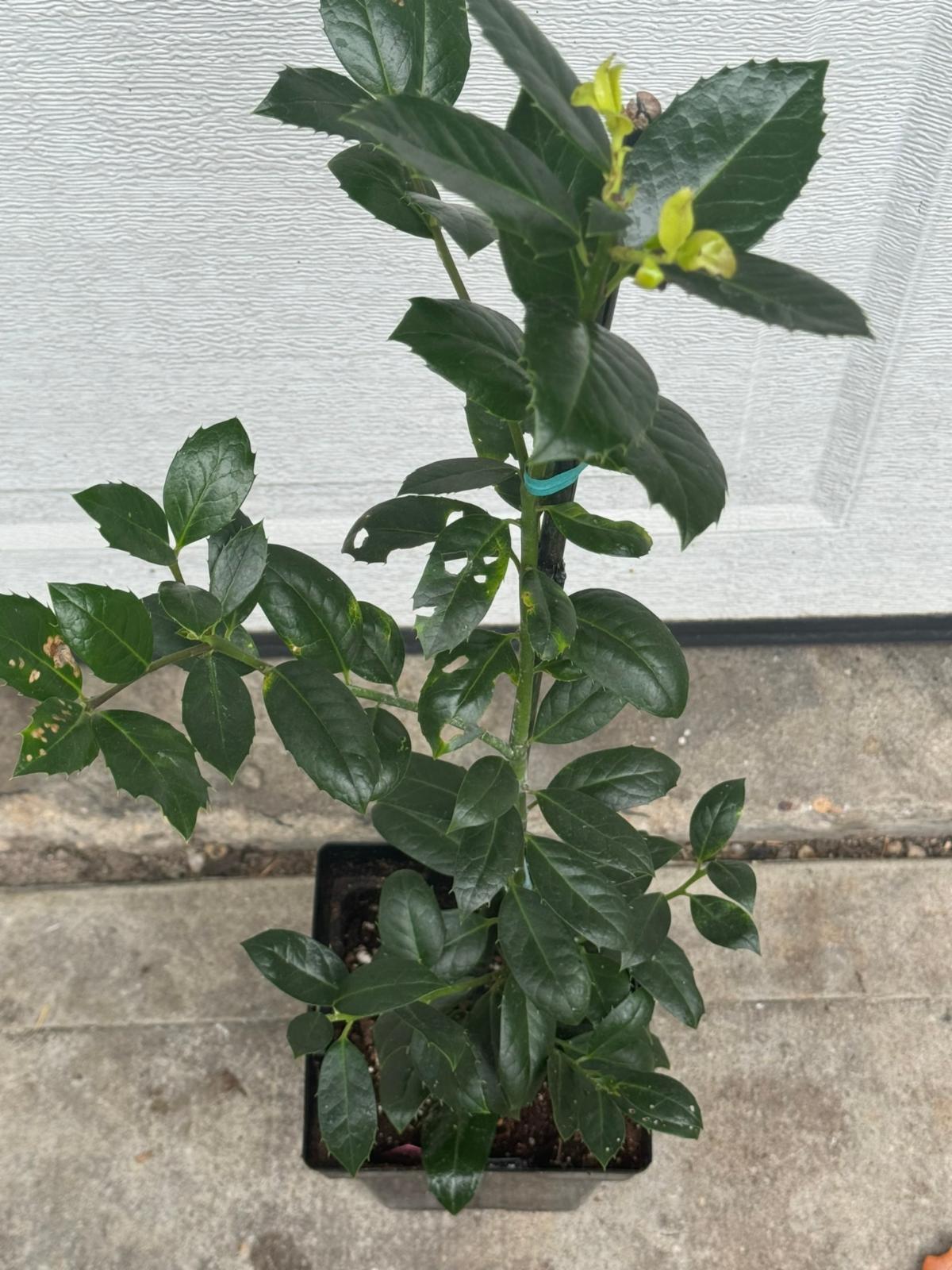 | The first approach is planting for scientific study. Taxonomy of trees is a large part of how we source and plant. The Holly Walk is a great example of organizing the genus, Ilex, in a meaningful way. Visitors can appreciate the beauty of hollies and study the differences between species. This is especially true as hollies are so often hybridized. The Holly Society of America recognizes us as a reference garden due to our great diversity and organization of the collection. Each year, we receive “test hollies” from the Holly Society to add to our collection. Often they are small plants that are bred by holly enthusiasts. This past week we received Ilex ‘Blue Wave’ through the Test Holly Program. It is a cross between Ilex ciliospinosa and Ilex x meserveae ‘Blue Prince’. This cross has a glossy, dark bluish-green leaf and bright red fruit. Over the coming years, we will monitor the test holly and report to the Holly Society our findings and observations. The taxonomy of Ilex ‘Blue Wave’ is a great example of how and why we plant for scientific study.
| |
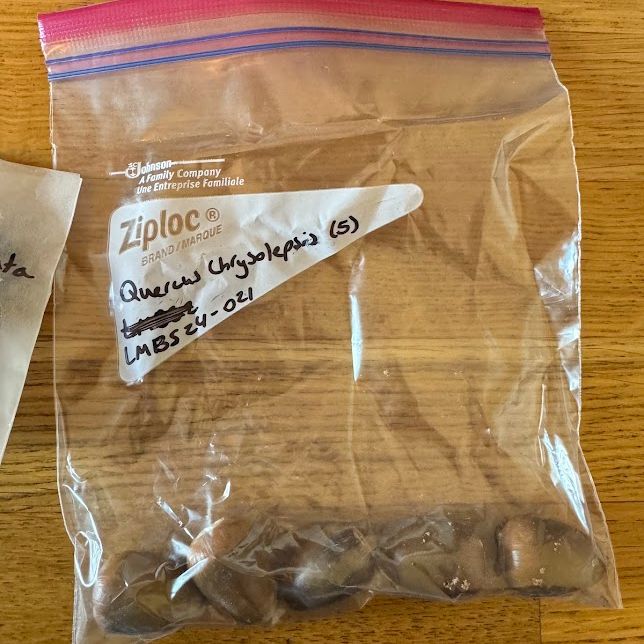
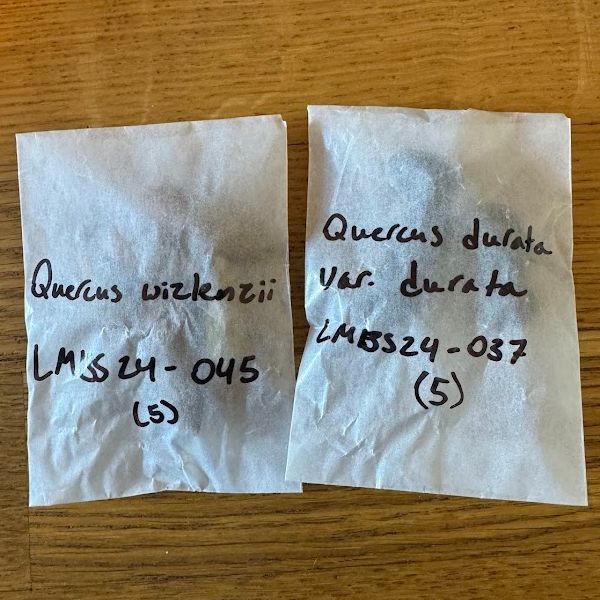
The second approach is planting for preservation. We recognize as an Arboretum we have a duty to preserve trees in the landscape. We do this by protecting historic trees and planting for the future. The Visitor Center exhibit shared the example of conserving the Metasequoia. Some trees are difficult to source or propagate, but they need to be protected. In October, we received acorns representing 3 species from the Hoyt Arboretum in Oregon. They are Quercus chrysolepsis, Quercus wizlenzii, and Quercus durata var durata. In August, we also received Quercus boytonii, a critically endangered species from Alabama. These oaks will be propagated throughout the winter and planted in Oak Park over the next few years. Our goal is to grow our oak diversity as well as preserve species. Working with other institutions has allowed us to work towards our mission. | |
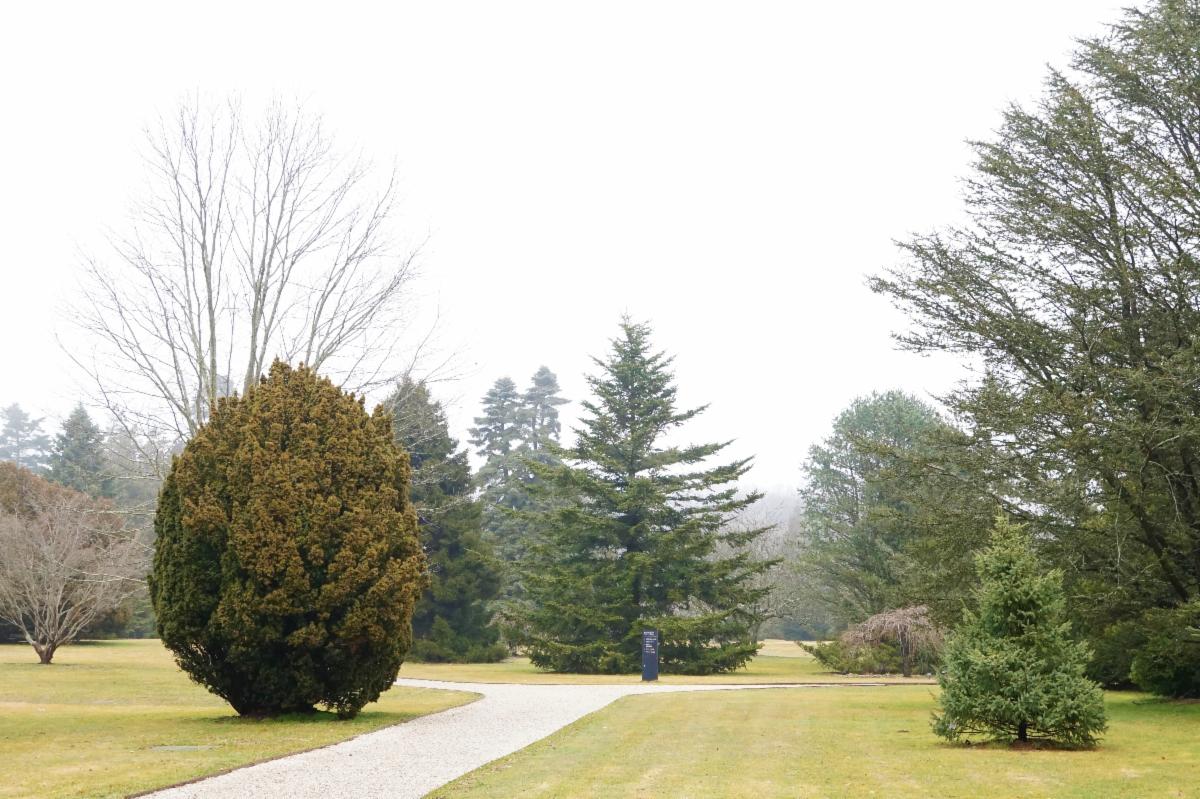
The final approach is planting for beauty. This approach is more subjective as Arboretum curators may have differing opinions on beauty. For example, Mr. Cutting disliked planting pines over firs and spruces due to their unruly habits. But the general approach is to plant a wide variety of trees that display unique features. This includes representing tree habit, shape, foliage, bark, scent, flower, color, seasonal interest and more. This can be clearly observed in the Old Pinetum. The nuance between conifers is fascinating. The American Conifer Society awarded us as one of only two conifer reference gardens in New York. Recently we sourced an Abies concolor ‘Swift Silver’ and straight species Thuja plicata to add more beauty to our collections. | |
We approach our collections in three different ways: planting for scientific study, preservation, and beauty. This means we strategically source new specimens to fit our collections. By working with other institutions and noting key features of trees, we can grow our collection in an intentional and meaningful way. | |
-Joy Arden, Landscape Curator | |
|
Bayard Cutting Arboretum
Tribute Tree & Engraved Paver Program
| |
|
There are three options to choose from:
- Engraved Paver: ($500) 6"x12" located on the Visitor Center patio.
- Maple Tier: ($2500) 6"x12" engraved paver with maple leaf icon and a small specimen tree.
- Oak Tier: ($3500) 6"x12" engraved paver with oak leaf icon to recognize the highest level of giving and a large specimen tree.
Place your order online before the deadline of December 31, 2024.
Limited space is available for this year's campaign. Unveiling Ceremony will be held at the Visitor Center in Spring 2025.
Please contact Rosemary Cannarella at rosemary.cannarella@parks.ny.gov or 631-263-1596 with inquiries.
| |
|
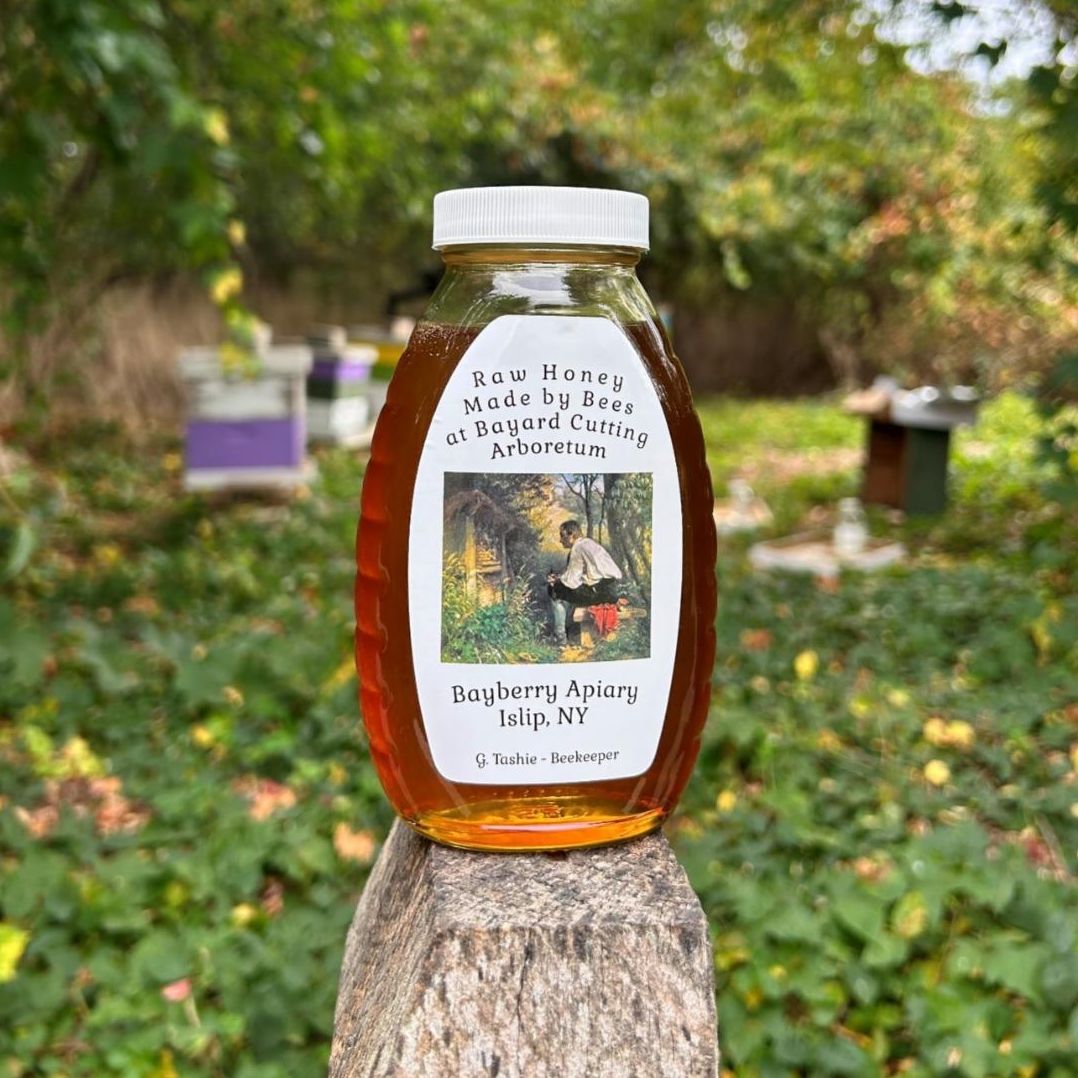
Bayard Cutting Arboretum Honey
Limited Batch
Another small batch of honey made by bees at Bayard Cutting Arboretum will be available for sale at the Visitor Center starting November 2, 2024.
Limit two jars per customer.
| |
|
|
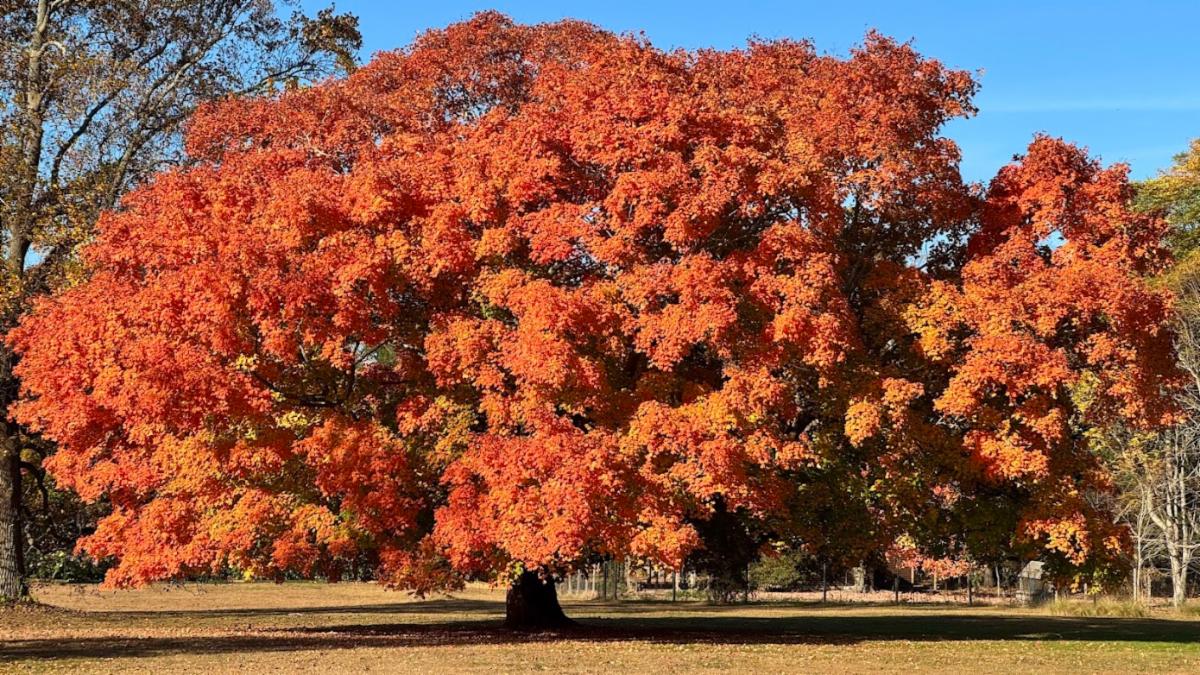
Our historic sugar maple in all its glory!
Johnny Korkodilos, Groundskeeper
| |
|
Arboretum Arrangements: Wreath Workshop
We invite you to join us for a unique educational opportunity this Holiday Season. Together with the guidance of Arboretum staff and a wonderful assortment of plant material, create your very own hand-decorated wreath.
Participants can expect to begin with a 14" balsam fir wreaths as a base, with the final outside diameter being 20-24". Light refreshments will be provided.
Saturday, December 14, 2024 @ 9:30AM - 11:30AM
Limited Space: Sign Up Here
| |
|
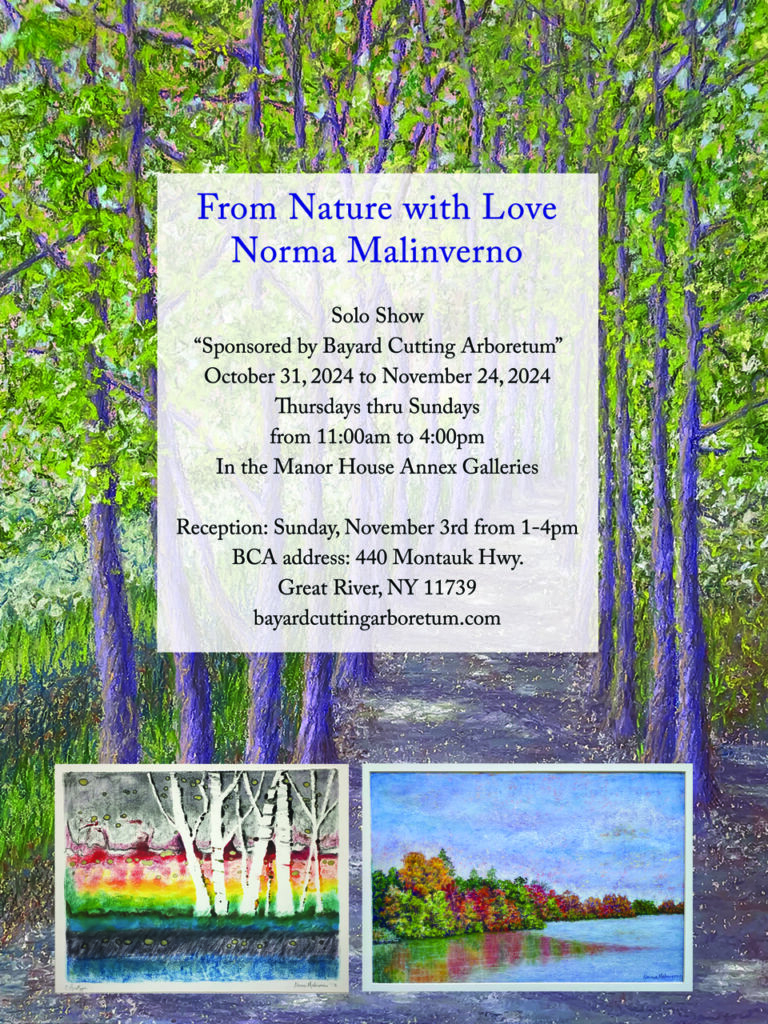
Art Show: From Nature, with Love Norma Malinverno – Solo Show
Norma Malinverno is a Brazilian-born artist and retired art educator who has called Long Island home since 1996. Her international career spans three continents. She taught art at the American school of Rio de Janeiro for six years and the Singapore American School for four years before settling in the United States. For almost two decades, until her retirement in 2018, Norma shared her passion for art with middle school students in the East Meadow School District.
Nature serves as a recurring theme in Norma’s work, with trees taking center stage in many of her pieces. Her portfolio also includes captivating depictions of the Brazilian rainforest and Long Island landscapes. Additionally, she finds joy in creating portraits and still life compositions, showcasing her versatility as an artist.
October 31 - November 24, 2024
Thursday - Sunday 11:00AM to 4:00PM
| |
|
Forest Bathing Walk
Join certified forest therapy guide, Linda Lombardo of Wild Heart Nature Connection, on a walk to reconnect with the natural world around us.
Monthly programs, typically first Saturday of the month.
Fee: $40 per person.
Please wear comfortable, sturdy shoes and warm clothing for walking outdoors. Register here!
| |
|
Watercolor Workshops with Teresa Cromwell
Have fun with watercolors and go home with a finished picture ready to frame!
Thursday, November 7 - 11:00AM to 1:00PM
Saturday, November 16 - 11:00AM to 1:00PM
Fee: $50 per Student
All materials are provided by the instructor. Feel free to bring your own paints and brushes to class. Registration, additional dates, and more information can be found on our website.
| |
House and Grounds Tours
Manor House Tours are offered Thursdays thru Sundays at 1PM. Ground Tours are offered on Wednesdays and Saturdays at 10:30AM. Call (631) 581-1002 for availability, costs, required registration, and more details.
| |
Home School Programming
We welcome you and your children to explore our program. Tours are available on Tuesdays at 9:30 am. Reservations are required and payment must be made in advance. For more information, please contact Carolann Gaites, Volunteer Coordinator, at 631-581-1002, ext. 105.
| |
|
Vote Us
Best Public Garden!
| |
|
Help Support Bayard Cutting Arboretum | |
Tax deductible donations can also be made by check payable to
Natural Heritage Trust and mailed to
Bayard Cutting Arboretum, PO Box 907, Great River, NY 11739
| | | | |