|
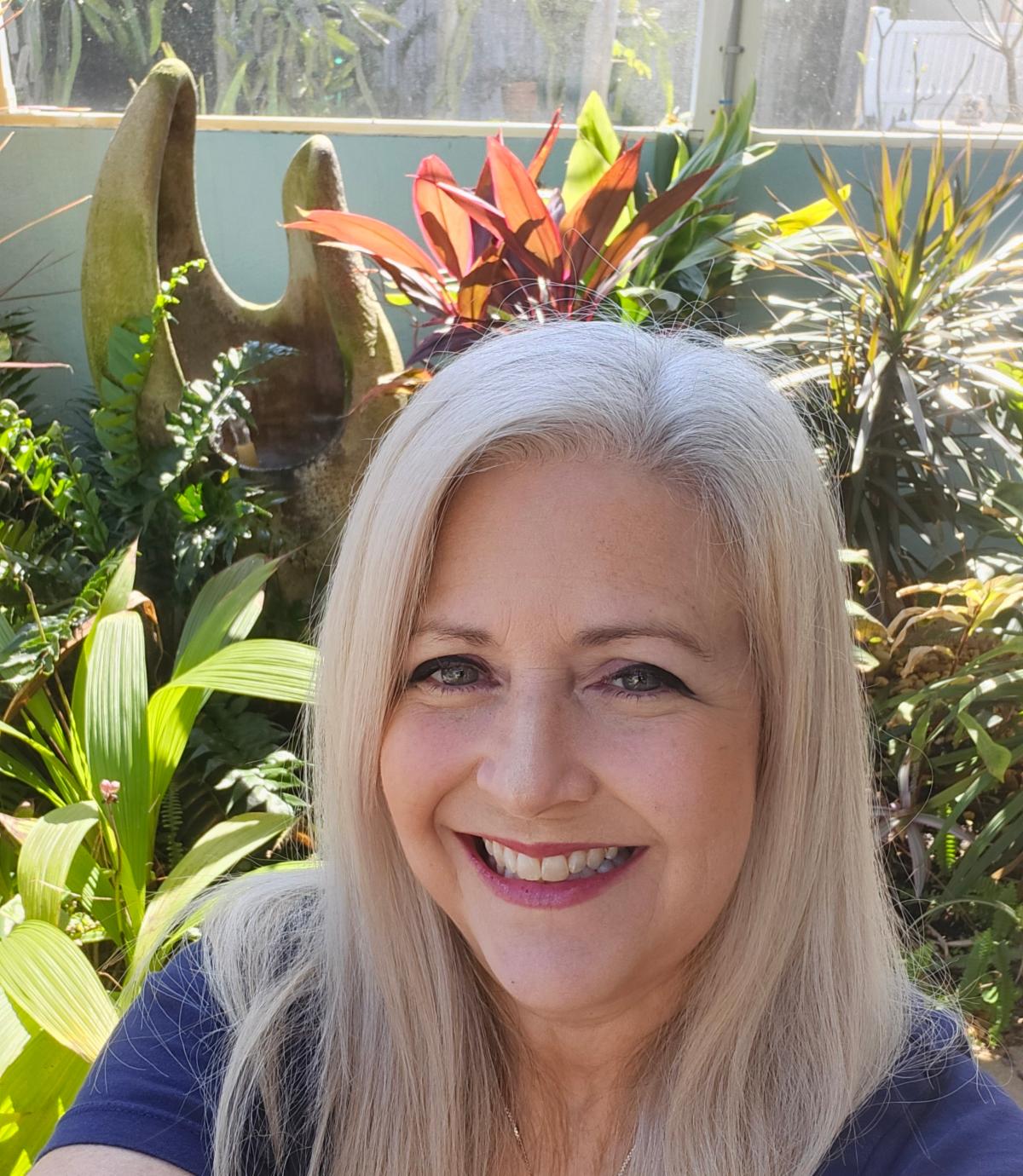
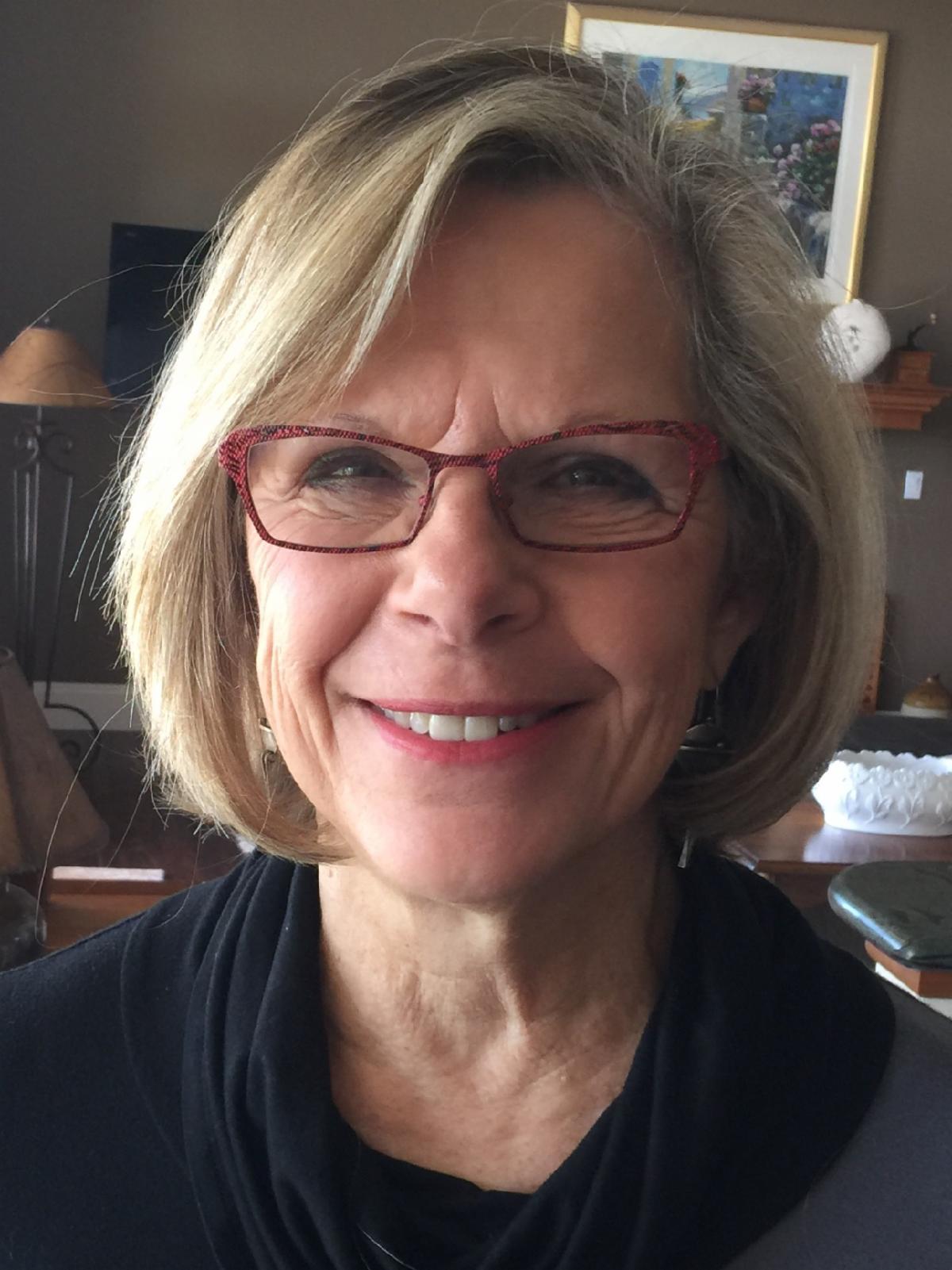
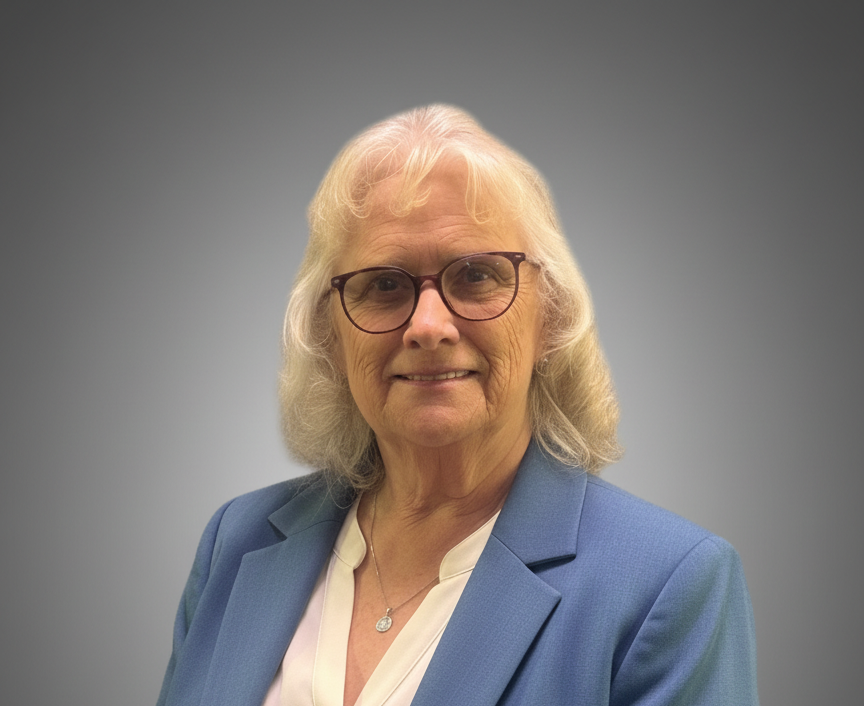
Reneé Barrett has served as a public member on multiple boards of directors in the allied health professions. As she prepares to wrap up her service after more than 20 years, she reflects on the important role of the public member.
What Is a Public Member?
Just like the name suggests, a public member serves on a board to represent the public. They’re full voting members, but unlike others, they come without professional ties to the organization. That independence is intentional – it helps ensure decisions are made in the public’s best interest, free from bias or conflicts of interest.
In my service with the Committee on Accreditation of Educational Programs for the EMS Professions (CoAEMSP), I see my role as ensuring our programs are educating graduates who are competent, confident professionals ready to serve their communities. Furthermore, CoAEMSP bylaws, and those of many other committees on accreditation, require two public members – it’s part of maintaining transparency and trust throughout the accreditation process.
Who Do You Represent?
At the end of the day, I represent students first and foremost. Then educators, program directors, and everyone who depends on the EMS system. Anyone who receives care from one of our graduates deserves skilled, compassionate care – and that begins with quality education.
What Kind of Questions Do You Ask?
As a public member, I tend to zoom out and look at the big picture. Is CoAEMSP staying true to its mission? Are strategies aligned with goals? Are resources being used wisely to strengthen programs and serve the public?
I often dig into finances – not as a watchdog, but to ensure funds are advancing the mission. And because I’m independent, I can ask uncomfortable questions others might hesitate to raise. That outside perspective can make a real difference.
How Did You Get Interested in This Role?
More than 20 years ago, I was the Assistant Director of an organization supported by the U.S. Department of Health and Human Services, Maternal and Child Health Bureau that provided grants to national organizations focused on improving child health outcomes. I had the pleasure of working with many people from the EMS world and, as a result, was invited to join the National Registry of Emergency Medical Technicians (NREMT) as a public member. I served there for several years, later joined the Emergency Nursing Association board, and came to CoAEMSP in 2017.
Now, as I wrap up my time with CoAEMSP, I realize I’ve spent over two decades as a volunteer public member. It’s been an incredible journey – one I’m proud to have been part of, and now ready to pass the baton to the next generation.
Why Do It for So Long?
It’s a fair question – these are volunteer positions. Travel is covered, but otherwise, there’s no pay.
For me, it’s about giving back. Early in my career, people opened doors for me and encouraged me to contribute my best thinking. Serving as a public member is my way of paying that forward – advocating for students, for the public, and for excellence in education.
It’s deeply rewarding work. Knowing that I can help strengthen organizations and ultimately improve patient care keeps me going.
Any Advice for Programs?
Remember that public members are there to help. The best ones are engaged, curious, and committed. They may not come with EMS experience, but they bring a valuable fresh perspective.
Programs should also be patient. The first term is usually a learning curve – understanding how everything works. By the second term, most public members find their footing and become strong contributors.
Why Serve as a Public Member?
Because it’s public service in the truest sense. You’re there to advocate for the public, for students, and for the organization’s mission.
When you embrace the role, you grow from it. You learn, you contribute, and you see your impact. I wouldn’t have stayed in this work for more than 20 years if it weren’t meaningful.
Public members bring something unique – a clear, impartial voice focused on what matters most: the public good. Every organization is stronger when thoughtful, engaged people are willing to ask hard questions and serve with integrity.
It’s been my honor to do this work, and I hope my experience inspires others to consider serving as public members. It’s an amazing way to give back.
|