November 2026
NBGA Newsletter Vol. 5, #11
| | |
Greetings, and welcome to NBGA's November 2026 newsletter!
The 2026 dry bean harvest season has come to an end. Thank you to all our dry bean farmers for working so hard to grow this year's dry bean crop! What better way to celebrate than with a bowl of warm, satisfying bean chili? 'Tis the season, and with Thanksgiving around the corner, we are very thankful for beans - and the farmers who grow them!
In this newsletter, you will find updates about recent NBGA activities, the Fall 2026 Northarvest BeanGrower publication, ideas for how to include beans on the holiday table, the latest Dry Bean Scene episodes, and more.
If you can, please consider sharing this newsletter with someone else to help us spread the word. Anyone can subscribe to our monthly e-newsletter here.
Happy reading, and we wish everyone a nice holiday season!
| | Northarvest Bean Growers Association wishes everyone a happy holiday season! Check out the Bean Institute section of this newsletter for delicious bean recipes ideas that are perfect for the holidays! | | |
November 2026 Newsletter Table of Contents:
- USDA Weekly Dry Bean Market Review
- Fall 2026 Northarvest BeanGrower
- Northarvest in the News and on the Move
- The Dry Bean Scene
- Bean Institute: Thankful for Beans
-
Bean Nutrition Corner: Beans Are Good for the Farm, the Market, and the Dinner Table
- Announcements
| | |
Below, you can find links to the most recent USDA Weekly Dry Bean Market Reviews. Click on the date to see the report.
-
The next USDA Weekly Dry Bean Market report will be released soon. You will be able to find that report here.
-
November 9, 2026: Compared to last week: According to the NASS Crop Production report released October 9, 2026, area harvested for 2026 dry edible beans is 1,114,000 acres versus 1,334,600 acres for 2025 and total production in 2026 is 21,557,000 cwt versus 26,855,000 cwt.
-
November 2, 2026: Compared to last week: Trade remained light. According to the NASS Crop Progress report November 1, 2026, Colorado has 90, Michigan has 90, and Nebraska has 94 percent dry edible beans harvested.
-
October 26, 2026: Compared to last week: Trade remained light. According to the NASS Crop Progress report October 18, 2026, Minnesota has 97, North Dakota has 95, Colorado has 55, Michigan has 65, and Nebraska has 85 percent dry edible beans harvested.
-
October 19, 2026: Compared to last week: Trade remained light. According to the NASS Crop Production report October 9, 2026, Minnesota has 2140, North Dakota has 1400, Colorado has 1900, Michigan has 2300, Washington has 2650, Idaho has 2900 and Nebraska has 2400 pounds dry edible beans yield per acre.
|
|
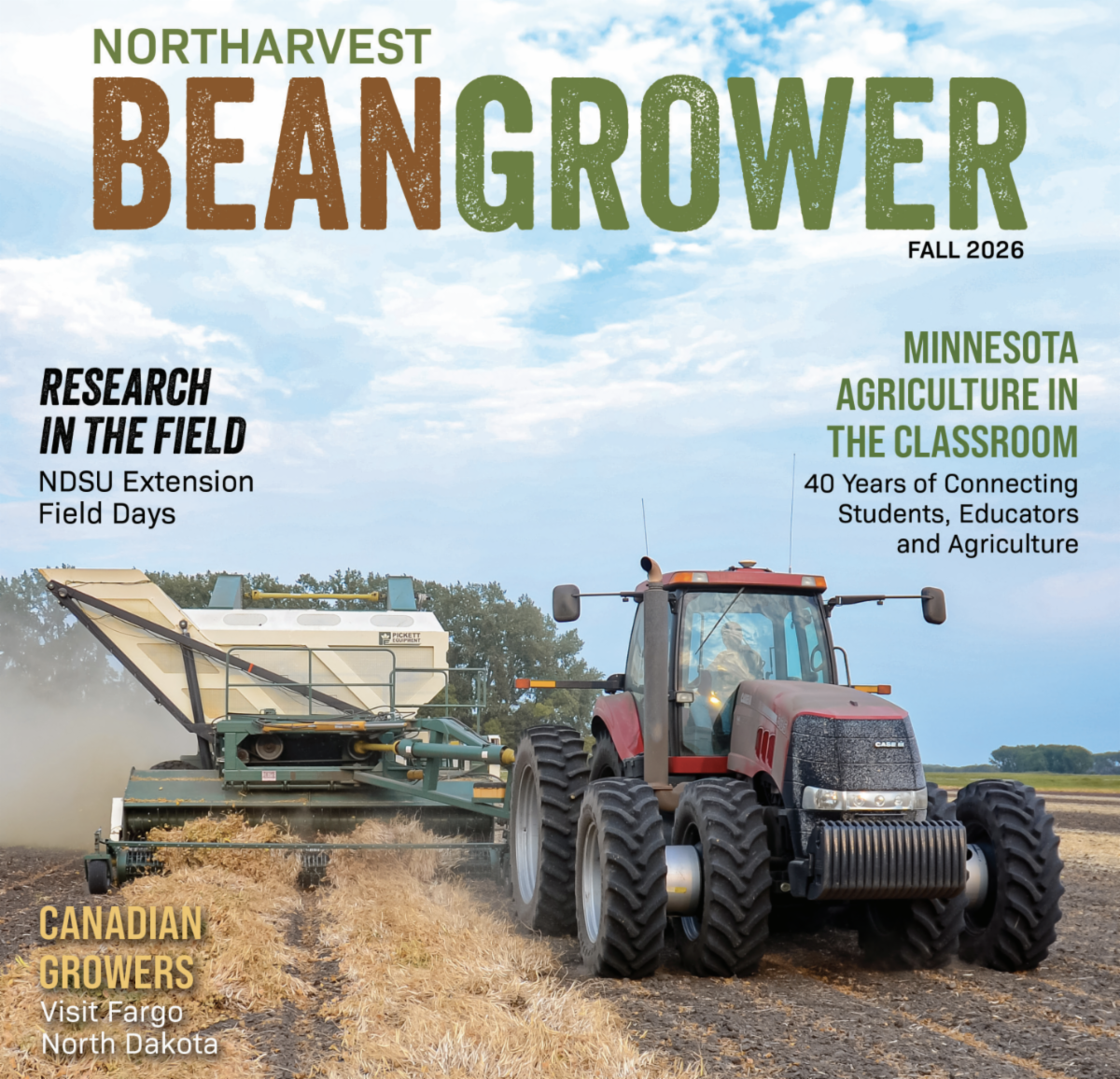
Fall 2026 Northarvest BeanGrower Publication Released
The latest Northarvest BeanGrower is now available to read! In the Fall 2026 publication, you will find lots of updates and information, including:
- Minnesota Agriculture in the Classroom celebrates 40 years
- A summary of NDSU Extension Field Days
- Insights into the benefits gained by partnering with USA Pulses
- And much more!
Click on the link below to view the PDF.
| | | Northarvest Invited to Roundtable Discussion on Regenerative Agriculture | |
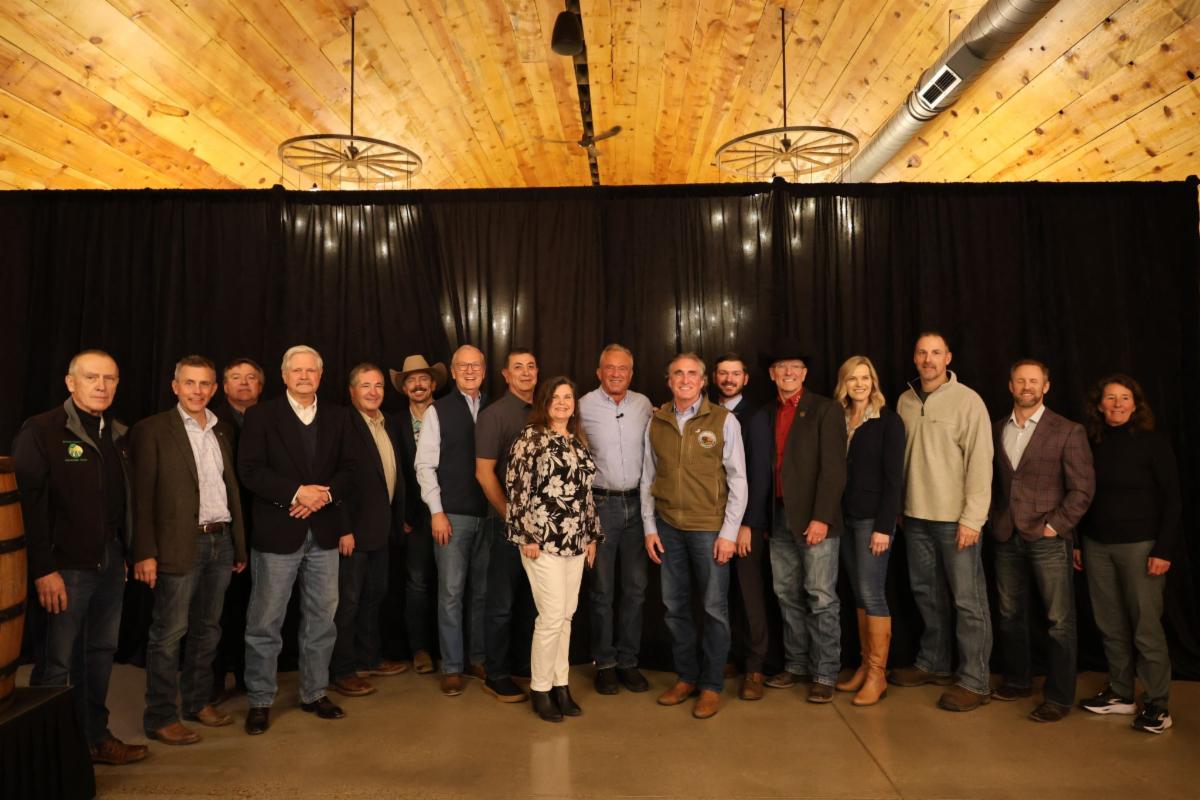
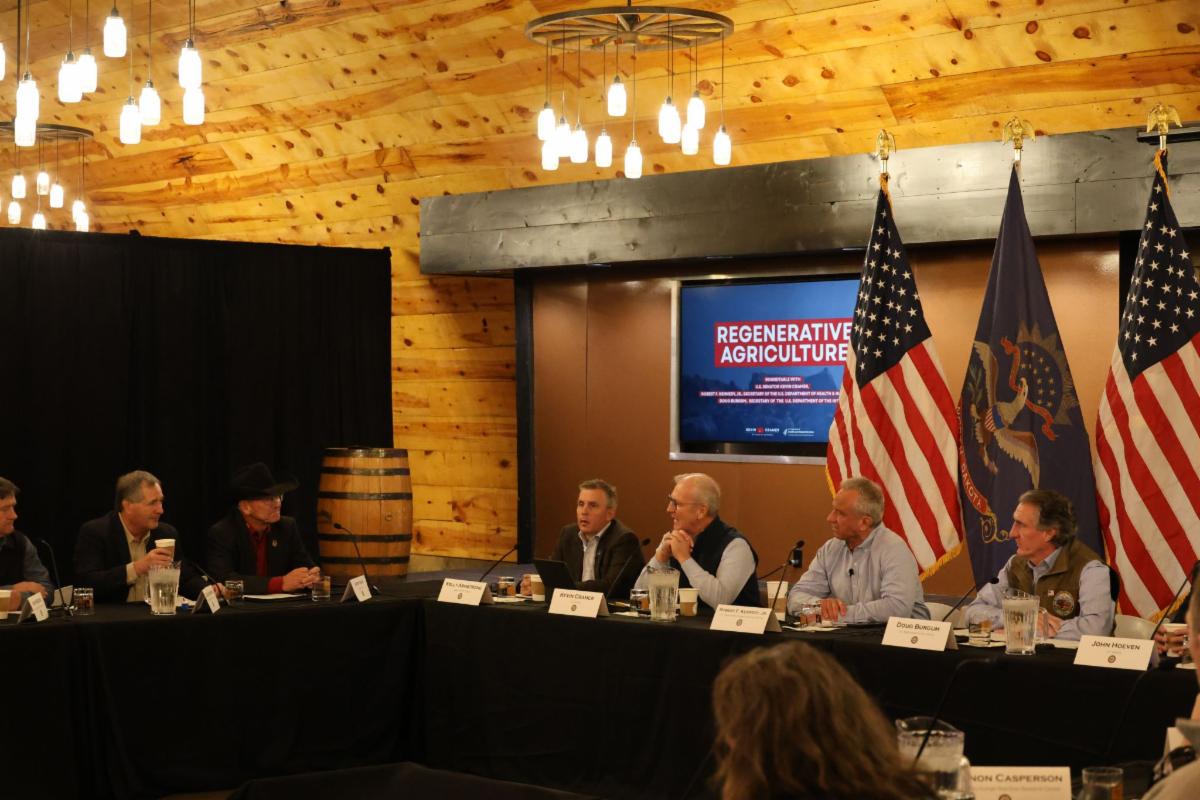
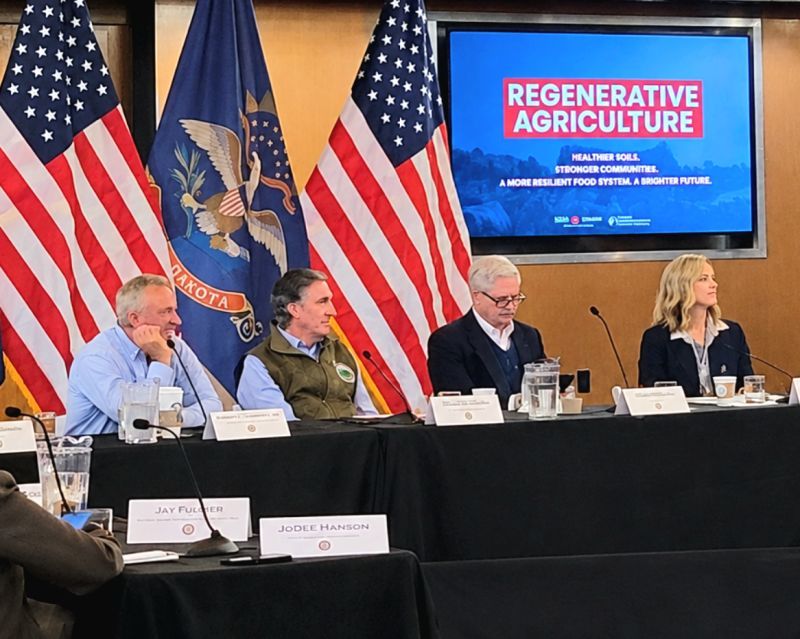
It was an honor for the Northarvest Bean Growers Association President Tony Richards to be invited for the roundtable discussion on regenerative agriculture pilot program in North Dakota. It was held at the historic Black Leg Ranch with proprietor's Jerry and Renae Doan.
An all-star attendance was organized by Senator Kevin Cramer, including U.S. Secretary of Health and Human Services John F. Kennedy, U.S. Secretary of Interior and Past North Dakota Governor Doug Burgum, Senator Kevin Cramer, Senator John Hoeven, Representative Julie Fedorchak, Governor Kelly Armstrong, Agriculture Commissioner Doug Goehring, and countless dignitaries. What a great event!
Northarvest Bean Growers Association would like to sincerely thank Senator Kevin Cramer and his staff for the opportunity to attend this roundtable discussion about regenerative agriculture and the North Dakota regenerative agriculture pilot program with ND NRCS with esteemed Secretary of Health and Human Services John F. Kennedy and Secretary of the Interior and past Governor of North Dakota Doug Burgum.
➡️ You can read more here.
|
|
Save the Date: International Sugarbeet & Dry Bean Expo Coming Up in January 2027!
The International Sugarbeet and Dry Bean Expo (ISDBE) will take place in just a couple months at FargoDome in Fargo, North Dakota. Mark your calendars for January 13th & 14th, 2027!
More information will be coming soon - be sure to check our December 2026 e-newsletter for more details.
You can also find more information on the ISDBE website.
|
| |
|
Applications Are Open for NBGA Scholarships!
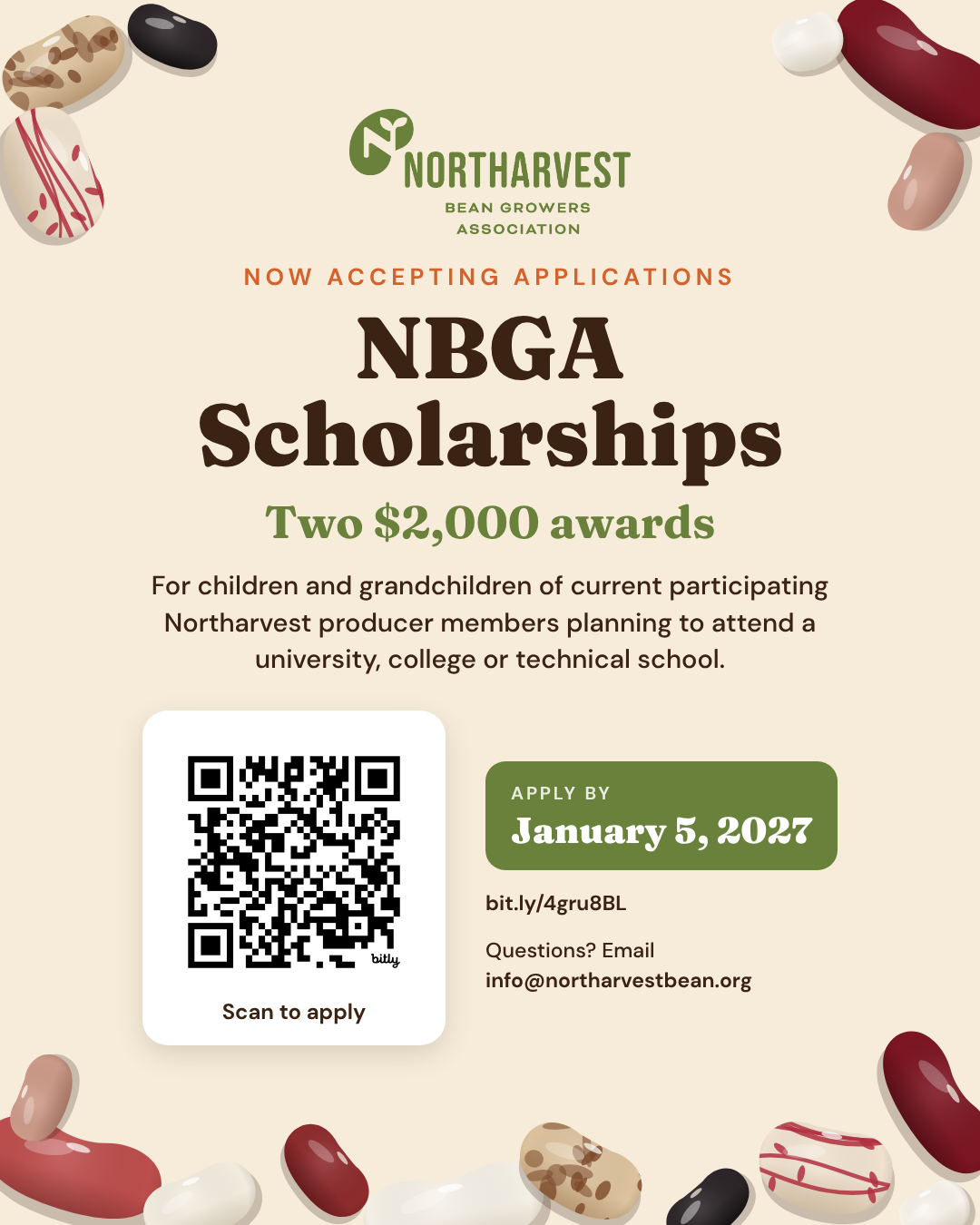
Applications are open through January 5, 2027 for the Northarvest Bean Growers Association scholarships.
Two $2,000 scholarships are available to the children or grandchildren of current participating Northarvest producer members. Applicants must be planning to enroll in a university, college or technical school. Previous recipients of the NBGA scholarship are not eligible.
Along with filling out the application, applicants are asked to fill out a brief questionnaire about their scholastic achievement, leadership, community service and career plans.
Applications also may be requested via email at info@northarvestbean.org or mail at the following address: Northarvest Bean Growers Association, 4844 Rocking Horse Circle S, Suite 2, Fargo, ND 58104.
Please scan the QR code below or click here to view the application.
| | |
The Dry Bean Scene is sponsored, in part, by NBGA. Click on the links below to listen to the most recent episodes.
-
➡️ November 9, 2026: Hope, North Dakota farmer and NBGA President Tony Richards recaps this year's difficult growing season.
-
➡️ November 2, 2026: Grand Forks area farmer Chris Adams, recaps the 2026 dry bean crop and market.
-
➡️ October 26, 2026: NDSU Extension dry dean breeder Dr. Juan Osorno offers an update on dry bean yields.
-
➡️ October 16, 2026: Leeds, North Dakota grower and NBGA Past President Eric Jorgenson says most of the edible beans have been harvested. “The crop was average, I would say.” The weed pressure has been the biggest challenge for Jorgenson.
| | |
November is all about gathering around the table, and beans of course fit right in! They show up in a warm bowl of soup after a cold day, in a new way to use up holiday leftovers, and even in mouth-watering desserts. Beans add protein and fiber to the menu, and thanks to their versatility, they can also be a great way to add a pop of color and textural variety to a meal. There are so many reasons to be thankful for beans!
Looking for some delicious, bean-forward recipe inspiration? Check out the recipes and photos below, all from the Bean Institute website.
| | |
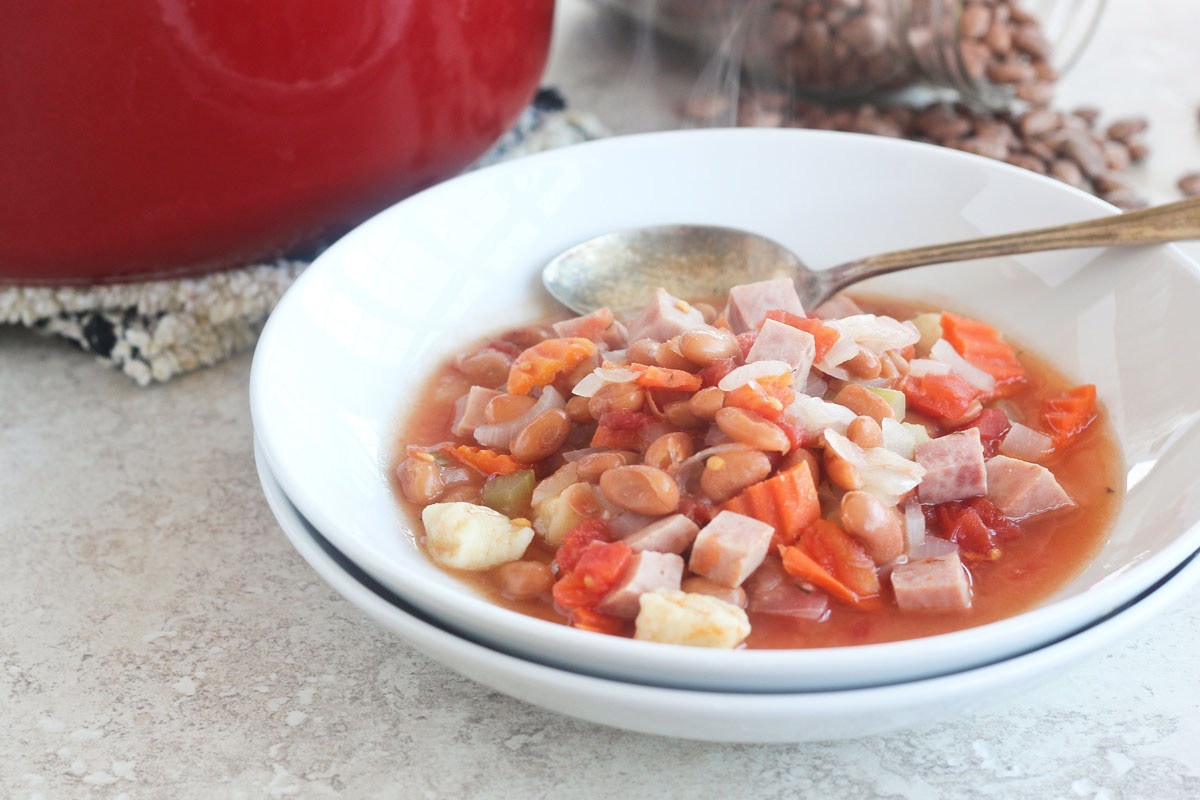
Jeanette’s Bean and Knoephla Soup
This hearty soup combines pinto or Great Northern beans (or both!) with ham and knoephla, the little homemade dumplings that are a Northern Plains favorite. This soup is a great way to use a leftover holiday ham bone or broth.
➡️ Find the recipe here.
| | |
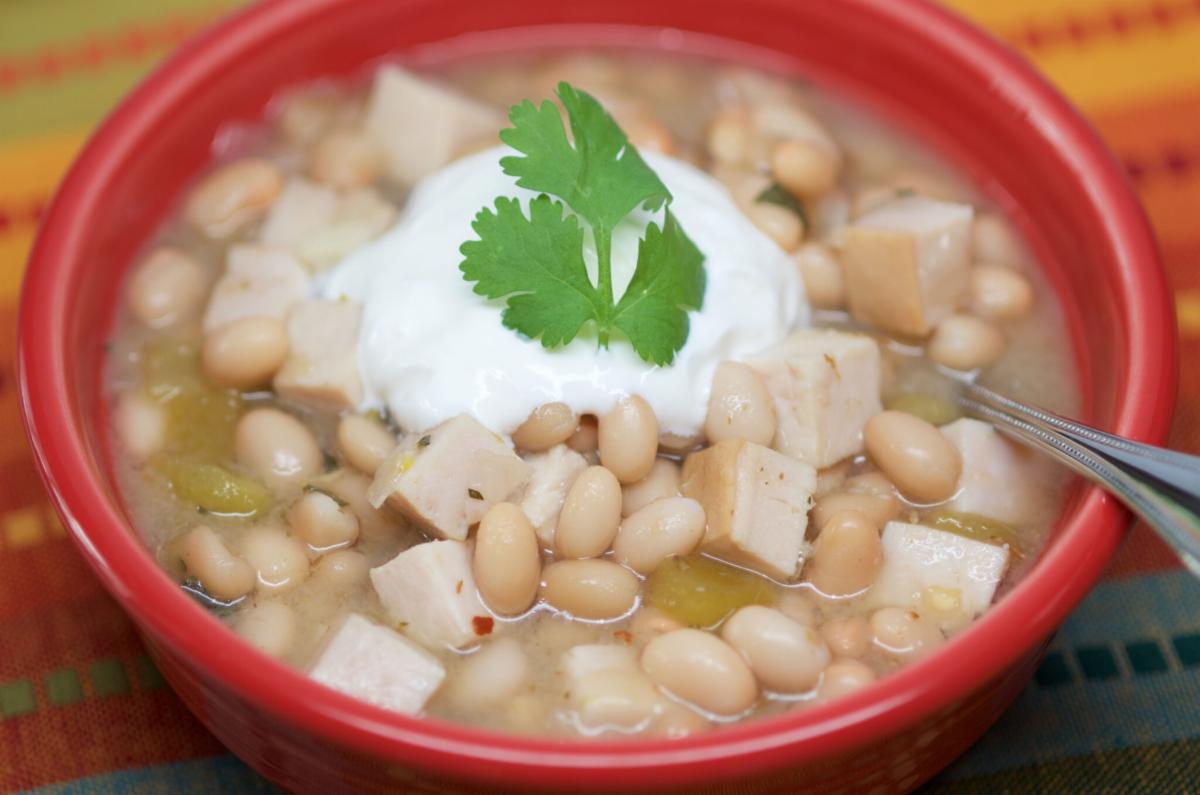
White Bean Turkey Chili
Wondering what to do with all that leftover turkey? This chili pairs roasted turkey with white beans and green chiles, and it’s ready in about 45 minutes. White beans like cannellini, Great Northern, navy beans, or other white beans all work well!
➡️ Find the recipe here.
| | |
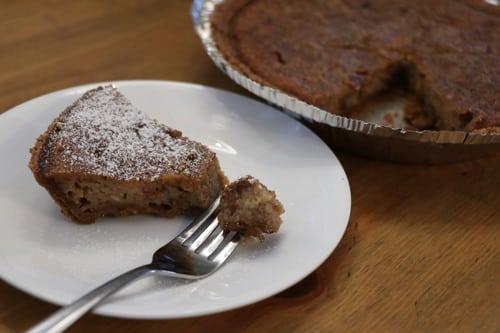
Silky Cranberry Bean Pie
Looking for something new for the dessert table? This pie blends cranberry beans into a smooth, cinnamon-spiced filling baked in a graham cracker crust. Add a dollop of whipped cream and see if your guests can guess that there are beans in this! For bonus points, see if they can guess the type of bean.
➡️ Find the recipe here.
| |
|
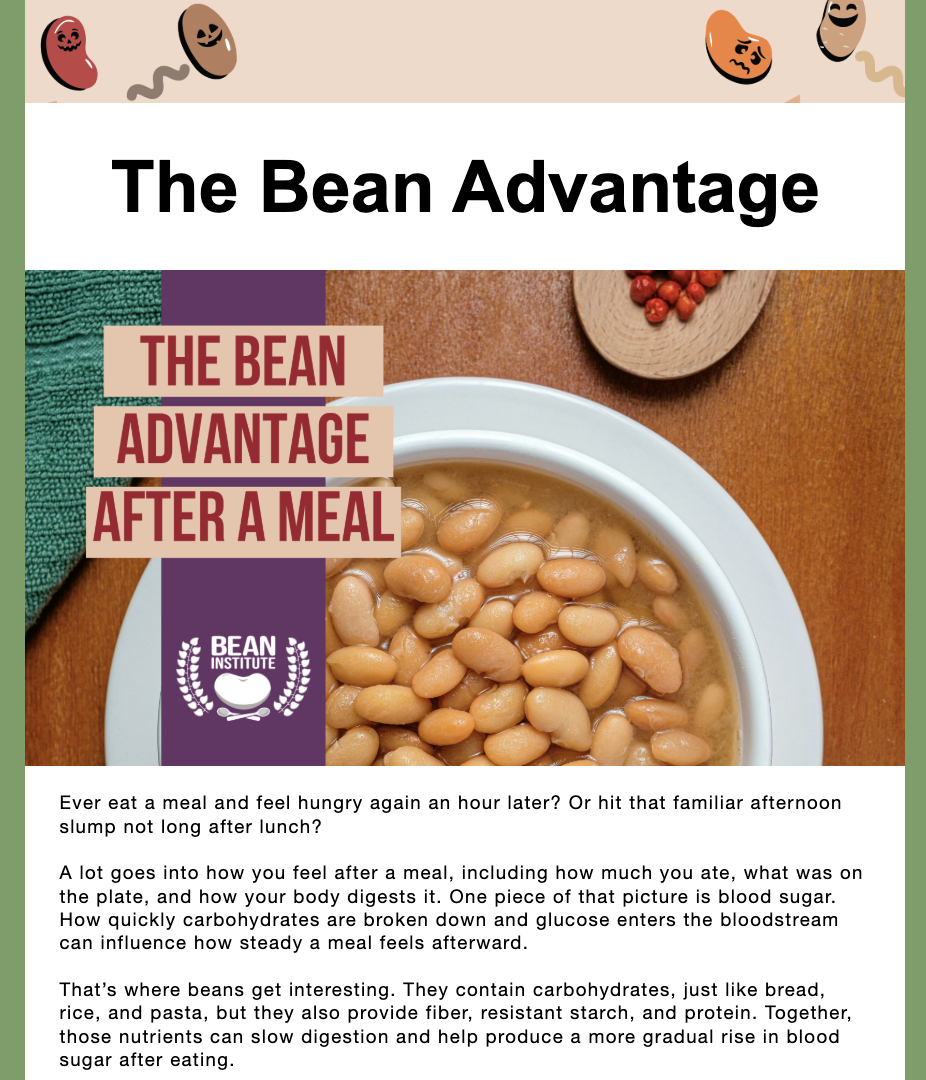
In their October 2026 newsletter, the Bean Institute highlighted how including beans in a meal can help you feel satiated for longer and stabilize blood sugar. Beans "provide fiber, resistant starch, and protein. Together, those nutrients can slow digestion and help produce a more gradual rise in blood sugar after eating."
➡️ Read the full post - The Bean Advantage After a Meal - here. You will find several delicious recipe ideas linked in the post, too!
| | | |
More from the Bean Institute
Are you looking for more helpful and fun bean information and some bean recipe inspiration? Subscribe to the Bean Institute's newsletter: The Bean Bulletin.
➡️ Sign up by clicking here!
| | | |
Did you know you can follow the Bean Institute on Facebook, Instagram, Pinterest, TikTok, and YouTube?
Click the icons below to follow on your favorite platform!
| | Beans Are Good for the Farm, the Market, and the Dinner Table | | |
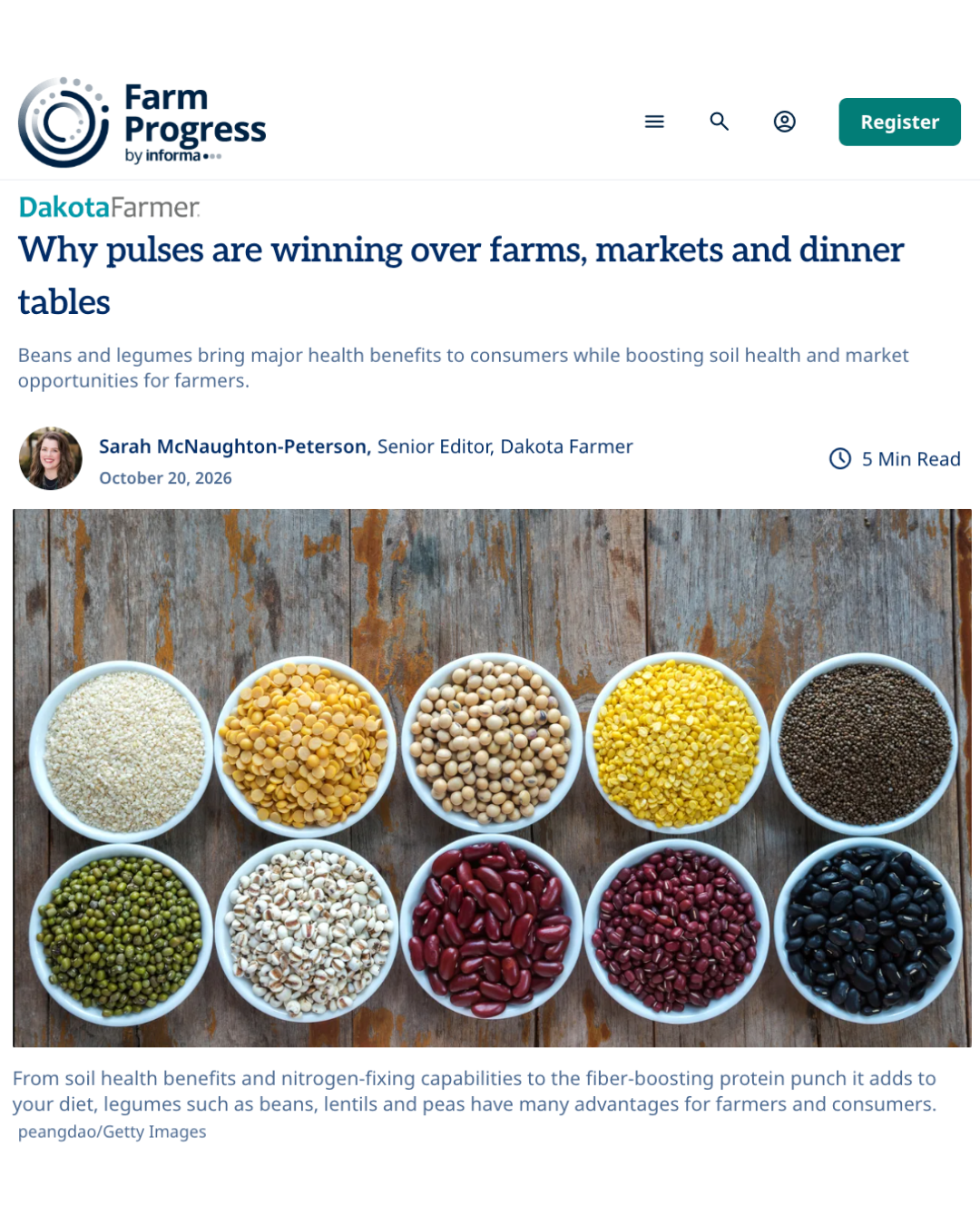
A recent article in Farm Progress highlighted how beans and other pulses (e.g., chickpeas, lentils, dry peas) can offer opportunities for farmers and consumers alike. Sarah McNaughton-Peterson, Senior Editor of Dakota Farmer, wrote the article, Why pulses are winning over farms, markets and dinner tables.
In this month's Bean Nutrition Corner, we highlight some of the key points below. You can read the full article here.
| | |
The article covers a recent webinar hosted by the Northern Crops Institute, where Dr. Chelsea Didinger, founder of A Legume a Day, shared why pulses deserve more attention. Didinger detailed how pulses play a critical role across the food system, providing benefits that start in the field and carry all the way to the dinner table.
Benefits of Pulses on the Farm
Pulses can help farmers in several ways, from improving soil health to reducing input costs:
- Natural nitrogen: Pulses convert atmospheric nitrogen and leave it in the soil for the next crop, which reduces the need for nitrogen fertilizer.
- Breaking pest and disease cycles: Including a pulse crop in a farm's crop rotation can help break disease or pest pressure.
- Water efficiency: Pulses are highly water-efficient and need much less water than other crops.
| |
Benefits of Pulses on the Plate
For consumers, the health benefits of pulses are a big draw. Research demonstrates that replacing some refined grains in the average diet - such as white rice - with pulses, can significantly boost nutrition. The swap of more pulses instead of some refined grains increases intake of dietary fiber, magnesium, potassium, iron, folate, copper, and more. Pulses are also naturally cholesterol free and contain almost no fat. Pulses provide an ideal way to boost fiber intake, and they can help stabilize blood sugar levels.
One of the studies cited in the webinar found that adding 1 cup of cooked pulses per day was enough to increase overall diet quality by up to 20%. Even if you do not have a full cup every day, it's important to remember that a little can go a long way! Adding even a little bit more of beans or other pulses to our diets can bring powerful nutritional benefits. Plus, the good news is that it is easy and delicious to add pulses to our regular eating patterns! They can be included in soups, salads, sides, main dishes, desserts, and more.
| |
The Market Potential of Pulses
New markets are helping expand opportunities for pulses produced in the Northern Plains. For instance, interest in plant-based protein and new small-pack pulse products is opening new market opportunities. Another key consideration is pet food. Pet food is a booming market for pulses, which can add protein and fiber without potential allergen concerns associated with wheat, corn, or soy.
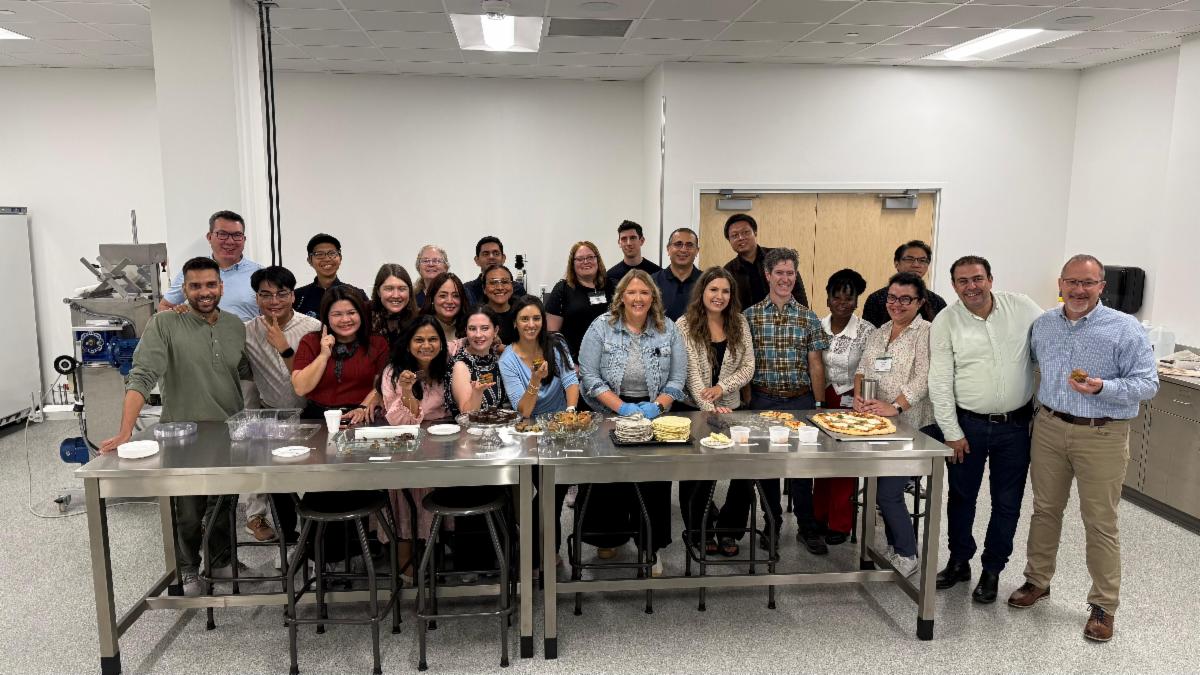
The article explains that currently about 50% of U.S. pulses stay in the country for processing, and the other 50% are typically exported. The Northern Crops Institute (NCI), located on NDSU campus in Fargo, North Dakota, works to expand domestic and international markets for northern-grown crops. NCI hosts courses for food industry professionals from around the world, exploring new ways to use dry beans and other pulses in food products. These programs help develop new products, influence ingredient choices, and bring food companies, buyers, and international customers directly to the region where the crops are grown.
| Northarvest participates in a recent NCI dry bean and pulse course | |
The Takeaway
Overall, pulses like beans provide diverse benefits for both public and environmental health, and there are numerous marketing opportunities for these crops. Pulses help farmers build healthier soil, use less water and fertilizer, and diversify their rotations. They also give consumers an easy, affordable, and delicious way to eat more nutritiously.
➡️ Read the full article here.
| | |
St. Paul RO: RMA Reminds Producers of Important Crop Insurance Deadlines
(St. Paul, Minn., Oct. 22, 2026) – The U.S. Department of Agriculture (USDA) reminds agricultural producers that the final date to apply for or make changes to their existing crop insurance coverage is quickly approaching for winter planted crops, perennials, shellfish and Pasture, Rangeland, Forage (PRF). Sales closing dates vary by crop and location, but the next major deadlines are Nov. 20, Nov. 30, Dec. 1 and Jan. 31.
Producers are encouraged to visit their crop insurance agent soon to learn specific details for the 2027 crop year. Crop insurance coverage decisions must be made on or before the applicable sales closing date.
The USDA’s Risk Management Agency (RMA) lists sales closing dates in the Actuarial Information Browser, under the “Dates” tab.
Producers can also access the RMA Map Viewer tool to visualize the insurance program date choices for acreage reporting, cancellation, contract change, earliest planting, end of insurance, end of late planting period, final planting, premium billing, production reporting, sales closing, and termination dates, when applicable, per commodity, insurance plan, type and practice. Additionally, producers can access the RMA Information Reporting System tool to specifically identify applicable dates for their operation, using the “Insurance Offer Reports” application.
Crop insurance options include Whole-Farm Revenue Protection and Micro Farm. Whole-Farm Revenue Protection provides a risk management safety net for all commodities on the farm under one insurance policy and is available in all counties nationwide. Micro Farm aims to help direct market and small-scale producers that may sell locally, and this policy simplifies record keeping and covers post-production costs like washing and value-added products.
| | |
North Dakota State University (NDSU) Extension is seeking feedback. They would greatly appreciate your input on what they are doing well, and how they can continue to provide the best service possible to producers. Please share your thoughts by clicking on the survey link below. NDSU Extension thanks you for your time. |
| Below are excerpts from a September 15, 2026 USDA news release. Click the button that follows to view the full press release. | |
USDA Announces 2026 and 2027 Enrollment for Key Price and Revenue Safety Net Programs, Completes First Base Acre Increase in Two Decades
(WASHINGTON, D.C., Sept. 15, 2026) – Agricultural producers can soon begin enrolling in the Agriculture Risk Coverage (ARC) and Price Loss Coverage (PLC) programs, which the U.S. Department of Agriculture (USDA) recently updated to include more than 30 million new base acres. This expansion, the first in 20 years, was made possible by the Working Families Tax Cuts Act and is part of USDA’s efforts to put Farmers First.
Base Allocation Notifications
The opportunity for landowners to review their base allocation summaries and take necessary action ended Aug. 31, 2026. This included correcting inaccurate information, designating subsequent acres or opting out of adding base acres. Landowners did not lose base acres through the base allocation process.
If landowners did not notify FSA of changes, the base allocation summary is considered accurate and complete; however, an across-the-board factor will apply. FSA determined the base allocation percentage reduction using all acreage reported as eligible, and new base acres will automatically be allocated to farms after applying the 3.69% reduction.
Base allocation notifications will be available beginning Sept. 16, 2026. Landowners can access notifications online at fsa.usda.gov/arc-plc using a Login.gov account. Landowners who do not currently have a Login.gov account can contact their FSA county office to obtain their base allocation notification beginning Sept. 16, 2026.
Enrollment Period
Producers can now change their election and enroll in ARC-County (ARC-CO) or PLC, which both provide crop-by-crop protection, or ARC-Individual (ARC-IC), which protects the entire farm. Although election changes for 2026 are optional, producers must enroll through a signed contract each year. Existing multi-year contracts ended in 2025, but producers have the option to sign a new multi-year contract for 2026 through 2031. Producers who opt out of a multi-year contract can enroll for the 2027 crop year starting Nov. 2, 2026, through March 15, 2027.
If producers do not submit their 2026 election by Dec. 11, 2026, their election remains the same as their 2025 election for crops on the farm, and the farm is ineligible for payments for the 2026 program year. Landowners cannot enroll in either program unless they have a share interest in the farm.
| | |
Below are excerpts from a September 29, 2026 USDA press release. Click the button that follows to view the full press release. | |
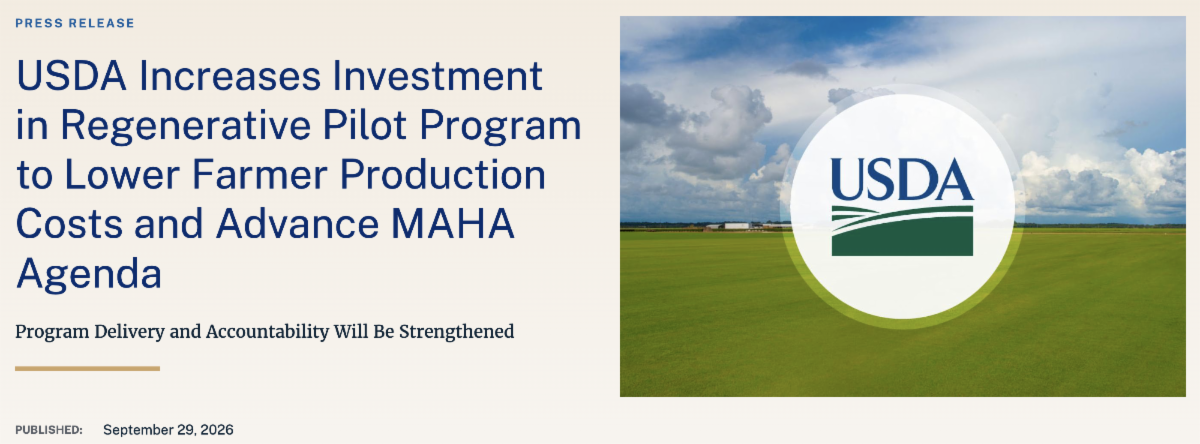
USDA Increases Investment in Regenerative Pilot Program to Lower Farmer Production Costs and Advance MAHA Agenda
(Washington, D.C., September 29, 2026) – The U.S. Department of Agriculture (USDA) announced increased financial assistance for the Regenerative Pilot Program from $700 million to $1 billion in fiscal year 2027, providing more producers with the opportunity to adopt conservation systems that improve soil health, water quality, and long-term farm resilience. Producers can now apply for assistance with regenerative practices.
“Farmers are on the front line of our effort to Make America Healthy Again,” said Health and Human Services Secretary Robert F. Kennedy, Jr. “Under Secretary Rollins’ leadership, USDA is increasing funding for this program to $1 billion to help farmers build soil health, reduce dependence on costly chemical inputs, and adopt regenerative practices.”
Producers can bundle multiple regenerative practices into one application, streamlining the process and increasing flexibility for operations. The program is designed for both beginning and advanced producers, ensuring availability for all farmers ready to take the next step in regenerative agriculture.
|
| |
Free Soybean Cyst Nematode Test Kits!
Soybean cyst nematodes affect more than soybeans.
Want to know if you have soybean cyst nematodes in your dry bean fields? Northarvest Bean Growers Association is funding test kits and instructions. The best time to test your soil is late summer/early fall (before or after harvest) and before the ground freezes.
To request a free test kit, send your name and address to NBGA Finance Director and Education & Sponsorship Committee Staff Lead Jennifer Hansen at jennifer@northarvestbean.org.
You can also read more about soybean cyst nematode (SCN) in dry beans and SCN soil sampling on the NDSU website.
| |
MDA Opens Grant to Help Specialty Crop Growers Prepare for Extreme Weather
Growers may apply for up to $10,000 for equipment and on-farm improvements
September 24, 2026
St. Paul, Minn: The Minnesota Department of Agriculture (MDA) is now accepting applications for the Agricultural Growth, Research, and Innovation (AGRI) Specialty Crop Preparing for Extreme Weather (Prepare) Grant. The program helps specialty crop growers in Minnesota to purchase and install supplies or equipment that make their operations more resilient to drought, flooding, hail, severe storms, and other extreme weather events.
New for fiscal year 2027, the AGRI Prepare Grant will focus solely on specialty crop projects. Previously, livestock-related projects were also eligible. Applicants seeking support for livestock-related improvements should instead apply through the AGRI Livestock Investment Grant, which is accepting applications through 4 p.m. on Tuesday, Nov. 17.
“Right now, nearly half of our state is experiencing drought, and specialty crop growers know how quickly these conditions, hail, or severe storms can undo months of hard work,” said MDA Commissioner Thom Petersen. “This grant helps farmers invest in practical improvements that protect their crops, manage water, and make their operations more resilient for whatever comes next.”
Up to $500,000 is available for the AGRI Prepare Grant. Applicants may request $500 up to $10,000 for their project, and a dollar-for-dollar match is required. Priority will be given to applicants who have farmed for 10 years or less.
Eligible expenses include, but are not limited to, water tanks, wells, pipelines, irrigation equipment, rain barrels, hail netting, and frost protection. Visit the AGRI Prepare Grant webpage for eligibility requirements and application instructions. Applications must be submitted by 4 p.m. on Tuesday, Nov. 17.
Funding for the AGRI Prepare Grant is made available through the MDA’s AGRI Program, which administers grants to farmers, agribusinesses, schools, and more throughout Minnesota to advance the state’s agricultural and renewable energy sectors.
| | |
Do you know someone who would enjoy Northarvest News? Forward to a fellow bean grower, family, and friends so they can sign up and be in the NBGA know, too! |
|
Thank you for reading. NBGA wishes you a good rest of November, and we look forward to sharing more news and updates in December! | | |
|
4844 Rocking Horse Circle S, Suite 2
Fargo, ND 58104 • info@northarvestbean.org
www.northarvestbean.org
| | | | | |