NOVEMBER 2026 NEWSLETTER

November is National Native American Heritage Month

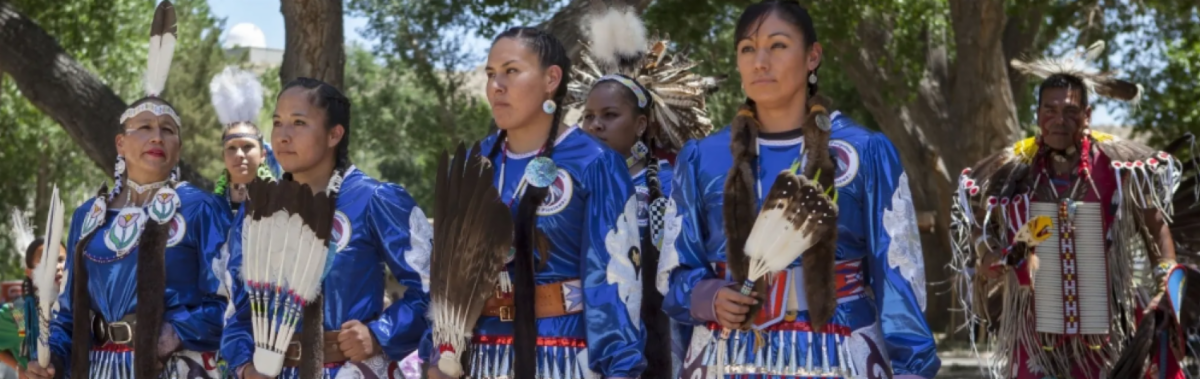
November is National Native American Heritage Month, a time to recognize and celebrate the rich histories, cultures, traditions and contributions of Native American and Alaska Native communities. It is also an opportunity to learn more about tribal nations, their histories, traditions and lasting contributions to our communities.


The South Central Public Health Training Center invites you to explore the resources below to honor Native contributions, expand your understanding of tribal communities and learn more about their important role in advancing public health.

Smithsonian Institution: Native American Heritage Month

In November, celebrate Native American Heritage Month with Smithsonian events, exhibitions and podcasts. Click the "Learn More" button below to explore more.

Research Guides: Indigenous American Artists: Collection Connections: Introduction

This guide highlights the work of Native American and other Indigenous printmakers and photographers from the United States, Canada

and Latin America.

U.S. Department of the Interior Indian Affairs:

Native American Heritage Month

National Native American Heritage Month is celebrated each year in November. This year’s theme, 250 Years and Beyond: Building a culture of service in Indian Country, highlights our shared work to recognize our past, celebrate the present and deliver results for tribal communities.

Hurricane Season Concludes November 30th

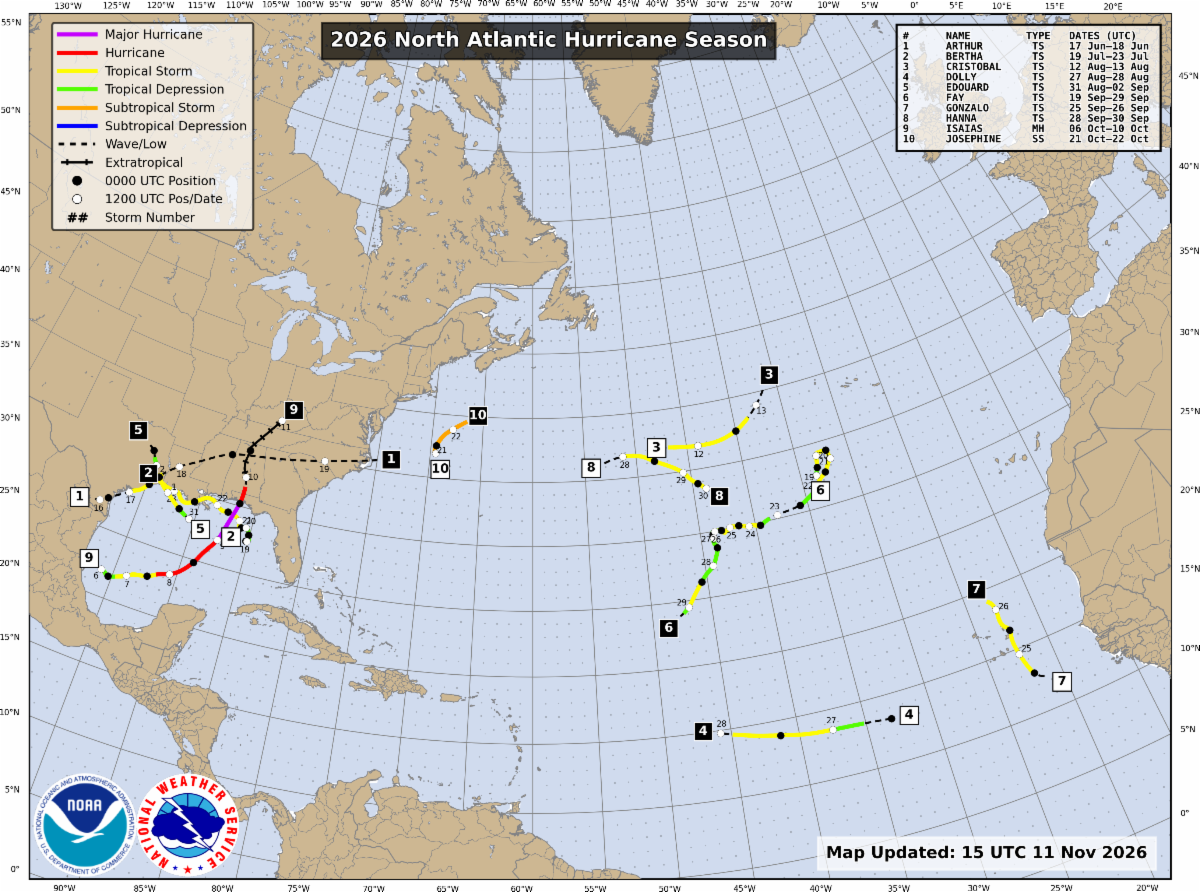
Graphic credit: National Hurricane Center

The 2026 Atlantic hurricane season officially concludes on November 30th. This year’s below-average storm activity was influenced in part by El Niño, a climate pattern that can suppress Atlantic hurricane development by increasing wind shear. However, even during quieter seasons, the threat of tropical weather remains, reminding us that preparedness is essential.


The South Central Public Health Training Center encourages continued investment in community resilience through ongoing weather awareness, public health preparedness and coordinated emergency planning. As we enter the off-season, now is an ideal time to reflect, prepare and strengthen our communities for the seasons ahead. For information on hurricane readiness and emergency planning, explore the CDC’s Hurricane Preparedness Resources.

Thanksgiving Holidays - November 26-27, 2026

The South Central Public Health Training Center and Tulane University will be closed November 26-27, 2026 in observance of Thanksgiving.


During this time, technical support for the Tulane PACE Learning Management System will be limited and response times may be delayed. For assistance, please email trdirect@tulane.edu. Our team will respond promptly after the holiday.


As we celebrate Thanksgiving, we hope you have the chance to pause, reflect and enjoy time with family and friends.


“The more you practice gratitude, the more there is to be grateful for.” — Unknown

Course Spotlight:

How Is This Still A Thing?
Act Now to End the Crisis of Syphilis & Congential Syphilis

Course Description:


How can we work together to stop the growing crisis of syphilis and congenital syphilis in the US?  


This course will help students to work to end syphilis in communities. Syphilis is a curable bacterial infection. Doctors have been able to cure syphilis since the 1940s. The treatment is penicillin, a well-known antibiotic. Today, syphilis in adults and in babies is a growing problem. Many infected people are not receiving treatment. People living in underserved communities are suffering more than other groups. This course will offer information and raise awareness to stop the growing crisis. 


When someone has syphilis, they are also at risk for other diseases. Having two or more related illnesses at the same time can make things even worse, which is sometimes called a syndemic. The information provided here will teach students to understand syphilis and related diseases. It will also explain how to act to stop the crisis.  


Learning Objectives:


  • Understand Syphilis and Congenital Syphilis


  • Describe the Syphilis Syndemic


  • Write a plan to address Syphilis and Congenital Syphilis


Featured Course Bundle:

Environmental Public Health Online Courses (EPHOC)

Course Bundle Description:


Environmental Public Health Online Courses (EPHOC) is a comprehensive package of courses for environmental public health practitioners. The 15 courses are taught by experts in their field and include information on various roles and responsibilities of environmental public health staff. Target audiences include: new-hire environmental public health professionals; individuals preparing for a state or national credential exam; environmental health and other students; and environmental public health professionals wanting to improve their technical knowledge. Additional information about the EPHOC bundle is available here.


Trainings in this course bundle include:


  • E001: General Environmental Health


  • E002: Statutes and Regulations


  • E003: Food Protection


  • E004: Potable Water


  • E005: Wastewater


  • E006: Solid and Hazardous Waste


  • E007: Hazardous Materials


  • E008: Zoonoses, Vectors, Pests and Weeds


  • E009: Radiation Protection


  • E010: Occupational Safety and Health


  • E011: Air Quality and Environmental Noise


  • E012: Housing Sanitation and Safety


  • E013: Institutions and Licensed Establishments


  • E014: Swimming Pools and Recreational Facilities


  • E015: Disaster Sanitation


For more information about the Environmental Public Health Online Courses (EPHOC) bundle, please click the "Learn More" link below.

Looking for more training on a specific topic in public health? Need additional training on a current public health hot topic? We want to help you address these needs.


Please fill out this brief survey. The survey is three questions long and takes fewer than 3 minutes to complete, on average.


We look forward to your feedback!

Follow the South Central Public Health Training Center on social media!

Facebook  X  

Visit the South Central Public Health Training Center website!