|
Dear Octet community,
How quickly the fall months slip by. I know that my perception of time speeding up is not just a psychological one. Daylight is shorter, the days are colder, and the inclination to kick back and relax is less likely.
Just when I feel the acute intensity of time's acceleration, Thanksgiving arrives, offering a moment to reflect on this holiday's past, present, and future significance. I remember my creaturely dependence on God and His endless generosity and goodness. He offers the splendor of His creation, gifts, opportunities, and even Jesus, His Son, so what will He withhold? Even the emotion of thankfulness heals our bodies. In other words, He directs all things toward our flourishing here, now, and for eternity. Who is this God who would go to such lengths on behalf of fallible and weak creatures?
St. Anthony of Padua puts it so beautifully: “He who is the beginning and the end, the ruler of the angels, made himself obedient to human creatures. The Creator of the heavens obeys a carpenter; the God of eternal glory listens to a poor virgin. Has anyone ever witnessed anything comparable to this? Let the philosopher no longer disdain from listening to the common laborer; the wise, to the simple; the educated, to the illiterate; a child of a prince, to a peasant.” May we heed these words and give thanks with renewed life!
| |
| |
Mia Chung-Yee
Executive Director
| |
- Read Nate Otey's essay, "Against Autonomy."
- Watch an interview with Nate Otey, Octet's Director of AI Programs.
-
Join us for our upcoming Diálogos dinners in December, February, and April.
- Registration for Octet's January AI Kickoff Event is still open.
- Join us in December for a collaboration between The Trinity Forum and The Octet Collaborative on Handel's Messiah.
- Sabbath Midweek continues through December 16.
- Registration for Disagreeing Well in January 2027 is now open.
- ...and more!
| | | |
In this month's essay, Nate Otey examines autonomy: what is it, and is it a viable goal for humans navigating a world where AI is becoming a more integrated part of daily life?
You can find Nate's essay below.
| | |
Since May of 2026, the Octet team has expanded!
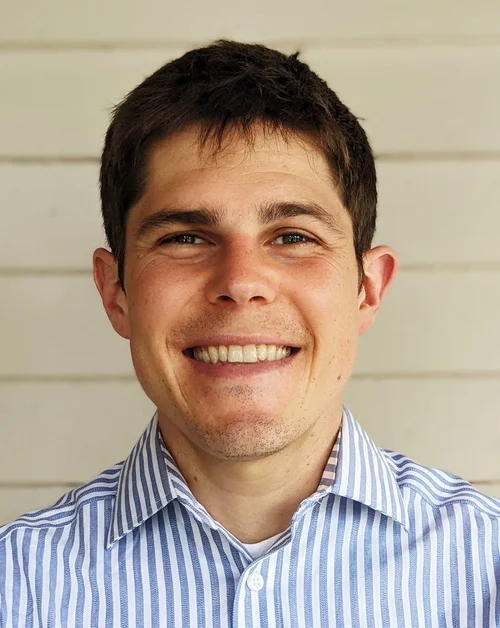
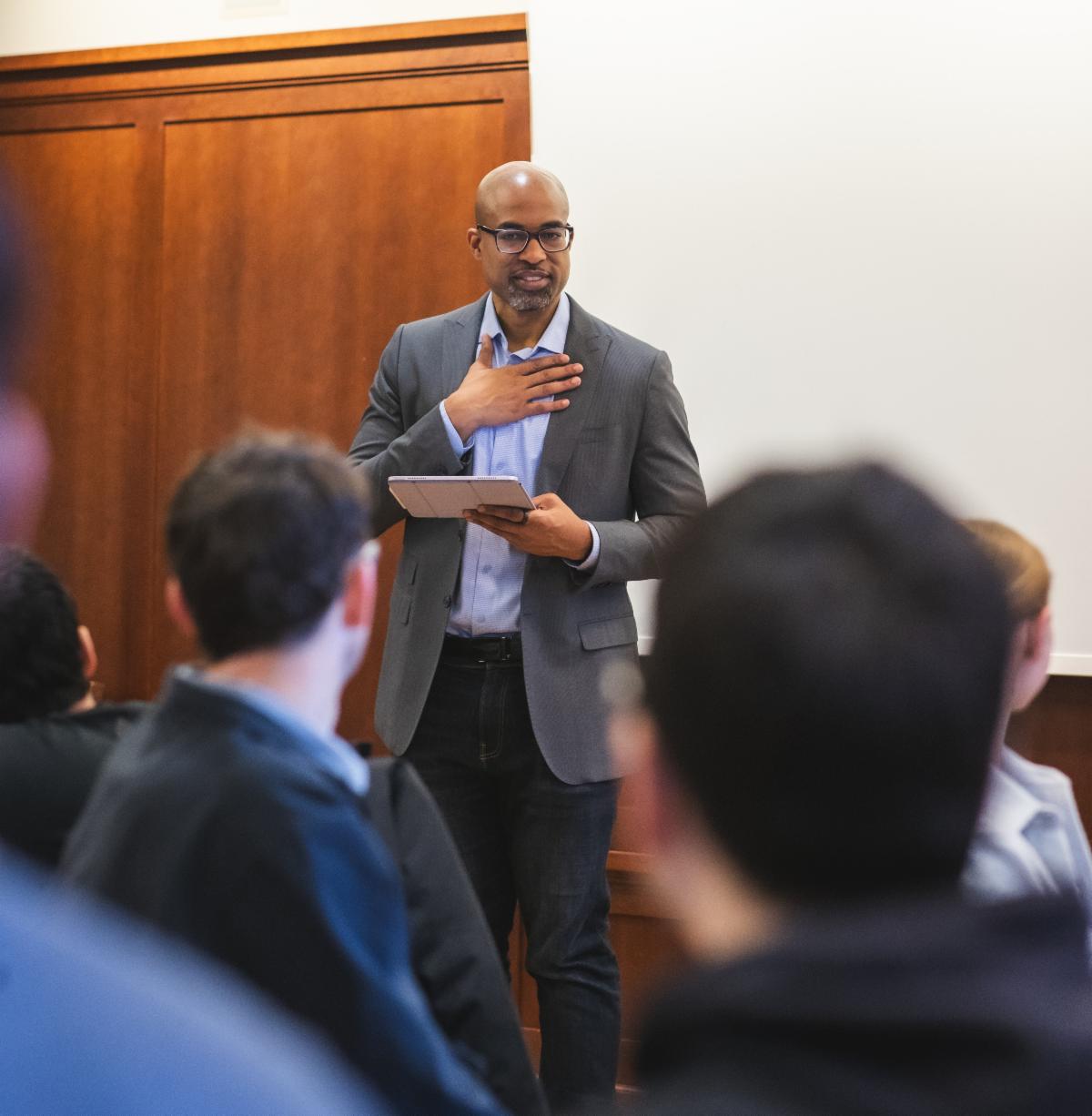
Nathan Barczi interviewed Nate Otey, Octet's new Director of AI Programs. Nate is leading our "Choose To Be Human" initiative, cultivating partnerships at MIT and with schools, ministries, and adjacent organizations, and developing programming to help young people “choose friction” and use discernment in the age of AI.
Nate graduated Harvard College in Philosophy with a Math Secondary. He then served as a Fellow in the Harvard Department of Philosophy for over five years, during which time he co-founded the educational nonprofit Thinker, serving as Chief Operating Officer, among other roles. Nate authored or co-authored many of the core Thinker curriculum and course offerings, including courses for HarvardX, the Harvard Graduate School of Education, and the Law School Admission Council. More recently, Nate taught AP Statistics, AP Calculus, and 9th grade Humanities at Boston Trinity Academy, where he chaired the school's AI committee, writing case studies and lecturing on AI topics. Nate is also a member of Harvard's AI Safety Team and has guest-lectured on AI Ethics for Boston College's Masters in Data Science program. Nate and his wife live with their two daughters in Belmont, MA.
| | |
Can productive people rest?
Tuesday, December 8, 2026
5 PM-8:30 PM
MIT Sloan sociologist Ezra Zuckerman Sivan explores the history of the Sabbath, and why a pattern of regularly resting from work is and has always been countercultural. Can Sabbath rest fit into modern business ethics?
Dr. Zuckerman Sivan holds an MA and a PhD in Sociology from the University of Chicago.
| |
Disability and the built world
Thursday, February 18, 2027
5 PM-8:30 PM
Sara Hendren, Associate Professor of Art + Design and Architecture at Northeastern University, discusses how our buildings, our streets, and our cities are built, and how we, too, are built into that image. What do the interactions between disability, society, and the physical world say about what it means to be human?
Hendren holds an MDes from the Harvard GSD and an MA in Cultural and Intellectual History from UCLA.
| |
What's a degree for?
Monday, April 26, 2027
5 PM-8:30 PM
Peter Q. Blair, Associate Professor of Education at the Harvard GSE, examines the complexities of economics and why we need an understanding of the university that extends beyond a credential factory. Why do we pursue university degrees, career skills, and credentials in preparation for the job market?
Dr. Blair holds a PhD in Applied Economics from the Wharton School at the University of Pennsylvania and an MSc in Theoretical Physics from Harvard University.
| | |
AI Kickoff Event
at the MIT Media Lab
| | |
Saturday, January 16, 2027
8:30 AM-1:30 PM
Octet's "Choose To Be Human" AI Kickoff Event welcomes educators, youth pastors, and parents. We will cover what AI does to young people and how to help them "choose friction." The event is free, and breakfast and lunch are included.
For more information and to register, please visit the registration page on Octet's new AI website at the button below. The last day to register is Sunday, January 10.
| | |
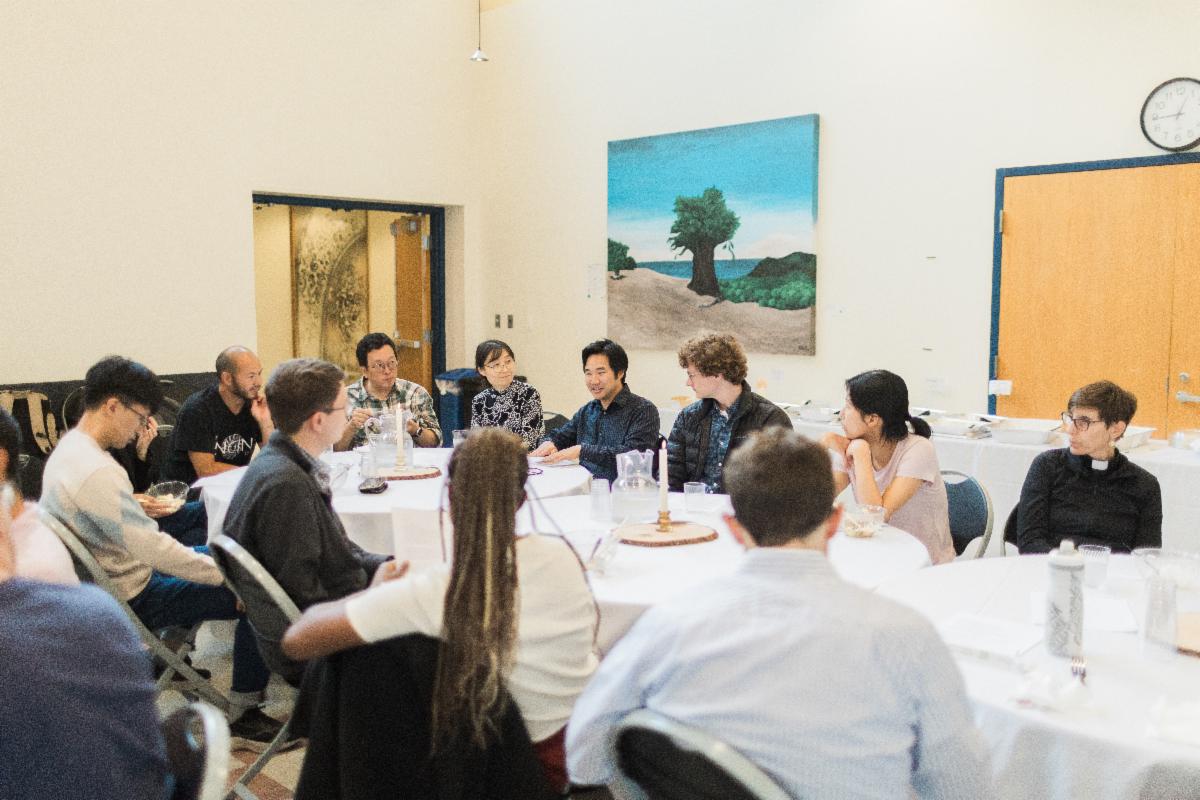
Each week, MIT staff, students, and faculty gather at noon to eat lunch and practice contemplative prayer together. We warmly welcome you to join us each Wednesday during the school year in W11's Main Dining Room.
Want to join us? Fill out this quick form or text JOIN to 833-459-3187.
| | |
Handel's Messiah
Part III:
I Know That My Redeemer Liveth
Friday, December 4, 2026
1:30 PM-2:30 PM
In this event co-hosted by The Trinity Forum and The Octet Collaborative, both Dr. Mia Chung, concert pianist and Trinity Forum Senior Fellow, and maestro Richard Westerfield will shift from surveying salvation history to the glorious hope ahead due to the advent and triumph of Jesus, the Messiah. They will illuminate both the music and the meaning of beautiful passages such as, "O death, where is thy sting?" and "We shall be changed."
Videos from earlier in the series are available below:
Part I - Handel's Messiah: An Exploration
Part II - Handel's Messiah: The Passion and Resurrection
To register for the online event, please click the button below.
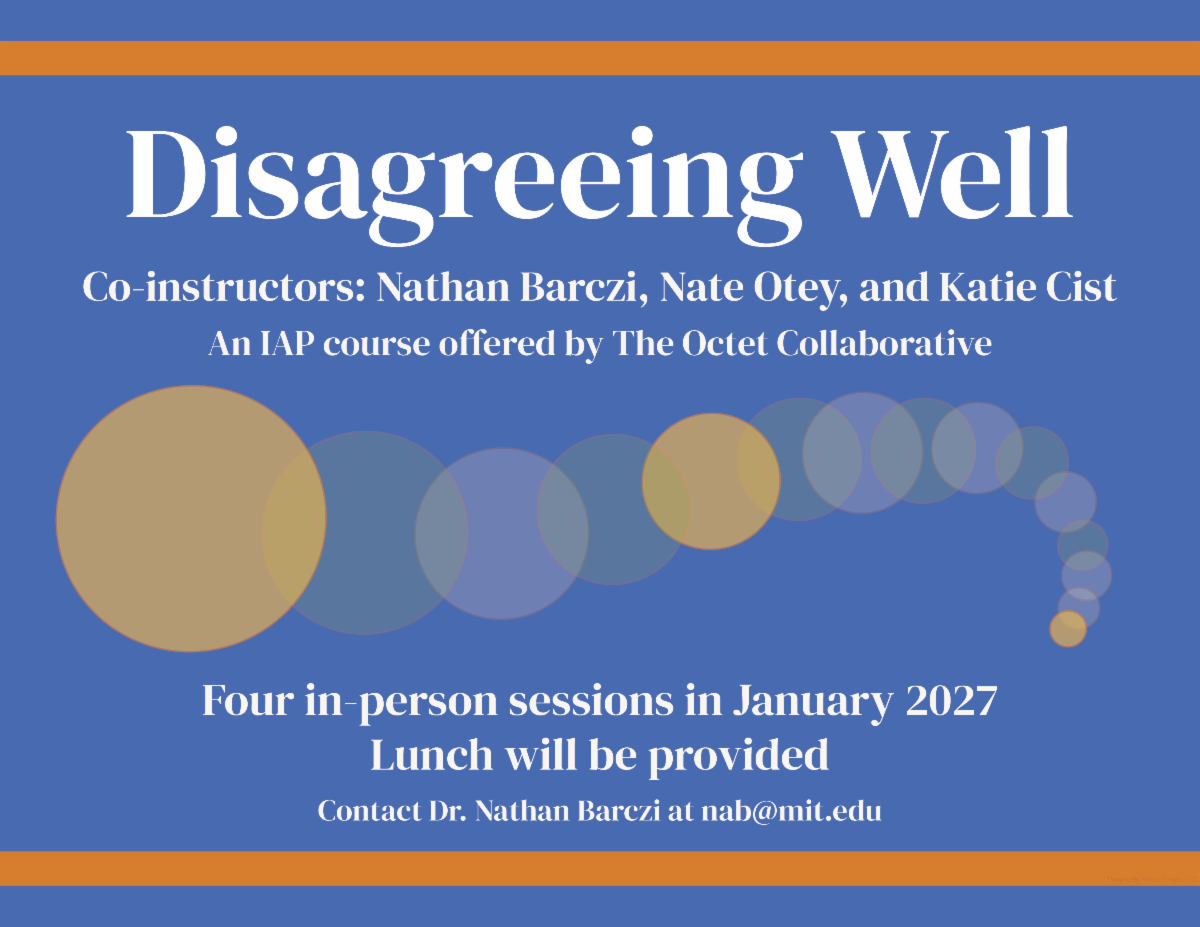
| | Registration for Disagreeing Well is Now Open | | Disagreeing Well, an IAP course offered in January 2027 by The Octet Collaborative, will be taught by Dr. Nathan Barczi, Nate Otey, and Katie Cist. In these polarized times, what does it mean to disagree well? Building on a curriculum developed by the Ideos Institute, this mini-course will equip students with empathic intelligence skills and enable them to pursue meaningful dialogue across difference. | | |
More January 2027 IAP Offerings
from Octet
| | |
How to Find Work and Putting Work in its Place will be taught by Dr. Cullen Buie.
This four-session IAP course will work through how to navigate the big questions of work, meaning, and identity. We will start with the big picture by evaluating several frameworks for building a meaningful life. Then, we will move to the practical work of designing a roadmap for the kind of success you want.
Each week will include lecture and conversation over a catered lunch.
| | |
Awe & Wonder IAP Series: A Pair of Carrara Marble Presentations
Michelangelo's David: Material, Memory, and Meaning
Russ Ramsey & George Wheeler
Thursday, January 21, 2027
2 PM-3:30 PM
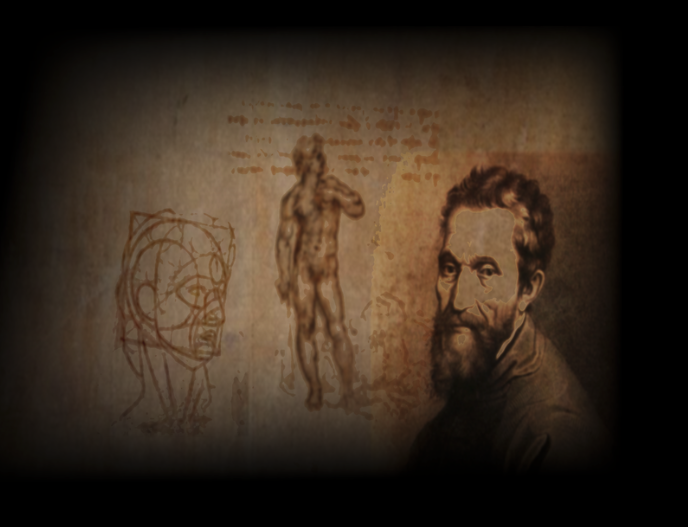
Having been sculpted over 500 years ago, what can Michelangelo's David tell us about what it means to be human? In a 60-minute presentation followed by a 30-minute question and response session, Russ Ramsey and George Wheeler explore this timeless theme through the lens of science and art. Learn more about what it takes to preserve something that has survived for five centuries, and how the material chosen to sculpt Michelangelo's David impacts the story of David. The presentation will also address why the statue's location was changed, what that tells us about this version of David as opposed to others, and the ways the socio-political circumstance in which the piece was sculpted and displayed might contribute to its significance.
| |
Edmonia Lewis: Said in Stone
Dr. Jeffrey Richmond-Moll
Thursday, January 28, 2027
2 PM-3:30 PM
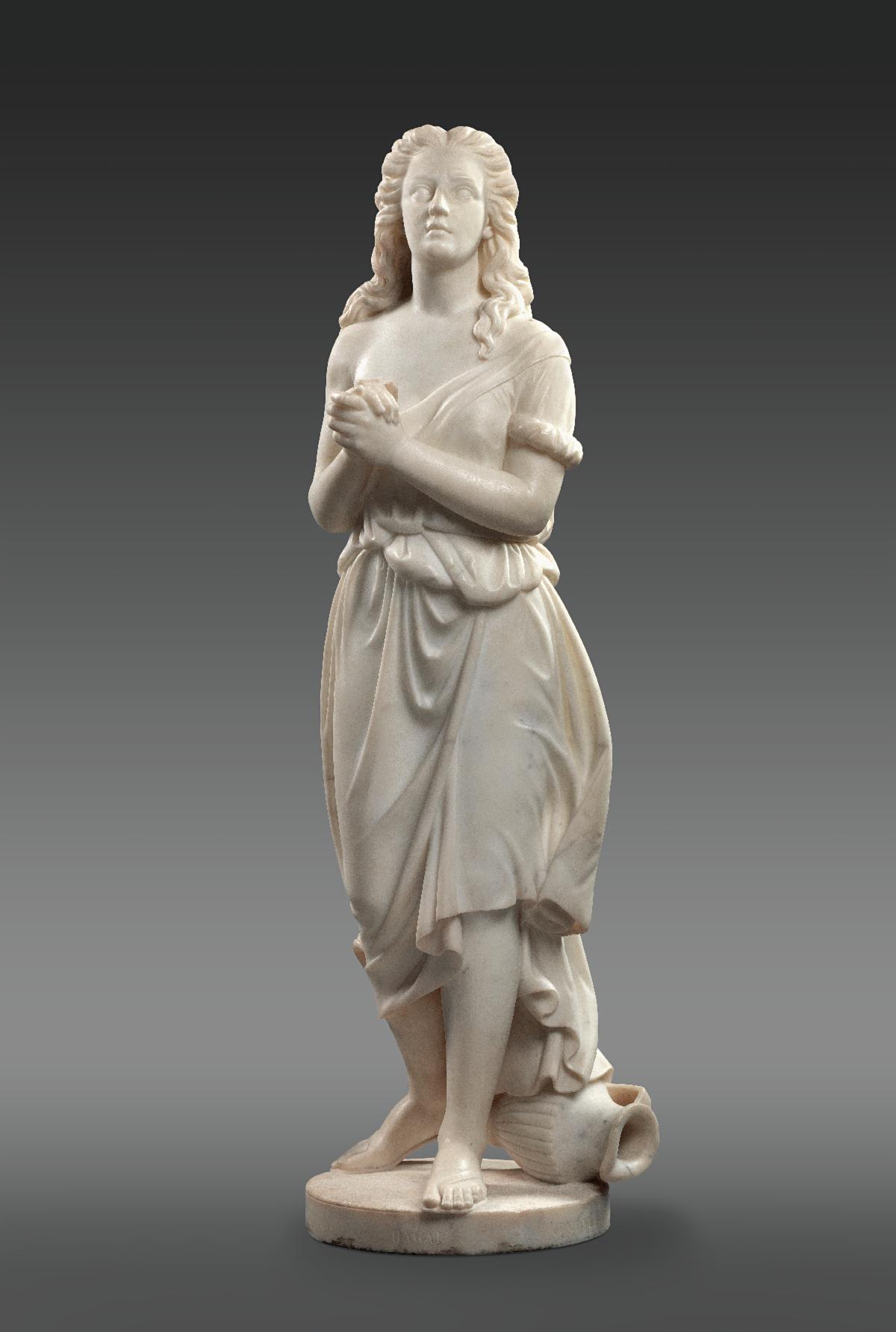
In 1865, Edmonia Lewis left Boston for Rome, where fellow American sculptors enjoyed a rich supply of fine Italian marble. Lewis soon became the first Black and Indigenous woman artist to achieve international fame. Her sculptures depict powerful women, social reformers, and Native figures in a language of resilience and transcendence.
And yet, after her death, Lewis was written out of mainstream histories of American art.
The Peabody Essex Museum's 2026 exhibition, Edmonia Lewis: Said in Stone, brought together sculptures long-separated, and some never before publicly exhibited. The show also featured new research on Lewis's material practice working in Carrara marble in Italy. Lewis's sculptures make known what she said in stone, conveying her hand, her perspective, and her influence.
| |
Consider a Gift to Octet
We're supported by generous individuals and grants. Did you know that you can give to Octet through the MIT Fund? If you're already giving to MIT, we'd love for you to consider designating some of your gifts to Octet. Monthly gifts of any amount are especially helpful. They give us a regular foundation as we reach faculty, staff, and students with gospel-centered practices that promote human flourishing.
| | | | |