|
One of the December national health emphases is hand washing. Nurses and other healthcare professionals know all too well that personal hygiene begins and ends with our hands. We know that clean hands prevent sickness. So, it’s especially important to practice and to teach the basics about hand hygiene so that the people you encounter can become a champion hand washer, too! Let’s examine some handy (see what I did there?) tips and info.
1. Do it right
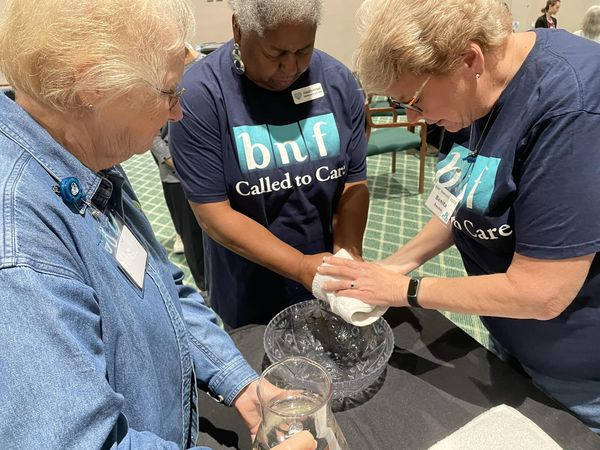
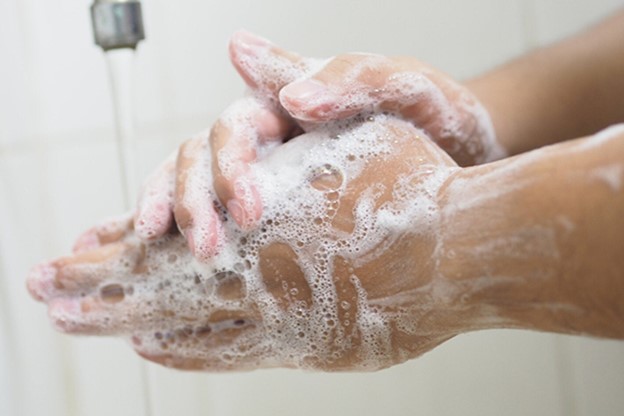
Experts recommend washing your hands with soap and clean water for at least 20 seconds. Be sure to get a good lather going and clean the back of the hands, between the fingers and under the nails. Dry them using a clean towel. There is a lot of science behind these recommendations, so be sure to follow them each time you wash your hands.
2. Memorize the five steps
The Centers for Disease Control and Prevention calls hand washing "a do-it-yourself vaccine" and suggests remembering five easy steps: Wet, lather, scrub, rinse, dry.
3. Learn the Four Principles of Hand Awareness
Endorsed by the American Medical Association and American Academy of Family Physicians, the four principles are: 1) Wash your hands when they are dirty and before eating; 2) Do not cough into hands; 3) Do not sneeze into hands; and 4) Don't put your fingers in your eyes, nose or mouth.
Super Clean Facts about Handwashing
1. Handwashing equals happiness
According to the Centers for Disease Control and Prevention, handwashing can prevent 1 in 3 diarrhea-related illnesses and 1 in 5 infections, including the flu.
2. Beware the twin killers for kids
About 1.4 million children under age 5 die from diarrheal diseases and pneumonia — the two most deadly afflictions for children worldwide.
3. The dirty secret of public restrooms
The CDC also reports that only 31 percent of men and 65 percent of women washed their hands after using a public restroom.
4. Handwash your way to health
Using antibiotics creates antibiotic resistance. Handwashing prevents many sicknesses, so people need less antibiotics. Therefore, less antibiotic resistance.
5. Sneezes are mini hurricanes
A typical human sneeze exits the body at about 200 miles per hour and emits around 40,000 droplets into the air.
Healthy hands are happy hands and happy hands make for happy and healthy homes. Handwashing helps prevent the spread of germs. Think of how many different things we touch during the course of an average day. Now imagine how many of those things were touched by other people's hands. Yuck! Wash your hands to prevent the spread of dangerous microbes. I realize this article is probably “preaching to the choir”, so to speak, be we should remind everybody — especially doctors and those who prepare the food we eat — to take handwashing seriously.
|