Program Fund
Please consider contributing to the Iron and Steel Preservation Program Fund. This fund was established to support projects, research, conferences and scholarships related to the repair, rehabilitation, and restoration of metals. The Lansing Community College Foundation is a nonprofit 501(c)(3) corporation.
Donate Here
|
|
|
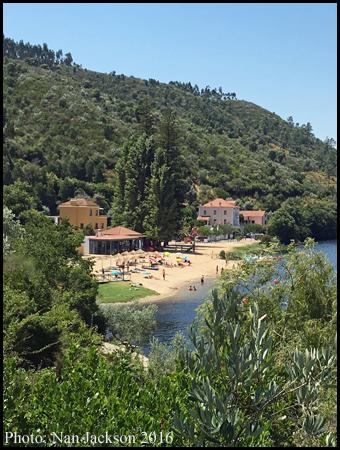
Alamal River Club,
near Belver, Portugal
|
|
|
|
|
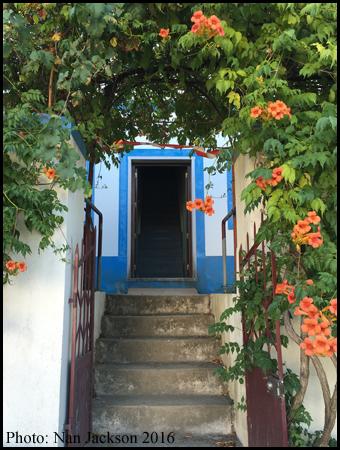
Belver Bridge Project
office entrance
|
|
|
|
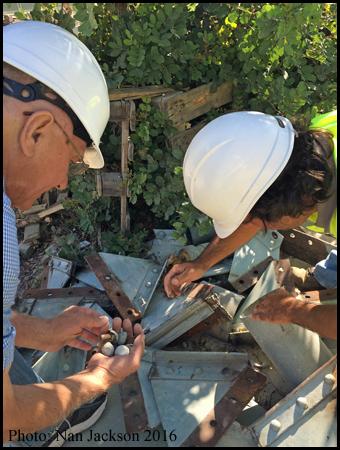
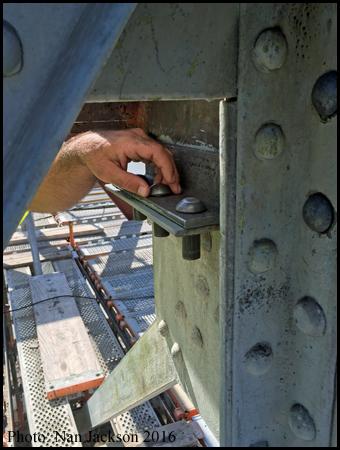
Collecting 1905 rivets
for testing
|
|
|
|
New rivets to replace old
as needed
|
|
|
|
|
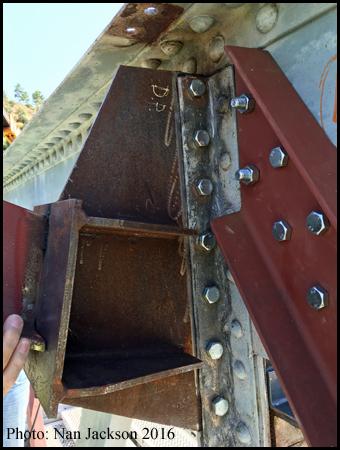
New truss connection prepared for riveting
|
|
|
|
|
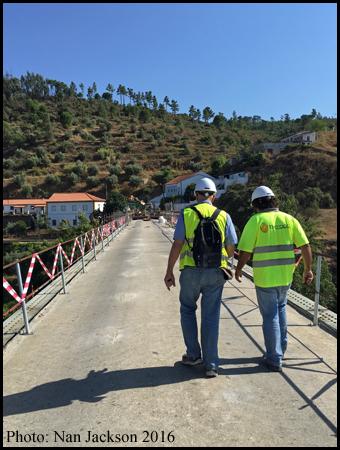
Vern Mesler and Rodrigo Bandeiras on the bridge
|
|
|
|
|
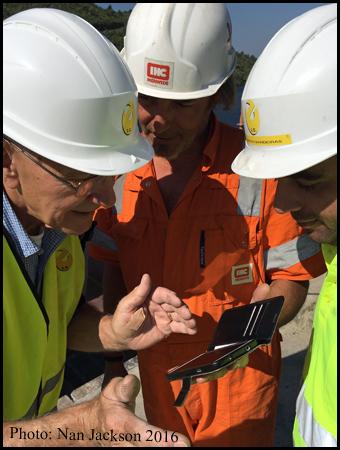
Viewing pictures of steel fabrication
|
|
|
|
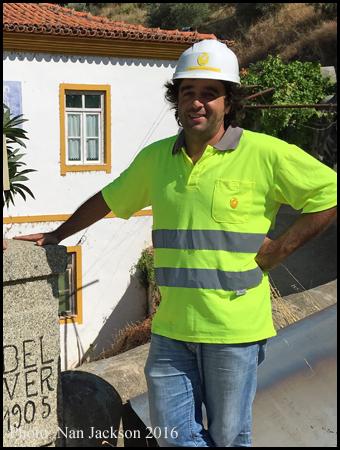
Rodrigo Bandeiras,
Project Manager
|
|
|
|
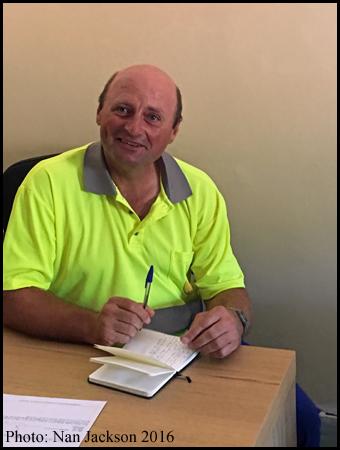
Juan Carlos Fajin Gonzalez,
General Foreman
|
|
|
|
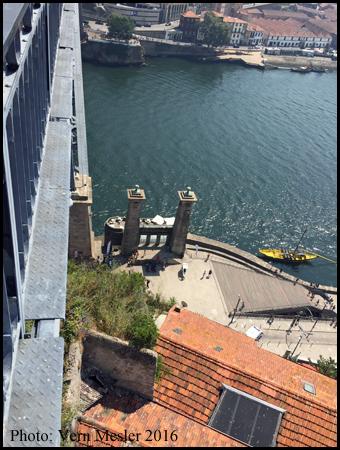
Granite pillars
(center) of an older bridge that once spanned the Rio Douro
|
|
|
|
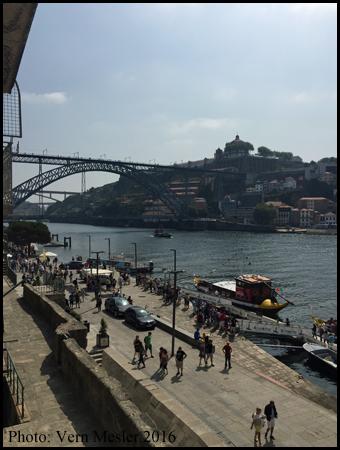
Vila Nova de Gaia, famous for port wine, across the river from Porto
|
|
|
|
|
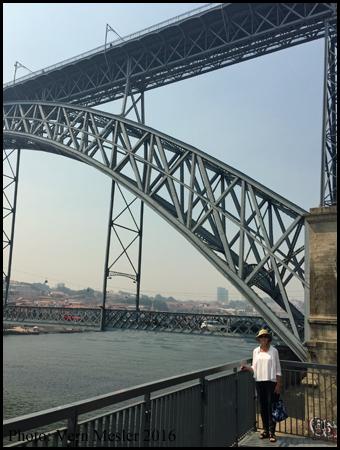
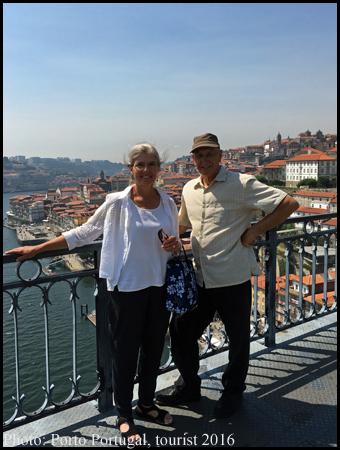
Nan Jackson and Vern Mesler on the top deck of the Dom Luis I Bridge
|
|
|
|
|
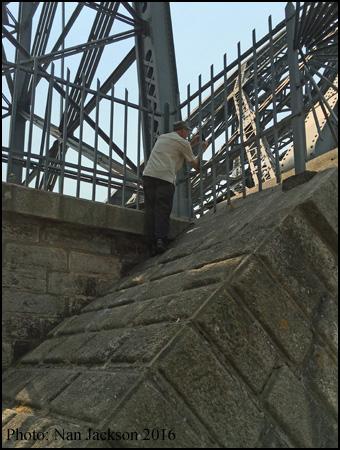
Climbing up
for the best picture
|
|
|
|
|
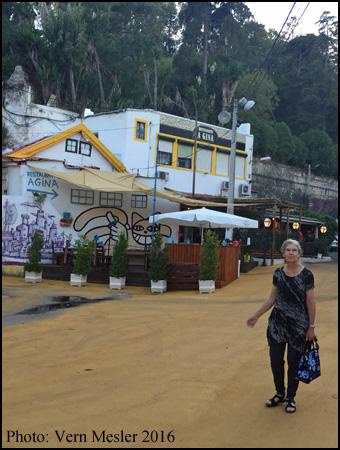
Restaurant A Gina,
Lisbon, Portugal
|
|
|
 |
|

|
Greetings,
Cork, Port, and Bridges -- not a combination one would connect with bridge rehabilitation, riveted connections, and two magnificent riveted nineteenth century bridges with a connection to Gustav Eiffel. It began in 2015 with an email from Rodrigo Bandeiras, project manager for the rehabilitation and strengthening of a metal truss bridge in Belver, Portugal. He wrote to me requesting information about the riveting process. Through emails, videos and Skype I got to know Rodrigo, and as I explored the Belver countryside with Google Maps Street View I became intrigued with both Rodrigo's project and the country of Portugal. In August of this year my wife and I had an opportunity to visit Europe to make a trip to Fafleralp, Switzerland, in memory of my wife's father who passed away recently and was a frequent visitor to the Lotschental Valley and its mountain trails. We decided to follow our time in the Swiss Alps with a visit to Portugal.
With assistance from Classic Travel in Okemos, Michigan, and my wife's travel experience, we had an exceptional trip, visiting Rodrigo's project in Belver, as well as the cities of Porto and Lisbon, and enjoying the Portuguese cuisine.
Vern Mesler
Iron & Steel Preservation Coordinator
Lansing Community College
|
Bridge Rehabilitation Project in Belver, Portugal
|
Don't worry ... I will be waiting for you in arrivals with a paper with your name and my company logo. Have a nice flight and prepare for hot weather!!!
See you
Cumprimentos,
Rodrigo Bandeiras
This text from Rodrigo just before we boarded the Spanish Vueling plane in Zurich, a low-cost airline with little legroom but on-time departure and arrival, was reassuring and made for a relaxed flight to Lisbon. Rodrigo was there as promised and gave us a warm welcome. As we drove out of the terminal, Rodrigo informed us that he was not taking the highway to Belver but chose the back roads to introduce us to the Portuguese countryside. Mountains, valleys, two-lane country roads. And cork trees. Rodrigo explained the harvesting of the cork bark and that Portuguese cork is exported around the world.
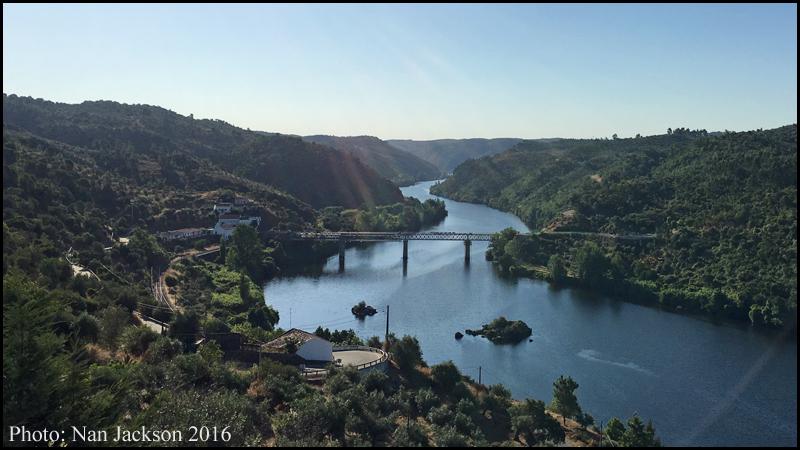
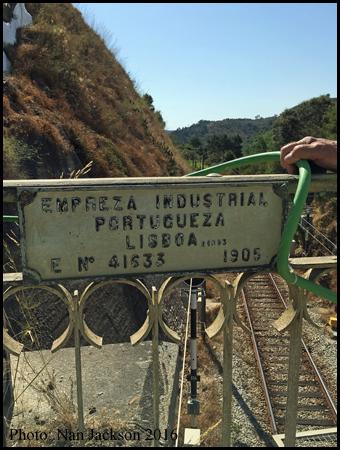
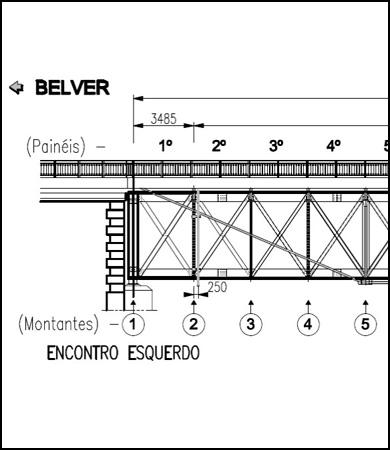
Belver is located about two and a half hours drive northeast of Lisbon, nestled in a rural setting of mountains with the River Tajo flowing through the countryside. Spanning the River Tajo is the Belver Bridge, fabricated in Lisbon in 1905.
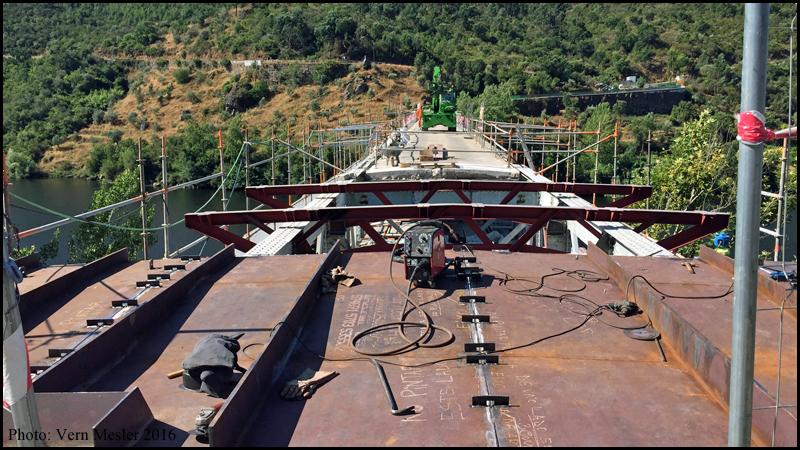
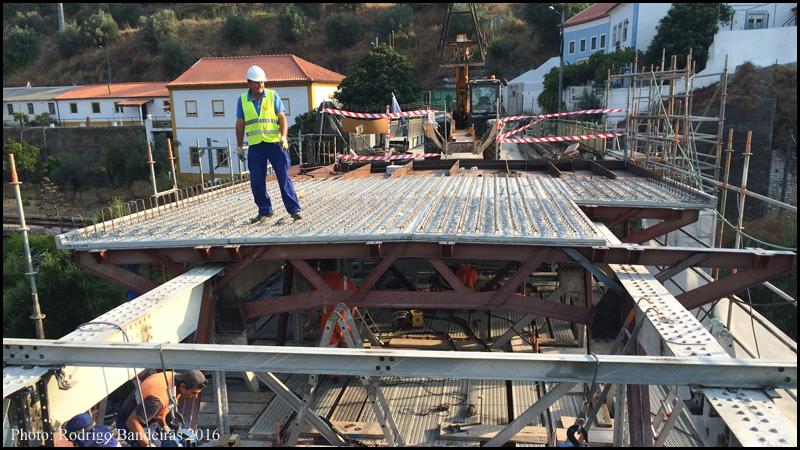
Rehabilitation of the Belver Bridge began earlier in the year with the removal of the original six meter bridge deck to be replaced with eight meter welded trusses to widen the roadway. Also part of the rehabilitation will be the replacement of damaged structural members and the replacement of all existing bolts with rivets
.
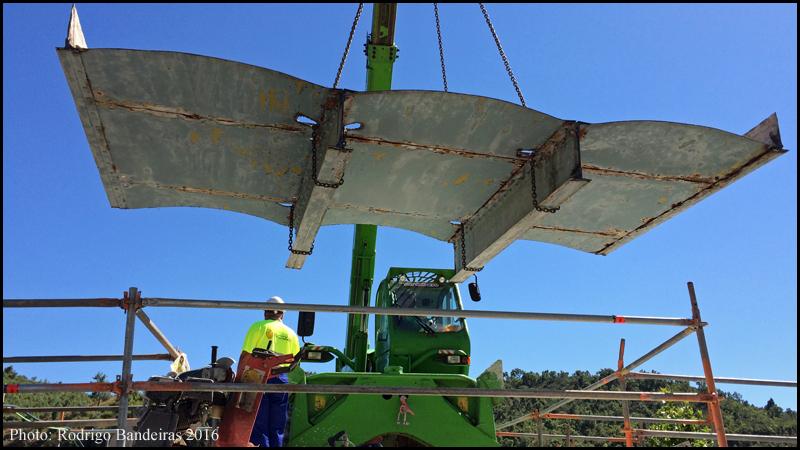
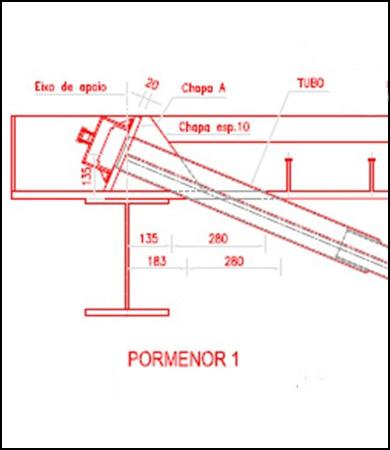
An interesting feature of the rehabilitation is the pre-slab welded steel pans located at each end of the bridge designed to anchor the prestressed cables.
Juan Carlos Fajin Gonzalez, General Foreman, stands on concrete panels (in Portuguese Pre-Lajes, pre-slabs) that act initially as form-work and then together with the poured concrete and steel bars form the bridge deck.
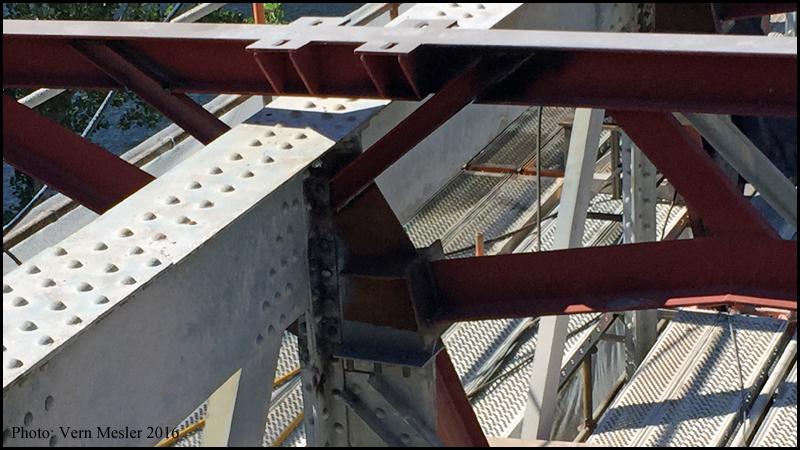
New welded trusses are attached to the original riveted trusses as part of the widening of the bridge in this rehabilitation project. Bolts are used temporarily; the connections will eventually be riveted.
|
|
Our introduction to Portugal began with Rodrigo Bandeiras and our drive through the Portuguese countryside to the worksite where the rehabilitation of the 1905 Belver bridge was underway. Our lodging, arranged by Rodrigo, was at a local tourist summer resort, the Alamal River Club, a pleasant walk to the nearby bridge site along a river trail. Our first impressions through Rodrigo's introduction led us to a deeper appreciation of Portugal and the Portuguese as we later continued our travels to the cities of Porto and Lisbon. W
e especially want to thank Rodrigo and his project General Foreman Fajin for acquainting us not only with the bridge rehabilitation project but also with a sampling of Portuguese cuisine at two local restaurants, O Manel, in the city of Gaviao, and O Bigodes, in the city of Ortiga.
|
|
Dom Luis I Bridge in Porto, Portugal
|
After a relaxed ride aboard Portugal's domestic train from Belver, we arrived at Porto's Sao Bento Station, an impressive nineteenth century building with large ceramic tile panels with vibrant scenes of historic Portugal. Outside was a spectacular scene of great buildings that stretch back centuries, and buses, cars, and motors-bikes that fill the streets. From the train station it was a steep walk down the cobblestoned sidewalk, our destination the Pestana Porto Hotel on the Cais de Ribeira (River Pier). Along the Cais de Ribeira flows the Rio Douro (Golden River) and spanning the Rio Douro is the Dom Luis I Bridge. Bridging from
Porto to the city of
Vila Nova de Gaia the Dom Luis provided a visual experience I will never forget.
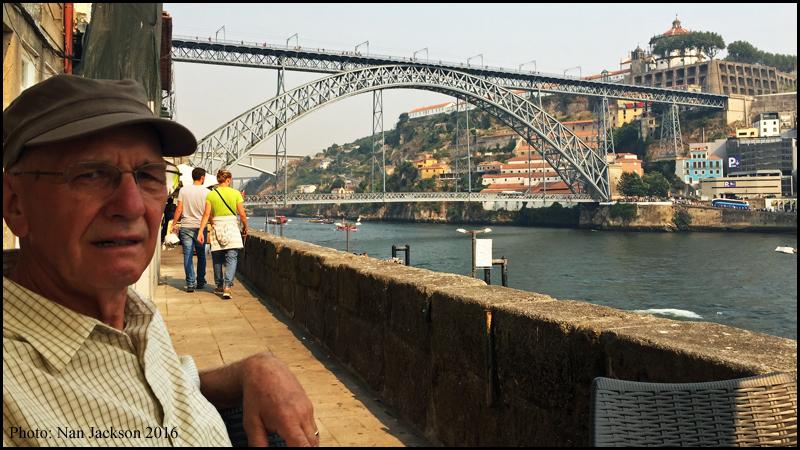
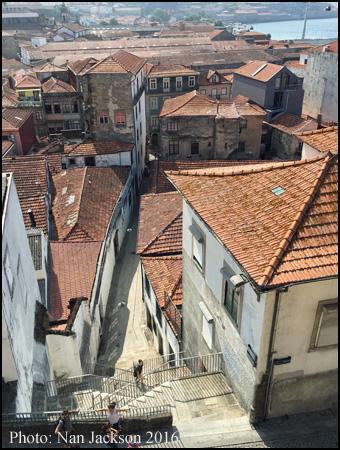
When one travels through Google Maps Street Views there is sometimes an expectation on your part that you've seen it all and your arrival is simply a confirmation of what you have seen on your computer screen. Porto, Portugal, however, can never be experienced without standing on the Cais de Ribeira among the locals and tourists that seem to flow and ebb with the Rio Douro. Cafes and restaurants line the Cais de Ribeira against a centuries old wall.
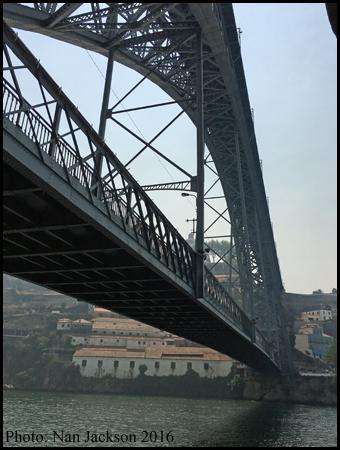
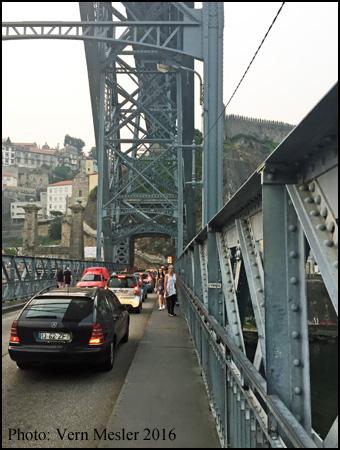
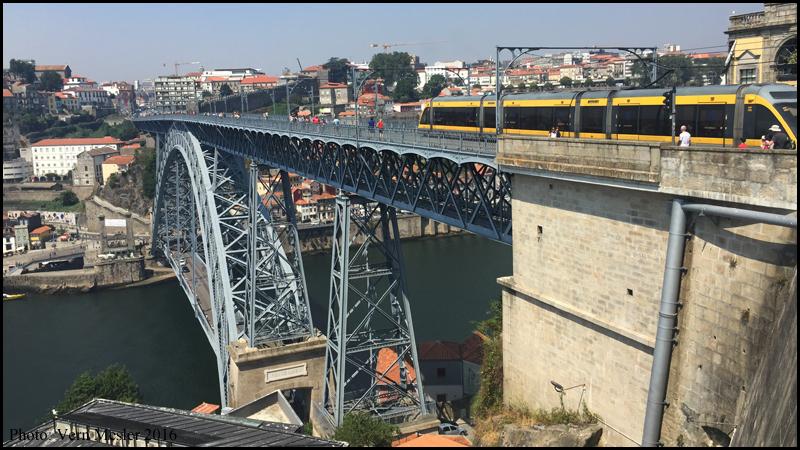
Above it all is this magnificent riveted nineteenth century bridge, the Dom Luis I, spanning the Rio Douro from the Ribeira district of Porto to the city of Vila Nova de Gaia on the other side.
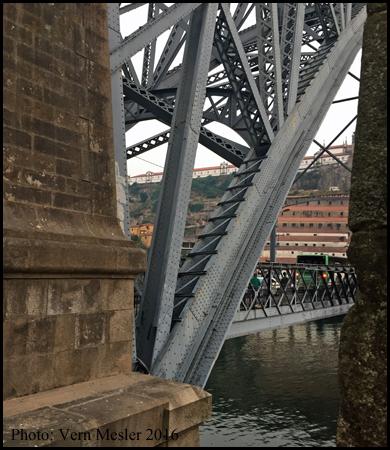
The Dom Luis I Bridge is an arch fabricated with riveted plate and angles, anchored in stone abutments, that rises high above the Rio Douro. The bridge has two levels for transportation. Riveted truss hangers suspended under the arch support a roadway for vehicular and pedestrian traffic. At the crown of the arch the Av da Republica stretches above the steep hillsides of Porto across to the city of Vila Nova de Gaia. Along the Av da Republica runs the Metro do Porto light rail system with a pedestrian walkway. Walking across this upper level, we enjoyed the spectacular views below and were amazed at how little vibration we felt from the trains as they crossed this 19th century riveted bridge.
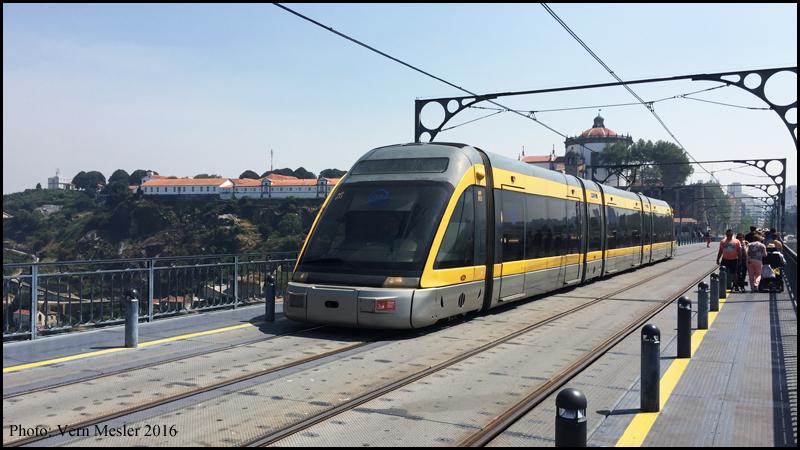
Theophile Seyrig, a French engineer and a student of Gustav Eiffel designed the Dom Luis I. In just a few minutes on the internet you can find the bridge weight, height, length and biographies of the famous engineers who designed both the Dom Luis I and Maria Pia Bridges, but nothing about the craftsmen who fabricated these bridges, the tools they used, and the fabrication techniques that may never have been recorded.
|
Maria Pia Bridge in Porto, Portugal
|
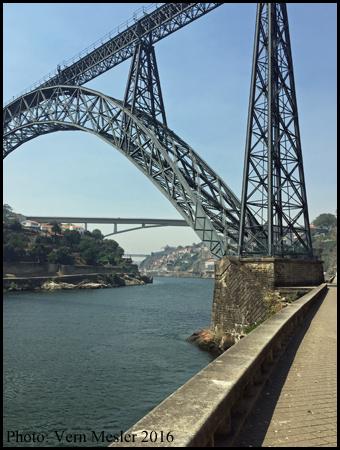
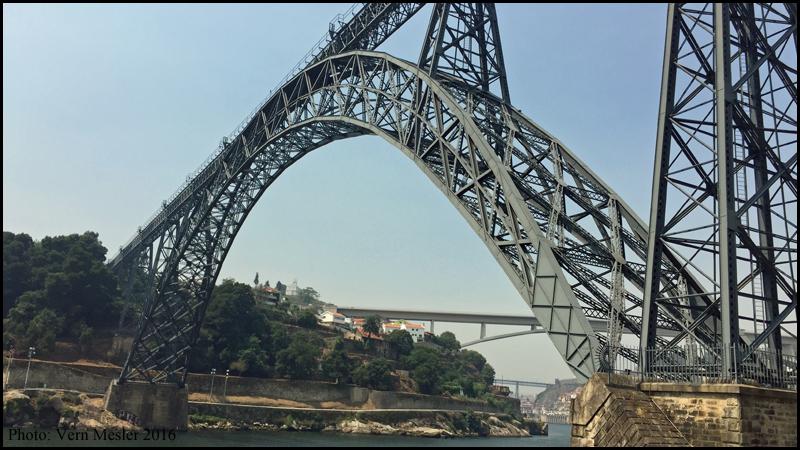
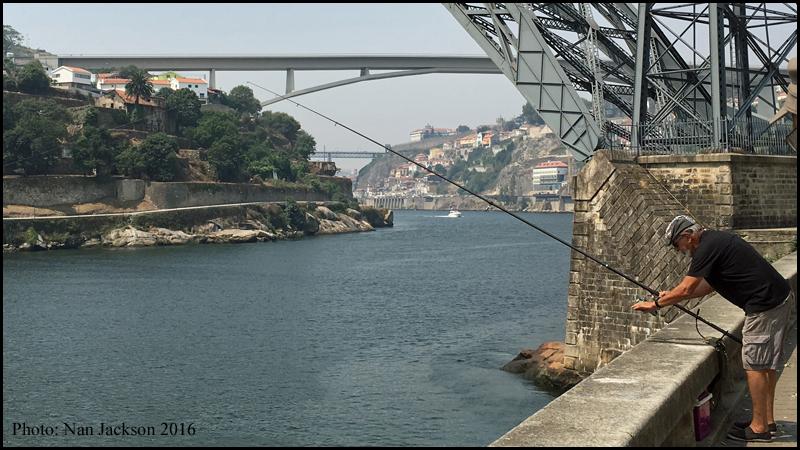
A little further up river is the graceful Maria Pia Bridge. Where the double deck Dom Luis I Bridge with its heavy mass of riveted plate and angles supports two roadways and seems built for hard work, the Maria Pia Bridge has the lines of an artist.
|
|
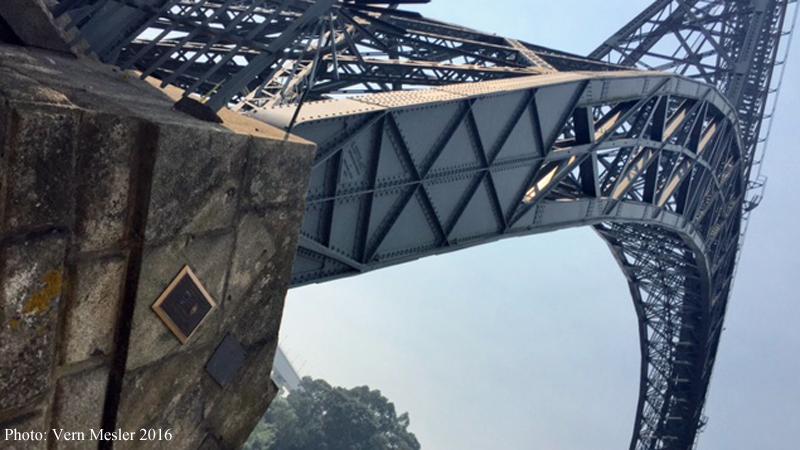
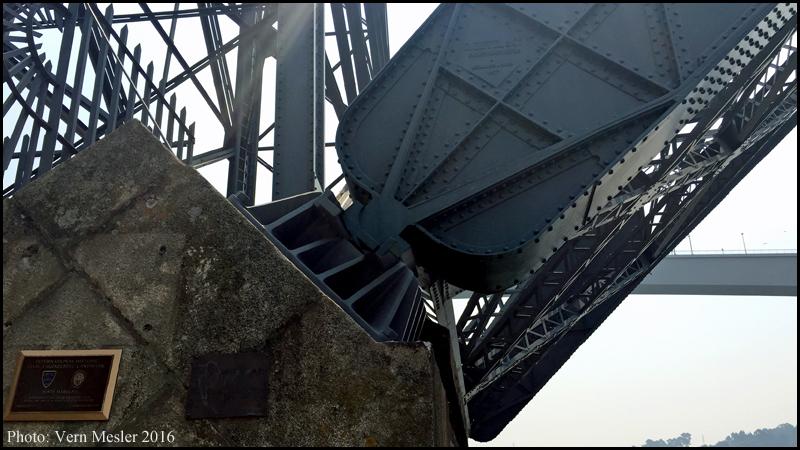
The Maria Pia Bridge was designated an
"International Historic Civil Engineering Landmark"
by the American Society of Civil Engineers
Gustave Eiffel's engineering concepts for both the Maria Pia Bridge and later the Eiffel Tower in Paris present structures that give one a visual experience of graceful elegance, as highlighted in the following excerpt from the book
Marvels of Engineering
Presents How They Built the Eiffel Tower. "A slight curvature inward was given to the main piers to further widen the base and increase the stability of the structure. At a point slightly above the second platform, the four members converged to the extent that conventional bracing became more economical, and they were joined. That this theory was successful not only practically, but visually, is evident from the resulting work. The curve of the legs and the openings beneath the two lower platforms are primarily responsible for the Tower's graceful beauty as well as for its structural soundness." The combination of "graceful beauty" and "structural soundness" noted for the Eiffel Tower would seem to apply equally well to Eiffel's earlier work on the Maria Pia Bridge in Porto, Portugal.
|
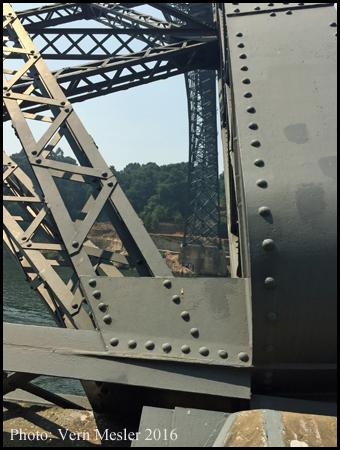
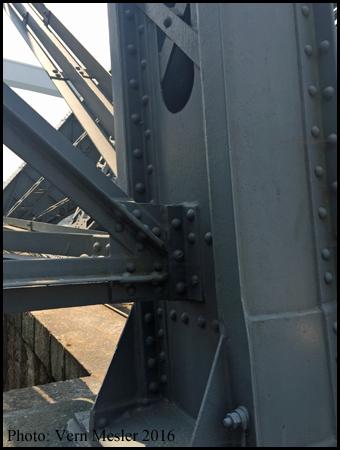
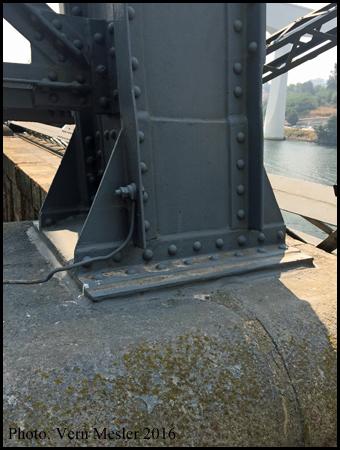
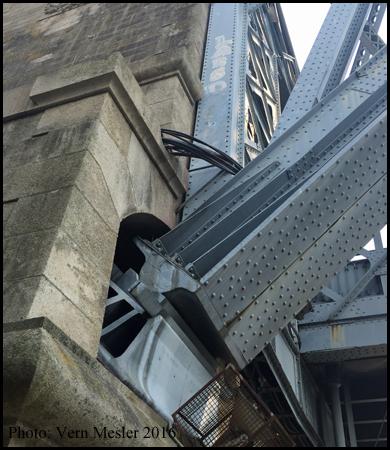
Riveted plates are bent to form the foot of the arch. The bearing pin appears to lightly touch the large base plates anchored to the abutment.
|
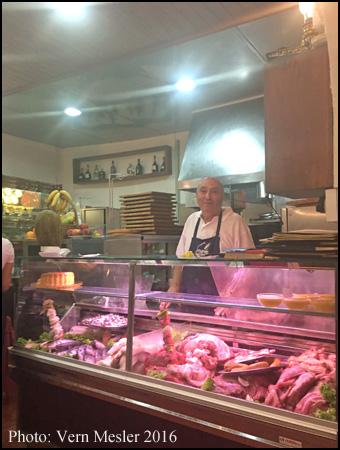
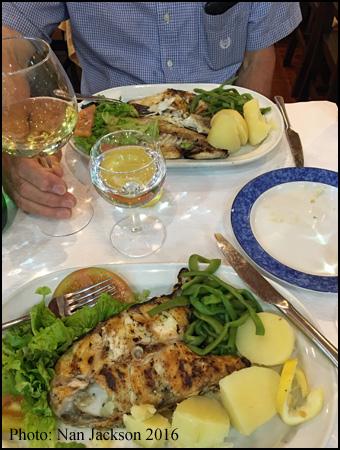
Before leaving Portugal we spent a few days back in Lisbon, bringing to a close our adventures in exploring some of the country's historic bridges. Our main objective was to relax, visit a few museums and enjoy the local cuisine. Restaurant A Gina's turned out to be our favorite dining spot near our hotel. It was a special treat to sit near the chef's station and watch a craftsman at work, and then enjoy his expertly prepared food.
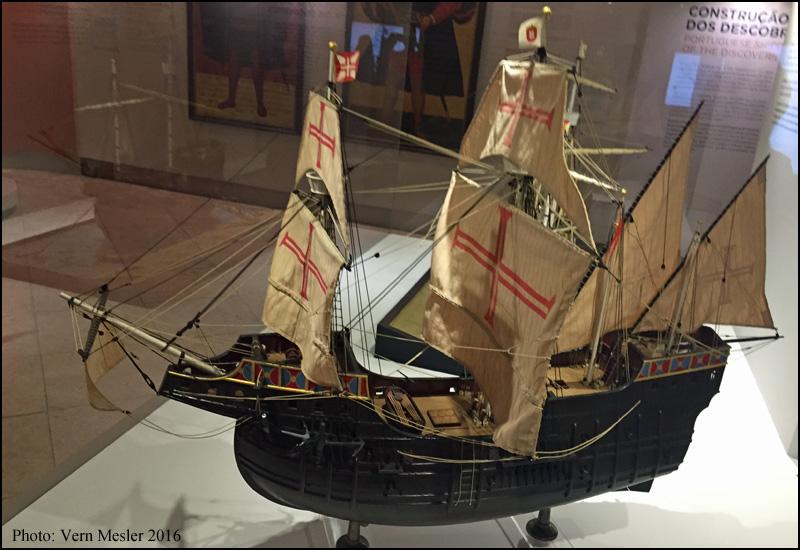
Model sailing ships have always been a special interest of mine, and the Maritime Museum in Lisbon was a treasure trove of finely crafted wooden model ships. In this museum whose mission is to tell the "story of Portugal's pioneering role in world exploration at sea," we found abundant examples of the work of craftsmen.
|
| Past Iron & Steel Preservation Newsletters |
|
|