The Wyoming Health Council works to ensure that all people can access equitable, inclusive, high-quality, and affordable reproductive and sexual health care. | | |
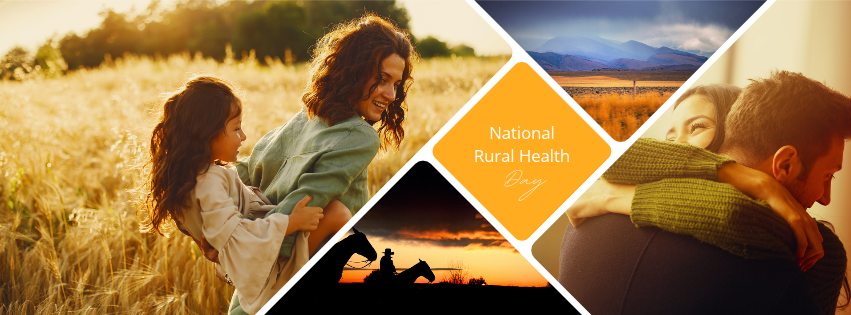
On November 19th, we recognize National Rural Health Day and celebrate the communities, healthcare professionals, and organizations working to keep Wyoming healthy.
In a state where distance and access to care can present unique challenges, local healthcare services play an important role in supporting individuals and families.
Wyoming Title X Family Planning clinics are proud to be part of that effort by providing affordable, confidential reproductive and preventive health services in communities across our state.
| | |
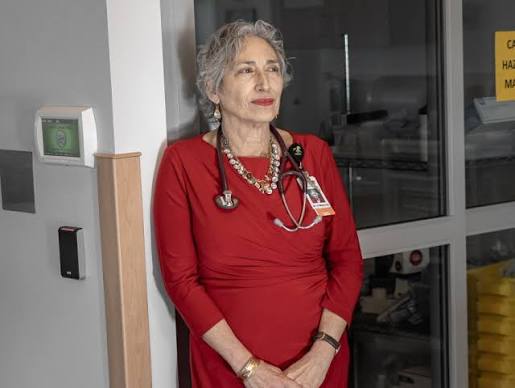
‘It isn’t sustainable.’ Casper, Wyoming, OB-GYN weathers maternity care shortage
Longtime obstetrician Susan Sheridan understands well that on-call coverage is part of her vocation. But with the number of OB-GYNs who serve Wyoming’s second-largest city plunging from an average of six to just two, the schedule has become overwhelming.
Since 2022, four Wyoming hospitals have closed labor and delivery wards, leaving 16 birthing hospitals for a state spanning 97,000 square miles. Medical workforce shortages, onerous on-call doctor schedules and mounting financial challenges for hospitals continue to challenge maternity care resources.
Shifting conditions have brought relief to certain communities with the hiring of obstetricians or implementation of pregnancy support programs. But the situation is getting worse in other places.
Maternity care gaps are not unique to Wyoming. Nearly 150 rural labor and delivery units in the U.S. have closed or announced closures since 2020, and more than 35% of U.S. counties are considered maternity care deserts.
But the rural nature of the Equality State further complicates the difficulties of recruiting doctors and the justifications for hospitals to continue providing delivery services, which are not lucrative. For the Wyoming obstetricians who remain, the pressures can be intense.
| |  | |
In rural America, scarce doctors battle misinformation as they practice medicine
When Dr. Banu Symington first moved to Rock Springs, Wyo., 30 years ago, she appreciated its empty desert landscapes and small-town respect for physicians like herself.
Fast-forward to today.
Some of Symington's cancer patients curse at her for suggesting they vaccinate or wear masks to protect their weakened immune systems while undergoing chemotherapy.
"I actually had a patient's husband say, 'You only want me to mask because you're a $#&!.'"
Symington is among many doctors who say political attacks on science and medicine are affecting their relationships with patients, particularly in rural communities, where physician recruitment already poses a chronic challenge.
Symington is one of only five full-time oncologists in Wyoming, she says. She also runs the only cancer center in the southwest corner of the state; the next closest one is about a three-hour drive away, in Utah.
"When I retire, which may be sooner than I planned because of the atmosphere, I don't think they'll be able to recruit anyone," she says.
The doctor shortage was already acute and is contributing to a shortening of the lifespans of rural Americans, says Alan Morgan, CEO of the National Rural Health Association.
"There are so many workforce shortages that people can't get past the junk on the internet to get to a local doc that they can trust," Morgan says. "The only solution really to combat that with is good science, good data, and make sure that local clinicians are at the forefront," disseminating accurate information.
| | | |
Nursing in the Rural West: Why Strengthening the Workforce Starts with Supporting Students
In summer 2025, the Western Interstate Commission for Higher Education (WICHE) brought together stakeholders from Colorado, New Mexico, and Wyoming to discuss the challenges and opportunities impacting rural nursing students, institutions, and employers. The conversation made clear that advancing rural nursing requires more than expanding enrollment in nursing programs. It requires coordinated strategies that support students, expand clinical learning opportunities, invest in faculty and preceptors, and account for the realities of rural healthcare delivery.
| | | Thanks Birth Control Day November 14th | | |
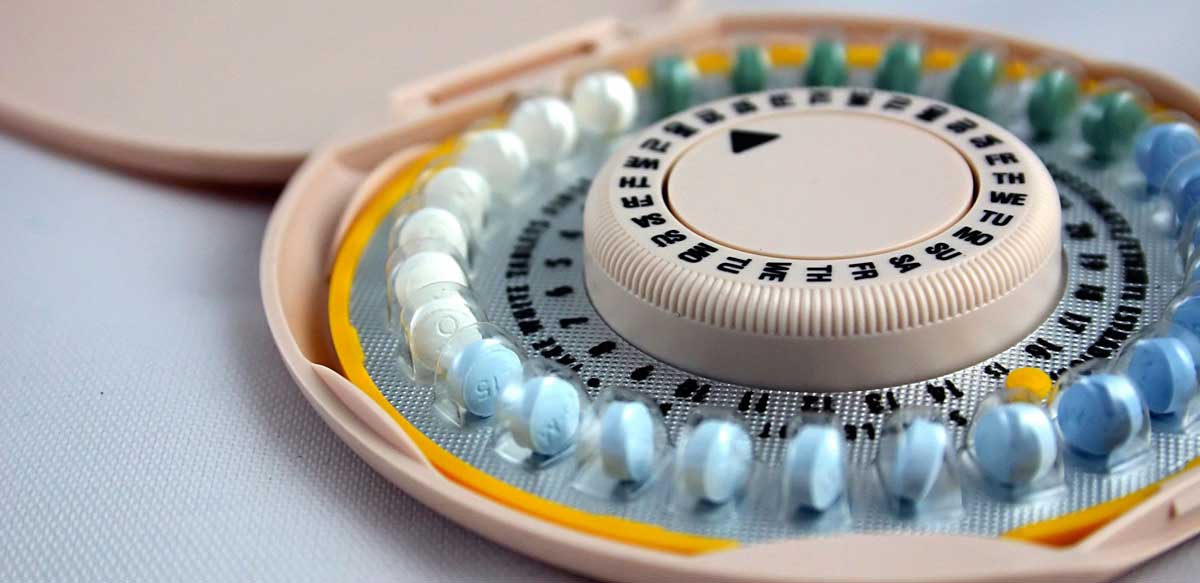
10 Benefits of Birth Control Beyond Preventing Pregnancy
Hormonal birth control is a lifesaver for many people trying to prevent unwanted pregnancy. Of course, nonhormonal methods have their benefits too.
But hormonal birth control, including the pill, some intrauterine devices (IUDs), implants, and patches, offers a range of benefits beyond pregnancy prevention.
1. It can help regulate your menstrual cycle
Hormonal birth control methods may balance the hormonal fluctuations that happen throughout your cycle. This can help with a variety of menstrual issues, including irregular or heavy bleeding.
It can even help with polyendocrine metabolic ovarian syndrome (PMOS) symptoms, including acne and excess hair.
2. It may make periods less painful
Hormonal birth control delays or prevents ovulation. When you don’t ovulate, your uterus doesn’t experience the painful contractions that cause cramps during ovulation.
If you have painful periods, hormonal birth control may also provide some relief for pain during menstruation.
| | | |
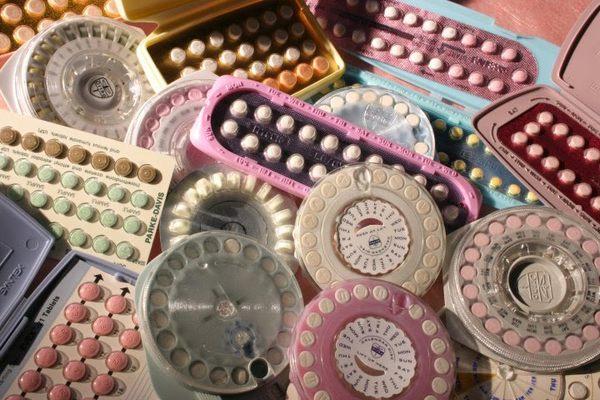
False birth control claims are proliferating, survey says
Half of women of reproductive age say they’ve been exposed to false contraceptive information.
More than half of women of reproductive age have seen or heard the false claim that hormones in contraceptives are harmful, and about 4 in 10 have been exposed to the false idea that hormones in contraceptives limit your ability to get pregnant in the future, according to a new survey.
The survey by KFF, a nonprofit health research organization, also found that about a third of women between the ages of 18 and 49 have seen or heard the inaccurate assertion that natural family planning methods are just as effective as hormonal birth control, and a similar percentage have been exposed to the erroneous idea that emergency contraceptive pills cause abortions.
According to the American College of Obstetricians & Gynecologists, long-acting reversible contraception and hormonal birth control are much more effective at preventing pregnancy than fertility awareness-based methods such as menstrual cycle tracking.
| | | |
Use of Post-Coital Strategies to Prevent Pregnancy: Findings from a National Sample of Adolescents and Young Adults in the United States
In the context of increasing restrictions on sexual and reproductive health care, inadequate sex education, and increasing antihormonal contraceptive sentiment, we examined post-coital pregnancy prevention behavior among a nationally representative sample of U.S. adolescents and young adults (AYA). We developed a novel measure of post-coital contraceptive strategies (i.e., actions taken after sexual intercourse with the intent of reducing the likelihood of pregnancy) and fielded this measure for the first time as part of a 2025 online, population-based survey of English-speaking 15–29-year-olds assigned female at birth (n = 1,259). Of the 633 AYA who reported having ever had penile-vaginal sex and were not currently pregnant, 25.0% used at least one post-coital strategy to prevent pregnancy the last time they had sex. While methods with established effectiveness (i.e., emergency contraception and copper intrauterine device) were used by 8.9% respondents, 16.1% reported using a non-medically evidenced post-coital strategy, the most common being praying (9.4%). Post-coital strategy use varied by age, race and ethnicity, and number of contraceptive methods used. In multivariable analyses, contraceptive knowledge was negatively associated with post-coital strategy use. Regardless of effectiveness, post-coital strategies are common enough to warrant inclusion in behavioral surveillance and attention in health education and clinical practice.
| | | |
What are patients seeing on social media about cancer and birth control?
Social media is full of alarming posts that claim hormonal birth control causes cancer, highlighting vague cancer risks as well as more specific cancer risks, like breast cancer.
What’s the evidence around birth control and cancer risk?
A persistent myth is that hormonal contraception significantly increases cancer risk.
The current evidence paints a nuanced—and broadly reassuring—picture.
While there may be a slight increase in the relative risk of breast cancer among users of hormonal birth control, the absolute risk is very low. ACOG recommends discussing the data in a clear, supportive way.
Combined oral contraceptives (COCs) are associated with long-term protective effects against several other cancers, including ovarian and endometrial cancers.
Talking with patients about cancer concerns
Get curious:
Start by learning more about where their concerns are coming from...
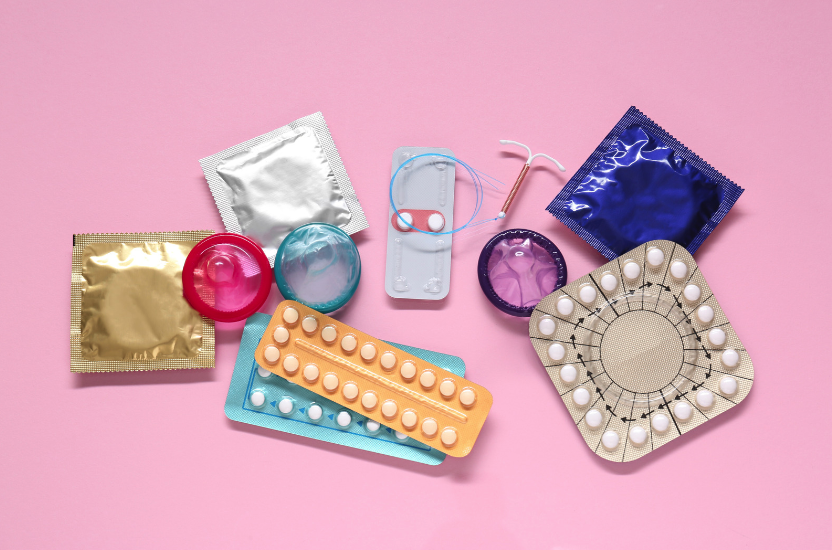
| | | Contraception Access Maps | | |
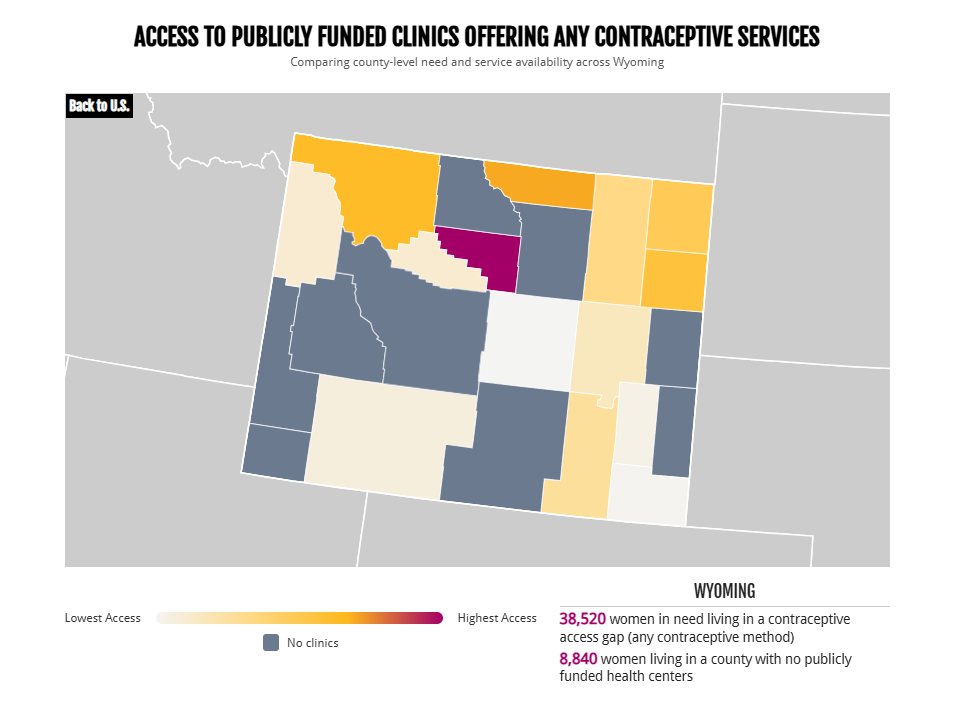
New data from Power to Decide and Guttmacher shows that 21.4 million women* of reproductive age in the United States in need of low- or no- cost contraception live in a county with an access gap—where the need for publicly funded services is greater than the availability of these services. Out of these 21.4 million women in need:
Almost 75% of these women (15.7 million women) live in a county with an extreme gap in access—where service availability meets only 25% of the need or less.
Over 1 million women in need of low- or no- cost contraception live in a county without a single publicly funded health center offering any contraceptive care.
1.9 million women who live in a county without access to a health center that offers the full range of birth control methods.
| | |
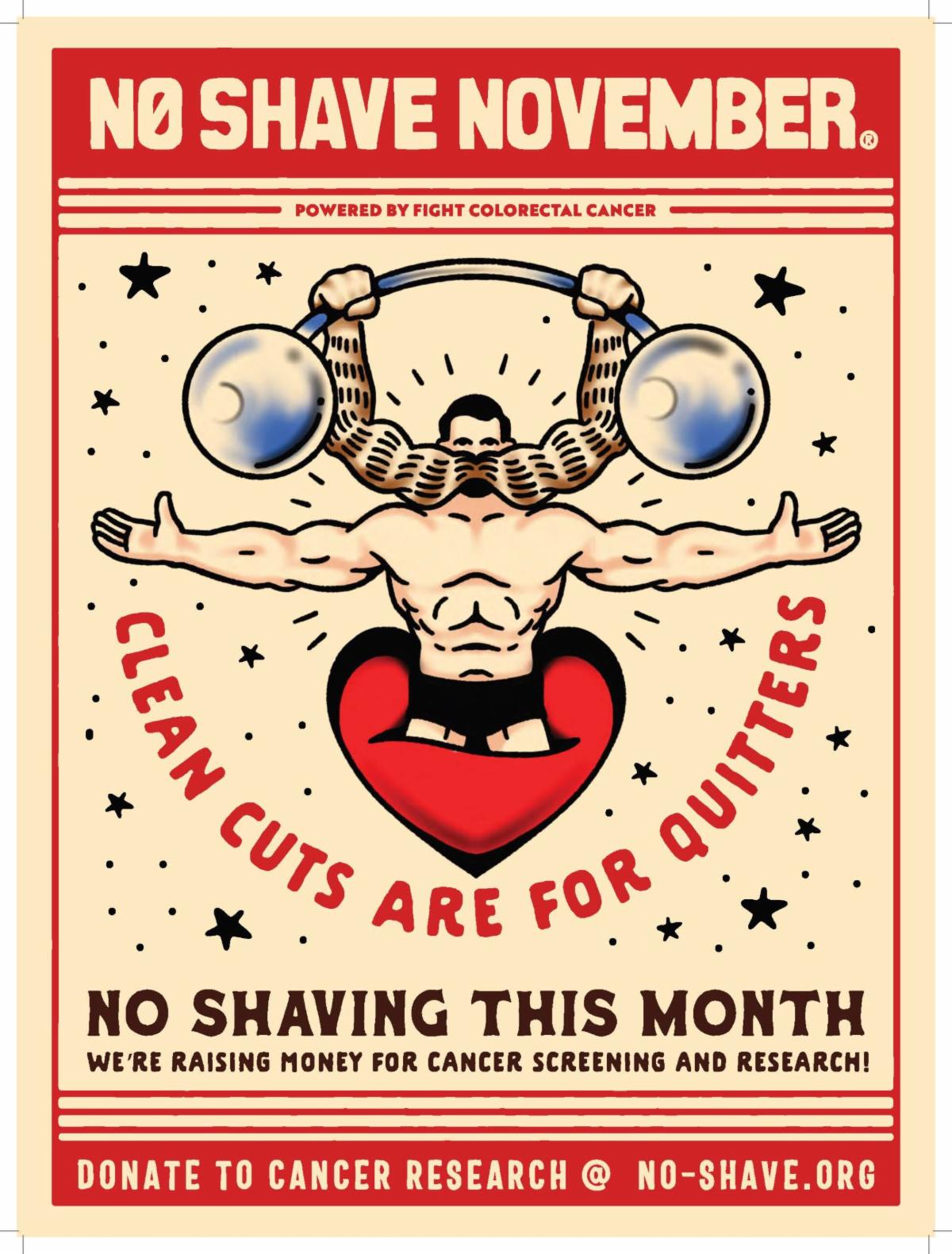
No-Shave November: Understanding the Movement and Its Purpose
When November arrives, you’ll notice a familiar shift - beards start appearing, razors get a break, and grooming routines take a pause. But No-Shave November is much more than a casual “let it grow” month.
It’s a movement with heart - created to raise awareness about cancer, honour people who lose hair during treatment, and encourage donations to support cancer research and patient care.
And here’s something important: It’s not just for men. Women can and do participate too.
So, What Is No-Shave November?
If you’ve ever wondered “What is No-Shave November?” it’s simple - it’s a campaign encouraging people to embrace natural hair growth for an entire month and redirect their grooming expenses toward cancer-related causes.
Shaving, waxing, threading, trimming -whether it’s a beard, legs, armpits, or upper lip - you simply step back from the habit and allow hair to grow naturally.
But why hair? Because cancer treatments like chemotherapy often cause hair loss, and this movement uses hair as a symbol of empathy, awareness, and hope.
At its core, No-Shave Novemberstands for three things:
It’s not about looking rugged - it’s about standing together for a cause that touches millions of lives.
| | |
The Partnership for Male Youth
Bringing together CDC surveillance, federal statistics, and peer-reviewed studies, our briefs show that young males ages 10 to 25 carry a markedly heavier burden than their female peers across injury, violence, suicide, and HIV, in some cases six to eight times greater. Among 15- to 19-year-olds, the male homicide rate is more than six times the female rate. Young males also account for nearly nine of every ten new HIV diagnoses among 13- to 24-year-olds. Many other risks go undetected, including depression that shows up as anger or risk-taking rather than sadness, eating disorders and steroid use, and HPV infections that can progress to cancer with no screening test to catch them.
The risks for young males are compounded by gaps in care. Young males are less likely than young females to have a regular source of care, receive preventive services, or complete recommended vaccines, and only 6% have been tested for a sexually transmitted infection in the past year, compared with 17% of young females. Research like this is how we make the case that young male health deserves recognition as a distinct field of practice, research, and policy, and we look forward to sharing much more in the months ahead. We invite you to explore the briefs and share them with colleagues.
| |
Expecting entitlement, researchers asked young men about sex. What they found was fear, vigilance, and shame.
Many young heterosexual men interviewed for a new study described sex as a source of anxiety, vigilance, and shame rather than pleasure. The research, published in Journal of Sex & Marital Therapy, is based on in-depth interviews with 31 men who came of age amid heightened attention to sexual consent, and suggests that some have internalized a broad cultural suspicion of men, approaching intimacy as a hazard to manage rather than an experience to share. Their constant self-monitoring appeared to combine a sincere wish not to hurt a partner with a fear of social or legal ruin.
| | |
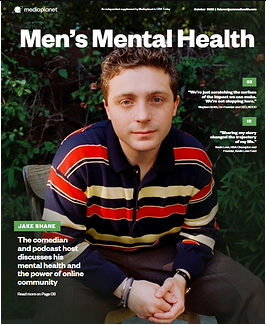
MediPlanet Launches Men's Mental Health Campaign In USA Today
Mediaplanet has announced a national Men’s Mental Health campaign, published in USA TODAY and on its Future of Personal Health website. The campaign aims to encourage more open conversation about men’s mental health and offer practical resources. Podcaster Jake Shane is the cover story, and Howie Mandel, NBA All-Star Kevin Love, Dr. Mark Hyman, and author Yung Pueblo contribute pieces on mental health, resilience, and personal growth. (The Q&A with Dr. Gregory Scott Brown you shared earlier is part of this same campaign.) The campaign challenges the expectation that men should handle mental health struggles alone and urges them to prioritize their well-being before reaching a crisis.
| | | |
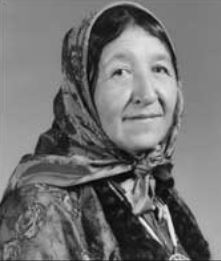
Susie Walking Bear Yellowtail (1903–1981) (Crow-Sioux)
Susie Walking Bear Yellowtail was the first Crow and one of the first Native Americans to graduate as a registered nurse in the United States. Working for the Indian Health Service, she brought modern health care to her people and traveled throughout the U.S. to assess care given to indigenous people for the Public Health Service. Yellowtail served on many national health organizations and received many honors for her work, including the President's Award for Outstanding Nursing Health Care in 1962 and being honored in 1978 as the "Grandmother of American Indian Nurses" by the American Indian Nurses Association. She was inducted into the Montana Hall of Fame in 1987 and in 2002 became the first Native American inductee of the American Nurses Association Hall of Fame.
| | | |
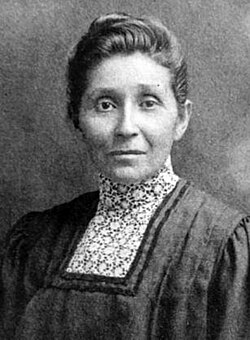
Susan La Flesche Picotte
(1865 – 1915) (Omaha tribe)
Susan La Flesche Picottewas a Native American medical doctor and reformer and member of the Omaha tribe. She is widely acknowledged as one of the first Indigenous people, and the first Indigenous woman, to earn a medical degree. She campaigned for public health and for the formal, legal allotment of land to members of the Omaha tribe. She served as a physician to over 1,200 Omaha people on the reservation, working under conditions of significant pay disparity compared to white government doctors. In 1913, after no Commissioner of Indian Affairs during her life supported government-funded hospital for Native Americans, she founded the Walthill Hospital, the first privately funded hospital on a Native American reservation.
| | |
Indigenous People in Wyoming and the West
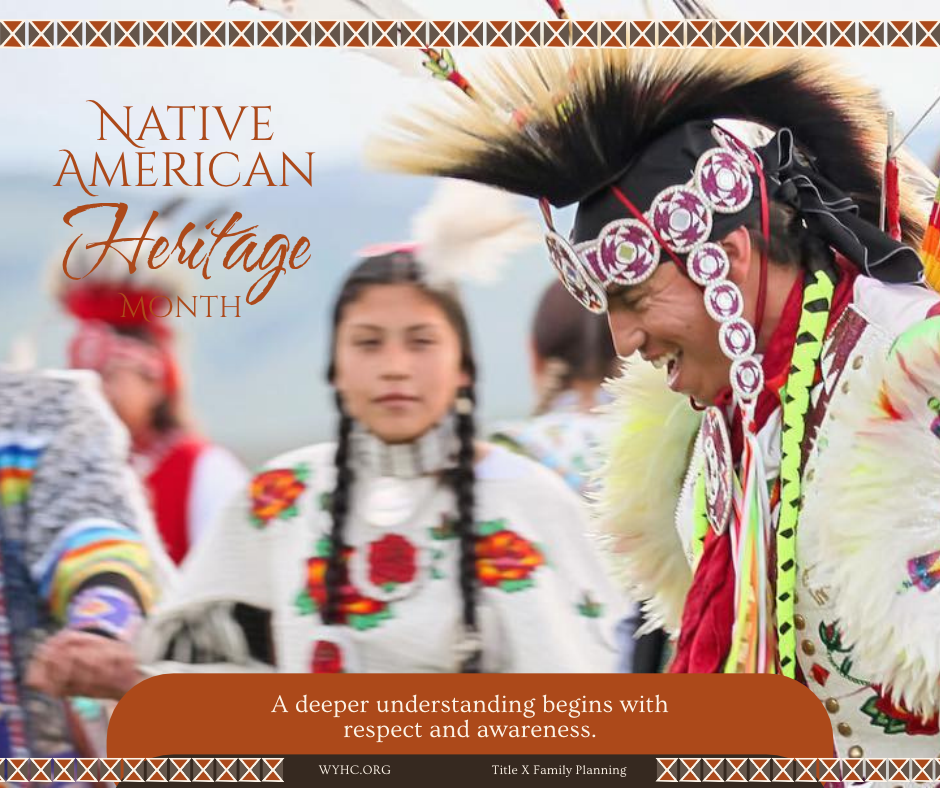
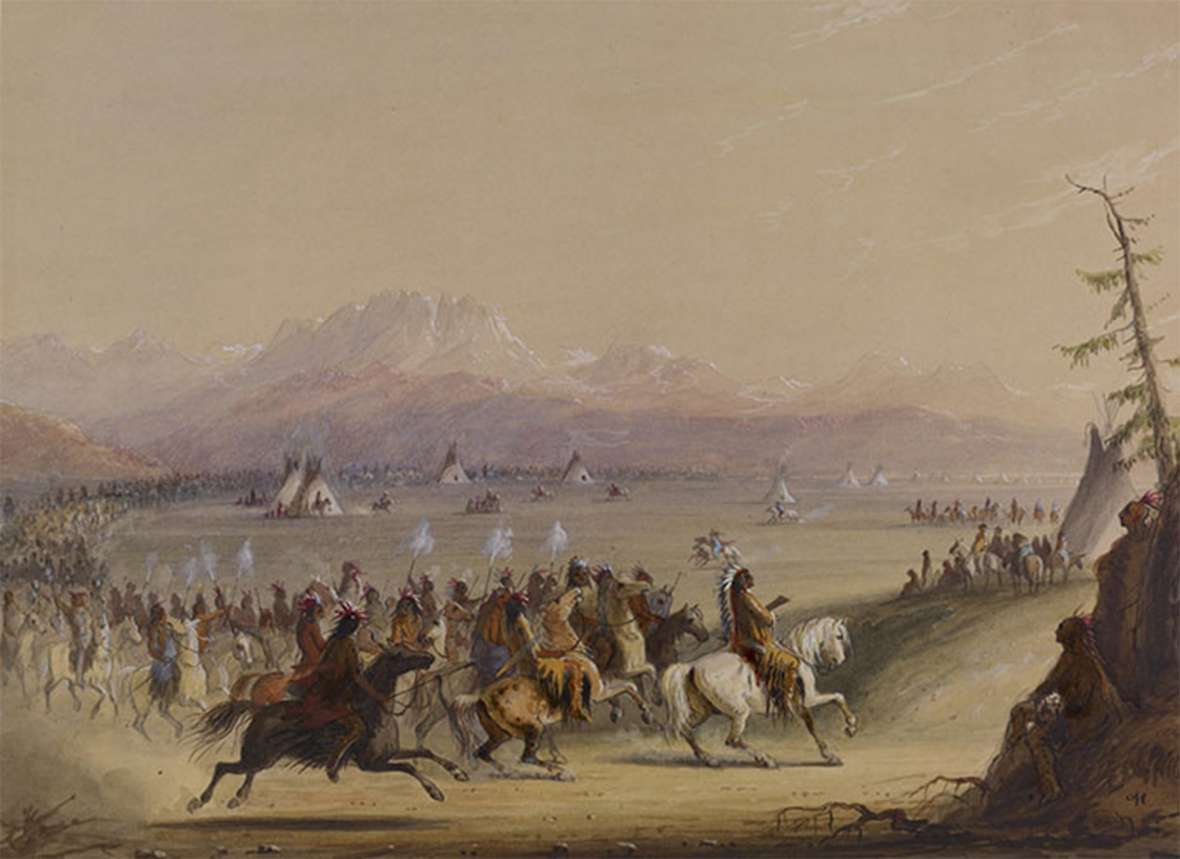
November is Native American Heritage Month, a time to recognize and celebrate the rich histories, cultures, traditions, and contributions of Indigenous peoples. Here in Wyoming, it’s an opportunity to learn more about our state's Native communities, including the Eastern Shoshone and Northern Arapaho Nations. Explore articles and educational resources about Wyoming's Indigenous history, tribal cultures, treaties, and contributions. Taking time to learn helps us better appreciate the communities and histories that are an important part of Wyoming.
| | | National Nurse Practitioners Week Nov 8-14th | | |
Nurse Practitioner
What is a nurse practitioner?
A nurse practitioner (NP) is a nurse with a graduate-level degree of education. Additional training, skills and experience in advanced practice nursing give NPs the authority to do more than registered nurses. They can perform many of the same services that doctors provide.
NPs provide patient-centered care. They focus on disease prevention, living a healthy lifestyle and understanding your health concerns. An NP can serve as a primary care provider or as a specialty care provider focusing on a specific group of people.
They work in a variety of healthcare settings, including:
- Physicians’ offices.
- Clinics.
- Hospitals.
- Emergency rooms.
- Urgent care sites.
- Nursing homes.
- Colleges.
An NP may also have the title of advanced practice registered nurse (APRN). You may also hear the term advanced registered nurse practitioner (ARNP).
| | | |
Why Nurse Practitioner Is the No. 1 Job of 2025
Nurse practitioners are an indispensable part of the health care system.
Nurse practitioners, commonly called NPs, are advanced practice registered nurses who have undergone clinical training beyond registered nurse preparation.
These professionals are at the forefront of health care, diagnosing illnesses, developing treatment plans and providing direct patient care. NPs can work in different settings, including hospitals, clinics and nursing homes, and their specialties range from pediatrics and dermatology to oncology and more.
If you’re passionate about health care and want to make a difference in patients’ lives, consider becoming a nurse practitioner, which is the No. 1 job for 2025 in U.S. News Best Jobs rankings. It was also the best job for 2024. Here's what it's like to work in this top-ranked field.
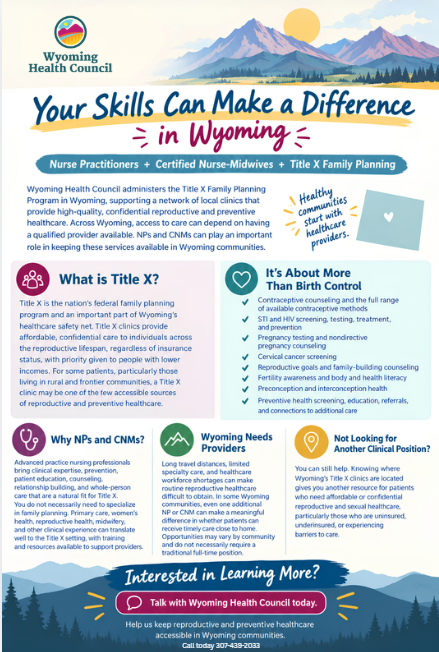
| | | Your skills as a Nurse Practitioner or Certified Nurse-Midwife can make a meaningful difference in expanding access to reproductive and preventive health care in Wyoming! Title X Family Planning Clinics offer opportunities to use your expertise to support individuals, families, and communities through accessible, affordable, and confidential care. Learn how you can put your skills to work and make a difference in your community! | | |
Diabetes Month
Sex and Diabetes
For an oversexed culture that isn't afraid to push boundaries on TV, in movies, on the radio and in books and magazines, we're awfully shy about sex when it comes to our health. In fact, even though people with diabetes are at a higher risk for sexual problems, a study in Diabetes Care found that only about half of all men with diabetes and 19 percent of women with diabetes have broached the topic with a doctor.
And, truth is, many doctors don't feel comfortable prodding patients for details on sexual function. It's why the newly diagnosed quickly learn about their risk for eye, nerve, kidney and heart complications, but hardly ever hear how diabetes affects sexual health. It is important for people to be open and honest with their doctors regarding all health concerns—even problems with sexual function. Problems with sexual performance and satisfaction can signal other health issues.
| | | |
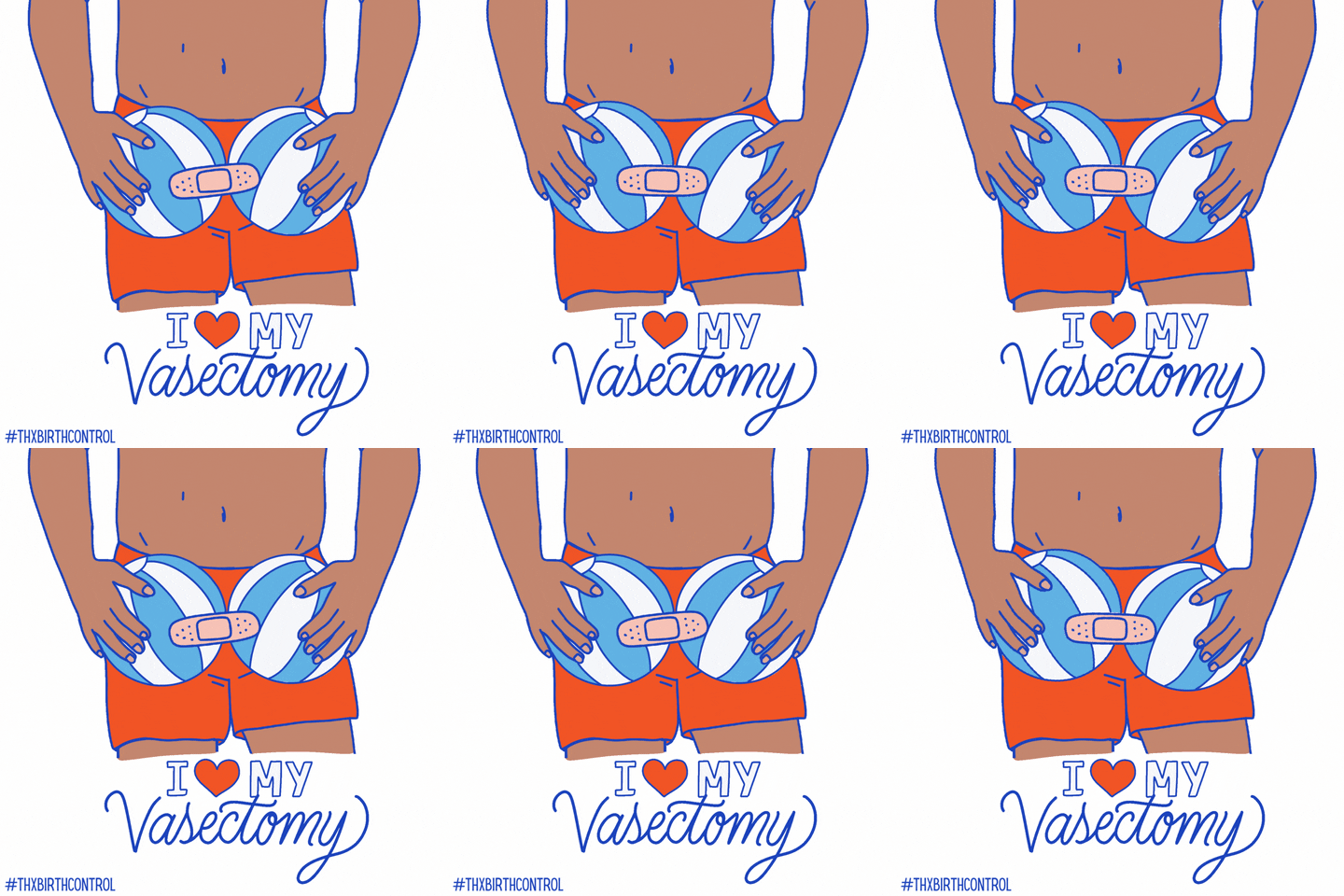
National Vasectomy Day
November 20th
This Is How Long You Have to Wait to Have Sex After a Vasectomy
Doctors explain everything to know before you hop back into bed.
IS MY SEX drive going to be affected? What about my ability to ejaculate? Will it interfere with my erections?
These are the most common questions that Alexander Epelbaum, MD, a urologist and partner physician at Advanced Urology Centers of New York, gets when he counsels patients about getting a vasectomy.
“The answer to those is no,” he says.
But it is understandable to be worried that a vasectomy could affect your sex life. There’s a knife being taken to your junk, after all.
Here's the good news: Serious complications are extremely rare with vasectomies, according to the Mayo Clinic. It's a minimally invasive procedure, and you don't have to wait very long to have sex again after a vasectomy. Plus, it's nearly 100 percent effective in preventing pregnancy, so when you do get back to having sex, you can do so without the fear of procreation—which might even make your sex life better. No anxiety!
That said, there are still some important things to know about sex after a vasectomy. Here, doctors answer all of your sex-related vasectomy questions.
| | | |
International Day for Elimination of Violence Against Women
Nov 25
Digital violence is real violence. There is #NoExcuse for online abuse
Violence against women and girls remains one of the most prevalent and pervasive human rights violations in the world. Globally, almost one in three women have been subjected to physical and/or sexual intimate partner violence, non-partner sexual violence, or both, at least once in their life. Even more devastating is the fact that one woman or girl is killed every 10 minutes by their intimate partner or family.
It is a scourge that has intensified in different settings, but this year, the campaign for the International Day for the Elimination of Violence against Women focuses on one in particular: the digital realm. Violence against women on online platforms is, today, a serious and rapidly growing threat that seeks to silence the voices of many women—especially those with a strong public and digital presence in fields such as politics, activism, or journalism.
It is a form of violence on the rise due to weak technological regulation, a lack of legal recognition of this type of aggression in some countries, the impunity of digital platforms, new and fast-evolving forms of abuse using AI, movements opposing gender equality, the anonymity of perpetrators, and the limited support for digital victims.
| | | |
Sex Toy Day
Nov 4
I'm a Sex Therapist, and Here's How Sex Toys Can Improve Your Sexual Wellness Beyond Providing Pleasure
The benefits of sex toys go beyond providing pleasure, making it great news for sexual wellness that more people than ever are using them.
Sex toys haven’t always been connected to a multi-billion dollar market; for a long time, consumers widely purchased back massagers with an off-label use as a vibrator or simply didn’t interact with the products at all. But thanks to changing perceptions and awareness about pleasure’s role in sexual health, which is integral to wellness, sex-toy usage is on the rise and stigma is steadily making its way out. According to market research, as of 2022, nearly 1.5 million Americans disclosed that they use them every week, up from 86 million in 2017. And considering the benefits of sex toys, we’re better off for it.
One silver lining of the pandemic is that it laid the foundation for an increased use in sex toys. While folks stayed at home, they got sexually curious and creative, whether during masturbation sessions or in the scope of partnered relationships. Industry dollars support this notion, with reports noting the sale of sex-related products having doubled or even tripled in certain countries during periods of lockdown and isolation.
As a sex therapist, I love seeing this shift. The documented rise in usage of sex toys is encouraging us to be more open with sexual discourse and general, which has a positive impact on our sexual health and wellness. Why? Well, it may start with pleasure—but that’s far from where it ends.
| | | |
Building Skills in Sexual Health-STI Update
Webinar
Nov 20, 2026
| | | |
In Her Words: The Lived Experience of Women with HIV
Webinar
Dec 1, 2026
| | | |
Adolescent Health Initiative
Online trainings for adolescent-centered care
| | | Be IUD Confident: Case-Based Learning for Real-World Practice | | |
Please consider supporting reproductive and sexual health care in Wyoming!
You can donate directly to us—100% of your contribution goes toward supporting health care access in our state.
| | |
This newsletter was developed (in part) with federal funds from the Office of Population Affairs. For more information on the rules and regulations that apply to our programs, please visit
https://opa.hhs.gov/grant-programs/title-x-service-grants
This project is supported by the Office of Population Affairs (OPA) and the Office of the Assistant Secretary of Health (OASH) of the U.X. Department of Health and Human Services (HHS) as part of a financial assistance award 1 FPHPA 006541-0-00 totaling $924,108 with 100 percent funded by OPA/OASH/HHS. The contents are those of the author and do not necessarily represent the official views of, nor an endorsement, by OPA/OASH/HHS or the U.X. Government.
| |
WYOMING HEALTH COUNCIL
111 S. Durbin, Suite 200
Casper, WY 82601
Call Us: (307) 439-2033
| | | | | |