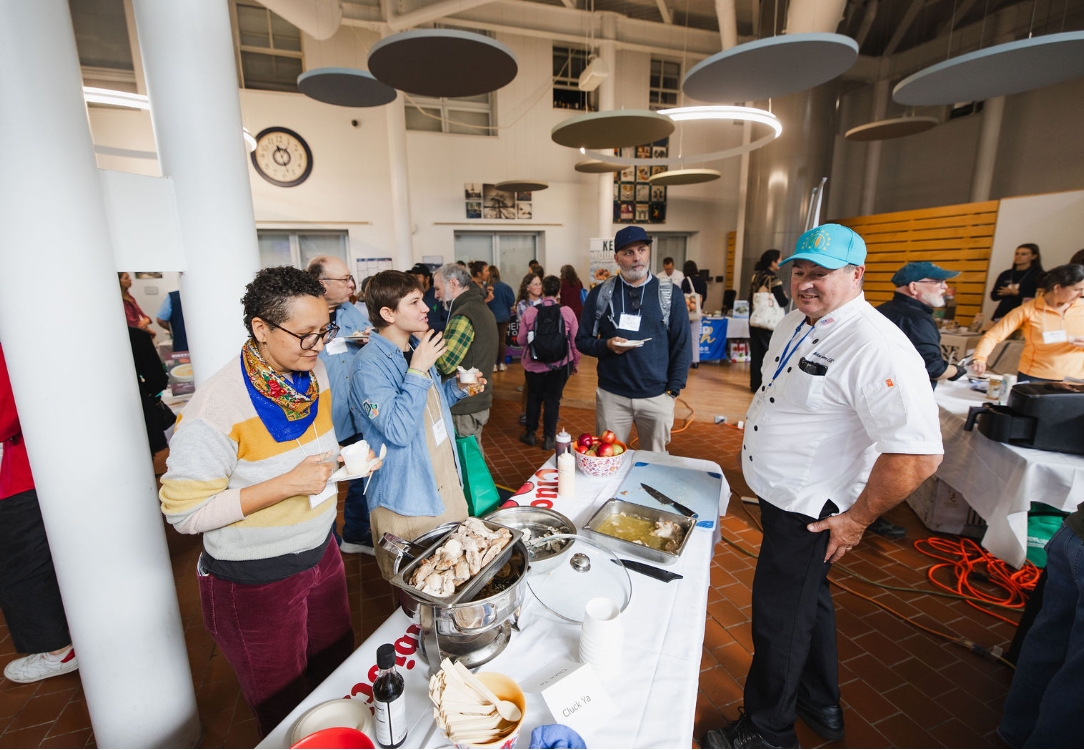
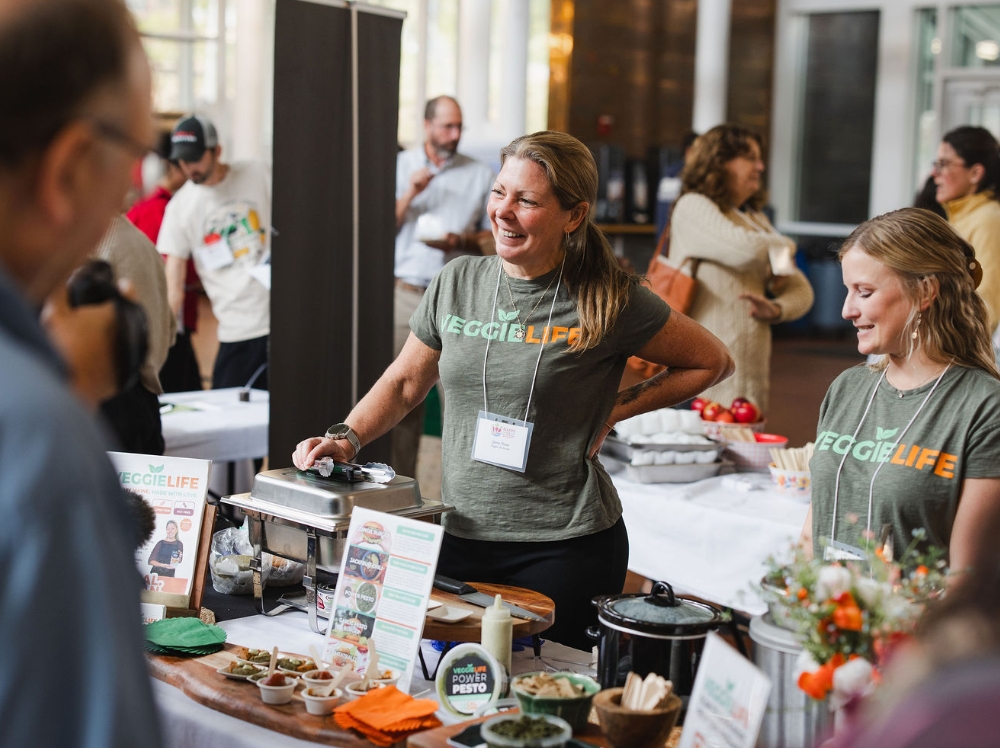
Stay up to date with upcoming opportunities, events, resources, and news on the continuing work of Farm & Sea to Institution across the State of Maine | | Cluck Ya Poultry sampling products at MEFTI Summit Local Food Show, October 2025 | | |
In This Edition
- Highlights from the 2025 MEFTI Summit
- Behind the Supply Chain: Food Processing Webinar Series
- Voices of the Network: Farm to Institution Webinar Series
- Read ME Agriculture Registration Open
- Wabanaki Studies Resource Guide
- Findings from the 2025 National Food Hub Survey
- SNAP and Farm to Institution
- ME F2I Jobs, Funding, & Resources
- F2I Events Calendar
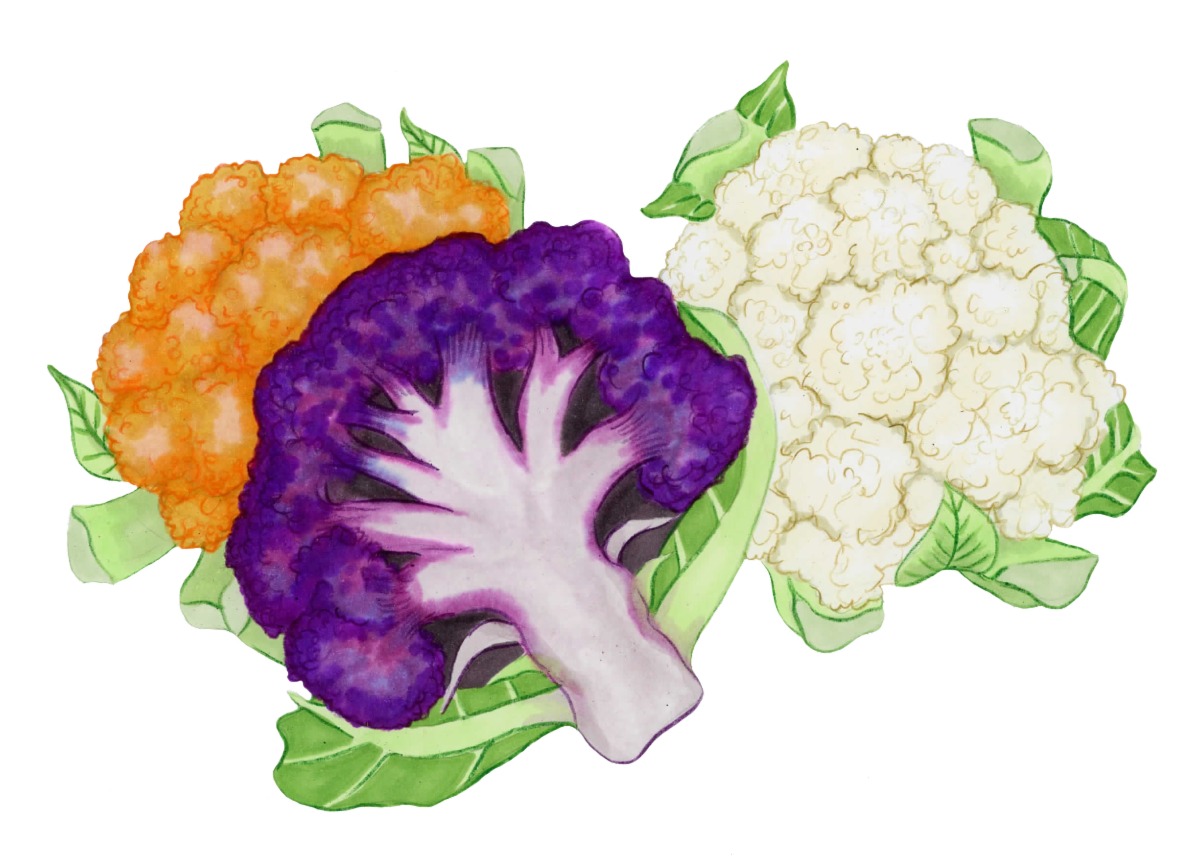
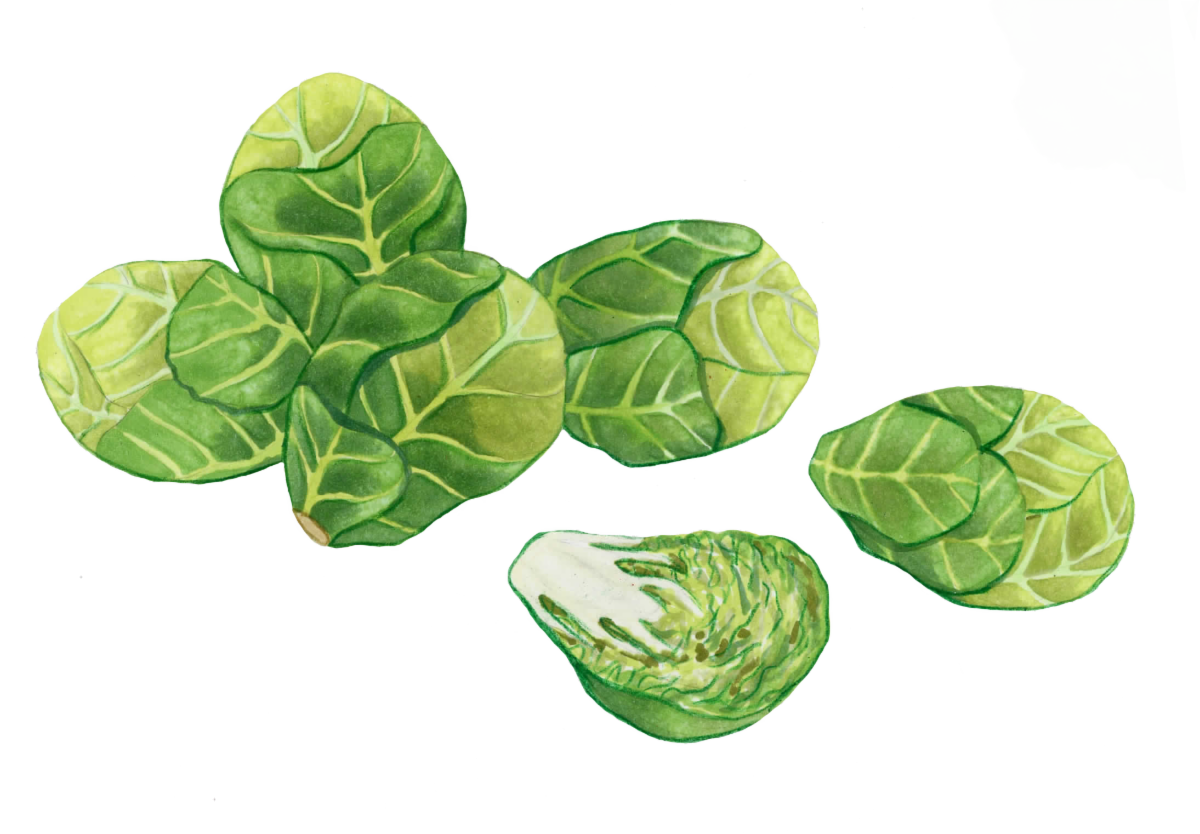
- Maine Harvest of the Month: Brassicas
| | |
Building Momentum Together:
2025 Maine Farm & Sea to Institution Summit
| | |
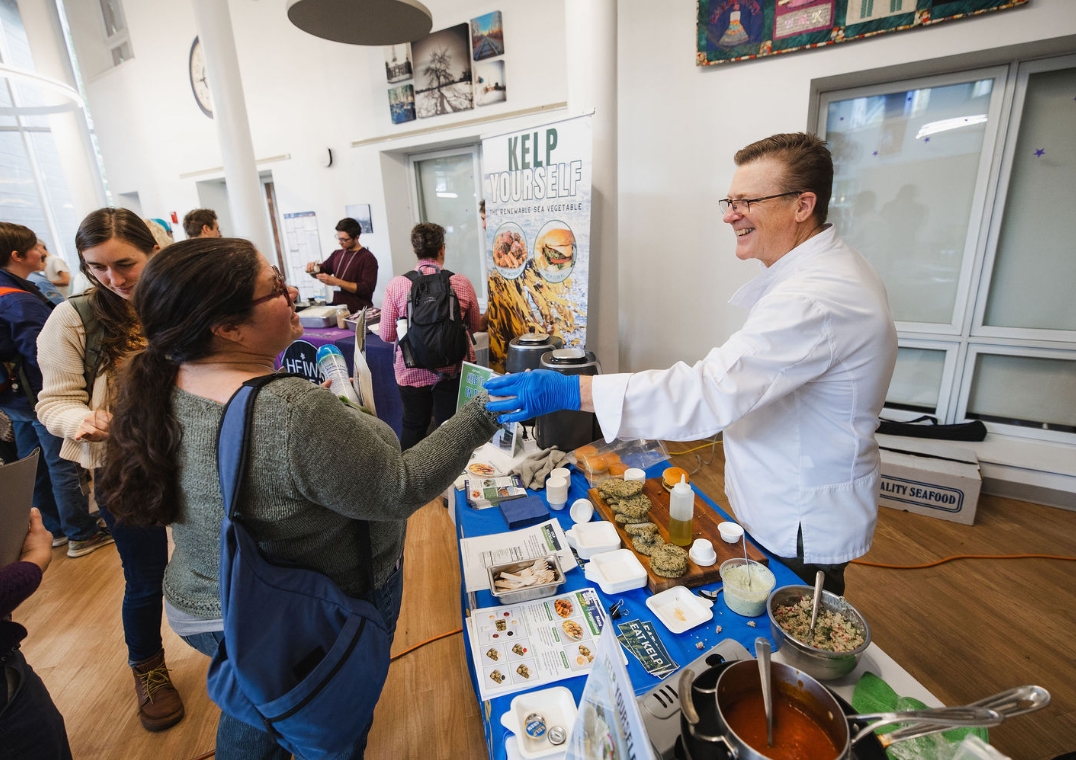
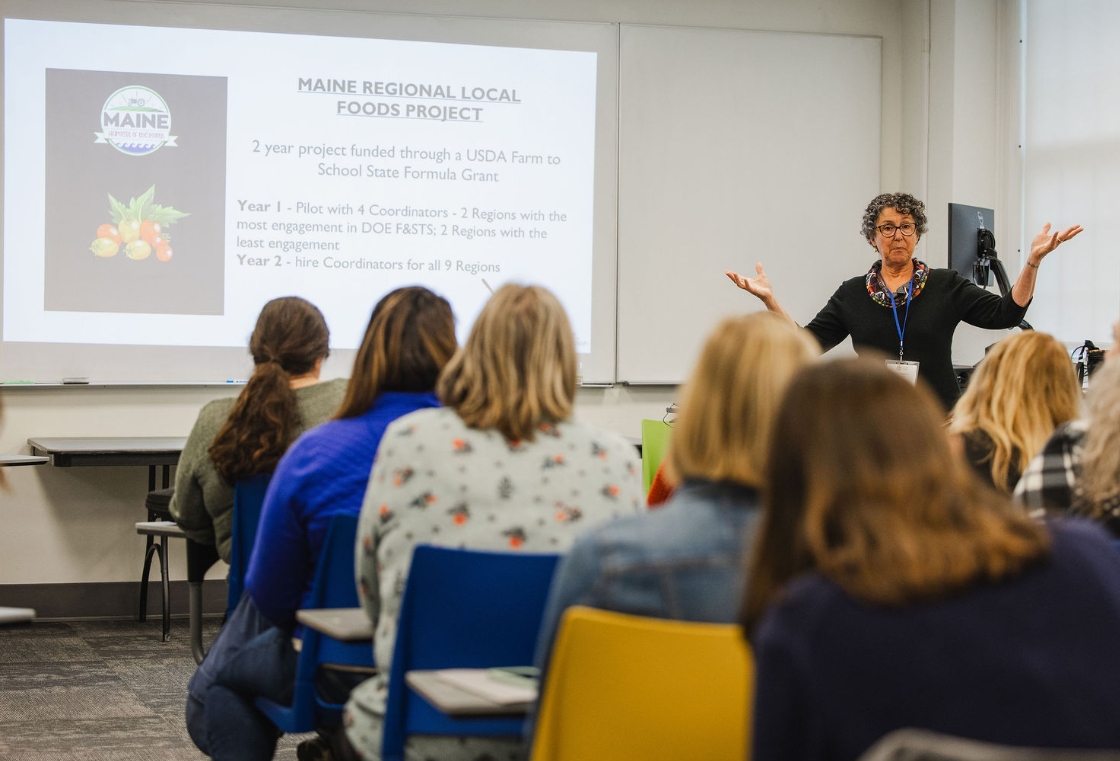
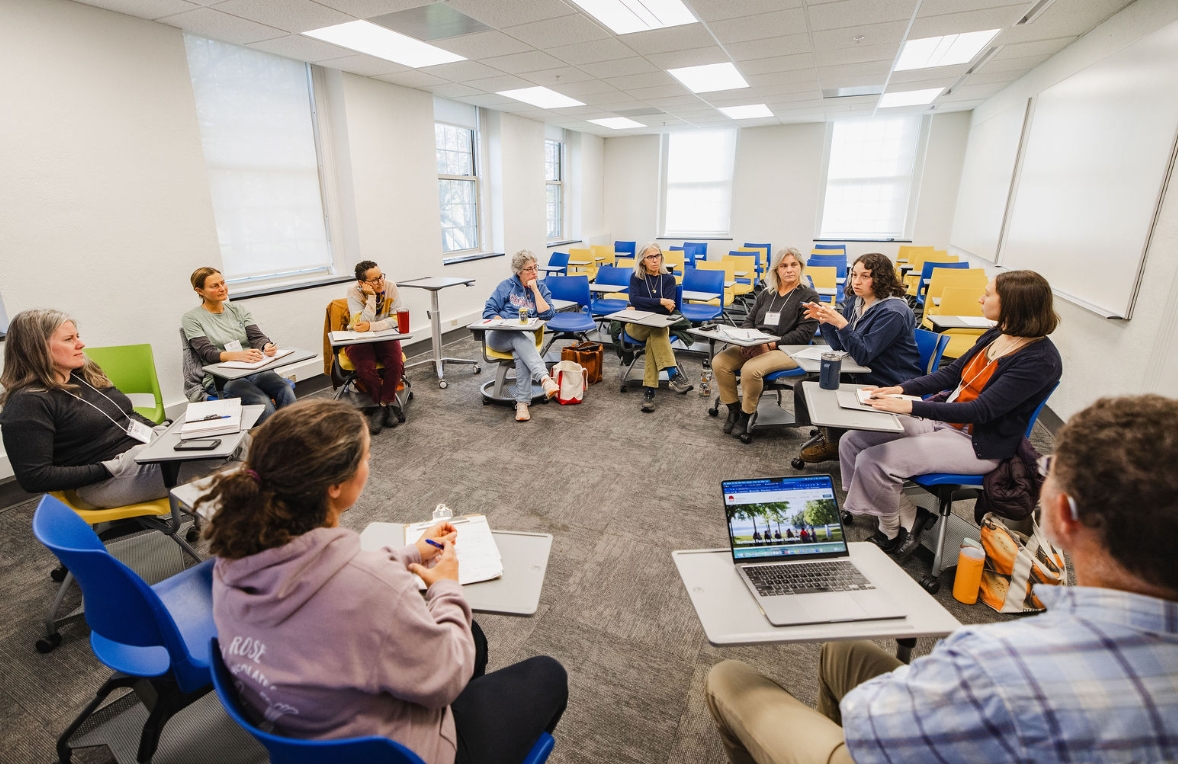
Last month, over 180 educators, farmers, fishermen, school nutrition staff, businesses, chefs, and local food system advocates from across Maine and the Northeast gathered at Colby College in Waterville for the 2025 Maine Farm and Sea to Institution Summit, hosted by Healthy Communities of the Capital Area, home of the Maine Farm & Sea to Institution Network.
The Summit featured more than twenty speakers across 10 sessions covering a range of topics including:
- Local procurement strategies
- State and federal food policy
- Maine organic agriculture trends
- Farm-to-school and sea-to-school innovations
- Local food purchasing data
- Culinary demonstrations using Maine-grown ingredients
- and more
The Summit highlighted the growth of the Farm to Institution movement since the inaugural MEFTI Summit hosted in 2018, as well as its ongoing challenges across multiple sectors. As one participant shared, “Coming to the Summit is like seeing your family again—everyone is here for a common purpose and connected by food.” Another added, "The seeds were planted back at the first Summit in 2018. Today felt like harvest of the crop planted back seven ago."
The Summit emphasized the importance of continued collaboration to tackle the many challenges that Maine faces in strengthening the states local food economy, from lack of infrastructure to policy reform.
Read the full event recap here: Building Momentum Together: Maine Farm & Sea to Institution Summit held at Colby College
| | |
Thank you!
The MEFTI Summit was made possible with support from: Elmina B. Sewall Foundation, Full Plates Full Potential, Sodexo, Maine Farm and Sea Cooperative, Maine Agriculture in the Classroom, Parkhurst Dining, The Good Crust, Maine Department of Agriculture, Conservation, and Forestry, Healthy Communities of the Capital Area, MaineHealth, Walden Mutual Bank, Maine Community Foundation, Farm to Institution New England, Gulf of Maine Research Institute, Maine Organic Farmer’s and Gardener’s Association, Henry P. Kendall Foundation, and Heiwa Tofu.
Event partners include:FoodCorps Maine, Harvesting Good, Maine School Garden Network, Maine Department of Education Child Nutrition, Gulf of Maine Research Institute, Maine Health Let’s Go, Maine Farm to School Network, Maine Organic Farmers and Gardeners Association, Full Plates Full Potential, Maine Department of Agriculture, Conservation, and Forestry, and RSU 12.
| |
Behind the Supply Chain:
Food Processing Webinar Series
| | |
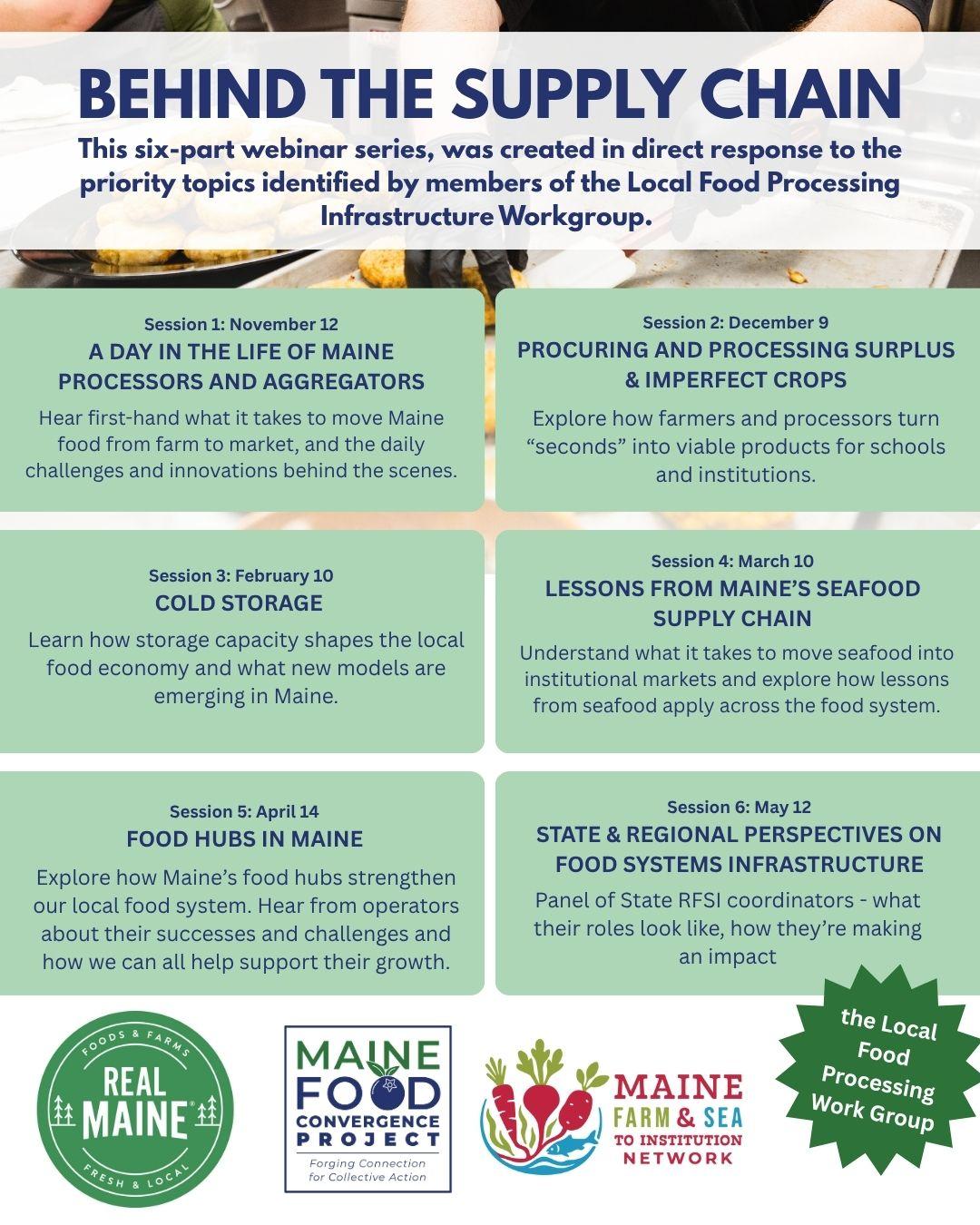
Getting more Maine-grown food into local schools and institutions starts with tackling some of Maine's biggest barriers — processing and infrastructure capacity. Farmers and producers can grow and catch the food but without local infrastructure to wash, chop, freeze, package, and distribute it, much of that bounty can never reach cafeterias or year-round markets.
This six-part webinar series dives into the nitty-gritty realities of Maine’s processing, distribution, and storage systems from the people doing this work every day. All together, these sessions will provide a view into how Maine can strengthen its local food processing capacity and better connect farms and fisheries to institutional and other markets.
A Day in the Life of Maine Processors and Aggregators
November 12, 11AM-12:30PM
Register here
Procuring and Processing Surplus & Imperfect Crops
December 9, 11AM-12:30PM
Register here
Cold Storage
February 10, 11AM-12:30PM
Register here
Lessons from Maine's Seafood Supply Chain
March 10, 11AM-12:30PM
Register here
Food Hubs in Maine
April 14, 11AM-12:30PM
Register here
State & Regional Perspectives on Food
May 12, 11AM-12:30PM
Register here
Hosted by the Maine Local Food Processing Workgroup in partnership with Maine Farm & Sea to Institution, Maine Food Convergence, and Maine Department of Agriculture, Forestry, and Conservation
| | |
Voices of the Network:
Farm to Institution New England Webinar Series
| | |
Brought to you by Farm to Institution New England (FINE), the Voices of the Network: 2025–2026 Farm to Institution Webinar Series brings stories of resilience, belonging, partnership, and innovation across the northeast region and along the farm to institution value chain.
From Intention to Action: Building Strategies for Sustained Local Food Procurement
November 18, 2025, 12-1PM
Register here
Care Farming: Farming for Healing and Inclusive Community-Building
December 17, 2025, 12-1PM
Register here
Farm to Facility: Increasing Local Food in New England Prisons
January 14, 2026, 12-1PM
Register here
Sowing Success at Bon Appétit: Local Sourcing and Lessons Learned
February 11, 2026, 12-1PM
Register here
Unlocking the Full Potential of School Food Systems
March 11, 2026, 12-1PM
Register here
| | | | |
Registration is open for Read ME Agriculture 2026
The 2026 Read ME Agriculture program, sponsored by Maine Agriculture in the Classroom and the Maine AGRICULTURE SPECIALTY LICENSE PLATE will be held March 16 - 20, for Maine students in grades PK-4.
| | | | |
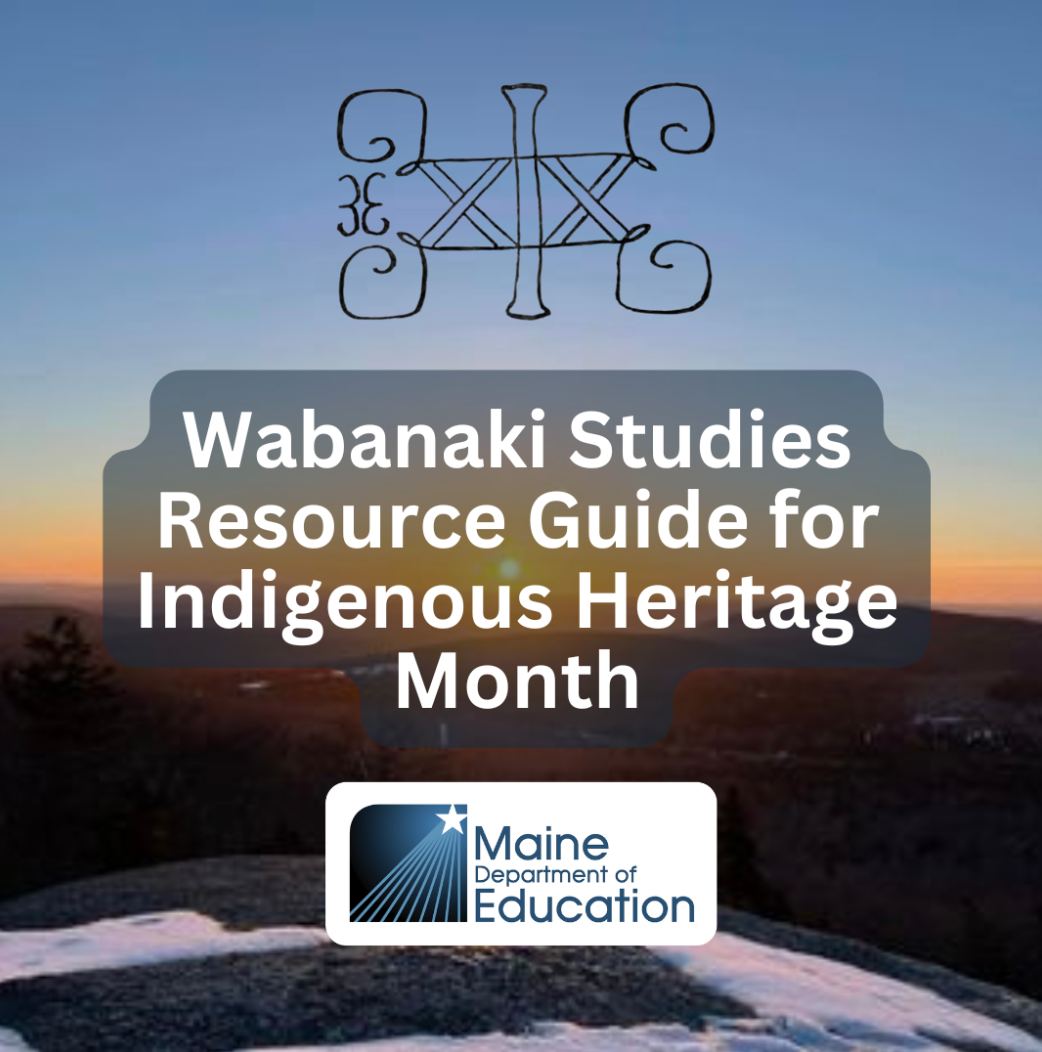
Wabanaki Studies Resource Guide for Indigenous Heritage Month
As we move into November, it’s an opportunity to honor and reflect on the deep history of this land we now call Maine. Native American Heritage Month offers a meaningful time to celebrate Wabanaki cultures and integrate Indigenous history and native foods into classrooms and cafeterias across Maine’s schools. Explore and celebrate Indigenous history this month—and throughout the year.
| | |
Explore more resources for integrating Indigenous and Native knowledge and traditions into Farm to School programs:
| | |
4-H STEM Toolkits for Educators
4-H STEM Toolkits, offered by UMaine Extension, provide an experiential learning opportunity for youth in Maine by providing materials to educators needed to successfully complete science-based activities.
These Toolkits are available at no cost from the Lisbon and Orono UMaine Extension offices.
4-H Toolkits to bring Farm to School into your classroom:
Upcoming Professional Development Opportunity:
Join UMaine Extension on December 1, 2025 from 6:00-7:30pm for a workshop on how to utilize the 4-H STEM toolkits in your classroom. Learn from professional trainers and get ideas for hands-on science activities for your classroom.
Location: Buker Community Center
22 Armory Street, Augusta
Classroom 17-19
Date: December 1
Time: 6:00-7:30pm
RSVP by emailing alisha.r.targonski@maine.edu by November 26.
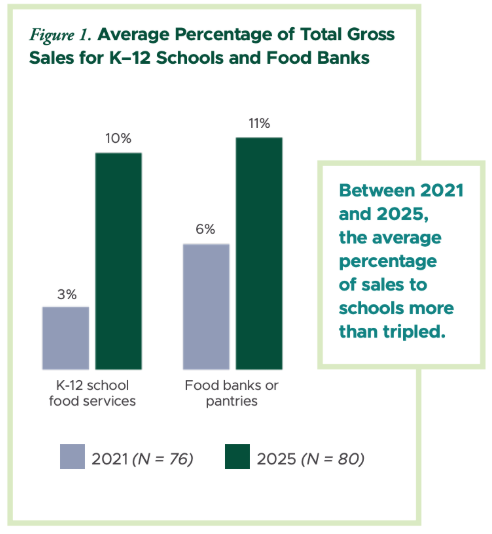
| | New Findings from the 2025 National Food Hub Survey | | Food hubs play a critical role in expanding access to local food across Maine, especially for smaller farms and rural institutions such as schools and early care and education (ECE) programs. By aggregating products from multiple farms, food hubs bridge the gap between producers with limited volume and buyers with limited purchasing power. This shared infrastructure can greatly support small farms reach institutional markets they couldn’t access alone and enables schools and other food-serving sites to buy local products efficiently and affordably. | | A Note about the Federal Shutdown and SNAP | | |
Due to the ongoing federal government shutdown, SNAP benefits across the country, including Maine, have been reduced, delayed, or have become temporarily unavailable. More than 175,000 Mainers rely on SNAP to put food on the table.
This challenging moment underscores how essential access to nutritious food is for family and community well-being. When our systems falter, our communities must come together. Unfortunately, this situation comes as hunger in Maine is at its highest rate in almost ten years with more than 190,000 Mainers living with food insecurity, including 1 in 8 children.
The Maine Farm and Sea to Institution Network (MEFTI) works to reduce food insecurity by strengthening regional food system infrastructure, and these setbacks make institutional nutrition programs more critical than ever. Learn more about how SNAP supports schools.
MEFTI encourages everyone to share food access resources widely during this time.
Stay informed:
-
If you're interested in staying informed about ending hunger efforts in Maine (especially advocacy related), subscribe to the Ending Hunger in Maine Substack hosted by Full Plates Full Potential
-
Full Plates Full Potential has created a landing page with guidance on what can be done at this time, including contacting policy makers, supporting local food pantries and local schools, and sharing stories about the program’s impact.
Food Resources:
- Feeding America Food Bank Locator
Find your local food bank by ZIP code. Many offer groceries, meals, and connections to other services.
- Hunger Free America Hunger Hotline
Call 1-866-3-HUNGRY (or 1-877-8-HAMBRE for Spanish) or text 97779 with a keyword like “food” or “meals” to find nearby food assistance.
-
For help with transportation, finances, household goods, heating, food, and clothing resources, visit 211Maine.org.
Other ways to help:
- Volunteer at your local food pantry during a time of increased pressure and need
- Buy from local farmers and markets — keeping food dollars in Maine supports growers who often donate surplus to pantries and schools
- Host a neighborhood meal or potluck to reduce isolation and share food resources.
- Cook extra and share a meal with a neighbor, especially families with kids or elders living alone.
- Offer rides to grocery stores, food pantries, or community meal sites.
| | ME F2I Jobs, Funding, & Resources | | |
-
FINE Webinar Series: Sowing Success at Bon Appétit: Local Sourcing and Lessons Learned | February 11, 2026| 12-1:00 | Virtual
-
Beyond the Supply Chain Webinar Series: Lessons from Maine's Seafood Supply Chain | March 10, 2026| 11-12:30 | Virtual
-
FINE webinar series: Unlocking the Full Potential of School Food Systems | March 11, 2026| 12-1:00 | Virtual
-
Beyond the Supply Chain webinar series: Food Hubs in Maine | April 14, 11AM-12:30PM | Virtual
-
Beyond the Supply Chain webinar series: State & Regional Perspectives on Food System Infrastructure | May 12, 2026|11-12:30PM | Virtual
| | |
For any questions about Maine Farm & Sea to Institution, please contact Healthy Communities of the Capital Area's Food Systems Coordinators
Alida Peterson at a.peterson@hccame.org or Sarah Sims at s.sims@hccame.org
| |
MEFTI fosters collective power through collaboration and coordination to strengthen farm to institution efforts in Maine. By addressing systemic challenges and supporting public health, education, and the local food economy, MEFTI catalyzes a resilient, equitable, and sustainable food system that benefits all. To Learn more, visit mainefarmtoinstitution.org
| | | | Maine Farm & Sea to Institution Network is supported by the Henry P. Kendall Foundation | | | | Maine Farm & Sea to Institution Network is supported by the Elmina B. Sewall Foundation | | | | |